
Reviewed · COOKING CLASSES
Tokyo: Night Cooking Class: 5 Home-Cooked Japanese Dishes
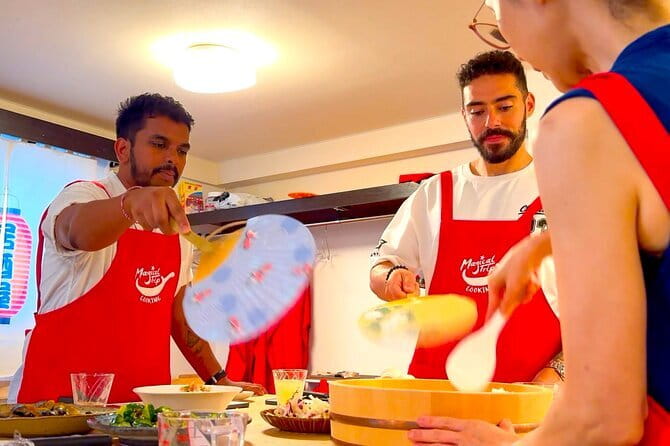
Good food makes Tokyo evenings better. This three-hour class turns Japanese home drinking culture into a hands-on night of cooking, tasting, and conversation. I like the small group size, limited to six people, and the practical recipes, which include wagyu or tofu steak, sushi hand rolls, rolled egg, and grilled eggplant with miso. I also like that three alcoholic or soft drinks are included, so you can learn how Japanese dishes pair with sake, beer, or nonalcoholic options without adding another bill.
The main consideration is dietary fit. Vegetarians are welcome, but this class is not suitable for vegans or people following a gluten-free diet, and allergy-free meals cannot be guaranteed. The meeting point near Iriya Station is simple enough, but you must find the correct FamilyMart beside Gindako and Doutor Coffee, since there are two FamilyMart stores at the station.
In This Review
- Key things to know before booking
- Arriving at Iriya Station for the evening class
- A small-group introduction to Japanese home drinking culture
- Cooking sushi hand rolls and flexible party food
- Wagyu or tofu steak for the main savory bite
- Japanese rolled egg and the value of learning technique
- Grilled eggplant with miso sauce and everyday Japanese flavor
- What the guides add to the cooking
- Is $103 a fair price for three hours?
- Who should book, and who should skip it?
- Booking advice and final verdict
- FAQ
- Where does the cooking class meet?
- How long does the class last?
- What food will I prepare?
- Are drinks included?
- Can vegetarians attend?
- Can children join the class?
Key things to know before booking
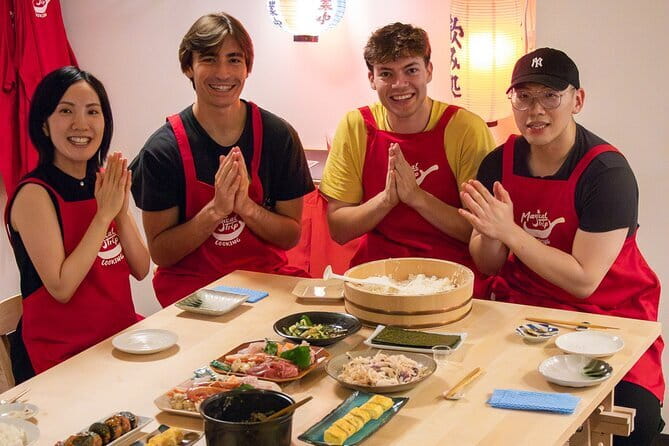
- Small group of six: You get a better chance to cook, ask questions, and speak with the guide than in a large demonstration class.
- Five useful home dishes: Recipes cover sushi hand rolls, wagyu or tofu steak, Japanese rolled egg, grilled eggplant with miso, plus other izakaya-style preparations such as skewers, tempura, and pickles.
- Three included drinks: Choose alcoholic or soft drinks, with sake and beer pairings forming part of the evening.
- Local guides set the tone: Alice, Masae, and Fuji have each led highly praised sessions, with special attention to warmth, clear instruction, and Japanese food culture.
- Recipes go home with you: The class is built for repeat cooking, using ingredients that are generally available outside Japan.
- Age and diet limits matter: Alcohol is only for people 20 and older. Children from age six may attend, but knife and hot cooking steps are limited to those 12 and older with a parent or guardian.
Arriving at Iriya Station for the evening class
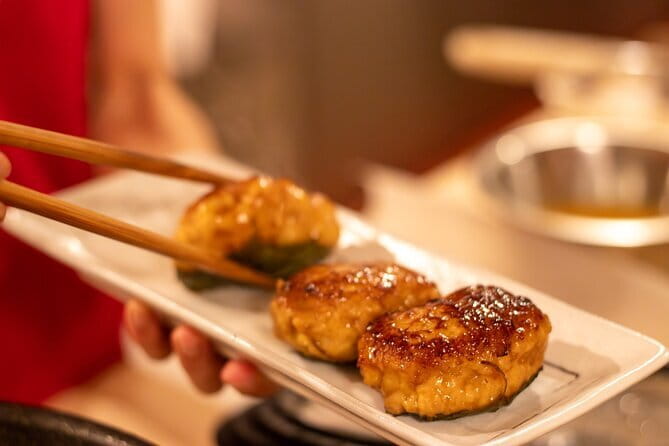
The meeting point is in front of the FamilyMart next to the Gindako takoyaki shop at Iriya Station Exit 2. Look for the FamilyMart beside both Gindako and Doutor Coffee. This detail matters because Iriya Station has two FamilyMart stores, and choosing the wrong one could make the start of your evening needlessly hurried.
Hotel pickup and drop-off are not included. You need to make your own way to the station and return afterward, so allow time to locate the correct exit and shop. The meeting point is public and easy to identify once you know the landmarks, but do not rely on simply searching for FamilyMart.
The class runs for three hours, with starting times varying by availability. It is a nighttime activity, making it a useful choice after sightseeing rather than something that takes up your main daytime hours. You should arrive ready to cook, since the appeal is participation rather than sitting through a food demonstration.
More Cooking Classes in Tokyo
- Sushi Making Tokyo Roll and Authentic Japanese Sushi Class
★ 5.0 · 3,971 reviews - Tokyo: Roll and Authentic Sushi Making Class in Asakusa
★ 4.9 · 1,957 reviews - Tokyo Shinjuku Chopsticks Making Class
★ 5.0 · 1,763 reviews
A small-group introduction to Japanese home drinking culture
The central idea is nomikai, the Japanese custom of gathering for drinks and shared food. This is not presented as a formal restaurant meal with one large course. Instead, you prepare several small plates designed to sit alongside drinks, much like an izakaya evening at home.
I like this approach because it explains why Japanese food is often served in portions meant to be shared. A crisp item, a savory skewer, a tangy pickle, and a richer steak can each change the way a drink tastes. The meal becomes less about one main dish and more about pacing, contrast, and conversation.
The guide also explains drink pairings during the cooking and tasting. Three cans of alcoholic or soft drinks are included. People aged 20 and above may choose alcoholic drinks, while younger participants must select soft drinks in line with Japanese law.
The drinking element is part of the cultural setting, not a reason to expect a late-night party. You are learning how food and drink fit together in Japanese social life. That makes the class a good choice for people interested in everyday customs, not just famous dishes.
Cooking sushi hand rolls and flexible party food
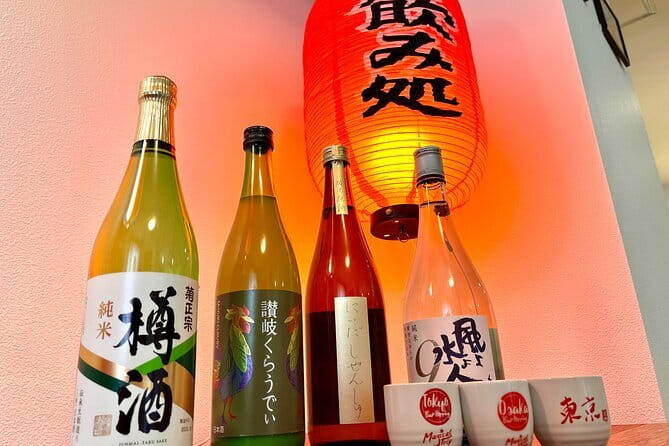
Sushi hand rolls are included among the main cooking tasks. They are a practical choice for a home class because each person can assemble food by hand rather than needing the precision of a professional sushi chef.
The format also fits the class theme. Hand rolls are easy to share, and they work well at an informal gathering where people prepare food together. You should expect instruction in the preparation and assembly process, along with advice on how the dish fits with Japanese drinks.
The class uses ingredients that are readily available in your home country. That is a real benefit if you want to repeat the meal after returning home. You are not simply learning a dish that depends on one obscure ingredient found only in Tokyo.
Still, this is not advertised as a full sushi-making course. If your main goal is advanced knife work, fish selection, or professional sushi technique, you may find the hand rolls too basic. The strength here is social, practical cooking that you can use at a home party.
Wagyu or tofu steak for the main savory bite
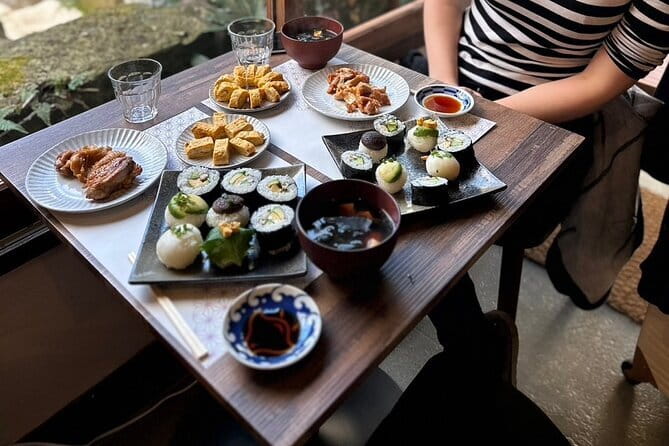
The class includes a wagyu or tofu steak option. The choice gives vegetarians a direct alternative rather than asking them to watch while everyone else cooks the main savory dish.
Wagyu adds a distinctly Japanese touch and gives the evening a richer centerpiece. Tofu provides the vegetarian route while keeping the same general role on the table. The class is therefore useful for mixed groups, especially when one person eats meat and another does not.
Vegetarians are welcome, but the class is not vegan. That distinction is important. The tofu option does not mean every preparation, sauce, or side dish will be free of animal products. If you follow a vegan diet, this is not the right class for you.
The use of wagyu also contributes to the value of the experience. Tokyo restaurant meals can become expensive quickly, particularly when premium beef is involved. Here, you are paying for instruction, ingredients, drinks, and a cultural explanation in one evening, rather than purchasing only a prepared plate.
A completely different kind of day out:
- Tokyo Disney Resort – Tokyo Disneyland & Tokyo DisneySea Park Tickets
★ 4.8 · 99,488 reviews - SHIBUYA SKY Ticket
★ 4.7 · 46,509 reviews - JR Whole Japan Rail Pass
★ 4.8 · 29,150 reviews - Mt Fuji and Hakone 1-Day Bus Tour Return by Bullet Train
★ 5.0 · 26,383 reviews
Japanese rolled egg and the value of learning technique
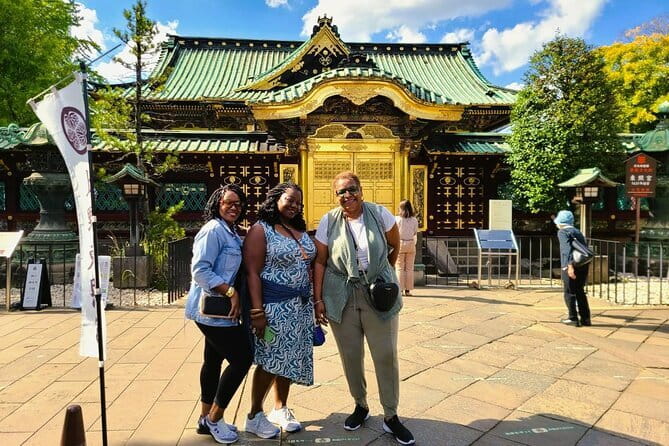
Japanese-style rolled egg, often called tamagoyaki, is another featured dish. It looks simple on a plate, but the rolling method takes attention. The class gives you the chance to learn by doing, which is more useful than merely eating the finished version.
This dish also shows how Japanese home cooking rewards careful technique. The point is not just to combine ingredients. The shape, texture, and repeated rolling steps matter. A guide can correct your process as you cook, which is where the small group becomes valuable.
For a complete beginner, this is the kind of task that can feel satisfying without requiring professional equipment. For an experienced home cook, it offers a compact lesson in a familiar but distinct style of egg preparation.
The class provides cooking equipment and ingredients, so you do not need to bring tools. Recipes are included afterward, giving you a reference when you try the dish again. That take-home element helps turn a pleasant evening into a skill you can keep using.
Grilled eggplant with miso sauce and everyday Japanese flavor
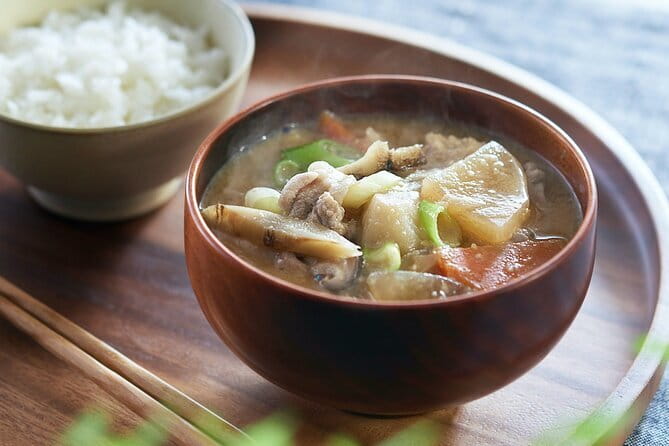
Grilled eggplant with miso sauce brings a softer, savory dish to the menu. It is a good example of how a few strong Japanese flavors can make a vegetable the focus rather than an afterthought.
Miso gives the sauce depth and a salty, fermented character. Paired with a drink, the eggplant helps balance richer foods such as wagyu. This kind of contrast is central to the class, since the menu is designed around several small plates rather than one heavy serving.
I also like this dish as a take-home recipe. Eggplant is easy to find in many countries, and the preparation is more realistic for a home kitchen than an elaborate restaurant specialty. You can serve it at a dinner party, alongside grilled food, or as part of a Japanese-style spread.
The full evening may also include savory skewers, crispy tempura, tangy pickles, and other small dishes. The exact flow can vary, but the purpose remains the same: build a range of textures and flavors that work with drinks.
What the guides add to the cooking
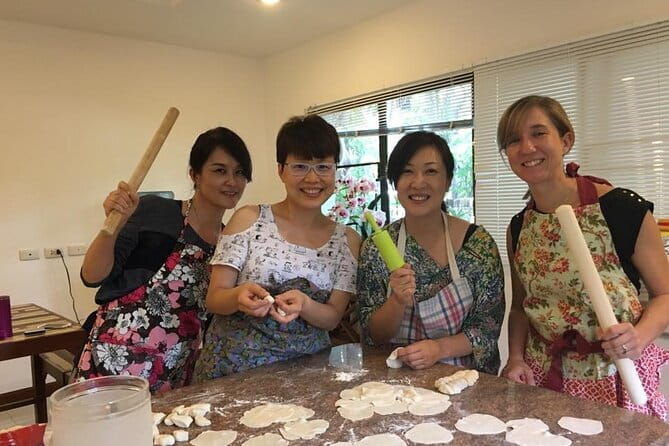
A cooking class lives or dies by the guide, and this one has received strong praise for its personal instruction. Alice is described as making the evening fun while explaining the food clearly. Fuji is also praised as a strong guide and instructor.
Masae’s session included a stop at a local supermarket before the group entered the cooking studio. That detail may not happen on every session, so you should not treat it as guaranteed. If it does occur, it adds a useful look at the ingredients and shopping habits behind Japanese home cooking.
The common thread is the guide’s role in connecting recipes with culture. You are not only shown what to do. You learn why the dishes suit drinks, how Japanese people use small plates socially, and how cooking fits into a relaxed night at home.
The small group, capped at six, should help here. You can ask about substitutions, cooking steps, or drink choices without waiting behind a crowd. Some dates may have only a few participants, and one session had just three people, creating an especially personal setting.
Is $103 a fair price for three hours?
At $103 per person, this is not a cheap meal. It becomes better value when you count what is included: three hours of instruction, all ingredients, cooking equipment, three drinks, recipes, a local English-speaking guide, and tour photos.
You are also paying for access to a private cooking setting and for the chance to prepare several dishes rather than eating one restaurant meal. If you already plan to spend an evening dining out in Tokyo, the class can replace dinner while adding a skill and a cultural lesson.
The value is strongest for couples, friends, and solo visitors who enjoy participating in their meals. It is less compelling if you want a large amount of food, a formal chef-led workshop, or a bargain activity. The class is about contact and instruction, not simply maximizing portions.
A private session is possible when booking numbers are low, but it is not promised. The published group limit is six, and other participants may join. That uncertainty is worth accepting if you like meeting people, but it may matter if you want a private date night.
Who should book, and who should skip it?
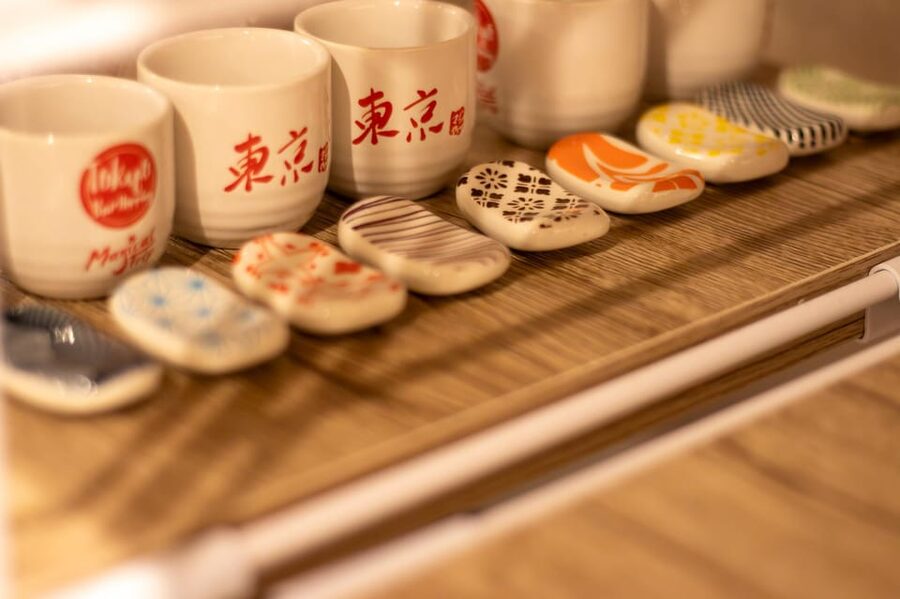
I would recommend this class to:
- Couples looking for an interactive evening rather than another restaurant reservation
- Solo visitors who want to meet a small group and learn from a local guide
- Friends interested in sake, Japanese beer, and food pairings
- Beginner cooks who want clear, repeatable recipes
- Experienced home cooks looking for Japanese techniques
- Vegetarians who can eat the available preparations
Families need to read the age rules carefully. The activity is open to participants aged six and above, but knife and hot cooking tasks are restricted to people aged 12 and older under a parent or guardian’s supervision. The information also lists the tour as not suitable for children under 12, so families with younger children should confirm suitability before booking. A kids’ playroom is available, but that does not remove the age limits for cooking tasks.
Pregnant people should not book this activity. Smoking is not allowed.
The class is not suitable for vegans or people who need gluten-free food. Allergy-free meals cannot be guaranteed because the food is prepared in kitchens that do not belong to MagicalTrip, and substitutions may not always be possible. Vegetarian arrangements are available, but you should share your needs in advance and understand that strict allergy management is not promised.
Some parts of the itinerary are not accessible by wheelchair or stroller. That makes the activity a poor fit if step-free access is essential.
Booking advice and final verdict
I would book this Tokyo cooking class if you want a friendly, hands-on evening with a clear Japanese home-life theme. The strongest reasons are the six-person limit, the practical menu, the included drinks, and the guides’ warm teaching style. Alice, Masae, and Fuji have each helped make the class feel personal and enjoyable, rather than like a cooking lecture.
I would skip it if you need vegan, gluten-free, or guaranteed allergy-safe food, or if your main interest is advanced sushi training. Also check the age, pregnancy, and accessibility restrictions before paying.
For the right person, $103 buys more than dinner. You leave with recipes, new cooking techniques, a better sense of nomikai culture, and an evening built around shared food. That is a fair exchange in expensive Tokyo, especially when you want your meal to teach you something.
FAQ
Where does the cooking class meet?
Meet in front of the FamilyMart next to Gindako takoyaki shop and Doutor Coffee at Iriya Station Exit 2. There are two FamilyMart stores at Iriya Station, so use the Gindako and Doutor landmarks to find the correct one.
How long does the class last?
The cooking class lasts three hours. Starting times vary, so check availability when choosing your date.
What food will I prepare?
The included dishes are a sushi hand roll, wagyu or tofu steak, Japanese-style rolled egg, and grilled eggplant with miso sauce. The experience also covers izakaya-style foods such as skewers, tempura, and pickles.
Are drinks included?
Yes. Three cans of alcoholic or soft drinks are included. Alcoholic beverages and sake are available only to people aged 20 and above.
Can vegetarians attend?
Yes. Vegetarian participants are welcome, and ingredients and cooking processes can be arranged. The class is not suitable for vegans or people following a gluten-free diet.
Can children join the class?
The activity is open to participants aged six and above, but knife and hot cooking steps are permitted only for those aged 12 and older with a parent or guardian supervising. The information also lists the experience as not suitable for children under 12, so families should confirm this point before booking.
Just added in Tokyo
- A One-of-a-Kind Sushi Experience in a Special Place of Japan★ 5.0 · 15 reviews
- Tokyo Cute Bento Cooking Class – Make a Kawaii Character Lunchbox★ 5.0 · 126 reviews
- Japanese Home Cooking Class & Walk in Todoroki Temple Tokyo★ 5.0 · 88 reviews
- Japan Tokyo Tower Observatory Deck E-Ticket★ 4.0 · 34 reviews
- Catch a Baseball Game in Tokyo with a Local – Tickets Included★ 5.0 · 24 reviews
- JDM Experience with Fast&Furious RX-7 (English speaking Driver)★ 5.0 · 57 reviews
- Tokyo Private Day Tour by Car with English speaking Driver Guide★ 4.0 · 29 reviews
- Japan Classic 10 Day – One Life Adventures★ 5.0 · 129 reviews
Cooking Classes, compared.
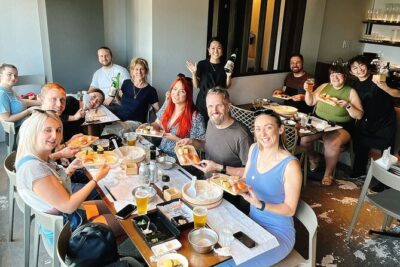
Sushi Making Tokyo Roll and Authentic Japanese Sushi Class
Read our review →
Roll and Authentic Sushi Making Class in Asakusa
Read our review →
Ramen Cooking Class at Ramen Factory in Kyoto
Read our review →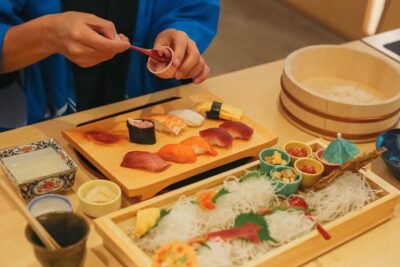
Sushi Making Class in a Happi Coat near a Famous Spot
Read our review →
Sushi Making Osaka Roll and Authentic Japanese Sushi Class
Read our review →
Tokyo Sushi Making Class in Tsukiji with Professional Chef
Read our review →
Ramen & Gyoza Cooking Class in Tokyo with Local Supermarket Visit
Read our review →Browse the lists this tour appears in