
Reviewed · COOKING CLASSES
Tokyo: Private Japanese Cooking Class with a Local Chef
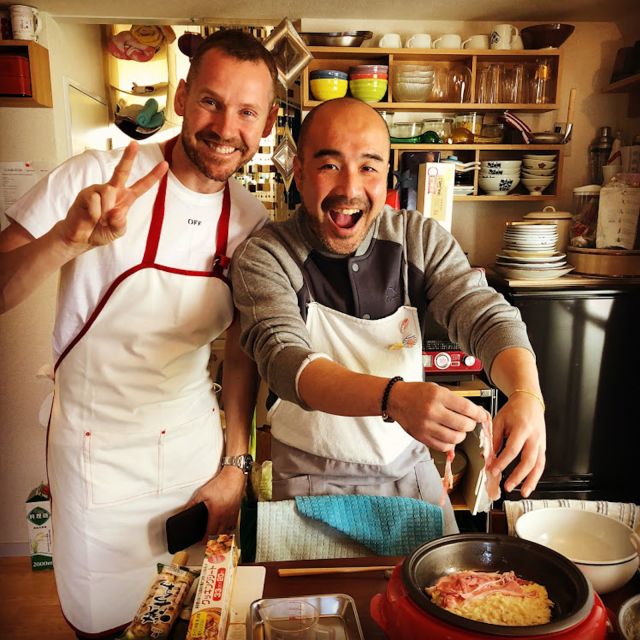
Good food opens Tokyo’s front door. This private class with Chef Sato gives you more than a recipe lesson: you cook in his small Shinjuku apartment, hear about his family’s cooking traditions, and sit down to eat what you made. I especially like the personal setting and the chance to work with seasonal ingredients instead of simply watching a chef perform.
I also like the flexible menu. Depending on the day, you might prepare ramen and gyoza, curry rice, okonomiyaki, teriyaki chicken, or a traditional Japanese set meal. The main consideration is the apartment setting, which means this is an intimate home visit rather than a polished cooking studio. That will suit you if you value conversation and local contact more than space and theatrical presentation.
In This Review
- Key points to know before booking
- Meeting Chef Sato near Shinjuku Station
- What happens inside the apartment
- Choosing between traditional and popular food days
- Why seasonal ingredients matter here
- The meal you cook becomes the best part
- Adding the Shinjuku and Nakano afternoon walk
- Is $120 a fair price?
- Who will enjoy this class most?
- Practical details for planning your day
- Should you book Chef Sato’s cooking class?
- FAQ
- Where does the cooking class meet?
- Where does the cooking class take place?
- How long does the experience last?
- What time are the morning classes?
- What time are the evening classes?
- What food might I cook?
- How many dishes will I prepare?
- Is the class taught in English?
- Is the group private?
- Is a meal included?
- Can I take the afternoon walk?
- What is the cancellation policy?
- Do I have to pay when I reserve?
Key points to know before booking
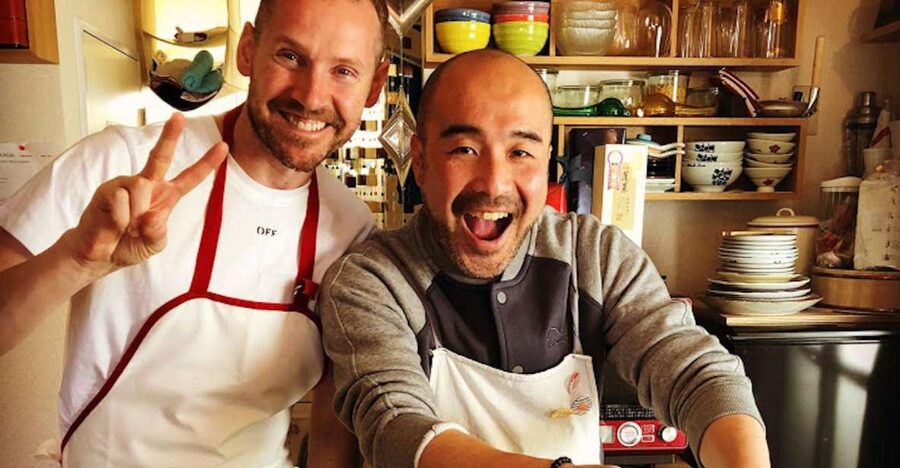
- Chef Sato teaches in his Shinjuku home, creating a relaxed setting that feels closer to cooking with a friend than attending a formal demonstration.
- The menu changes by weekday, with traditional set meals on Saturday through Tuesday and popular dishes such as ramen, gyoza, curry, and kara-age from Wednesday through Friday.
- Seasonal cooking is central, with rice, seasonal vegetables, side dishes, and Japanese ingredients explained as part of the lesson.
- You do the work yourself, chopping, seasoning, preparing, cooking, and arranging the food rather than only watching.
- The optional afternoon walk runs from 1 PM to 3:30 PM after a morning class and can include lesser-known places around Shinjuku and Nakano.
- The $120 price buys a private three-hour food experience, with meals, Japanese barley tea, an English-speaking instructor, and pickup at the meeting point included.
Meeting Chef Sato near Shinjuku Station
Your meeting point is the police box at the east exit of Shinjuku Station, at 3-38-38-1, Shinjuku, Shinjuku-ku, Tokyo. Pickup at this meeting point is included, and Chef Sato then takes you to his apartment.
That arrangement matters in Tokyo. Shinjuku Station is large and can feel confusing, so use the east exit and allow enough time to find the police box. The meeting point gives you a clear landmark, but you should still check your route before class.
The short walk from the station is part of the experience. You leave the major commercial center and enter the more personal side of Shinjuku, then step into a real apartment rather than a restaurant kitchen designed for tourists. The setting is small and homey, so expect a close-up lesson with plenty of direct conversation.
Chef Sato’s English is strong enough for detailed instruction and easy conversation. His teaching style comes through as patient, friendly, and relaxed. Several people who cooked with him also valued the personal stories about his family and his early connection with Japanese food.
More Cooking Classes in Tokyo
- Sushi Making Tokyo Roll and Authentic Japanese Sushi Class
★ 5.0 · 3,971 reviews - Tokyo: Roll and Authentic Sushi Making Class in Asakusa
★ 4.9 · 1,957 reviews - Tokyo Shinjuku Chopsticks Making Class
★ 5.0 · 1,763 reviews
What happens inside the apartment
The class lasts about three hours, although the published schedule lists each morning and evening session as two and a half hours. Morning classes run from 10:30 AM to 1 PM, while evening classes run from 6 PM to 8:30 PM. Check the available starting time when you choose your date.
You will cook two to four items, depending on the menu. This is a hands-on class. You may chop vegetables, season ingredients, prepare fillings, shape food, and help bring several dishes together. You are not simply standing behind a counter while someone else does the interesting work.
Chef Sato explains the ingredients and the place each dish has in Japanese home cooking. He also talks about presentation, not just taste. One session included instruction on arranging several dishes attractively, a useful touch if you want to recreate the meal at home.
The pace can be brisk. One cooking session described preparing salad, stuffed fishcake, miso soup, and teriyaki chicken with rice in about an hour and a half, leaving time to eat and talk. That makes the class feel productive, but it may be a lot to take in if you prefer a slow, highly technical lesson.
The apartment setting adds warmth, but it also shapes the experience. You will not get a large professional workspace or a production-line cooking format. Instead, you get direct attention in a personal home, which is the main reason to choose this class.
Choosing between traditional and popular food days
The schedule divides the week into two broad menu styles.
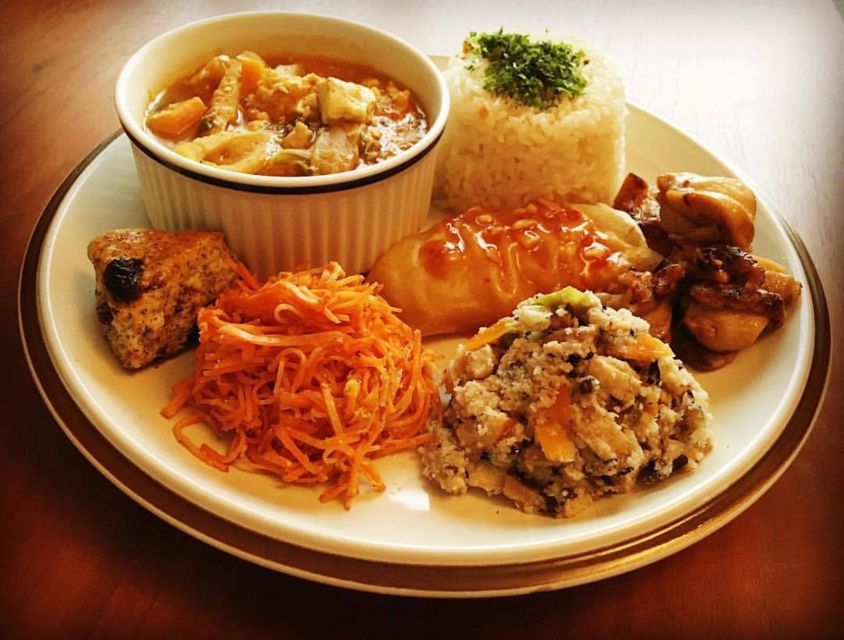
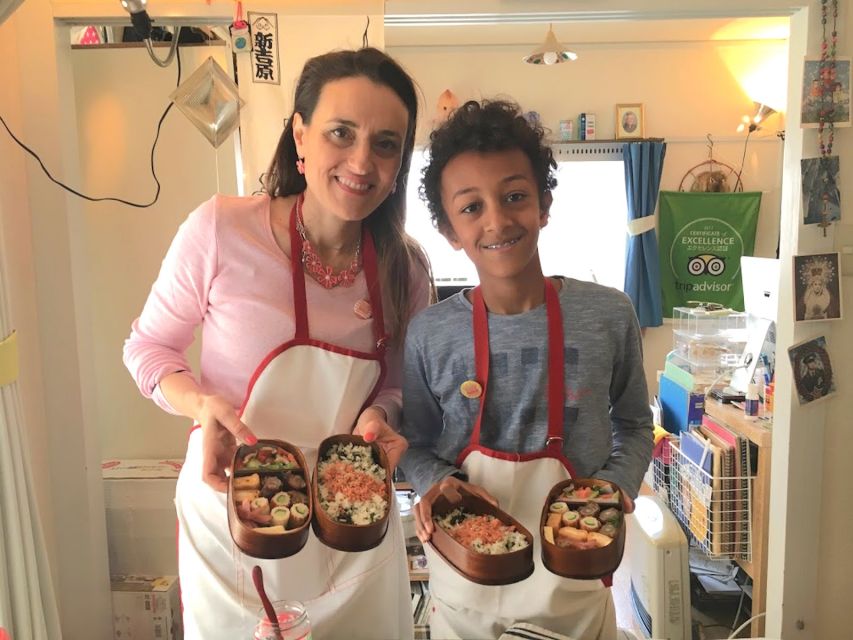
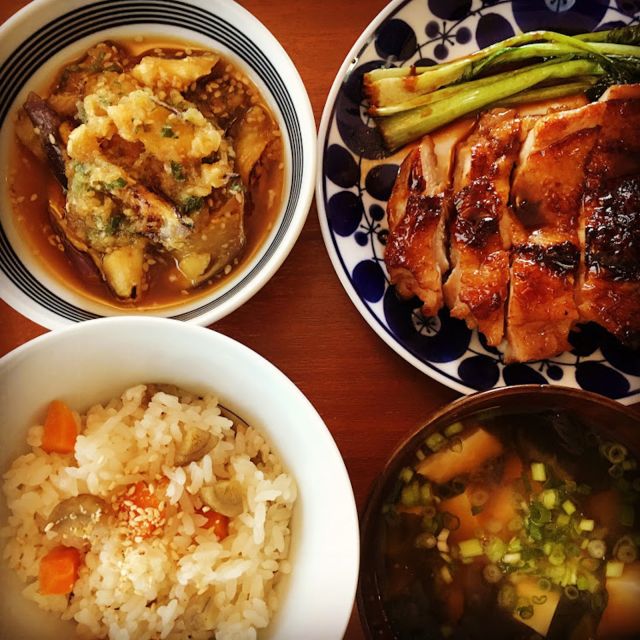
From Saturday through Tuesday, the class focuses on standard traditional meals. A typical option may be teishoku, a set meal with rice, a seasonal main dish, and two seasonal side dishes. Other possibilities include donburi, obento, tonjiru, and rice balls.
A teishoku meal is a good choice if you want to understand the structure of an everyday Japanese meal. Rather than one oversized main dish, you work with several smaller parts that balance taste, texture, and appearance. Rice anchors the meal, while soup, vegetables, and the main dish create variety.
From Wednesday through Friday, the menu turns toward popular Japanese comfort foods. Depending on the day, you might make curry rice, okonomiyaki, gyoza, ramen, a rice burger, kara-age, or yakisoba. Another menu option still includes a teishoku with a seasonal fried main dish and two seasonal side dishes.
The menu is not identical every day, so your date matters. If you have your heart set on ramen and gyoza, aim for a Wednesday, Thursday, or Friday session. If you prefer a more traditional set meal, Saturday through Tuesday may be the better fit.
A useful feature is that Chef Sato may discuss food preferences before the class. One couple requested katsu curry over rice, fresh spring tofu salad, and chikuwa vegetable appetizers, along with a taste of homemade miso. That suggests some room for personal requests, but you should confirm what can be arranged before counting on a particular dish.
Why seasonal ingredients matter here
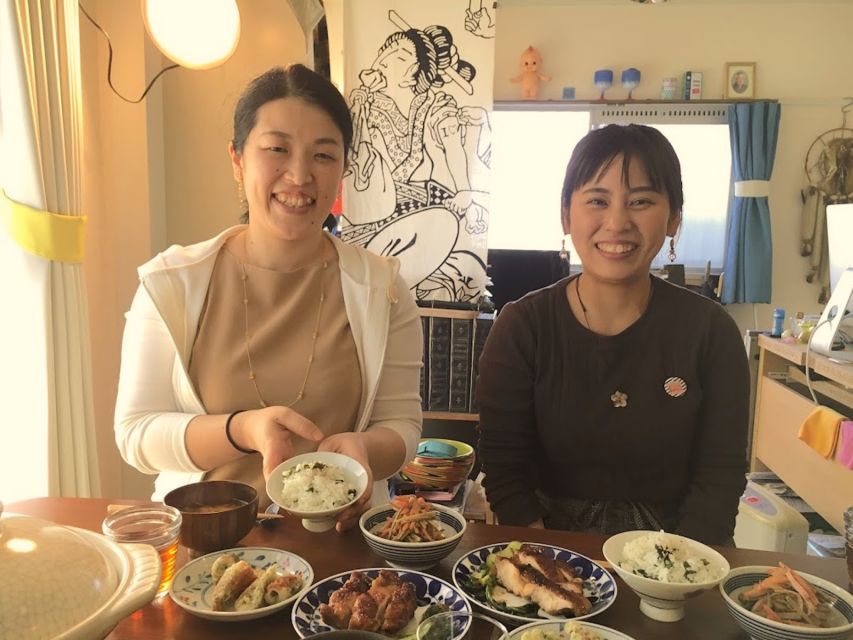
Seasonality is not a decorative theme in this class. It is presented as a basic part of Japanese cooking. The ingredients used in your meal depend on the time of year and the menu assigned to your day.
That helps you understand why Japanese meals often contain several modest dishes. A seasonal vegetable may appear in a side dish, soup, or garnish rather than taking over the plate. You learn how the ingredients work together, not just how to follow a single recipe.
The lessons can also include small practical tips. One person specifically remembered learning how to cut dark spots from potatoes, while others appreciated explanations of Japanese ingredients, homemade miso, and the background of particular dishes.
This is especially useful if you enjoy cooking at home. The point is not to learn restaurant tricks that require specialist equipment. You gain methods and ideas that you can try in your own kitchen, using the recipes and techniques explained during the session.
A completely different kind of day out:
- Tokyo Disney Resort – Tokyo Disneyland & Tokyo DisneySea Park Tickets
★ 4.8 · 99,488 reviews - SHIBUYA SKY Ticket
★ 4.7 · 46,509 reviews - JR Whole Japan Rail Pass
★ 4.8 · 29,150 reviews - Mt Fuji and Hakone 1-Day Bus Tour Return by Bullet Train
★ 5.0 · 26,383 reviews
The meal you cook becomes the best part
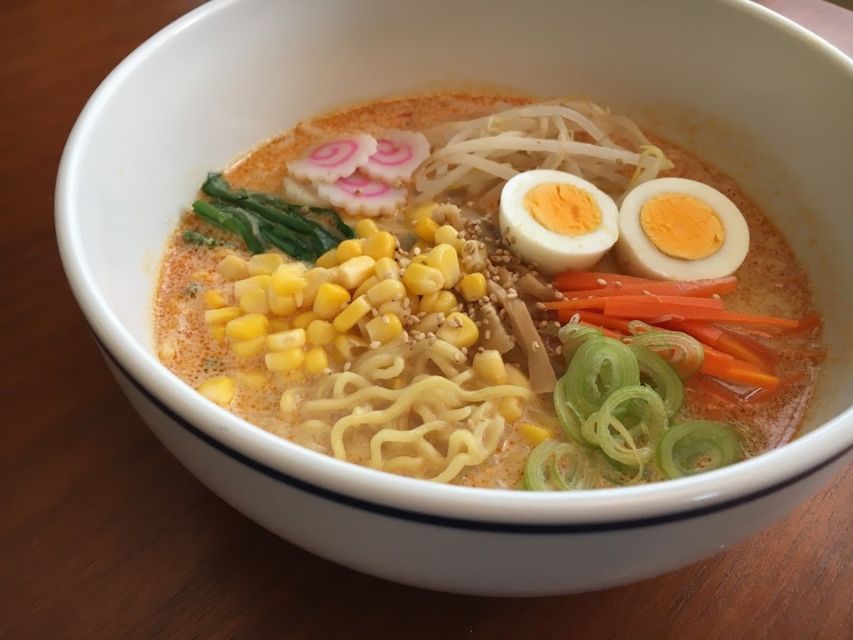
After preparing the food, you sit down and eat it. That sounds simple, but it changes the rhythm of the class. You can taste the result while the instructions are still fresh, ask follow-up questions, and talk about how the meal fits into Japanese home life.
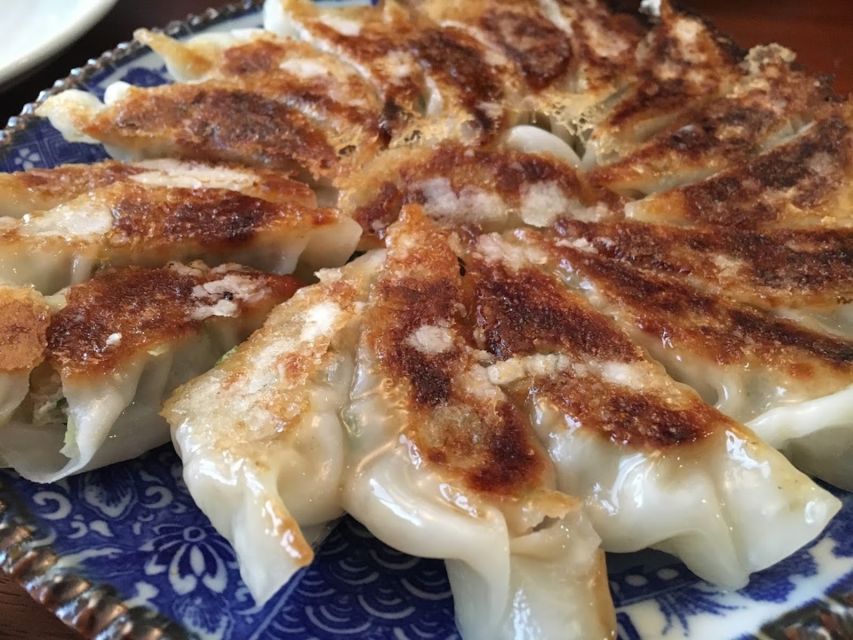
The food itself receives the strongest praise. People have prepared ramen and gyoza from scratch, miso soup, rice, teriyaki chicken, salads, fried dishes, and seasonal side dishes. The repeated theme is that the finished meal is both delicious and surprisingly achievable.
I like that the meal is not treated as an afterthought. The cooking leads naturally to conversation at the table, and the apartment becomes a place to share food rather than just a classroom. Several sessions felt like an invitation into a friend’s home, which is a different experience from eating at even an excellent Tokyo restaurant.
You should keep your expectations sensible. The exact meal depends on the weekday, season, and arrangements with Chef Sato. Book this for the chance to learn and connect, not for a guaranteed restaurant-style menu of your choosing.
Adding the Shinjuku and Nakano afternoon walk
Morning participants can add an optional short trip from 1 PM to 3:30 PM. It takes place every day after the morning class and visits places that may not appear in standard guidebooks.
The walk is not included in the basic cooking description as a separate paid feature, so check the current booking details before assuming it is part of the $120 price. The available information does confirm that it follows the morning class and lasts two and a half hours.
The walk adds real value if this is your first time in Tokyo or if you have already seen the headline sights. Previous outings included areas of Shinjuku and Nakano, with Chef Sato pointing out places that participants might otherwise miss.
Do not expect a formal sightseeing circuit with a long list of famous monuments. The appeal is local orientation and conversation. Chef Sato can explain the area through his own experience, and you get a chance to continue talking after the meal.
Evening-class participants do not have this same afternoon option after their session. If the walk matters to you, choose the morning time and allow the full afternoon.
Is $120 a fair price?
At $120 per person, this is not a bargain meal. Tokyo gives you many cheaper ways to eat Japanese food. You can also find cooking lessons in larger studios that may offer more equipment or a wider menu.
The value comes from the combination of a private group, an English-speaking chef, a meal, a drink, direct instruction, and access to a local home. You are paying for time with Chef Sato as much as for the ingredients. The class also gives you something to take home: recipes, cooking methods, and a clearer sense of how seasonal Japanese meals are put together.
The private format is important. You do not have to compete with a large class for attention, and you can ask questions as you cook. Couples, families, and small groups who want a personal activity will get more from this than people looking for a quick demonstration.
The included drink is Japanese barley tea, and the meal is included as well. Free cancellation up to 24 hours before the experience and the option to reserve now and pay later make the booking less risky, especially during a packed Tokyo itinerary.
Who will enjoy this class most?
I would recommend this experience to people who enjoy food, conversation, and everyday culture. It suits beginners and home cooks alike. You do not need to arrive as an expert, and experienced home cooks can still learn about Japanese preparation, seasoning, and presentation.
It is also a strong choice for a honeymoon, anniversary, or small family outing. One couple booked it near the end of a two-week trip and appreciated the change from eating out twice a day. That is a smart way to use it: treat the class as both a meal and a pause from restaurant dining.
You should think twice if you want a guaranteed sushi lesson, a large professional kitchen, or a fixed menu. Sushi is not among the listed weekly options, and the menu changes by day. The apartment is described as cute and welcoming, but its small size may not suit anyone who dislikes close quarters.
The class is conducted in English, which helps if you want detailed explanations about ingredients and cooking methods. It is a private group, so you can expect a more personal setting than a standard group tour.
Practical details for planning your day
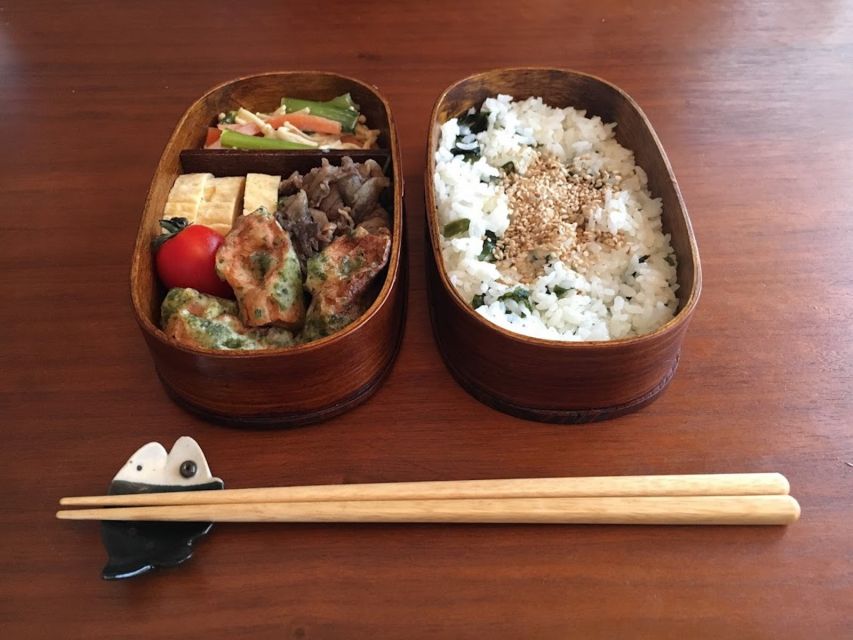
Choose a morning class if you want the optional walk. The morning session runs from 10:30 AM to 1 PM, followed by the short trip from 1 PM to 3:30 PM.
Choose an evening class if you want to keep your daytime free for museums, shopping, or major Tokyo sights. Evening sessions run from 6 PM to 8:30 PM.
Your exact menu depends on the day of the week:
- Saturday through Tuesday: traditional meals such as teishoku, donburi, obento, tonjiru, and rice balls
- Wednesday through Friday: popular dishes such as curry rice, okonomiyaki, gyoza, ramen, rice burgers, kara-age, and yakisoba
The published duration is described as three hours, or 270 minutes, while the listed class periods run for two and a half hours. Check the confirmed timing for your date so you do not create a tight connection with another activity.
Meet at the Shinjuku Station east exit police box. Chef Sato provides pickup at that meeting point. The instructor speaks English, the group is private, Japanese barley tea is included, and the meal is included.
Should you book Chef Sato’s cooking class?
Book it if you want to understand Tokyo through food and conversation rather than a quick stop at a famous restaurant. Chef Sato’s greatest strength is the personal welcome: he teaches, cooks, answers questions, shares family connections, and gives you time to eat what you helped prepare.
The class is especially good for couples, small private groups, curious home cooks, and anyone who wants recipes that can be repeated after Japan. Pick your weekday with care, and choose the morning session if you want the Shinjuku and Nakano walk.
Skip it if you need a fixed menu, a large studio, or a polished culinary show. For most people who value a relaxed home meal and direct contact with a local chef, the $120 fee is justified by the private setting and the amount of personal attention.
FAQ
Where does the cooking class meet?
You meet at the police box at the east exit of Shinjuku Station, at 3-38-38-1, Shinjuku, Shinjuku-ku, Tokyo, 160-0022, Japan.
Where does the cooking class take place?
The class takes place in Chef Sato’s apartment in Shinjuku.
How long does the experience last?
The experience is advertised as three hours, or 270 minutes. The listed morning and evening class times each run for two and a half hours, so check the confirmed schedule for your date.
What time are the morning classes?
Morning classes run from 10:30 AM to 1 PM.
What time are the evening classes?
Evening classes run from 6 PM to 8:30 PM.
What food might I cook?
The menu changes by weekday. Options include teishoku, donburi, obento, tonjiru, rice balls, curry rice, okonomiyaki, gyoza, ramen, rice burgers, kara-age, yakisoba, and other Japanese dishes.
How many dishes will I prepare?
You will cook two to four items, depending on the menu.
Is the class taught in English?
Yes. The instructor language is English.
Is the group private?
Yes. This is a private group experience.
Is a meal included?
Yes. Meals and Japanese barley tea are included.
Can I take the afternoon walk?
An optional short trip runs every day from 1 PM to 3:30 PM after the morning class. It visits places that may not be in guidebooks, including areas around Shinjuku and Nakano.
What is the cancellation policy?
You can cancel up to 24 hours in advance for a full refund.
Do I have to pay when I reserve?
No. The experience offers reserve now and pay later, so you can hold a spot without paying immediately.
Just added in Tokyo
- A One-of-a-Kind Sushi Experience in a Special Place of Japan★ 5.0 · 15 reviews
- Tokyo Cute Bento Cooking Class – Make a Kawaii Character Lunchbox★ 5.0 · 126 reviews
- Japanese Home Cooking Class & Walk in Todoroki Temple Tokyo★ 5.0 · 88 reviews
- Japan Tokyo Tower Observatory Deck E-Ticket★ 4.0 · 34 reviews
- Catch a Baseball Game in Tokyo with a Local – Tickets Included★ 5.0 · 24 reviews
- JDM Experience with Fast&Furious RX-7 (English speaking Driver)★ 5.0 · 57 reviews
- Tokyo Private Day Tour by Car with English speaking Driver Guide★ 4.0 · 29 reviews
- Japan Classic 10 Day – One Life Adventures★ 5.0 · 129 reviews
Cooking Classes, compared.
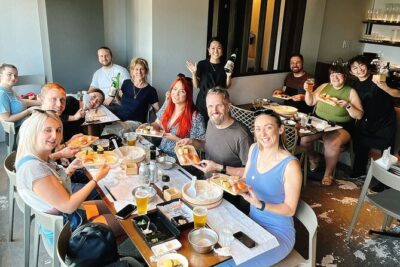
Sushi Making Tokyo Roll and Authentic Japanese Sushi Class
Read our review →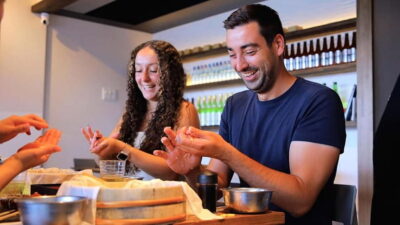
Roll and Authentic Sushi Making Class in Asakusa
Read our review →
Ramen Cooking Class at Ramen Factory in Kyoto
Read our review →
Sushi Making Class in a Happi Coat near a Famous Spot
Read our review →
Sushi Making Osaka Roll and Authentic Japanese Sushi Class
Read our review →
Tokyo Sushi Making Class in Tsukiji with Professional Chef
Read our review →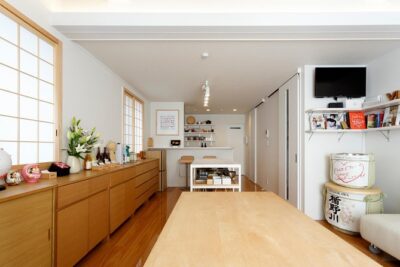
Ramen & Gyoza Cooking Class in Tokyo with Local Supermarket Visit
Read our review →Browse the lists this tour appears in