
Reviewed · COOKING CLASSES
Tokyo: Sushi Making Class
Sushi is easier to eat than to make. This three-hour class turns that gap into a friendly, hands-on afternoon in Tokyo, with English-speaking instructors, fresh ingredients, and several sushi styles to prepare and eat yourself. I like the small group of no more than nine people, which gives the instructors time to correct your technique. I also like that the lesson goes beyond rolling sushi: you learn about dashi, miso soup, tamagoyaki, and the right way to prepare sushi rice. The main consideration is the location. The studio sits in a quiet residential building and can be tricky to find, so you should allow extra time.
You will not learn how to slice a whole raw fish here. The fish is pre-sliced, keeping the class focused on assembly, rice, fillings, and presentation. That is a sensible choice for a beginner lesson, but serious sushi students looking for knife work should choose a different class.
In This Review
- Key Things to Know Before You Book
- A Three-Hour Introduction to Japanese Home Cooking
- Finding the Studio in Shinanomachi
- First Lesson: Dashi, Seasonings, and Miso Soup
- Making Tamagoyaki Without the Panic
- Sushi Rice and Preparation of the Fillings
- Four Sushi Styles to Make by Hand
- Sitting Down to Eat Your Own Work
- What Makes the Small Group Worthwhile
- Dietary Requests and Practical Planning
- Who Should Book This Class?
- Should You Book the Cooking Sun Tokyo Class?
- FAQ
- How long does the Tokyo sushi making class last?
- How much does the sushi making class cost?
- What kinds of sushi will I make?
- Does the class teach how to cut raw fish?
- Is the class taught in English?
- Can dietary requirements be accommodated?
- What is included in the price?
Key Things to Know Before You Book
- You make four types of sushi: Nigiri, inari, hosomaki, and California rolls give you a useful range of shapes and techniques.
- The rice lesson matters: You learn how to prepare tasty sushi rice, the foundation of every piece you make.
- It is more than a sushi workshop: Dashi, seasonings, miso soup, and Japanese rolled egg are part of the afternoon.
- The class suits first-timers: English-speaking instructors demonstrate each stage, then help you put it into practice.
- You finish with a full meal: Your handmade sushi is served with miso soup, fresh wasabi, and pickled ginger.
- Dietary needs can be addressed: Ingredient substitutions are available, but you must give notice when booking.
A Three-Hour Introduction to Japanese Home Cooking
At $67 per person, this is not the cheapest way to eat sushi in Tokyo. It is a reasonable price for a three-hour class that includes all ingredients, utensils, apron and towel rental, recipes, instruction, and a substantial meal at the end.
The value comes from the range of food you cover. A short class might show you how to form a roll and send you home. Here, you spend time on the rice, seasonings, soup, omelet, fillings, and several sushi styles. You also leave with recipes, so the experience has a life beyond the afternoon.
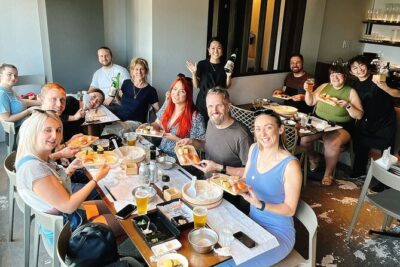
The class is limited to nine people. That number is small enough for personal help, but large enough to create a social setting. A group of seven received close attention from the instructors, while a much smaller session felt almost private. That flexibility is useful for couples, families, and solo visitors who want to meet people without joining a large tour.
The atmosphere is informal and friendly. Several instructors are described as especially patient, organized, and clear in English. Mika, Aya, Koyotama, Miki, Yuko, and Yuki are among the instructors praised for their warm teaching and careful attention. The exact teacher depends on the session, but the consistent theme is practical help without pressure.
More Cooking Classes in Tokyo
- Sushi Making Tokyo Roll and Authentic Japanese Sushi Class
★ 5.0 · 3,971 reviews - Tokyo: Roll and Authentic Sushi Making Class in Asakusa
★ 4.9 · 1,957 reviews - Tokyo Shinjuku Chopsticks Making Class
★ 5.0 · 1,763 reviews
Finding the Studio in Shinanomachi
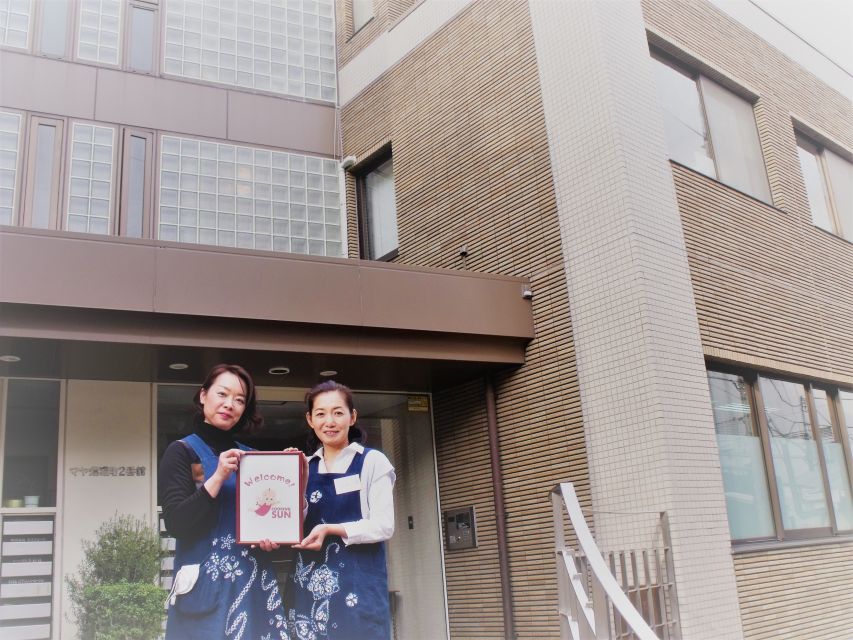
The studio is at Shinanomachi 18-39 in Shinjuku-ku, Tokyo, in a residential area. Search Google Maps for Cooking Sun Tokyo if you have Wi-Fi. The building is beige, and the studio is on the second floor.
At the entrance, you will see two doors. Use the door on the right. To call the studio, press 314 on the intercom.
This is the one part of the experience that deserves extra planning. Tokyo’s residential streets can look similar, and a cooking studio inside an apartment-style building is not always obvious from the street. Check the detailed directions before leaving, especially if you do not have mobile data.
There is no hotel pickup or included transportation. If you arrive in a privately arranged vehicle, ask the driver not to stop or wait outside the building. The studio is in a quiet neighborhood, and waiting cars can disturb residents. A nearby coin-operated parking lot is the better choice.
I would not schedule this as a rushed activity between two major sightseeing stops. Give yourself enough time to locate the building, enter calmly, and wash your hands before class begins. One late arrival was handled kindly, but arriving on time lets you get the full benefit of the demonstrations.
First Lesson: Dashi, Seasonings, and Miso Soup
The class begins with an introduction to Japanese ingredients and basic flavors. You learn about dashi, the soup stock that forms the base of many Japanese dishes, along with traditional seasonings and miso.
This opening is useful because it gives the sushi lesson some context. You are not simply placing ingredients on rice. You begin to understand how Japanese cooking balances savory flavors, seasoning, texture, and temperature.
Miso soup is prepared as part of the class. That may seem like a side dish, but it makes the meal feel complete and gives you another recipe to take home. It also shows how a few carefully chosen ingredients can create a dish that is central to everyday Japanese food.
The instructors explain the ingredients before you begin. You can ask questions about small details, and the pace includes pauses for hand washing and preparation. That organization matters in a cooking class, where too much information at once can leave you fumbling with rice and seaweed.
Making Tamagoyaki Without the Panic
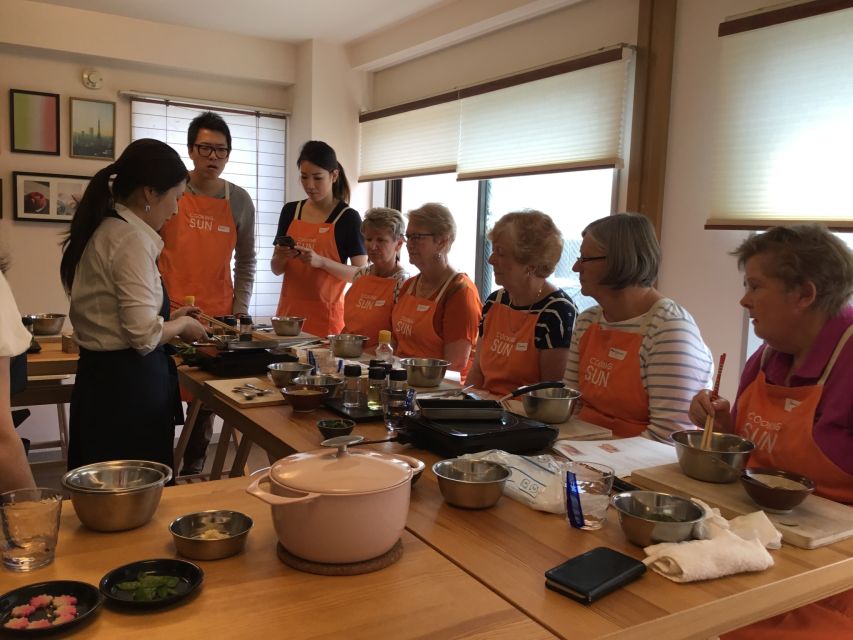
Next comes tamagoyaki, the Japanese rolled omelet. You receive step-by-step instruction on making it fluffy and shaping it properly.
Tamagoyaki is a good addition to the class because it gives you a cooking task that is separate from sushi assembly. You must pay attention to technique, but the instructors break the process into manageable stages. Even if your omelet is not perfectly shaped, you gain a useful introduction to a familiar Japanese dish.
The cooking demonstrations are followed by your own attempt. The class is designed so that people with little kitchen experience can keep up, while confident home cooks still have room to ask questions and refine their method. One experienced cook particularly valued the balance between demonstration and hands-on time.
This is a recurring strength of the lesson. You watch enough to understand what to do, then you get to do it yourself. The teachers do not simply perform everything while you stand nearby.
A completely different kind of day out:
- Tokyo Disney Resort – Tokyo Disneyland & Tokyo DisneySea Park Tickets
★ 4.8 · 99,488 reviews - SHIBUYA SKY Ticket
★ 4.7 · 46,509 reviews - JR Whole Japan Rail Pass
★ 4.8 · 29,150 reviews - Mt Fuji and Hakone 1-Day Bus Tour Return by Bullet Train
★ 5.0 · 26,383 reviews
Sushi Rice and Preparation of the Fillings
Sushi rice is the heart of the afternoon. The instructors explain how to prepare it and why the texture matters. Rice that is too wet, too dry, or poorly seasoned can make even good fillings difficult to handle.
You then prepare toppings and fillings, including shrimp. The class uses pre-sliced fish, which keeps the work suitable for beginners and avoids turning the lesson into a knife-skills course. You should understand this distinction before booking: the focus is on preparing rice and constructing sushi, not cutting raw fish.
This approach also gives you more time to make several styles of sushi. Instead of spending much of the session on fish preparation, you practice shaping, filling, pressing, and rolling.
The instructors keep the process orderly. Ingredients and tools are prepared in advance, and assistance is available when you need it. The result is a class that feels active but not frantic.
Four Sushi Styles to Make by Hand
The main cooking session covers four kinds of sushi.
Nigiri is hand-pressed sushi. You learn how to shape the rice and place the topping correctly. It looks simple, but the amount of pressure matters. Too much handling can compact the rice, while too little can leave the piece unstable.
Inari uses a sweet tofu pouch filled with sushi rice. It gives you a different texture and a gentler entry point than hand-pressed sushi. The pouch holds its shape, so it is a good contrast to the more delicate nigiri.
Hosomaki, or thin roll, teaches you how to spread rice and fillings across seaweed before rolling it tightly. This is the basic rolling technique, and the instructors demonstrate it clearly before you try.
California rolls add another format and encourage creativity with fillings and presentation. Once you understand the basic structure, you can try your own ideas using local ingredients supplied for the class.
That invitation to experiment is important. The lesson gives you a framework, but it does not treat sushi as a rigid craft where every piece must look identical. Your first roll may be uneven. That is part of the fun, and the instructors are there to help you improve.
You also learn how the dishes fit into Japanese food traditions. The cultural information is woven into the cooking rather than delivered as a separate lecture. Several instructors add background about ingredients, the origins of dishes, and Japanese language, which makes the class feel like a food and culture lesson at the same time.
Sitting Down to Eat Your Own Work
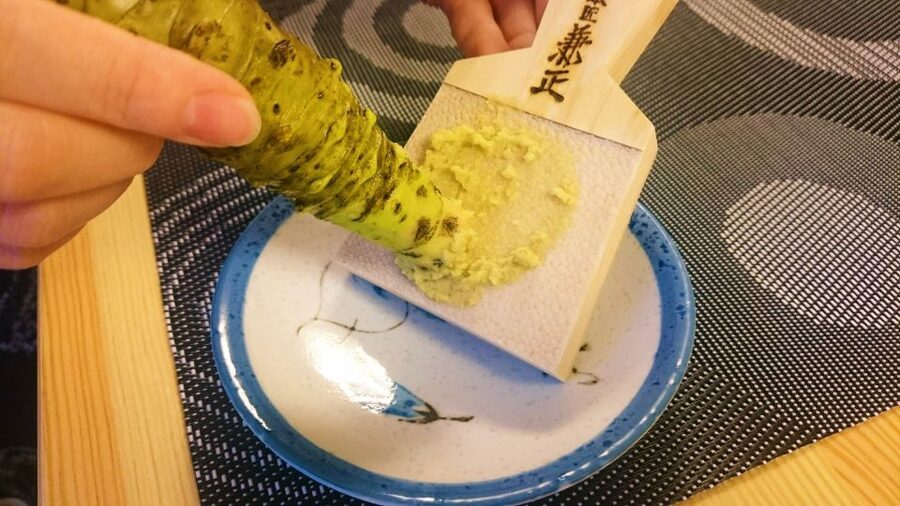
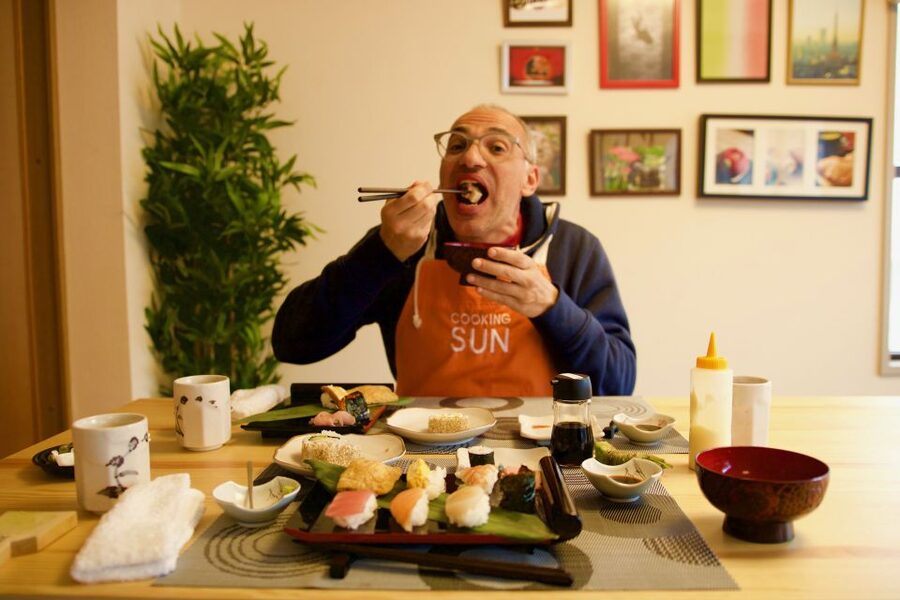
After the cooking is finished, you sit down and eat the sushi you made. Fresh wasabi and pickled ginger are served on the side, along with miso soup.
Plan to arrive hungry. The food is described repeatedly as a full or even very large meal, and the variety of sushi pieces adds up quickly. This is not a tiny tasting where you need to find dinner immediately afterward.
The meal is also the payoff for the hands-on work. You can see how the rice, fillings, and shaping techniques come together. Imperfect pieces still taste good, and the shared meal gives the afternoon a relaxed ending.
Tea or sake is not listed as part of the experience, so do not expect either to be served. One person wished for a drink after the meal, but that is a small omission rather than a problem with the cooking lesson itself.
What Makes the Small Group Worthwhile
The small-group format is one of the strongest reasons to choose this class. With a limit of nine participants, the instructors can watch your rolling and shaping instead of giving one demonstration and moving on.
This matters most during hosomaki and nigiri. Beginners often need a quick correction on rice quantity, hand pressure, or how to close a roll. Help at that moment prevents frustration and lets you try again while the technique is fresh.
The format also works well for families. A seven-year-old sushi fan was given patient support, and a toddler joined another family session. Teenagers were also able to take part. The activity is not described as a children-only lesson, but the teaching style is clearly welcoming to young participants.
You should still remember that it is a cooking class, not a sightseeing attraction. You will spend most of the three hours standing, preparing ingredients, watching demonstrations, and eating. That is ideal for people who want to do something active and social, but less appealing if you prefer a quick cultural stop.
Dietary Requests and Practical Planning
Ingredient substitutions can be arranged for allergies, gluten-free diets, religious restrictions, and vegetarian preferences. If you need changes, state your requirements when you book. Do not wait until you arrive.
This advance notice is especially important in a sushi class, where sauces, seasonings, and prepared ingredients may contain items you need to avoid. The instructors have handled allergies and celiac disease carefully, explaining which items were gluten-free and which substitutions were made.
The class is taught in English. That makes the ingredient explanations and technique demonstrations easier to follow, especially when you are learning unfamiliar words and methods.
Recipes are included, along with all ingredients and utensils. Apron and towel rental are also included, so you do not need to bring cooking equipment. Transportation is not included, and the studio directions deserve your attention before you leave.
Cancellation is free up to 24 hours in advance for a full refund. You can also reserve now and pay later, which helps if your Tokyo schedule is still shifting.
Who Should Book This Class?
I would choose this for a first visit to Tokyo if you want a local food activity that is more personal than a restaurant meal. It is also a strong pick for families, couples, solo visitors, and anyone who enjoys learning by doing.
You do not need prior cooking experience. The instructors demonstrate each stage and offer help throughout, so a beginner can make several kinds of sushi without feeling abandoned.
Experienced home cooks can enjoy it too. The lesson covers rice preparation, traditional seasonings, tamagoyaki, and the details of sushi construction, so there is more here than simply learning to roll seaweed.
I would be more cautious if your main goal is professional sushi technique. The fish is pre-sliced, and there is no lesson on cutting raw fish. You will learn assembly and preparation, not the full work of a sushi chef.
At $67, the class is also best judged as a three-hour meal and activity, not as a cheap lunch. You receive instruction, food, recipes, equipment, and cultural background. Compared with paying for a sushi meal alone, the price includes a skill you can use again at home.
Should You Book the Cooking Sun Tokyo Class?
Yes, if you want an approachable and social introduction to Japanese food. The strongest parts are the small group, patient English-speaking instructors, careful rice instruction, wide range of sushi styles, and generous meal at the end.
Give yourself extra time to find the residential studio, notify the school about dietary needs, and arrive ready to cook. Choose another experience only if you specifically want to cut raw fish or study advanced sushi knife work.
For most people, this is a good-value Tokyo afternoon: practical, filling, friendly, and easy to remember once you are back home making your own rolls.
FAQ
How long does the Tokyo sushi making class last?
The class lasts three hours. Some sessions may run slightly longer depending on the pace of the group, but three hours is the stated duration.
How much does the sushi making class cost?
The price is $67 per person.
What kinds of sushi will I make?
You will make nigiri, inari, hosomaki, and California rolls. You are also encouraged to try your own sushi ideas using local ingredients.
Does the class teach how to cut raw fish?
No. The fish is pre-sliced, and the class does not include instruction on cutting raw fish.
Is the class taught in English?
Yes. The instructors teach in English and provide demonstrations and step-by-step guidance.
Can dietary requirements be accommodated?
Yes. Ingredient substitutions can be arranged for allergies, gluten-free diets, religious dietary restrictions, vegetarian preferences, and other needs. You should provide this information when booking.
What is included in the price?
The price includes recipes, all ingredients and utensils, and towel and apron rental. Hotel pickup and transportation are not included.
Just added in Tokyo
- A One-of-a-Kind Sushi Experience in a Special Place of Japan★ 5.0 · 15 reviews
- Tokyo Cute Bento Cooking Class – Make a Kawaii Character Lunchbox★ 5.0 · 126 reviews
- Japanese Home Cooking Class & Walk in Todoroki Temple Tokyo★ 5.0 · 88 reviews
- Japan Tokyo Tower Observatory Deck E-Ticket★ 4.0 · 34 reviews
- Catch a Baseball Game in Tokyo with a Local – Tickets Included★ 5.0 · 24 reviews
- JDM Experience with Fast&Furious RX-7 (English speaking Driver)★ 5.0 · 57 reviews
- Tokyo Private Day Tour by Car with English speaking Driver Guide★ 4.0 · 29 reviews
- Japan Classic 10 Day – One Life Adventures★ 5.0 · 129 reviews
Cooking Classes, compared.
Sushi Making Tokyo Roll and Authentic Japanese Sushi Class
Read our review →
Roll and Authentic Sushi Making Class in Asakusa
Read our review →
Ramen Cooking Class at Ramen Factory in Kyoto
Read our review →
Sushi Making Class in a Happi Coat near a Famous Spot
Read our review →
Sushi Making Osaka Roll and Authentic Japanese Sushi Class
Read our review →
Tokyo Sushi Making Class in Tsukiji with Professional Chef
Read our review →
Ramen & Gyoza Cooking Class in Tokyo with Local Supermarket Visit
Read our review →Browse the lists this tour appears in