
Reviewed · TEA CEREMONIES
Tokyo: Tea Ceremony & Japanese Traditional Sweets
A quiet hour can change your Tokyo day. This tea ceremony in Hakusan gives you more than a cup of matcha: you watch a formal otemae demonstration, prepare your own tea, and shape seasonal nerikiri sweets with help from an experienced tea master. I like the hands-on format and the calm break it offers from Tokyo’s packed streets. The main consideration is simple: the session is conducted in English only, with no Japanese-language support.
At $27 per person, I find the experience well priced for a one-hour cultural activity, especially since tea, instruction, and sweets are included. I also like the small group limit of 10 people, which should make it easier to ask questions and get help with the whisking and confection work. If you want a long ceremony or a formal kimono experience, this short introduction may feel too brief.
In This Review
- Quick reasons to consider this tea ceremony
- What this one-hour Tokyo experience is really about
- Arriving at the Hakusan meeting point
- Watching the tea master’s otemae demonstration
- Whisking your own bowl of matcha
- Making seasonal nerikiri sweets by hand
- The final pairing of matcha and nerikiri
- How the English guidance affects the experience
- Group size, timing, and the overall pace
- Is $27 a fair price?
- Who should book this experience?
- Should you book the Hakusan tea ceremony?
- FAQ
- Where does the Tokyo tea ceremony take place?
- How far is the meeting point from Hakusan Station?
- How long does the experience last?
- How much does it cost?
- Is the experience conducted in English?
- Is Japanese-language support available?
- What does the experience include?
- Will I prepare my own matcha?
- Will I make Japanese sweets?
- How many people can join the group?
- Is the activity wheelchair accessible?
- What should I wear or bring?
- Can I cancel for a refund?
- Do I have to pay when I reserve?
Quick reasons to consider this tea ceremony
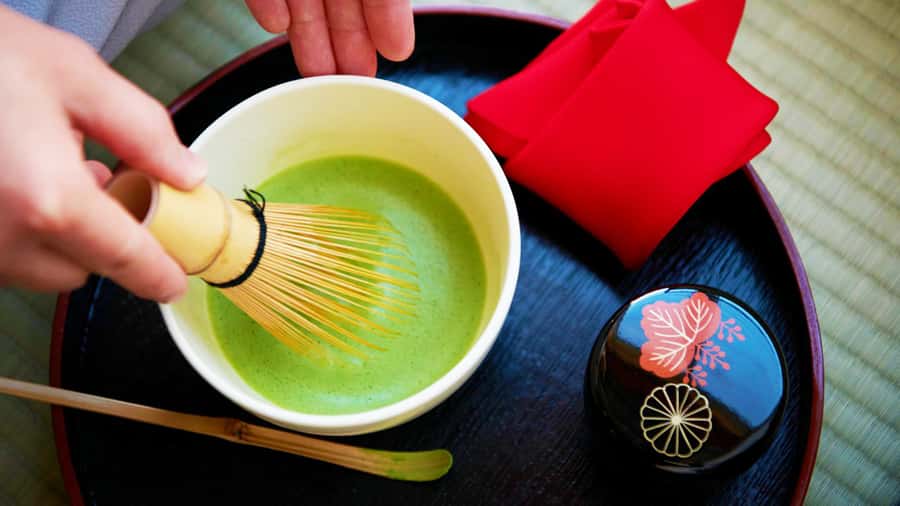
- Make your own matcha: You do not just watch. You learn to whisk a bowl yourself and taste the tea you prepared.
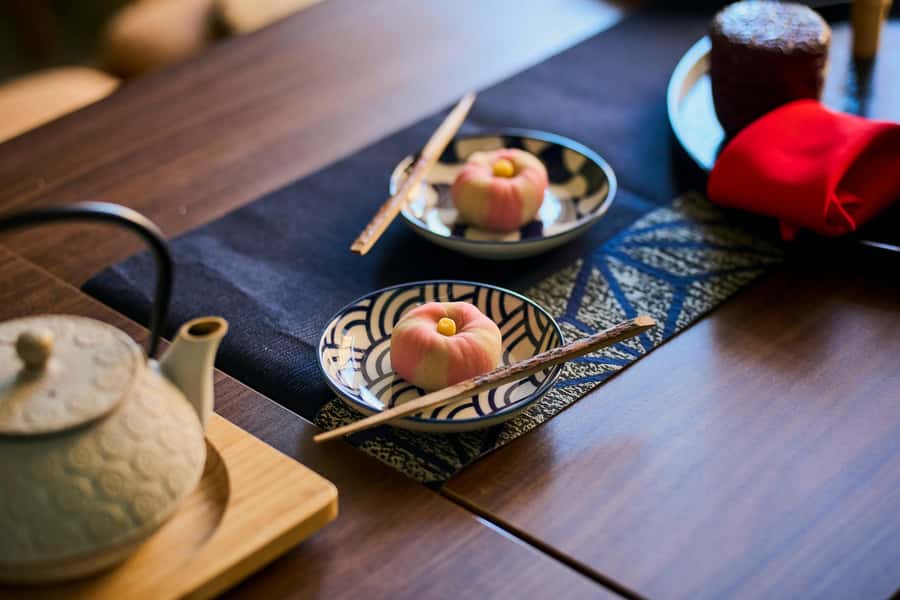
- Shape seasonal nerikiri: The traditional sweets are formed into delicate designs linked to seasonal flowers and motifs.
- Watch a formal otemae: The tea master demonstrates the graceful movements and careful order of a Japanese tea ceremony.
- Learn in English: An expert host explains the process clearly for first-time participants.
- Small group setting: With no more than 10 participants, the class has a more personal feel than a large demonstration.
- Easy Hakusan access: The meeting point is about a five-minute walk from Toei Mita Line Hakusan Station.
What this one-hour Tokyo experience is really about
This is a compact introduction to the Japanese tea ceremony, designed to let you see, taste, and do the main parts yourself. You will learn from a licensed tea master with more than 10 years of experience, while an English-speaking host helps explain what is happening and answers questions.
That balance matters. A formal ceremony can be beautiful but hard to follow if you do not know why each action is performed. Here, the demonstration gives you the visual side of the tradition, while the practical portion gives you a reason to pay attention to the details.
I especially like the way the experience links matcha with nerikiri. Tea is not served as an isolated drink. The sweet is part of the presentation, flavor, and seasonal message. You get to prepare both parts of the pairing, which makes the hour feel more active than a simple tasting.
The pace should suit visitors with a busy Tokyo schedule. At one hour, you can fit it between other plans without giving up half a day. At the same time, the short duration means you should see this as an introduction, not a full study of tea ceremony customs.
More Tea Ceremonies in Japan:
- Kyoto: Tea Ceremony in a Traditional Tea House in Kiyomizu
★ 4.9 · 3,519 reviews - Kyoto: Tea Ceremony Ju-An at Jotokuji Temple
★ 4.9 · 3,207 reviews - Kyoto: 45-Minute Tea Ceremony Lesson Experience
★ 4.3 · 2,378 reviews
Arriving at the Hakusan meeting point
The activity takes place on the second floor of Phil Park Hakusan Hills at 1-26-17 Hakusan, Bunkyo-ku, Tokyo. It is about a five-minute walk from Toei Mita Line Hakusan Station.
Use the map carefully and go to the second floor, as instructed. The address is specific, but finding the correct entrance in an unfamiliar Tokyo neighborhood can still take a few extra minutes. I would arrive early enough to locate the building without rushing into a ceremony that depends on calm and attention.
Hakusan is a useful location for an activity like this. It is away from the biggest sightseeing crowds, yet the station connection keeps it practical. You can place this hour into a day of Tokyo exploring without treating it as a major cross-city expedition.
The activity is listed as wheelchair accessible. If accessibility is important for your plans, you should still confirm any personal requirements when booking, since the supplied information does not describe the exact route through the building or the interior layout.
Watching the tea master’s otemae demonstration
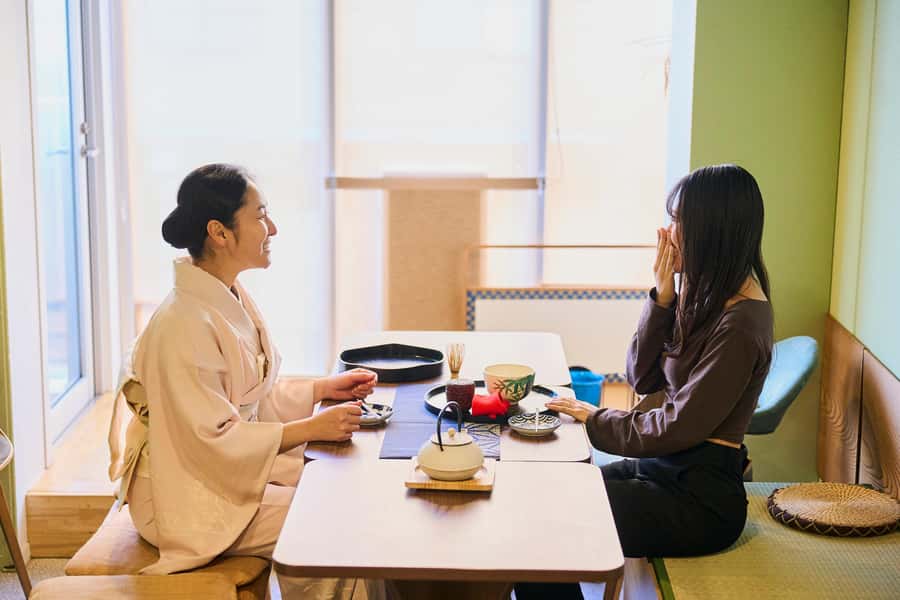
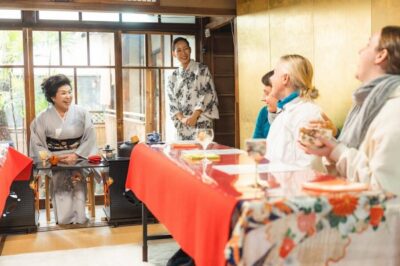
The first major part of the experience is watching the tea master prepare matcha through otemae, the formal sequence of movements used in the ceremony. This is where you see the quiet precision of tea preparation: the equipment, gestures, and order all carry meaning.
You may notice that the appeal is not only the final drink. The ceremony asks you to slow down and observe. A host who explains the actions in English makes a big difference, since the movements can otherwise look mysterious to someone seeing them for the first time.
The tea master has more than 10 years of experience and is described as licensed. That background adds value to the demonstration. You are not simply watching someone stir green tea. You are being shown a traditional practice by an instructor who has spent years learning its form.
The demonstration is also useful before your own turn. You can see the correct technique first, then try it with a clearer idea of what to do. I would pay close attention here rather than treating this section as a passive show. The later hands-on portion will make more sense if you notice the order and rhythm of the preparation.
Whisking your own bowl of matcha
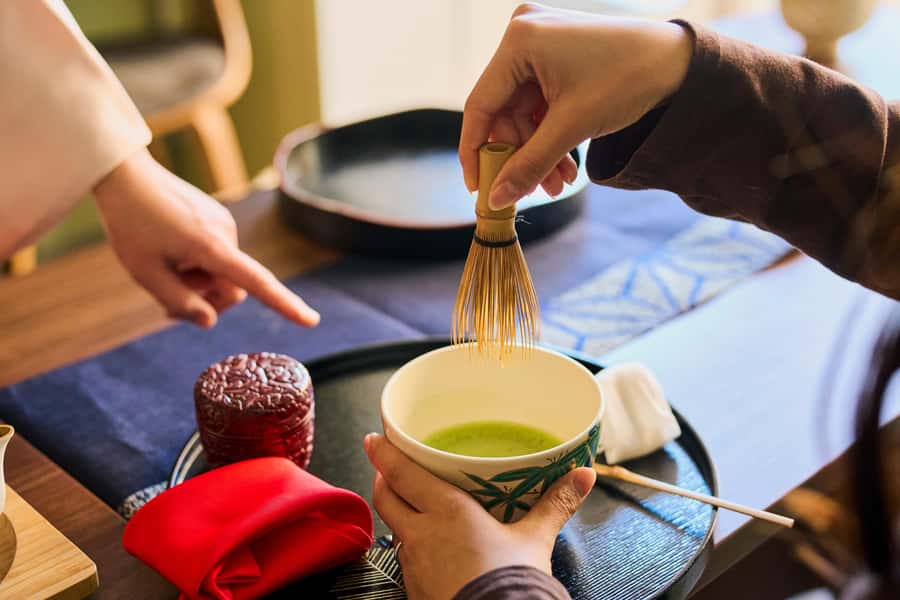
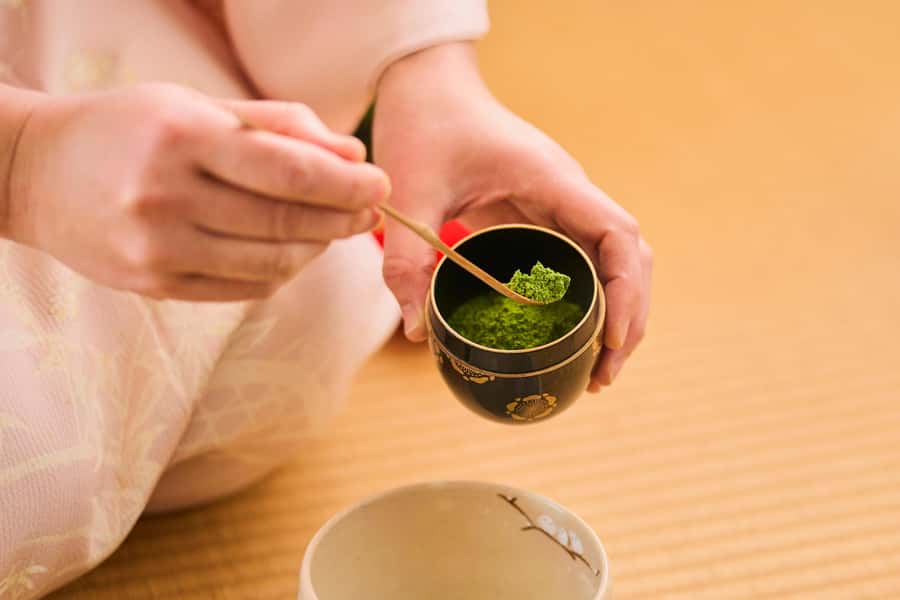
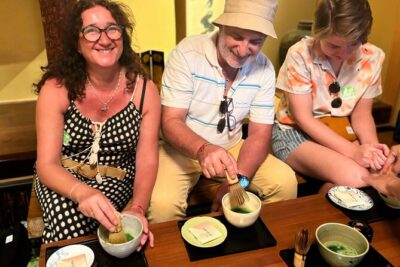
After watching the tea master, you prepare your own matcha. This is the part that makes the session worthwhile for many first-time participants. You get to handle the process rather than simply receive a finished bowl.
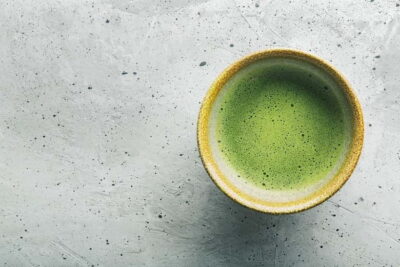
Matcha has a strong, distinctive taste, and the experience gives you a direct way to understand it. You whisk the tea yourself, then taste the result. Your bowl may not look exactly like the tea master’s, and that is part of the point. The instruction lets you try a traditional technique without requiring prior experience.
The host is there to provide clear explanations in English and help when needed. Courtney from Canada gave the experience five stars and praised the guide for answering questions and assisting when necessary. That is a useful detail for anyone who worries about making a mistake. This is an instructional session, not a test.
You should wear comfortable clothes. The supplied information does not require formal attire, and this is a practical recommendation for an activity involving preparation and handmade sweets. The tone appears welcoming to beginners, so you do not need previous knowledge of matcha or tea ceremony customs.
A few more options to weigh up in Japan
- Matcha Making Class in Tokyo with Authentic Japanese Sweets Set
★ 5.0 · 744 reviews - Matcha Making Class in Osaka with Authentic Japanese Sweets Set
★ 5.0 · 509 reviews - Tokyo: Matcha Making Experience with Mochi Sweets in Asakusa
★ 4.9 · 388 reviews - Kyoto: Japanese Traditional Sweets Making and Tea Ceremony
★ 4.4 · 314 reviews
Making seasonal nerikiri sweets by hand
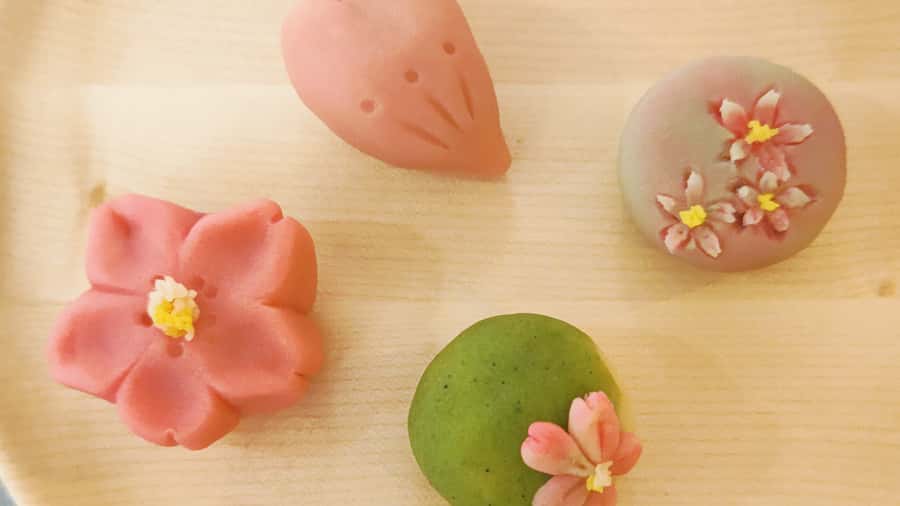
The second hands-on activity is making nerikiri, a traditional Japanese confection designed to reflect the season. These sweets are known for careful shaping and visual detail, with forms connected to flowers and other seasonal motifs.
This part adds a creative element that you do not get from a standard tea demonstration. You are not only tasting a sweet prepared by someone else. You are learning how its colors and shape communicate a seasonal idea, then trying to form one yourself.
The supplied information does not specify the exact design used during each session, so you should expect the motif to change with the season. That is a strength, since the activity can feel tied to the time of year rather than fixed like a souvenir workshop.
Nerikiri also helps explain the pairing with matcha. The sweet offers a contrast to the tea’s strong flavor, and the two are enjoyed together at the end. Your finished confection may have a few imperfect edges, but handmade work is precisely what makes this section engaging. You get a small lesson in the care behind Japanese sweets without needing to commit to a long cooking class.
The final pairing of matcha and nerikiri
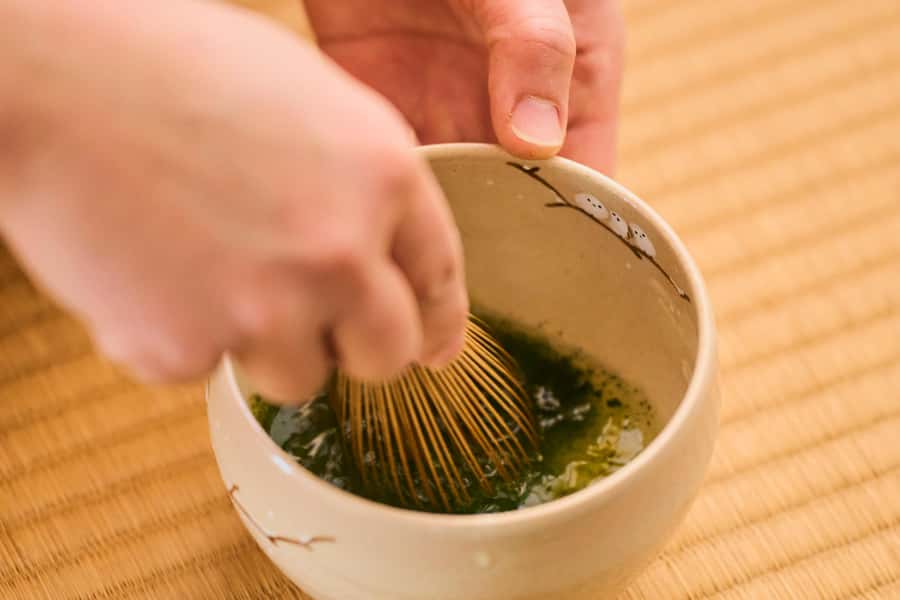
Once you have prepared the tea and shaped the sweet, you enjoy them together. This is the payoff of the hour, but it is not just a snack break. The pairing brings together the ceremony, the technique, and the seasonal design.
The experience describes the matcha as having a rich flavor. That does not mean everyone will love it immediately. Matcha can be an assertive drink, especially if you are used to sweetened tea. The handmade nerikiri helps balance the experience, giving you a gentle confection to enjoy alongside it.
I like that the final tasting follows your own preparation. You understand more about the drink because you have whisked it, and you appreciate the sweet differently because you have shaped it. That direct involvement gives the experience more substance than simply sitting down with a cup and taking a few photographs.
The calm setting is another practical benefit. Courtney described the activity as a lovely, quiet break from the busy parts of a Tokyo trip. That makes this a good choice when your itinerary has become a blur of stations, shopping streets, and major sights.
How the English guidance affects the experience
The activity is conducted in English, and Japanese-language support is not available. For English speakers, that keeps the instructions accessible and lets you ask questions as the demonstration unfolds.
The English-speaking host is separate from the tea master’s formal role, according to the supplied details. That arrangement should help preserve the ceremony’s structure while making the cultural explanation easier to follow.
Nicci from New Zealand described feeling privileged to watch the ceremony and learn about its cultural importance. That points to one of the experience’s best qualities: it does not treat tea preparation as a decorative performance alone. The explanation gives the actions a place within Japanese culture.
Still, the English-only format is worth taking seriously. If you need another language, this is not the right booking. The activity is small and guided, but the stated language is English only.
Group size, timing, and the overall pace
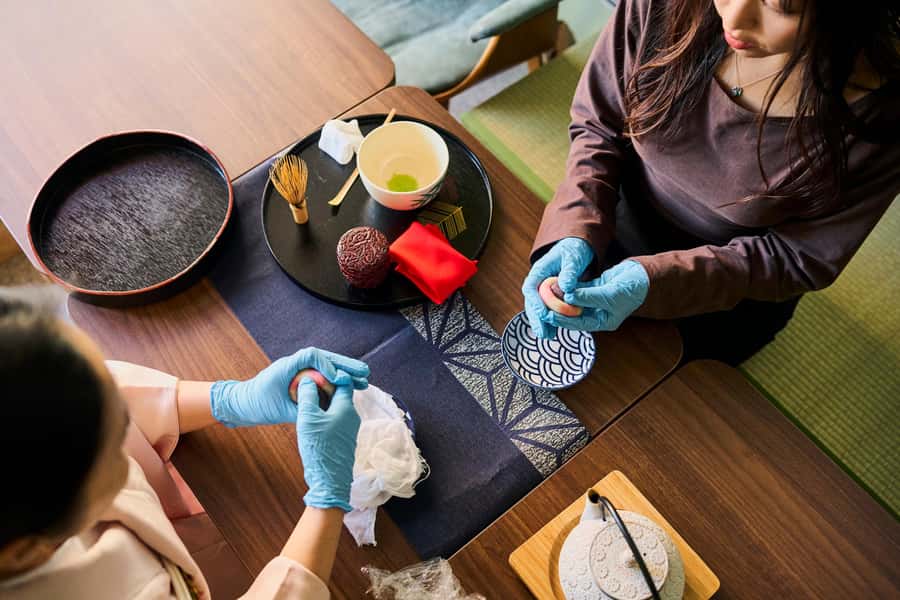
The group is limited to 10 participants. That is small enough to create a more focused class, while still allowing you to share the activity with other people. A small group should also make it easier for the host to provide individual assistance during the matcha and nerikiri portions.
The duration is exactly one hour, with starting times available according to the date you select. That short format is useful for families, first-time visitors, and anyone building a full day around several Tokyo neighborhoods.
The tradeoff is that the hour cannot cover every detail of tea ceremony etiquette, history, equipment, and regional variation. You will get a clear introduction and practical activity, not an advanced lesson. If your goal is quiet observation and a first taste of the tradition, the length works well. If you want an extended formal ceremony, look for a longer format.
Is $27 a fair price?
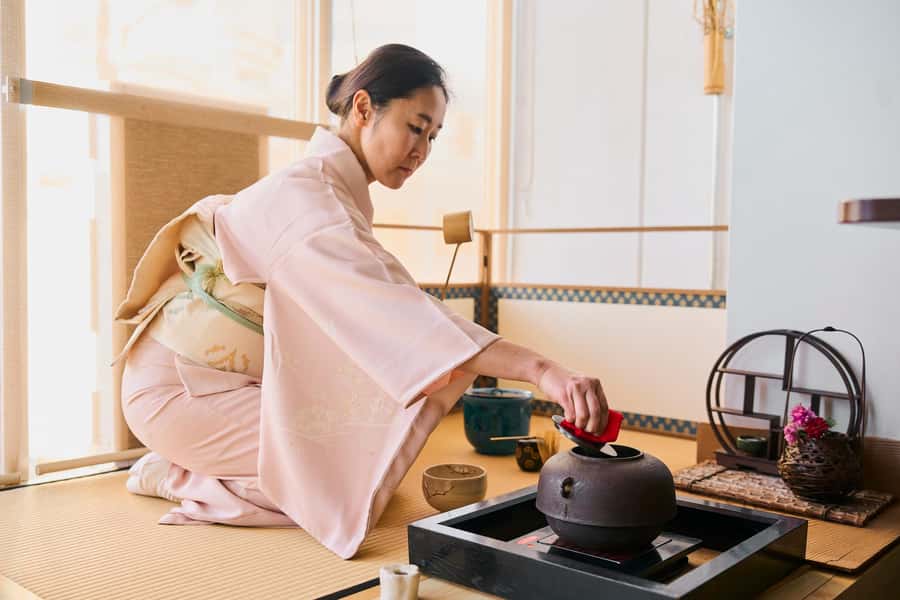
At $27, the value is strong for a guided cultural activity that includes the English guide, tea ceremony, matcha preparation, and traditional Japanese sweets. The price also covers two active elements: whisking your own tea and making nerikiri.
I would compare it with the cost of other short Tokyo activities, but price alone does not tell the whole story. The tea master’s experience, the small group cap, and the English explanations are the parts that make this more than a quick drink stop.
The value is best for you if you want an organized introduction with clear instruction. It is less compelling if you only want to taste matcha cheaply or take photographs of a ceremony. You are paying for access, teaching, and participation.
The flexible booking terms also help. You can reserve now and pay later, and you can cancel up to 24 hours in advance for a full refund. That is useful when your Tokyo schedule may change because of weather, transport, or a crowded sightseeing day.
Who should book this experience?
I would recommend it to first-time visitors who want a manageable introduction to Japanese culture. The English guidance, one-hour format, and hands-on structure remove much of the uncertainty that can make a formal ceremony feel intimidating.
It also suits anyone who wants a quieter activity between major Tokyo sights. The small group and calm focus offer a welcome change from the city’s faster pace.
Families and couples may enjoy the creative side of making nerikiri, though the supplied information does not give a minimum age or child policy. You should check those details before booking if you are traveling with young children.
This is also a good fit for visitors who care about seasonal traditions. The exact sweet design may change with the season, and the confection’s shape and colors are part of the lesson.
I would be more cautious if you need Japanese-language instruction, want a long ceremony, or expect a full meal. None of those are promised. This is a focused cultural class with tea and sweets, not a restaurant visit or an all-day workshop.
Should you book the Hakusan tea ceremony?
Book it if you want to do more than watch. The chance to see otemae, whisk your own matcha, and make seasonal nerikiri gives the hour a satisfying shape. The $27 price is reasonable, the group is capped at 10, and the English guidance makes the activity easy to approach.
Skip it if you need instruction in a language other than English or want a lengthy, highly formal ceremony. For everyone else, this is a practical way to add a small but meaningful cultural experience to a Tokyo itinerary. Bring comfortable clothes, arrive at the Hakusan address with time to find the second floor, and let the hour slow you down.
FAQ
Where does the Tokyo tea ceremony take place?
It takes place on the second floor of Phil Park Hakusan Hills, at 1-26-17 Hakusan, Bunkyo-ku, Tokyo.
How far is the meeting point from Hakusan Station?
The meeting point is about a five-minute walk from Toei Mita Line Hakusan Station.
How long does the experience last?
The tea ceremony and sweets experience lasts one hour.
How much does it cost?
The listed price is $27 per person.
Is the experience conducted in English?
Yes. The instructor language is English, and an expert host provides explanations in English.
Is Japanese-language support available?
No. Japanese-language support is not available for this activity.
What does the experience include?
It includes an English guide, a tea ceremony, and traditional Japanese sweets.
Will I prepare my own matcha?
Yes. You learn how to whisk and prepare your own matcha after watching the tea master’s demonstration.
Will I make Japanese sweets?
Yes. You have the opportunity to make nerikiri, a seasonal Japanese confection.
How many people can join the group?
The group is limited to 10 participants.
Is the activity wheelchair accessible?
Yes. The activity is listed as wheelchair accessible.
What should I wear or bring?
Comfortable clothes are recommended. No other required item is specified.
Can I cancel for a refund?
Yes. You can cancel up to 24 hours in advance for a full refund.
Do I have to pay when I reserve?
No. The reserve-now, pay-later option lets you book without paying immediately.
Just added in Japan
- A One-of-a-Kind Sushi Experience in a Special Place of Japan★ 5.0 · 15 reviews
- Tokyo Cute Bento Cooking Class – Make a Kawaii Character Lunchbox★ 5.0 · 126 reviews
- Japanese Home Cooking Class & Walk in Todoroki Temple Tokyo★ 5.0 · 88 reviews
- Catch a Baseball Game in Tokyo with a Local – Tickets Included★ 5.0 · 24 reviews
- Japan Tokyo Tower Observatory Deck E-Ticket★ 4.0 · 34 reviews
- JDM Experience with Fast&Furious RX-7 (English speaking Driver)★ 5.0 · 57 reviews
- Tokyo Private Day Tour by Car with English speaking Driver Guide★ 4.0 · 29 reviews
- Japan Classic 10 Day – One Life Adventures★ 5.0 · 129 reviews
Tea Ceremonies, compared.
Tea Ceremony in a Traditional Tea House in Kiyomizu
Read our review →
World Heritage Kyoto & Nara Uji Authentic Matcha Experience
Read our review →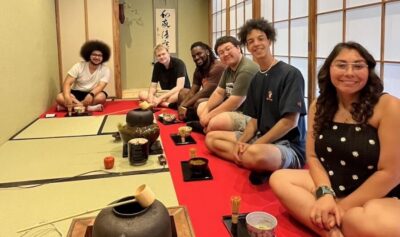
Browse the lists this tour appears in