
Reviewed · COOKING CLASSES
Tokyo: Wagyu and 7 Japanese Dishes Cooking Class
Tokyo tastes better when you cook it. This three-hour class turns Japanese home cooking into a hands-on meal, with Wagyu beef as the centerpiece and seven other dishes built around it. I like the small group of no more than eight, and I like that the recipes are practical enough to repeat at home. The one caution is that the studio sits in a residential building, so finding the entrance takes some preparation.
The setting is clean, bright, and pleasantly informal rather than restaurant-formal. You cook alongside other people, hear the background behind ingredients and customs, then sit down to eat the full meal. At $67 per person, that is a good deal for a substantial lunch, English instruction, ingredients, equipment, apron, towel, tea, and recipes.
In This Review
- The class at a glance
- What the three-hour cooking class feels like
- Dashi and the building blocks of Japanese flavor
- Small dishes that teach useful Japanese techniques
- Tofu, chicken, and the Wagyu centerpiece
- Dorayaki-style dessert to finish the meal
- The instructors and the teaching style
- The residential studio and how to find it
- Is $67 a fair price?
- Who will enjoy this experience most
- Booking details worth knowing
- Should you book the Wagyu and seven-dish class?
- FAQ
- How long does the Wagyu and seven-dish cooking class last?
- How many dishes do you prepare?
- Is the class taught in English?
- Are ingredients and cooking equipment included?
- Can the class accommodate dietary restrictions?
- How do I find the Cooking Sun Tokyo studio?
The class at a glance
- Eight dishes in about three hours: Prepare a full Japanese meal from appetizer through dessert, not just one showcase recipe.
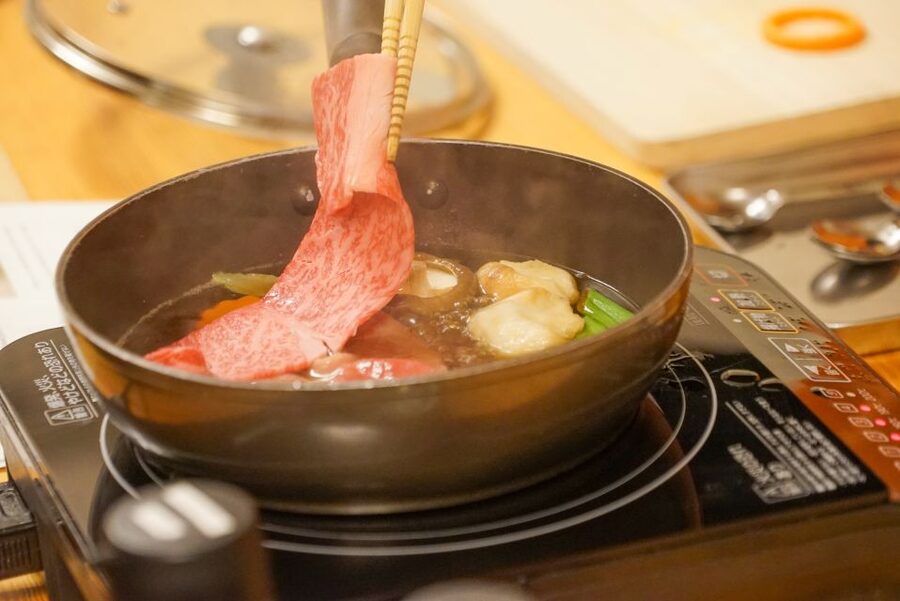
- Wagyu takes the main stage: The beef is used in a sukiyaki-style hot pot, giving you a memorable taste of one of Japan’s best-known foods.
- Dashi from scratch: You learn the basic stock behind miso soup and many other Japanese dishes.
- Small, friendly teaching team: English-speaking instructors guide each step and explain food customs, ingredients, and useful substitutions.
- Good for beginners and families: The techniques are approachable, and an 11-year-old participant was able to take part successfully.
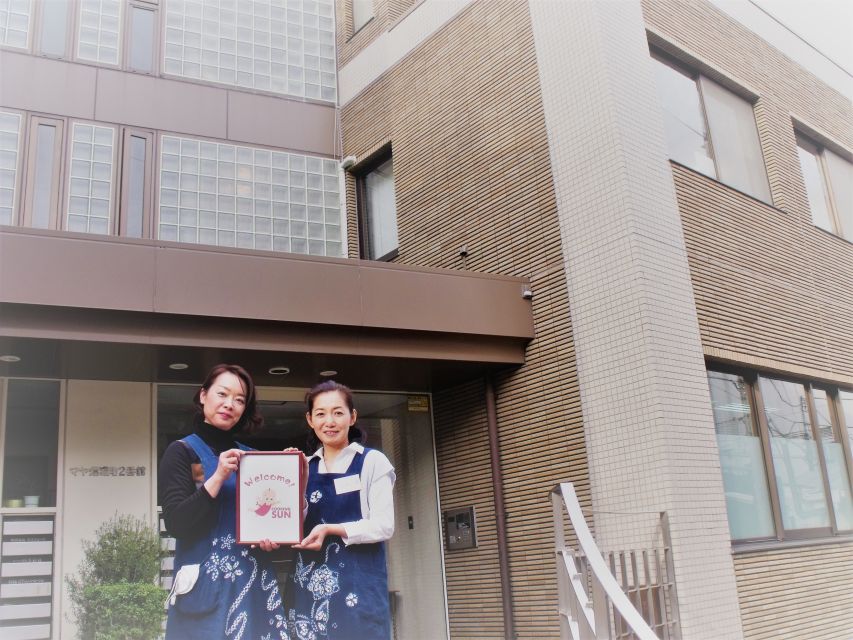
- Residential Tokyo location: The studio is on the second floor of a beige building, with the right-hand entrance and intercom code 314.
What the three-hour cooking class feels like
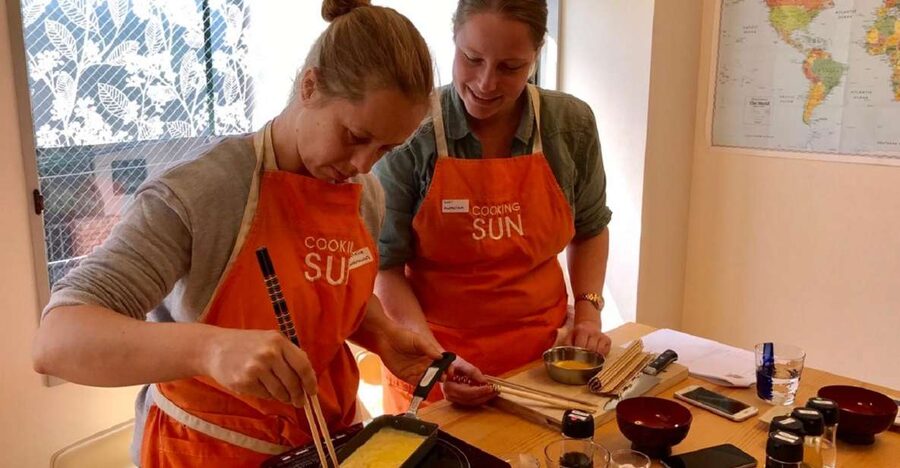
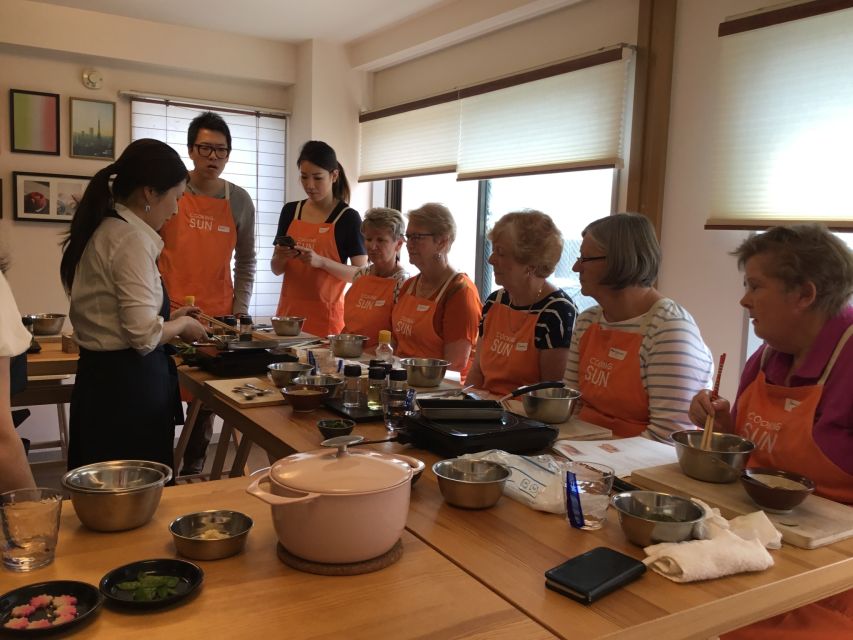
The class is planned as a roughly three-hour experience, with about two and a half hours devoted to cooking before you enjoy the finished food. That timing matters. You are not simply watching a chef prepare lunch. You spend enough time chopping, mixing, shaping, simmering, and cooking to understand how the dishes come together.
The instructors demonstrate each part, then let you try it yourself. The pace is active, but the recipes are designed for ordinary home cooks. You do not need advanced knife skills or restaurant experience. One useful point from the class is that the menu gives you several small tasks rather than one complicated dish, so you keep moving and get a broad taste of Japanese cooking.
You also get a welcome tea before starting. Aprons and towels are provided, along with the ingredients and utensils, so you can arrive without special equipment. The studio has been praised for being clean, bright, and well prepared, which makes a difference when several dishes are being made at once.
The group limit of eight is another strength. You have a better chance to ask questions than in a large demonstration class, while still meeting people from other countries. The social side is natural because everyone eventually sits down to eat the same meal.
More Cooking Classes in Tokyo
- Sushi Making Tokyo Roll and Authentic Japanese Sushi Class
★ 5.0 · 3,971 reviews - Tokyo: Roll and Authentic Sushi Making Class in Asakusa
★ 4.9 · 1,957 reviews - Tokyo Shinjuku Chopsticks Making Class
★ 5.0 · 1,763 reviews
Dashi and the building blocks of Japanese flavor
One of the most useful parts of the class is making dashi for miso soup. Dashi is a basic Japanese soup stock, and learning how it is made helps explain why Japanese food can taste full without being heavy.
The instructors explain the ingredients and how they affect flavor. You also learn the difference between white miso and red miso, a small lesson that can make Japanese grocery shopping much less mysterious once you return home.
This is where the class gives you more than a recipe card. You begin to see how Japanese meals are assembled: a soup, several modest side dishes, a main course, and a sweet finish. Each item has its own taste and texture, but the meal works because no single dish has to do all the work.
The class can also be helpful if you do not eat fish. One participant specifically noted that this Wagyu menu suited her because it did not require eating fish. You should still state your dietary needs when booking, since the school can substitute ingredients for allergies, gluten-free diets, religious restrictions, vegetarian preferences, and other requirements.
Small dishes that teach useful Japanese techniques
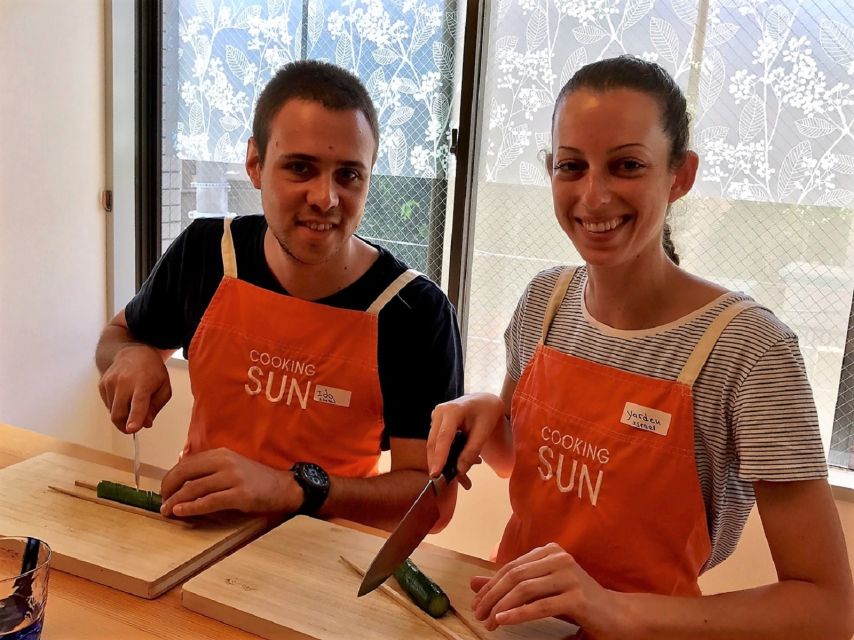
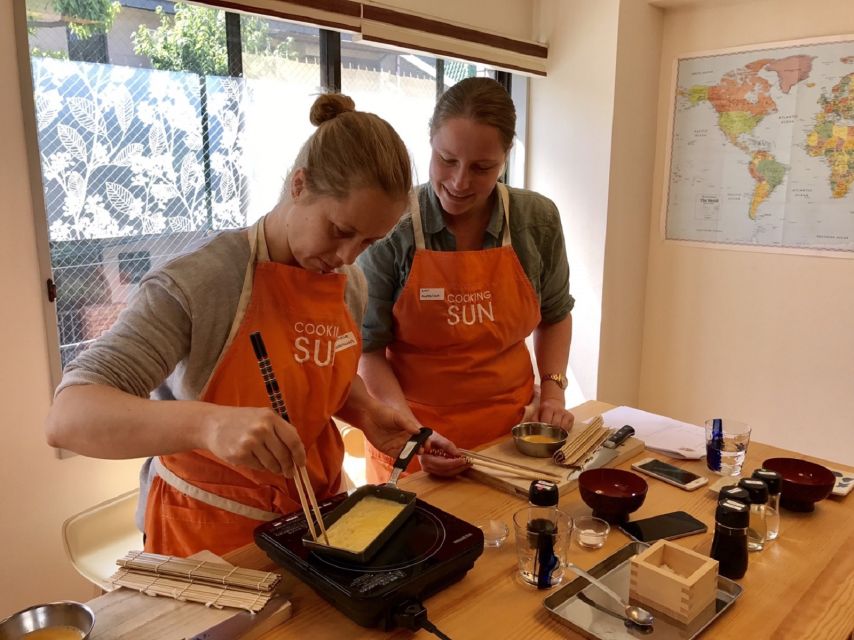
The side dishes are where the class earns its practical value. You may roll a Japanese omelette, make sesame potato salad, and cut cucumbers in an accordion style for a salad. These are not showy restaurant tricks. They are the kind of simple techniques that give a home meal a more distinctly Japanese character.
The omelette takes some hand control, but it is presented as a guided task rather than a test. The cucumber cut is similarly useful because it changes the texture and appearance of a familiar vegetable without requiring special equipment.
The menu gives you several lessons in seasoning as well. Sesame, miso, dashi, soy-based flavors, ginger, and other Japanese staples appear in different forms. That variety helps you compare flavors instead of treating Japanese food as one single style.
I especially like the balance between prepared ingredients and hands-on work. Some advance preparation is needed to keep eight dishes moving in a short class, but you still take part in the meaningful steps. The result is less tiring than making every component from zero, while still giving you enough practice to repeat the dishes later.
Tofu, chicken, and the Wagyu centerpiece
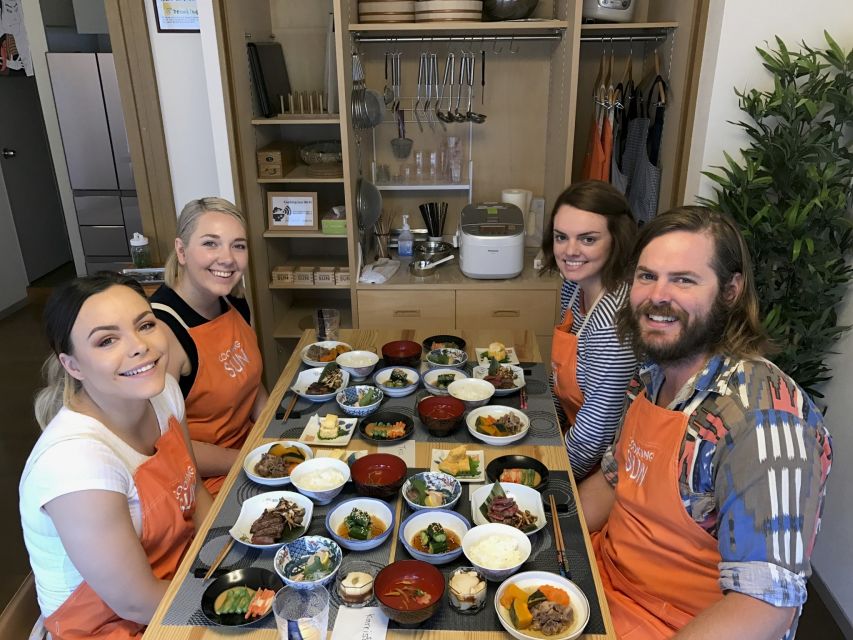
A tofu dish stuffed with ground chicken, ginger, and edamame brings a different texture to the meal. It shows how Japanese cooking can make a modest ingredient feel special through preparation and seasoning rather than sheer quantity.
The main event is sukiyaki-style Wagyu hot pot. The beef is tender and richly flavored, and it is cooked as part of a shared dish rather than served as an isolated steak. That is a useful introduction to how Japanese meals often combine a prized ingredient with a carefully balanced broth and accompaniments.
The Wagyu is the part most likely to justify the class for food-focused visitors. At home, you can learn recipes for miso soup and cucumber salad almost anywhere, but cooking and eating Wagyu in Tokyo gives the meal a clear sense of place.
There is also a practical lesson here. The instructors explain ingredients and offer suggestions for finding substitutes abroad, so you are not left with recipes that only work in Japan. You may not recreate the exact Wagyu experience at home, but you can carry over the method, seasoning, and structure of the dish.
A completely different kind of day out:
- Tokyo Disney Resort – Tokyo Disneyland & Tokyo DisneySea Park Tickets
★ 4.8 · 99,488 reviews - SHIBUYA SKY Ticket
★ 4.7 · 46,509 reviews - JR Whole Japan Rail Pass
★ 4.8 · 29,150 reviews - Mt Fuji and Hakone 1-Day Bus Tour Return by Bullet Train
★ 5.0 · 26,383 reviews
Dorayaki-style dessert to finish the meal
The class ends with a Japanese sweet, including rice flour pancakes prepared in a dorayaki style. This is a welcome finish after the savory dishes, and it completes the meal in the same way a Japanese home-style menu might move from soup and side dishes to a simple dessert.
Cooking dessert yourself also keeps the final course from feeling like an afterthought. You learn how the batter behaves, take part in cooking the pancakes, and then eat them as part of the meal you created.
Because the menu includes eight dishes, the final table is generous. You should not expect a tiny tasting plate. One useful tip is to arrive having eaten lightly, since the food keeps coming and the meal at the end is substantial.
The instructors and the teaching style
The class is taught in English by local instructors. The strongest praise has centered on clear explanations, patience, friendly manners, and good organization. The teaching team has included instructors named Yuki, Yuki, Yuko, Kaori, Bifuka, and Aya.
The names and teaching lineup can change, but the approach is consistent in the information provided: demonstrate first, explain the ingredients, then guide you through the preparation. The instructors also add stories about the origins and cultural meaning of certain dishes.
That cultural context is valuable because it explains why the food is prepared in a particular way. You may learn what to say before and after a meal, how ingredients are used, and how everyday Japanese cooking differs from the sushi-centered image many visitors bring with them.
This is not a technical knife-skills workshop. One participant noted that the class is not aimed at people seeking advanced cutting techniques. If your goal is professional culinary training, choose something more specialized. If you want a friendly introduction to everyday Japanese food, the level is about right.
The residential studio and how to find it
The studio is in Shinjuku-ku, in the Shinanomachi area, at 18-39 Shinanomachi. It is not presented as a street-front cooking school, and the building can be easy to miss.
Look for a beige residential building and go to the second floor. At the entrance, you will see two doors. Use the door on the right, which leads to the studio, then press 314 on the intercom to call the school.
With Wi-Fi, search Google Maps for Cooking Sun Tokyo. If you do not have reliable internet, prepare the route before leaving. Checking the detailed directions in advance is sensible, particularly if this is your first morning in Tokyo.
The residential setting has a real advantage. You see a quieter part of the city and get a small glimpse of ordinary neighborhood life, not only the famous shopping streets and station districts. It also means you should be considerate. If you arrive by private vehicle, do not stop or wait directly in front of the building. The driver should use a nearby coin-operated parking lot.
Hotel pickup and transportation are not included. Plan to make your own way there and allow extra time for the final walk and entrance search.
Is $67 a fair price?
At $67, the class offers solid value if you want more than a meal. The price includes the welcome tea, all ingredients, utensils, apron and towel rental, recipes, instruction, and the food you prepare and eat.
A Wagyu meal alone can cost a fair amount in Tokyo, but the stronger value comes from the range of dishes. You are learning dashi, miso, omelette preparation, vegetable cutting, tofu preparation, hot pot cooking, and a Japanese dessert in one sitting.
The class is also a practical souvenir. Recipes take up no suitcase space, and the instructors explain how to find ingredients or substitutions outside Japan. That makes the experience useful after your holiday instead of being only a pleasant afternoon.
There are limits to the value. You will not receive private instruction, since the group can include up to eight people. You also should not expect a long professional lesson on advanced technique. The class is best judged as a well-organized cultural cooking session with a full meal, not as formal culinary school.
Who will enjoy this experience most
I would recommend the class to first-time visitors who want a better understanding of Japanese food before eating their way around Tokyo. Taking it early in your trip can help you recognize dashi, miso varieties, everyday side dishes, and hot pot flavors in restaurants and shops afterward.
It suits couples, families, solo visitors, and small groups. An 11-year-old participant took part successfully, and solo visitors have found the setting comfortable. The class is not aimed at one gender or age group. Everyone has a job, and the shared meal makes conversation easy.
It is also a good choice for people who have already eaten plenty of sushi and want to see another side of Japanese food. The focus is everyday cooking, with Wagyu as the luxury ingredient, rather than raw fish or restaurant presentation.
You should think twice if you dislike group activities, want complete control over the menu, or are looking for demanding culinary technique. The class is friendly and accessible, which is its strength, but that also means it may feel basic to an experienced cook.
Booking details worth knowing
The experience lasts three hours, and starting times depend on availability. English is the teaching language, and the group is limited to eight participants.
Dietary needs must be stated when you book so substitutions can be arranged. This includes allergies, gluten-free requirements, religious restrictions, vegetarian preferences, and similar needs.
You can cancel up to 24 hours before the class for a full refund. A reserve-now, pay-later option is also available, useful if your Tokyo schedule is still shifting.
The class has a 4.9 rating from 273 bookings, and the most consistent praise concerns the instructors, fresh ingredients, clean studio, clear English, and delicious final meal. Those are the points I would weigh most heavily when deciding.
Should you book the Wagyu and seven-dish class?
Book it if you want a friendly, practical introduction to Japanese home cooking and like the idea of eating a complete meal you helped prepare. The Wagyu hot pot is the headline, but the real value is learning how dashi, miso, side dishes, tofu, vegetables, and dessert fit together.
I would book early in a Tokyo visit, especially if you want food knowledge to improve the rest of your trip. Prepare the directions before leaving, arrive ready to cook and eat, and tell the school about dietary needs at booking.
Skip it only if you want advanced chef training or a private class. For most visitors, the combination of English instruction, a small group, eight dishes, recipes to take home, and a full Wagyu meal makes $67 a sensible use of three hours.
FAQ
How long does the Wagyu and seven-dish cooking class last?
The experience lasts three hours, with about two and a half hours focused on preparing the meal before you sit down to eat.
How many dishes do you prepare?
The class includes eight dishes in total, covering appetizers, dashi-based soup, meat dishes, side dishes, and a Japanese sweet.
Is the class taught in English?
Yes. The instructors speak English and guide you through the ingredients, cooking steps, and cultural background of the dishes.
Are ingredients and cooking equipment included?
Yes. Ingredients and utensils are included, along with an apron and towel rental, welcome tea, and recipes.
Can the class accommodate dietary restrictions?
Yes. Ingredient substitutions can be arranged for allergies, gluten-free diets, religious dietary restrictions, vegetarian preferences, and other needs. You should provide those details when booking.
How do I find the Cooking Sun Tokyo studio?
Use Google Maps to search for Cooking Sun Tokyo at Shinanomachi 18-39, Shinjuku-ku, Tokyo. The studio is on the second floor of a beige residential building. Use the right-hand entrance and press 314 on the intercom.
Just added in Tokyo
- A One-of-a-Kind Sushi Experience in a Special Place of Japan★ 5.0 · 15 reviews
- Tokyo Cute Bento Cooking Class – Make a Kawaii Character Lunchbox★ 5.0 · 126 reviews
- Japanese Home Cooking Class & Walk in Todoroki Temple Tokyo★ 5.0 · 88 reviews
- Japan Tokyo Tower Observatory Deck E-Ticket★ 4.0 · 34 reviews
- Catch a Baseball Game in Tokyo with a Local – Tickets Included★ 5.0 · 24 reviews
- JDM Experience with Fast&Furious RX-7 (English speaking Driver)★ 5.0 · 57 reviews
- Tokyo Private Day Tour by Car with English speaking Driver Guide★ 4.0 · 29 reviews
- Japan Classic 10 Day – One Life Adventures★ 5.0 · 129 reviews
Cooking Classes, compared.
Sushi Making Tokyo Roll and Authentic Japanese Sushi Class
Read our review →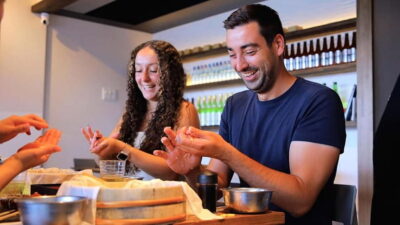
Roll and Authentic Sushi Making Class in Asakusa
Read our review →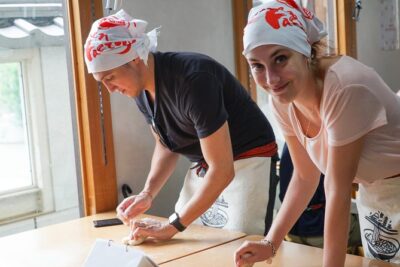
Ramen Cooking Class at Ramen Factory in Kyoto
Read our review →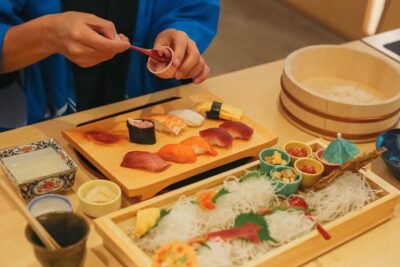
Sushi Making Class in a Happi Coat near a Famous Spot
Read our review →
Sushi Making Osaka Roll and Authentic Japanese Sushi Class
Read our review →
Tokyo Sushi Making Class in Tsukiji with Professional Chef
Read our review →
Ramen & Gyoza Cooking Class in Tokyo with Local Supermarket Visit
Read our review →Browse the lists this tour appears in