
Reviewed · COOKING CLASSES
Unique Private Cooking Class with a Tokyo Local Emi
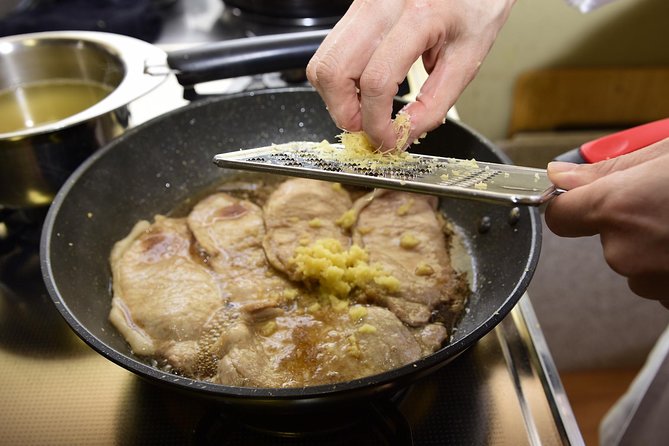
Tokyo tastes better at home. This three-hour private class with Tokyo local Emi trades restaurant polish for hands-on Japanese home cooking, with three or four dishes, tea, sake, and the meal included. I like the personal pace and the chance to ask questions about food and daily life, and I especially like that Emi sends you home with recipes. The main consideration is location: Nerima is not central Tokyo, and every person in your group must eat the same chosen menu.
You begin with barley tea, cook for roughly 1.5 to 2 hours, and then sit down to eat what you made. The class is genuinely practical, with past menus including gyoza, ginger pork, tempura, tonkatsu, onigiri, karaage, miso soup, yakisoba, and salmon with hijiki seaweed. Dietary requests are welcome, but you need to contact Emi after booking and settle the menu at least four days ahead.
In This Review
- Key points to know before booking
- Why Emi’s home kitchen feels different from a restaurant
- Starting with mugi-cha and choosing the menu
- The 1.5 to 2-hour cooking lesson
- Sitting down to eat what you made
- Recipes and useful ideas to take home
- Nerima location and planning your day
- What the private format means for your group
- Is $99 a fair price?
- Who will enjoy cooking with Emi most?
- FAQ
- How long does the cooking class last?
- What food and drink are included?
- Can I request vegetarian dishes or report an allergy?
- Do we each choose a different dish?
- Where does the class meet?
- Can I cancel for a refund?
- Should you book this Tokyo cooking class?
Key points to know before booking
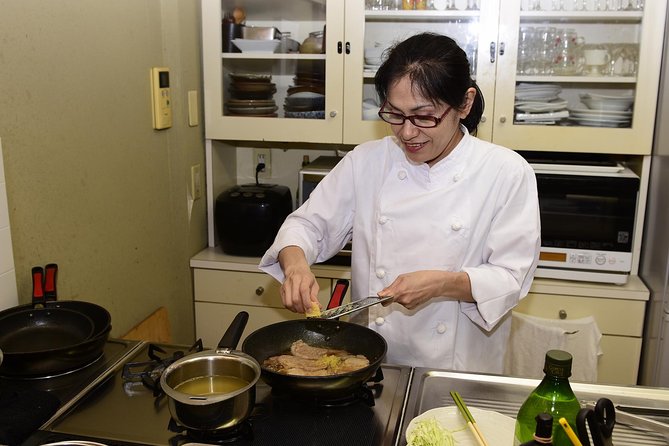
- You cook in a private setting with Emi: Your group has the class to itself, either at Emi’s home or her cooking studio.
- Choose three dishes in advance: The whole group prepares the same main menu, so agree before sending your request.
- The food is the main event: Ingredients, tea, sake, and the meal are included, so arrive hungry.
- Expect real home cooking: This is different from ordering familiar dishes in a Tokyo restaurant.
- Nerima affects your schedule: The meeting information gives Nerima City Hall as the start point, and the activity returns there.
- Book early for larger groups: Four or more people should reserve two to three months ahead.
Why Emi’s home kitchen feels different from a restaurant
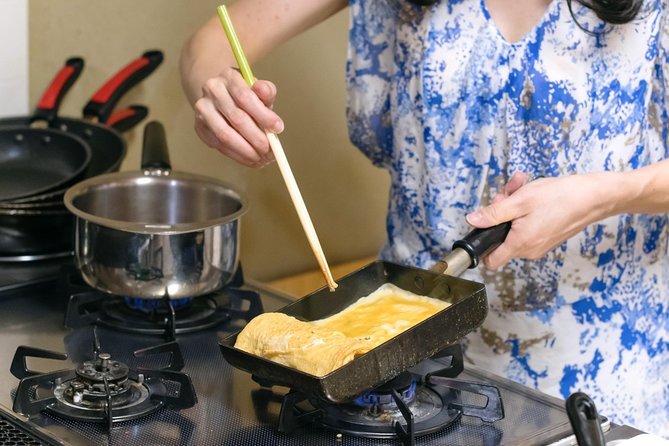
Tokyo has no shortage of polished dining rooms. That is exactly why a home cooking class can be a useful change of pace. Instead of simply tasting a finished dish, you learn how ordinary Japanese meals come together, from preparation and seasoning to table manners and serving.
Emi’s class is private, so you are not trying to keep up with a large group. You can ask why a particular ingredient is used, how a Japanese cook handles a technique, or how the dish fits into everyday life. The tone sounds relaxed and social, with conversation about Japanese food and culture running alongside the cooking.
The setting changes with the size and timing of your booking. On weekends, a group of two or three may cook at Emi’s home. Groups of four or more, and weekday bookings, take place at her cooking studio. That makes this a good match for couples, friends, or families with older children who want something personal rather than a standard class.
Do not expect a large professional kitchen. One account describes the cooking area as small enough that one person worked beside Emi while another watched and took photos. For many people, that is part of the charm. If every member of a larger group wants constant access to the work surface, the studio arrangement and kitchen pace may feel less spacious than expected.
More Cooking Classes in Tokyo
- Sushi Making Tokyo Roll and Authentic Japanese Sushi Class
★ 5.0 · 3,971 reviews - Tokyo: Roll and Authentic Sushi Making Class in Asakusa
★ 4.9 · 1,957 reviews - Tokyo Shinjuku Chopsticks Making Class
★ 5.0 · 1,763 reviews
Starting with mugi-cha and choosing the menu
The class begins with mugi-cha, or barley tea, a mild Japanese drink that is served hot or cold in many homes. Green tea is also included, along with sake for the meal afterward. These small touches help the class feel like an introduction to Japanese food customs, not just a recipe lesson.
You can choose three dishes from Emi’s menu, with the exact options confirmed during the booking process. The menu may include familiar favorites such as gyoza, ginger-fried pork, yakisoba, tempura, tonkatsu, karaage, onigiri, miso soup, or shrimp and vegetable dishes. The specific selection can change, so do not book assuming that one particular dish is guaranteed.
The shared-menu rule matters. Everyone in your party prepares the same main dish, rather than selecting separate meals. Talk with your companions before you contact Emi, especially if one person wants gyoza while another prefers tempura.
There is also a specific ingredient warning: the okonomiyaki option contains fish granule soup stock. Vegetarians can be accommodated, but the menu for the whole group may change. Tell Emi about allergies, dietary restrictions, and cooking preferences when you book, then message her directly after confirmation to discuss the details.
You must send your menu preference at least four days before the class. If Emi does not hear from you, she selects the menu herself. That is convenient for indecisive cooks, but it is not ideal if you have a strict diet or a dish you particularly want to learn.
The 1.5 to 2-hour cooking lesson
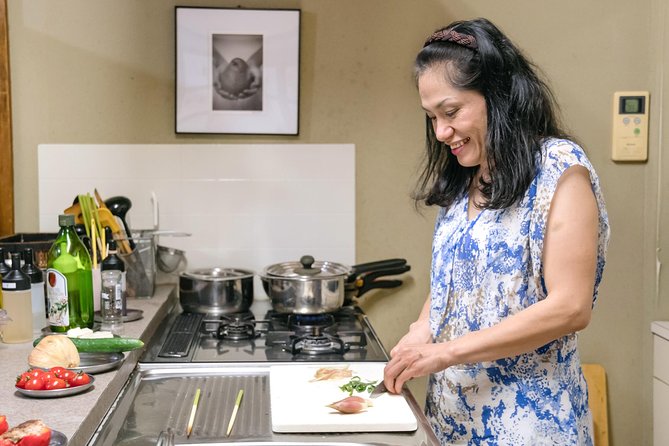
The cooking portion is hands-on. Emi demonstrates each step, then guides you as you prepare the ingredients and cook. You are not simply watching a chef perform while someone else handles the work.
Gyoza can be especially rewarding because shaping the dumplings takes a little practice. One couple appreciated Emi’s patience while they struggled with the folds, which is useful to know if your first dumpling looks more like a small envelope than a restaurant crescent. The class gives you time to make mistakes without the pressure of a professional kitchen.
Other dishes offer different lessons. Ginger pork shows how a few basic ingredients can create a strong, familiar flavor. Tempura requires attention to preparation and timing. Karaage, tonkatsu, and shrimp dishes give you a chance to practice Japanese approaches to frying, while onigiri offers a simpler lesson in shaping and seasoning rice.
The best part is the connection between technique and daily life. You can ask about ingredient choices, cooking habits, and Japanese food customs as you work. Emi’s English is described as easy to communicate with, and her warm, humorous manner helps take the nerves out of cooking in an unfamiliar kitchen.
The pace is not rushed. Cooking takes about 1.5 to 2 hours, followed by the meal, so you should allow about three hours in total. If you have a packed sightseeing schedule, the class needs a proper time slot rather than a quick stop between major attractions.
Sitting down to eat what you made
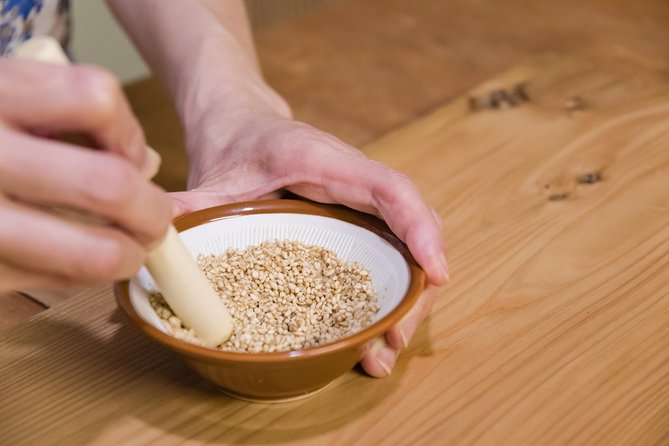
After cooking, you eat the finished dishes together. Food and drink are included, so do not fill up before arriving. The portion can be generous: one cooking session produced more food than two people could finish, leaving the pair comfortably full.
Sake accompanies the meal, with green tea and barley tea also available. If you do not drink alcohol, the included sake is not a reason to book, but the meal remains the central reward. Coffee and tea are included in the overall package, though the details specify green tea and barley tea in the class description.
This shared meal gives the experience a clear payoff. You have handled the ingredients, watched the cooking process, and then tasted the results at the same table. It also creates a natural time for conversation about etiquette and customs, subjects that can be hard to pick up during a normal restaurant meal.
The food is home-style rather than an elaborate tasting menu. That is a strength if you want recipes you can make again. It may be a weaker fit if your main goal is luxury dining or highly technical culinary training.
A completely different kind of day out:
- Tokyo Disney Resort – Tokyo Disneyland & Tokyo DisneySea Park Tickets
★ 4.8 · 99,488 reviews - SHIBUYA SKY Ticket
★ 4.7 · 46,509 reviews - JR Whole Japan Rail Pass
★ 4.8 · 29,150 reviews - Mt Fuji and Hakone 1-Day Bus Tour Return by Bullet Train
★ 5.0 · 26,383 reviews
Recipes and useful ideas to take home
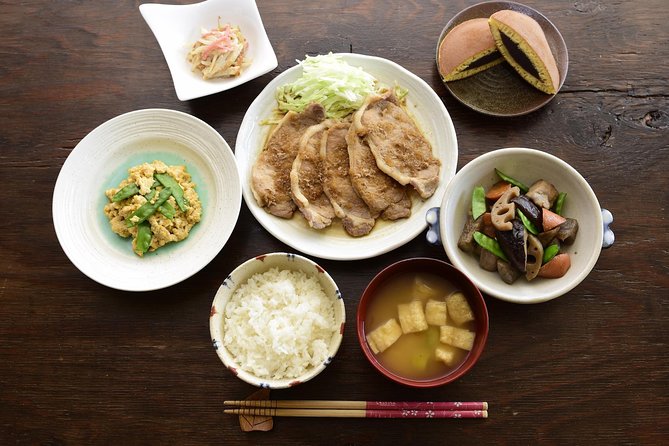
Emi provides recipes for the dishes you select. This adds lasting value to the $99 price, since you are not paying only for a meal that ends when you leave Tokyo.
Several class accounts point to the recipes as a major benefit. You can recreate gyoza, ginger pork, tempura, tonkatsu, karaage, or other dishes in your own kitchen, bringing back a practical memory rather than a souvenir that sits on a shelf.
I would save the recipes in more than one place before leaving the class. If you cook often, take notes about ingredient substitutions and any small technique that Emi emphasizes. The written recipe is useful, but the tips learned while preparing the dish may be the part that makes your version work at home.
The menu also lets you shape the experience around your interests. You could focus on familiar dishes that you want to improve, or choose foods you have rarely prepared. Ask about the available options early, since the whole group needs to agree and Emi needs time to plan.
Nerima location and planning your day
The supplied meeting information gives Nerima City Hall at 6-chōme-12-1 Toyotamakita, Nerima City, Tokyo 176-8501, as the start point, with the activity ending back at the meeting point. For studio sessions, you are told to meet directly at the cooking studio. Because the home and studio arrangements vary, read Emi’s final directions carefully rather than relying only on a map pin.
The class is near public transportation, but Nerima is away from the sightseeing core. Treat the journey as part of the time commitment. Do not schedule a major attraction immediately before the class unless you have plenty of buffer for Tokyo train connections and finding the meeting point.
The location can work nicely with other plans. The Harry Potter Museum in Tokyo is about a 20-minute walk from Emi’s apartment. If TeamLab Borderless in Azabudai Hills is on your list, the Oedo line can take you from Azabu-juban station to Nerima without a transfer. Check the timing yourself, but the Oedo line connection makes combining the class with that area more practical.
After the meal, Emi may take you to one additional place before dropping you at Nerima station. You can choose a Japanese sweet shop, Japanese tea and pottery shop, or supermarket. Tell her in advance and choose one, not all three. This add-on is a pleasant way to continue the local food theme, and one class account especially enjoyed a stop at a traditional pottery and tea shop. Another person visited a supermarket and tried yaki imo, or roasted sweet potato.
Hotel pickup and drop-off are not included. Some arrangements include meeting at a station, and Emi has helped people who got lost, but you should follow the confirmed meeting instructions rather than assume a pickup service.
What the private format means for your group
The private setup is the strongest reason to choose this class over a larger cooking workshop. Only your party participates, so the menu can respond to your dietary needs and interests, within the shared-menu rule.
For two or three people, the home setting can feel especially personal. You may have more room for conversation and a slower rhythm. It also means you are entering someone’s home, so anyone who prefers a formal school kitchen may feel more comfortable with a studio session.
Groups of four or more need extra planning. The studio is used for larger groups and weekday bookings, but those groups should reserve at least two or three months ahead. The class can turn away a larger party if studio space is not available.
Children aged nine and under cannot take part. Children aged ten and older pay the adult price. Since the lesson lasts several hours and includes hands-on preparation, it is best for older children who can follow instructions and enjoy cooking rather than simply eating.
There are about ten steps leading to the studio. If anyone in your group has mobility concerns, ask for the details before booking. Accessibility information is limited, so you should not assume the studio works for every need.
Is $99 a fair price?
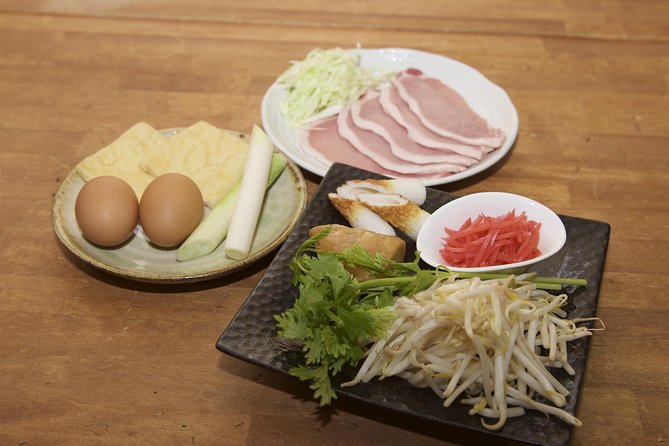
At $99 per person, this is not the cheapest way to eat in Tokyo. You can buy a fine meal for less, especially if your goal is simply to try Japanese food.
The value makes more sense when you count what is included: a private three-hour activity, instruction from a local host, three or four dishes, all ingredients, tea, sake, the meal, and recipes to take home. You also get conversation about Japanese food and customs, plus the chance to request a stop at a sweet shop, pottery and tea shop, or supermarket afterward.
For a couple, the price buys a shared experience that can become part of the trip’s story. For a family or group of friends, the private format may justify the cost if everyone is happy with one menu. It is less attractive if one person does not cook, does not eat the selected dishes, or wants to spend the same three hours sightseeing.
The experience has a five-star rating from 131 reviews, with 100 percent recommending it. That strong record matches the repeated praise for Emi’s patience, kindness, clear instructions, good English, and ability to make people feel at ease. One person even received help from Emi after losing a wallet later in the day, which says something about the personal care she brings to hosting, though you should book for the cooking itself rather than expect personal assistance beyond the class.
Who will enjoy cooking with Emi most?
I would choose this class if you want to understand Japanese food beyond sushi counters and ramen shops. It suits couples, small groups of friends, solo participants, and families with children aged ten or older who enjoy conversation and hands-on work.
It is also a strong pick for cooks who want repeatable dishes. The recipes and practical tips give you something to use after Japan, unlike a meal that disappears as soon as the plates are cleared.
You should think twice if you have a tightly packed itinerary, dislike shared menus, need step-free access, or want a large, highly equipped teaching kitchen. The Nerima location is manageable, but it requires planning, and the home setting is intimate rather than spacious.
FAQ
How long does the cooking class last?
The full experience lasts approximately three hours. Cooking takes about 1.5 to 2 hours, followed by time to eat the dishes you prepared.
What food and drink are included?
Ingredients, the cooked meal, green tea, barley tea, and sake are included. You should arrive hungry because the food is part of the experience.
Can I request vegetarian dishes or report an allergy?
Yes. Tell Emi about allergies, dietary restrictions, and cooking preferences when booking, then message her after confirmation to discuss the menu. Vegetarian requests can be accommodated, but the group menu may change.
Do we each choose a different dish?
No. The whole group prepares the same main dish. You should agree on your menu and send the choice to Emi at least four days before the class.
Where does the class meet?
The start information gives Nerima City Hall, 6-chōme-12-1 Toyotamakita, Nerima City, Tokyo 176-8501. Studio sessions meet directly at the cooking studio, so follow the final directions provided for your booking.
Can I cancel for a refund?
You can cancel up to 24 hours before the experience start time for a full refund. Cancellations or changes made less than 24 hours ahead are not accepted for a refund.
Should you book this Tokyo cooking class?
Book it if you want a warm, personal look at Japanese home cooking and like the idea of learning three dishes you can prepare again. Emi’s patience, recipes, conversation, and willingness to adjust the menu make this more than a simple food demonstration.
Before paying, confirm the meeting instructions, agree on one menu with your group, report dietary needs, and leave enough time for the trip to Nerima. If you do that planning, the class offers excellent value for a private cultural experience, especially for couples and small groups who want to take a real taste of Tokyo home with them.
Just added in Tokyo
- Very popular in Harajuku♡Animal petting zoo★ 4.6 · 39 reviews
- Yokohama Port: Private Customizable Tour with Transfer★ 5.0 · 19 reviews
- Wagyu & Sake 8 Course Tasting Dinner in Shinjuku★ 4.9 · 20 reviews
- Warner Bros. Studio Tour Tokyo – The Making of Harry Potter★ 4.8 · 181 reviews
- Yanaka District: Historical Walking Tour in Tokyo’s Old Town★ 4.8 · 117 reviews
- Tokyo: Classic Tsukiji Food Tour★ 4.9 · 78 reviews
- Tokyo: Tsukiji Fish Market Tour with 6 Stops & Seafood Lunch★ 4.5 · 165 reviews
- Tokyo Wagyu & Sake Pairing Tasting Experience with Local Flavors★ 5.0 · 108 reviews
Cooking Classes, compared.
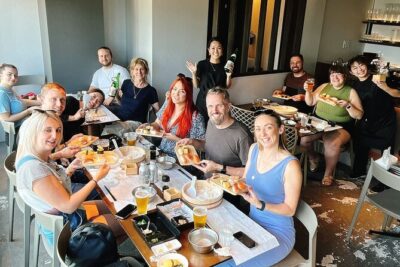
Sushi Making Tokyo Roll and Authentic Japanese Sushi Class
Read our review →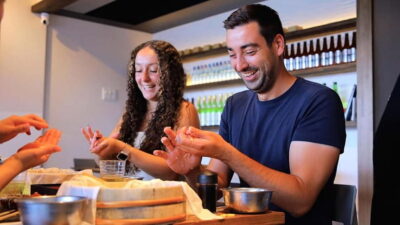
Roll and Authentic Sushi Making Class in Asakusa
Read our review →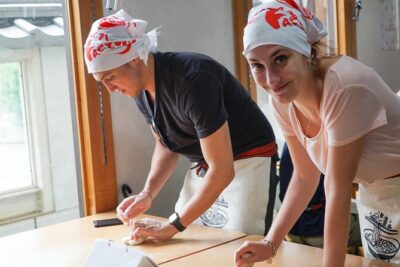
Ramen Cooking Class at Ramen Factory in Kyoto
Read our review →
Sushi Making Class in a Happi Coat near a Famous Spot
Read our review →
Sushi Making Osaka Roll and Authentic Japanese Sushi Class
Read our review →
Tokyo Sushi Making Class in Tsukiji with Professional Chef
Read our review →
Ramen & Gyoza Cooking Class in Tokyo with Local Supermarket Visit
Read our review →Browse the lists this tour appears in