
Reviewed · COOKING CLASSES
Well-balanced BENTO (lunch box) Cooking Class
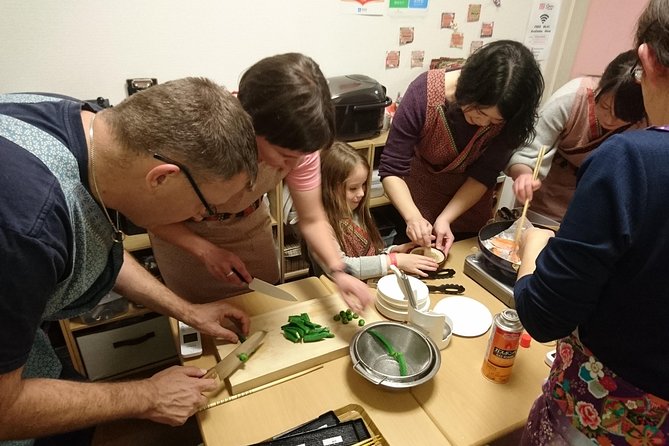
Lunch can be your best souvenir. This 2.5-hour Osaka class turns familiar Japanese home cooking into a practical lesson, from making dashi to shaping rice balls and arranging a complete bento. I especially like the hands-on format and the chance to eat the meal you prepare, rather than simply watching a demonstration.
The class also keeps its focus on everyday food. You prepare Wagyu beef, shrimp, salmon, egg, squash, mushrooms, green vegetables, and two triangular rice balls, then learn how presentation affects the final lunch box. The main consideration is the price, $92.24 per person, which is a serious fee for a cooking class, though the small group and amount of food make the value easier to understand.
In This Review
- Key points to know before booking
- Why this Osaka cooking class feels different
- Choosing a lunch box and starting with dashi
- Seven dishes and four useful cooking methods
- Shaping two triangular rice balls
- Packing the bento is part of the lesson
- Sitting down with chopsticks and miso soup
- What the small group means for you
- Is $92.24 good value?
- Who should book this class?
- Practical details for planning your morning or afternoon
- Should you book the Sakura Cook bento class?
- FAQ
- Where does the bento cooking class take place?
- How long does the experience last?
- How much does the class cost?
- How many people can join the class?
- What food will I prepare?
- Will I make rice balls?
- Is miso soup included?
- Are children allowed to join?
- Can I advise the provider about dietary requirements?
- What is the cancellation policy?
Key points to know before booking
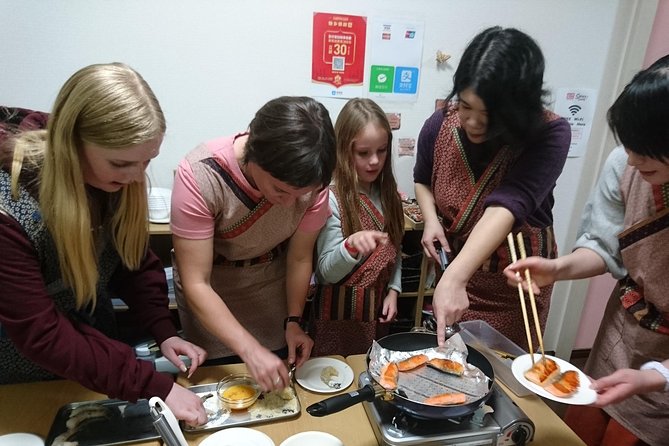
- Seven home-style dishes: You practice frying, grilling, simmering, and marinating rather than making only one showpiece recipe.
- Dashi comes first: The lesson begins with traditional Japanese broth, giving you useful context for the flavors in the finished meal.
- Your own bento box: You choose a lunch box, pack the food with fresh vegetables, and receive advice on making it attractive.
- Small group format: The maximum is eight people, allowing more personal instruction than a large demonstration class.
- Strong teaching feedback: Yumi and Fumi are praised for clear explanations, warm English, care, and patience.
- A full meal at the end: You finish with your bento, chopsticks, and complimentary miso soup.
Why this Osaka cooking class feels different
Many cooking classes teach one famous dish, such as sushi or ramen. This one takes a broader view of Japanese food at home. You work through several modest dishes, each using a different method, then bring them together in a single lunch box.
That makes the class useful beyond the afternoon itself. You are not just learning how to copy a recipe. You are seeing how Japanese cooks balance rice, protein, vegetables, color, texture, and portion size in one compact meal.
The class takes place at the popular Sakura Cook restaurant in Osaka. The meeting point is Banix Kitahorie, at 3-chōme 6-2 Kitahorie, Nishi Ward, Osaka 550-0014. The activity begins and ends at the same location, which keeps the outing simple. It is near public transportation, but the information provided does not name a particular station, so check the route carefully before setting out.
The experience lasts about two hours and 30 minutes. That is enough time for several cooking stages, but not so long that the class takes over your day. You can easily pair it with other Osaka plans, provided you allow time to reach the meeting point and do not schedule something that requires an exact departure immediately afterward.
More Cooking Classes in Osaka
- Sushi Making Osaka Roll and Authentic Japanese Sushi Class
★ 5.0 · 1,220 reviews - Matcha Making Class in Osaka with Authentic Japanese Sweets Set
★ 5.0 · 509 reviews - Osaka Sushi Making Experience
★ 5.0 · 400 reviews
Choosing a lunch box and starting with dashi
At the beginning, you choose your favorite lunch box and put on an apron. This small opening step matters because it gives the class a personal feel right away. You are preparing food for your own box, not working toward a plate that belongs to someone else.
The first cooking task is dashi, the traditional Japanese broth used as a base for many dishes. I like that the instructor starts here. Dashi is easy to overlook when you are focused on the finished meal, yet it helps explain why Japanese dishes can taste full without being heavy.
Yumi is specifically praised for explaining both the method and the background of dashi. Her teaching style appears to suit people who want cultural context along with instructions. The emphasis is not only on what to do, but also on why the broth matters.
The class is conducted in English, and Fumi is praised for using warm, clear language that stays to the point. That is useful in a kitchen, where long explanations can get in the way of timing. You still need to advise the provider about any dietary requirements when booking, since the menu includes several animal products and seafood.
Seven dishes and four useful cooking methods
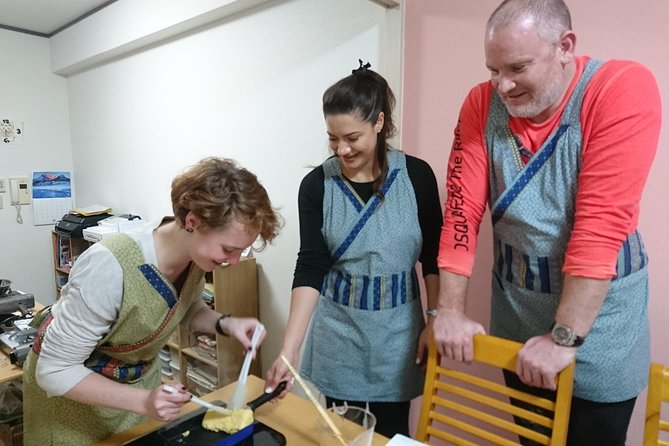
Once the broth is underway, you prepare seven basic Japanese dishes often made at home. The listed ingredients include Wagyu beef, shrimp, salmon, egg, squash, mushrooms, and green vegetables. Together, they create a broad meal rather than a single narrow lesson.
The cooking methods include frying, grilling, simmering, and marinating. This range is one of the strongest reasons to consider the class. You get a compact introduction to techniques that can be used in many Japanese recipes, and you see how different methods change the texture and taste of ordinary ingredients.
Wagyu beef adds a premium touch to the meal, while shrimp and salmon give you more seafood practice. Egg is especially practical because it appears often in Japanese home cooking and can be harder to prepare neatly than it looks. Squash, mushrooms, and green vegetables help keep the box balanced in color and texture.
The class does not appear to be aimed at advanced cooks. A 12-year-old was able to follow along, and another family found that everyone could take part in each dish. That makes this a sensible choice for families with children who enjoy cooking, though children must be accompanied by an adult.
You should also expect to participate rather than stand back. The teaching approach is hands-on, and the strongest comments praise the chance to work on the dishes directly. If you prefer to simply watch someone cook, this will not be the best use of your time.
Shaping two triangular rice balls
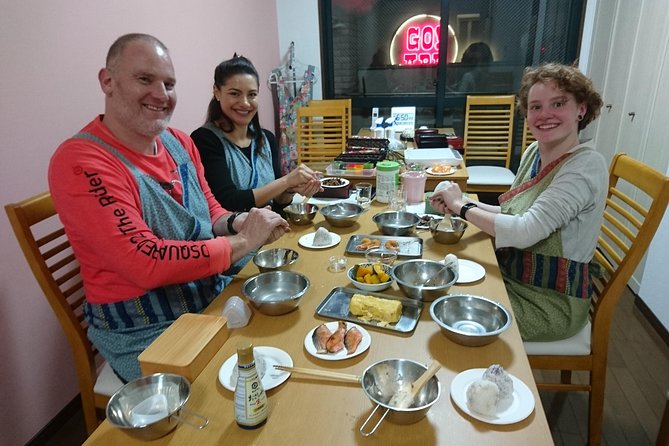
The rice balls are a particularly appealing part of the lesson. You practice making triangular shapes with plastic molds, then complete two rice balls for your lunch box.
This is a useful detail for beginners. Shaping rice by hand can feel awkward, especially when you are trying to create a neat triangle without crushing the rice. The molds give you a clear starting point, while still showing you the form associated with traditional Japanese rice balls.
These rice balls also add structure to the bento. They are not just another side dish. They help anchor the box and give the other foods a place around them. The finished lunch should feel like a proper Japanese meal rather than a collection of unrelated samples.
The rice ball practice is also likely to be one of the most accessible tasks for younger participants. The class is short enough to hold a child’s attention, and the result is immediate and easy to recognize.
A completely different kind of day out:
- Osaka Go Karting Tour with Funny Costume
★ 5.0 · 2,658 reviews - Osaka Castle: Museum and Tower Entry Ticket
★ 4.5 · 2,380 reviews - Osaka: Shinsekai Food Tour with 13-15 Dishes at 5 Eateries
★ 4.8 · 2,204 reviews - Osaka Food Tour: 13 Dishes at 5 Local Eateries
★ 5.0 · 2,149 reviews
Packing the bento is part of the lesson
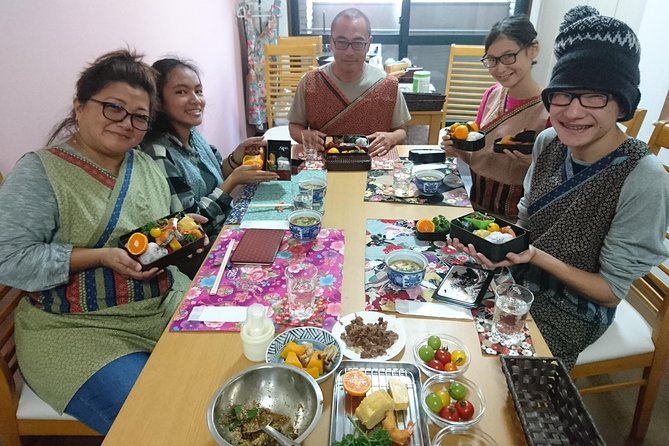
After the cooking is complete, you pack the dishes into your selected lunch box. Fresh vegetables help fill the spaces and add color, and the instructor advises you on an attractive arrangement.
This part deserves more attention than it usually gets. In a Japanese bento, presentation is not merely decoration. The way food is placed affects how balanced and inviting the meal feels. You learn to think about color, shape, spacing, and the order in which the food will be eaten.
I like that the class does not stop when the cooking ends. Packing turns the meal into a complete skill. You can make something delicious, but a cramped or untidy box will not look as appealing. The instructor’s advice gives you a practical way to improve the final result.
There is also a nice sense of ownership here. You choose the box, prepare the food, and decide how to arrange it. The class ends with something you assembled yourself, not just a memory of watching a chef work.
Sitting down with chopsticks and miso soup
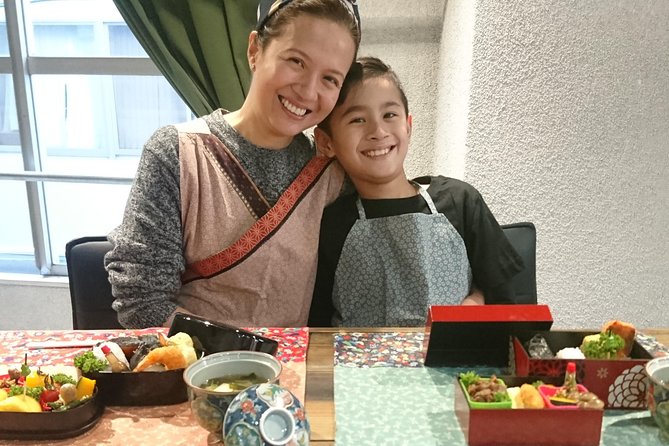
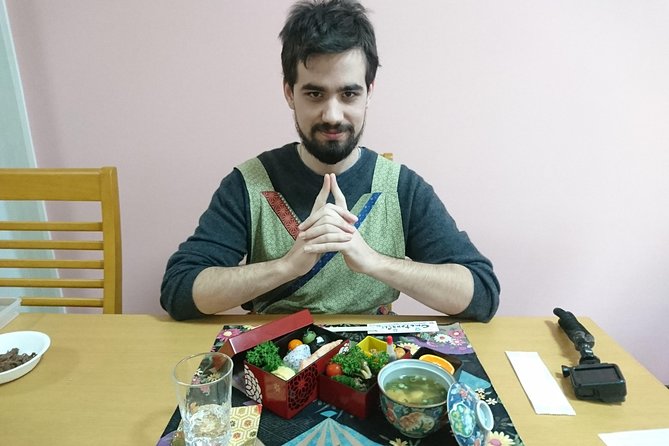
When your bento is packed, you place the dishes inside with chopsticks and say Itadakimasu before eating. The meal is served with complimentary miso soup, following a familiar Japanese custom.
This final stage gives the class a clear reward. You are not eating a pre-prepared lunch while someone else handles the kitchen. You get to taste the results of your own work and see how the separate dishes function together.
Miso soup is a fitting addition because it connects back to the dashi lesson at the start. The broth is not an isolated technical exercise. It becomes part of the meal and helps you understand how a simple soup supports the rest of the bento.
Several comments praise the food as delicious, healthy, and balanced. That description matches the design of the class: rice, meat, seafood, egg, vegetables, soup, and varied cooking methods. The meal should satisfy you, but it is not presented as an oversized feast.
What the small group means for you
The maximum group size is eight people. That is small enough to make personal help possible, especially during tasks that require shaping, timing, or careful presentation.
The difference can be significant. One pair happened to have the lesson almost privately and received more detailed instruction. You should not assume that same arrangement, but the eight-person limit still gives the class a more focused feel than a large room with a crowd gathered around one cooking station.
Fumi is praised for being careful and graceful in teaching, while Yumi is described as attentive and professional. Other strong comments highlight punctuality, cleanliness, and a class size that felt right for the time available.
Those details matter because cooking classes can become frustrating when tools are hard to share or the instructor moves too quickly. Here, the available information points to an organized session with enough attention for beginners. Still, the exact amount of one-on-one help depends on the group booked for your date.
Is $92.24 good value?
At $92.24 per person, this is not a cheap lunch activity. You are paying for instruction, ingredients, use of the cooking space, the bento box experience, and the meal at the end. You also receive a mobile ticket, which makes entry and booking simpler.
The price makes the most sense if you value active instruction and cultural context. You practice multiple techniques, cook several dishes, learn about dashi, work on rice ball shapes, and receive guidance on presentation. That is more substantial than buying a bento at a shop and eating it in a park.
It is less convincing if your main goal is simply to eat Wagyu or Japanese home cooking. Osaka offers many ways to enjoy a meal for less money. This class earns its price through participation and teaching, not through the food alone.
Another point in its favor is the balanced menu. You are not paying for a tiny tasting portion. The meal includes several ingredients and a soup, and the class is designed to leave you with a complete lunch.
For someone who enjoys cooking, the value is stronger. One participant even decided to buy a frying pan after learning how to make the omelette. That kind of practical inspiration is hard to measure in dollars, but it can make the experience stay with you after the Osaka visit.
Who should book this class?
I would recommend it to first-time visitors who want a calm, structured way to learn about Japanese food. It also suits families, especially if a child already enjoys cooking and can work with an adult.
It is a good fit for couples, siblings, and small groups of friends. The class has enough variety to keep two people busy, and the final bento gives you a shared project with a clear result.
Beginners should feel comfortable booking. The instructions are described as easy to follow, and the teachers make sure participants can take part in every dish. You do not need advanced kitchen skills to get value from the session.
People with strict dietary needs should contact the provider before booking. The menu includes beef, shrimp, salmon, egg, and other ingredients, and the available information does not promise substitutions. Children must be accompanied by an adult.
The class may be less suitable for anyone who wants a fast demonstration, a restaurant-style meal, or a highly specialized lesson in one dish. Its appeal is the range of basic foods and techniques, not expert-level culinary training.
Practical details for planning your morning or afternoon
The activity lasts approximately two hours and 30 minutes and returns to the meeting point at the end. Plan your day around that block rather than trying to squeeze it between two tightly timed activities.
The meeting point is in Kitahorie, in Osaka’s Nishi Ward. Since the experience is near public transportation, reaching it should be manageable, but the precise route is not supplied here. Use the full address when planning and allow enough time to find the building.
Confirmation is sent within 48 hours of booking, subject to availability. Since the class is limited to eight people and is booked an average of 53 days ahead, advance planning is sensible, especially for a fixed Osaka itinerary.
Free cancellation is available if you cancel at least 24 hours before the start time. Cancellations or changes made within 24 hours are not accepted for a refund, and all cut-off times use local Osaka time.
The class has a 5.0 rating from 35 reviews, with 100 percent recommending it. Ratings alone should not make the decision, but here they match the useful details: clean surroundings, punctual teaching, clear English, attentive instructors, and food that participants enjoyed eating.
Should you book the Sakura Cook bento class?
Book it if you want to cook, not just watch. The combination of dashi, seven home dishes, two triangular rice balls, bento packing, and miso soup gives you a well-rounded introduction to Japanese home cooking.
I would especially choose it for families, beginners, and anyone curious about the care that goes into an everyday Japanese lunch box. The price is high compared with an ordinary meal, but the small group and practical instruction help justify it.
Skip it if you are looking for the cheapest way to eat in Osaka or if seafood and meat make the menu unsuitable. For everyone else, this is a thoughtful, hands-on food experience with enough cultural explanation to make the finished lunch mean more than a full stomach.
FAQ
Where does the bento cooking class take place?
The class begins and ends at Banix Kitahorie, 3-chōme 6-2 Kitahorie, Nishi Ward, Osaka 550-0014, Japan.
How long does the experience last?
The cooking class lasts approximately two hours and 30 minutes.
How much does the class cost?
The listed price is $92.24 per person.
How many people can join the class?
The maximum group size is eight people.
What food will I prepare?
You prepare dishes using Wagyu beef, shrimp, salmon, egg, squash, mushrooms, green vegetables, and rice.
Will I make rice balls?
Yes. You practice forming triangular rice balls with plastic molds and complete two rice balls.
Is miso soup included?
Yes. Complimentary miso soup is served with the bento meal at the end.
Are children allowed to join?
Yes, but children must be accompanied by an adult.
Can I advise the provider about dietary requirements?
Yes. You should provide any specific dietary requirements when booking.
What is the cancellation policy?
You can cancel at least 24 hours before the start time for a full refund. Cancellations or changes made less than 24 hours before the start time are not accepted.
More Lunch Experiences in Osaka
- Osaka: Five Must-See Highlights Walking Tour & Ramen Lunch
★ 4.7 · 411 reviews - Osaka/Kyoto: Amanohashidate & Miyama Tour with Boat & Lunch
★ 4.6 · 207 reviews - Walking Tour of Osaka’s 5 Must-See Sights, with Ramen for Lunch
★ 5.0 · 158 reviews - 5-Hour Osaka Highlights Bike Tour with Lunch
★ 4.8 · 146 reviews
Just added in Osaka
- Kyoto & Nara Private customized tour with English speaking Guide★ 4.5 · 99 reviews
- OSAKA:Feel the Power! Learn Taiko Drum from Professionals★ 5.0 · 28 reviews
- Volleyball in Osaka & Kyoto with Locals!★ 5.0 · 21 reviews
- Umami Town Street Food Tour★ 5.0 · 120 reviews
- Urban Canvas: Osaka Street Art Bike Tour★ 5.0 · 47 reviews
- 1.5〜2 Hours Traditional Kintsugi Work Shop in Namba Osaka★ 5.0 · 75 reviews
- The Dark Side of Osaka Walking Tour★ 5.0 · 49 reviews
- Three Types of Ramen Cooking Class in Osaka★ 5.0 · 119 reviews
Cooking Classes, compared.
Sushi Making Tokyo Roll and Authentic Japanese Sushi Class
Read our review →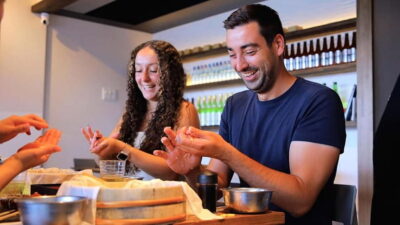
Roll and Authentic Sushi Making Class in Asakusa
Read our review →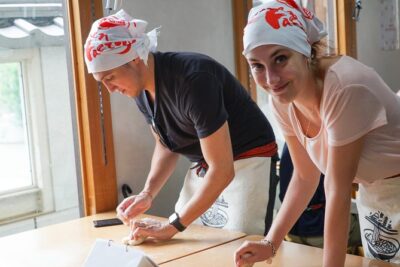
Ramen Cooking Class at Ramen Factory in Kyoto
Read our review →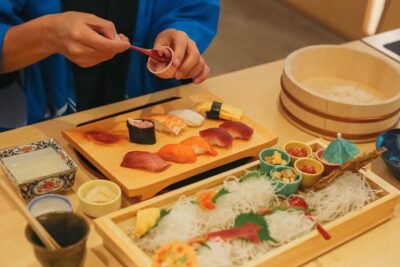
Sushi Making Class in a Happi Coat near a Famous Spot
Read our review →
Sushi Making Osaka Roll and Authentic Japanese Sushi Class
Read our review →
Tokyo Sushi Making Class in Tsukiji with Professional Chef
Read our review →
Ramen & Gyoza Cooking Class in Tokyo with Local Supermarket Visit
Read our review →Browse the lists this tour appears in