Reviewed · TOKYO TOURS
Asakusa’s Historic Treasures
Tokyo’s past comes with a karaoke break. This four-hour Asakusa experience combines temples and shrines with playful modern stops, including a festival-themed photo spot, Japanese karaoke, and hands-on monja cooking. Guide Miley leads the outing with history, local customs, and plenty of energy, while her experience working in both Asakusa and Akihabara adds useful Tokyo context.
I especially like the chronological approach, which frames Asakusa’s story from 628 through 2012, and the small group size of no more than nine people. The included karaoke drinks and one drink with dinner also add value. The main caution is the $164.72 price, which is high for a four-hour tour, so you should enjoy social activities and food as much as sightseeing to feel it earns its keep.
In This Review
- Key points at a glance
- Why this Asakusa tour feels different
- Starting at Azumabashi at 2 p.m.
- Asakusa’s story from 628 to 2012
- Twenty minutes at Asakusa Yokocho
- Japanese karaoke with a free drink bar
- Cooking monja in Asakusa
- Ending near Ninja House
- What the $164.72 price includes
- Who should book this experience
- Should you book Asakusa’s Historic Treasures?
- FAQ
- Where does the tour start?
- What time does the experience begin?
- How long does the tour last?
- Where does the tour end?
- How many people can join?
- Is a mobile ticket available?
- Is karaoke part of the tour?
- Is food included?
- Is admission to Asakusa Yokocho included?
- Can I cancel for a full refund?
- What happens if bad weather cancels the tour?
- Is there an optional activity after the tour?
Key points at a glance
- Asakusa in chronological order: The tour links the area’s long story, from 628 to 2012, with stops connected to temples, shrines, buildings, and wartime survival.
- A lively guide makes the difference: Miley is praised for her humor, energy, and ability to explain history and customs in an easy way.
- Three very different activities: You move from Asakusa Yokocho’s Japanese festival setting to karaoke, then to a hands-on monja meal.
- Small group format: With a maximum of nine people, the outing should feel more personal than a large coach tour.
- Food and drinks are part of the experience: Karaoke includes a free drink bar, and the monja meal includes one drink.
- Afternoon into evening timing: The 2 p.m. start leaves your morning free, with the experience ending near Ninja House in Asakusa.
Why this Asakusa tour feels different
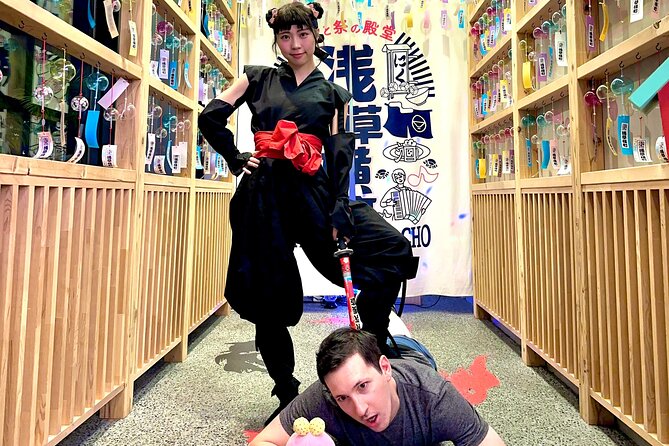
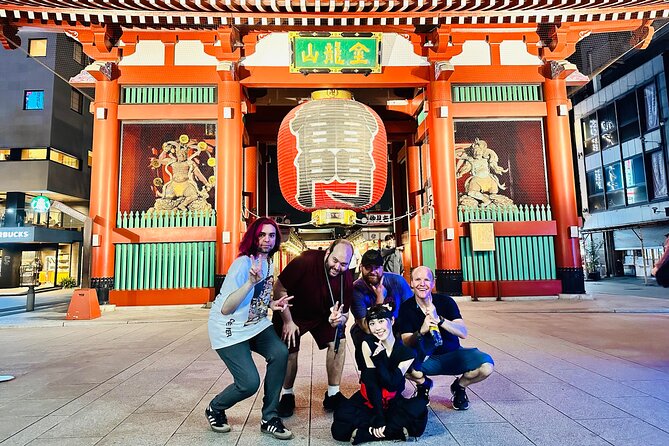
Many Asakusa walks focus almost entirely on Senso-ji and the Kaminarimon Gate. This experience takes a less formal route. You still learn about the area’s temples, shrines, and surviving buildings, but the tour also asks you to sing karaoke and cook monja.
That mix is the central appeal. You get cultural explanation without spending four hours listening to a guide talk while standing in one spot. The day moves between old and new Asakusa, with the guide helping you understand how the neighborhood changed over time.
The tour’s stated historical range runs from 628 to 2012. That wide span gives the walk a clear shape. Rather than treating Asakusa as a collection of attractive streets, it presents the district as a place that has changed through religious growth, war, rebuilding, entertainment, and modern tourism.
I would not book this if you want a quiet, museum-like history walk. I would book it if you want facts, conversation, food, and a guide who keeps the mood light. The experience is especially suited to people who like meeting others and trying activities that feel less scripted than a standard sightseeing circuit.
A few more options to weigh up in Tokyo
- Tokyo Disney Resort – Tokyo Disneyland & Tokyo DisneySea Park Tickets
★ 4.8 · 99,488 reviews - SHIBUYA SKY Ticket
★ 4.7 · 46,509 reviews - JR Whole Japan Rail Pass
★ 4.8 · 29,150 reviews
Starting at Azumabashi at 2 p.m.
The meeting point is Burger King Asakusa Azumabashi, at Cross Bil Royal Palace, 2-chome-20-6 Kaminarimon, Taito City. The tour begins at 2 p.m., so you can use the morning for another part of Tokyo and arrive in Asakusa after lunch.
That late start works well for an afternoon and evening plan. It also means you should pay attention to the clock. The experience lasts about four hours, and the schedule includes several activities rather than a long open-ended walk.
The meeting point is near public transportation, but the supplied details do not name a particular station or give route instructions. I would save the exact address on your phone before leaving. A mobile ticket is provided, and confirmation arrives at booking.
The group limit is nine people. That matters here because karaoke and monja cooking work better when the guide can speak with everyone. A small group also gives you a better chance to ask about local customs, food, and the difference between places of worship.
Asakusa’s story from 628 to 2012
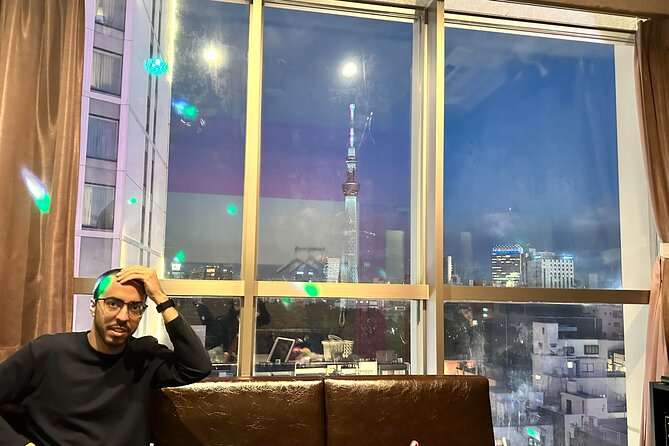
The first part focuses on Asakusa’s historical landmarks. The guide presents the area in chronological order, turning the walk into a kind of time trip through more than a thousand years.
The dates are useful because they show that Asakusa is not simply an old district preserved for sightseeing. Its story stretches from the seventh century through the postwar period and into modern Tokyo. You will look at temples and shrines, compare their roles, and see buildings connected with the years from 1649 to 1945.
One important theme is survival. The experience points out structures that made it through the war. That gives the walking section more weight than a quick photo stop. You are not only looking at attractive architecture. You are being asked to notice what remained, what changed, and why Asakusa still feels tied to earlier Tokyo.
The tour information does not promise a fixed list of specific temples or shrines, so you should not expect a detailed monument-by-monument route in advance. The value lies in the guide’s explanation and the way the stops fit into the larger timeline.
Miley’s background is a major asset. She has worked in Asakusa and Akihabara, and her tours are praised for explaining customs as well as history. That local work experience can help with small questions that guidebooks often skip, such as how to approach a shrine or how a neighborhood’s entertainment culture fits beside its religious sites.
The walking portion may appeal most to first-time visitors who want orientation. If you already know Asakusa well, the historical framing and personal stories may still add something, but the activity sections are likely to be the bigger draw.
Twenty minutes at Asakusa Yokocho
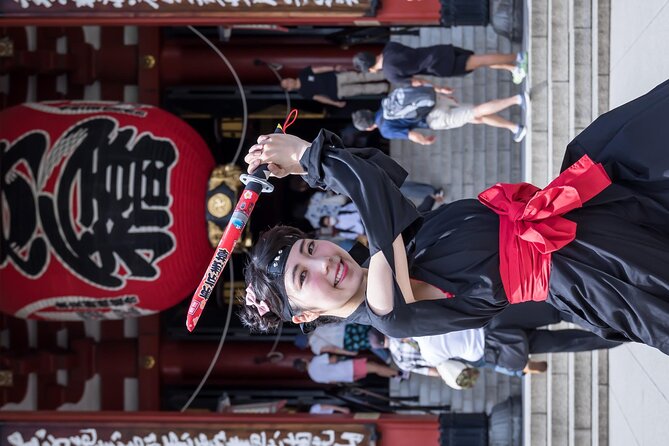
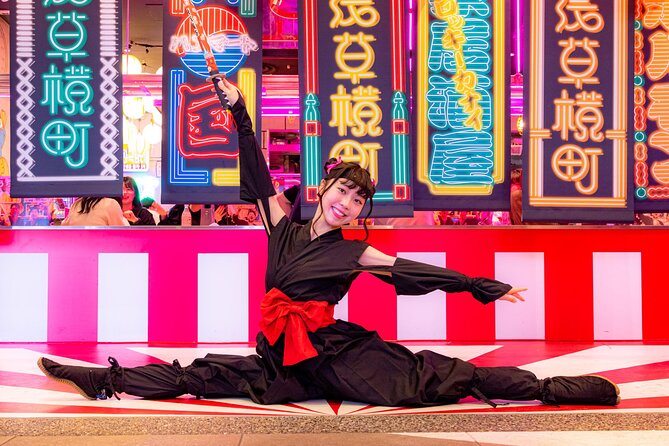
Asakusa Yokocho is the first named stop. You spend about 20 minutes there, with free admission.
The setting is designed around Japanese festivals and is described as photogenic. Think of it as a colorful, themed place for pictures rather than an ancient site. It gives the tour a quick change of pace after the historical material.
This stop is useful because it shows how Asakusa presents traditional culture in a modern entertainment setting. The area can look like a compact festival backdrop, making it easy to take photos without committing a large part of the afternoon.
Still, keep your expectations in check. This is not the same as visiting a centuries-old festival or a working historic building. It is a theme-park-style environment based on festival ideas. I see it as a fun visual interlude, not the main reason to pay for the tour.
The 20-minute limit is sensible. You get time for photos and a look around, then move on before the experience becomes repetitive. If you enjoy taking pictures, this will likely be one of the easiest stops to appreciate.
A completely different kind of day out:
- Mt Fuji and Hakone 1-Day Bus Tour Return by Bullet Train
★ 5.0 · 26,383 reviews - TOKYO SKYTREE® Ticket
★ 4.7 · 25,136 reviews - teamLab Borderless Tickets: MORI Building DIGITAL ART MUSEUM
★ 4.7 · 24,126 reviews - teamLab Planets TOKYO Ticket
★ 4.7 · 21,663 reviews
Japanese karaoke with a free drink bar
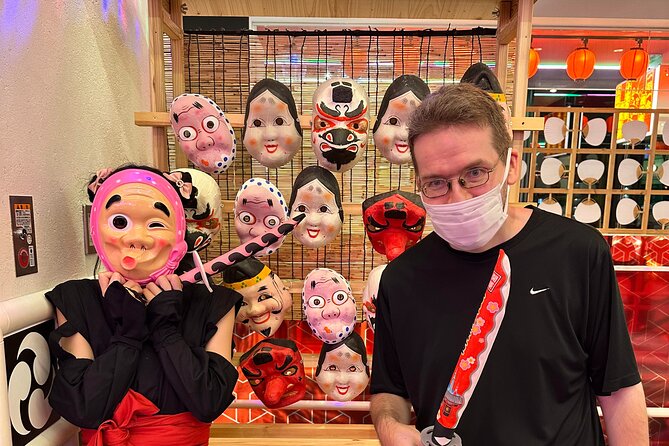
The karaoke session lasts one hour and includes a free drink bar. Japan is the birthplace of karaoke, and the tour uses this activity as a way to experience a familiar part of modern Japanese leisure culture.
This is not a passive cultural demonstration. You are expected to take part. That makes the stop a good fit for people who like singing, laughing with a small group, and doing something social. It also gives solo visitors a natural way to connect with the rest of the group.
The free drink bar improves the value, especially since you are spending a full hour there. The supplied information does not specify the drink selection, so you should not assume that every type of beverage is included.
Karaoke can also be the tour’s biggest weakness for the wrong audience. If you dislike singing in front of others, this hour may feel long. You can still enjoy the social side, but the activity is clearly a central part of the experience, not a minor add-on.
The timing is well placed. After the outdoor history walk and photo stop, the indoor karaoke room offers a break. It also helps the tour feel like an evening out in Tokyo rather than a standard sightseeing lesson.
Cooking monja in Asakusa
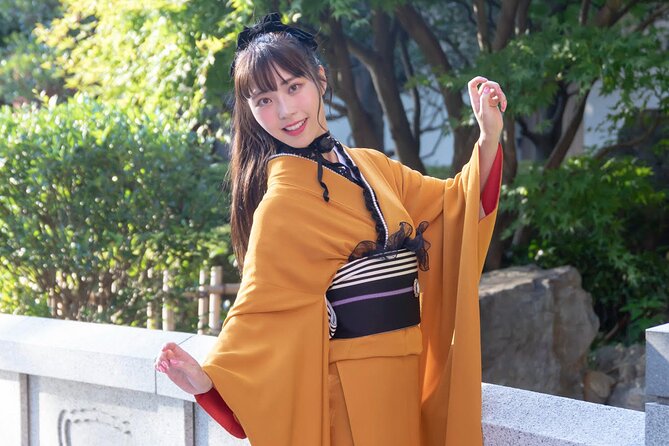
The final major activity is a monja experience lasting about one hour. Monja is presented as a food born in Asakusa, and the guide teaches you how to make it.
Monja has a soft, runny appearance that may surprise you. The description uses blunt humor about its looks, which tells you something about the tone of this tour. The guide is not trying to present food in polished restaurant language. You are encouraged to try it, laugh at the texture, and learn by cooking.
The hands-on element is important. Instead of simply being served a local dish, you take part in preparing it. That gives you a practical memory of Asakusa and makes the meal easier to remember than another restaurant stop.
One drink is included with the meal. The information does not specify the exact menu, portion size, or how the restaurant handles dietary restrictions. If you have food allergies or strict dietary needs, ask before booking.
The food stop also gives Miley another chance to explain local customs. Cooking together creates a relaxed setting for questions, and the small group makes it easier to follow her instructions. You should expect an informal meal rather than a formal tasting menu.
I like this choice because monja is less obvious than the dishes many first-time visitors seek in Tokyo. It is tied directly to Asakusa, and learning to prepare it gives the experience a sense of place.
Ending near Ninja House
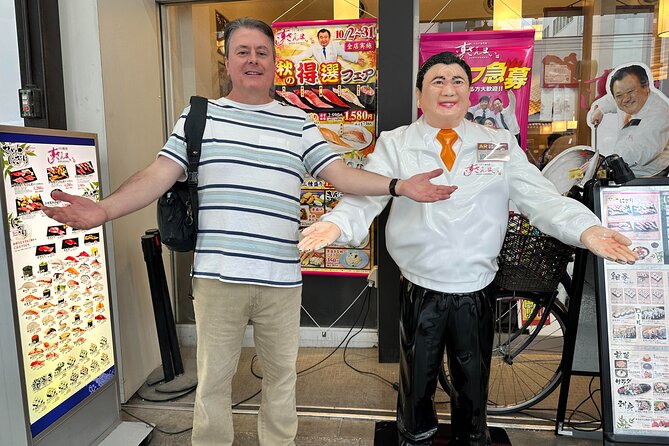
The scheduled finish is in front of Ninja House at 2-chome-4-3 Asakusa. The location keeps you in the same district, so you can continue exploring or make your way to another evening plan.
There is also an optional chance to continue the adventure with a drink at Ninja House, hosted by Miley. The supplied details do not say that this extra drink is included, so treat it as an additional option rather than part of the paid tour.
This ending suits the tour’s social style. Instead of dropping you at an anonymous station, it leaves you near a place connected with the group’s final stop. You can finish after four hours or choose to stay longer.
The end point is different from the meeting point, so plan around that when arranging transport. Both addresses are in Asakusa, but you should not assume the tour returns you to Burger King.
What the $164.72 price includes
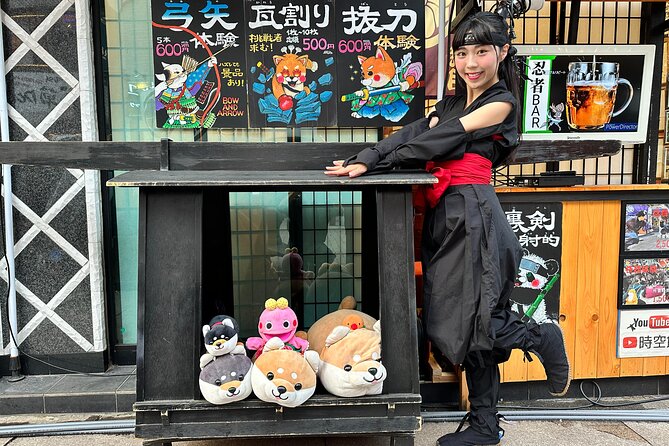
At $164.72 per person, this is not a cheap orientation walk. The price needs to cover more than history. You are paying for a guide-led small group experience, a one-hour karaoke session with a free drink bar, a monja meal with one drink, and the time spent moving through Asakusa’s historical sites.
The value improves if you would otherwise pay separately for karaoke, a meal, and a guided walk. It also improves if you want a host who keeps the group moving and explains the area in a personal way.
The value drops if you mainly want temple sightseeing. In that case, you may be paying for activities you would not choose on your own. The tour is best understood as a combined cultural and social outing, not a low-cost history tour.
A maximum of nine people is another reason the price may make sense. You are not joining a large crowd. Miley can keep the pace lively, answer questions, and help with the interactive parts.
The tour has a 5 out of 5 rating from 30 reviews, with 100 percent recommending it. The strongest praise centers on Miley’s energy, humor, local explanations, and ability to make the experience fun even in rainy weather. Several people also describe returning for more than one Smiley Walk tour, which suggests the guide’s personality is a major part of the product.
Who should book this experience
I would recommend this tour to:
- First-time visitors who want an easy introduction to Asakusa
- Solo visitors who enjoy joining a friendly small group
- Couples and friends who want history mixed with food and entertainment
- People curious about Japanese karaoke and monja
- Anyone who prefers a lively guide to a formal lecture
- Visitors with an open afternoon and evening in Tokyo
I would hesitate to recommend it to someone seeking a quiet architecture walk, a private tour, or a tightly focused temple itinerary. The karaoke hour alone makes the tour a poor match if you do not want to sing or take part in group entertainment.
Good walking shoes are sensible because the experience includes a historical walk, though the supplied information does not give a total distance. Bring your phone for the mobile ticket and arrive at the Burger King meeting point with enough time to find the exact entrance.
The experience requires good weather. If poor weather cancels it, you receive a choice of another date or a full refund. It also requires a minimum number of participants, so a cancellation for that reason brings the same options. Free cancellation is available until 24 hours before the 2 p.m. start time. Changes or cancellations made later are not accepted for a refund.
Should you book Asakusa’s Historic Treasures?
Book it if you want Asakusa explained by an upbeat guide, then want to turn that history into a shared meal and karaoke session. Miley receives consistent praise for making the tour informative, funny, and energetic, including on a rainy day. That personal touch appears to be the strongest reason to choose this experience.
Skip it if your main goal is to see as many historic buildings as possible for the lowest price. At $164.72, the tour only makes sense when you value the food, drinks, small group, and unusual activities along with the sightseeing.
For the right person, this is a memorable way to meet Asakusa: part history walk, part local food lesson, and part Tokyo night out.
FAQ
Where does the tour start?
The tour starts at Burger King Asakusa Azumabashi, Cross Bil Royal Palace, 2-chome-20-6 Kaminarimon, Taito City, Tokyo 111-0034, Japan.
What time does the experience begin?
The start time is 2 p.m.
How long does the tour last?
The experience lasts approximately four hours.
Where does the tour end?
It ends at 2-chome-4-3 Asakusa, in front of Ninja House.
How many people can join?
The tour has a maximum group size of nine people.
Is a mobile ticket available?
Yes. The experience includes a mobile ticket, and booking confirmation is provided at the time of booking.
Is karaoke part of the tour?
Yes. The karaoke experience lasts about one hour and includes a free drink bar.
Is food included?
Yes. The monja experience includes the meal and one drink. The guide teaches you how to make monja.
Is admission to Asakusa Yokocho included?
Admission to Asakusa Yokocho is listed as free, and the stop lasts about 20 minutes.
Can I cancel for a full refund?
Yes, if you cancel at least 24 hours before the experience start time. Cancellations made less than 24 hours before the start are not refunded.
What happens if bad weather cancels the tour?
You are offered a different date or a full refund if poor weather causes the cancellation.
Is there an optional activity after the tour?
Yes. You can choose to continue with a drink at Ninja House with the guide. The supplied details do not state that this extra drink is included in the tour price.
Just added in Tokyo
- Very popular in Harajuku♡Animal petting zoo★ 4.6 · 39 reviews
- Yokohama Port: Private Customizable Tour with Transfer★ 5.0 · 19 reviews
- Wagyu & Sake 8 Course Tasting Dinner in Shinjuku★ 4.9 · 20 reviews
- Warner Bros. Studio Tour Tokyo – The Making of Harry Potter★ 4.8 · 181 reviews
- Yanaka District: Historical Walking Tour in Tokyo’s Old Town★ 4.8 · 117 reviews
- Tokyo: Classic Tsukiji Food Tour★ 4.9 · 78 reviews
- Tokyo: Tsukiji Fish Market Tour with 6 Stops & Seafood Lunch★ 4.5 · 165 reviews
- Tokyo Wagyu & Sake Pairing Tasting Experience with Local Flavors★ 5.0 · 108 reviews
Tokyo Tours, compared.
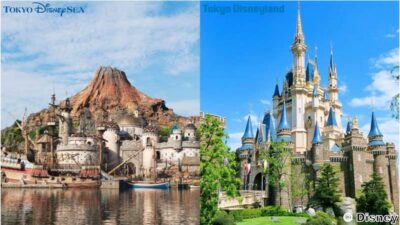
Tokyo Disney Resort – Tokyo Disneyland & Tokyo DisneySea Park Tickets
Read our review →
Mt Fuji and Hakone 1-Day Bus Tour Return by Bullet Train
Read our review →

teamLab Borderless Tickets: MORI Building DIGITAL ART MUSEUM
Read our review →