Reviewed · TOKYO TOURS
Asakusa: TOKYO SKYTREE Exploration after History Tour
Tokyo tells two stories at once. This tour lets you walk through both.
The afternoon begins in old Asakusa, where temples, gates, river views, and shopping lanes reveal how Tokyo grew from the Edo period. I like the clear progression from Sumida Park to Senso-ji Temple, and I like that the price includes Tokyo Skytree tickets for both observation decks. You get history at street level, then a dramatic city view from above.
The main drawback is the fixed booking policy. Skytree tickets are bought soon after booking, so you cannot cancel or change the tour for any reason. The 160-yen train fare from Asakusa to Skytree is also extra. Still, with a maximum of eight people, this is a useful choice if you want a guided introduction rather than a hurried sightseeing checklist.
In This Review
- Key points to know before booking
- Why this pairing works so well
- Starting beside the Sumida River at 1:30 pm
- A useful introduction at the Asakusa Culture Tourist Information Center
- Reading the symbols at Kaminarimon
- Walking Nakamise Shopping Street
- Understanding Hozomon and Senso-ji
- Seeing Buddhism and Shinto share the same grounds
- Taking the train to Tokyo Skytree
- Going up both Tokyo Skytree observation decks
- What the guide adds to the day
- Price, group size, and practical value
- Who should book this Asakusa tour
- Should you book this tour?
- FAQ
- How long does the Asakusa and Skytree tour last?
- What time does the tour begin?
- Where does the tour start?
- Where does the tour end?
- Are Tokyo Skytree tickets included?
- Is the train fare included?
- How large is the tour group?
- Are headsets provided?
- Can I cancel or change the booking?
Key points to know before booking
- The tour links two major Tokyo sights: You explore Asakusa on foot, then continue to Tokyo Skytree by train.
- Both Skytree observation decks are included: This saves you from arranging the most important ticket on your own.
- The Asakusa portion has real cultural context: Your guide explains Buddhism, Shinto, Edo-era isolation, Japanese dragons, and ukiyo-e.
- The group is limited to eight people: That makes questions and conversation easier than on a large bus tour.
- Several guides receive especially warm praise: Taka, Junko Yamashita, Sue, and Keiko are described as friendly, attentive, clear, and well prepared.
- The afternoon timing is practical: The meeting time is 1:30 pm, and the tour lasts about three and a half hours.
Why this pairing works so well
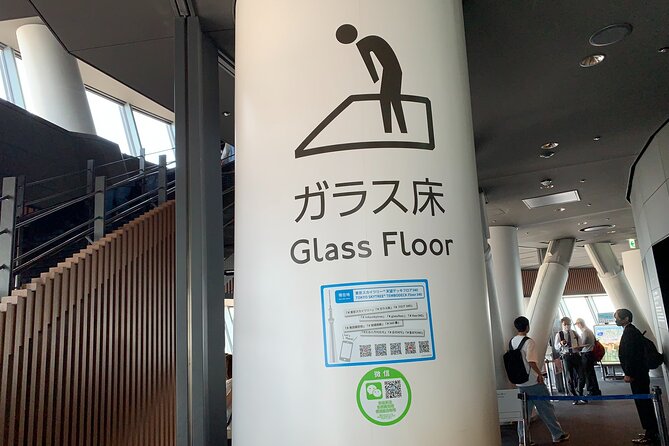
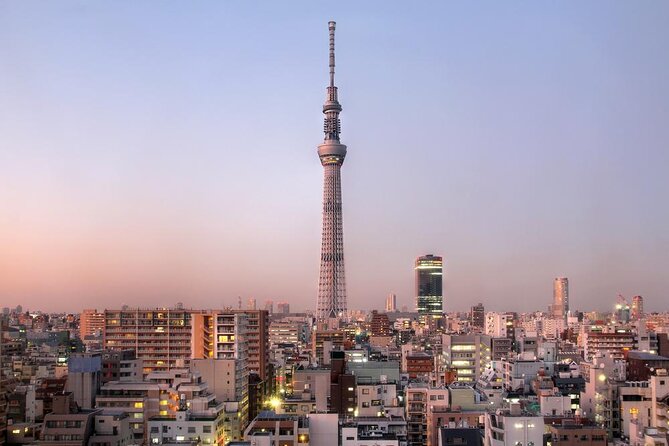
Asakusa and Tokyo Skytree are close together, but they offer sharply different views of Tokyo. Asakusa gives you gates, incense, religious sites, old commercial streets, and stories about the city’s past. Skytree gives you scale. From above, you can see how far Tokyo spreads beyond the compact streets around Senso-ji.
I like the order of the tour. You first learn what you are looking at, then take in the modern city from the observation decks. Without that first walk, Skytree can feel like a large tower with a nice view. Without Skytree, the Asakusa walk misses a chance to show you how the old district fits into present-day Tokyo.
The route is also efficient for a short visit. In three and a half hours, you see Sumida Park, Kaminarimon, Nakamise Shopping Street, Hozomon, Senso-ji, Asakusa Shrine, and Skytree. That is a lot, so the tour suits you best if you want a well-organized overview. It is not designed for a slow, private examination of every temple building or a long shopping stop.
A few more options to weigh up in Tokyo
- Tokyo Disney Resort – Tokyo Disneyland & Tokyo DisneySea Park Tickets
★ 4.8 · 99,488 reviews - SHIBUYA SKY Ticket
★ 4.7 · 46,509 reviews - JR Whole Japan Rail Pass
★ 4.8 · 29,150 reviews
Starting beside the Sumida River at 1:30 pm
The meeting point is at 2-chōme-20-6 Kaminarimon in Taito City. The tour begins near Sumida Park, along the Sumida River, with about 20 minutes set aside for the first stop.
This opening gives the walk a useful historical frame. Your guide explains Japan’s long period of isolation under the Edo shogunate, including why the country restricted outside contact for more than 200 years and why the Netherlands retained a special connection during that period.
That material matters because it explains why Japan’s later opening to the world was such a major change. You are not simply looking at a river and a park. You are getting the political background that shaped the city you see today.
The park itself is a short stop, not a long garden visit. If you want extensive time by the river, you will need to return independently. The value here is the explanation, not a long stretch of free time.
A useful introduction at the Asakusa Culture Tourist Information Center
The next stop lasts about 20 minutes. The Asakusa Culture Tourist Information Center helps establish the difference between Japan’s two major religious traditions, Buddhism and Shinto.
This is one of the most useful parts for first-time visitors because the rest of the route includes both a Buddhist temple and a Shinto shrine. Your guide gives you a basic framework before you reach the main religious sites, making later details easier to follow.
The tour is especially helpful if you have wondered why a Japanese religious site has a gate, a purification area, incense, or a place to make offerings. You get enough explanation to avoid treating every structure as simply another photogenic building.
The stop is indoors or near an information center, but the supplied details do not specify how much time is spent inside. Plan for the overall route to remain active and mostly on foot.
Reading the symbols at Kaminarimon
Kaminarimon, the Thunder Gate, gets about 15 minutes. This is one of Asakusa’s most recognizable entrances, with its enormous lantern and strong visual presence.
Here, your guide explains the difference between Japanese and Western dragons. In Western stories, dragons are often presented as threatening creatures to defeat. Japanese dragons have a different role and can be linked with water, protection, and benevolent power.
That comparison is a small detail, but it is exactly the sort of thing that improves a sightseeing stop. You begin to see the gate as a place filled with meaning, not just as a famous backdrop for a photograph.
Kaminarimon can be crowded, and the stop is short. Your guide may need to keep the group moving so the tour stays on time. If you want a quiet photograph with no one else in the frame, this is not the most reliable moment. The benefit is having someone explain what you are seeing while you are there.
A completely different kind of day out:
- Mt Fuji and Hakone 1-Day Bus Tour Return by Bullet Train
★ 5.0 · 26,383 reviews - TOKYO SKYTREE® Ticket
★ 4.7 · 25,136 reviews - teamLab Borderless Tickets: MORI Building DIGITAL ART MUSEUM
★ 4.7 · 24,126 reviews - teamLab Planets TOKYO Ticket
★ 4.7 · 21,663 reviews
Walking Nakamise Shopping Street
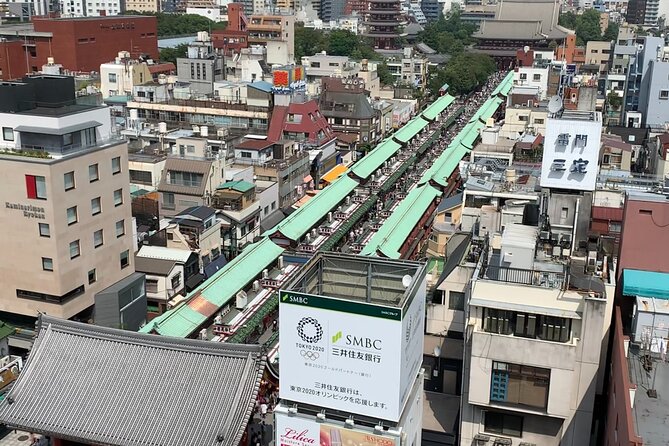
From Kaminarimon, the group continues along Nakamise Shopping Street for about 40 minutes. This is the longest stop before the temple grounds, and it gives you time to absorb the approach to Senso-ji.
Nakamise is one of Japan’s oldest shopping streets. You can expect a line of small shops selling souvenirs, snacks, and traditional goods, though the tour information does not specify which individual shops you will enter or what purchases are included. The focus is cultural explanation rather than a shopping allowance.
Your guide discusses Buddhist symbols such as the vajra, also called tokko, and explains the wider effect of ukiyo-e woodblock prints. Those prints helped carry Japanese images and artistic ideas far beyond Japan, making this a good point to connect local commerce with a much larger cultural story.
Forty minutes is enough to walk through the street and listen, but it may feel brief if you want to browse every shop. I would save serious shopping for after the tour, when you can return at your own speed. Keep your attention on the route, since this is a shared walking tour rather than a dedicated retail visit.
Understanding Hozomon and Senso-ji
Hozomon receives about 15 minutes. This inner gate leads you closer to Senso-ji and provides another chance to examine the symbols and stories that shape the temple approach.
The guide’s comparison between medieval Japan and Europe is a recurring feature of the tour. That approach can be useful because it places Japanese history in a broader time period instead of presenting it as something completely separate from the rest of the world.
Senso-ji gets another 15 minutes. As Tokyo’s oldest Buddhist temple, it is the central historical sight in Asakusa and one of the main reasons to book this walk.
Your guide explains how Buddhist prayer differs from Shinto prayer. This is practical information you can use during the visit, especially if you want to behave respectfully without guessing what to do. The tour does not simply point out the temple’s age. It explains how the religious traditions function and why both remain visible in the same district.
The time is enough for an introduction, but not for a long personal visit. If Senso-ji becomes your favorite stop, you can return later. The tour ends at Skytree, so you will not circle back to the temple with the group.
Seeing Buddhism and Shinto share the same grounds
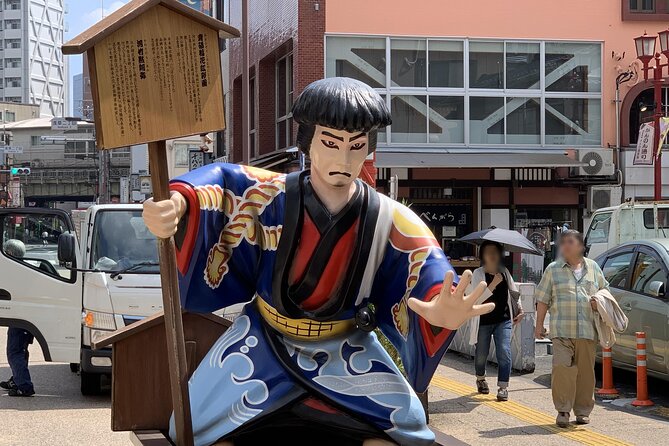
Asakusa Shrine is the final stop in the walking section, with about 15 minutes planned.
This shrine and Senso-ji occupy the same wider grounds and share more than a thousand years of connected history. For many people, this is the most surprising cultural point of the route. A Shinto shrine and a Buddhist temple can exist side by side, with worshippers using the same area, rather than fitting into the strict separation many outsiders might expect.
I like this stop because it brings the earlier explanation together. You have just learned the basic difference between Buddhism and Shinto, and now you see both traditions in one compact setting.
Again, the stop is short. You will get the essential explanation and a chance to look around, but not a full religious study. That is a fair trade for a tour that must still reach Skytree on time.
Taking the train to Tokyo Skytree
After the Asakusa walk, you take the train from Asakusa Station to Tokyo Skytree Station. The fare is not included and costs 160 yen.
This is a simple transfer, but it is worth noting because the tour price is not fully all-inclusive. You do not need to arrange a taxi or work out the route alone, which is useful in a busy city. Your guide handles the transition, while you pay the modest fare separately.
The change in setting is part of the appeal. You move from temple gates and old shopping lanes into the Skytree complex, which includes shops and dining facilities as well as the tower. The tour ends there, so you can continue exploring on your own after the guided portion.
Going up both Tokyo Skytree observation decks
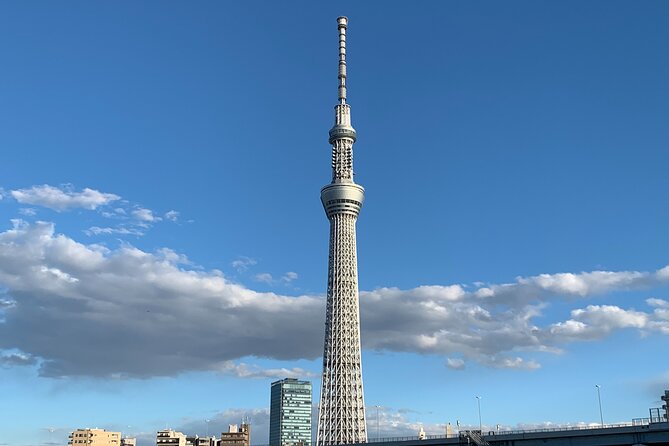
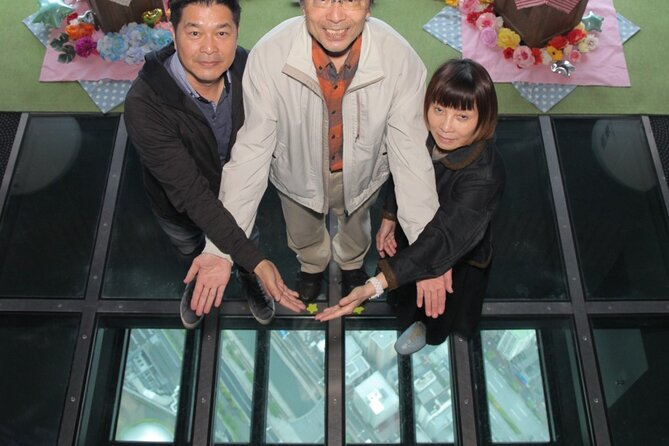
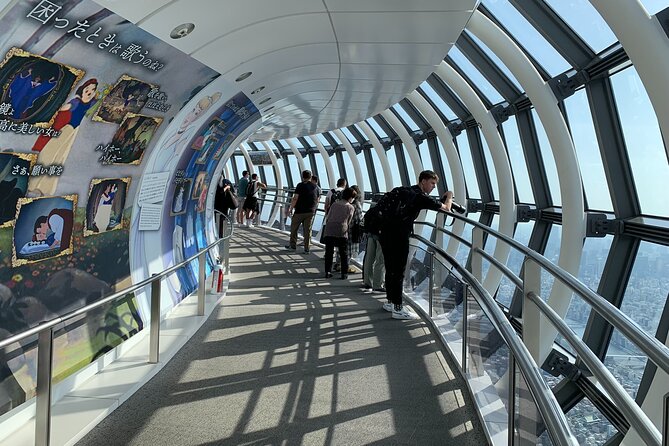
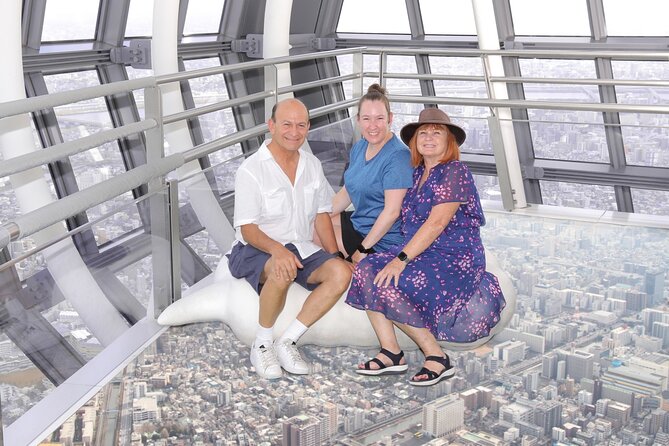
The Skytree visit lasts about one hour. Your combo ticket includes access to the upper and lower observation decks, which is the major financial and logistical benefit of this experience.
Tokyo Skytree is Japan’s tallest structure, and the views give you a useful sense of Tokyo’s enormous scale. You will have time for photographs and for looking across the city from two different heights. The exact visibility depends on the weather, so a cloudy or rainy afternoon can reduce the impact. One person specifically found the weather disappointing, while still describing the guided briefing as satisfactory.
The one-hour allocation is enough to enjoy the tower without turning the tour into an all-day outing. It may feel too short if you want a long meal, extensive shopping, or a leisurely stay at the observation decks. Since the tour ends at Skytree, you can remain afterward if your schedule allows, but anything after the planned hour is on your own.
The ticket is especially valuable because Skytree admission can sell quickly. The operator purchases the tickets soon after you book, which helps secure the arranged visit but creates the strict cancellation rule. You should only book once your plans are firm.
What the guide adds to the day
The guide is the heart of this experience. The strongest praise focuses on friendly, attentive explanations and a comfortable pace.
Taka is described as warm and clear, with detailed explanations of the buildings and their meaning. He also handled questions well and made the walk suitable for families. Junko Yamashita is praised for being thoughtful and attentive, sharing historical information in a clear way and allowing time for questions.
Sue receives praise for excellent English, a pleasant manner, and a steady pace. Her approach included opportunities for questions rather than rushing from one stop to the next. Keiko is described as having spent substantial time preparing material on both Asakusa and Skytree, helping connect Japanese culture and history with the sights.
These details give you a useful sense of the guiding style. You are not booking a silent transfer between attractions. You are booking interpretation, questions, and context. Guide assignments can vary, so you cannot assume a particular person will lead your departure, but the named guides give a good picture of the standard travelers have appreciated.
For groups of three or more, headsets are provided so you can hear the guide clearly even when standing farther away. That is helpful at Kaminarimon, Nakamise, and Senso-ji, where other people and street noise can make a quiet explanation difficult.
Price, group size, and practical value
The price is $118.24 per person. That is not a bargain walking tour, but the value depends on what you would otherwise arrange yourself.
You are paying for a small-group guide, the Asakusa walk, the train transition, and combo admission to both Skytree observation decks. The maximum group size is eight, which should feel more personal than a large coach excursion. The 160-yen train fare is extra, and food, shopping, hotel pickup, and hotel drop-off are not included.
I think the price is reasonable if you want both a cultural introduction and a guaranteed Skytree visit in one afternoon. It is less appealing if you already understand Asakusa, prefer exploring alone, or only want the tower. In that case, you may find the guided walking portion adds cost and structure you do not need.
Group discounts are available, though the details are not specified. The tour also uses a mobile ticket, and confirmation is provided at booking. It starts near public transportation, and most people can participate, but the route includes walking and temple grounds, so you should be comfortable moving between several stops.
Who should book this Asakusa tour
I would recommend it to you if:
- You are visiting Tokyo for the first time.
- You want cultural context instead of only taking photographs.
- You prefer a small group and the chance to ask questions.
- You want Skytree tickets arranged as part of the day.
- You are traveling with family and want a manageable afternoon plan.
- You have limited time and want old Asakusa plus modern Tokyo in one outing.
I would hesitate if you want a flexible schedule. The route covers many places in a short period, and the fixed Skytree reservation means you cannot change plans without losing the payment.
The tour is also not ideal for a dedicated shopper. Nakamise gets the longest walking stop, but the visit is built around history and symbols, not extended browsing. Likewise, anyone hoping for a long, quiet temple visit may prefer to explore Senso-ji independently before or after booking a shorter Skytree visit.
Should you book this tour?
Book it if you want a well-paced introduction to Asakusa followed by Tokyo’s best high-level view. The best feature is the contrast: you learn about Buddhist and Shinto traditions, see the district’s gates and temple streets, then look down on modern Tokyo from two Skytree decks.
Skip it if you dislike fixed schedules or need a refundable booking. The no-refund rule is strict because the tower tickets are purchased in advance. For a first Tokyo visit, a family trip, or a short stay, I think the combination of a small group, strong guiding, and included Skytree admission makes the $118.24 price defensible.
FAQ
How long does the Asakusa and Skytree tour last?
The tour lasts approximately 3 hours and 30 minutes.
What time does the tour begin?
The tour starts at 1:30 pm.
Where does the tour start?
It starts at 2-chōme-20-6 Kaminarimon, Taito City, Tokyo 111-0034, Japan.
Where does the tour end?
The tour ends at Tokyo Skytree, at 1-chōme-1-2 Oshiage, Sumida City, Tokyo 131-0045, Japan.
Are Tokyo Skytree tickets included?
Yes. Combo tickets for both the upper and lower observation decks are included.
Is the train fare included?
No. The 160-yen train fare from Asakusa Station to Tokyo Skytree Station is paid separately.
How large is the tour group?
The maximum group size is eight people.
Are headsets provided?
For groups of three or more, headsets are provided so you can hear the guide clearly from a distance.
Can I cancel or change the booking?
No. The experience is non-refundable and cannot be changed for any reason because Skytree tickets are purchased soon after booking.
Just added in Tokyo
- Tokyo Sunset Boat Party with Music Drinks and Vibes★ 5.0 · 15 reviews
- 【SUMO FESTIVAL】Tokyo Ginza: Sumo Show & Photo Experience★ 4.5 · 41 reviews
- Tokyo Sumo Experience with Live Show & Audience Challenge★ 5.0 · 38 reviews
- Premium 14-Piece Sushi & Cultural Discovery with Chef Interaction★ 5.0 · 57 reviews
- Tokyo Street Food Tour – 7 Japanese Foods★ 5.0 · 16 reviews
- Tokyo Sumo Morning Training/ Sumo Practice with Wrestlers★ 5.0 · 135 reviews
- Tokyo Morning Tour : Meiji Shrine, Asakusa and Fish Market★ 5.0 · 102 reviews
- Tokyo: Visit Sumo Morning Practice with English Guide★ 4.5 · 22 reviews
Tokyo Tours, compared.
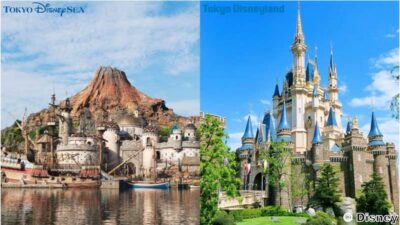
Tokyo Disney Resort – Tokyo Disneyland & Tokyo DisneySea Park Tickets
Read our review →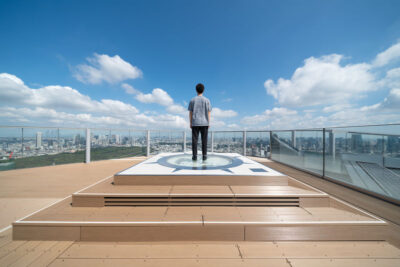
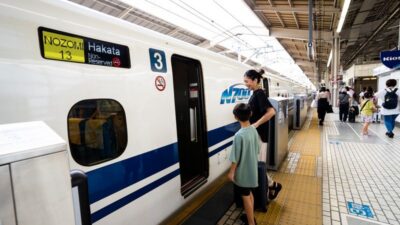
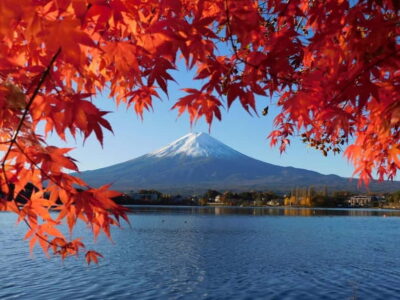
Mt Fuji and Hakone 1-Day Bus Tour Return by Bullet Train
Read our review →

teamLab Borderless Tickets: MORI Building DIGITAL ART MUSEUM
Read our review →