Reviewed · FULL-DAY
Full-Day Sightseeing to Kyoto Highlights
Kyoto rewards slow wandering, but one day demands a plan. This seven-hour walking tour links Arashiyama, Kinkakuji, Gion, and Fushimi Inari with trains, buses, and plenty of local explanation. I like the small maximum of seven people, and I like that guides such as Indra, Maureen, Toshi, Naomi, and Adella add cultural context instead of simply pointing at temples. The catch is the pace: this is a full day on your feet, with public transport costs and the Kinkakuji admission added to the tour price.
I also like the practical help. Guides take photos, teach useful Japanese phrases, explain everyday customs, and help you make sense of Kyoto’s transport system. At $165.17 per person, the tour is not cheap, but it can be good value if you want to cover Kyoto’s far-flung sights in one day without planning every train and bus yourself.
In This Review
- The essential points at a glance
- Starting at Kyoto Station at 8:30 a.m.
- Arashiyama Bamboo Forest: a beautiful first stop
- Kinkakuji: golden walls and Buddhist context
- Shijo Kawaramachi: lunch and Kyoto’s shopping side
- Gion Shirakawa: a quieter look at geiko culture
- Fushimi Inari: thousands of vermilion gates
- What the guides add to the day
- The real cost and value at $165.17
- Who should book this Kyoto day tour?
- My verdict: book it for coverage, not lingering
- FAQ
- Where does the tour start?
- Where does the tour end?
- How many people can join the tour?
- Is the Kinkakuji entrance fee included?
- Is public transportation included?
- How much walking is involved?
The essential points at a glance
- Seven major Kyoto stops in one day: Arashiyama, Kinkakuji, Shijo Kawaramachi, Gion Shirakawa, Fushimi Inari, and Kyoto Station are all connected in one route.
- A genuinely small group: The advertised maximum is seven people, which allows more conversation and easier movement through crowded areas.
- Public transport is part of the lesson: You use trains and buses between sights, a useful introduction to getting around Kyoto.
- Guides add modern cultural context: Expect explanations about Buddhism, Shinto, geiko and maiko, Japanese manners, and even why public trash cans are uncommon.
- The walking is serious: The day includes temple paths, shrine approaches, shopping streets, bridges, and station transfers.
- Extra costs are clear: Add ¥500 for Kinkakuji and ¥1,510 for public transportation per person.
Starting at Kyoto Station at 8:30 a.m.
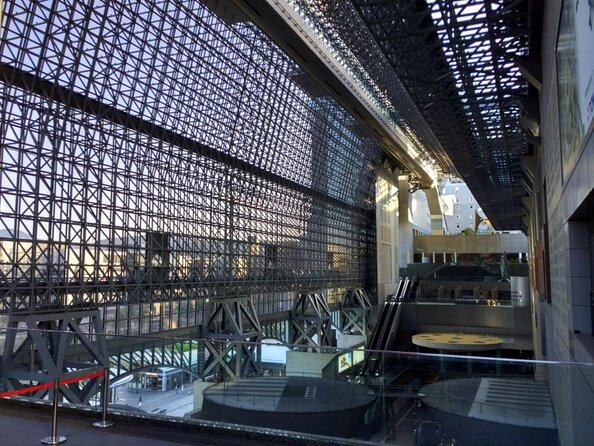
The meeting point is the Starbucks Coffee at Kyoto Tower Sando, beside the main entrance area of Kyoto Station. You begin with a short introduction, then head onto the train toward Saga Arashiyama.
That opening ride matters. Kyoto’s famous sights are spread across the city, so this is not a hop-on, hop-off outing where everything sits around one central square. You are learning the city’s basic transport rhythm from the start. Guides have been praised for handling the trains and buses with ease, and that can save you a fair bit of head scratching later in your trip.
The station itself is large, so arrive with enough time to find the meeting point. The experience ends back at Kyoto Station, which is handy if you want to continue exploring, eat nearby, or return to your hotel by train.
The stated duration is approximately seven hours and thirty minutes. Since the route covers several districts, you should expect a tightly arranged day rather than long, unstructured stops. The advertised group limit of seven keeps the outing personal, but it does not remove the need to keep moving.
A few more options to weigh up in Kyoto
- PERFECT KYOTO 1-Day Bus Tour
★ 5.0 · 13,518 reviews - [Kyoto & Nara Day Tour] Sagano Scenic Railway & Nara Park & Fushimi Inari Taisha Thousand Torii Gates & Togetsukyo Bridge & Bamboo Grove & Kimono Forest (Departing from Osaka)
★ 4.9 · 10,942 reviews - Kyoto: Fushimi Inari, Kinkakuji, Bamboo Grove 1 Day Bus Tour
★ 4.8 · 4,316 reviews
Arashiyama Bamboo Forest: a beautiful first stop
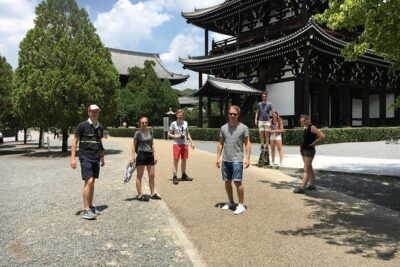
The train ride to Saga Arashiyama leads to the first major stop, the Arashiyama Bamboo Forest. The scheduled visit is about 60 minutes, enough to walk through the famous bamboo paths and hear an introduction to Japanese culture.
The bamboo is the star, but the guide’s interpretation is what gives this stop more value. You can ask about Japanese customs, social habits, and the ideas that shape daily life. Indra, one of the guides praised most often, is noted for explaining Japan through stories and personal perspective rather than a string of dates and names. That approach suits Arashiyama, where the visual appeal is immediate but the cultural meaning can otherwise remain vague.
This is also one of the day’s more popular locations. You should not expect a private forest walk. The small group helps your guide keep you together and point out good photo spots, but the route can still feel busy.
Allow for uneven walking and a steady pace. The hour passes quickly, and the itinerary does not suggest a long break here. If you want quiet photographs from every angle, you may find the schedule restrictive. If you want a clear introduction to one of Kyoto’s most recognizable sights, the timing works.
Kinkakuji: golden walls and Buddhist context
From Arashiyama, the group takes a bus or train toward Kinkakuji, the Golden Pavilion. The transfer is listed at about 40 minutes, followed by roughly 40 minutes at the temple.
Kinkakuji is a powerful visual stop. The gold-covered pavilion, set beside its pond, is one of Kyoto’s signature views. The guide helps turn the photo opportunity into something more useful by explaining Buddhism in Japan and the temple’s past. You also have the chance to ask questions and have photos taken for you, a welcome touch if you are traveling alone or want everyone in the picture.
The admission fee is not included. Budget ¥500 per person. That is a small extra charge compared with the tour price, but you should know about it before booking.
The larger issue is time. Kinkakuji is a major sight, and 40 minutes gives you a focused visit rather than a leisurely one. You will see the pavilion and grounds, but you may not have time to linger at every garden feature. I would treat this as a strong overview, not a temple study session.
The ride from Arashiyama also shows why this tour can be useful. Connecting western Kyoto with the central shopping district and southern Fushimi area on your own requires route planning. Here, the guide handles the transitions and explains what is happening as you go.
Shijo Kawaramachi: lunch and Kyoto’s shopping side
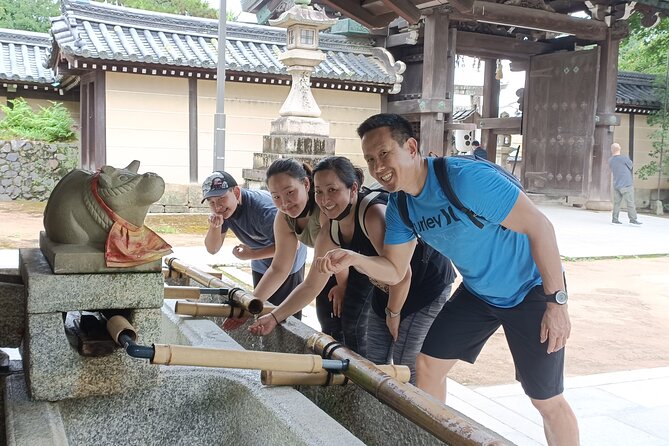
The next major section takes you to Shijo Kawaramachi, with about 75 minutes to explore and have lunch. This is a change of mood from bamboo and temple grounds. You see Kyoto as a working city, with shopping streets, arcades, food, and local daily activity.
The tour does not include lunch, so you choose and pay for your own meal. That is useful for people with strong food preferences, though the limited time means you should not plan an elaborate restaurant experience. Your guide can offer recommendations and help you understand what is available.
This stop gives the day needed balance. Kyoto is not only shrines, temples, and old neighborhoods. Shopping arcades and food streets show how the city functions now. A guide can also help explain small cultural habits that are easy to miss when you walk alone.
After lunch, you cross Shijo Bridge on foot. The walk takes about 15 minutes before the group continues toward Gion Shirakawa. Keep your shoes comfortable. By this point, you have already walked through Arashiyama and Kinkakuji, and the second half of the day continues at a good clip.
A completely different kind of day out:
- Kyoto: Tea Ceremony in a Traditional Tea House in Kiyomizu
★ 4.9 · 3,519 reviews - Kyoto: Gion Make Your Own Chopsticks with Engraving Option
★ 5.0 · 3,465 reviews - Kyoto Nara Day Trip │ Kiyomizu-dera Temple + Fushimi Inari-taisha Shrine + Nara Park (Departing from Osaka/Kyoto)
★ 4.7 · 3,408 reviews - Kyoto Geisha Walking Tour: Gion District & Hidden Gems
★ 4.7 · 3,273 reviews
Gion Shirakawa: a quieter look at geiko culture
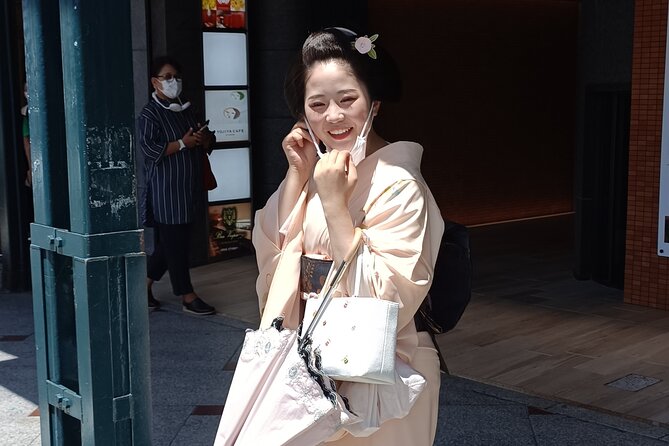
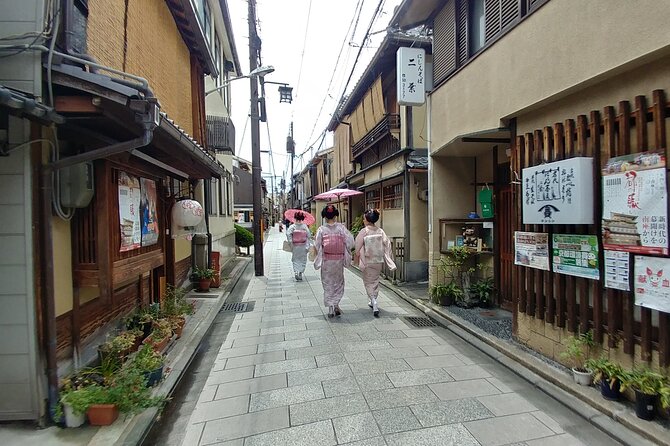
Gion Shirakawa is scheduled for about 60 minutes. This is described as the quieter side of Gion, away from some of the most crowded routes. The setting gives you a chance to learn about geiko and maiko, the performers associated with Kyoto’s traditional entertainment district.
This stop is valuable because the subject can be misunderstood. A good guide can explain the difference between geiko and maiko, the role of traditional arts, and the setting in which they work. The supplied guide feedback gives particular credit to Indra and Maureen for making cultural explanations easy to follow, friendly, and conversational.
You should keep your expectations respectful and modest. The itinerary says you might happen to see a geiko or maiko, but no encounter is promised. The point is the neighborhood and its traditions, not a staged meeting or photo opportunity.
Gion Shirakawa also provides a calmer walking stretch after the shopping district. The route lets you notice architecture, lanes, and the feel of an older entertainment area. Still, this remains a short visit. If Gion is your main interest, plan a separate return visit so you can explore without the day’s schedule pressing you onward.
Fushimi Inari: thousands of vermilion gates
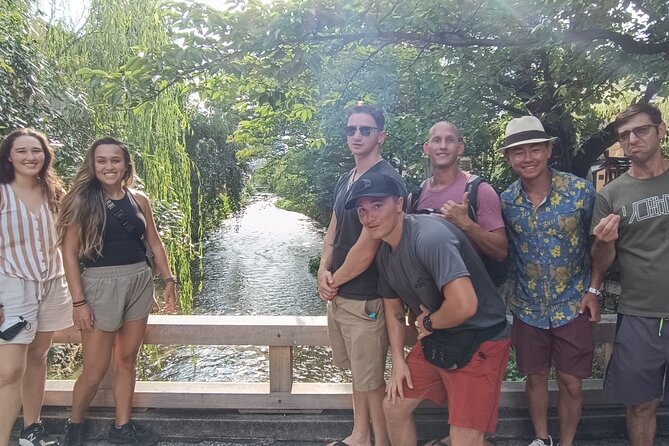
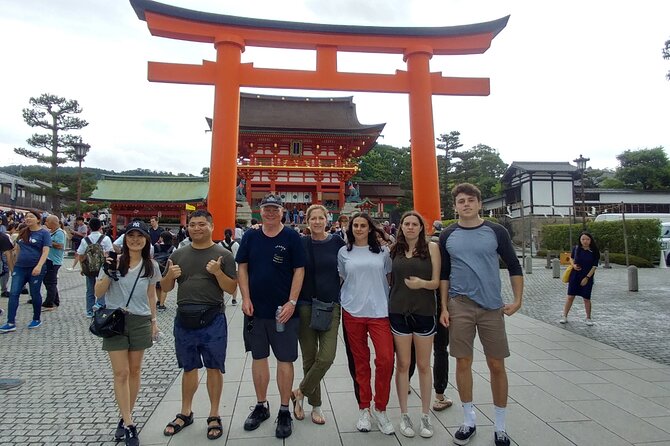
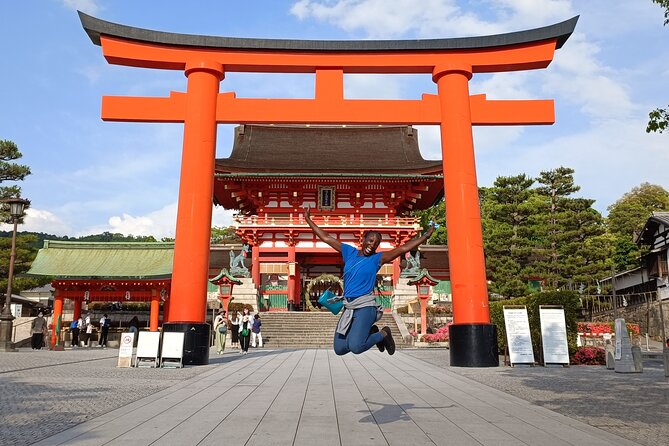
The final major sight is Fushimi Inari Taisha, reached by public transportation. The visit is scheduled for about 50 minutes, and the group walks through the shrine’s famous rows of vermilion torii gates.
This is the most physically demanding stop for some people, especially after a day that has already included long walks and several transfers. You do not need to complete the entire mountain route for the visit to be worthwhile. The tour focuses on passing through the gates while learning about Shinto, the shrine, and its history.
The timing is practical. Fushimi Inari can absorb hours if you continue uphill, but this tour gives you a concentrated introduction before returning to the station. You get the key visual experience and basic context without sacrificing the other districts on the route.
The shrine is also a fitting final sight. Earlier stops introduce Buddhist ideas and Kyoto’s historic neighborhoods. Here, the guide explains Shinto, giving you a broader view of Japan’s religious traditions in one day.
Because the group returns by train to Kyoto Station, the guide can help you finish the route without one last navigation puzzle. The tour then ends where it began.
What the guides add to the day
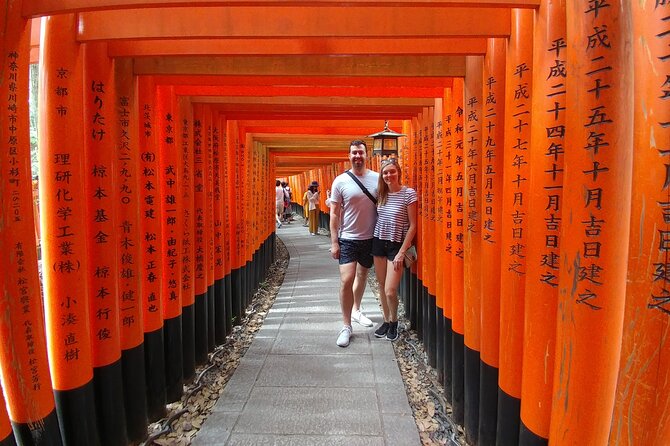
The strongest part of this experience is the human element. The guides praised most warmly include Indra, Maureen, Toshi, Naomi, and Adella. Their styles differ, but the repeated strengths are clear: friendly conversation, cultural explanation, patience, humor, and help with photographs.
Indra is especially noted for giving historical background alongside his own perspective on living in Japan. That makes the tour feel less like a memorized lecture. He also teaches Japanese phrases and takes photos, which can be a real benefit for solo visitors.
Maureen is praised for guiding people smoothly through trains and buses, adjusting the pace, and keeping the day cheerful. Adella is described as bright, detailed, and clear when discussing local customs. Toshi receives credit for being flexible when last-minute changes were needed.
Guide quality can vary on any scheduled experience, so you should not assume one particular person will lead your date. Still, the range of positive comments points to a clear focus on personal service. The small group makes it easier to ask questions than on a large coach outing.
The cultural angle is also a major plus. You may learn why trash cans are uncommon in Japan, pick up a few Japanese expressions, and hear about modern social habits alongside temple facts. Those details help you understand the city beyond its famous photographs.
The real cost and value at $165.17
The advertised price is $165.17 per person. You also pay ¥500 for Kinkakuji admission and ¥1,510 for public transportation, for a known additional total of ¥2,010 per person. Lunch is not included.
That places this well above the cost of visiting the sights independently. The value comes from time and organization. In a single day, you cover western Kyoto, central Kyoto, Gion, and southern Kyoto, with a guide managing the connections.
I would consider the price fair if you have only one day, dislike transport planning, or want cultural explanation at every stop. It is less appealing if you already know Kyoto’s train and bus system, prefer slow visits, or want to spend half a day at one temple.
The small group also matters. A maximum of seven is far more personal than a large sightseeing bus, and the guides can take photos or answer individual questions. On quieter dates, the group may be much smaller. Some bookings have been private outings for one person or a couple, though that should be viewed as a pleasant possibility rather than a guarantee.
Who should book this Kyoto day tour?
This outing suits a first visit, especially if you have one free day and want the major sights in a single sweep. It is also a good fit for solo visitors who want company, help with photos, and a guide for public transportation.
You should have moderate physical fitness. The experience is explicitly a walking tour and is not recommended for people with bad legs. It is also not recommended for pregnant people beyond the first trimester. Service animals are allowed, and the meeting points are near public transportation.
Families with older children may appreciate the variety, though the long day and frequent movement may test younger children. Culture-focused visitors will get the most from the explanations, while photographers may wish for more time at each stop.
The tour requires good weather. If poor weather cancels it, you are offered another date or a full refund. You can cancel for a full refund up to 24 hours before the 8:30 a.m. start, but later changes or cancellations are not accepted. A minimum number of participants is also required, and a cancellation for that reason brings an alternative or refund.
My verdict: book it for coverage, not lingering
I would book this tour if my Kyoto time were limited and I wanted a friendly guide to connect the city’s main sights. The route is ambitious, the group is small, and the best guides bring real cultural insight, practical transport help, and a welcome sense of humor.
I would skip it if I had several days in Kyoto or wanted long, quiet visits at Arashiyama, Kinkakuji, or Fushimi Inari. The day is active, the added costs are real, and the schedule favors breadth over depth.
For a first-day orientation, though, it is a strong choice. You finish knowing where Kyoto’s major areas sit, how the transport works, and which places deserve a slower return visit.
FAQ
Where does the tour start?
It starts at Starbucks Coffee at Kyoto Tower Sando, near the main entrance of Kyoto Station, at 8:30 a.m.
Where does the tour end?
The experience ends back at Kyoto Station, the same general meeting area where the day begins.
How many people can join the tour?
The maximum group size is seven people.
Is the Kinkakuji entrance fee included?
No. Kinkakuji admission costs ¥500 per person and is paid separately.
Is public transportation included?
No. Public transportation costs ¥1,510 per person and are not included in the tour price.
How much walking is involved?
This is a walking tour with train and bus transfers. A moderate level of physical fitness is required, and it is not recommended for people with bad legs.
Just added in Kyoto
- The “Golden Route” and Ancient Japan by DIAMIR Erlebnisreisen – 14-Day Tour★ 2.0 · 2 reviews
- Japan: Castles & Cuisine by G Adventures – 6-Day Kyoto to Osaka Tour★ 4.5 · 4 reviews
- Cycle Japan by Explore! – 13-Day Kyoto to Tokyo Tour★ 4.7 · 12 reviews
- Cycle Japan by Intrepid Travel – 11-Day Kyoto to Tokyo Tour★ 4.8 · 2 reviews
- Classic Japan by Intrepid Travel – 11-Day Kyoto to Tokyo Tour★ 4.4 · 14 reviews
- Ancient & Modern Japan 14-Day Tour by Exodus Adventure Travels★ 4.4 · 40 reviews
- 5 Day Cultural Adventure of Kyoto, Nara & Osaka by Tourist Journey★ 2.5 · 2 reviews
- 12 Days Kinosaki Onsen Escape: A Journey Through Japan’s Timeless Towns by UME Travel★ 4.8 · 5 reviews
Full-Day, compared.

Mount Fuji Full-Day Private Tour from Tokyo (Customizable)
Read our review →
Hiroshima / Miyajima Full-day Private Tour with Government Licensed Guide
Read our review →
Mount Fuji Full-Day Small Group driver-guide tour (with Pick-up option)
Read our review →

5 Top Highlights of Kyoto Full Day Bike Tour (E-bike option)
Read our review →