
Reviewed · PRIVATE TOURS IN TOKYO
Highlights & Hidden Gems of the Shibuya District Private Tour
Tokyo gets easier once you know where to look. This three-hour private walk brings together Shibuya’s famous sights and quieter corners, while leaving room for your guide to shape the outing around your interests. You get a local drink or snack, stories about Tokyo life, and a private guide for your party alone.
I like the flexible format and the chance to ask questions as you go. I also like that the route includes both the noisy drama of Shibuya Crossing and the calm grounds of Meiji Jingu Shrine. The main consideration is the price, $142.70 per person, which is a serious expense for a three-hour walk, especially since meals, hotel transport, and optional attraction tickets are extra.
In This Review
- Key points to know before booking
- Why a private Shibuya walk can be worth it
- Starting in Dogenzaka and getting your bearings
- Hachiko and the story behind the statue
- Experiencing Shibuya Crossing without rushing
- From city noise to Meiji Jingu Shrine
- Local culture beyond the postcard sights
- The included drink or snack
- What $142.70 per person really buys
- Timing, walking, and practical planning
- Who should book this private tour
- Should you book it?
- FAQ
- How long does the private Shibuya tour last?
- Where does the tour start?
- Where does the tour finish?
- Is food or a drink included?
- Are attraction admission tickets included?
- Can I cancel for a full refund?
Key points to know before booking
- Private pacing: Your group walks with its own local guide, rather than joining a large tour.
- Four major stops: The route covers Shibuya, the Hachiko Statue, Shibuya Crossing, and Meiji Jingu Shrine.
- One local taste included: A drink or snack gives the tour a small but welcome food element.
- Useful for first-time visitors: Guides have helped visitors learn the Tokyo rail system, use a Suica card, and get oriented.
- Flexible interests: The experience can be shaped around anime, traditional arts, shopping, food, or local culture.
- A walking tour with practical demands: You need moderate physical fitness, and the tour begins and ends at 2 Chome Dogenzaka.
Why a private Shibuya walk can be worth it
Shibuya is easy to visit on your own, but it is not always easy to understand. You can cross the famous intersection, photograph Hachiko, and walk toward the shrine without learning much about why these places matter. A private guide gives you someone to connect the sights, explain local customs, and answer the small questions that do not fit neatly into a guidebook.
I find the private setup especially useful in Tokyo because the city operates on many layers. A guide can explain a shrine ritual, point out a local habit, suggest food for later, or help you make sense of the train system. That practical help may be more valuable than a long list of facts.
The strongest praise has gone to guides who adjust the walk to the people in front of them. Sheilina Toh was singled out for quickly understanding what a group of five women wanted to see. Gulay was praised for flexibility, including helping with a money exchange and finding Kit Kats for children. RamK helped a first-time visitor navigate trains and offered restaurant and activity suggestions beyond the tour.
Guide assignments can vary, so you should not assume a particular person will lead your outing. Still, these examples show the kind of service this format aims to provide: a walking companion who can respond to your needs instead of delivering a fixed speech.
More Private Tours in Tokyo
- Tokyo 6hr Private Tour with Government-Licensed Guide
★ 5.0 · 3,902 reviews - Private Tour to Mt. Fuji and Hakone (Fully Licenced Operator)
★ 5.0 · 1,910 reviews - Tokyo Customized Private Tour (Must See Places in 1 Day)
★ 5.0 · 1,499 reviews
Starting in Dogenzaka and getting your bearings
The meeting point is at 2 Chome Dogenzaka, in Shibuya. The tour ends back at the same meeting point, and hotel pickup and drop-off are not included. Since the tour is near public transportation, you can reach it by train, but you need to allow time to find the exact location.
Dogenzaka is a useful starting area because it puts you close to the energy of central Shibuya. It is also a good place to begin learning how this part of Tokyo fits together. Your guide may use the opening portion to discuss the district, point out major areas, and ask what you want from the walk.
The first stop is listed as Shibuya for about 90 minutes. This is the broadest portion of the tour, giving your guide room to show major sights and lesser-known places in the district. The exact route can change because the experience is private and tailored to your group.
That flexibility is a real advantage, but it also means you should speak up early. If you care about anime, traditional arts, shopping, food, or photography, say so at the start. A private tour works best when you treat it as a conversation, not a performance where you simply follow along.
Hachiko and the story behind the statue
The Hachiko Statue receives about 30 minutes. This is one of Shibuya’s clearest meeting points, and it can be crowded, so the guide’s presence helps you locate the statue and understand its story.
Hachiko is remembered for waiting for his deceased owner. The bronze dog is more than a quick photo stop. It represents loyalty, public memory, and the way an ordinary city corner can take on emotional meaning. Carlos was praised for explaining the history of Hachiko before leading the group through the area.
The stop also gives you a useful sense of Shibuya’s scale. One moment you are focused on a small statue and its story. Around you, people are meeting, shopping, commuting, and moving through one of Tokyo’s best-known districts. I like this contrast because it shows how famous landmarks can remain part of everyday city life.
Do not expect a museum visit or a long formal presentation here. The value comes from the explanation, the chance to ask questions, and the guide’s ability to place the statue within the surrounding neighborhood.
Experiencing Shibuya Crossing without rushing
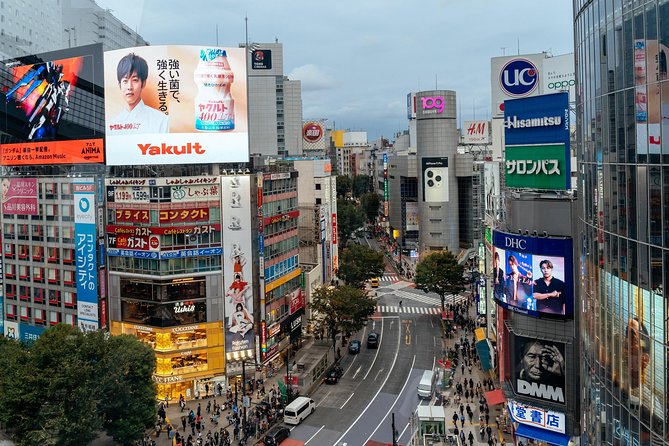
The next 30-minute section focuses on Shibuya Crossing. The crossing is famous for its waves of pedestrians moving in several directions at once. It is a simple act, walking across a street, but the scale and coordination make it feel like a small urban event.
Your guide can help you understand where the crossing fits within the district and may show you viewpoints or nearby places for watching the movement. The tour description also promises local stories and things easy to miss when walking alone. These details may include everyday customs, shopping areas, food, clothing, or unusual sights.
One useful feature of having a guide here is context. Without help, the crossing can become a fast photograph followed by the question of what to do next. With a private host, you can ask about nearby streets, shopping, local snacks, or the difference between the major commercial areas.
The time is not long enough for an exhaustive tour of Shibuya. That is not necessarily a weakness. It gives you a first look and lets you decide which parts deserve a longer return visit. Several highly rated outings used the walk to help people get comfortable in Tokyo during their first day or first night.
A completely different kind of day out:
- Tokyo Disney Resort – Tokyo Disneyland & Tokyo DisneySea Park Tickets
★ 4.8 · 99,488 reviews - SHIBUYA SKY Ticket
★ 4.7 · 46,509 reviews - JR Whole Japan Rail Pass
★ 4.8 · 29,150 reviews - Mt Fuji and Hakone 1-Day Bus Tour Return by Bullet Train
★ 5.0 · 26,383 reviews
From city noise to Meiji Jingu Shrine
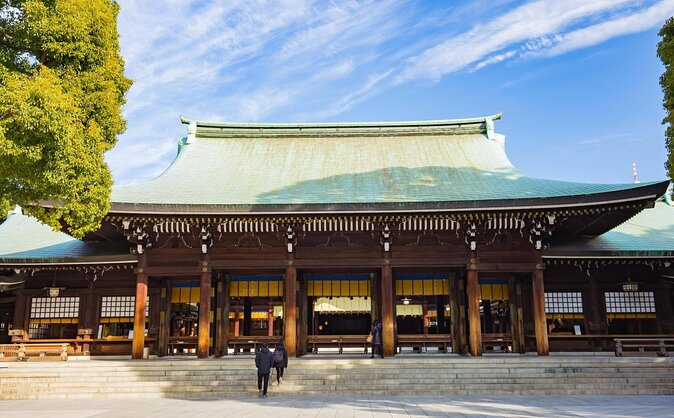
Meiji Jingu receives the final 30-minute segment. The shrine is dedicated to the divine souls of Emperor Meiji and Empress Shoken. Its setting offers a sharp change from the commercial center, replacing giant screens and packed streets with a more reflective space.
I like this pairing of Shibuya Crossing and Meiji Jingu because it gives you two very different views of Tokyo in one short outing. The crossing shows the modern city at full speed. The shrine introduces Shinto practice, traditional customs, and a quieter side of the capital.
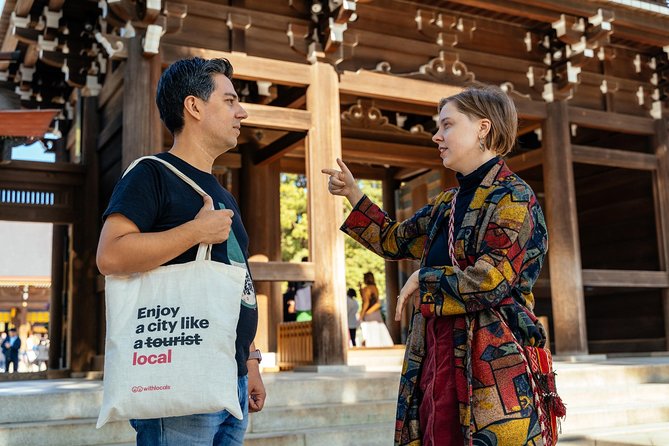
A guide can add real value here by explaining what you are seeing and how to behave respectfully. You may learn about shrine customs, local traditions, and the meaning behind details that could otherwise seem decorative or mysterious. Gulay was praised for making Meiji Jingu more interesting through cultural explanations, while another guide, Sena, was appreciated for connecting places visited with wider Japanese traditions.
The shrine portion is still only 30 minutes, so you should not expect an extensive visit to every part of the grounds. If Meiji Jingu is your main priority, tell your guide before the walk begins. The private format may allow the emphasis to shift, but the total tour time remains about three hours.
Local culture beyond the postcard sights
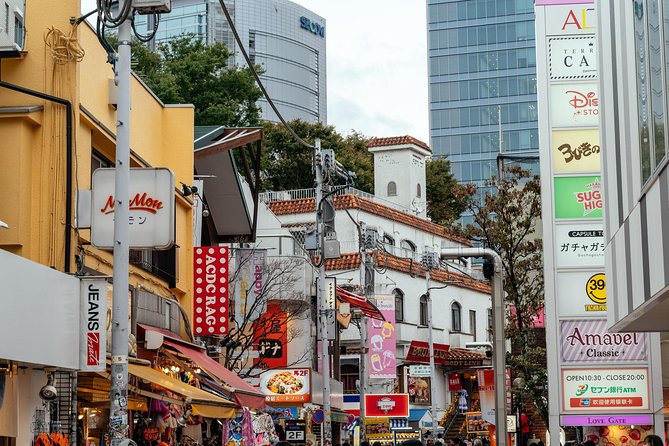
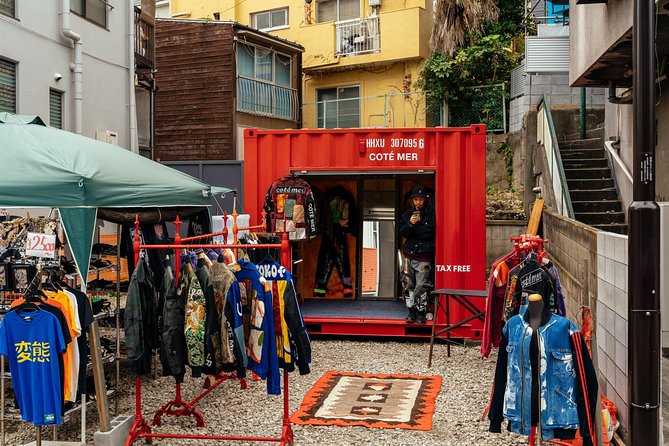
The tour’s best promise is not simply checking off Hachiko, the crossing, and the shrine. It is learning how these places connect with daily life. The guide may point out clothing styles, candy, treats, shopping streets, parks, or small places that are easy to pass without noticing.
One particularly praised route included Cat Street and Omotesando, along with observations about Harajuku clothing and people wearing kimono. Those details help turn the walk from a list of landmarks into a lesson in how Tokyo mixes old and new.
The tour can also suit visitors with specific interests. Someone interested in anime may want a different route from someone focused on traditional arts. A family may care more about snacks and shopping. A solo visitor may need more help with trains and neighborhood navigation. The ability to adjust the conversation is one of the main reasons to choose a private tour.
Still, the exact sights are not guaranteed beyond the named stops. The description allows tailoring, but it does not promise a set list of shops, parks, or food venues. If you have one must-see place, ask about it in advance or at the beginning.
The included drink or snack
One local drink or tasting is included. This is a modest feature, not a full food tour, but it gives the walk a useful sensory break and a chance to try something connected with the area.
Food and drinks beyond that inclusion are not covered. If you are hungry, budget for your own meal or extra snacks. One guide ended a tour with a ramen recommendation that was well received, and several guides offered food suggestions for later in the trip. That kind of advice can help you get more value from the tour after the official three hours are over.
The tasting may matter most to first-time visitors who are unsure what to order or where to begin. It is also a chance to ask about Japanese food customs without having to commit to a full restaurant experience.
What $142.70 per person really buys
At $142.70 per person, this is not a budget sightseeing walk. You are paying for privacy, flexibility, a local guide, and the chance to shape the experience around your group. For two people, the total is substantial. For a family or larger party, group discounts may improve the value.
The price makes more sense in a few situations. If you have only a short time in Tokyo, a guide can help you use those hours well. If you are nervous about navigating trains, signs, or customs, practical help may save frustration. If you want to ask many questions or have a special interest, private time is more useful than a standard group route.
The value is weaker if you are comfortable exploring independently and mainly want to see the famous landmarks. Hachiko, Shibuya Crossing, and Meiji Jingu do not require admission fees, and the tour does not include hotel transport or a full meal. Independent visitors can reach the area by public transportation and see the basics at little cost.
The rating is very strong at 4.9 from 48 ratings, with 98 percent recommending the experience. That supports the idea that guide quality is central to the experience. It also means you should judge the tour partly by your comfort with paying for personal attention, not simply by the number of sights covered.
Timing, walking, and practical planning
The tour lasts about three hours and requires a moderate level of physical fitness. You should expect to walk between neighborhood sights and remain on your feet for much of the outing. Comfortable shoes are a sensible choice.
Because the tour begins and ends at Dogenzaka, it is easy to plan around another Tokyo activity if you know your schedule. You do not need to arrange a hotel transfer, but you do need to reach the meeting point on time. A private tour cannot function well if the group arrives late and expects the guide to add lost time.
The experience is available with a mobile ticket, and confirmation is received at booking. Free cancellation is available up to 24 hours before the local start time. Cancellations or changes made less than 24 hours before the start are not accepted for a refund.
The tour is listed as carbon neutral because emissions are offset. That does not change the route itself, but it may matter if you prefer activities that account for their transport impact.
Who should book this private tour
I would point this tour toward first-time Tokyo visitors, short-stay visitors, families, solo visitors, and anyone who wants help with local customs. It is also a good choice for people who dislike large groups or who want to combine famous sights with personal interests.
The strongest fit is someone who wants an orientation walk early in a Tokyo visit. You can learn how Shibuya connects to nearby areas, ask about trains, collect food suggestions, and return later with more confidence. One solo visitor with only a single day in Japan used the guide’s flexibility to focus on meaningful sights before a flight.
It may be less suitable for independent repeat visitors who already know Shibuya and Meiji Jingu. It is also not the right product if you want a full-day food tour, extensive shopping time, or admission to paid attractions. Those extras are outside the stated price.
Guide quality matters greatly. Gulay received repeated praise for being friendly, flexible, and helpful. Sheilina Toh was noted for tailoring the route to a group’s interests. Carlos was praised for fluent English and a clear explanation of Hachiko, while RamK was valued for history, Japanese phrases, train help, and thoughtful recommendations. Availability of those guides is not stated, so ask about guide preferences when booking if that matters to you.
Should you book it?
Book this tour if you want personal guidance rather than a checklist. The strongest reasons are the private format, the useful first-day orientation, the contrast between Shibuya Crossing and Meiji Jingu, and the chance to ask for advice that matches your interests.
Skip it if you are happy to explore the landmarks alone and want the lowest possible cost. At $142.70 per person, the tour earns its price through time with a flexible guide, not through included tickets or a large number of paid attractions.
For many first-time visitors, I would schedule it near the beginning of a Tokyo stay. Tell the guide what you care about, ask for transport and food tips, and use the walk to decide where to spend the rest of your time.
FAQ
How long does the private Shibuya tour last?
The experience lasts approximately three hours.
Where does the tour start?
It starts at 2 Chome Dogenzaka, Shibuya, Tokyo 150-0043, Japan.
Where does the tour finish?
The activity ends back at the meeting point.
Is food or a drink included?
One local drink or tasting is included. Other food and beverages are not included.
Are attraction admission tickets included?
The listed stops have free admission, but tickets for optional attractions are not included.
Can I cancel for a full refund?
Yes. You can cancel at least 24 hours before the experience start time for a full refund. Changes or cancellations made less than 24 hours before the start are not accepted for a refund.
Just added in Tokyo
- Tokyo The Izakaya tour★ 5.0 · 131 reviews
- The Best Family-Friendly Tokyo Tour with Government Licensed Guide★ 5.0 · 28 reviews
- Tokyo Deep Inside Cycle Tour~3 Hours E Bike Tour around Tokyo★ 5.0 · 50 reviews
- Tattoo-friendly open-air Onsen & drink★ 5.0 · 25 reviews
- Tokyo Traditional Tea Ceremony with a Japanese Tea Master★ 5.0 · 40 reviews
- Taisho Sushi Making Class in Tokyo★ 5.0 · 89 reviews
- Baseball Professional • Yomiuri Giants★ 4.5 · 13 reviews
- Sushi Making in Tokyo at a Michelin-Listed Restaurant★ 5.0 · 40 reviews
Private Tours in Tokyo, compared.
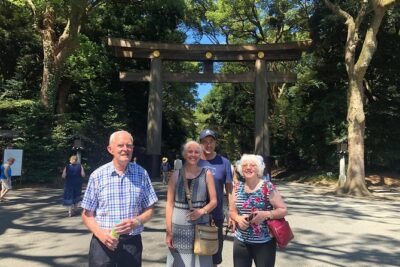
Tokyo 6hr Private Tour with Government-Licensed Guide
Read our review →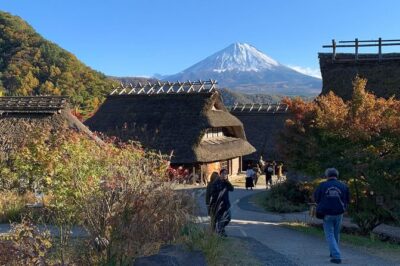
Private Tour to Mt. Fuji and Hakone (Fully Licenced Operator)
Read our review →
Tokyo Customized Private Tour (Must See Places in 1 Day)
Read our review →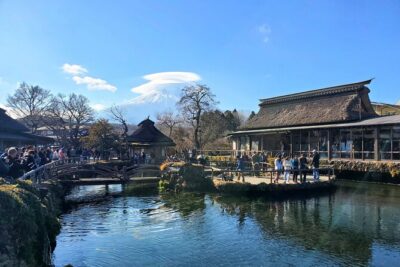
Mount Fuji Full-Day Private Tour from Tokyo (Customizable)
Read our review →
Tokyo 4hr Private Tour with Government-Licensed Guide
Read our review →
Tokyo Customized Private Tour: See Top Attractions in 1 Day
Read our review →
Mt Fuji Private Tour with English Speaking Driver
Read our review →
Mt. Fuji & Hakone Private Day Tour with English-Speaking Driver
Read our review →Browse the lists this tour appears in