

Reviewed · WALKING TOURS
Tokyo Shibuya Crossing & Hidden Streets Walking Tour
Shibuya is more than one famous crossing. This two-hour walk combines Shibuya Crossing with small bars, public art, shopping streets, and local neighborhoods that are easy to miss on your own. I like the mix of major sights and quieter corners, and I especially like the small-group limit of 12 people. The main drawback is the meeting point inside Shibuya Mark City, which several people found difficult to locate.
The $25 price is fair for a guided introduction to one of Tokyo’s most confusing districts. You get a guide, all listed admission costs, and practical suggestions for food and nightlife. Just prepare for hills, summer humidity, and a fair amount of walking.
In This Review
- Five things worth knowing before you book
- What this Shibuya walk does well
- Meeting inside Shibuya Mark City
- Myth of Tomorrow: a serious beginning
- Shibuya Crossing: crossing the famous scramble
- Miyashita Park and a newer Shibuya
- Nonbei Yokocho: tiny bars beside the station
- Center-gai and Shibuya’s youth culture
- Maruyamacho and the city after dark
- Hachiko: ending with a familiar symbol
- How much walking and effort should you expect?
- Is $25 good value?
- Guide quality can shape the whole experience
- Who should book this walk?
- Should you book the Tokyo Shibuya Crossing and Hidden Streets Walking Tour?
- FAQ
- How long does the Shibuya walking tour last?
- How much does the tour cost?
- How many people can join the tour?
- Where does the tour begin?
- Where does the tour end?
- Does the tour include Shibuya Crossing?
- Are admission fees included?
- Is the meeting point easy to find?
- Can most people participate?
- Can I cancel for a full refund?
Five things worth knowing before you book

- The tour begins with Taro Okamoto’s Myth of Tomorrow, a powerful mural inside Shibuya Station.
- You actually cross Shibuya Crossing, then see the famous intersection in context rather than treating it as the entire experience.
- Miyashita Park adds a modern side of Shibuya, with public space, shopping, and recreation above the city streets.
- Nonbei Yokocho and Maruyamacho show older, more intimate Shibuya, including tiny bars and streets with a very different mood from Center-gai.
- The group is limited to 12 people, making it easier to hear the guide and ask questions.
- The starting location needs careful attention, since SABON Shibuya Mark City is inside a large complex and is not as obvious as the Hachiko Statue.
What this Shibuya walk does well

Many first visits to Shibuya follow the same pattern. You get off the train, find Hachiko, take pictures at the crossing, walk through Center-gai, and move on. That is not a bad introduction, but it leaves out much of the district’s character.
This tour gives you a route through several versions of Shibuya. You see the district as a transport hub, a shopping center, a nightlife quarter, a modern redevelopment project, and a neighborhood with traces of older Tokyo. That range is the tour’s main strength.
I also like the way the route works for a first afternoon or evening in the area. Guides have been praised for explaining local history, answering questions, and offering restaurant and bar suggestions. Loc, Rio, Grey, Zach, Daichi, and Dixce are among the guides specifically praised for being friendly, clear, and easy to talk to.
The experience is not built around paid attractions. The listed stops are free, and the value comes from orientation and explanation. A good guide helps you understand why a mural is important, how Shibuya’s streets fit together, and where the polished modern district gives way to narrow alleys.
More Walking Tours in Tokyo
- Tokyo Tsukiji Fish Market Food and Culture Walking Tour
★ 5.0 · 3,184 reviews - Tokyo: Imperial Palace and Shogun Historical Walking Tour
★ 5.0 · 2,251 reviews - Tokyo: Shinjuku Local Bar and Izakaya Guided Walking Tour
★ 4.9 · 1,794 reviews
Meeting inside Shibuya Mark City
The tour starts at SABON Shibuya Mark City, in the East Mall on the third floor. This is the one practical point I would take seriously before booking.
Shibuya Mark City is a large complex connected with the station area. Finding the right entrance, mall section, and floor can take time, especially if you are arriving with luggage or are unfamiliar with Tokyo’s station signs. One person spent nearly 20 minutes searching and missed the start.
I would arrive early and use the full address in your booking confirmation. Do not simply aim for the Hachiko Statue, since that is the end point rather than the start. The exact meeting point is worth checking on a map before you leave your hotel.
The tour ends at the Hachiko Statue, near Shibuya Station. This is useful because you finish beside a major landmark and transport hub. You can continue shopping, meet friends, take more pictures, or use the station for your next stop.
Myth of Tomorrow: a serious beginning

The first stop is Myth of Tomorrow, a large mural by Japanese artist Taro Okamoto. It is located inside Shibuya Station and is free to see.
The work depicts the destruction caused by the atomic bombings of Hiroshima and Nagasaki. Its placement in a busy station creates a sharp contrast. Commuters hurry past while the mural presents a scene of violence, memory, and warning.
You spend about 10 minutes here. That is enough time for an introduction and a close look, though anyone hoping for a long art discussion may find the stop brief. The guide’s explanation is what makes the mural more than a quick photo stop.
This opening also gives the walk some weight. Shibuya is often presented as neon, fashion, and crowds. Starting with Okamoto’s mural reminds you that Tokyo’s public spaces can carry difficult national memories too.
Shibuya Crossing: crossing the famous scramble
The tour then reaches Shibuya Crossing, also called The Scramble. About 10 minutes is scheduled here, including the chance to cross the intersection.
The crossing is famous because traffic stops in every direction and pedestrians move across the entire junction at once. From ground level, it can feel less like a road crossing and more like a carefully managed human current. The scale is the point, but the orderliness is part of the experience too.
You may already have seen the intersection in films, photographs, or live camera feeds. Crossing it in person still has a certain pleasure, especially if the guide explains where to look and how the surrounding district developed.
Ten minutes is not much time for multiple crossing attempts or long photo sessions. That is a fair trade because this is a walking tour, not a dedicated photography outing. If you want elevated views or a long pause to watch the crossing, you will need to arrange that separately.
The guide also helps prevent the crossing from taking over the entire tour. Shibuya is far more interesting when you move beyond the intersection.
A completely different kind of day out:
- Tokyo Disney Resort – Tokyo Disneyland & Tokyo DisneySea Park Tickets
★ 4.8 · 99,488 reviews - SHIBUYA SKY Ticket
★ 4.7 · 46,509 reviews - JR Whole Japan Rail Pass
★ 4.8 · 29,150 reviews - Mt Fuji and Hakone 1-Day Bus Tour Return by Bullet Train
★ 5.0 · 26,383 reviews
Miyashita Park and a newer Shibuya

Miyashita Park receives the longest scheduled stop, about 20 minutes. It is a modern urban project that turned what was once a simple ground-level park into a multi-level space for recreation, shopping, and public use.
This stop helps explain how Shibuya keeps changing. The area combines open space with commercial development, giving you a break from the tight streets and station crowds. It is a useful contrast with the older alleys later in the route.
The park is also a practical place to pause. The pace can be adjusted when needed, and one account specifically noted that breaks were taken for a senior participant in humid weather. That suggests a guide who pays attention to the group rather than racing through the route.
Still, this is a walking experience in a hilly district. Miyashita Park may feel like a welcome pause, but it does not remove the need for comfortable shoes. If you dislike urban walking or struggle with uphill routes, this tour may feel more tiring than the two-hour duration suggests.
Nonbei Yokocho: tiny bars beside the station

Nonbei Yokocho, often translated as Drunkard’s Alley, is one of the route’s most distinctive stops. Only about five minutes is scheduled here, but the setting is memorable.
The alley is known for very small traditional-style bars and restaurants. Some spaces seat only three or four people. That tiny scale gives the area a feeling far removed from the giant station, department stores, and electronic advertising nearby.
The guide can explain how these older drinking streets fit into Shibuya’s changing identity. The area may not look polished, and that is precisely why it is interesting. You see a form of city life built around compact spaces and regular customers rather than large entertainment venues.
The short stop is a limitation. You should not expect to sit down for a drink or meal as part of the tour. Instead, treat it as an introduction and ask your guide for suggestions if you want to return later.
There is also a practical reason to visit sooner rather than later. Small older businesses can disappear as districts are rebuilt. The route gives you a chance to see a type of Shibuya that may become harder to find.
Center-gai and Shibuya’s youth culture

Shibuya Center-gai is a pedestrian shopping street at the heart of the district. You spend around 10 minutes here.
This is the polished, high-energy side of Shibuya, filled with shops, fashion, signs, and people moving between the station and entertainment areas. It is a good place to observe the district’s youth culture, but it can also feel crowded and commercial.
The guide’s role matters here. Without context, Center-gai can seem like a string of stores and bright signs. With explanation, you can better understand how the street connects to Shibuya’s reputation as a trend-setting part of Tokyo.
The time allocation keeps the stop from becoming a shopping session. If you want to browse, return after the tour. I would use the guided visit to get oriented, then decide which streets deserve a second look.
Maruyamacho and the city after dark

The walk continues to Maruyamacho, a neighborhood with a more complicated past. It was once associated with Tokyo’s red-light district and has since changed into a trendy area with an eclectic mix of older and newer uses.
The route gives you about 10 minutes here. That is enough to discuss the neighborhood’s past and present, though it is not a full historical walk through Tokyo’s nightlife industry.
Maruyamacho is also linked with love hotels and evening entertainment. The subject may not suit every family, but it is part of how the district developed. A good guide can explain the area without turning it into cheap spectacle.
This is one reason the tour is useful for adults planning a night out. Guides have offered tips about local bars, restaurants, and nightlife. Loc was praised for helping people start a good evening in Shibuya, while Grey was specifically appreciated for food suggestions.
Do not assume the guide will book a venue or include drinks. The benefit is advice and local orientation, not a meal or bar crawl.
Hachiko: ending with a familiar symbol
The final stop is the Hachiko Statue, outside Shibuya Station. The bronze statue honors Hachiko, the Akita dog remembered for his loyalty.
Hachiko is one of Tokyo’s most recognizable meeting points. The statue is often crowded, so the guide can help put the story and location into context before the tour ends.
Finishing here makes logistical sense. You are back at the station and close to the crossing, department stores, restaurants, and train lines. You can easily continue your evening from this point.
It also creates a nice bookend to the route. The tour begins in the station with a large work about national trauma and ends outside the station with a small statue tied to loyalty and public memory. Those two stops show that Shibuya’s meaning is not limited to shopping and nightlife.
How much walking and effort should you expect?
The tour lasts about two hours, but the physical effort depends on weather and your pace. Shibuya has hills, and one participant described the route as having quite a lot of uphill walking.
Humidity can slow the group. Guides have adjusted the pace and taken breaks when needed, but you should still wear supportive shoes and carry water. The route includes station areas, commercial streets, alleys, and neighborhood roads, so the surface and pace can change.
Most people can participate, and service animals are allowed. The tour is near public transportation. The small group limit of 12 is useful because narrow streets and station passages are easier to manage than they would be with a large crowd.
This is not the best choice if you want a seated sightseeing experience. It suits you if you enjoy seeing a district on foot and do not mind a little exertion.
Is $25 good value?
At $25 per person, the tour is priced as an affordable guided introduction rather than a premium cultural experience. There are no paid attractions included, but all listed fees and taxes are covered.
The value comes from three things:
- You save time finding the less obvious stops.
- You receive historical and local context while standing in the places themselves.
- You can ask for suggestions about food, bars, and places to continue afterward.
The group size strengthens that value. With no more than 12 people, you have a better chance of hearing the guide and getting an answer to a specific question. The guide can also adjust the pace more easily than on a large coach-style outing.
The experience is especially good value for a first visit or for someone who has been to Tokyo but only passed through Shibuya. One person who had visited Tokyo four times still found new places through the route.
The value is lower if you already know Shibuya well and mainly want long photo stops, shopping time, or a detailed study of Japanese culture. One participant wanted more cultural depth and felt the guide was not local, so expectations matter.
Guide quality can shape the whole experience
The strongest praise centers on the guides. Loc is repeatedly described as friendly, patient, personal, and well informed about both Shibuya and Japan. Several people compared his style to a friend showing them around, without long speeches.
Rio was praised for making the walk feel personal, especially when she showed her home neighborhood. Grey or Gray received praise for humor, patience, local information, and food advice. Zach or Zac was appreciated for clear English and for adjusting the tour to the group’s interests. Daichi was noted for explaining both the past and current direction of the district.
Guide assignments can vary, so you should not book on the assumption that one particular person will lead your group. Still, the range of positive feedback suggests that the experience is built around personable local-style guiding rather than a fixed audio script.
There was one serious service failure when a guide did not arrive and the company issued a refund. That appears to be an exception, but it is worth acknowledging. The meeting point problem is a more consistent concern and is something you can reduce by arriving early.
Who should book this walk?
I would choose this tour if you are visiting Tokyo for the first time and want a clear introduction to Shibuya before exploring independently.
It also suits you if you have already crossed Shibuya but have not seen Miyashita Park, Nonbei Yokocho, Myth of Tomorrow, or Maruyamacho. The route gives repeat visitors a reason to return to a familiar district.
Food-focused visitors should pay attention to the guide’s suggestions. The tour does not include food, but it can help you decide where to eat or drink afterward.
Families and older participants may manage the route if they are comfortable walking and the group pace is adjusted. The hills and humidity remain real considerations. People seeking a serious academic history tour should choose something more specialized.
Should you book the Tokyo Shibuya Crossing and Hidden Streets Walking Tour?
Book it if you want more than the famous crossing. For $25, you get a compact route through public art, modern redevelopment, narrow bar streets, shopping areas, nightlife history, and Hachiko. The 12-person limit and strong guide feedback make it a sensible way to get your bearings.
Before booking, confirm the start address carefully and allow extra time to find SABON inside Mark City. If you need a slow, flat route or want lengthy cultural lectures, this may not be the right fit.
For most first-time visitors, I would book it early in the Tokyo stay. You will leave with a better sense of Shibuya’s layout and several practical ideas for the rest of your visit.
FAQ
How long does the Shibuya walking tour last?
The tour lasts approximately two hours.
How much does the tour cost?
The listed price is $25 per person.
How many people can join the tour?
The group has a maximum of 12 participants.
Where does the tour begin?
It begins at SABON Shibuya Mark City, Japan, 150-0043 Tokyo, Shibuya, Dogenzaka 1-chome 12-3, in the East Mall on the third floor.
Where does the tour end?
The tour ends at the Hachiko Statue at 2 Chome-1 Dogenzaka, Shibuya, Tokyo 150-0043, Japan.
Does the tour include Shibuya Crossing?
Yes. Shibuya Crossing is one of the scheduled stops, and the tour includes crossing the intersection.
Are admission fees included?
Yes. All fees and taxes are included. Tips for the guide are not included.
Is the meeting point easy to find?
The meeting point is inside Shibuya Mark City, and some people have found it difficult to locate. Check the exact address and arrive early.
Can most people participate?
Most people can participate. The tour is near public transportation, and service animals are allowed.
Can I cancel for a full refund?
You can cancel at least 24 hours before the start time for a full refund. Cancellations or changes made less than 24 hours before the start time are not accepted for a refund. If poor weather cancels the tour, you will be offered another date or a full refund.
Just added in Tokyo
- Tokyo: Meiji Shrine Walking Tour — Shintoism & Imperial System★ 5.0 · 209 reviews
- Bar Hopping Tour with a local Guide in Shinjuku★ 5.0 · 21 reviews
- Tokyo life after 5 – Foods & Drinks★ 5.0 · 32 reviews
- Tokyo: Shinjuku Food Tour Highlights (Best Eats)★ 5.0 · 100 reviews
- Tokyo Shinjuku Night Tour with Pachinko Gaming Experience★ 5.0 · 14 reviews
- Shinjuku Go Karting Tour with Funny Costume★ 5.0 · 21 reviews
- Tokyo: Shinjuku Local Bar Hopping Walking Tour★ 5.0 · 186 reviews
- Tokyo: Shibuya Highlights Walking Tour★ 5.0 · 29 reviews
Walking Tours, compared.
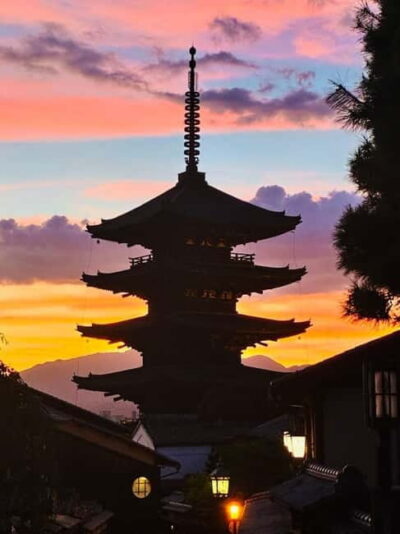
Kyoto Geisha Walking Tour: Gion District & Hidden Gems
Read our review →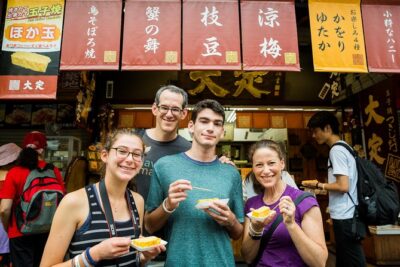
Tokyo Tsukiji Fish Market Food and Culture Walking Tour
Read our review →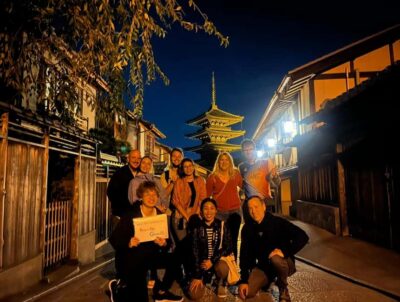
Gion Magical Night Walking Tour with Geisha Trivia
Read our review →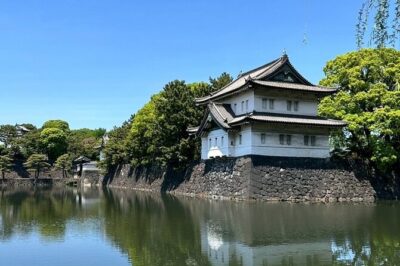
Imperial Palace and Shogun Historical Walking Tour
Read our review →
Gion Geisha District Walking Tour – Stories of Geisha
Read our review →
Shinjuku Local Bar and Izakaya Guided Walking Tour
Read our review →
Browse the lists this tour appears in