
Reviewed · TEMPLES AND SHRINES
Tokyo Private Tour: Temples, Culture & Modern City Highlights
Tokyo rewards those who know where to look. This private tour links old temples, food streets, and modern districts with a local guide who has more than 20 years in Japan. I like the freedom to focus on Asakusa and Ueno, or switch toward Harajuku, Shibuya, Shinjuku, Akihabara, or the Imperial Palace Gardens. I also like the practical help with trains, food ordering, photos, and everyday customs.
The main catch is simple: this is a walking and public-transit tour, not a private car ride. Depending on your route and pace, you may walk 20,000 steps or more. Meals, drinks, and train fares cost extra, so the $99.08 price is strongest when you want personal guidance rather than a packaged sightseeing bus.
In This Review
- Key points at a glance
- Why this private Tokyo tour works well
- Sensō-ji and Asakusa: Tokyo’s traditional opening
- Ueno’s market energy and Shinobazu Pond
- Optional Akihabara, Kappabashi, and the Imperial Palace Gardens
- Harajuku: youth culture beside Meiji Jingū
- Shibuya and Shinjuku after dark or in daylight
- Walking, trains, and the real cost of the day
- Who will get the most from this experience
- Should you book this Tokyo tour?
- FAQ
- How much does the private Tokyo tour cost?
- How long does the tour last?
- Is hotel pickup included?
- Is public transportation included?
- Are meals and drinks included?
- Which languages are available?
- Is the tour private?
- Can the itinerary be changed?
- Do I need a transportation card?
- Are entrance fees included?
Key points at a glance
- A private route built around your interests: Choose from historic temples, markets, pop culture, gardens, food streets, or Tokyo nightlife districts.
- A useful first-day orientation: Guides such as Renaud, Julien, Jimmy, Sebastien, and Leeloo help with train connections, restaurant ordering, and city customs.
- Tokyo’s sharp contrasts in one outing: Move from Sensō-ji’s red lantern to Akihabara arcades, Harajuku fashion, and Shibuya’s giant crossing.
- Expect serious walking: Past tour days have reached roughly 20,000 to 25,000 steps, especially when several districts are combined.
- Good for solo visitors and families: The private format allows flexible timing, photo stops, and a pace suited to your group.
- Best value for a customized introduction: The price includes hotel pickup in central Tokyo and a guide, but not transportation or food.
Why this private Tokyo tour works well
Tokyo can feel like several cities stitched together. One street may hold a quiet shrine, a noodle counter, a department store, and a wall of flashing screens. A guide helps you make sense of those quick changes instead of simply collecting photographs.
This experience is designed for a single group, so you do not have to follow a fixed crowd. You can spend longer at a temple, shorten a market stop, pause for a snack, or ask for more time in an area that matches your interests. That matters in Tokyo, where a few extra minutes can mean the difference between rushing through a district and actually noticing how it works.
The guide’s role is practical as well as cultural. Past visitors have especially valued help with the subway and Japan Rail system, including train connections and ordering at restaurants. That is a real benefit. Tokyo’s public transport is efficient, but changing lines, reading station signs, and choosing the right exit can eat up time when you are new to the city.
The tour is offered in English, French, or Japanese. Renaud appears to lead many departures, while Julien, Jimmy, Sebastien, and Leeloo have also guided groups. The strongest praise centers on clear explanations, patience, flexibility, and good communication. A French-speaking guide is available for those who prefer to explore in French.
More Private Tours in Tokyo
- Tokyo 6hr Private Tour with Government-Licensed Guide
★ 5.0 · 3,902 reviews - Private Tour to Mt. Fuji and Hakone (Fully Licenced Operator)
★ 5.0 · 1,910 reviews - Tokyo Customized Private Tour (Must See Places in 1 Day)
★ 5.0 · 1,499 reviews
Sensō-ji and Asakusa: Tokyo’s traditional opening
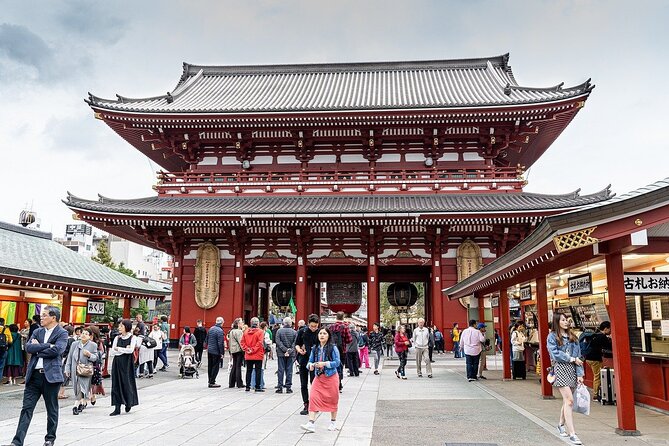
Starting in Asakusa gives you an immediate sense of old Tokyo. Sensō-ji is known for its huge red lantern and the approach along Nakamise shopping street. The temple area is free to enter, and the planned visit lasts about 45 minutes.
I like this stop because it offers more than a quick temple photograph. The guide can explain the meaning of the customs, the role of the shrine and temple setting, and the details you might otherwise pass without noticing. The nearby shopping street also gives you an early look at Japanese snacks, souvenirs, and traditional goods.
Asakusa can be crowded, especially around the main approach. The private format helps because you can ask questions without competing with a large group. Still, 45 minutes is enough for an introduction, not a slow study of every corner.
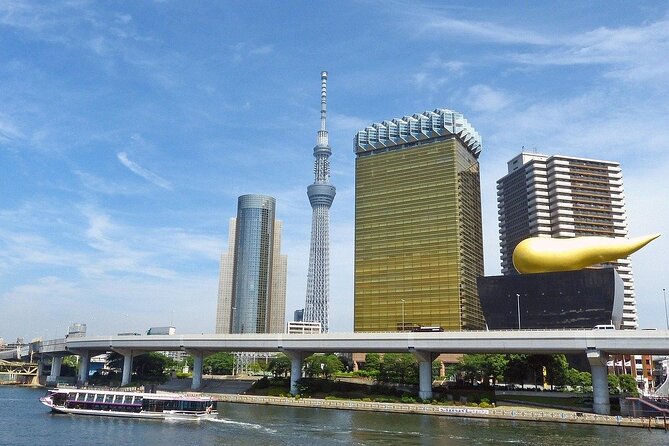
A short walk beside the Sumida River follows, with about 15 minutes for riverside paths, bridges, and views toward Tokyo Skytree. This is a useful change of pace after the temple crowds. Do not expect a long river walk. It is a brief photo and breathing stop before the tour moves back into the city.
Ueno’s market energy and Shinobazu Pond
Ameyoko Shopping Street brings a different side of Tokyo. The open-air market runs along the railway tracks between Ueno and Okachimachi, with seafood, spices, snacks, clothing, and small shops. The planned stop lasts around 30 minutes.
This is a good place to ask your guide what to taste or where to browse. Some shops may accept cash only, so keep yen available. Food is not included, but this area gives you a chance to buy something small if you want to eat as you walk.
Ameyoko is busy, noisy, and commercial. That is part of its appeal, but it may not suit you if you want a quiet cultural stop. The guide can help explain the area’s everyday character, which makes the market feel less like a shopping checklist.
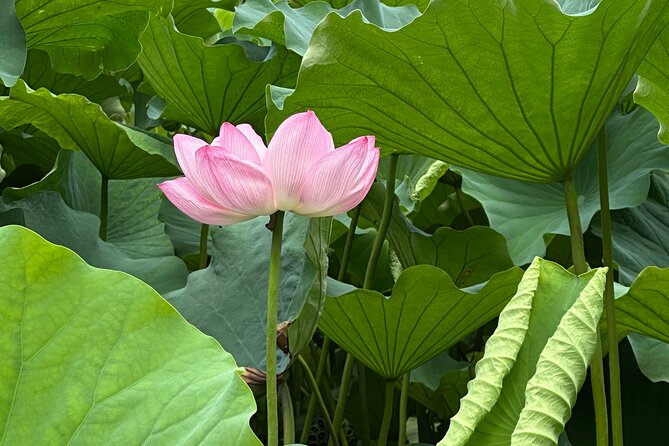
Shinobazu Pond, also in the Ueno area, provides a calmer 30-minute walk. It has lotus, koi fish, turtles, and migratory birds at different times of year. The pond was once associated with couples during the Edo period, adding a small historical detail to what might otherwise seem like a simple park visit.
The contrast between Ameyoko and Shinobazu Pond is one of the tour’s better pairings. In a short distance, you go from railway-side commerce to open water and greenery. If you have limited time in Tokyo, that kind of contrast gives you a clearer picture of the city than visiting only major shopping streets.
Optional Akihabara, Kappabashi, and the Imperial Palace Gardens
The route can shift toward your interests. Akihabara is the natural choice if you care about anime, manga, electronics, retro games, or arcades. The planned stop is about 30 minutes, which is enough to get a feel for Electric Town but not enough for a serious shopping mission.
Tell the guide in advance if pop culture matters to you. One guide has also helped groups interested in club areas, so the experience can move beyond temples and museums into Tokyo’s entertainment side, depending on the request and available time.
Kappabashi Street, another optional stop, is aimed at cooks and design-minded shoppers. The district is known for Japanese knives, cookware, tableware, chopsticks, and the famous plastic food displays seen outside restaurants. A 30-minute stop works well for browsing, but you should not expect to compare every knife or kitchen shop in the area.
The East Gardens of the Imperial Palace offer a quieter historical option. You can see the Edo Castle ruin, Ninomaru Garden, and old samurai guardhouses during a roughly 30-minute visit. This choice suits you if gardens and Japanese history appeal more than anime or shopping.
Because the tour lasts about four to seven hours, you cannot realistically explore every listed district in detail. The longer departures can cover more ground, but the more areas you add, the more time goes to trains and walking. Ask for a route that matches your priorities instead of trying to collect every stop.
More Sightseeing Tours in Tokyo
- Tokyo: Private City Highlights Tour with Local Guide
★ 4.8 · 1,433 reviews - Tokyo Private Sightseeing Tour by Car- English speaking chauffeur
★ 5.0 · 1,004 reviews - Tokyo: 3-Hour Bike or E-Bike City Highlights Tour
★ 4.8 · 435 reviews - Tokyo: Custom Hidden Gems & Highlights Tour with Local Guide
★ 4.7 · 272 reviews
Harajuku: youth culture beside Meiji Jingū
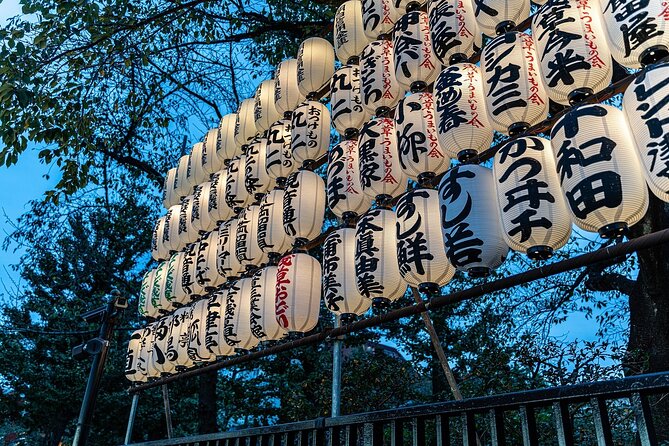
Takeshita Street in Harajuku is scheduled for about 45 minutes. It is narrow, colorful, and filled with fashion shops, kawaii goods, creative snacks, and pop culture stores. This is one of the liveliest portions of the route, though the crowds and tight pavement can make it tiring.
I would choose Harajuku if you want to see Tokyo’s youthful style rather than only its historic monuments. The area changes quickly, and a guide can help you understand what you are seeing instead of treating the street as a row of shops.
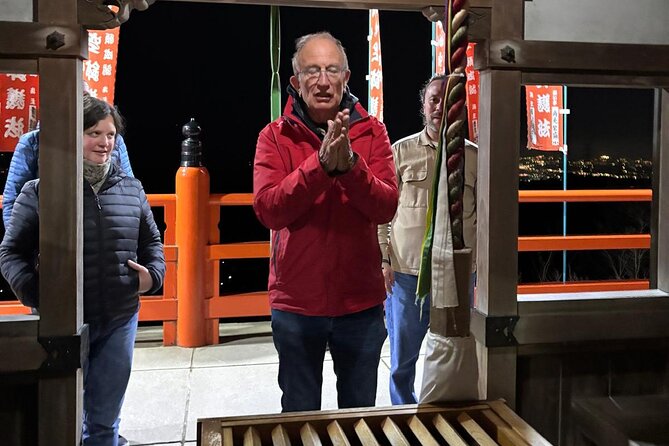
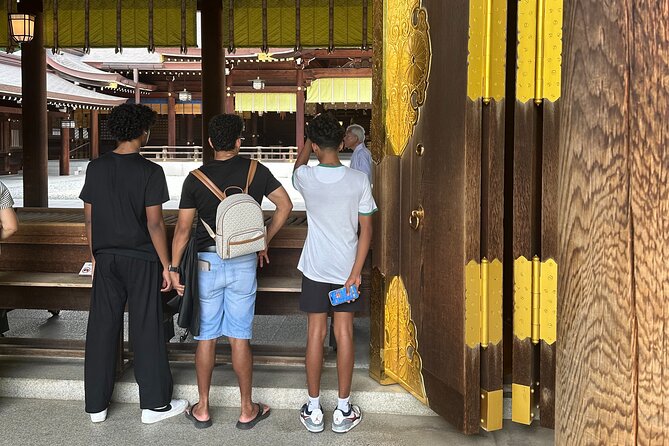
The nearby Meiji Jingū Shrine offers a strong contrast. The visit lasts around 45 minutes and takes you through large wooden torii gates into a forested setting. It is one of Tokyo’s important Shinto shrines and provides space for explanations about traditions, etiquette, and religious practice.
These two stops work well together. Takeshita Street is loud and playful; Meiji Jingū is quiet and reflective. You get both sides of Harajuku without needing a separate day. Wear comfortable shoes, since the walking between districts and through shrine grounds adds up.
Shibuya and Shinjuku after dark or in daylight
A Shibuya stop lasts about an hour and centers on Shibuya Scramble Crossing, modern shopping, neon signs, and the district’s nightlife. The famous crossing is best understood from a little distance before you join the flow. Your guide can also help you find useful photo positions and explain how the surrounding streets fit together.
Shibuya is a good choice for first-time visitors who want the classic modern Tokyo view. It is less useful if your main goal is quiet neighborhoods or historic architecture. The district is energetic at most hours, and the crowds can make a slow pace difficult.
Shinjuku also receives about an hour. The route includes the Godzilla Head, the giant 3D cat billboard, and Golden Gai, a maze of tiny bars. These sights show Tokyo’s playful advertising culture and nightlife personality.
Golden Gai is especially different from the broad avenues and tall shopping towers nearby. The lanes are compact, and the bars are small, so the stop is more about seeing the area than settling in for a full evening. Drinks and meals are not included.
If you want Shibuya and Shinjuku in the same outing, be prepared for a fast-moving day. The guide can help you connect the districts, but public transport and foot travel still take time. A four-hour booking is better for one section of the city. A six or seven-hour booking gives you more room for two or three zones.
Walking, trains, and the real cost of the day
The advertised price is $99.08 per person. For a private tour, that can be fair value if your group wants personal attention and a flexible route. You are paying for a guide who can explain customs, assist with photos, recommend food, and help you use Tokyo’s transport system.
The value is less clear if you want a vehicle, included meals, or admission to paid attractions. Public transportation is not included, and neither are food or drinks. An airport or pickup outside central Tokyo costs an additional ¥10,000 per booking.
Bring a Suica or Pasmo card if possible. The tour specifically recommends a transportation card, and it will make train and subway travel easier. You should also carry cash because some shops may not accept cards.
The walking requirement deserves serious attention. One full day reached about 20,000 steps, and another layover outing reached about 25,000 steps after nearly seven hours. Those figures are not a promise of what your day will be, but they show the possible range when several districts are linked.
I would wear supportive shoes, carry water, and avoid scheduling this immediately after a long flight unless you are comfortable with a hard day on your feet. The guide can adjust timing, but Tokyo’s size cannot be negotiated away.
Who will get the most from this experience
This is especially useful for a first visit. You can see major districts while learning how to move through the city, then return to your favorite areas on your own. Families may appreciate the help with trains and food ordering, while solo visitors gain company without joining a large group.
It also suits repeat visitors who want a more focused day. Ask for Kappabashi if you like kitchenware, Akihabara for anime and games, the Imperial Palace Gardens for history, or food streets for local snacks. Photographers can request extra time at selected spots, and the guide has shown patience with groups that want to stop for pictures.
The tour is not ideal for anyone expecting a chauffeured sightseeing ride. It is also a poor match if you dislike public transport, cannot manage long periods of walking, or want entrance tickets and meals bundled into one price.
Free cancellation is available if you cancel at least 24 hours before the start time. Changes or cancellations inside that window are not accepted for a refund.
Should you book this Tokyo tour?
Book it if you want a private, flexible introduction to Tokyo and value practical help over a fixed script. Renaud and the other guides are praised for patience, city knowledge, train guidance, local food suggestions, and friendly communication. The 4.9 rating from 56 reviews and 98 percent recommendation rate support that strong impression.
Choose a longer booking if you want to combine old Tokyo with Harajuku, Shibuya, or Shinjuku. Choose a shorter route if you prefer a slower look at Asakusa, Ueno, or one specialist area. Just remember that this is an active day on foot and by train. For the right person, the effort is part of the reward. You finish with landmarks, but also with a better idea of how to navigate Tokyo on your own.
FAQ
How much does the private Tokyo tour cost?
The listed price is $99.08 per person.
How long does the tour last?
The experience lasts approximately four to seven hours.
Is hotel pickup included?
Pickup is included from hotels in central Tokyo. Pickup from the airport or outside central Tokyo costs ¥10,000 per booking.
Is public transportation included?
No. Public transportation is not included, so you will need to pay your own train or subway fares.
Are meals and drinks included?
No. Meals and drinks are extra.
Which languages are available?
The tour can be guided in English, French, or Japanese.
Is the tour private?
Yes. Only your group participates in the activity.
Can the itinerary be changed?
Yes. The itinerary is flexible and customizable. Optional areas include Akihabara, the Imperial Palace East Gardens, and Kappabashi Street.
Do I need a transportation card?
A Suica or Pasmo card is recommended for public transportation.
Are entrance fees included?
Entrance to free attractions such as temples, shrines, parks, and observatories is included. The supplied details do not list paid attraction tickets.
More Temples and Shrines in Tokyo
- Tokyo: Meiji Shrine, Asakusa, Skytree Bus Tour and Cruise
★ 4.7 · 1,986 reviews - Tokyo: Asakusa Walking Tour with Sensoji Temple Visit
★ 4.8 · 1,583 reviews - Nikko: Kegon Falls, Lake Chuzenji & Toshogu Temple
★ 4.6 · 1,577 reviews - Tokyo: Nikko Toshogu Shrine and Kegon Waterfall Tour
★ 4.5 · 1,266 reviews
Just added in Tokyo
- Very popular in Harajuku♡Animal petting zoo★ 4.6 · 39 reviews
- Yokohama Port: Private Customizable Tour with Transfer★ 5.0 · 19 reviews
- Wagyu & Sake 8 Course Tasting Dinner in Shinjuku★ 4.9 · 20 reviews
- Warner Bros. Studio Tour Tokyo – The Making of Harry Potter★ 4.8 · 181 reviews
- Yanaka District: Historical Walking Tour in Tokyo’s Old Town★ 4.8 · 117 reviews
- Tokyo: Classic Tsukiji Food Tour★ 4.9 · 78 reviews
- Tokyo: Tsukiji Fish Market Tour with 6 Stops & Seafood Lunch★ 4.5 · 165 reviews
- Tokyo Wagyu & Sake Pairing Tasting Experience with Local Flavors★ 5.0 · 108 reviews
Temples and Shrines, compared.
Kyushu One-Day Tour: Yufuin no Mori Train & Yufuin Town & Nyoirin-ji Temple & Dazaifu & Hell Hot Springs (Departing from Fukuoka)
Read our review →
Fushimi Inari, Kinkakuji, Bamboo Grove 1 Day Bus Tour
Read our review →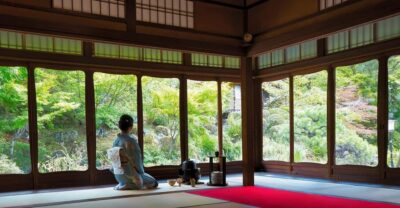
Tea Ceremony in a Traditional Tea House in Kiyomizu
Read our review →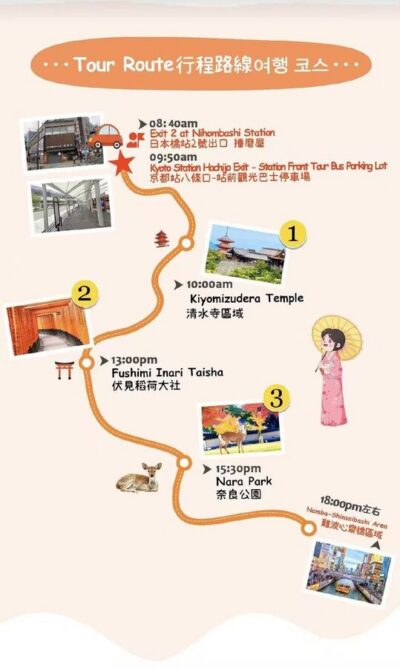
Kyoto Nara Day Trip │ Kiyomizu-dera Temple + Fushimi Inari-taisha Shrine + Nara Park (Departing from Osaka/Kyoto)
Read our review →
Browse the lists this tour appears in