
Reviewed · TEMPLES AND SHRINES
Tokyo Zen Meditation at Private Temple with Monk
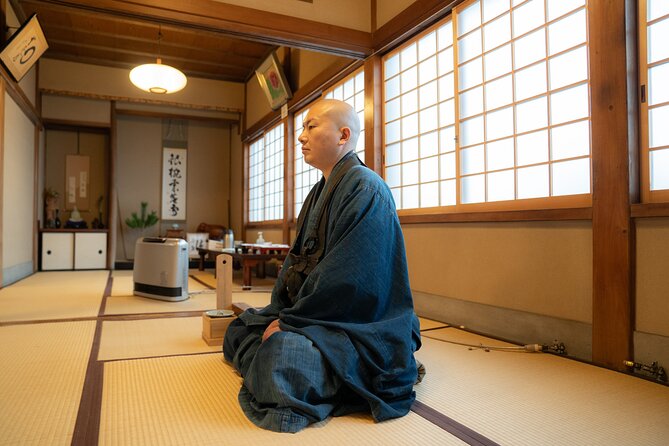
Slow down in the heart of Tokyo. This 90-minute visit to Kinryu-ji Temple in Asakusa gives you a rare chance to learn seated Zen meditation directly from a monk, then ask questions over matcha tea. I especially like the private setting, since this temple is not open to the general public, and the English-speaking guide makes the session easy to follow. The main drawback is the short format: you get a thoughtful introduction to Zen, not a long retreat or a full religious study.
The visit also includes time for photographs inside the temple, and past sessions have included calligraphy, sutra copying, formal prayer, and a gentle ceremonial tap from the monk for those who choose to take part. Guides such as Tamami and Kazu have been praised for making the meeting warm and clear. Confirm the meeting point before you go, since one participant received directions to the wrong Family Mart.
In This Review
- Key points at a glance
- Entering Kinryu-ji Temple in Asakusa
- A clear introduction to Zen and Japanese temple customs
- What seated meditation is like here
- Calligraphy and sutra copying add a hands-on lesson
- Matcha tea and an unusually open conversation
- Photos inside the temple, with a little restraint
- Is $56.16 a fair price?
- Who will enjoy this Asakusa experience?
- Practical details before you book
- The best way to approach the visit
- Should you book Tokyo Zen Meditation at a Private Temple?
- FAQ
- Where does the Tokyo Zen meditation experience take place?
- How long does the experience last?
- What is the price?
- Is an English-speaking guide included?
- Do I need to speak Japanese?
- Is matcha tea included?
- Can I speak with the monk?
- Are photographs included?
- How many people can join the activity?
- What is the cancellation policy?
Key points at a glance
- Meditate inside a 400-year-old Asakusa temple: Kinryu-ji offers a quiet setting away from Tokyo’s busy streets.
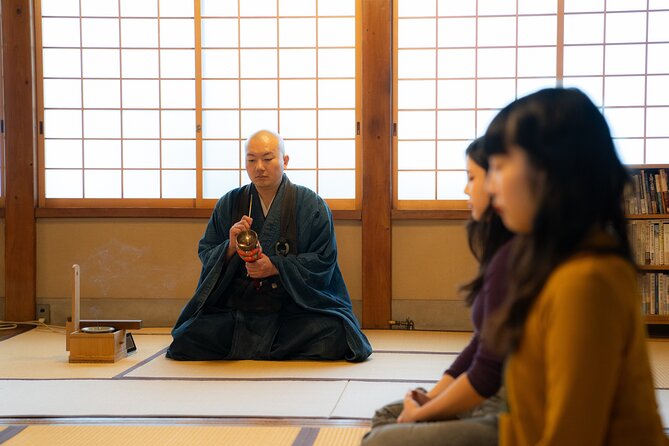
- Speak with a practicing monk: The free question-and-answer time is one of the strongest parts of the visit.
- English support is included: A guide explains the customs, translates, and helps you follow the meditation instruction.
- Matcha, sweets, and calligraphy may be part of the session: These activities add a hands-on cultural side to the visit.
- Small-group format: The maximum group size is 15 people, though the atmosphere remains focused on personal contact.
- Good value at $56.16: You are paying for access to a private temple, a monk-led activity, translation, tea, entrance, and photos.
Entering Kinryu-ji Temple in Asakusa
The meeting point is listed at Kairaku Building in Kotobuki, Taito City, close to public transportation. You meet there and finish back at the same place. Since the address includes a building reference and directions have caused confusion for at least one participant, I would contact Travel Japan Together Tokyo before the day of the visit and arrive early.
The temple is Kinryu-ji, a Buddhist temple in Asakusa with a history reaching back more than 400 years. That age matters less as a number than as a change of mood. Tokyo outside can be loud, crowded, and fast. Inside, the tone shifts toward stillness, ritual, and careful attention.
This is not presented as a standard sightseeing stop open to anyone who wanders in. The private access is the central reason to book this activity. You are not simply looking at a temple from the outside. You are invited into a working religious space and given context for the practices taking place there.
That also means you should arrive with a respectful attitude. This is a cultural activity, but it takes place in a temple with religious meaning. Listen to the guide about where to sit, how to pray, and when photography is appropriate.
More Temples and Shrines in Tokyo
- Tokyo: Meiji Shrine, Asakusa, Skytree Bus Tour and Cruise
★ 4.7 · 1,986 reviews - Tokyo: Asakusa Walking Tour with Sensoji Temple Visit
★ 4.8 · 1,583 reviews - Nikko: Kegon Falls, Lake Chuzenji & Toshogu Temple
★ 4.6 · 1,577 reviews
A clear introduction to Zen and Japanese temple customs
The session begins with a short explanation of Japanese culture and Zen. This is useful even if you know little about Buddhism. The guide helps bridge the gap between what you see and what it means, explaining customs that can otherwise look mysterious to a first-time visitor.
The English support is a major practical strength. The monk speaks through the guide, allowing you to understand the principles and techniques of zazen, or seated meditation. You do not need previous meditation experience, knowledge of Buddhism, or Japanese language skills.
Guides named Tamami and Kazu have received particularly warm praise for their friendly manner, clear explanations, and help with questions. Their role is more than basic translation. They help the group understand what is happening and keep the conversation comfortable between the monk and visitors.
I would not expect a university lecture on Zen philosophy. The explanation is designed for visitors with limited time. You receive enough background to understand the practice, then move fairly quickly into doing it yourself.
What seated meditation is like here
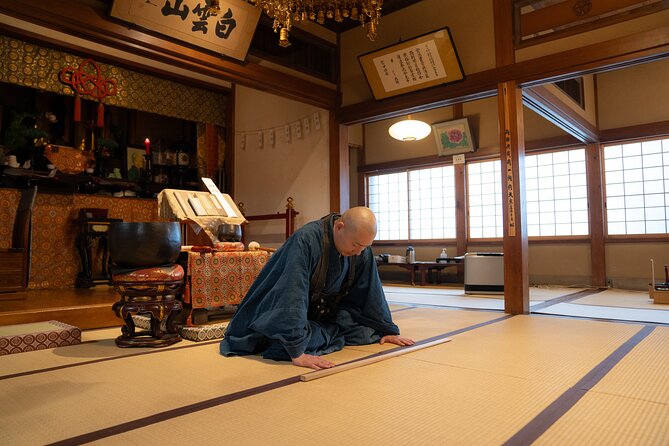
The monk teaches the basic ideas and techniques of zazen before you practice. The focus is on sitting, breathing, posture, and attention. The practical instruction makes this more useful than simply being told to sit quietly in a temple room.
For a first meditation session, the setting does much of the work. A private temple room gives you a clear break from sightseeing. You are asked to stop taking photographs, stop checking your phone, and give your attention to the moment in front of you.
Some people will find the practice peaceful. Others may find sitting still surprisingly difficult, especially after a full day of walking around Tokyo. That is not a failure. The point is to learn a method, not to prove that you can become calm on command.
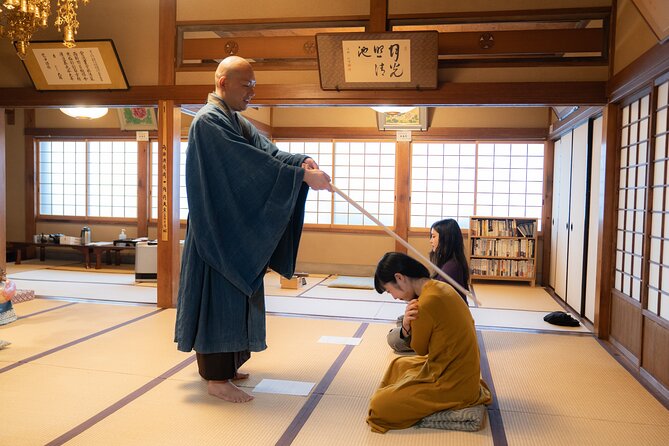
One distinctive detail mentioned in the experience is the monk’s use of a ceremonial stick or tap. One participant described being struck by the monk and connected it with clearing away what Zen Buddhism may call red dust, the distractions and attachments of ordinary life. Treat this as part of the temple tradition, not as a surprise punishment. If this aspect concerns you, ask the guide for an explanation before taking part.
Calligraphy and sutra copying add a hands-on lesson
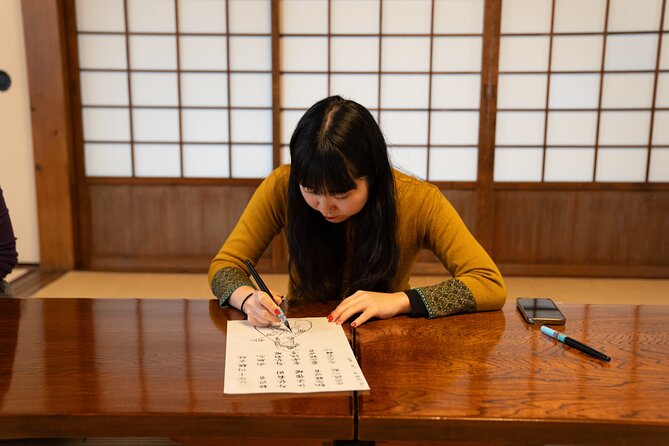
The advertised program centers on meditation and tea, but sessions have also included calligraphy or copying Buddhist sutras. This is a welcome addition because it gives you another way to practice concentration.
Writing Japanese characters slowly requires patience. You watch the brush, control your hand, and give attention to each line. It is less about producing perfect art than about following the process. Even if your calligraphy is rough, you leave with something personal from the visit.
Sutra tracing also connects the activity to Buddhist practice rather than treating the temple as a photo backdrop. The written characters may not be meaningful to you at first, but the act of copying them carefully can make the idea of meditative attention easier to understand.
The exact mix of activities may vary. The core elements are the monk-led Zen session, English guidance, matcha tea, and conversation. Calligraphy, formal prayer, or sutra copying appear in accounts of the visit, so you may receive them, but I would not book solely on the promise of one particular extra activity.
A completely different kind of day out:
- Tokyo Disney Resort – Tokyo Disneyland & Tokyo DisneySea Park Tickets
★ 4.8 · 99,488 reviews - SHIBUYA SKY Ticket
★ 4.7 · 46,509 reviews - JR Whole Japan Rail Pass
★ 4.8 · 29,150 reviews - Mt Fuji and Hakone 1-Day Bus Tour Return by Bullet Train
★ 5.0 · 26,383 reviews
Matcha tea and an unusually open conversation
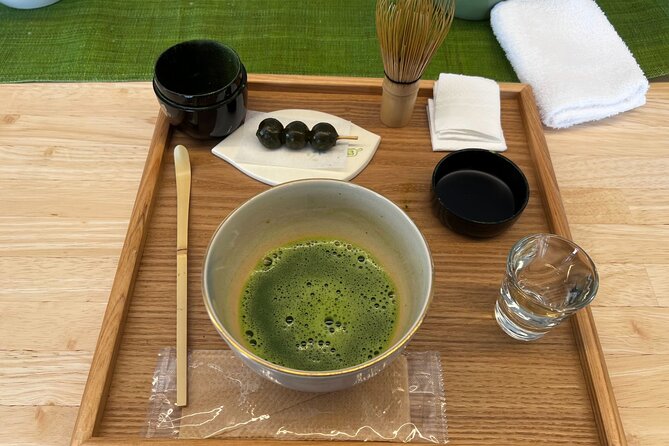
The final portion includes matcha tea and snacks, followed by free talk with the monk. This is where the experience becomes more personal. You can ask about meditation, Buddhist customs, prayer, temple life, or other questions that arise from the session.
The monk, Namiki, has been described as friendly, humorous, approachable, and willing to answer questions from families and couples. That matters because formal religious settings can sometimes feel intimidating. Here, the question period gives you room to speak rather than simply listen.
The tea ceremony is brief, according to the available description. Do not expect a long, highly formal tea school demonstration. Think of it as a compact introduction to matcha and Japanese tea customs, paired with sweets and conversation.
I like this ending because it lets the group come back to ordinary conversation after sitting quietly. You can compare what you felt during meditation, ask about the temple, and clarify points that were not obvious during the instruction.
Photos inside the temple, with a little restraint
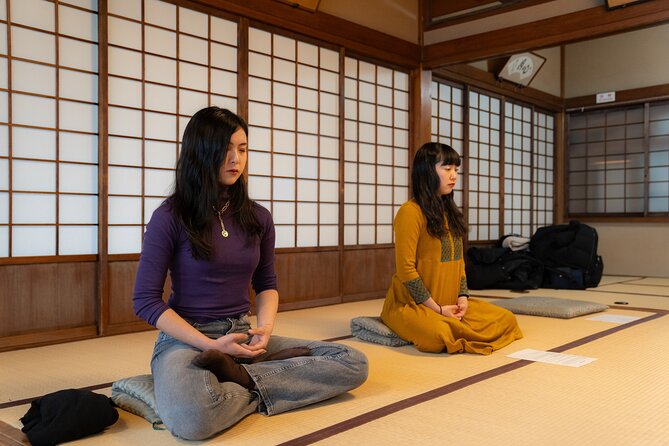
Photography is included, and you can take pictures with the monk and inside the temple. The guide can also help capture photographs, which is useful if you are traveling as a couple or family and want everyone in the frame.
Still, the best photographs are not the main reason to book. The temple is a religious place, and the peaceful mood depends partly on people putting their cameras away during meditation and prayer. Follow the guide’s instructions and ask before photographing religious objects or rituals.
The option to take a picture with the monk is a nice memory, especially for families. It also reflects the informal, welcoming tone that has been described by people who attended. Just keep the photo session brief and respectful.
Is $56.16 a fair price?
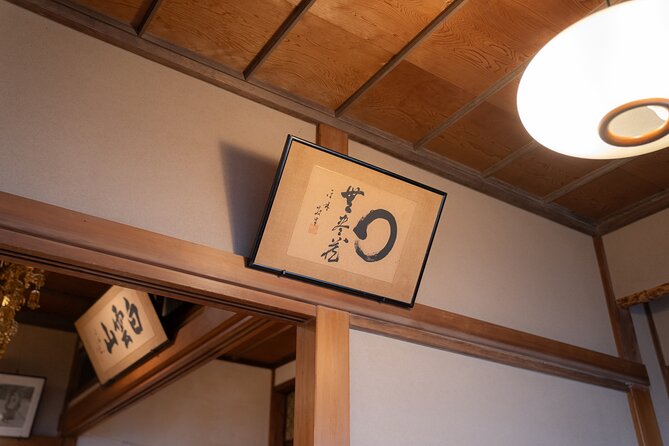
At $56.16 per person, this is not the cheapest cultural activity in Tokyo. You can visit many temples for little or no entrance cost. But this price buys something a normal temple visit cannot: access to a private space, instruction from a monk, an English-speaking guide, meditation practice, matcha, snacks, entrance, and photographs.
The value is strongest if you want direct contact and explanation. A self-guided temple visit gives you freedom and costs less, but you will not normally receive a monk-led lesson followed by a question-and-answer session. You also avoid the uncertainty of trying to understand Japanese customs without help.
The price is less attractive if you want a long meditation retreat, extensive Buddhist teaching, or a full tea ceremony. Ninety minutes passes quickly. This is a compact cultural encounter that fits neatly into a Tokyo itinerary.
The 15-person maximum is another point to consider. That is small enough for a structured visit, but it is not necessarily a private booking for just you and your companions. If personal attention is important, ask how many people are scheduled on your date.
Who will enjoy this Asakusa experience?
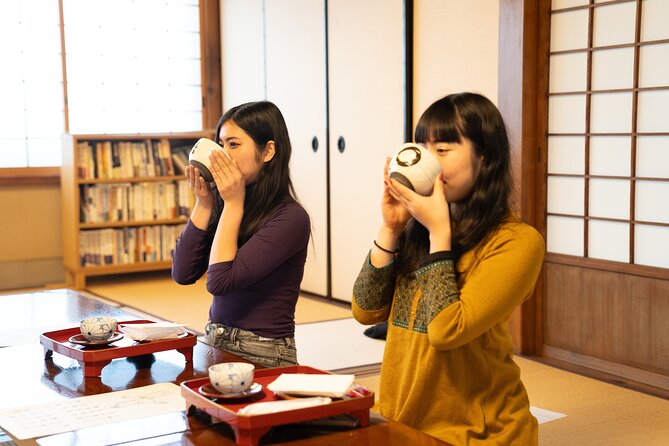
I would recommend it most strongly to first-time visitors who want a calm activity between busy sightseeing stops. It suits couples, families, solo visitors, and anyone curious about Buddhism but unsure how to approach a temple respectfully.
It is also a good choice if you have never meditated. The guide and monk provide a starting point, so you do not need to arrive with a particular posture or religious background.
Families appear to be well served by the open question period and the range of activities. Children who struggle with long silent meditation may enjoy the calligraphy, tea, photos, and conversation more than the seated practice itself.
This is less suitable for someone seeking a serious retreat. The time is short, the group may include people with different interests, and the program combines several elements rather than focusing only on meditation.
Practical details before you book
The tour lasts about one hour and 30 minutes. It starts and ends at the listed meeting point, and private transportation is not included. You will need to make your own way to the meeting location near public transportation.
Wear clothing that allows you to sit comfortably. The provided information does not specify a dress code, but modest, respectful clothing is a sensible choice for a temple visit. Arrive early, especially because of the reported confusion over the meeting address.
Booking confirmation is provided at the time of booking. Free cancellation is available if you cancel at least 24 hours before the local start time. Cancellations or changes made less than 24 hours before the start are not accepted for a refund.
The activity is described as suitable for most people, with a maximum of 15 participants. If you have a concern about sitting, kneeling, the ceremonial tap, or any part of the ritual, ask the guide before the session begins.
The best way to approach the visit
Come with a few questions ready. Asking about the monk’s daily life, the purpose of zazen, prayer customs, or the meaning of the calligraphy can make the final conversation much more rewarding.
Do not judge the meditation by whether you feel instantly peaceful. Tokyo is a busy city, and your mind may stay busy for much of the session. Pay attention to the instruction and treat the practice as a short lesson you can continue using later.
I would also leave a little room in your schedule afterward. The experience ends at the meeting point, but its quiet mood can be easily lost if you rush straight into another tightly timed attraction.
Should you book Tokyo Zen Meditation at a Private Temple?
Book it if you want personal contact with a monk, English help, and a cultural activity that goes beyond looking at temple buildings. The combination of meditation, conversation, tea, and possible calligraphy gives you a fuller picture of Zen practice than a quick stop in Asakusa.
I would skip it if you want a long, silent retreat or a highly formal tea ceremony. For everyone else, $56.16 is a reasonable price for rare access to Kinryu-ji, especially when you value explanation, a welcoming guide, and the chance to ask real questions. Confirm the meeting point, arrive early, and approach the temple with respect. Those small steps should help you get the most from this thoughtful 90-minute visit.
FAQ
Where does the Tokyo Zen meditation experience take place?
The experience takes place at Kinryu-ji Temple in Asakusa, Tokyo. The temple has a history spanning more than 400 years and is not open to the general public.
How long does the experience last?
The activity lasts approximately one hour and 30 minutes.
What is the price?
The listed price is $56.16 per person.
Is an English-speaking guide included?
Yes. An English-speaking guide is included to explain Japanese culture, Zen, and the monk’s meditation instruction.
Do I need to speak Japanese?
No. The experience includes English support, so you can take part without speaking Japanese.
Is matcha tea included?
Yes. Matcha tea and snacks are included, along with the Zen experience.
Can I speak with the monk?
Yes. The program includes free conversation with the monk and an opportunity to ask questions.
Are photographs included?
Yes. Photographs with the monk and inside the temple are included.
How many people can join the activity?
The maximum group size is 15 people.
What is the cancellation policy?
You can cancel for a full refund up to 24 hours before the experience begins. Cancellations or changes made less than 24 hours before the local start time are not accepted for a refund.
Just added in Tokyo
- Toyosu Market Morning Tuna Auction and Tsukiji Food Tour with Licensed Guide★ 4.5 · 146 reviews
- Tsukiji Food and Toyosu Market with Government-Licensed Guide★ 5.0 · 158 reviews
- JDM Itasha trip to famous car meet up spot Daikoku Parking★ 4.5 · 175 reviews
- Tokyo Spectacular View Day-Cruise in 90 Minutes★ 5.0 · 25 reviews
- From Tokyo to Kyoto and Nara: A Captivating Full-Day Private Tour★ 5.0 · 17 reviews
- Master the art of Sushi : Toyosu Market Tour & Tuna Cutting★ 5.0 · 60 reviews
- Private Tour: Tokyo’s Oldest Sake Brewery and Riverside Walk★ 5.0 · 25 reviews
- Tokyo’s Scariest Shitamachi Ghost Tour★ 4.0 · 30 reviews
Temples and Shrines, compared.
Kyushu One-Day Tour: Yufuin no Mori Train & Yufuin Town & Nyoirin-ji Temple & Dazaifu & Hell Hot Springs (Departing from Fukuoka)
Read our review →
Fushimi Inari, Kinkakuji, Bamboo Grove 1 Day Bus Tour
Read our review →
Tea Ceremony in a Traditional Tea House in Kiyomizu
Read our review →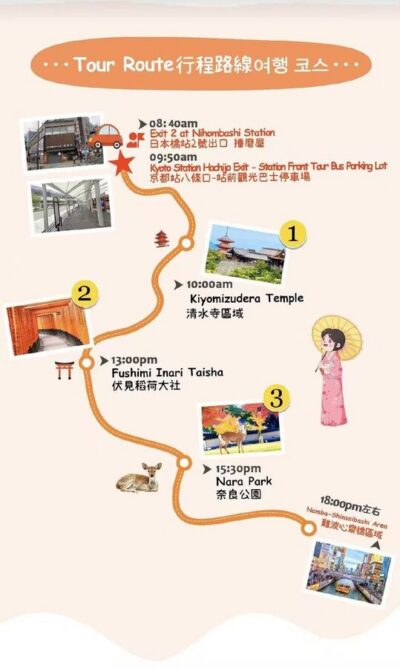
Kyoto Nara Day Trip │ Kiyomizu-dera Temple + Fushimi Inari-taisha Shrine + Nara Park (Departing from Osaka/Kyoto)
Read our review →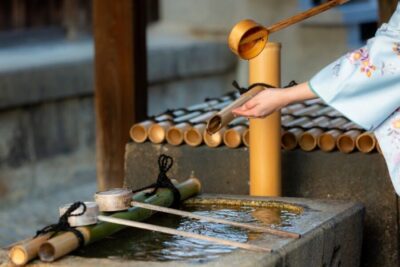
Browse the lists this tour appears in