
Reviewed · TEA CEREMONIES
Tokyo: Practicing Zen with a Japanese Tea Ceremony
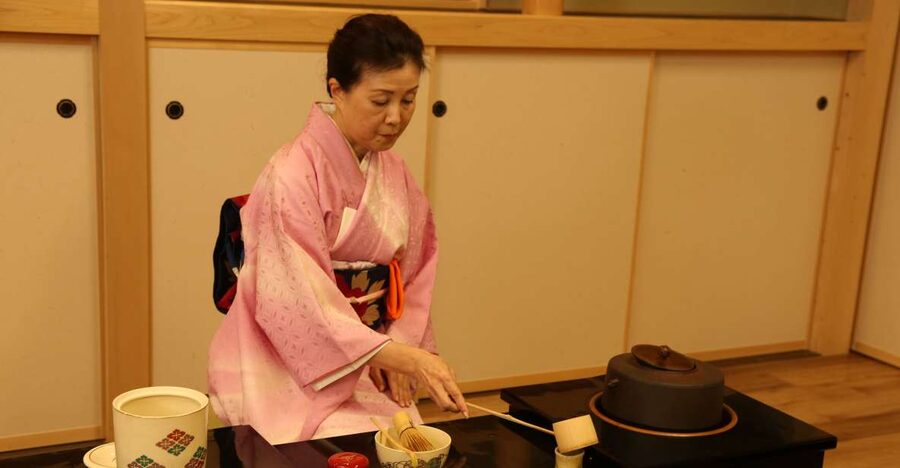
Slow down in the middle of Tokyo. This 75-minute tea ceremony pairs matcha, Japanese sweets, and a calm lesson in Zen with hands-on practice. I especially like the chance to prepare the tea yourself, not just watch a formal demonstration. The small group, limited to 10 people, also gives you a better chance to see each movement and ask questions.
I also like the thoughtful setup. Seats are available for anyone who cannot sit on the floor, and past instructors such as Junko, Ken, and Midori have been praised for warm, clear English instruction. The main drawback is the setting: one participant heard activity from the neighboring room, which weakened the quiet mood.
In This Review
- Key points to know before booking
- Why this short ceremony is worth your time
- Finding the tea room opposite Tokyo Tower
- The opening demonstration: watch the details
- Matcha and a Japanese sweet, served with purpose
- Zen, art, and architecture without a heavy lecture
- Your turn to prepare the tea
- Group size, comfort, and the room
- Who will enjoy this Tokyo activity most?
- Practical details that affect your choice
- Should you book the tea ceremony?
- FAQ
- How long does the Japanese tea ceremony experience last?
- How much does the experience cost?
- Where is the meeting point?
- What should I do if I cannot find the instructor?
- Is the activity taught in English?
- Is matcha included?
- Are traditional Japanese sweets included?
- Do I get to prepare tea myself?
- Is the activity wheelchair accessible?
Key points to know before booking
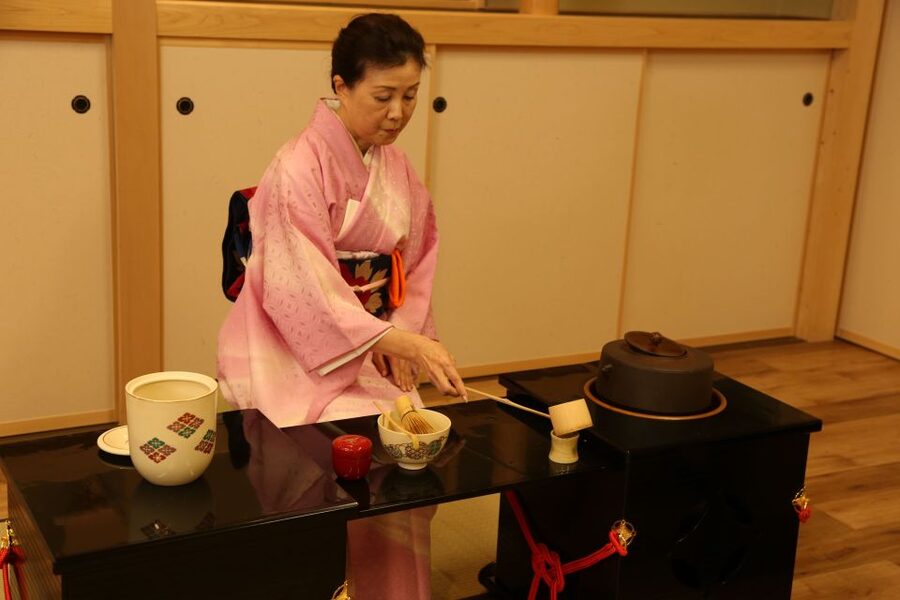
- You do more than watch: After the instructor demonstrates the ceremony, you prepare matcha yourself with guidance.
- Zen is part of the lesson: You learn why the movements, utensils, setting, and quiet attention matter.
- Traditional sweets come first: A Japanese confection is paired with green tea before your own practice.
- Tokyo Tower is your landmark: Meet at the main entrance of Kikai Shinko Kaikan, directly opposite the tower.
- The group stays small: Up to 10 participants makes it easier to see and hear the instruction.
- It is accessible for different seating needs: Chairs are available, and the activity is listed as wheelchair accessible.
Why this short ceremony is worth your time
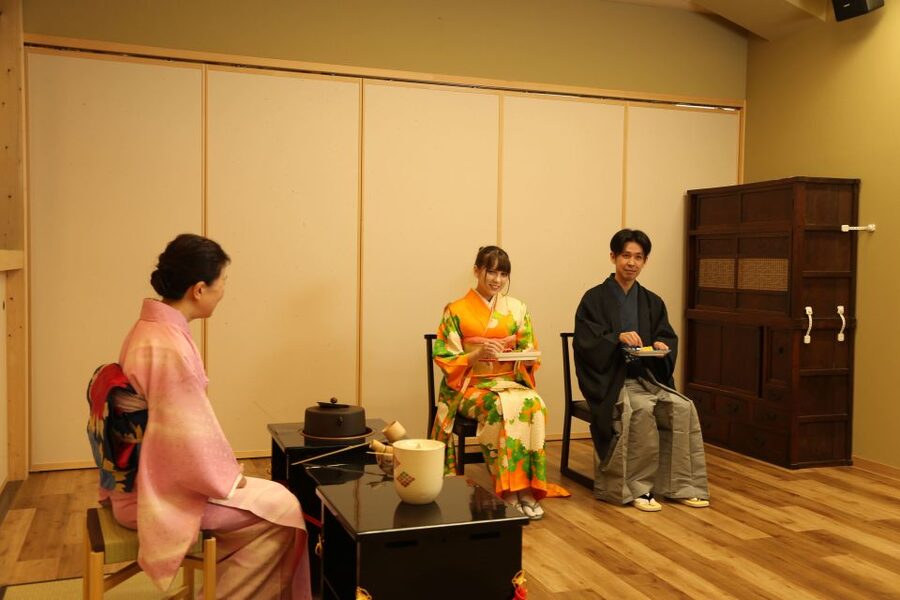
The Japanese tea ceremony is not simply a way to drink green tea. It is a carefully ordered practice built around attention, respect, and calm. This experience gives you a manageable introduction without asking you to devote half a day to a formal school of tea.
At $63 per person, the price is reasonable if you want both cultural explanation and practical participation. You receive the ceremony, traditional sweets, matcha, and a second ceremony performed by you. A simple tea tasting would cost less, but it would not give you the same understanding of how the ceremony works.
I like the balance between watching and doing. First, you see an expert prepare the tea and explain the gestures. Then you repeat the process with help. That second stage matters because the ceremony can look simple until you try to remember the order of the utensils, the movements, and the small courtesies.
The experience is taught in English. That makes it suitable for first-time visitors who want context rather than a silent display. The focus is on understanding the meaning behind the actions, not on expecting you to perform like a tea master after one lesson.
More Tea Ceremonies in Tokyo
- Matcha Making Class in Tokyo with Authentic Japanese Sweets Set
★ 5.0 · 744 reviews - Tokyo: Traditional Tea Ceremony with a Tea Master
★ 5.0 · 528 reviews - Tokyo: Matcha Making Experience with Mochi Sweets in Asakusa
★ 4.9 · 388 reviews
Finding the tea room opposite Tokyo Tower
The meeting point is easy to identify if you use Tokyo Tower as your guide. Go to the main entrance of the Kikai Shinko Kaikan building on the first floor. The building is directly opposite Tokyo Tower.
If you cannot find your instructor there, go to True Japan Tour in Room B109 on the basement level. That backup location is useful, so allow enough time to find the building rather than arriving at the last minute.
Transportation is not included. You need to make your own way to the meeting point, but the Tokyo Tower location gives you a clear landmark for planning. This activity works well before or after visiting the tower, though the ceremony itself is the main event, not an add-on to a tower ticket.
The experience lasts 75 minutes. That is long enough for a proper introduction, a demonstration, your own attempt, and questions, but short enough to fit into a busy Tokyo day. Check the available starting times when booking because the schedule can vary.
The opening demonstration: watch the details
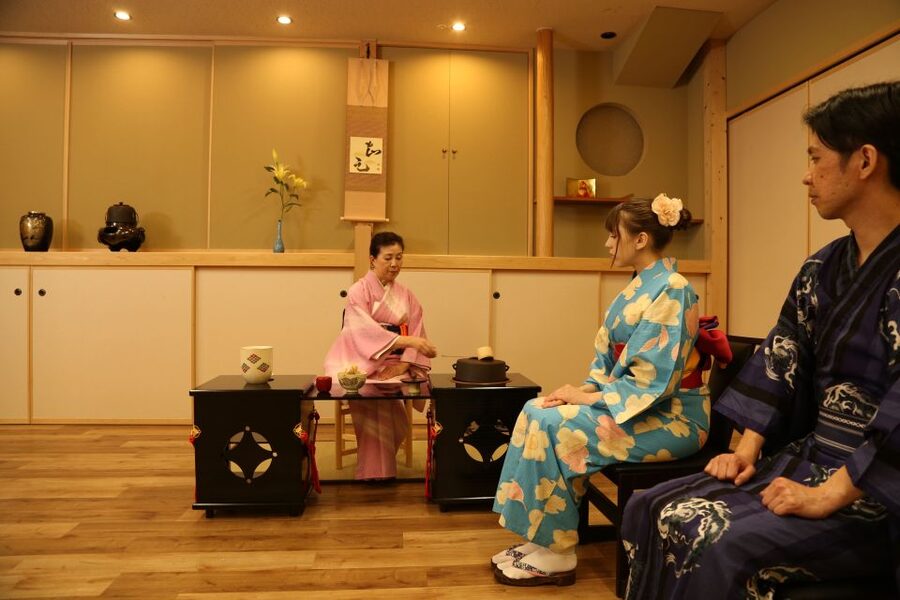
The ceremony begins with the instructor showing how matcha is prepared. You see the utensils used and the movements that accompany each part of the process.
Pay attention to the order. The value here is not just the finished cup of tea. The instructor explains why the bowl, scoop, whisk, and other tools are handled in particular ways, and how the arrangement helps create a respectful, focused space.
This is where the ceremony can seem formal at first. The movements are deliberate, and quiet is expected. The activity specifically asks participants not to make noise, so it is not a good choice if you want a lively, chatty class.
Still, the instruction appears to be friendly rather than stiff. Junko received especially warm praise for explaining the connection between tea and Zen, while Ken was noted for clear instruction. Midori was praised for making participants feel comfortable from the moment they arrived. These details suggest that the quality of the host plays a large part in the experience.
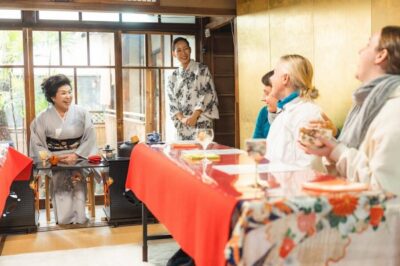
The setting is arranged to feel like a tea room. One participant appreciated that it accommodated both floor seating and chair seating, which is important because sitting on the floor can be difficult for some people. You should not feel that accessibility means missing the central parts of the ceremony.
Matcha and a Japanese sweet, served with purpose
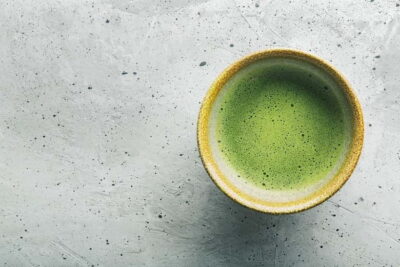
You receive matcha green tea and a traditional Japanese confection. The sweet is not just a snack added to the booking. It is specially paired with the tea, and the instructor explains the role it plays in the ceremony.
The pairing also helps you understand the taste of matcha. Green tea prepared in this style can be unfamiliar, especially if you expect a mild, clear drink. The sweet offers a contrast before or alongside the tea, making the experience easier to appreciate.
The food element is modest, so do not book this as a meal. It is a focused tasting within the ceremony. The main value comes from learning how the tea is served and received, not from the quantity of food.
I like this part because it connects manners with the senses. You are not simply told that the ceremony values harmony and attention. You get a small example of how taste, timing, presentation, and behavior work together.
More Temples and Shrines in Tokyo
- Tokyo: Meiji Shrine, Asakusa, Skytree Bus Tour and Cruise
★ 4.7 · 1,986 reviews - Tokyo: Asakusa Walking Tour with Sensoji Temple Visit
★ 4.8 · 1,583 reviews - Nikko: Kegon Falls, Lake Chuzenji & Toshogu Temple
★ 4.6 · 1,577 reviews - Tokyo: Nikko Toshogu Shrine and Kegon Waterfall Tour
★ 4.5 · 1,266 reviews
Zen, art, and architecture without a heavy lecture
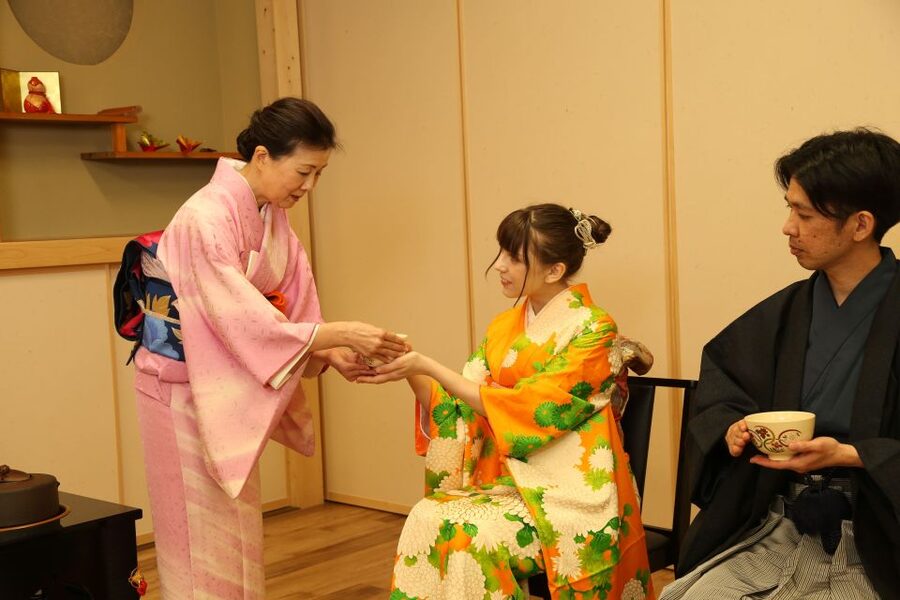
The lesson places the ceremony within Zen Buddhism and Japanese culture. You learn about the way Zen ideas are expressed through art and architecture, as well as through the tea ceremony itself.
That context helps explain why the room, tools, gestures, and quiet atmosphere matter. The ceremony is a form of concentration. You set aside distractions and give your attention to one action at a time.
The experience does not present Zen as an abstract idea only. It connects Zen with what you can see and do during the class. You watch the instructor move with care, examine the utensils, and then try to copy the same focus yourself.
One participant felt the Zen exercise was too short. That is a fair expectation to manage. This is a tea ceremony class with a Zen connection, not a long meditation session or a full spiritual retreat. If your main goal is meditation, the Zen portion may feel brief. If you want to understand how Zen influences tea practice, the format should be more satisfying.
The lesson also helps explain why tea ceremonies remain meaningful in modern Japanese life. You learn that this is not only an old custom performed for tourists. It continues to hold a place in parts of Japanese society, where the act of preparing tea can create a pause from everyday pressure.
Your turn to prepare the tea
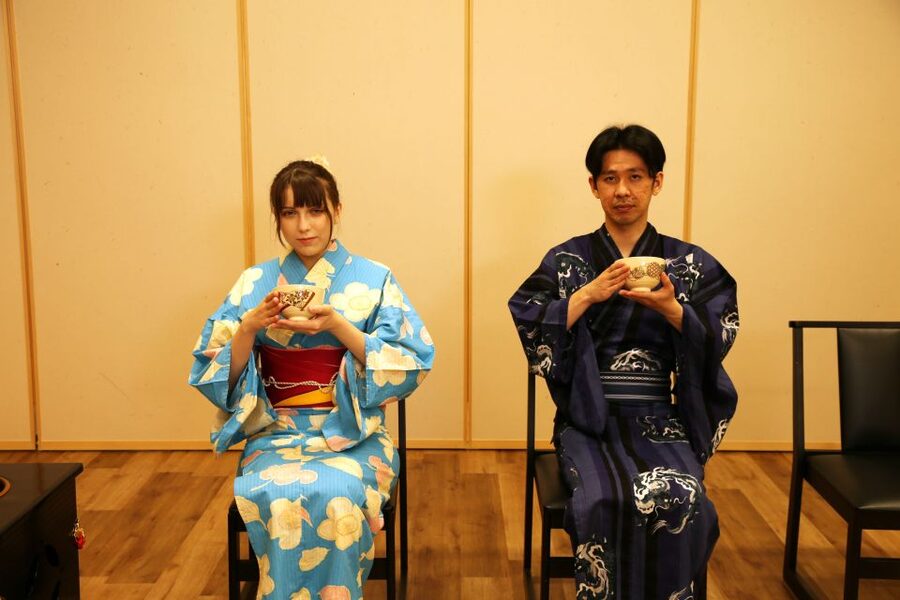
The strongest feature is the second ceremony, when you conduct the process yourself. The instructor guides you through the steps rather than leaving you to guess.
This is where the class becomes practical. You handle the utensils, follow the order, and try to repeat the movements you just watched. The instructor can correct you and explain the reason behind each part.
You do not need previous knowledge. Several participants arrived with no understanding of tea ceremony practice and found the class easy to follow. The small group also helps because you can see the demonstration and watch how other people approach their turn.
Do not worry about perfect performance. The point is to notice the care involved. Even a short attempt gives you a better sense of the discipline behind a ceremony that may look effortless when an expert performs it.
The hands-on format also makes the $63 price easier to justify. You are paying for instruction and participation, not only for a cup of tea. If you prefer simply to sit back and observe, you may find the practical section less appealing, but most first-time visitors should welcome the chance to try.
Group size, comfort, and the room
The class is limited to 10 participants. That is small enough for close instruction without promising a fully private appointment. One participant described receiving a private ceremony, but you should plan for a small-group format rather than assume you will have the tea master alone.
A group of this size can make the class more personal. You can hear the English explanation, see the utensils, and receive guidance during your own attempt. It also reduces the chance of being lost in a large demonstration.
The room aims to create a tea-room atmosphere, though it may not be perfectly silent. One participant heard another activity taking place next door and felt that it damaged the Zen mood. You should keep this possibility in mind if silence and atmosphere are your top priorities.
That issue does not appear to cancel out the teaching. It simply means the experience takes place in a working venue rather than an isolated temple tea room. For many people, the clear instruction and hands-on practice will matter more than a completely silent setting.
The activity is wheelchair accessible, and chairs are available for people who prefer not to sit on the floor. Children under 4 are not permitted. Since making noise is not allowed, the calm format is best for older children and adults who can stay quiet and attentive.
Who will enjoy this Tokyo activity most?
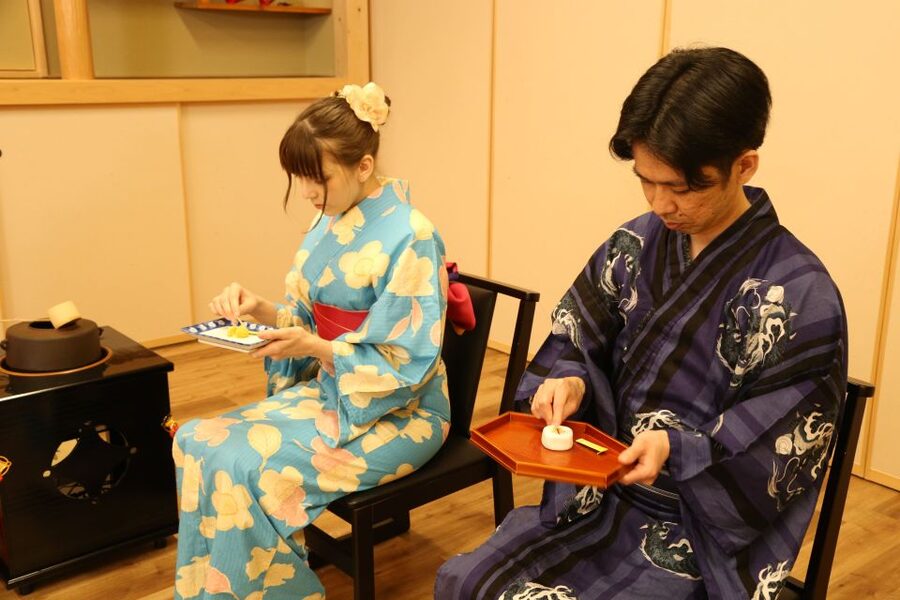
I would recommend this ceremony to you if you want a cultural activity with real participation. It suits first-time visitors who want to understand Japanese customs without needing prior knowledge of tea, Zen, or formal etiquette.
It is also a good fit if you have limited time. Seventy-five minutes gives you a clear introduction without taking over your day. The location opposite Tokyo Tower makes it easy to pair with other plans in the same part of Tokyo.
You may especially appreciate it if you are interested in:
- Japanese art and architecture
- Zen Buddhism and everyday cultural practice
- Traditional utensils and formal movements
- Small-group learning in English
- Activities that include both explanation and practice
I would be more cautious if you want a long meditation, a silent temple setting, or a full meal. The Zen element is present, but the focus remains the tea ceremony. Also, the neighboring-room noise reported by one participant may bother you if atmosphere matters more than instruction.
Practical details that affect your choice
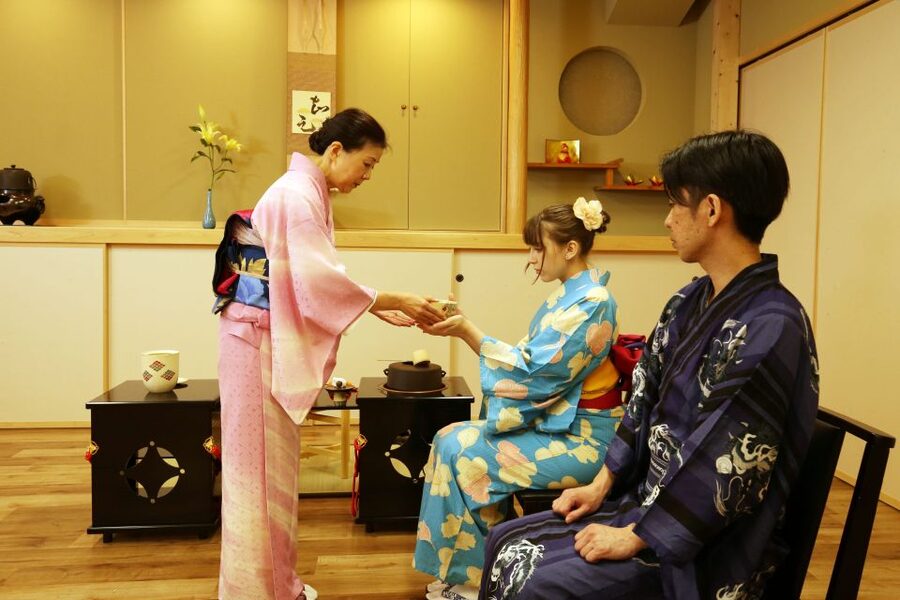
The activity costs $63 per person and lasts 75 minutes. Matcha, traditional sweets, the tea ceremony, and your own guided attempt are included. Transportation is not included, so plan your route to Kikai Shinko Kaikan independently.
The instructor teaches in English. The named hosts connected with especially positive experiences include Junko, Ken, and Midori, though the specific instructor for your time may differ.
You can cancel up to 24 hours before the activity for a full refund. The reserve-now-and-pay-later option also helps if your Tokyo schedule is still changing.
The overall rating is 4.7 from 105 reviews, with praise focused on the warmth of the hosts, the clear explanations, and the chance to perform the ceremony. The most repeated strength is not simply the tea itself. It is the way the instructors explain why the ceremony is done as it is.
Should you book the tea ceremony?
Book it if you want more than a tourist photo with a bowl of matcha. You will learn the basic meaning of the ceremony, taste a traditional sweet, and handle the utensils yourself with an English-speaking instructor nearby.
The price is fair for a compact cultural lesson with personal guidance. The setting may not provide perfect silence, and the Zen exercise may feel short if you expect a meditation class. Still, the small group, chair seating, accessible format, and practical second ceremony make this a strong choice for curious first-time visitors.
If you are visiting Tokyo Tower and want a calm, structured activity nearby, this is an easy pick. Go in ready to be quiet, pay attention, and accept that the goal is not flawless technique. The real reward is understanding how a simple cup of tea can carry so much care.
FAQ
How long does the Japanese tea ceremony experience last?
The experience lasts 75 minutes.
How much does the experience cost?
The price is $63 per person.
Where is the meeting point?
Meet at the main entrance of the Kikai Shinko Kaikan building on the first floor. The building is directly opposite Tokyo Tower.
What should I do if I cannot find the instructor?
Visit True Japan Tour in Room B109 on the basement level of the Kikai Shinko Kaikan building.
Is the activity taught in English?
Yes. The instructor language is English.
Is matcha included?
Yes. Matcha green tea is included in the experience.
Are traditional Japanese sweets included?
Yes. A traditional Japanese confection is included and paired with the green tea.
Do I get to prepare tea myself?
Yes. After watching the instructor, you take part in a second tea ceremony and prepare tea with expert guidance.
Is the activity wheelchair accessible?
Yes. The activity is listed as wheelchair accessible, and seats are available for people who prefer not to sit on the floor.
Just added in Tokyo
- A One-of-a-Kind Sushi Experience in a Special Place of Japan★ 5.0 · 15 reviews
- Tokyo Cute Bento Cooking Class – Make a Kawaii Character Lunchbox★ 5.0 · 126 reviews
- Japanese Home Cooking Class & Walk in Todoroki Temple Tokyo★ 5.0 · 88 reviews
- Japan Tokyo Tower Observatory Deck E-Ticket★ 4.0 · 34 reviews
- Catch a Baseball Game in Tokyo with a Local – Tickets Included★ 5.0 · 24 reviews
- JDM Experience with Fast&Furious RX-7 (English speaking Driver)★ 5.0 · 57 reviews
- Tokyo Private Day Tour by Car with English speaking Driver Guide★ 4.0 · 29 reviews
- Japan Classic 10 Day – One Life Adventures★ 5.0 · 129 reviews
Tea Ceremonies, compared.
Tea Ceremony in a Traditional Tea House in Kiyomizu
Read our review →
World Heritage Kyoto & Nara Uji Authentic Matcha Experience
Read our review →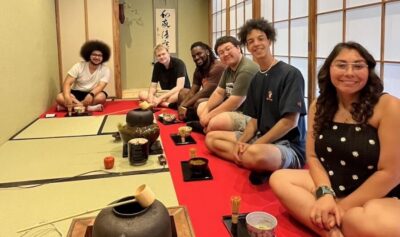
Browse the lists this tour appears in