
Reviewed · WALKING TOURS
Hiroshima: Private City Highlights Walking Tour
History here is never safely behind glass. This four-hour private walk brings Hiroshima’s past into focus through the Peace Memorial Park, the museum, the Atomic Bomb Dome, and less obvious places tied to August 6, 1945. I like the personal pace, and I like that guides such as Maria, Ihsan, Ali, and Wajid adjust the route to fit your questions and interests. The main drawback is simple: four hours on foot can feel long in Hiroshima’s heat, rain, or humidity.
The tour is strongest when your guide adds context beyond the monuments. Ali has taken guests to nearby buildings linked to the bombing, while Wajid and Ihsan have helped people find local food afterward. You pay $90 per person, which is fair for a private guide and museum admission, but less attractive if you only want a quick look at the park.
In This Review
- Key points at a glance
- Starting at 1-2 Nakajimachō
- Gates of Peace and the Prayer Fountain
- One hour inside the Hiroshima Peace Memorial Museum
- The Victims Memorial Cenotaph and Flame of Peace
- The Korean Atomic Bomb Victims Cenotaph
- Bells, children, and personal remembrance
- The Atomic Bomb Dome in twenty minutes
- Walking to Hiroshima Castle
- What the private format adds
- Is $90 per person good value?
- Who should book this Hiroshima walking tour?
- Final verdict: book it for context, not just landmarks
- FAQ
- How long does the Hiroshima private walking tour last?
- Where does the tour begin?
- Where does the tour finish?
- Is the Hiroshima Peace Memorial Museum included?
- Does the tour include Hiroshima Peace Memorial Park?
- Is the Atomic Bomb Dome admission included?
- Is this a private group tour?
- Which languages are available?
- Are food, drinks, and transportation included?
- Can I cancel for a refund?
Key points at a glance
- The Peace Park takes center stage: Expect close looks at the museum, cenotaphs, bells, fountains, and memorials.
- Private guiding makes a difference: You can ask questions freely and request more time at places that matter to you.
- Several guides receive exceptional praise: Maria, Ihsan, Ali, Wajid, and others are noted for clear explanations and warm service.
- The walk links several parts of Hiroshima: The route continues from the park to the Atomic Bomb Dome and Hiroshima Castle.
- The museum visit lasts about an hour: Your guide can explain the wider setting, though much of the museum itself is designed for quiet reflection.
- Plan for a full morning or afternoon: Food and transport are not included, and the tour ends back at the meeting point.
Starting at 1-2 Nakajimachō
You meet your guide at 1-2 Nakajimachō in Hiroshima’s Naka Ward. This puts you near the Peace Memorial Park, so the tour begins in the part of the city most closely tied to its wartime past.
Because this is a walking tour, you should arrive ready to stay on your feet. The route covers a number of monuments before moving on to Hiroshima Castle, and there is no included transport between stops.
A private group is useful here. You are not trying to keep up with a large crowd or wait for strangers to finish photographs. You can ask about a monument, pause for a quiet moment, or request a little less detail if the subject becomes emotionally heavy.
The guide languages are English, Malay, Urdu, Hindi, and Punjabi. The strong feedback for Maria and Ihsan points to clear English and easy conversation, while Ali and Wajid are also praised for explaining both history and local life in an approachable way.
More Walking Tours in Hiroshima
- Hiroshima Historical Walking Tour – Why A-Bomb was Dropped
★ 4.8 · 893 reviews - Hiroshima Peace (Heiwa) Walking Tour at World Heritage Sites
★ 5.0 · 872 reviews - Hiroshima City 4hr Private Walking Tour with Licensed Guide
★ 5.0 · 437 reviews
Gates of Peace and the Prayer Fountain
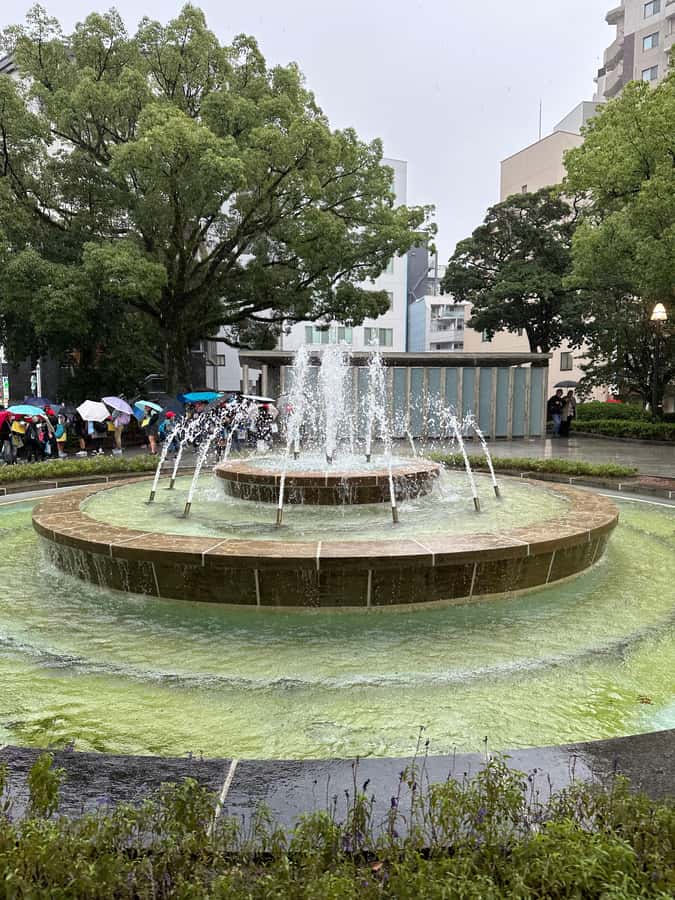
The first stops are the Gates of Peace and the Prayer Fountain. The Gates of Peace are scheduled for about 15 minutes, followed by roughly 10 minutes at the fountain.
These are brief visits, but they set the tone. This is not simply a march from one famous sight to another. The guide explains how the park uses art, water, and memorial spaces to express grief and hope.
You will have time for photographs, though this is a place where taking a moment matters more than collecting another picture. A private guide can help you understand the meaning of each stop without turning the experience into a rushed checklist.
One hour inside the Hiroshima Peace Memorial Museum
The Hiroshima Peace Memorial Museum is the emotional core of the morning. The scheduled visit lasts one hour, and admission is included in the $90 price.
The museum presents collections connected with the bombing of August 6, 1945. You should expect a serious visit. The displays are intended to show what happened to Hiroshima and its people, not to provide a light sightseeing stop between restaurants and shopping.
Your guide can prepare you for the museum and answer questions afterward. Inside, however, much of the experience is quiet and self-directed. One useful point from the tour feedback is that the guide’s role in the museum is naturally limited because the museum itself calls for silence and personal attention.
I would allow yourself some emotional space here. You may want to walk slowly, pause at certain displays, or spend less time than the full hour. The private format helps because the guide can respond to your pace rather than forcing you through a fixed group schedule.
The museum is especially valuable if you know little about Hiroshima before arrival. It gives the monuments in the park a human scale. Instead of seeing only dates and architecture, you begin to understand how the bombing affected individuals, families, and the city itself.
The Victims Memorial Cenotaph and Flame of Peace
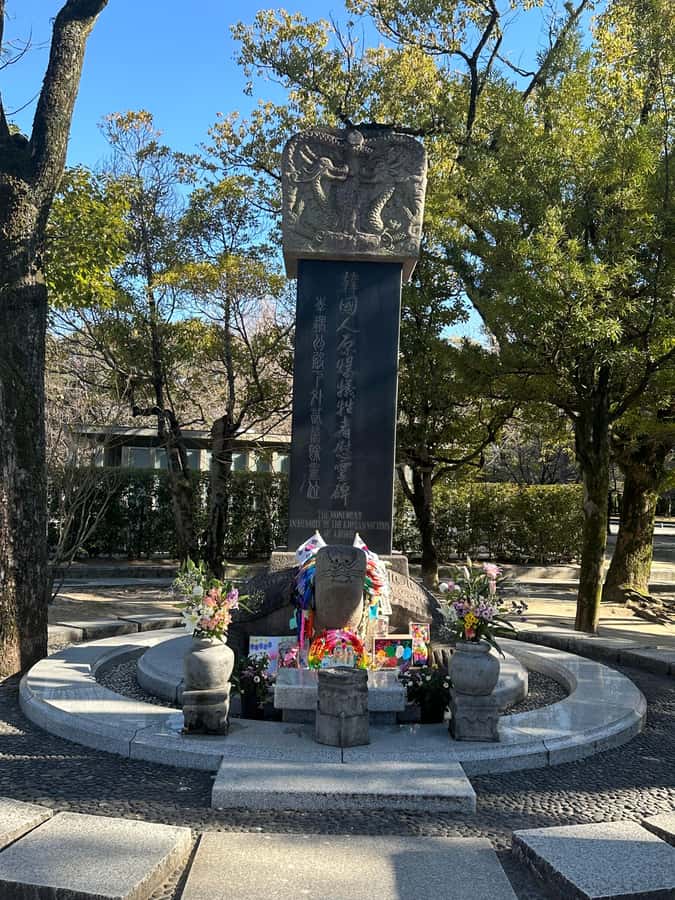
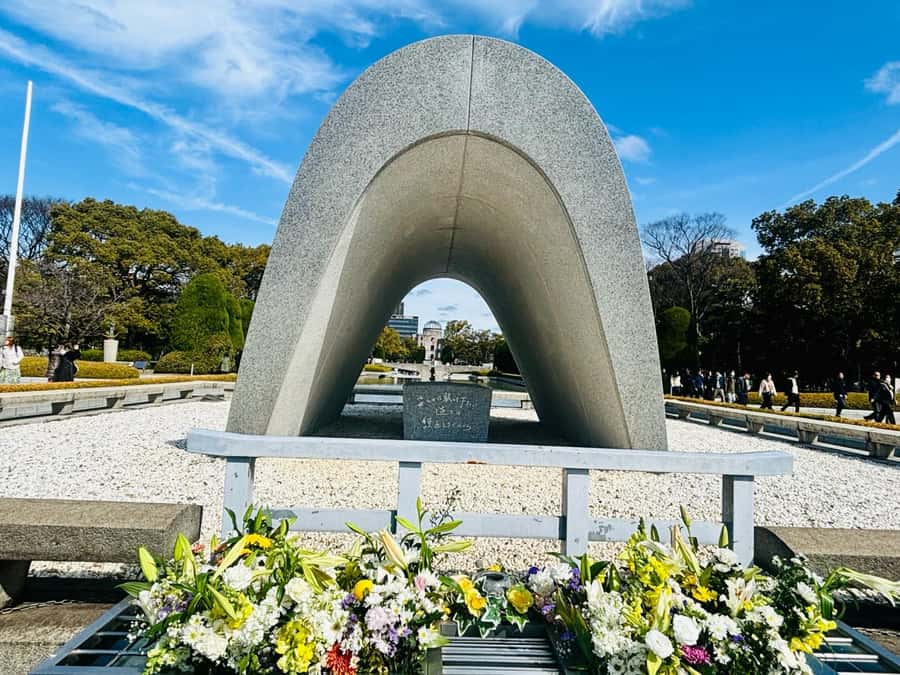
After the museum, the walk returns to the open spaces of the park. The Hiroshima Victims Memorial Cenotaph receives about 15 minutes, and the Flame of Peace about five minutes.
The cenotaph is one of the park’s central memorial points. The Flame of Peace is a shorter stop, but your guide can connect it to the park’s wider message and the sequence of monuments around you.
These stops work best when your guide avoids rushing through a memorized speech. The strongest comments about this tour praise guides who explain the meaning behind each site and answer questions in plain language. Maria, in particular, is repeatedly praised for empathy and for adapting her explanations to the group.
The park can feel spacious and calm, yet the subject is never distant. That contrast is part of what makes the walk powerful. Hiroshima today is a functioning city, but the park asks you to remember the event that changed it forever.
A completely different kind of day out:
- Peaceful Hiroshima & Miyajima UNESCO 1 Day Bus Tour
★ 5.0 · 5,309 reviews - Hiroshima: Hiroshima and Miyajima UNESCO Sites 1-Day Tour
★ 4.9 · 2,330 reviews - Hiroshima / Miyajima Full-day Private Tour with Government Licensed Guide
★ 5.0 · 1,298 reviews - Hiroshima in a Nutshell: Morning Bike Adventure
★ 5.0 · 524 reviews
The Korean Atomic Bomb Victims Cenotaph
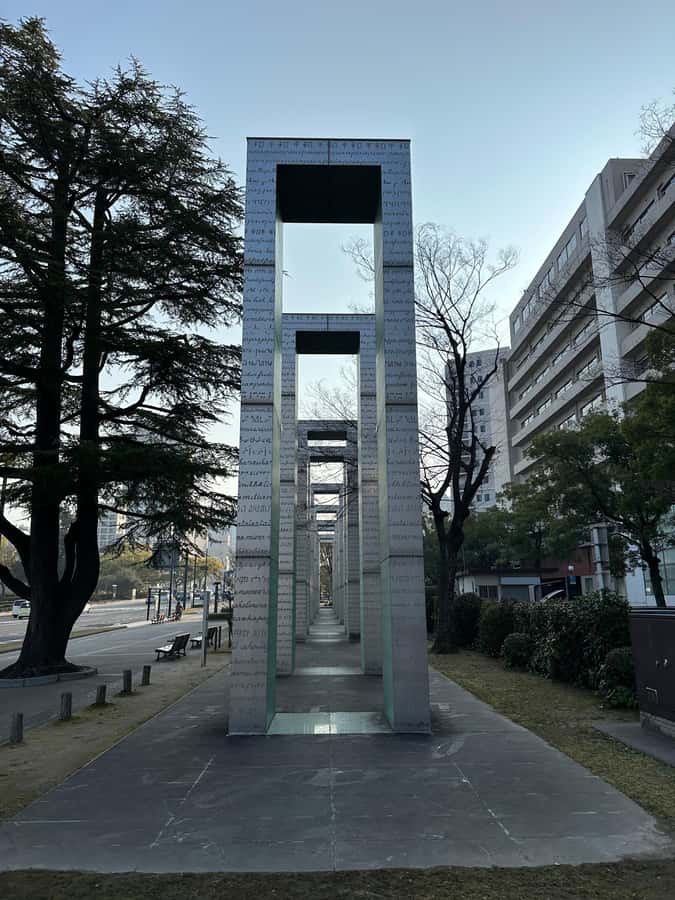
The Korean Atomic Bomb Victims Cenotaph receives around 15 minutes. This stop widens the story beyond the most familiar memorials.
A guide is useful here because you might otherwise pass by without understanding why the monument matters. The tour gives you a chance to consider the many groups affected by the bombing and the different ways Hiroshima remembers its dead.
I appreciate that this stop is built into the route rather than treated as an optional extra. It adds needed context to the park and keeps the story from becoming too narrowly focused on the best-known structures.
Bells, children, and personal remembrance
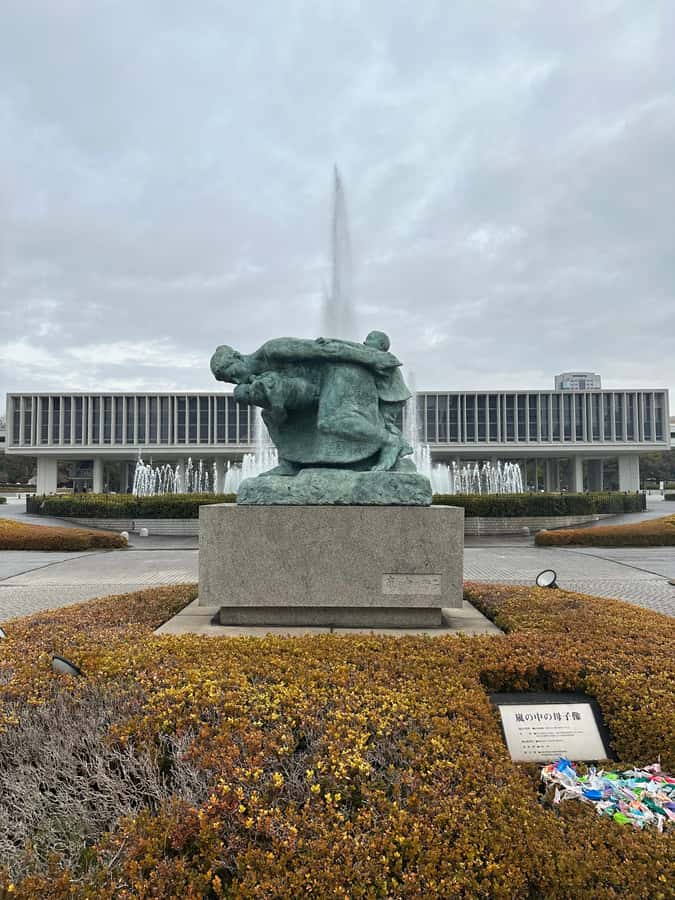
The Bell of Peace and the Children’s Peace Monument each have about 15 minutes. These are among the park’s most recognizable and moving places.
At the Bell of Peace, your guide can explain the purpose of the monument and how visitors engage with it. The Children’s Peace Monument brings the story toward younger victims and the lasting effect of the bombing on children and families.
The Children’s Peace Monument is also connected with the story of Sadako Sasaki and paper cranes in the wider public memory of Hiroshima, but the supplied tour details do not promise a specific presentation of that story. Your guide can answer questions if you want to explore the monument further.
This section of the walk may be particularly meaningful for families. It also requires tact. The subject is painful, and the best guides, including Ihsan and Maria, are praised for handling it with care rather than turning tragedy into spectacle.
The Atomic Bomb Dome in twenty minutes
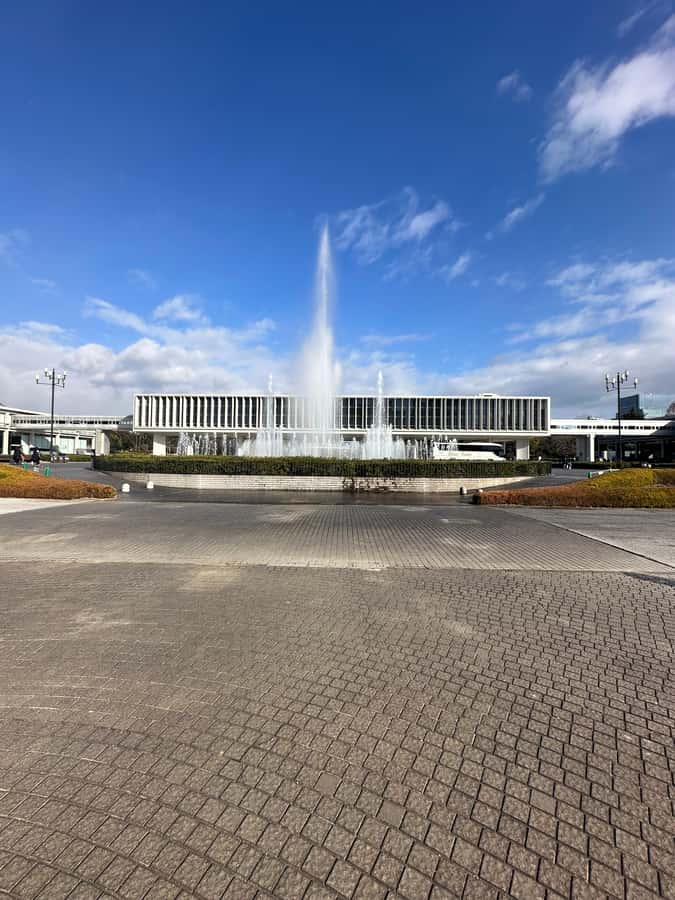
The Atomic Bomb Dome is scheduled for about 20 minutes. You receive an included entry ticket, although much of the value here comes from seeing the structure and hearing its story from outside.
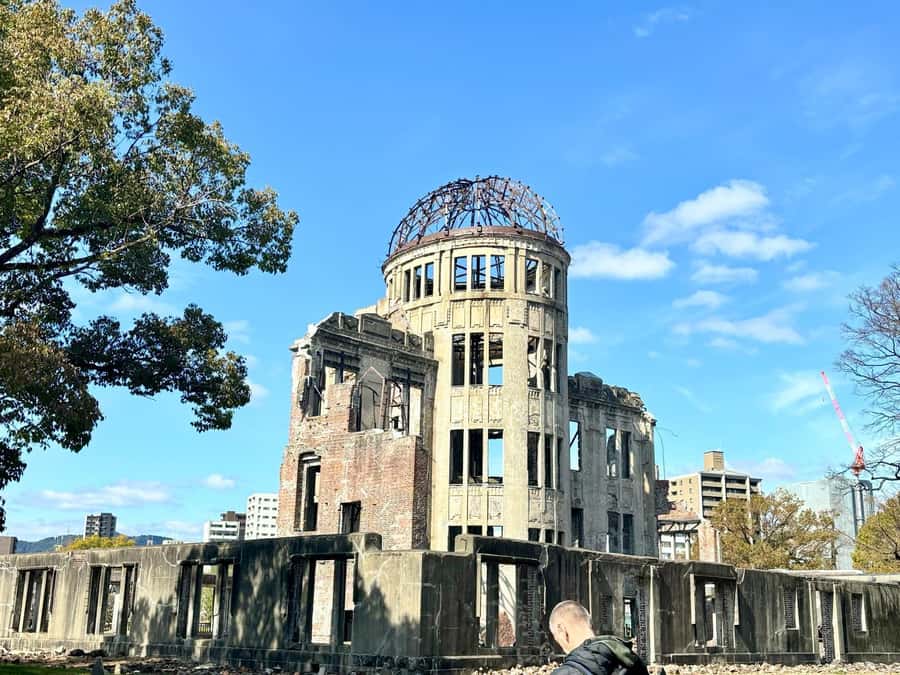
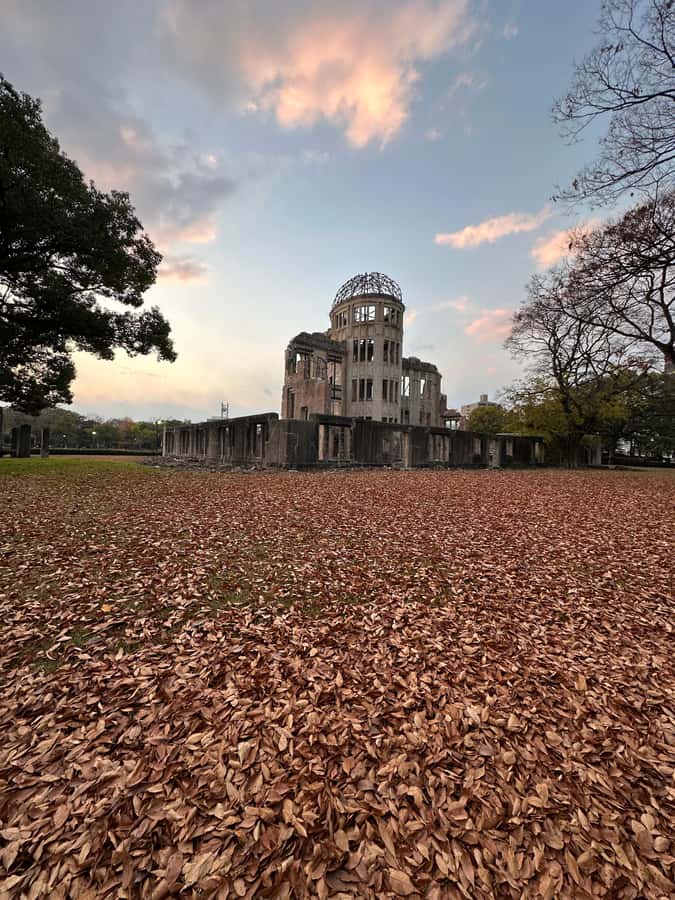
The Dome is one of Hiroshima’s defining images. Its damaged frame remains a direct physical link to the bombing, while the surrounding city shows the extent of Hiroshima’s rebuilding.
This is a good moment to ask your guide to compare Hiroshima before and after 1945. Several guides have been praised for doing exactly that, using nearby buildings and local landmarks to explain what survived, what disappeared, and how the city changed.
Ali has taken people outside the Peace Park to places such as a school and a bank with important links to that day. These additions are not presented as fixed stops for every group, so you should ask your guide if you want more of this local context.
The Dome can be crowded at popular times, but the private format gives you more freedom to wait, listen, and photograph without holding up a large party. Keep the mood in mind. This is a memorial site first and a photo stop second.
Walking to Hiroshima Castle
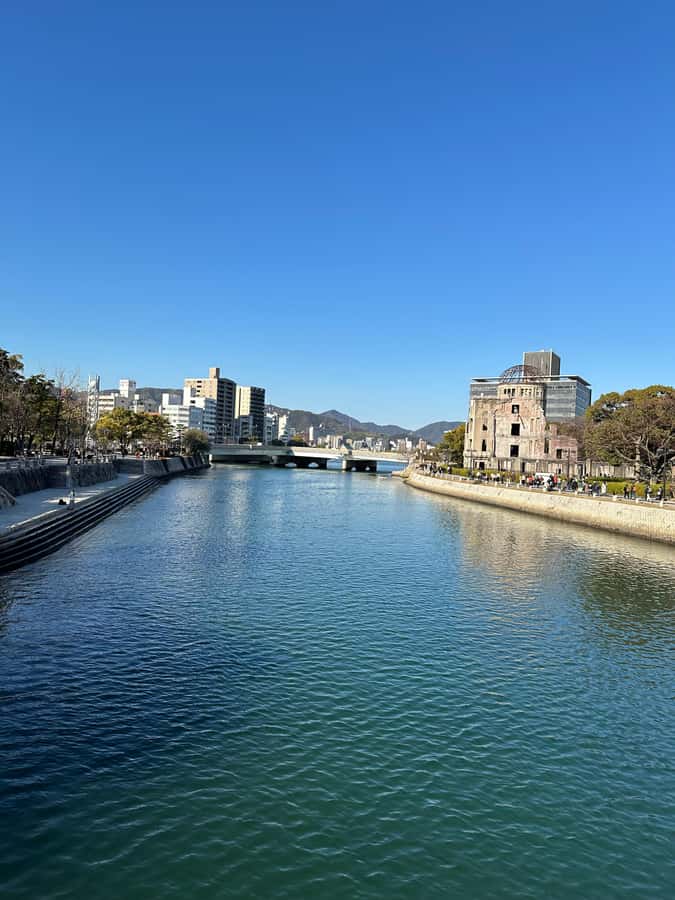
The final major stop is Hiroshima Castle, reached after the Peace Memorial Park portion of the tour. The scheduled visit and walk take about 40 minutes.
Hiroshima Castle dates to the 16th century and provides a useful change of subject. After several hours focused on the bombing and its victims, you get a wider view of Hiroshima’s earlier political and cultural past.
The castle also helps you understand that Hiroshima was not created by the events of 1945. It had an identity and a story long before the bombing, and the city’s present life grew from both that older past and its postwar rebuilding.
The supplied information does not guarantee interior access on every departure. One guest arrived late because of a train delay and missed the castle interior, though the guide still explained its history and adjusted the ending. If entering the castle matters to you, ask about timing at the start.
The route ends back at the original meeting point. Some guides have extended the experience informally by suggesting a local restaurant or food bazaar. Ihsan and Wajid are praised for helping people find traditional local food, including Hiroshima-style okonomiyaki, but meals are not included in the tour.
What the private format adds
The biggest advantage is flexibility. A private guide can tailor the amount of detail to your group, and the feedback gives several examples of this working well.
Maria is praised for adapting the tour to individual interests, adjusting the pace, and even making time for an ice cream stop. Ihsan is praised for welcoming questions and offering detailed explanations about Hiroshima, Japan, and local customs. Ali is repeatedly described as friendly, prepared, and willing to go beyond the basic route.
That flexibility matters at the Peace Memorial Museum. Some people want detailed historical background. Others need a quieter visit with fewer explanations. You can tell your guide what you need.
The private format is also helpful for families and mixed-age groups. One guide kept teenagers engaged despite heat and humidity, while another helped a guest navigate back to a hotel and stop at a pharmacy after the tour. Those practical touches are not guaranteed, but they show the benefit of having a personal guide rather than an impersonal audio track.
The tour has earned a 4.9 rating from 73 reviews, with the strongest praise focused on the guides’ warmth, clarity, patience, and ability to answer questions. That is more important here than fancy transport or a long list of included extras.
Is $90 per person good value?
At $90 per person, you are paying for a four-hour private walking experience, a guide, and admission to the Hiroshima Peace Memorial Museum, Peace Memorial Park, and Atomic Bomb Dome as listed.
For a couple or family that wants context and easy questions, I think the price can be justified. Hiroshima’s memorial sites are meaningful but not always easy to interpret alone. A good guide helps you connect the monuments, museum, surviving structures, and rebuilt city.
The value is less clear if you are a solo visitor on a tight budget or already plan to spend several days reading and exploring independently. You will still cover much of the core Peace Park area without a guide.
Food and drinks are extra. Transportation is also not included, so you need to make your own way to the meeting point and return there at the end. The tour itself stays on foot.
You can cancel up to 24 hours ahead for a full refund, and you can reserve now and pay later. Those terms are useful if your Japan schedule is still shifting.
Who should book this Hiroshima walking tour?
I would choose this tour for a first visit to Hiroshima, especially if you have only one day in the city. It covers the key memorial sites and adds Hiroshima Castle, giving you both the modern history and the older story of the city.
It suits families, couples, and small private groups who want to ask many questions. It is also a good fit if you prefer a human guide to a phone app or printed guidebook.
You should think twice if you dislike long walks, find four hours too much for a single subject, or want a relaxed sightseeing day with frequent indoor breaks. One piece of feedback specifically considered four hours longer than necessary. Summer heat, humidity, and rain can make the distance feel harder.
The tour is wheelchair accessible, which broadens its usefulness, though you should still discuss your group’s needs with the provider before setting out.
Final verdict: book it for context, not just landmarks
Book this Hiroshima private city highlights tour if you want the Peace Memorial Park to make sense, not just appear in your camera roll. The museum, monuments, Atomic Bomb Dome, and castle give you a strong half-day outline, while the guide adds the human detail that is difficult to find on your own.
I would give particular weight to guide availability. Maria, Ihsan, Ali, Wajid, and the other named guides receive strong praise for empathy, patience, humor, and local suggestions. Ask for a guide who matches your preferred language and level of historical detail.
Skip it if you want the cheapest possible visit or plan to explore every site at your own speed. For everyone else, especially first-time visitors, the private format and careful handling of Hiroshima’s painful past make this a worthwhile use of four hours.
FAQ
How long does the Hiroshima private walking tour last?
The tour lasts four hours. Starting times depend on availability.
Where does the tour begin?
You meet your guide at 1-2 Nakajimachō in Naka Ward, Hiroshima.
Where does the tour finish?
The activity ends back at the original meeting point.
Is the Hiroshima Peace Memorial Museum included?
Yes. Admission to the Hiroshima Peace Memorial Museum is included, and the museum visit is scheduled for about one hour.
Does the tour include Hiroshima Peace Memorial Park?
Yes. Entry to Hiroshima Peace Memorial Park is included.
Is the Atomic Bomb Dome admission included?
Yes. An entry ticket to the Atomic Bomb Dome is included in the activity details.
Is this a private group tour?
Yes. The experience is for a private group.
Which languages are available?
Live guiding is available in English, Malay, Urdu, Hindi, and Punjabi.
Are food, drinks, and transportation included?
No. Food, drinks, and transportation are not included. The tour is conducted on foot.
Can I cancel for a refund?
Yes. You can cancel up to 24 hours in advance for a full refund. You can also reserve now and pay later.
More Sightseeing Tours in Hiroshima
- Amazing Hiroshima: Private City Tour with a Local Guide
★ 4.3 · 32 reviews - 1-Day Private Sightseeing Tour in Hiroshima and Miyajima Island
★ 4.5 · 31 reviews - Tokyo: Private City Highlights Tour with Local Guide
★ 4.8 · 1,433 reviews - Tokyo Private Sightseeing Tour by Car- English speaking chauffeur
★ 5.0 · 1,004 reviews
Just added in Hiroshima
- Private Full Day Hiroshima Tour★ 4.5 · 29 reviews
- The Peace Memorial to Miyajima : Icons of Peace and Beauty★ 4.5 · 31 reviews
- Shore Excursion from Hiroshima Port : Private Tour in Hiroshima★ 5.0 · 17 reviews
- Hiroshima & Miyajima All-Inclusive Tour w/Licensed guide Pancho★ 5.0 · 54 reviews
- Hiroshima Saijo Sake Tasting Tour with visit to 7 Breweries★ 5.0 · 104 reviews
- Okunoshima Rabbit Island Cycling Tour with Local Guide★ 4.5 · 17 reviews
- Hiroshima Country Cycling: Explore Rural Life 1 HR from City★ 5.0 · 22 reviews
- Miyajima Guided Tour and Fresh Oyster Farm Tour★ 5.0 · 20 reviews
Walking Tours, compared.
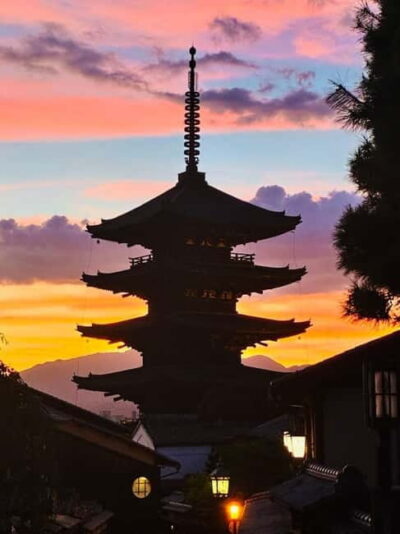
Kyoto Geisha Walking Tour: Gion District & Hidden Gems
Read our review →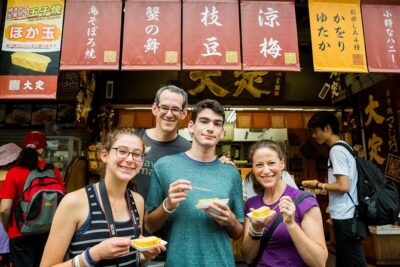
Tokyo Tsukiji Fish Market Food and Culture Walking Tour
Read our review →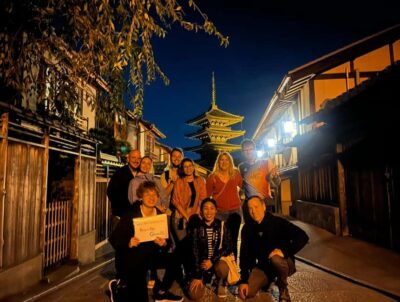
Gion Magical Night Walking Tour with Geisha Trivia
Read our review →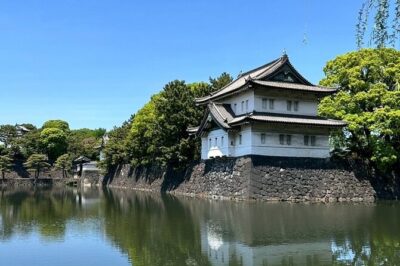
Imperial Palace and Shogun Historical Walking Tour
Read our review →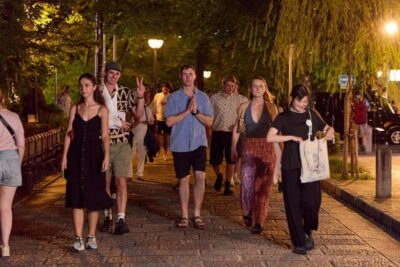
Gion Geisha District Walking Tour – Stories of Geisha
Read our review →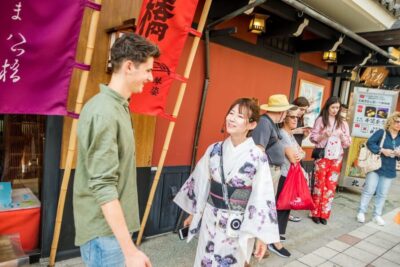
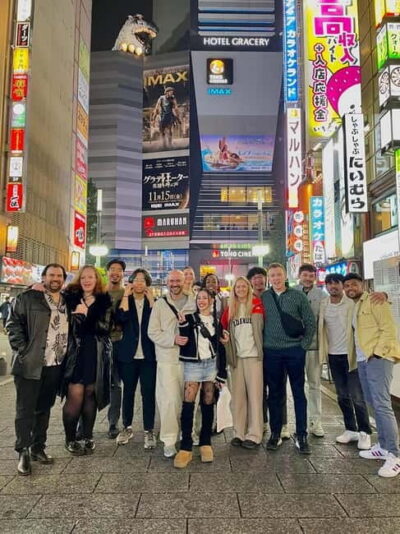
Shinjuku Local Bar and Izakaya Guided Walking Tour
Read our review →
Browse the lists this tour appears in