
Reviewed · KIMONO AND CULTURAL DRESS
Kyoto: Gion Evening Walk with Hidden Gems, Geisha & Sake
Kyoto looks different after sunset. This 90-minute walk through Gion combines lantern-lit streets and famous landmarks with simple stories about Geiko, Maiko, Shinto, and Buddhist traditions. I like the small group size, limited to 10 people, and I like the relaxed chance to ask a local guide where to eat or what to see next. The one drawback is the tight schedule: you cover several places quickly, and the tour is walking only.
I also like the included cup of local sake. It gives the evening a social feel without turning the outing into a formal tasting. The late timing can fit neatly after a full day of temples, though you must arrive promptly at the meeting point because the group may leave on time.
In This Review
- Five details that make this Gion walk useful
- Starting near Shijo Kiyamachi
- Hanamikoji Street and the evening face of Gion
- Yasui Kompira-gū and its unusual power stone
- Hōkan-ji Temple and Yasaka Pagoda after dark
- Ninenzaka’s wooden streets and gentle slopes
- Yasaka Shrine and the final stretch
- What the sake adds to the evening
- How much value do you get for $32?
- Who will enjoy this walk most?
- Practical advice before you book
- Should you book the Gion Evening Walk?
- FAQ
- How long does the Gion Evening Walk last?
- What language is the tour conducted in?
- How large is the group?
- Where does the tour begin?
- Where does the tour finish?
- Is sake included?
- What should I bring?
- Can I cancel the booking?
Five details that make this Gion walk useful
- A compact 90-minute route: You see Gion, Yasui Kompira-gū Shrine, Hōkan-ji Temple, Ninenzaka, and Yasaka Shrine in one evening.
- A small group of no more than 10: This makes it easier to hear the guide and ask personal questions.
- Sake included during the walk: The drink adds a local touch, but you are still expected to act responsibly and respectfully.
- Nighttime access to famous sights: Yasaka Pagoda and Ninenzaka can feel calmer and more atmospheric after dark.
- Photo help along the way: The guide can help frame pictures so you are not left guessing where to stand.
- A meeting point that requires care: Look for the Otatrip Guide sign between McDonald’s and Kikunoi Roan on Kiyamachi Street.
Starting near Shijo Kiyamachi
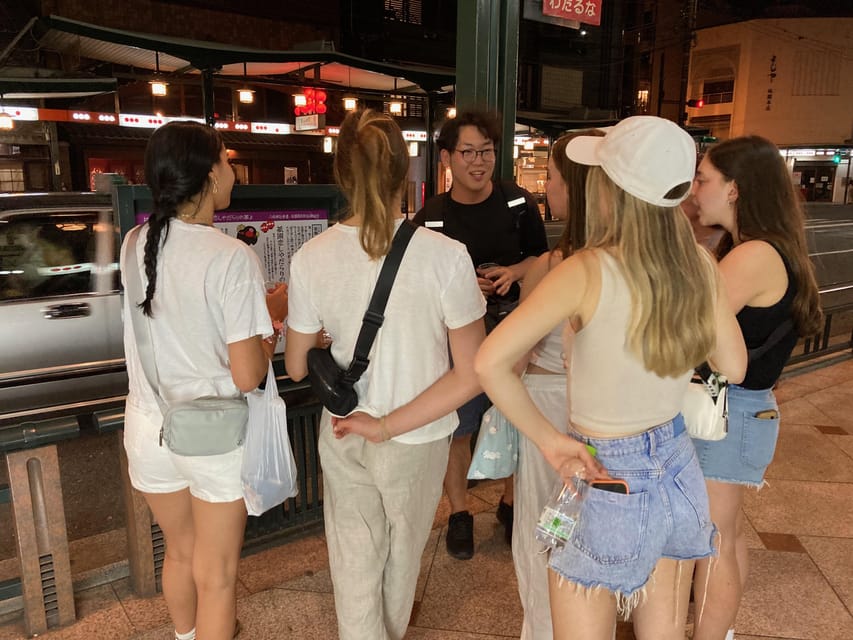
The tour begins at 90-3 Shinchō, at the Shijo Kiyamachi meeting point. Your guide holds an Otatrip Guide sign between McDonald’s and the Japanese restaurant Kikunoi Roan, a little south along Kiyamachi Street.
This is a useful place to begin because Kiyamachi is easy to reach and full of restaurants and evening activity. Still, give yourself time to find the exact spot. The instructions are specific, and the tour may depart promptly if someone is late.
The group is capped at 10 people, which is one of the strongest features of the experience. You are not being pushed through the streets in a large crowd. A small group also gives the guide room to answer questions about food, anime, local customs, or the difference between Geiko and Maiko.
The tour operates in English with a live guide. Guides named in the feedback include Shumpei and Nick, both praised for being friendly, funny, and helpful. The atmosphere seems more like an evening walk with a well-informed local than a formal classroom talk.
More Kimono Experiences in Kyoto
- [Kyoto & Nara Day Tour] Sagano Scenic Railway & Nara Park & Fushimi Inari Taisha Thousand Torii Gates & Togetsukyo Bridge & Bamboo Grove & Kimono Forest (Departing from Osaka)
★ 4.9 · 10,942 reviews - Kyoto Geisha Walking Tour: Gion District & Hidden Gems
★ 4.7 · 3,273 reviews - Kyoto: Gion Magical Night Walking Tour with Geisha Trivia
★ 4.9 · 2,393 reviews
Hanamikoji Street and the evening face of Gion
The first part of the walk takes you into Gion, Kyoto’s best-known Geisha district. Hanamikoji Street is lined with traditional wooden buildings and tea houses, giving you the classic Kyoto scene people hope to find.
At night, the district changes character. Daytime crowds thin out, lanterns soften the streets, and the wooden facades become more striking. You may also see Geiko or Maiko moving between appointments, although this is not something the tour can promise. One person specifically reported seeing two actual Geishas, but sightings depend on timing and luck.
This is also the part of the walk where good manners matter most. Gion is not a theme park. People live and work here, and some streets lead to private establishments. Keep your voice low, do not block entrances, and follow the guide’s advice about photography.
The guide explains Geiko and Maiko culture in plain English. That context matters because the clothing and makeup can be easy to misunderstand. You get a better sense of the work and tradition behind the public image, rather than simply treating the district as a backdrop for photographs.
Yasui Kompira-gū and its unusual power stone
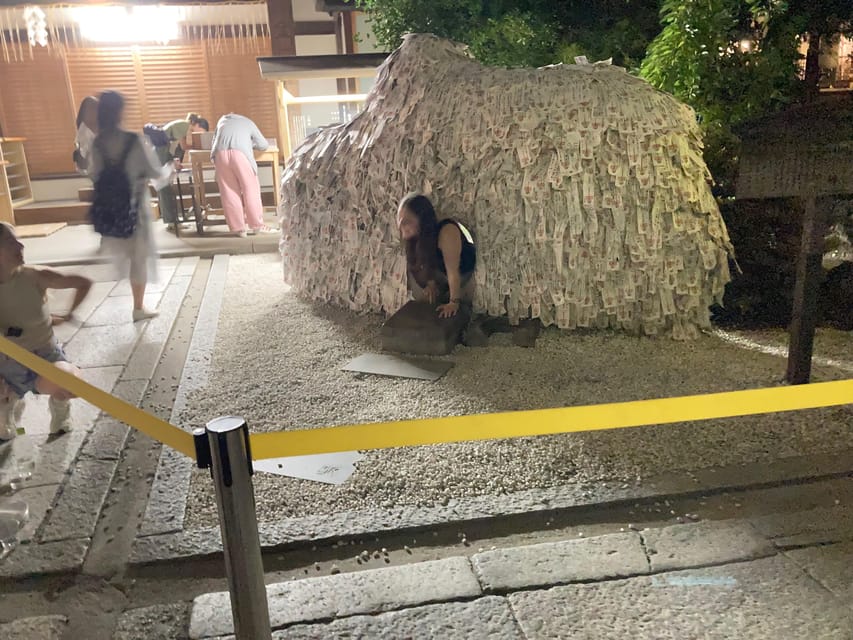
The next stop is Yasui Kompira-gū Shrine, visited for about 10 minutes. Its best-known feature is a large power stone covered with paper charms. People pass through an opening in the stone as part of a ritual connected with cutting bad ties and building good ones.
This stop gives the walk a more personal side. Instead of only looking at old buildings, you see how a living shrine fits into local practice. The guide can explain the meaning behind the ritual and the difference between everyday Shinto customs and the Buddhist settings you encounter nearby.
Ten minutes is enough for an introduction and photographs, but not for a long visit. If you want quiet time to study the shrine or take part in the ritual, you may need to return on your own. That is not a flaw in the tour so much as a result of trying to cover several major sights in a short evening.
Hōkan-ji Temple and Yasaka Pagoda after dark
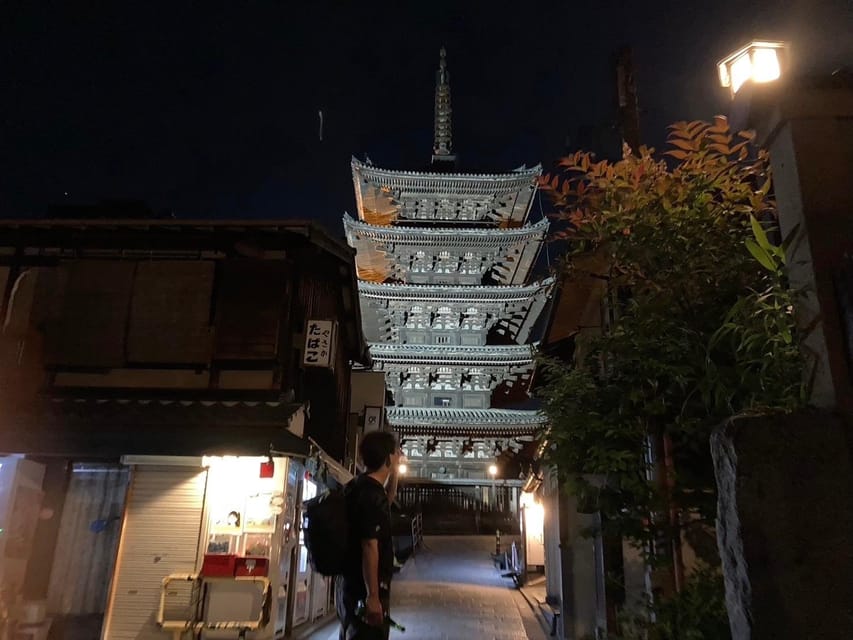
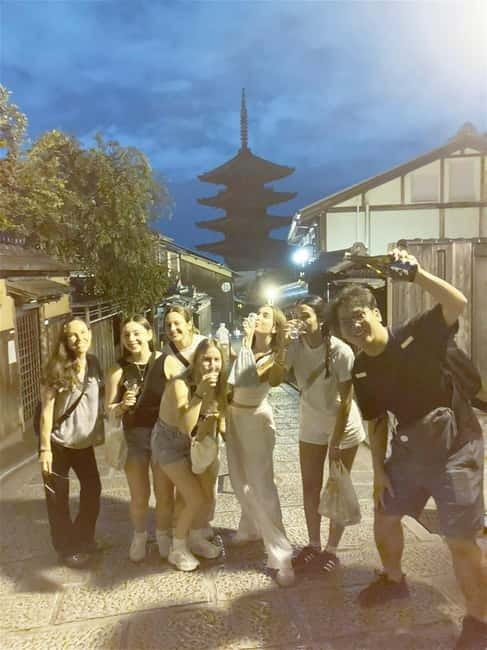
Hōkan-ji Temple is home to the five-story Yasaka Pagoda, one of Kyoto’s most recognizable views. The pagoda is especially photogenic at night, when lighting gives its timber structure a calm, dramatic presence.
This is one of the tour’s strongest photo stops. The guide provides photo assistance, so you can ask for help with framing or positioning instead of handing your phone to a stranger. The group spends about 10 minutes here, enough to appreciate the view and take pictures.
The benefit of coming after dark is clear: the area can be less crowded than during the day. The trade-off is that nighttime sightseeing gives you less detail in the surrounding buildings. You come for mood, shape, and atmosphere rather than a close look at every architectural feature.
The route includes steps, slopes, and uneven streets. Comfortable shoes are important. People with back problems may find the walk unsuitable, and the 90-minute duration should not be confused with a ride between stops. You are on foot for the whole experience.
A completely different kind of day out:
- PERFECT KYOTO 1-Day Bus Tour
★ 5.0 · 13,518 reviews - Kyoto: Fushimi Inari, Kinkakuji, Bamboo Grove 1 Day Bus Tour
★ 4.8 · 4,316 reviews - Kyoto: Tea Ceremony in a Traditional Tea House in Kiyomizu
★ 4.9 · 3,519 reviews - Kyoto: Gion Make Your Own Chopsticks with Engraving Option
★ 5.0 · 3,465 reviews
Ninenzaka’s wooden streets and gentle slopes
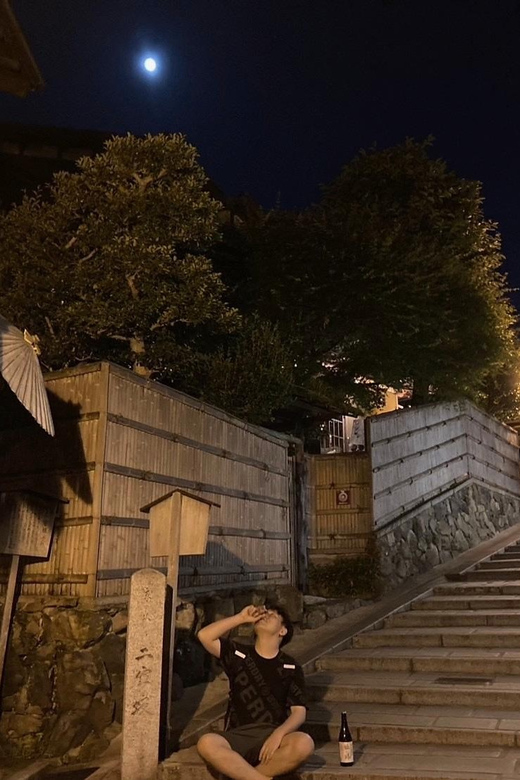
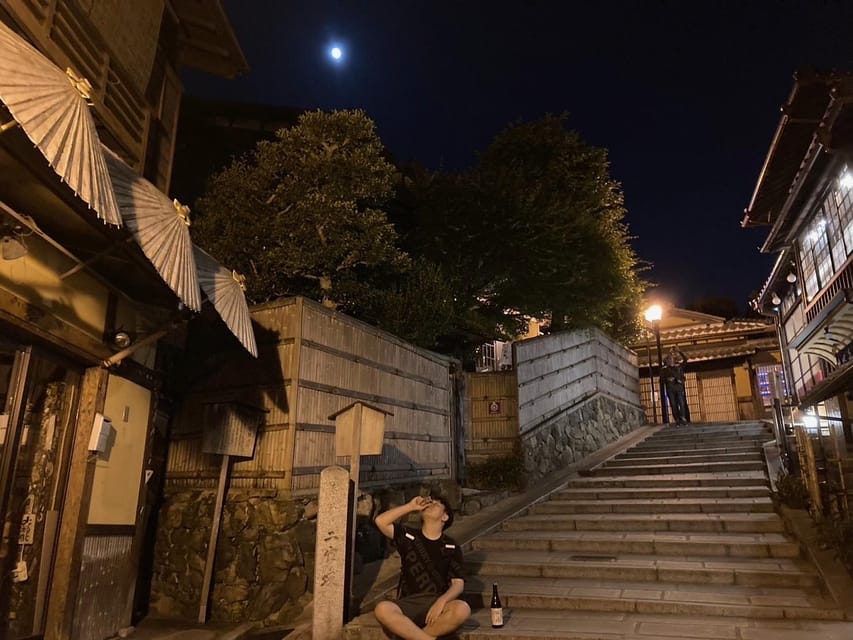
From the pagoda, the walk continues to Ninenzaka, a cobblestone slope lined with traditional wooden townhouses. In daylight, this is one of Kyoto’s busiest scenic streets. At night, it can feel more restrained, with lantern light and old facades creating a strong sense of place.
Ninenzaka is a good example of why timing changes a familiar attraction. You may find fewer people and more space for photographs, though the street is still a public place rather than a private photo set. Watch your footing on the slope, especially if you are carrying a drink.
The stop lasts about 10 minutes. That gives you time to take in the view and hear the guide’s explanation, but it is not a long shopping visit. Many shops may be closed in the evening, so book this walk for the atmosphere and local context, not for browsing stores.
Yasaka Shrine and the final stretch

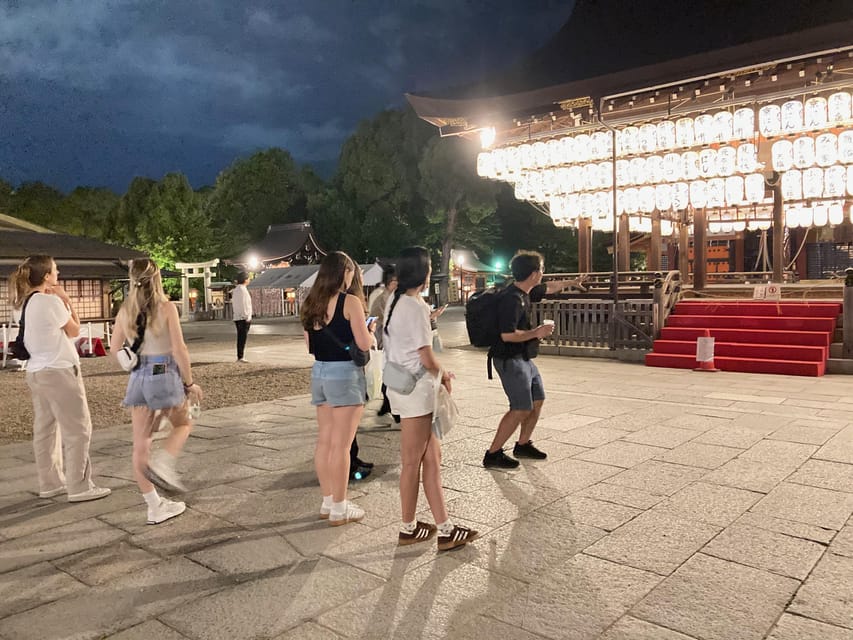
The walk finishes at Yasaka Shrine, a major spiritual landmark at the eastern end of Gion. The shrine has watched over the district for more than 1,300 years and provides a fitting end to the route.
Ending here is practical. You finish at a large, recognizable site rather than being left on a small side street. From there, you can continue exploring Gion, look for a meal, or make your own way back to your accommodation.
Because the route finishes at Yasaka Shrine, you should think of the tour as a guided introduction rather than a complete night in Gion. The guide gives you a framework. You can then decide which street or shrine deserves a longer return visit.
What the sake adds to the evening
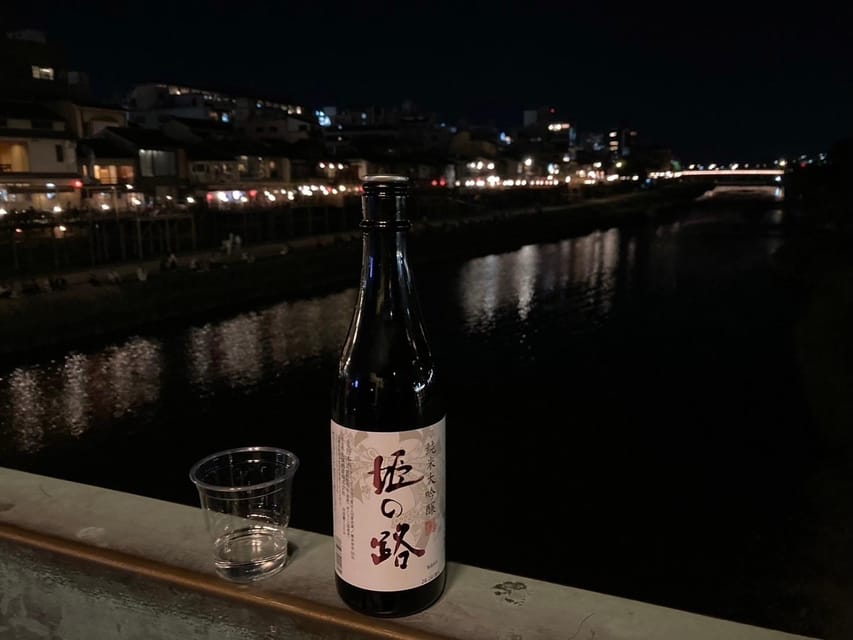
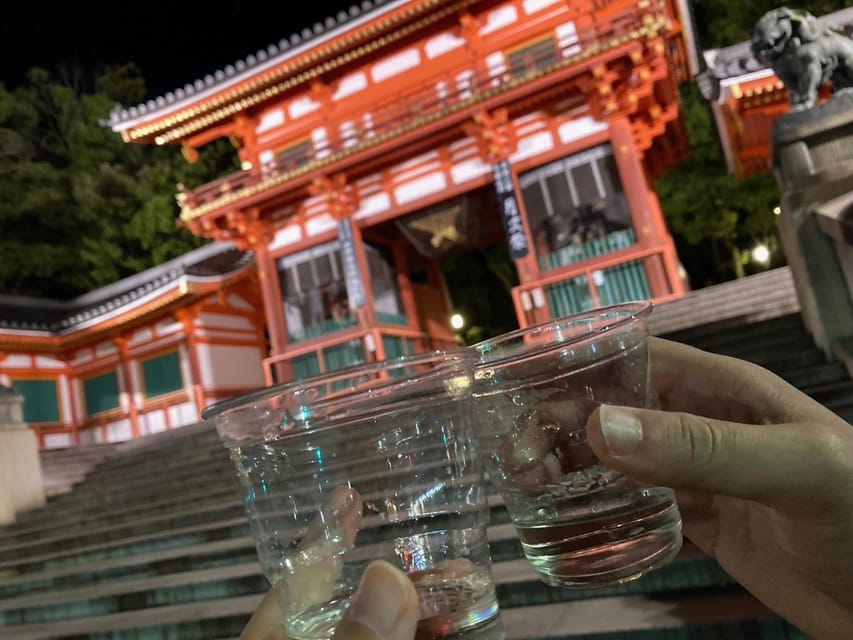
A cup of local sake is included, and the drink is served as you stroll. It is a small detail, but it helps break down the usual guide-and-audience arrangement. You have something to share while walking, and it creates a more relaxed setting for conversation.
Several people praised the sake, with one describing it as especially tasty and another noting that the guide was generous with it. The important point is to keep the alcohol in perspective. This is a sightseeing walk with sake, not a pub crawl or a full tasting session.
If you do not drink alcohol, the supplied information does not specify an alternative. You may want to check before booking if that matters to you. Smoking is not allowed, and respectful behavior is expected in residential and sacred areas.
How much value do you get for $32?
At $32 per person, this is fairly priced for a 90-minute guided walk in one of Kyoto’s most sought-after districts. You are paying for a live English-speaking guide, a small group, photo assistance, a planned route, and a cup of sake.
The value is strongest if you are visiting Gion for the first time. A local guide can explain what you are looking at and help you navigate streets that might feel intimidating at night. One person described being guided into places for food that they would not have felt comfortable entering alone. That kind of local help can be worth more than the drink itself.
The value is less clear if you already know Gion well or prefer to move slowly. You can visit the streets and shrines independently, and the 90-minute schedule means you will not linger long at each stop. You are buying conversation and context, not exclusive entry or an extensive temple tour.
The tour currently carries a 5 out of 5 rating from 41 reviews. The most repeated praise centers on the guides’ friendliness, humor, patience, and ability to answer varied questions. That consistency matters because the guide is the main part of the experience.
Who will enjoy this walk most?
I would recommend it to first-time Kyoto visitors who want an easy introduction to Gion after a full day of sightseeing. The route covers several major sights without requiring you to plan the order or study a map.
It also suits solo visitors and couples who want company for an evening walk. The small group format makes it easier to meet people, and one person even ended up with a private tour when others had chosen an earlier time slot.
You will probably enjoy it if you want:
- An informal introduction to Geiko and Maiko culture
- Night photographs of Yasaka Pagoda and Ninenzaka
- A local guide rather than a recorded commentary
- A short activity that fits around dinner
- Suggestions about food and further sightseeing
- A social walk with a modest sake experience
I would be more cautious if you have back problems, dislike walking on slopes or cobblestones, or want extended time inside temples and shrines. The experience also requires punctuality. Arrive late, and the group may already be moving.
Rain does not necessarily ruin the walk. One evening took place in rainy weather, which made the streets especially quiet and atmospheric. Still, you should be prepared for outdoor conditions, since the entire activity takes place on foot.
Practical advice before you book
Wear comfortable shoes with good grip. The route includes slopes and old streets, and a stylish but uncomfortable pair will become a nuisance quickly.
Allow extra time to locate the meeting point at Shijo Kiyamachi. Look for the Otatrip Guide sign between McDonald’s and Kikunoi Roan, a little south along Kiyamachi Street. Do not assume the guide will be able to wait.
Keep your expectations realistic about Geiko and Maiko sightings. The walk explains their traditions, but an encounter depends on chance and timing. Never follow, touch, or photograph people without permission.
Bring a phone or camera if you want the guide’s photo help. The included assistance is useful at key locations, but it does not turn the walk into a professional photography session.
You can cancel for a full refund up to 24 hours in advance, and the reserve-now, pay-later option keeps your plans flexible. Starting times vary, so check availability when choosing your date.
Should you book the Gion Evening Walk?
Book it if you want a friendly, compact introduction to Gion with night scenery, local stories, and a little sake. The strongest reasons are the small group, the easy conversation with the guide, and the chance to see Yasaka Pagoda and Ninenzaka when the streets are quieter.
Skip it if you prefer independent wandering, need a slower pace, or want substantial time inside religious sites. For most first-time visitors, though, $32 is a sensible price for getting your bearings, learning how to behave respectfully in Gion, and seeing several of Kyoto’s best-known evening sights without handling the route yourself.
FAQ
How long does the Gion Evening Walk last?
The tour lasts 90 minutes, with the walking portion listed as approximately 70 to 90 minutes.
What language is the tour conducted in?
The tour is conducted in English with a live guide.
How large is the group?
The group is limited to a maximum of 10 participants.
Where does the tour begin?
It begins at the Shijo Kiyamachi meeting point, near 90-3 Shinchō. Look for a guide holding an Otatrip Guide sign between McDonald’s and Kikunoi Roan on Kiyamachi Street.
Where does the tour finish?
The walk finishes at Yasaka Shrine, written as 八坂神社 at the ending point.
Is sake included?
Yes. A cup of local sake is included for you to enjoy during the walk.
What should I bring?
Bring comfortable shoes because the experience is entirely on foot and includes slopes and cobblestone streets.
Can I cancel the booking?
Yes. You can cancel up to 24 hours before the activity for a full refund. You can also reserve now and pay later.
Just added in Kyoto
- The “Golden Route” and Ancient Japan by DIAMIR Erlebnisreisen – 14-Day Tour★ 2.0 · 2 reviews
- Japan: Castles & Cuisine by G Adventures – 6-Day Kyoto to Osaka Tour★ 4.5 · 4 reviews
- Cycle Japan by Explore! – 13-Day Kyoto to Tokyo Tour★ 4.7 · 12 reviews
- Cycle Japan by Intrepid Travel – 11-Day Kyoto to Tokyo Tour★ 4.8 · 2 reviews
- Classic Japan by Intrepid Travel – 11-Day Kyoto to Tokyo Tour★ 4.4 · 14 reviews
- Ancient & Modern Japan 14-Day Tour by Exodus Adventure Travels★ 4.4 · 40 reviews
- 5 Day Cultural Adventure of Kyoto, Nara & Osaka by Tourist Journey★ 2.5 · 2 reviews
- 12 Days Kinosaki Onsen Escape: A Journey Through Japan’s Timeless Towns by UME Travel★ 4.8 · 5 reviews
Kimono and Cultural Dress, compared.
![[Kyoto & Nara Day Tour] Sagano Scenic Railway & Nara Park & Fushimi Inari Taisha Thousand Torii Gates & Togetsukyo Bridge & Bamboo Grove & Kimono Forest (Departing from Osaka)](https://media.japanvisits.com/wp-content/uploads/kyoto-nara-day-tour-sagano-scenic-railway-nara-park-fushimi-inari-taisha-thousand-torii-gates-togetsukyo-bridge-bamboo-grove-kimono-forest-departing-from-osaka-k110001-400x257.jpg)

Tokyo Asakusa Kimono&Yukata Rental at Kimono Miyabi Asakusa Station
Read our review →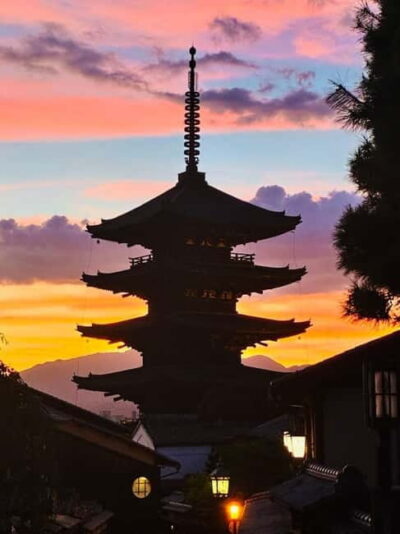
Kyoto Geisha Walking Tour: Gion District & Hidden Gems
Read our review →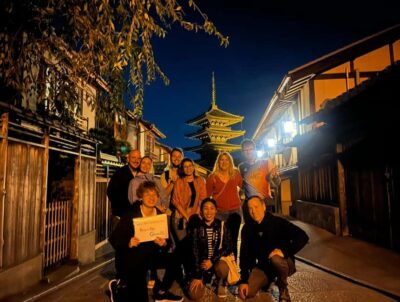
Gion Magical Night Walking Tour with Geisha Trivia
Read our review →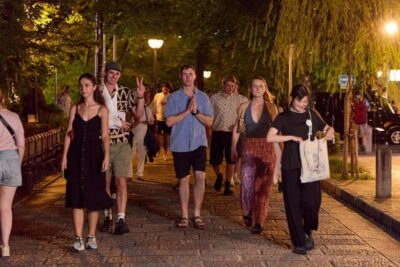
Gion Geisha District Walking Tour – Stories of Geisha
Read our review →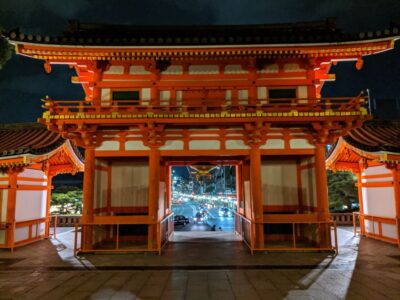
Best of Kyoto: Gion, Geisha, Pagodas & Cobblestones
Read our review →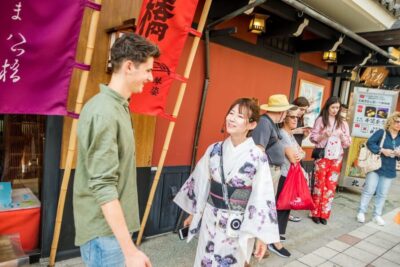
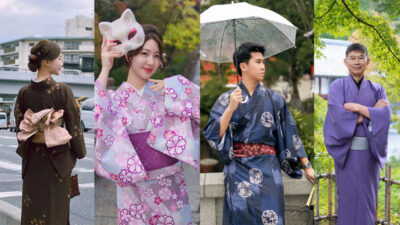
Kyoto Kimono Rental Experience (Optional Exquisite Hair Styling/Japanese Makeup/Photography) (Ookini Kiyomizu-dera Main Store)
Read our review →Browse the lists this tour appears in