
Reviewed · KIMONO AND CULTURAL DRESS
Kyoto: Gion Hidden Gems & Geisha Culture Tour
Gion reveals itself after sunset. This two-hour walk takes you from the willow-lined Shirakawa Canal through quiet lanes, old wooden townhouses, shrines, Ninenzaka, Hōkan-ji, and Hanamikoji Street, where you learn how geisha culture still shapes Kyoto. I especially like the small backstreet stops and the chance to hear practical restaurant suggestions from guides such as Dan, Uta, Mai, Takumi, and Wajid. The main drawback is the brisk pace: fitting this much into two hours means plenty of walking and limited time at each stop.
I also like the evening timing. Several start times are available, and late tours can feel calmer once many day visitors have gone. You may spot a geisha or maiko heading to an engagement, but that is luck, not a promise. Bring good shoes, water, and rain protection, since the walk goes ahead in wet weather.
In This Review
- The essential details at a glance
- Starting at Shijo Ohashi and Gion Shirakawa
- Tatsumi-jinja Shrine and the quieter side of Gion
- Yasaka Shrine and the 1,000-year-old setting
- Ninenzaka, Hōkan-ji, and Kyoto’s old wooden streets
- Yasui Kompira-gu and the meaning behind the visit
- Hanamikoji Street and the world of geiko and maiko
- Why the guides make the $23 worthwhile
- Evening timing, weather, and walking demands
- What you will not get
- Who should book this Gion walk?
- Final verdict: a smart, low-cost introduction to Gion
- FAQ
- How long is the Kyoto Gion Hidden Gems and Geisha Culture Tour?
- How much does the tour cost?
- What language is the tour conducted in?
- Where is the meeting point?
- Is a geisha sighting guaranteed?
- What places does the tour visit?
- What should I bring?
- Can I take photographs?
- Does the tour operate in the rain?
- Is the tour suitable for wheelchair users?
The essential details at a glance
- Price: $23 per person, a low-cost way to get an introduction to Gion with an English-speaking local guide.
- Length: Two hours, with a brisk walking pace and several outdoor photo stops.
- Best feature: A route that combines famous sights with quieter lanes you might miss on your own.
- Cultural focus: Geisha training, dances, kimono craftsmanship, traditional hairstyles, shrines, and old Kyoto architecture.
- Meeting point: McDonald’s Shijo Ohashi, 105-1 Hashimoto-cho, Shimogyo-ku, Kyoto-shi.
- Important limitation: The tour is not suitable for wheelchair users or people with mobility impairments.
Starting at Shijo Ohashi and Gion Shirakawa
Meet beside the McDonald’s Shijo Ohashi store, rather than directly in front, since the entrance area can get crowded. A guide holds a Local Guide Stars sign. This is a useful detail because the location sits in a busy part of Kyoto, and a quick look around for the sign should save you from circling the block.
From there, the walk heads toward Gion Shirakawa. The Shirakawa Canal is one of Kyoto’s most attractive introductions to the district, with willow trees, stone paths, traditional tea houses, and water running beside the route. It has a softer, quieter feel than the main shopping streets.
This first section is mainly about atmosphere and orientation. You get your first photos, hear about the district, and begin to understand how Gion’s older buildings fit into modern Kyoto. The canal is scenic, but it can also be busy at popular times, so an evening departure may make the walk more pleasant.
More Kimono Experiences in Kyoto
- [Kyoto & Nara Day Tour] Sagano Scenic Railway & Nara Park & Fushimi Inari Taisha Thousand Torii Gates & Togetsukyo Bridge & Bamboo Grove & Kimono Forest (Departing from Osaka)
★ 4.9 · 10,942 reviews - Kyoto Geisha Walking Tour: Gion District & Hidden Gems
★ 4.7 · 3,273 reviews - Kyoto: Gion Magical Night Walking Tour with Geisha Trivia
★ 4.9 · 2,393 reviews
Tatsumi-jinja Shrine and the quieter side of Gion
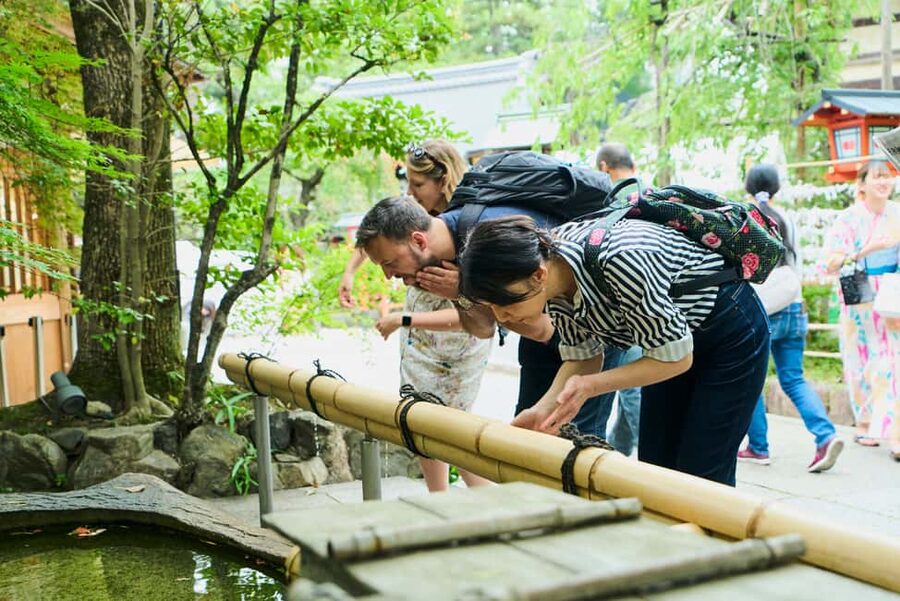
Tatsumi-jinja Shrine provides one of the tour’s smaller, more intimate stops. Rather than treating Gion as one large sightseeing zone, the guide brings you into side streets and points out places that are easy to pass without understanding their importance.
This is where the English-speaking guide adds real value. You can ask about Japanese terms, local customs, and the difference between the buildings and districts you are seeing. Tom specifically received praise for explaining Japanese words clearly, while Kenta was appreciated for answering broader questions about Japanese history and geisha culture.
Do not expect a long formal visit at every shrine. The schedule is tight, so the guide must keep the group moving. That tradeoff works well if you want an overview, but less so if you prefer to sit quietly at each site or take many photographs.
Yasaka Shrine and the 1,000-year-old setting
Yasaka Shrine is one of the larger and more important stops on the route. The tour describes it as a 1,000-year-old shrine, giving you a strong sense of how long religious and cultural traditions have shaped this part of Kyoto.
The visit is more than a quick photo stop. Your guide explains the site while pointing out details along the way, then connects the shrine to the surrounding streets and Gion’s traditional culture. I find this kind of explanation especially useful in Kyoto, where a gate, lantern, or small shrine can seem decorative until someone tells you what you are seeing.
The shrine section can feel more public and open than the narrow lanes that follow. If you join during a busy period, you will need to stay close to the guide and be patient around other people. Guides such as Nicolas have been praised for steering groups through crowded areas, which matters here.
Ninenzaka, Hōkan-ji, and Kyoto’s old wooden streets
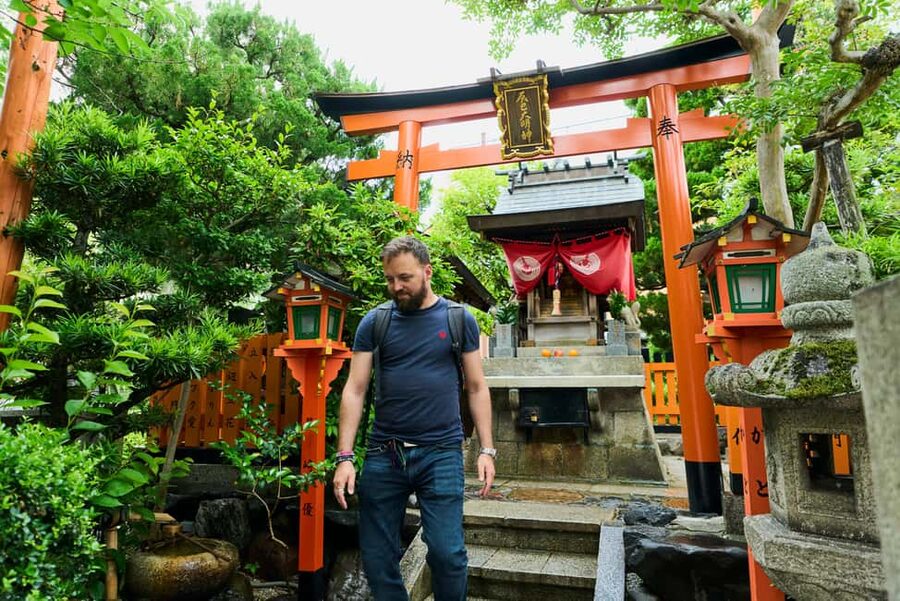
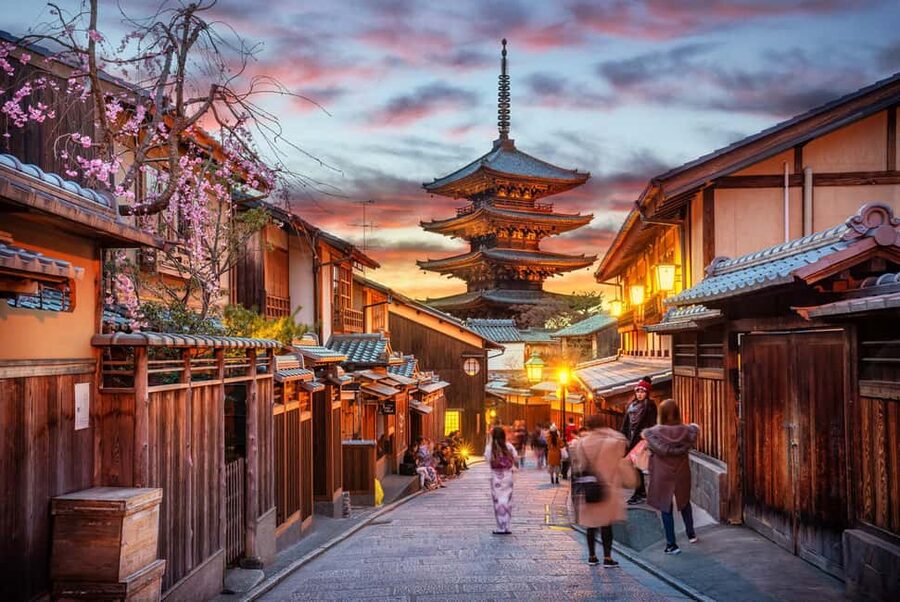
The route continues toward Ninenzaka and Hōkan-ji Temple. This is one of the most photogenic parts of the walk, with sloping lanes, traditional buildings, and the familiar five-story Yasaka Pagoda associated with Hōkan-ji.
You will also pass Edo-period wooden townhouses. These buildings help explain why Gion feels different from an ordinary modern city street. Their narrow fronts and wooden facades give the district its old Kyoto character, even when the surrounding area is full of shops and people.
Ninenzaka is beautiful, but it is not always quiet. The tour’s appeal is that it does not stay only on the famous lane. Your guide also leads you through less obvious streets, giving you a better mix of well-known views and calmer corners.
The timing matters here. You are moving through several notable places rather than stopping for a full temple visit. If your main goal is detailed temple architecture or extended photography, book extra time to return independently. If you want the story behind the streets and a clear route through the area, the guided pace is more useful.
A completely different kind of day out:
- PERFECT KYOTO 1-Day Bus Tour
★ 5.0 · 13,518 reviews - Kyoto: Fushimi Inari, Kinkakuji, Bamboo Grove 1 Day Bus Tour
★ 4.8 · 4,316 reviews - Kyoto: Tea Ceremony in a Traditional Tea House in Kiyomizu
★ 4.9 · 3,519 reviews - Kyoto: Gion Make Your Own Chopsticks with Engraving Option
★ 5.0 · 3,465 reviews
Yasui Kompira-gu and the meaning behind the visit
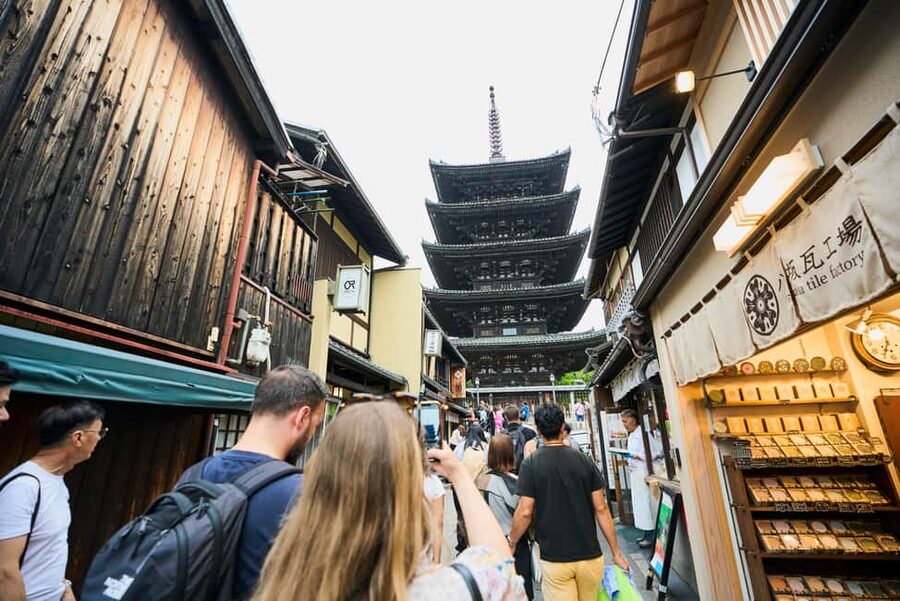
Yasui Kompira-gu Shrine is another dedicated visit. The stop adds variety because the tour is not simply a walk past grand buildings. You get another chance to learn how Kyoto’s shrines function as part of everyday culture.
The provided route does not promise a ceremony or special ritual, so it is best to think of this as a guided cultural stop, not a scheduled religious event. Photography is allowed, but flash photography is not permitted inside temples. Follow your guide’s instructions and avoid turning a quiet sacred space into a photo studio.
This is also a good place to ask questions. The strongest guide comments consistently focus on clear explanations, patience, and the ability to make room for questions. Sarah particularly valued a guide who waited until everyone caught up before beginning the next explanation. That simple habit can make a big difference on a walking tour.
Hanamikoji Street and the world of geiko and maiko
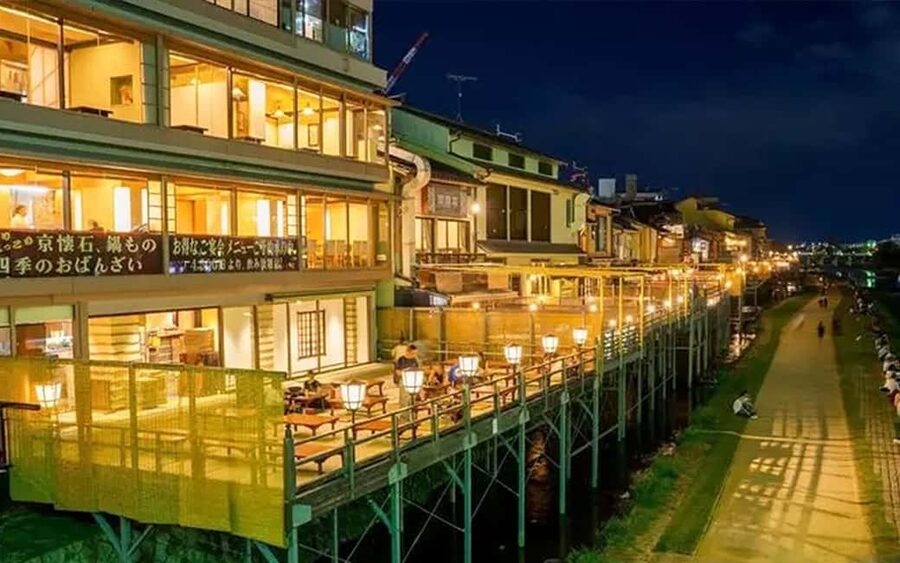
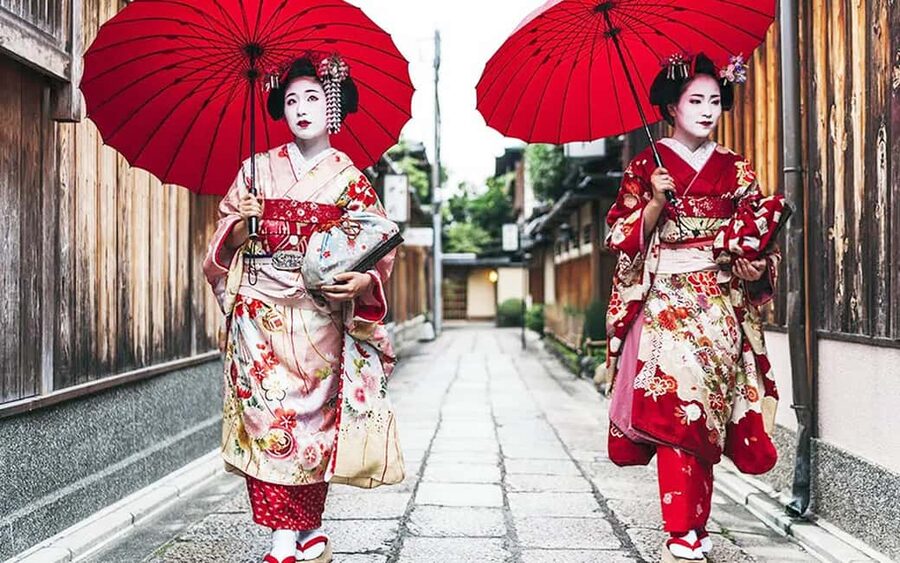
The tour ends on Hanamikoji-dori, the best-known street in Gion’s geisha district. Here, the guide explains the demanding training of geisha, often called geiko in Kyoto, and the role of maiko, the younger apprentices.
You learn about graceful dances, traditional performance, kimono craftsmanship, and the careful work behind geisha hairstyles. This gives useful context to the occasional glimpse of a woman in formal dress moving through Gion. Without an explanation, it is easy to focus only on the costume. With one, you begin to understand the discipline and artistry behind the appearance.
A geisha sighting is possible, especially during an evening tour, but it cannot be guaranteed. Several people did see geisha or maiko, including one person who saw both. Treat that as a fortunate extra, not the measure of the tour’s success.
Please be respectful if you do see one. The walk is meant to explain Gion’s culture, not turn working performers into public attractions. Listen to your guide about photography and keep your distance.
Hanamikoji is a fitting endpoint because you finish with a better idea of what the district represents. You can then continue to dinner, and guides including Dan and Scherp have offered restaurant recommendations that helped people decide where to eat afterward.
Why the guides make the $23 worthwhile
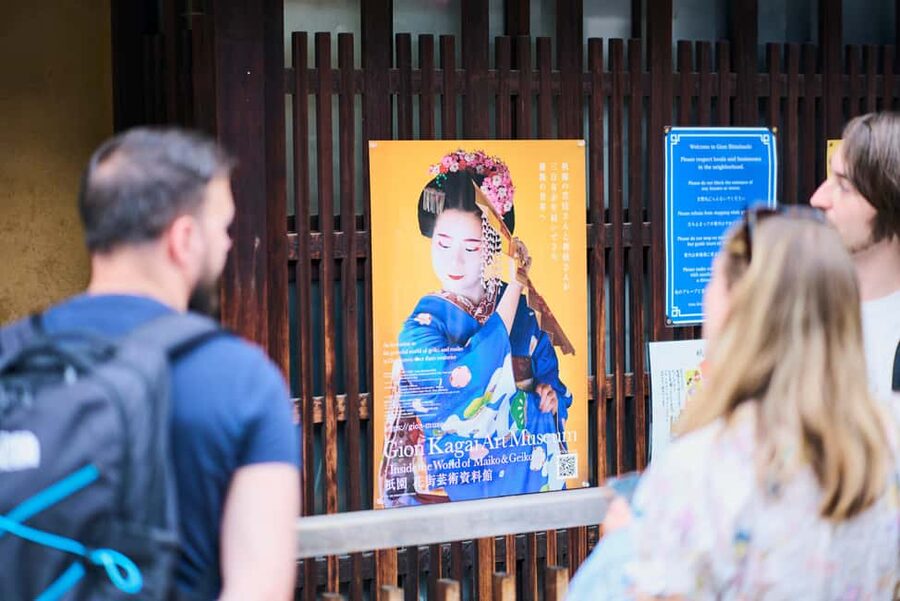
At $23, this is inexpensive for a two-hour guided walk in one of Kyoto’s most sought-after districts. You are not paying for admission to a major attraction or a formal geisha performance. You are paying for route planning, local explanation, and the chance to understand places that can otherwise blur together.
The value rises if this is your first visit to Kyoto. An English-speaking guide can explain the meaning of Japanese words, connect the shrines to the district, and point out details you might walk past. It also saves you from spending your first evening trying to work out how Shirakawa, Yasaka Shrine, Ninenzaka, Hōkan-ji, and Hanamikoji fit together.
The guide quality is important, and the named guides have made a strong impression in the feedback: Uta was praised for warmth and storytelling, Mai for making the walk fun and informative, Alex for bringing Gion’s history to life, and Takumi for keeping even a large group engaged.
There is some variation in any tour led by different guides, but the recurring strengths are clear: good English, friendly delivery, cultural explanations, and useful answers to questions. Restaurant recommendations are a nice bonus, especially if you schedule the tour before dinner.
Evening timing, weather, and walking demands
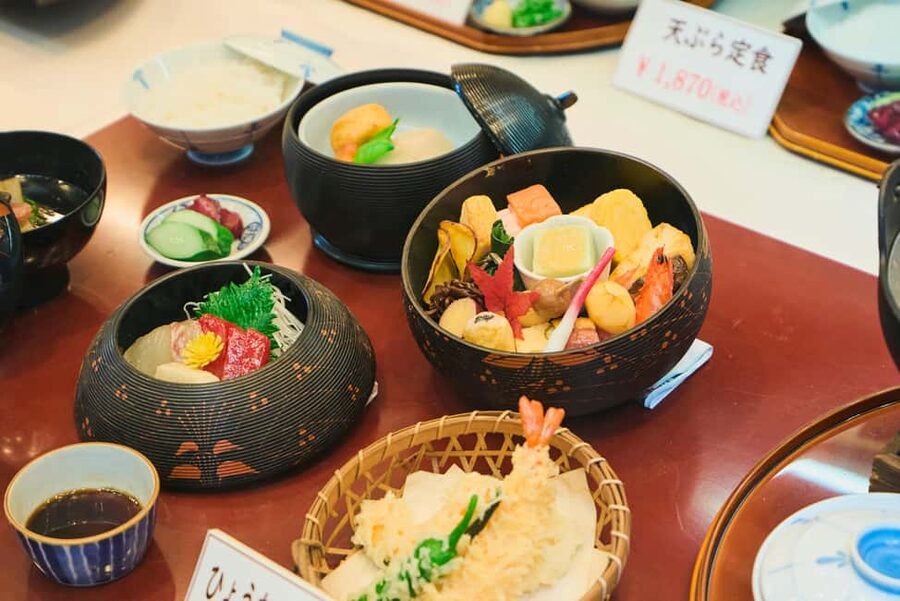
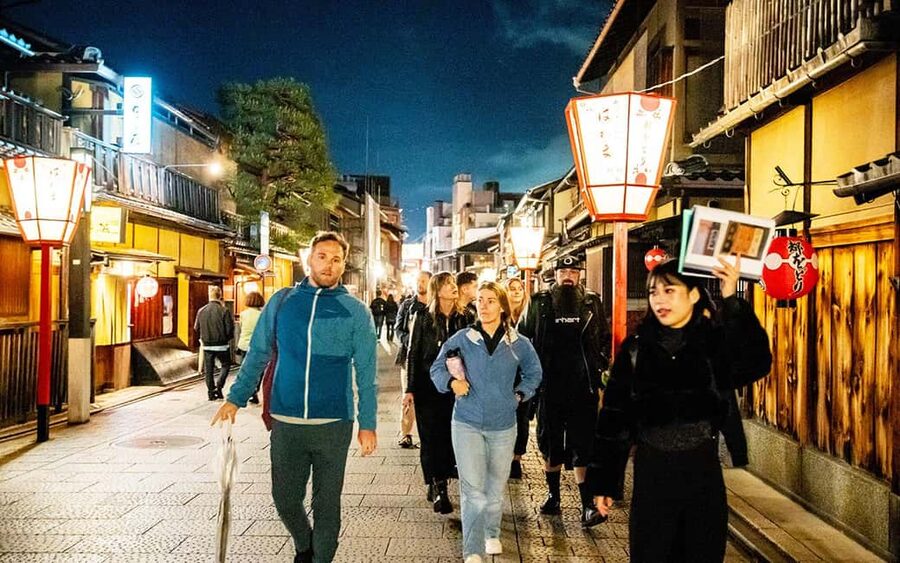
The tour can work well at night. Gion takes on a more mysterious mood after dark, and several people preferred late departures because the streets were less crowded. The exact atmosphere will depend on the starting time, season, and weather.
Rain does not cancel the walk. You should bring an umbrella or raincoat, and sunscreen is still sensible during daylight departures. One person found bad weather affected the experience, so do not underestimate how much rain can change a walking tour.
Comfortable shoes are essential. You will walk on paved streets, stone paths, slopes, and busy public lanes. The route covers a lot in two hours, and one guide’s pace was described as quick, though necessary to reach all the stops. If you need frequent rests, have difficulty with uneven ground, or use a wheelchair, this is not the right choice.
Families can enjoy it if children are comfortable walking and listening. One guide was especially good with children aged eight and ten, but every child reacts differently to a history-focused walk. The geisha subject may hold older children’s attention more than shrine details.
What you will not get
This is not a private tour, a ticketed geisha performance, or a guaranteed geisha encounter. It is also not an in-depth visit inside every shrine and temple on the route.
The two-hour schedule requires compromises. You see many places, but most stops are brief. That is useful for orientation, yet you may wish for more time at Shirakawa, Yasaka Shrine, or Hōkan-ji if you enjoy photography or quiet observation.
The tour also does not include food, drinks, entrance tickets, or transportation. The listed inclusion is an English-speaking local guide. At this price, that is reasonable, but plan separately for dinner and any attractions you want to visit after the walk.
Who should book this Gion walk?
I would recommend it to first-time Kyoto visitors who want a clear introduction to Gion without spending a large amount of money. It is also a good first-day activity because the guide can help you get your bearings and offer ideas for restaurants and later sightseeing.
Book it if you like:
- Cultural explanation rather than simple sightseeing
- Traditional streets and wooden townhouses
- Evening walks
- Questions answered in clear English
- A mix of famous sights and quieter lanes
- A brisk route that covers a lot of ground
Think twice if you want a slow photographic walk, a private guide, a guaranteed geisha sighting, or a fully accessible route. People with mobility impairments and wheelchair users should choose another activity.
Free cancellation up to 24 hours before the start and the reserve-now, pay-later option make it easier to fit into a changing Kyoto schedule. Check the available start times before booking, especially if you want the quieter evening atmosphere.
Final verdict: a smart, low-cost introduction to Gion
I would book this tour for a first visit, particularly at an evening start time. For $23, you get a well-planned route, cultural background, and direct help making sense of Gion’s shrines, lanes, townhouses, and geisha traditions.
The best reason to go is not simply the possibility of seeing a geisha. It is the chance to look at Gion with more understanding. Wear good shoes, expect a quick pace, respect the district’s working culture, and treat any geisha sighting as a bonus. If that sounds like your kind of Kyoto evening, this is a very good value.
FAQ
How long is the Kyoto Gion Hidden Gems and Geisha Culture Tour?
The tour lasts two hours.
How much does the tour cost?
The price is $23 per person.
What language is the tour conducted in?
The tour is conducted in English by a live local guide.
Where is the meeting point?
Meet beside the McDonald’s Shijo Ohashi store at 105-1 Hashimoto-cho, Shimogyo-ku, Kyoto-shi, Kyoto. Look for a guide holding a Local Guide Stars sign.
Is a geisha sighting guaranteed?
No. You may see a geisha or maiko on the way to an evening engagement, but sightings are not guaranteed.
What places does the tour visit?
The route includes Gion Shirakawa and the Shirakawa Canal, Tatsumi-jinja Shrine, Yasaka Shrine, Ninenzaka, Hōkan-ji Temple, Yasui Kompira-gu Shrine, and Hanamikoji-dori.
What should I bring?
Bring comfortable walking shoes, water, and sunscreen. For rainy weather, bring an umbrella or raincoat.
Can I take photographs?
Photography is allowed, but flash photography is not permitted inside temples.
Does the tour operate in the rain?
Yes. The tour takes place in rainy weather, so bring suitable rain protection.
Is the tour suitable for wheelchair users?
No. The tour is not suitable for wheelchair users or people with mobility impairments.
Just added in Kyoto
- The “Golden Route” and Ancient Japan by DIAMIR Erlebnisreisen – 14-Day Tour★ 2.0 · 2 reviews
- Japan: Castles & Cuisine by G Adventures – 6-Day Kyoto to Osaka Tour★ 4.5 · 4 reviews
- Cycle Japan by Explore! – 13-Day Kyoto to Tokyo Tour★ 4.7 · 12 reviews
- Cycle Japan by Intrepid Travel – 11-Day Kyoto to Tokyo Tour★ 4.8 · 2 reviews
- Classic Japan by Intrepid Travel – 11-Day Kyoto to Tokyo Tour★ 4.4 · 14 reviews
- Ancient & Modern Japan 14-Day Tour by Exodus Adventure Travels★ 4.4 · 40 reviews
- 5 Day Cultural Adventure of Kyoto, Nara & Osaka by Tourist Journey★ 2.5 · 2 reviews
- 12 Days Kinosaki Onsen Escape: A Journey Through Japan’s Timeless Towns by UME Travel★ 4.8 · 5 reviews
Kimono and Cultural Dress, compared.
![[Kyoto & Nara Day Tour] Sagano Scenic Railway & Nara Park & Fushimi Inari Taisha Thousand Torii Gates & Togetsukyo Bridge & Bamboo Grove & Kimono Forest (Departing from Osaka)](https://media.japanvisits.com/wp-content/uploads/kyoto-nara-day-tour-sagano-scenic-railway-nara-park-fushimi-inari-taisha-thousand-torii-gates-togetsukyo-bridge-bamboo-grove-kimono-forest-departing-from-osaka-k110001-400x257.jpg)

Tokyo Asakusa Kimono&Yukata Rental at Kimono Miyabi Asakusa Station
Read our review →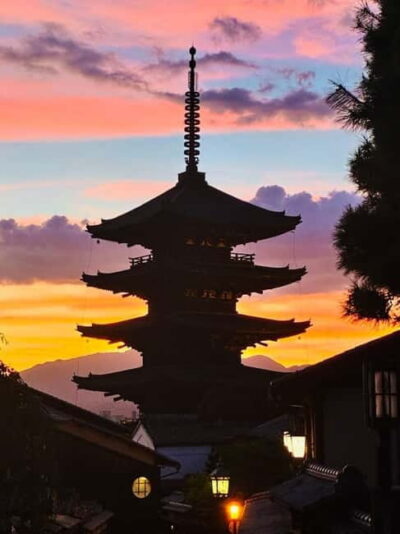
Kyoto Geisha Walking Tour: Gion District & Hidden Gems
Read our review →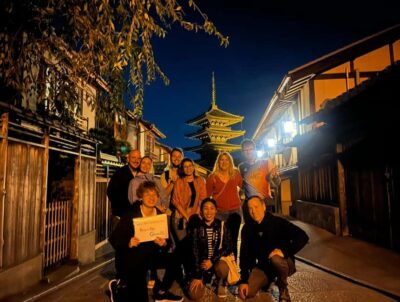
Gion Magical Night Walking Tour with Geisha Trivia
Read our review →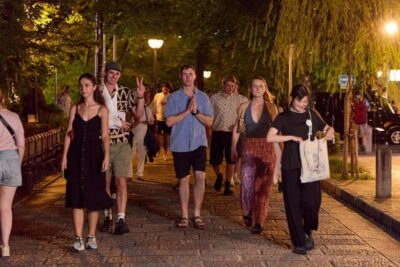
Gion Geisha District Walking Tour – Stories of Geisha
Read our review →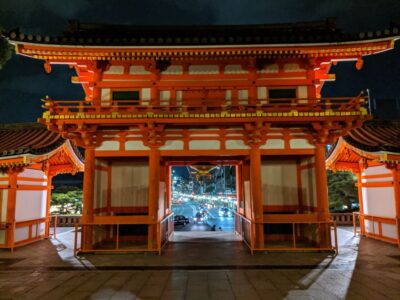
Best of Kyoto: Gion, Geisha, Pagodas & Cobblestones
Read our review →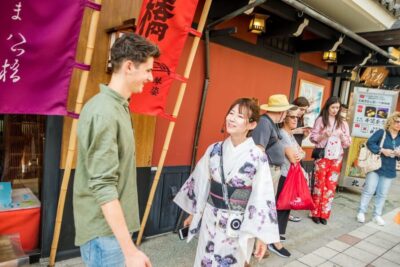
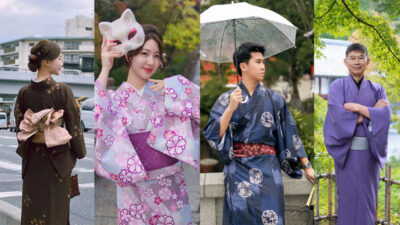
Kyoto Kimono Rental Experience (Optional Exquisite Hair Styling/Japanese Makeup/Photography) (Ookini Kiyomizu-dera Main Store)
Read our review →Browse the lists this tour appears in