
Reviewed · KIMONO AND CULTURAL DRESS
Kyoto Portrait Tour with Kimono
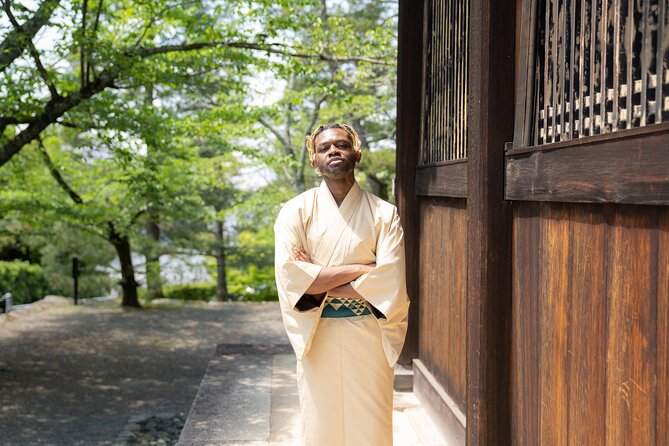
Kyoto looks best in a kimono. This 90-minute portrait walk pairs professionally edited photos with a gentle stroll through Yasaka Shrine, Maruyama Park, Chion-in, and Gion’s old lanes. I like the small group limit of six, and I like that you can choose a morning or afternoon session for softer light or a livelier street scene. The main catch is simple: kimono rental is not included, so you must arrange that separately.
You finish at Yasaka Pagoda after moving through several of Kyoto’s most photogenic streets. Guides such as Yuta, Takuma, Mina, Soma, Cocoro, and Andy Yu Lei have been praised for patient posing help, local tips, and making first-time photo subjects feel relaxed. Allow extra time before the tour for dressing, and remember that this is a walking photo session, not a full temple admission tour.
In This Review
- Key points to know before booking
- What this Kyoto kimono photo walk is really like
- Yasaka Shrine gives you a traditional opening
- Maruyama Park adds space and seasonal color
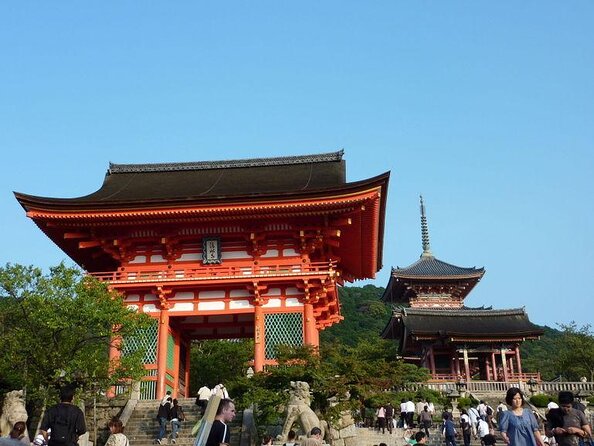
- Chion-in’s Sanmon Gate supplies the grand backdrop
- Ishibe Alley feels more intimate
- Nene-no-Michi slows the pace
- Yasaka Pagoda is the final frame
- Your photographer matters as much as the route
- The kimono question needs careful planning
- Is $85.87 a good value?
- Who should book this experience?
- Practical details that affect your day
- My recommendation: book it for photos, not temple touring
- FAQ
- How long does the Kyoto Portrait Tour with Kimono last?
- Is the kimono included in the price?
- How much does the tour cost?
- How many people can join the tour?
- Does the tour include edited photographs?
- Can I choose a morning or afternoon session?
- Where does the tour start?
- Where does the tour end?
- Which places does the route visit?
- Can I cancel for a full refund?
Key points to know before booking
- Six-person maximum: A small group gives you more time in front of the camera than a large sightseeing tour.
- Kimono rental is separate: You may choose a rental shop, style, and accessories yourself, but the tour price does not cover the outfit.
- A useful Gion route: The walk connects Yasaka Shrine, Maruyama Park, Chion-in, Ishibe Alley, Nene-no-Michi, and Yasaka Pagoda.
- Morning or afternoon timing: You can pick the light and schedule that suit your day.
- Photographer-led posing: Guides help with posture, angles, and timing, which matters if you are unused to portrait sessions.
- A strong solo option: The tour solves the familiar Kyoto problem of wanting good kimono photos without asking a stranger to take them.
What this Kyoto kimono photo walk is really like
This experience is best understood as a portrait session with a short local walking tour built around it. You meet at the western gate of Yasaka Shrine, then move east through Higashiyama, stopping often for photographs. The route is compact, but it covers a lot of Kyoto atmosphere in a short time.
The advertised price is $85.87 per person. That is a fair price if you want a dedicated photographer, edited images, and help finding attractive spots without planning every turn yourself. It is less of a bargain if you only want casual snapshots, since the kimono, rental time, and any related outfit costs are extra.
The group cap matters. With no more than six people, you should get more personal attention than on a large group shoot. Still, six people can mean waiting your turn, especially at popular viewpoints. Solo guests and couples will usually get the most direct camera time, while larger groups should keep poses organized.
The experience is available in morning or afternoon sessions. Morning may suit you if you prefer a calmer start and gentler light. An afternoon session can fit better with a busy sightseeing day, though the well-known streets around Gion and Higashiyama may feel more active. The supplied details do not promise a fixed number of photos, but individual experiences have included more than 60 edited images, so the final quantity may vary by photographer and group.
More Kimono Experiences in Kyoto
- [Kyoto & Nara Day Tour] Sagano Scenic Railway & Nara Park & Fushimi Inari Taisha Thousand Torii Gates & Togetsukyo Bridge & Bamboo Grove & Kimono Forest (Departing from Osaka)
★ 4.9 · 10,942 reviews - Kyoto Geisha Walking Tour: Gion District & Hidden Gems
★ 4.7 · 3,273 reviews - Kyoto: Gion Magical Night Walking Tour with Geisha Trivia
★ 4.9 · 2,393 reviews
Yasaka Shrine gives you a traditional opening
The meeting point is Yasaka Jinja Nishiromon Gate, also called the Western Tower Gate, at 625 Gionmachi Kitagawa. Arrive with a little breathing room. You will need to find the correct gate, and arriving late can reduce your photography time even if the guide is patient.
Yasaka Shrine is a sensible place to begin. It gives your first photographs a distinctly Kyoto setting, with traditional architecture and a recognizable cultural backdrop. You can expect the guide to help with basic posing rather than simply point a camera and send you on your way.
This is also where a guide’s personality makes a difference. Yuta has been praised for explaining shrine details while patiently arranging photographs. Takuma has been described as friendly and reassuring, useful if you have never posed for a professional portrait.
The stop is listed at about 20 minutes. That is enough for several poses and angles, but not enough to inspect every part of the shrine. Think of the shrine as both your first photo set and your orientation to the neighborhood.
Maruyama Park adds space and seasonal color
From Yasaka Shrine, the route continues to Maruyama Park, Kyoto’s oldest park. The park provides a change of pace from shrine buildings and narrow lanes, with traditional garden scenery and more room for full-length kimono photographs.
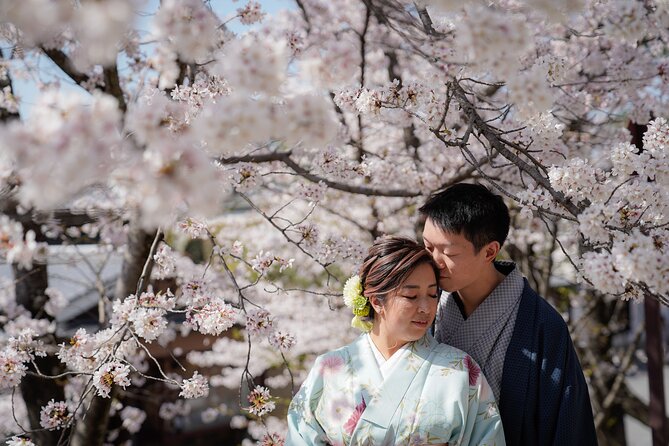
Cherry blossom season is a special reason to choose this route, particularly in early April when the trees begin to bloom. Autumn can also bring colorful leaves along the route. Seasonal conditions are never guaranteed, so I would book this tour for the overall setting rather than for a promise of blossoms or fall color.
The photography stop lasts about 20 minutes. You might find that the park is the easiest place to relax into the session. A photographer can take walking shots, seated or standing portraits, and wider images showing the garden setting, depending on the day and crowd levels.
Soma has received praise for finding quieter places that still look beautiful, including during busy blossom season. That skill is useful here. Kyoto’s famous areas can fill quickly, and a good photographer knows how to frame you so the picture feels calmer than the street around you.
Chion-in’s Sanmon Gate supplies the grand backdrop
Chion-in Temple follows, with about 20 minutes set aside for photographs and a look at the site. Its Sanmon Gate is described as 24 meters tall and 50 meters wide, making it an imposing wooden entrance and one of the strongest architectural backdrops on the walk.
The scale of the gate changes your photographs. At Yasaka Shrine, the mood is intimate and traditional. At Chion-in, you get a broader, more dramatic composition, especially if your photographer places you at a distance from the structure.
You should be clear about the purpose of the stop. This is not a guided temple visit with extended time inside the grounds. The guide may share historical details, but the schedule is built around photos and movement. If Chion-in is a major priority for you, plan another visit when you can explore at your own pace.
The route’s variety is one of its strengths. In only an hour and a half, you get shrine, park, temple gate, stone lanes, and a famous pagoda. That is useful for a short Kyoto stay, when you want meaningful images without giving up a full morning or afternoon.
A completely different kind of day out:
- PERFECT KYOTO 1-Day Bus Tour
★ 5.0 · 13,518 reviews - Kyoto: Fushimi Inari, Kinkakuji, Bamboo Grove 1 Day Bus Tour
★ 4.8 · 4,316 reviews - Kyoto: Tea Ceremony in a Traditional Tea House in Kiyomizu
★ 4.9 · 3,519 reviews - Kyoto: Gion Make Your Own Chopsticks with Engraving Option
★ 5.0 · 3,465 reviews
Ishibe Alley feels more intimate
Ishibe Alley is a short stop of about 10 minutes, but it may produce some of the most atmospheric photographs. The narrow lane is lined with traditional architecture and has a more enclosed, old-Kyoto feel than the open spaces earlier in the walk.
This is where you should expect the photographer to work quickly. Ten minutes is enough for a few poses, but not a long exploration. The route may also have other people passing through, so your guide may wait for a clearer frame or use a close composition.
Admission is not included at this stop, though the supplied tour details do not list an admission charge. In practical terms, the experience is primarily an exterior walking route. You are paying for the photography and guidance, not a series of interior visits.
Cocoro has been praised for guiding people through historical areas around Gion while offering local information and posing direction. That combination makes the lane more than a backdrop. You are moving through a real neighborhood setting, even though the camera naturally focuses your attention on the prettiest corners.
Nene-no-Michi slows the pace
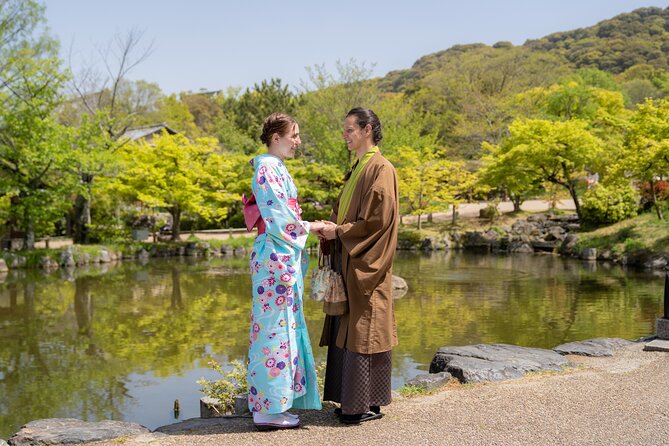
Nene-no-Michi is a flagstone walkway close to Kodaiji. It is known for its old-fashioned atmosphere, and red leaves can make it especially attractive in autumn. The stop lasts roughly 10 minutes, so expect a focused set of images rather than an extended stroll.
The road is also part of a working sightseeing area. People walk through it, and the surface may be uneven. A kimono can restrict your stride, so take smaller steps and watch where you place your feet. Comfortable footwear is important if your rental shop gives you any choice, though the tour information does not specify what shoes are supplied.
This section helps the route feel like a neighborhood walk rather than a series of formal monuments. You get photographs in motion, along a stone-paved street, with the clothing and setting working together. Mina has been praised for knowing good angles and making people comfortable throughout the session, qualities that matter on narrow streets where you may feel watched.
Yasaka Pagoda is the final frame
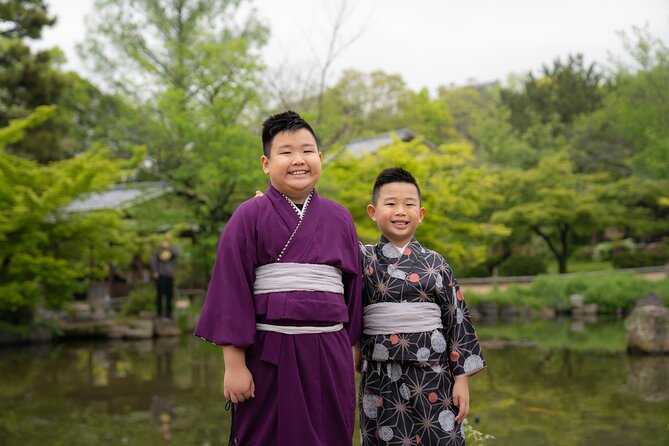
The walk ends at Hokan-ji Temple, better known as Yasaka Pagoda, at 388 Kiyomizu-Yasaka-uecho. The pagoda is one of Kyoto’s most recognizable sights, and it gives the tour a clear visual finish.
You will take photographs with the five-story pagoda as a backdrop, then receive travel tips for the surrounding area. This is a helpful ending because Higashiyama has plenty of places to continue exploring, including nearby streets and major sights in the wider Kiyomizu area. The tour does not promise admission inside the pagoda or temple, so do not treat the final stop as an interior visit.
The final 10 minutes can feel short, particularly if you want several group combinations. Tell the photographer early if you want individual portraits, couple photos, family shots, or a mix. Clear requests help the guide use the limited time well.
The finish also makes transportation planning fairly simple. You start in the Gion area and end in Higashiyama, near a major landmark and public transportation links. Since the tour covers several locations on foot, bring water and avoid overloading yourself with bags.
Your photographer matters as much as the route
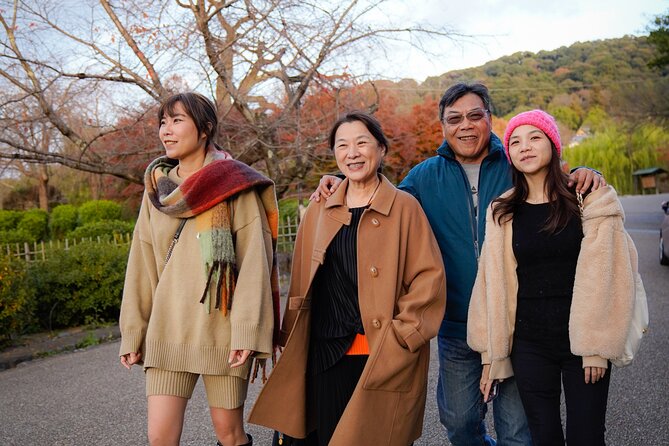
The route is attractive, but the strongest part of the experience is the human guidance. A camera alone will not tell you where to place your hands, how to angle your body, or when to wait for a gap in foot traffic. The photographers associated with this experience have been praised for precisely those small skills.
Yuta has helped with posing and waited for people to clear before taking a shot. Takuma has worked efficiently with guests who had a train to catch. Mina has been described as professional, responsive, and careful with editing. Soma has been praised for good English, local stories, and finding attractive locations with fewer people in the frame.
Cocoro has received especially strong praise for punctuality, warmth, and delivering a large set of photographs. Andy Yu Lei has been noted for accommodating requested photo locations and helping guests feel at ease. These details suggest a useful range of photographer styles, but you should not assume you can select a specific guide unless the booking process confirms it.
If you are camera-shy, say so at the beginning. The photographers are used to first-time subjects, and posing advice is part of the value. If you already have favorite angles or must-have locations, speak up early rather than waiting until the final stop.
The kimono question needs careful planning
The price does not include a kimono. You have the freedom to choose a rental store and outfit, but that freedom also creates one extra task. Arrange the rental before the meeting time, and leave enough time for dressing, accessories, and walking to Yasaka Shrine.
This point deserves attention because one poor rating appears to have come from confusion about the company’s role. The photography provider is not the kimono rental shop. Keep the two services separate when you book, and check exactly what your rental includes.
A kimono changes how you move. The walk is only about 90 minutes, but you will still be outdoors and on foot across shrine approaches, park paths, lanes, and stone walkways. Choose an outfit you can comfortably wear for the full session, not only one that looks good in a shop photograph.
The traditional clothing is not required by the experience description, but it is the central reason many people choose this tour. You can also use it for solo portraits, couple photographs, family images, or a special occasion record. If the kimono is your main goal, schedule the photo walk soon after dressing so you get the most from your rental period.
Is $85.87 a good value?
At $85.87 per person, this is not the cheapest way to see Gion. You could walk through the same general area on your own for little or no admission cost. The difference is that you would need to arrange your own photographer, decide where to stop, manage poses, and persuade strangers to take your group pictures.
For a solo visitor, the value is easier to see. You get professional images instead of a collection of arm’s-length phone photos. For couples and families, the price buys convenience and a shared record of the day, though the total cost rises with each participant and still excludes the kimono.
The included professional editing is important. You are not simply receiving unprocessed snapshots from a walking companion. The final images are meant to be ready for sharing or keeping, though the exact delivery schedule and photo count are not specified.
I would compare the price with the cost of your kimono rental before booking. Together, the two services may form a significant half-day expense. Even so, the route, personal guidance, and edited photos make the price reasonable for people who value polished portraits more than a basic sightseeing walk.
Who should book this experience?
I would recommend it most strongly to solo visitors, couples, families, and anyone celebrating a special trip in Kyoto. It is also a good match if you want traditional photographs but do not know how to pose.
The small group cap helps, but this is not a private tour unless your booking confirms that arrangement. If you dislike being photographed in public, narrow lanes and popular shrines may feel uncomfortable at times. A patient guide can help, but no photo session removes the fact that you are in a public place.
This tour also suits a tight schedule. The route lasts about 90 minutes, and one guest with a train departure said the photographer worked quickly while keeping the session enjoyable. Still, do not book it immediately before an important train. Delays, dressing time, and walking between locations can eat into your margin.
You may want a different experience if your priority is detailed temple sightseeing, long historical explanations, or entrance to multiple buildings. The guide shares local information, but the camera remains the main focus.
Practical details that affect your day
You receive a mobile ticket, and booking confirmation is issued at the time of reservation. The meeting point is Yasaka Shrine’s western gate, not Yasaka Pagoda, so check the start location carefully.
The tour ends in front of Yasaka Pagoda and includes travel tips for the area. Most people can participate, service animals are allowed, and the route is near public transportation. The supplied details do not give a specific number of edited images or a fixed delivery time, so ask those questions if the final files are central to your decision.
Free cancellation is available up to 24 hours before the local start time. Cancellations or changes made inside that 24-hour window are not accepted for a refund. That policy is worth noting if your Kyoto schedule depends on weather, train travel, or a separate kimono rental reservation.
My recommendation: book it for photos, not temple touring
I would book the Kyoto Portrait Tour with Kimono if you want polished memories in traditional Kyoto settings and appreciate help with posing. The strongest reasons are the compact route, the six-person limit, the local photographers, and the fact that the walk reaches both famous sights and quieter lanes.
Before paying, arrange your kimono separately, confirm your meeting gate, and leave a comfortable buffer around the appointment. If you want the best chance of calm streets or soft light, choose your session time with photography in mind.
Skip it if you only want to wander freely or spend serious time inside temples. Choose it if you want someone else to handle the camera while you enjoy being part of the scene.
FAQ
How long does the Kyoto Portrait Tour with Kimono last?
The experience lasts approximately 1 hour and 30 minutes.
Is the kimono included in the price?
No. The kimono is not included, so you must arrange and pay for the rental separately.
How much does the tour cost?
The listed price is $85.87 per person.
How many people can join the tour?
The tour has a maximum of six travelers.
Does the tour include edited photographs?
Yes. Professional edited photos and a guide are included.
Can I choose a morning or afternoon session?
Yes. The experience offers morning and afternoon sessions so you can choose a preferred time of day and lighting.
Where does the tour start?
The tour starts at Yasaka Jinja Nishiromon Gate, the Western Tower Gate, at 625 Gionmachi Kitagawa in Kyoto’s Higashiyama Ward.
Where does the tour end?
The tour ends in front of Hokan-ji Temple, also called Yasaka Pagoda, in Kyoto’s Higashiyama Ward.
Which places does the route visit?
The route includes Yasaka Shrine, Maruyama Park, Chion-in Temple, Ishibe Alley, Nene-no-Michi, and Yasaka Pagoda.
Can I cancel for a full refund?
Yes. You can cancel at least 24 hours before the experience start time for a full refund. Changes or cancellations made less than 24 hours before the start time are not accepted for a refund.
Just added in Kyoto
- The “Golden Route” and Ancient Japan by DIAMIR Erlebnisreisen – 14-Day Tour★ 2.0 · 2 reviews
- Japan: Castles & Cuisine by G Adventures – 6-Day Kyoto to Osaka Tour★ 4.5 · 4 reviews
- Cycle Japan by Explore! – 13-Day Kyoto to Tokyo Tour★ 4.7 · 12 reviews
- Cycle Japan by Intrepid Travel – 11-Day Kyoto to Tokyo Tour★ 4.8 · 2 reviews
- Classic Japan by Intrepid Travel – 11-Day Kyoto to Tokyo Tour★ 4.4 · 14 reviews
- Ancient & Modern Japan 14-Day Tour by Exodus Adventure Travels★ 4.4 · 40 reviews
- 5 Day Cultural Adventure of Kyoto, Nara & Osaka by Tourist Journey★ 2.5 · 2 reviews
- 12 Days Kinosaki Onsen Escape: A Journey Through Japan’s Timeless Towns by UME Travel★ 4.8 · 5 reviews
Kimono and Cultural Dress, compared.
![[Kyoto & Nara Day Tour] Sagano Scenic Railway & Nara Park & Fushimi Inari Taisha Thousand Torii Gates & Togetsukyo Bridge & Bamboo Grove & Kimono Forest (Departing from Osaka)](https://media.japanvisits.com/wp-content/uploads/kyoto-nara-day-tour-sagano-scenic-railway-nara-park-fushimi-inari-taisha-thousand-torii-gates-togetsukyo-bridge-bamboo-grove-kimono-forest-departing-from-osaka-k110001-400x257.jpg)

Tokyo Asakusa Kimono&Yukata Rental at Kimono Miyabi Asakusa Station
Read our review →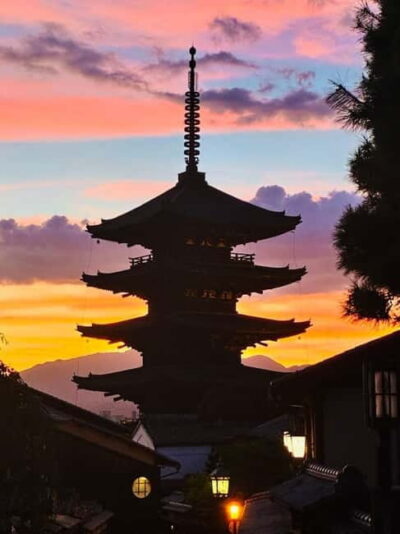
Kyoto Geisha Walking Tour: Gion District & Hidden Gems
Read our review →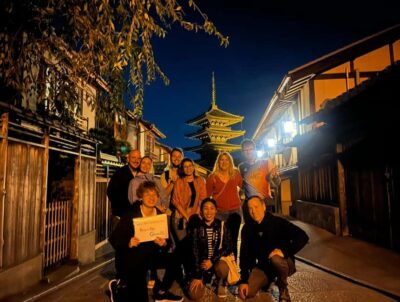
Gion Magical Night Walking Tour with Geisha Trivia
Read our review →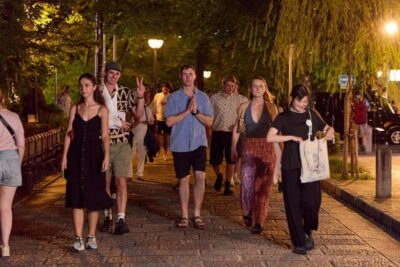
Gion Geisha District Walking Tour – Stories of Geisha
Read our review →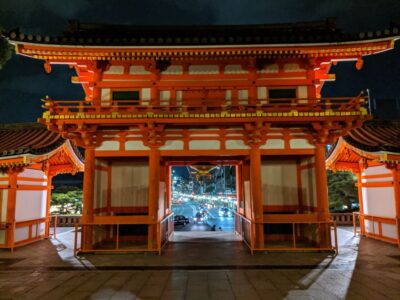
Best of Kyoto: Gion, Geisha, Pagodas & Cobblestones
Read our review →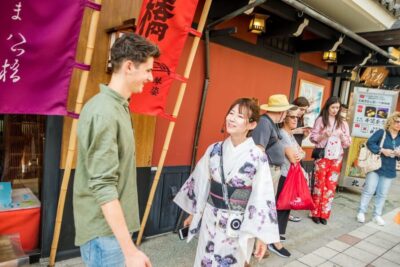
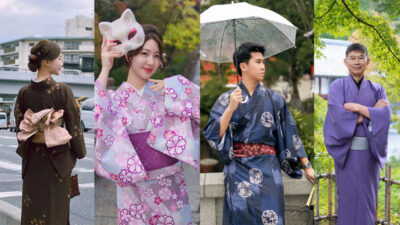
Kyoto Kimono Rental Experience (Optional Exquisite Hair Styling/Japanese Makeup/Photography) (Ookini Kiyomizu-dera Main Store)
Read our review →Browse the lists this tour appears in