
Reviewed · KIMONO AND CULTURAL DRESS
Kyoto: Traditional Kimono Fabric Handicrafts Workshop
Small crafts, lasting memories. This two-hour Kyoto workshop gives you a calm break from temple hopping while you make a traditional Temari decoration from beautiful kimono fabric. I especially like the chance to choose your own five fabric pieces, and the finished Temari is a personal souvenir rather than something pulled from a shop shelf. The complimentary drink and Japanese confectionery add a pleasant local touch.
The main consideration is that this is a gentle craft session, not a full lesson in every part of Temari making. You will create one decorative ball with guidance from a local artisan, and your design choices will be the main creative challenge. If you want an active sightseeing tour or a large group social event, this may feel too quiet.
In This Review
- Key Points at a Glance
- What a Temari Means in Japan
- Arriving at the Traditional Boutique
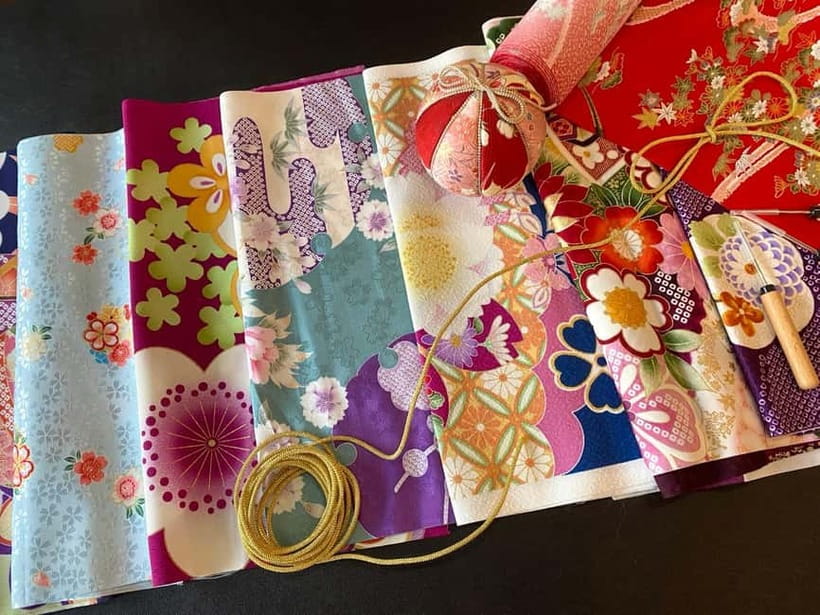
- Choosing Your Kimono Fabric
- Making the Temari in Two Hours
- Tea, Sweets, and a Needed Pause
- Why the Small Group Matters
- The Finished Souvenir
- How Good Is the $25 Value?
- Fitting It Into a Kyoto Day
- Who Will Enjoy This Most?
- Final Verdict: Should You Book It?
- FAQ
- How long does the Temari workshop last?
- How much does the workshop cost?
- What is included in the price?
- Do I need previous craft experience?
- Can children take part?
- How many people can join each session?
- Which languages does the instructor speak?
- Is the workshop wheelchair accessible?
- Can I take my Temari home?
- Are food and drinks included?
- Can I cancel the booking?
- Do I have to pay when I book?
Key Points at a Glance
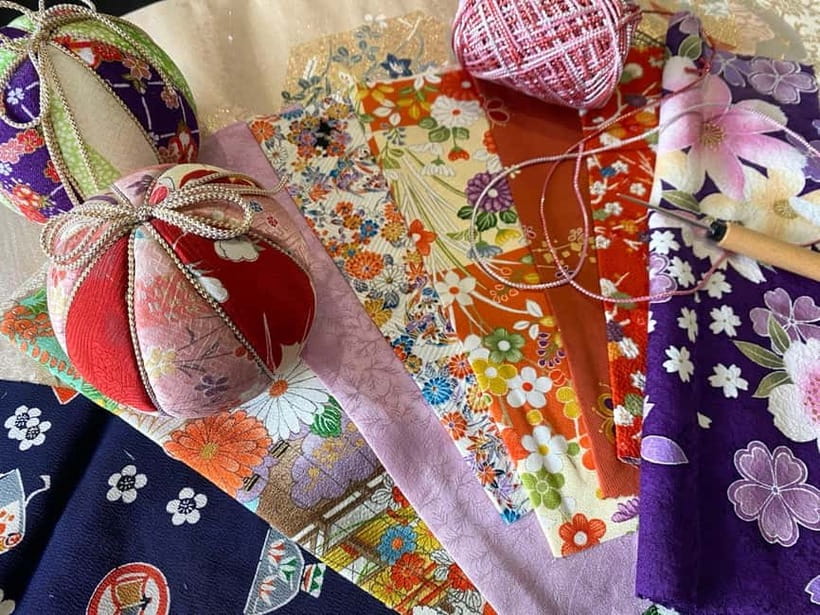
- Choose from beautiful kimono fabrics: Select colorful, patterned pieces, including fabric recycled from older kimonos, to create a Temari in your favorite colors.
- Beginner-friendly from the first step: No sewing background or craft skill is needed, and children can take part with adult support.
- A small group of only four: The limited size gives the host time to explain each step and help with tricky parts.
- Tea, coffee, or another drink with Japanese sweets: Each person receives a complimentary drink and a traditional confectionery of their choice.
- A peaceful stop near important Kyoto sights: The workshop is in a traditional Japanese antique boutique in a sightseeing area near temples, shrines, cafés, and the Philosopher’s Path.
- A handmade souvenir for $25: The price includes instruction, supplies, refreshments, and the Temari you make during the class.
What a Temari Means in Japan
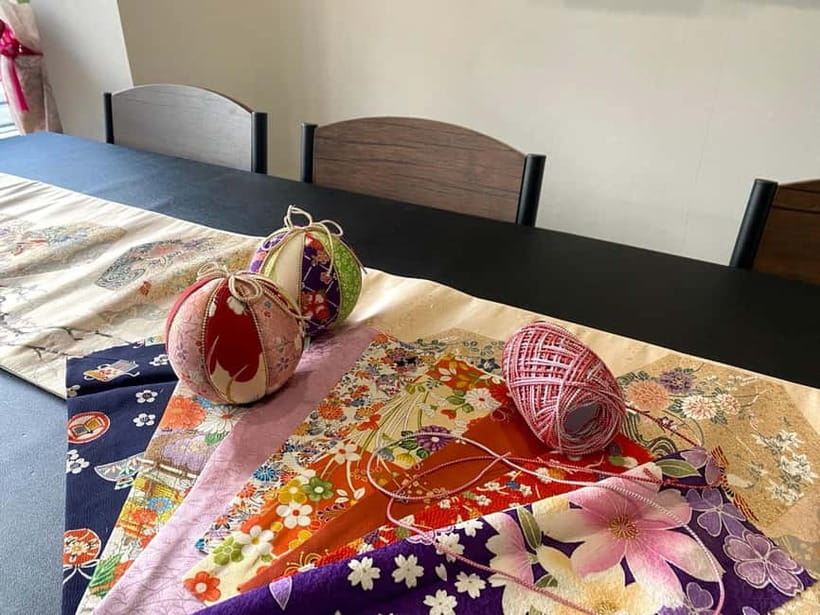
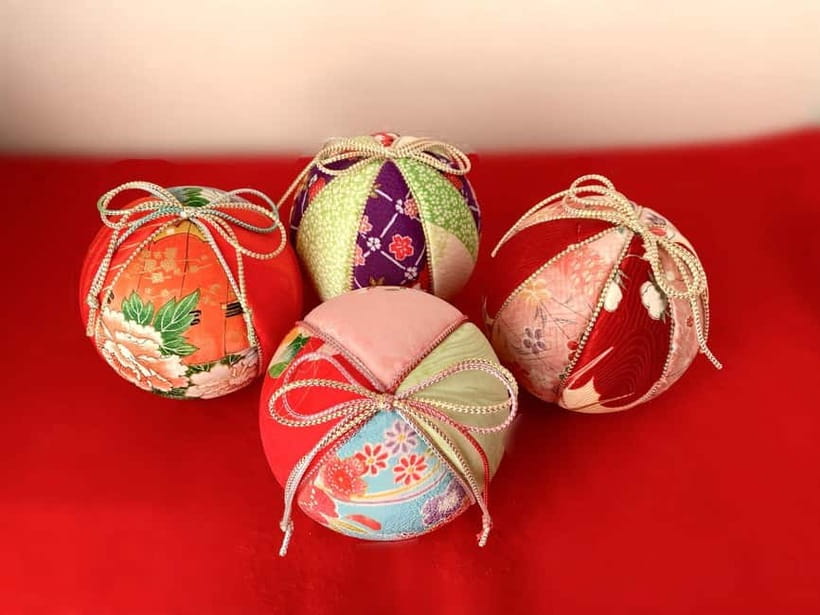
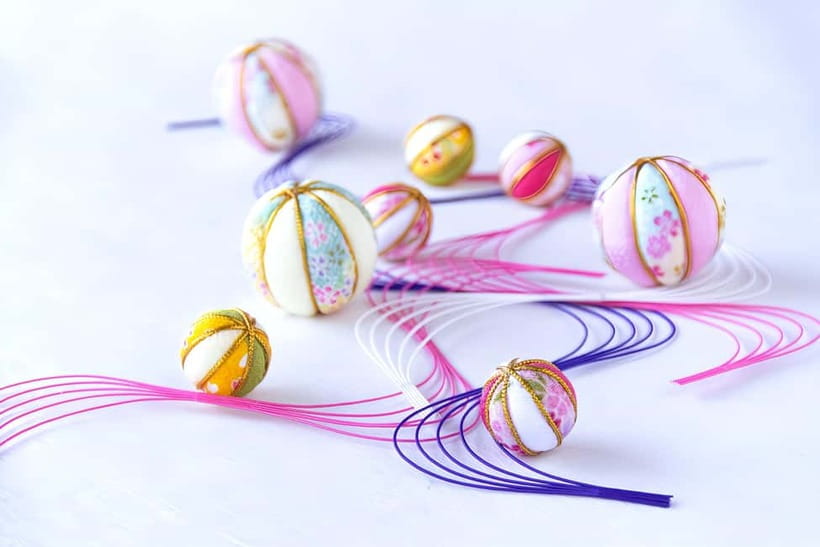
Temari are traditional Japanese handcrafted balls used as interior decorations and for celebrations. They are often associated with careful handwork, attractive colors, and the kind of patient attention that is easy to miss during a fast sightseeing schedule.
You do not need to know the full history of Temari before arriving. The host explains the craft as you work, giving the activity cultural context without turning it into a formal lecture. That balance is useful. You learn what you are making, then spend most of the time handling fabric and building something with your own hands.
The use of kimono material makes the craft especially suitable for Kyoto. Instead of buying a generic trinket, you create a small object from traditional Japanese textiles. Some of the material comes from recycled kimonos, giving the souvenir a connection to reuse as well as design.
More Kimono Experiences in Kyoto
- [Kyoto & Nara Day Tour] Sagano Scenic Railway & Nara Park & Fushimi Inari Taisha Thousand Torii Gates & Togetsukyo Bridge & Bamboo Grove & Kimono Forest (Departing from Osaka)
★ 4.9 · 10,942 reviews - Kyoto Geisha Walking Tour: Gion District & Hidden Gems
★ 4.7 · 3,273 reviews - Kyoto: Gion Magical Night Walking Tour with Geisha Trivia
★ 4.9 · 2,393 reviews
Arriving at the Traditional Boutique
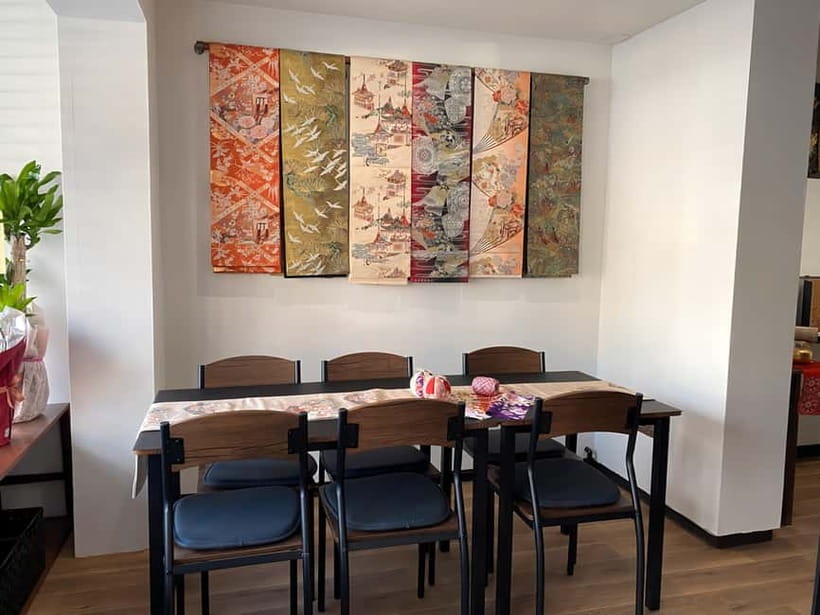
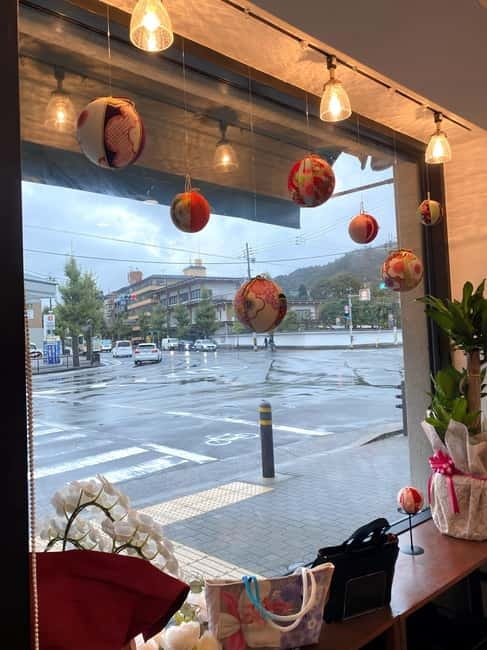
The class takes place at a newly renovated traditional Japanese antique boutique in the heart of Kyoto’s sightseeing area. You enter the workshop upon arrival, where your host will be waiting to greet you.
The shop itself is part of the experience. It is filled with handmade bags and other crafts made from kimono fabric, so you can look around before or after your class. One useful warning: the shop may tempt you to spend more time browsing than planned. The handmade items are separate purchases, and additional food and drinks are not included.
I like this setting more than a plain classroom. You are surrounded by the material and finished objects connected to the craft. It helps you understand how old kimono fabric can be given a new purpose.
The workshop is in an area described as less crowded but easy to reach, with cafés and well-known temples nearby. One family used the activity alongside a visit to the Philosopher’s Path. That makes the class easy to pair with sightseeing rather than a separate trip across town.
Choosing Your Kimono Fabric
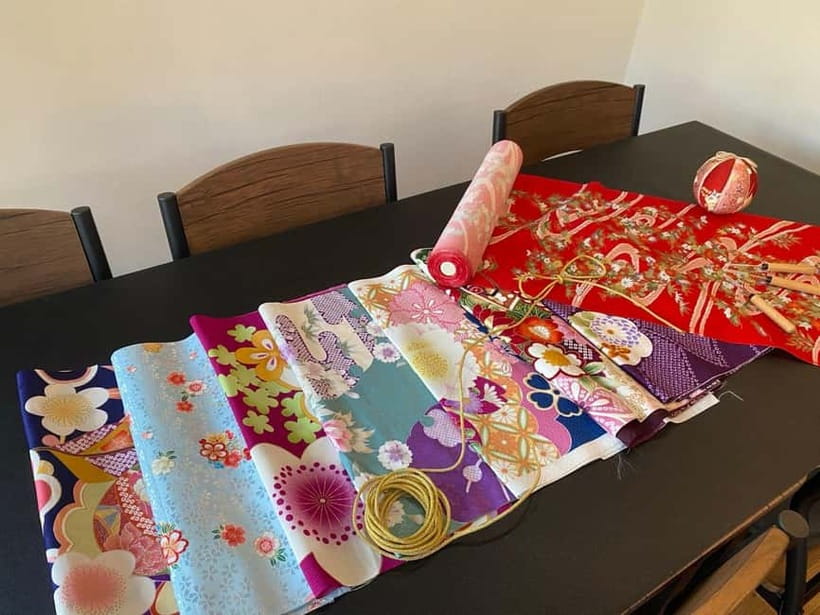
The fabric selection is one of the most enjoyable parts of the session, and it may take longer than you expect. You choose several small kimono fabric pieces, with color and pattern combinations shaping the final appearance of your Temari.
You might go for matching colors, strong contrasts, soft pastels, or a favorite shade. The choice matters because the finished ball reflects your decisions. Several people found selecting the fabric harder than making the craft itself, simply because there were so many attractive patterns to consider.
This is also where you can make the souvenir feel personal. A couple created keepsakes for their honeymoon, while another participant made a Temari in favorite colors. You are not simply copying one fixed design. The basic method is guided, but the look belongs to you.
The host, referred to as May, Mae, Mei, or Mai in booking feedback, is repeatedly praised for being patient, warm, and clear. Her excellent English was specifically appreciated, and instruction is available in both English and Japanese.
Making the Temari in Two Hours
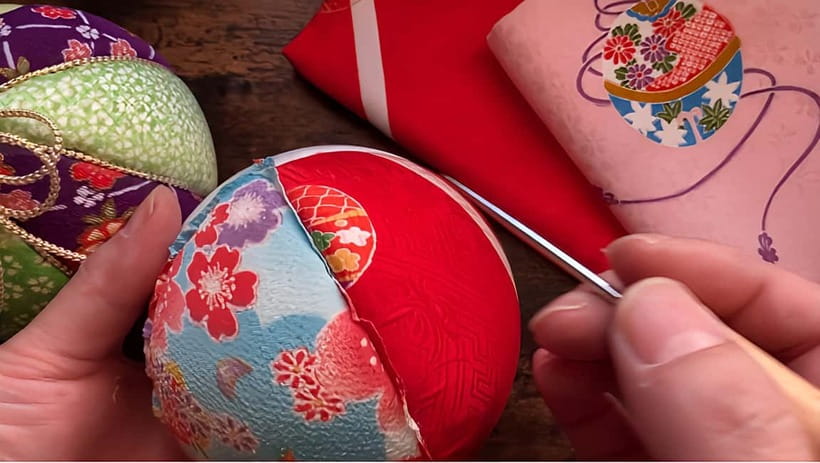
Once you have chosen your fabric, the host walks you through the process. The activity is designed for beginners, with no prior experience required. You work with the provided materials and follow each stage at a comfortable pace.
The craft is described as simple and not heavily focused on sewing. That makes it suitable for families and for people who like the idea of making something but do not consider themselves crafty. One family took part with children aged 10 and 12, and another parent said even her son enjoyed the activity.
You should still expect to concentrate. The class is relaxed, but you are making a real object rather than watching a demonstration. The host helps with each step, and the small group limit of four means you can ask for assistance without waiting behind a large crowd.
The pace also changes depending on the group. With four people, the session gives everyone room to work. If you are the only participant, the host may have extra time for conversation or additional instruction. One solo participant even received help learning to make fabric flowers.
That personal attention is a major reason the class earns such strong praise. The host explains the process clearly, checks your progress, and helps you correct mistakes. You can enjoy the conversation too, including simple exchanges about Japanese and international life.
A completely different kind of day out:
- PERFECT KYOTO 1-Day Bus Tour
★ 5.0 · 13,518 reviews - Kyoto: Fushimi Inari, Kinkakuji, Bamboo Grove 1 Day Bus Tour
★ 4.8 · 4,316 reviews - Kyoto: Tea Ceremony in a Traditional Tea House in Kiyomizu
★ 4.9 · 3,519 reviews - Kyoto: Gion Make Your Own Chopsticks with Engraving Option
★ 5.0 · 3,465 reviews
Tea, Sweets, and a Needed Pause
Each participant receives a complimentary drink and a traditional Japanese confectionery of their choice. The exact drink options are not specified, but one person particularly enjoyed the matcha latte, while others appreciated the tea and local sweet served during the fabric selection.
This refreshment is more than a small extra. Kyoto sightseeing can involve long stretches of walking, crowded temple grounds, and a steady stream of visual information. Sitting down with tea and a Japanese confectionery gives you time to slow down and focus on one task.
The food and drink included with the activity are limited to the complimentary serving. Any additional drinks or food cost extra. Nearby cafés provide another option, especially if you want to continue the break after the two-hour session.
Why the Small Group Matters
A maximum of four participants is a real advantage here. Crafts are easier to enjoy when you can see the instructor’s hands and receive help quickly. A large workshop could make this feel like an assembly line, but this format supports a more personal lesson.
It also works well for different types of groups. Couples can make matching or contrasting souvenirs. Friends can compare fabric choices. Families can share the activity without requiring every person to have the same skill level.
You should not expect a party atmosphere. The tone is quiet, friendly, and conversational. That is exactly why I would recommend it after a busy morning of temples, shrines, and city streets. You get time to sit, work, and talk without needing to rush.
The Finished Souvenir
At the end, you take home the Temari you made. Its value is not based on size or price. It carries the memory of choosing the fabric, learning the method, and spending time in a local craft shop.
The finished result may not look exactly like a professional artisan’s work, and that is part of the point. The host’s guidance helps you produce something attractive, even if you have never made a textile craft before. Small variations give the object character.
I would plan a safe place in your luggage before attending. The information does not specify the exact size or packaging, so you should avoid assuming it will fit in a particular pocket or case. The Temari is intended as a keepsake, not as a piece of luggage decoration.
If you like handmade goods, the shop also sells bags and other items created from kimono fabrics. Those purchases are optional and are not part of the $25 class price.
How Good Is the $25 Value?
At $25 per person, the workshop is reasonably priced for a two-hour activity in Kyoto. The fee includes the class, all necessary materials, a local craft instructor, a drink, a traditional confectionery, and the Temari you make.
That combination gives you more than a short demonstration. You receive an activity, a cultural introduction, refreshments, and a finished souvenir. Comparable value is hard to judge without prices for other local classes, but this experience avoids the common problem of paying an entry fee and leaving with nothing personal.
The strongest value comes from the small group. Four people or fewer allows the host to give meaningful help, which matters more in a craft class than it would in a simple walking tour.
The price may feel less worthwhile if you are not interested in crafts, fabrics, or quiet activities. You can see historic temples and shrines nearby, but sightseeing is not included in the class. You will need to plan those visits separately.
Fitting It Into a Kyoto Day
I would schedule this workshop between sightseeing stops, especially if you are exploring nearby temples or the Philosopher’s Path. The location makes it practical as part of a wider day rather than an isolated appointment.
A morning class could give your day a creative start before more sightseeing. An afternoon class may be better if you want a break after walking. Since the session lasts two hours, allow additional time if you plan to browse the boutique or stop at a nearby café.
Starting times vary, so check availability for your preferred date. The booking terms allow free cancellation up to 24 hours in advance for a full refund, and you can reserve now and pay later. Those options are useful in Kyoto, where weather, transport, and temple plans can change.
The workshop is wheelchair accessible. The activity is suitable for all ages, although children will likely benefit from an adult’s help during some parts of the process.
Who Will Enjoy This Most?
I would recommend this class to:
- Couples who want a shared souvenir from Japan
- Families with children who enjoy hands-on activities
- First-time crafters who want clear guidance
- Fabric and textile fans
- Anyone needing a peaceful pause from sightseeing
- Visitors who prefer a small local shop to a large commercial attraction
It is also a good choice for solo participants. The host’s friendly conversation and patient instruction keep the session from feeling awkward or overly formal.
I would think twice if you want a long, advanced lesson in Japanese textile arts. You create one Temari in two hours, and the activity is designed to be accessible rather than technically demanding. It is also not the right pick if your main goal is a temple tour, since the surrounding sights are nearby but not part of the workshop.
Final Verdict: Should You Book It?
Book this workshop if you want a personal Kyoto souvenir, a calm indoor activity, and friendly guidance in a very small group. The best parts are the fabric choices, the easy step-by-step instruction, the local boutique setting, and the chance to leave with something you made yourself.
The $25 price is fair because it covers materials, teaching, refreshments, and the finished Temari. I would especially choose it for a family, couple, or solo visitor who has already spent several hours walking and wants a quieter cultural experience.
Skip it if you are looking for a fast attraction or an advanced craft course. For most people who enjoy making things, though, this is an easy activity to fit into a Kyoto itinerary and one of the more meaningful souvenirs you can bring home.
FAQ
How long does the Temari workshop last?
The workshop lasts two hours.
How much does the workshop cost?
The listed price is $25 per person.
What is included in the price?
The price includes the Temari workshop, all necessary materials, a local craft instructor, one complimentary drink, and a traditional Japanese confectionery for each participant.
Do I need previous craft experience?
No. No prior experience or special skill is required.
Can children take part?
Yes. The activity is suitable for adults and children of all ages. Families with children aged 10 and 12 have taken part.
How many people can join each session?
The workshop is limited to four participants.
Which languages does the instructor speak?
Instruction is available in English and Japanese.
Is the workshop wheelchair accessible?
Yes. The activity is wheelchair accessible.
Can I take my Temari home?
Yes. You take home the Temari you make as a souvenir of your trip to Japan.
Are food and drinks included?
Each participant receives a complimentary drink and a traditional Japanese confectionery of their choice. Additional drinks and food are not included.
Can I cancel the booking?
Yes. You can cancel up to 24 hours in advance for a full refund.
Do I have to pay when I book?
No. A reserve-now, pay-later option is available.
Just added in Kyoto
- The “Golden Route” and Ancient Japan by DIAMIR Erlebnisreisen – 14-Day Tour★ 2.0 · 2 reviews
- Japan: Castles & Cuisine by G Adventures – 6-Day Kyoto to Osaka Tour★ 4.5 · 4 reviews
- Cycle Japan by Explore! – 13-Day Kyoto to Tokyo Tour★ 4.7 · 12 reviews
- Cycle Japan by Intrepid Travel – 11-Day Kyoto to Tokyo Tour★ 4.8 · 2 reviews
- Classic Japan by Intrepid Travel – 11-Day Kyoto to Tokyo Tour★ 4.4 · 14 reviews
- Ancient & Modern Japan 14-Day Tour by Exodus Adventure Travels★ 4.4 · 40 reviews
- 5 Day Cultural Adventure of Kyoto, Nara & Osaka by Tourist Journey★ 2.5 · 2 reviews
- 12 Days Kinosaki Onsen Escape: A Journey Through Japan’s Timeless Towns by UME Travel★ 4.8 · 5 reviews
Kimono and Cultural Dress, compared.
![[Kyoto & Nara Day Tour] Sagano Scenic Railway & Nara Park & Fushimi Inari Taisha Thousand Torii Gates & Togetsukyo Bridge & Bamboo Grove & Kimono Forest (Departing from Osaka)](https://media.japanvisits.com/wp-content/uploads/kyoto-nara-day-tour-sagano-scenic-railway-nara-park-fushimi-inari-taisha-thousand-torii-gates-togetsukyo-bridge-bamboo-grove-kimono-forest-departing-from-osaka-k110001-400x257.jpg)

Tokyo Asakusa Kimono&Yukata Rental at Kimono Miyabi Asakusa Station
Read our review →
Kyoto Geisha Walking Tour: Gion District & Hidden Gems
Read our review →
Gion Magical Night Walking Tour with Geisha Trivia
Read our review →
Gion Geisha District Walking Tour – Stories of Geisha
Read our review →
Best of Kyoto: Gion, Geisha, Pagodas & Cobblestones
Read our review →
Kyoto Kimono Rental Experience (Optional Exquisite Hair Styling/Japanese Makeup/Photography) (Ookini Kiyomizu-dera Main Store)
Read our review →Browse the lists this tour appears in