
Reviewed · MUSEUMS AND GALLERIES
Samurai Ninja Museum Asakusa: Samurai Sword Lesson & Tour
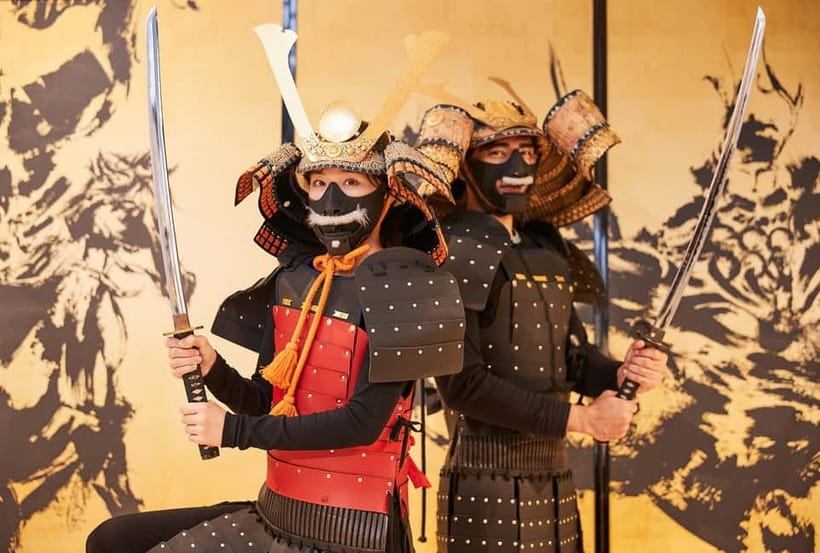
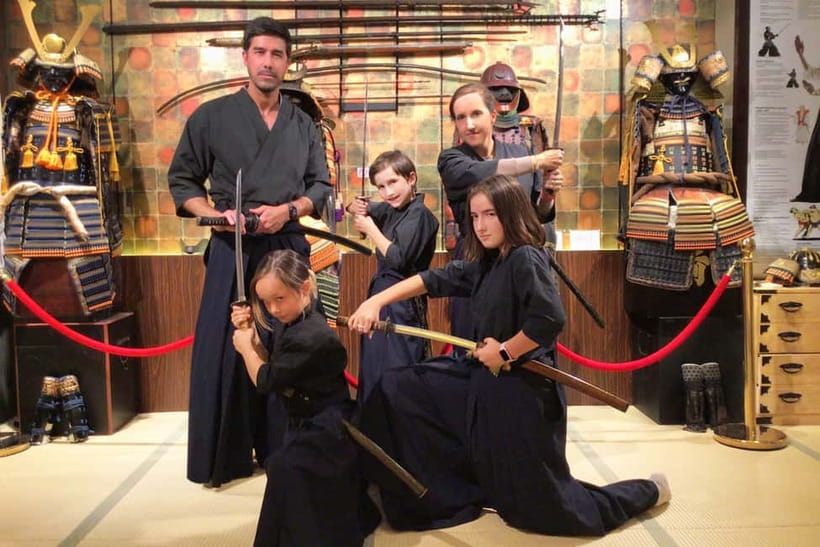
Grab a sword, then meet history. This two-hour Asakusa experience combines a hands-on samurai workshop with a guided museum visit, so you do more than look at displays behind glass. I especially like the chance to wear a hakama, helmet, and armor, then learn a short katana routine with an instructor such as Sensei Ryo. The themed photo settings are another big plus, giving families and couples a lasting souvenir beyond the usual Tokyo snapshot.
The tour also includes a ninja weapons trial, usually involving shuriken throwing, and the small-group format keeps the activity lively. The main limitation is time: two hours goes quickly, and the museum section can feel rushed when the class is full. Children under six cannot enter the venue, and younger children in a larger group may make the sword practice less focused.
In This Review
- Key points before you book
- What this Asakusa experience actually offers
- Dressing as a samurai and taking the first photos
- The katana lesson with Sensei Ryo
- A guided look at samurai and ninja culture
- Ninja weapons and the shuriken challenge
- How the two hours are spent
- Is $63 good value in Tokyo?
- Who will enjoy this most?
- Practical tips for a smoother visit
- Should you book the Samurai Ninja Museum Asakusa?
- FAQ
- How long does the Samurai Ninja Museum Asakusa experience last?
- How much does the experience cost?
- Is the tour offered in English?
- What is included in the booking?
- Can children take part?
- Is the activity wheelchair accessible?
- What happens if I need to cancel?
Key points before you book
- A real hands-on samurai class: You learn basic sword handling and a choreographed routine instead of simply watching a demonstration.
- Armor and hakama are included: You can dress the part, add a samurai helmet, and pose for photos in themed settings.
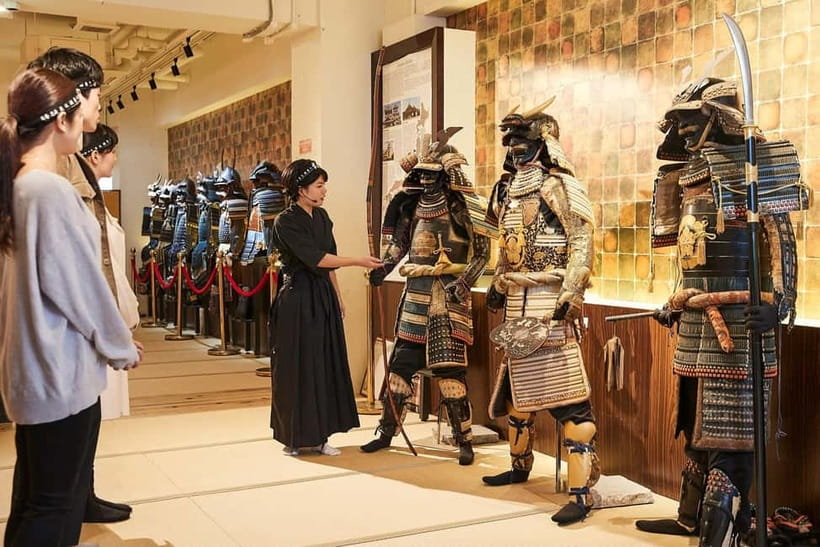
- The museum adds useful context: The guide explains samurai and ninja culture from their origins through the end of the samurai era.
- Ninja practice keeps children involved: Shuriken throwing gives younger participants an active task after the history talk.
- Small groups make a difference: The maximum is 16 people, with private and smaller options available.
- Strong value for families: At $63 per person, you receive instruction, costume use, a museum tour, photos, and ninja activities in one two-hour visit.
What this Asakusa experience actually offers
This is not a formal martial arts course, and you will not leave ready to join a dojo. It is a short cultural activity built around the appeal of samurai and ninja life, with enough real instruction to make the subject feel physical and memorable.
You begin by entering the Samurai and Ninja Museum in Asakusa. The meeting point can vary by the option you book, so check your confirmation carefully before setting out. Once inside, staff help you prepare for the activities and explain what will happen.
The presentation mixes costumes, objects, storytelling, and guided participation. That blend works well in Tokyo, where many museums ask you to observe quietly. Here, you are invited to handle training equipment, dress in period-inspired clothing, and take part in a supervised routine.
I would think of this as a family-friendly introduction rather than a specialist museum visit. The displays provide a useful overview, while the lesson turns the visit into something you can talk about later.
More Castles and Historic Sites in Tokyo
- Tokyo: Imperial Palace and Shogun Historical Walking Tour
★ 5.0 · 2,251 reviews - Tokyo Castle & Imperial PalaceーShogun Walking Tour
★ 4.7 · 1,068 reviews - Tokyo: Samurai Ninja Museum Guided tour and Experience
★ 4.6 · 1,010 reviews
Dressing as a samurai and taking the first photos
One of the first pleasures is putting on the hakama and samurai armor. The costume helps you shift out of sightseeing mode. Even a visitor who knows little about Japanese martial culture can understand the attraction of standing in front of a samurai-themed backdrop with a helmet and sword.
The photo time is not just a quick pose at the end. It is part of the appeal of the visit, especially if you are traveling with children or marking a special trip. You can take distinctive family photos that look very different from the standard temple and city views.
The armor is provided for use during the activity, as are the hakama and helmet. Since the venue is designed around these displays and activities, you should expect a staged cultural setting rather than an outdoor historical site.
That distinction matters. If you want original castles, preserved battlefields, or a large collection of antiques, this will feel limited. If you want a fun way to connect a child or first-time visitor with Japanese history, the costumes do a lot of useful work.
The katana lesson with Sensei Ryo
The sword lesson is the heart of the experience. Instructors teach basic handling, posture, and selected movements before leading you through a short routine. Several visitors singled out Sensei Ryo for his calm teaching, politeness, humor, and ability to help complete beginners feel at ease.
You do not need previous training. The class is structured for people who may never have held a katana before, and the instruction focuses on simple movements that can be learned within the available time.
The routine gives the session a clear shape. You are not merely waving a prop for a photograph. You learn a sequence, repeat it, and work toward performing it with some confidence. That small achievement is important. It gives the workshop a sense of purpose without pretending that two hours can teach a full martial discipline.
Some sessions also include a supervised sword-play activity using foam or rubber swords. This is a playful, family-friendly part of the program, not a serious fight. It can be particularly entertaining for families and couples, although the pace may be affected by the size and age mix of the group.
I would book a smaller or private option if the sword lesson is your main reason for coming. A group of up to 16 is still manageable, but one four-star assessment specifically noted that the class felt crowded with several small children. Another comment found the family-friendly lesson too brief at about five minutes. The broader activity offers more than that, but the exact balance between instruction and play can vary.
A guided look at samurai and ninja culture
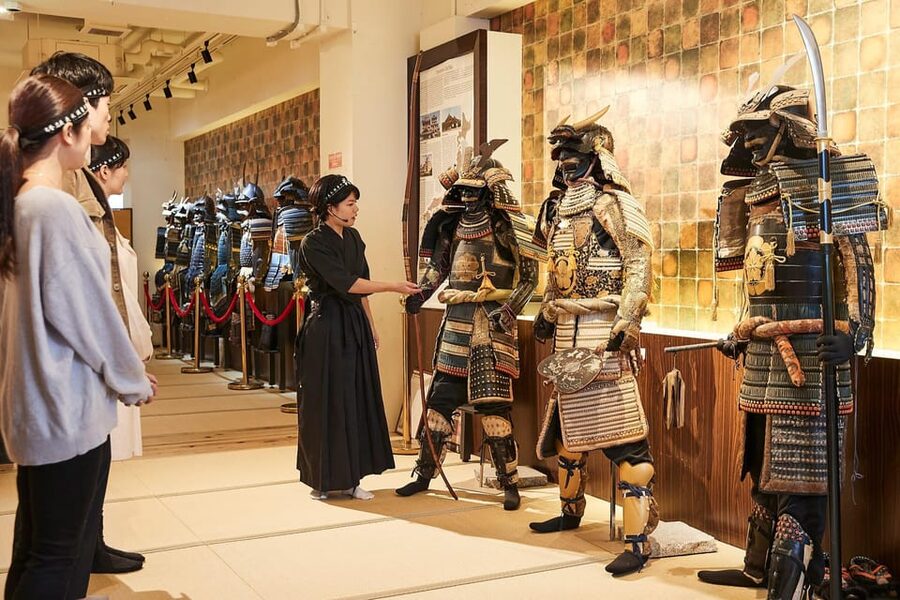
The museum tour gives the activity its educational side. Guides explain samurai and ninja history, including the beginnings of the samurai tradition, its development, the end of the samurai era, and its place in modern Japan.
The best guides make this section lively rather than academic. Ren, Momo, and other English-speaking staff have been praised for making the explanations clear and entertaining. For children, that delivery matters more than a long list of dates. A guide who can tell a story and keep the group moving helps the information stick.
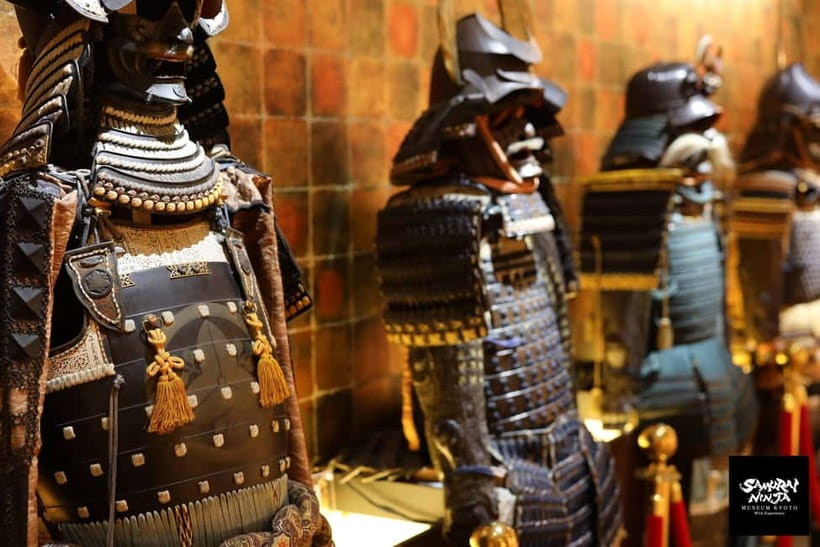
The collection is described as relatively small, with samurai antiques and displays devoted to both samurai and ninja culture. You should not expect a major national museum. The value comes from the guide’s explanations and the chance to connect the objects with the sword lesson you have just taken.
The museum portion can feel rushed, especially when the sword workshop and other activities take up much of the two-hour schedule. I would pay attention during the introduction and ask questions while you have the chance. The compact format is convenient, but it leaves little room for a slow, detailed look at every display.
This is also where the activity corrects some common movie impressions. Samurai and ninja are presented as historical figures and traditions, not only as costume characters. You get a short, accessible introduction to how these groups fit into Japanese history.
More Museums and Galleries in Tokyo
- teamLab Borderless Tickets: MORI Building DIGITAL ART MUSEUM
★ 4.7 · 24,126 reviews - teamLab Planets TOKYO Ticket
★ 4.7 · 21,663 reviews - Tokyo: teamLab Planets TOKYO Digital Art Museum Entry Ticket
★ 4.6 · 9,779 reviews - Art Aquarium Museum GINZA Ticket
★ 4.6 · 5,577 reviews
Ninja weapons and the shuriken challenge
The ninja weapons trial adds a welcome change of pace. Shuriken throwing is often the part children remember most, though adults usually enjoy it too. You try to aim at a target, and the simple challenge turns the final part of the visit into a game.
The activity is supervised, and it is included in the price. It is not presented as a full ninja training course, but it gives you another way to participate after the sword routine and museum explanations.
Families with children between six and early teens may find this particularly useful. Several parents appreciated that the program moved through dressing, history, sword handling, photo time, and ninja practice without leaving children sitting still for too long.
There is a practical age boundary: children under six cannot enter the samurai venue. Older children can take part, and the activity has been described as suitable for both children and adults. Still, if you are traveling with very young children, confirm that everyone in your party meets the entry rule before booking.
How the two hours are spent
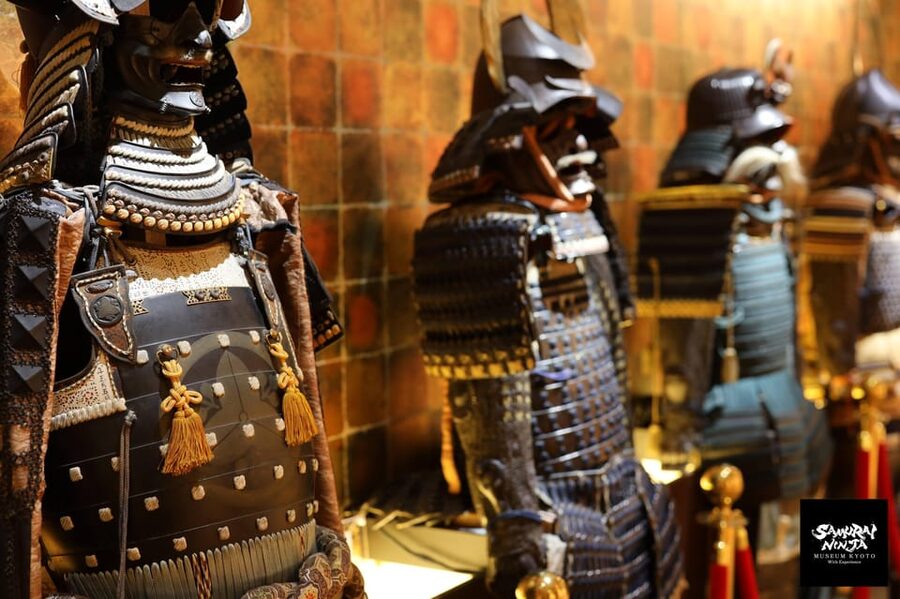
The schedule is compact, so you should expect a brisk rotation through several activities. The exact order may vary, but the experience generally includes:
- Dressing in hakama, armor, and a helmet
- Taking photos in samurai-themed settings
- Learning basic katana movements
- Performing a short choreographed routine
- Taking part in supervised foam or rubber sword play
- Touring the samurai and ninja displays
- Trying a ninja weapons activity, including shuriken throwing
That is a lot for 120 minutes. I like the variety because it prevents the visit from becoming a single costume photo stop. The trade-off is that no single element receives extended attention.
If you want detailed sword instruction, this will likely feel short. If you want a well-paced family activity with a little learning, a little performance, and plenty of photos, the schedule makes sense.
English-speaking guides lead the experience, and English is the listed language. Names such as Ryo, Koki, Kai, Ren, Momo, and Nao appear among the instructors and guides praised for being patient, funny, and engaging. Staff quality seems to be one of the strongest parts of the activity, though your particular guide will depend on the date and session.
Is $63 good value in Tokyo?
At $63 per person, this is not a budget museum visit. You are paying for guided instruction, costume use, armor and helmet access, photo opportunities, the museum tour, and the ninja weapons activity.
I think the price is fair if you use most of what is offered. A family of four will spend a noticeable amount, but the activity can replace several separate paid stops and gives everyone something to do. Children are not simply tagging along while adults read labels. Adults also have enough participation to avoid feeling like the session is only for kids.
The value is strongest when you care about shared memories. The photo session, the short sword routine, and the family-friendly sword play create moments that are easy to remember. The educational part also adds substance, so the visit is not only dress-up entertainment.
The value is weaker if you want an extensive collection or serious martial arts training. The museum is small, the schedule is short, and the sword lesson may be brief in a busy group. In that case, you may prefer a longer specialist class or a larger historical museum.
The high rating of 4.8 from 306 ratings reflects broad satisfaction, but I would still read the format honestly: this is a polished cultural activity, not a quiet scholarly tour.
Who will enjoy this most?
I would recommend it first to families with children aged six and up. The combination of costumes, movement, photos, stories, and shuriken practice gives children several ways to stay interested. Parents also get an introduction to samurai and ninja history rather than spending two hours managing a single photo opportunity.
Couples and groups of friends can enjoy it too. The costume photos and supervised sword play offer plenty of room for humor, and the lesson gives the visit a shared challenge.
First-time visitors to Japan may find it especially useful because it explains a recognizable part of Japanese culture in plain English. You do not need background knowledge to follow the tour.
People with a serious interest in swordsmanship should set their expectations lower. You will learn basic movements and a routine, but the class is designed for beginners and sightseeing schedules. The experience is about access and participation, not technical mastery.
The venue is wheelchair accessible, according to the activity information. Children under six cannot enter, and the maximum group size is 16. Private and small-group options are available if you want more personal attention.
Practical tips for a smoother visit
Check the exact meeting point for your selected option. The location may vary, and a wrong assumption can create needless stress before a timed activity.
Wear something comfortable under the costume. You will be changing into hakama and armor and moving through sword exercises, so restrictive clothing could make the session less pleasant.
Keep your phone ready for photos, but listen carefully when the instructor gives safety directions. The sword activities are staged and supervised, yet attention matters when equipment is being used around a group.
If you are booking for children, explain that the sword play is controlled practice, not rough fighting. The foam or rubber swords make it playful, but adults still need to help younger participants follow instructions.
Arrive ready to take part. The more willing you are to perform the routine, pose in costume, and try the ninja challenge, the more value you will get from the visit.
Free cancellation is available up to 24 hours before the activity for a full refund, and you can reserve now and pay later. Those policies are useful if your Tokyo schedule is still shifting, but you should still confirm the starting time and meeting point before the day.
Should you book the Samurai Ninja Museum Asakusa?
Book it if you want a lively, compact cultural activity with real participation. The strongest reasons are the friendly English-speaking instructors, the chance to wear samurai clothing, the beginner-friendly katana routine, and the mix of museum learning with ninja games.
I would be especially comfortable recommending it to families with children aged six and up. Sensei Ryo has earned repeated praise for making beginners feel capable, while guides such as Ren and Momo have helped make the history section enjoyable for younger minds.
Think twice if you want a large museum, long sword practice, or a quiet examination of historical objects. The venue is small, the timing is brisk, and a full group can limit practice time.
For most visitors, $63 buys a memorable two hours in Asakusa. You will learn a little, laugh a little, take unusual photos, and leave with a better sense of why samurai and ninja remain such powerful symbols of Japan.
FAQ
How long does the Samurai Ninja Museum Asakusa experience last?
The experience lasts two hours. Starting times vary, so you should check availability for your selected date.
How much does the experience cost?
The listed price is $63 per person.
Is the tour offered in English?
Yes. The live tour guide and activity language are English.
What is included in the booking?
The booking includes a samurai sword lesson, hakama use, a samurai helmet, samurai armor, themed photo opportunities, and a ninja weapons trial.
Can children take part?
Children can take part if they are at least six years old. Children under six cannot enter the samurai venue.
Is the activity wheelchair accessible?
Yes. The activity information lists the venue or experience as wheelchair accessible.
What happens if I need to cancel?
You can cancel up to 24 hours in advance for a full refund. You can also reserve now and pay later, subject to the booking conditions.
Just added in Tokyo
- A One-of-a-Kind Sushi Experience in a Special Place of Japan★ 5.0 · 15 reviews
- Tokyo Cute Bento Cooking Class – Make a Kawaii Character Lunchbox★ 5.0 · 126 reviews
- Japanese Home Cooking Class & Walk in Todoroki Temple Tokyo★ 5.0 · 88 reviews
- Japan Tokyo Tower Observatory Deck E-Ticket★ 4.0 · 34 reviews
- Catch a Baseball Game in Tokyo with a Local – Tickets Included★ 5.0 · 24 reviews
- JDM Experience with Fast&Furious RX-7 (English speaking Driver)★ 5.0 · 57 reviews
- Tokyo Private Day Tour by Car with English speaking Driver Guide★ 4.0 · 29 reviews
- Japan Classic 10 Day – One Life Adventures★ 5.0 · 129 reviews
Museums and Galleries, compared.

teamLab Borderless Tickets: MORI Building DIGITAL ART MUSEUM
Read our review →

teamLab Planets TOKYO Digital Art Museum Entry Ticket
Read our review →



Browse the lists this tour appears in