
Reviewed · COOKING CLASSES
Shibuya Tokyo: Sushi Making Class (Vegan/Vegetarian/Halal)
Roll up your sleeves for sushi. This 90-minute class gives you a hands-on way to learn Japanese food culture while making vegan and vegetarian sushi in central Shibuya. I like the friendly English-speaking instruction and the chance to make both California rolls and nigiri, then eat the results. I also like the strong dietary flexibility, with vegan, vegetarian, halal-friendly, and gluten-free choices available.
The main drawback is practical rather than culinary: the studio can take extra time to find, even though it is about a seven-minute walk from Shibuya Station. You need to state your food requirements when booking, since menu changes cannot be made on the day.
In This Review
- Key Points To Know Before Booking
- What This Shibuya Class Actually Offers
- Finding the Studio Seven Minutes From Shibuya Station
- The Sushi History Quiz Before You Cook
- Making California Rolls With Plant-Based Ingredients
- Shaping Nigiri, Japan’s Most Recognizable Sushi
- Dietary Choices Need To Be Made Before You Arrive
- Eating Your Own Sushi At The End
- The Teaching Style: Friendly, Clear, And Low Pressure
- Who Will Get The Most From The $58 Price
- Timing, Cancellation, And Small Practical Details
- Should You Book This Shibuya Sushi Class?
- FAQ
- How long is the Shibuya sushi-making class?
- How much does the experience cost?
- Where is the sushi class located?
- What language is the class taught in?
- Are vegan and vegetarian options available?
- Can I request halal-friendly or gluten-free food?
- What will I make during the class?
- Can the menu be changed on the day?
- Can I cancel or pay later?
Key Points To Know Before Booking
- Make both rolls and nigiri: You learn two classic sushi forms, rather than only pressing ingredients into a roll.
- Strong dietary choice: Vegan, vegetarian, halal-friendly, and gluten-free options are available with advance notice.
- A short sushi quiz starts the class: You get a light introduction to sushi history before touching the ingredients.
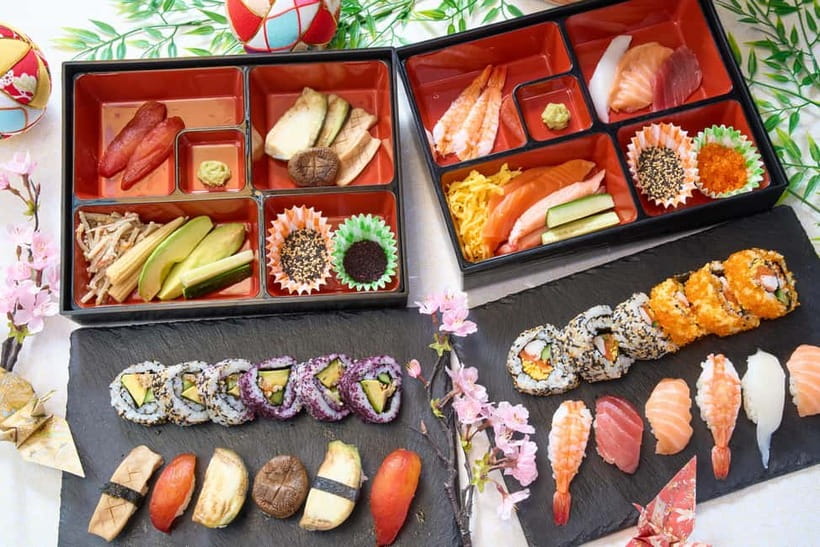
- Fresh vegetable fillings: Ingredients can include eggplant, mushrooms, tomato, and avocado for the plant-based menu.
- English-speaking local instructors: Momoyo and Kaito are among the staff praised for clear, patient teaching.
- A filling activity in Shibuya: You make your meal, eat it afterward, and leave with skills you can use at home.
What This Shibuya Class Actually Offers
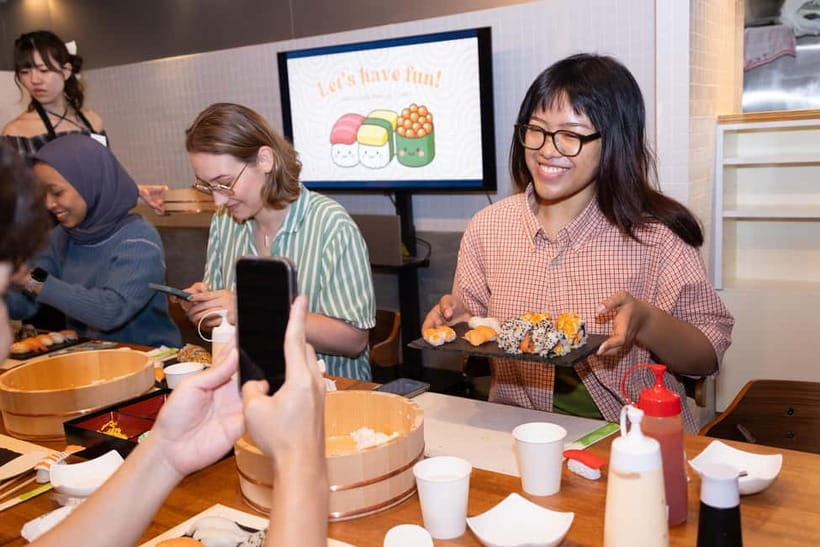
This is not a formal chef-training session. It is a friendly cooking activity built around participation, conversation, and lunch or dinner. You sit down with the ingredients and tools, follow the instructor’s steps, and make sushi with your own hands.
That simple format works well in Tokyo. Shibuya can easily become a blur of shopping, crossings, neon, and packed streets. A sushi class gives you a quieter reason to stop for an hour and a half. You are still in the center of the district, but your focus shifts from seeing Japanese food to understanding how it is put together.
The class costs $58 per person. I consider that fair value if you want more than a meal. You receive instruction in English, ingredients, utensils, sushi-making tools, a short cultural introduction, and food you prepare yourself. A restaurant meal may cost less, but it will not teach you how to shape nigiri or roll sushi. A longer cooking course may offer more recipes, but this one fits neatly into a day of sightseeing.
The 90-minute length is another advantage. It is long enough to learn, make, and eat your sushi without taking over an entire afternoon. It also means the lesson is focused. You should not expect a broad Japanese cuisine course or a lengthy lecture on sushi traditions.
More Cooking Classes in Tokyo
- Sushi Making Tokyo Roll and Authentic Japanese Sushi Class
★ 5.0 · 3,971 reviews - Tokyo: Roll and Authentic Sushi Making Class in Asakusa
★ 4.9 · 1,957 reviews - Tokyo Shinjuku Chopsticks Making Class
★ 5.0 · 1,763 reviews
Finding the Studio Seven Minutes From Shibuya Station
The studio is in the heart of Shibuya, around a seven-minute walk from Shibuya Station. That sounds easy, and the distance is short, but central Tokyo addresses can be less obvious than the map suggests. One participant specifically advised allowing extra time to find the venue.
I would arrive early, especially if you are new to Shibuya. The meeting point can vary depending on the option you book, so check your confirmation carefully rather than relying only on a general map pin. Shibuya Station has many exits and a complicated layout. Getting outside at the wrong point can turn a short walk into a confusing one.
This central setting is useful if you are planning your day around the area. You can pair the class with shopping, the famous crossing, cafés, or an evening walk through Shibuya. The location also makes the activity easy to fit into a busy Tokyo schedule.
The space itself has been described as clean and pleasant. That matters for a food class. You want a place where the work surfaces and tools feel cared for, and where you can concentrate without feeling rushed.
The Sushi History Quiz Before You Cook
The class begins with a short quiz about the history of sushi. It is a small touch, but it gives the activity a better start than simply being handed a bamboo mat and a bowl of rice.
The quiz is designed to be fun rather than academic. You learn a few facts about sushi while getting comfortable with the instructor and the other people in the room. Several participants singled out this opening history lesson because it was clear, amusing, and not boring.
I like this balance. Food classes can sometimes overload you with dates and technical terms, or skip cultural context entirely. Here, the quiz gives you just enough background to understand that sushi is more than a familiar restaurant dish.
The English-speaking instructors guide the conversation, explain the ingredients, and answer questions as the class moves along. Momoyo was praised for making the lesson easy and enjoyable, while Kaito and Momoyo were both noted for creating a warm, welcoming mood. You should expect a relaxed teaching style rather than a stern professional kitchen.
Making California Rolls With Plant-Based Ingredients
After the introduction, you begin the practical part of the class. The exact ingredients depend on the option you book, but the vegan and vegetarian menu can include vegetables such as eggplant, mushroom, tomato, and avocado.
This is where the class earns its place on a Tokyo itinerary. You are not only watching someone demonstrate sushi. You are handling the ingredients, arranging the fillings, and learning how small changes affect the final shape.
The instructors explain the key ingredients and offer tips for making the sushi look and taste better. Rolling takes a little coordination. Too much filling makes the roll difficult to close, while too little can leave it looking thin. The teacher’s guidance helps beginners avoid turning the first attempt into a loose pile of rice and vegetables.
The California roll portion is especially approachable. You can see how the rice, nori, and fillings work together, and you get the satisfaction of cutting a finished roll into neat pieces. It is a good format for families, couples, and solo participants because each person can work at their own pace while still receiving help.
The vegetable ingredients also make the meal more interesting than a basic rice exercise. Eggplant and mushrooms provide a savory element, tomato brings freshness, and avocado adds a soft texture. The appeal is not that these ingredients copy fish. It is that they show how sushi can be built around freshness, balance, color, and texture without using seafood.
A completely different kind of day out:
- Tokyo Disney Resort – Tokyo Disneyland & Tokyo DisneySea Park Tickets
★ 4.8 · 99,488 reviews - SHIBUYA SKY Ticket
★ 4.7 · 46,509 reviews - JR Whole Japan Rail Pass
★ 4.8 · 29,150 reviews - Mt Fuji and Hakone 1-Day Bus Tour Return by Bullet Train
★ 5.0 · 26,383 reviews
Shaping Nigiri, Japan’s Most Recognizable Sushi
The class also includes nigiri, the compact form of sushi in which rice is shaped by hand and topped with an ingredient. The listing describes nigiri as the most iconic food in Japan, and it is an important part of the lesson because it requires a different technique from rolling.
Nigiri looks simple, but its shape matters. The rice needs to hold together without becoming a dense block. The topping needs to sit neatly on top. Under the instructor’s direction, you learn the basic movement and get practical advice on forming it.
For many people, this will be the most rewarding part of the class. Rolls can hide uneven work under a sheet of nori, but nigiri puts your shaping skills on display. It also gives you a better sense of the care behind a small piece of sushi.
The class is built for beginners. You do not need previous cooking experience, and the instructors are described as patient and clear. If your first piece looks more handmade than restaurant-perfect, that is part of the fun. The goal is to learn a repeatable method, not produce a flawless chef’s platter on the first try.
Dietary Choices Need To Be Made Before You Arrive
The class is particularly useful for people who have trouble finding suitable sushi options in Japan. You can request vegan, vegetarian, halal-friendly, or gluten-free food, but you must provide that information when booking.
This is an important planning point. The staff can adapt the experience for these dietary needs, but the menu cannot be changed on the day. Do not assume you can arrive and ask for a different version after the ingredients have been prepared.
For a vegan participant, this class offers more than a safe meal. It gives you a chance to learn a Japanese food tradition without having to spend the session checking every ingredient. One participant described the experience as especially good for a vegan in Japan, praising the clean space, supportive staff, and delicious finished food.
If you have allergies, include them clearly when you book. The staff have been described as accommodating, but the information provided does not promise a separate kitchen or guarantee against every form of cross-contact. Be precise about your needs and follow up with the provider if your restriction is medically serious.
The gluten-free option is described as gluten-free, normal, so confirm the exact menu details when booking if you need strict avoidance. The safest approach is simple: state your requirements early and do not wait until the class begins.
Eating Your Own Sushi At The End
Once the rolls and nigiri are ready, you sit down and eat what you made. This final step gives the class a satisfying finish. You are not just practicing techniques for some distant future meal. You see the result, taste it, and learn which parts you would change next time.
The food is intended to be a proper meal rather than a single sample. One participant described leaving with a nice, big, tasty meal, while others praised the freshness and flavor. The amount can vary with the menu and your own pace, but you should expect to eat the sushi you prepare during the session.
The staff are also happy to take photos of your finished sushi before you eat it. That is useful because homemade sushi tends to disappear quickly once it is on the plate. A photo gives you a small record of the activity and lets you share the result without interrupting the class to take pictures yourself.
The best souvenir, though, is the technique. You leave knowing more about basic sushi ingredients, rolling, and nigiri shaping. You may not recreate the exact class menu at home, but you will have a clearer idea of how to build a simple sushi meal.
The Teaching Style: Friendly, Clear, And Low Pressure
The strongest feature of this experience is the people leading it. The staff are repeatedly praised for being polite, friendly, patient, and easy to talk with. Momoyo received particular praise for making the class special, while Kaito and Momoyo were described as enthusiastic teachers.
That matters more than it might sound. Cooking instruction can become frustrating if the teacher moves too quickly or assumes you already know the basics. Here, the lesson is intended for all cooking levels, and the teaching style appears to be conversational and supportive.
You can expect explanations in English, along with practical tips as you work. The class also creates natural opportunities to chat with the instructors and the rest of the group. It can suit a solo person who wants a social activity, as well as couples and families who want to do something together.
The activity is not designed for people seeking silence or a private chef lesson. It is interactive, and part of its appeal comes from the shared setting. If you prefer to cook alone or want advanced knife skills, this may feel too basic. For most beginners, that simplicity is a strength.
Who Will Get The Most From The $58 Price
At $58, this class makes the most sense for you if you value an activity as much as the food. You receive a short cultural lesson, guided preparation, ingredients, equipment, a meal, and a convenient Shibuya location.
I would recommend it for:
- Vegans and vegetarians who want a planned Japanese food experience
- Families looking for a hands-on activity that does not require advanced cooking skills
- Solo visitors who enjoy meeting people through a shared class
- Couples seeking something more memorable than another restaurant meal
- First-time sushi makers who want clear instruction in English
- People with halal or gluten-free needs who can provide details in advance
The value is less clear if your only aim is to eat the cheapest possible meal. You could spend less at a casual restaurant. It is also not the best match if you want to learn several Japanese dishes, practice professional techniques, or spend half a day cooking.
The 4.7 rating from 29 reviews supports the idea that this is a consistently well-liked small-group activity, with the most praise focused on the instructors, clear explanations, friendly atmosphere, and tasty food. Those are the parts that shape the experience, not just the promise of making sushi.
Timing, Cancellation, And Small Practical Details
The activity lasts 90 minutes, with starting times available according to the date you select. Since the meeting point may vary by booking option, read the confirmation closely.
You can cancel up to 24 hours in advance for a full refund. A reserve-now, pay-later option is also available, which helps if your Tokyo schedule is still changing.
Audio recording is not allowed. Photos of your finished sushi are welcomed, but keep recording equipment out of the session.
Allow extra time to reach the studio. The seven-minute walk is not the issue. Shibuya’s station exits and dense streets are. Arriving early will help you start calmly instead of hunting for the door while the quiz is already underway.
Should You Book This Shibuya Sushi Class?
I would book this class if you want a short, friendly, food-based activity with real participation. The combination of English instruction, fresh plant-based ingredients, sushi history, California rolls, nigiri, and a meal at the end gives the $58 price a reasonable purpose.
Book it especially if you are vegan, vegetarian, halal, or gluten-free, but enter your requirements when making the reservation. The staff seem to care about making people comfortable, and the class gives you a way to enjoy sushi culture without treating dietary needs as an afterthought.
Skip it if you only want a quick meal, advanced culinary training, or a private experience. Otherwise, allow extra time to find the studio, bring your appetite, and expect your first nigiri to look homemade. That is exactly why the class works.
FAQ
How long is the Shibuya sushi-making class?
The class lasts 90 minutes.
How much does the experience cost?
The listed price is $58 per person.
Where is the sushi class located?
The studio is in central Shibuya, about a seven-minute walk from Shibuya Station. The meeting point may vary depending on the option booked.
What language is the class taught in?
The class is taught in English by an English-speaking local instructor.
Are vegan and vegetarian options available?
Yes. The class offers vegan and vegetarian options using fresh ingredients such as eggplant, mushroom, tomato, and avocado.
Can I request halal-friendly or gluten-free food?
Yes. Halal-friendly and gluten-free options are available. You must provide your dietary preferences or restrictions when booking.
What will I make during the class?
You will make California rolls and nigiri with guidance from the instructor.
Can the menu be changed on the day?
No. Menu changes cannot be accommodated on the day, so provide your dietary information in advance.
Can I cancel or pay later?
You can cancel up to 24 hours in advance for a full refund. A reserve-now, pay-later option is also available.
Just added in Tokyo
- A One-of-a-Kind Sushi Experience in a Special Place of Japan★ 5.0 · 15 reviews
- Tokyo Cute Bento Cooking Class – Make a Kawaii Character Lunchbox★ 5.0 · 126 reviews
- Japanese Home Cooking Class & Walk in Todoroki Temple Tokyo★ 5.0 · 88 reviews
- Japan Tokyo Tower Observatory Deck E-Ticket★ 4.0 · 34 reviews
- Catch a Baseball Game in Tokyo with a Local – Tickets Included★ 5.0 · 24 reviews
- JDM Experience with Fast&Furious RX-7 (English speaking Driver)★ 5.0 · 57 reviews
- Tokyo Private Day Tour by Car with English speaking Driver Guide★ 4.0 · 29 reviews
- Japan Classic 10 Day – One Life Adventures★ 5.0 · 129 reviews
Cooking Classes, compared.
Sushi Making Tokyo Roll and Authentic Japanese Sushi Class
Read our review →
Roll and Authentic Sushi Making Class in Asakusa
Read our review →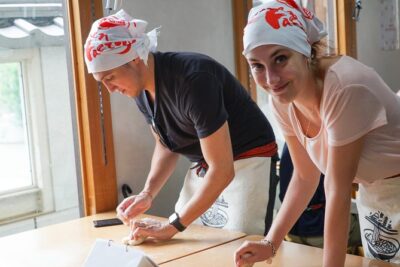
Ramen Cooking Class at Ramen Factory in Kyoto
Read our review →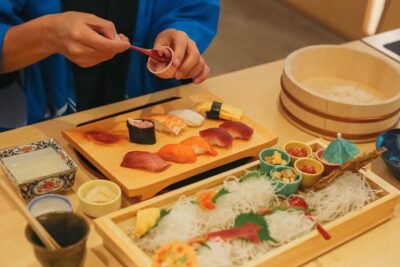
Sushi Making Class in a Happi Coat near a Famous Spot
Read our review →
Sushi Making Osaka Roll and Authentic Japanese Sushi Class
Read our review →
Tokyo Sushi Making Class in Tsukiji with Professional Chef
Read our review →
Ramen & Gyoza Cooking Class in Tokyo with Local Supermarket Visit
Read our review →Browse the lists this tour appears in