
Reviewed · MUSEUMS AND GALLERIES
(Ticket Included) Explore Osaka Castle & Museum of History
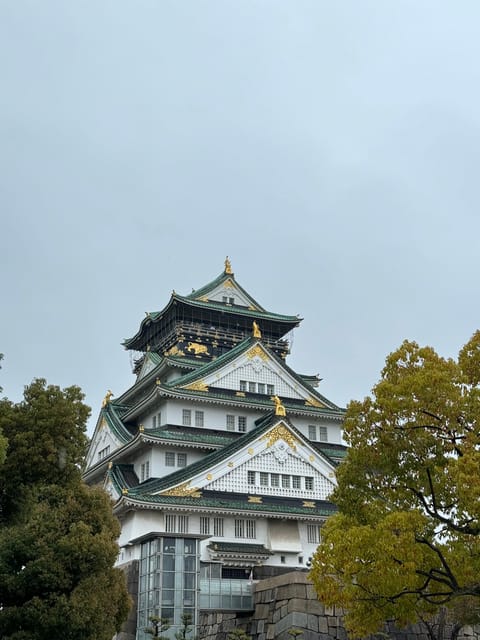
Osaka’s past comes into focus here. I like the smart pairing of the Museum of History with Osaka Castle, since the museum explains the city before you see the castle grounds and interior. I also like the choice of two tour times, including a quiet early walk for people who want scenery without museum entry. The main drawback is that the castle ticket does not guarantee instant entry during peak season, and the walk involves a fair amount of time outdoors.
This is a small-group experience capped at 10 people, which matters in a busy part of Osaka. Guides speak English or Indonesian, and recent feedback gives special praise to Laila for her warmth and help, while Utahn is noted for explaining museum displays and linking them to artifacts and scenes at the castle.
In This Review
- Key points to know before booking
- Why this Osaka pairing works so well
- Meeting at the Namba Palace ruins marker
- The 10th-floor Naniwa Palace dioramas
- Views from the museum’s 8th-floor deck
- The 20-minute walk toward Osaka Castle
- Exploring Osaka Castle Park for about 100 minutes
- Entering Osaka Castle with a QR ticket
- What the $22 price really covers
- Who will get the most from this tour
- Practical tips for a smoother visit
- Should you book the Osaka Castle and Museum tour?
- FAQ
- How long does the experience last?
- What is included in the 10:00 tour?
- Does the early tour include entry to Osaka Castle?
- Is the guide inside Osaka Castle?
- Can I skip the line at Osaka Castle?
- Where is the meeting point?
- What should I bring?
Key points to know before booking
- Two different tour styles: Choose a 90-minute morning walk or a 150-minute historical tour with museum and castle admission.
- The Museum of History comes first: The 10th-floor Naniwa Palace dioramas give useful context before you reach Osaka Castle.
- The 8th-floor observation deck: You get broad views over Osaka from inside the museum.
- Castle entry is self-guided: Your QR ticket covers Osaka Castle on the longer tour, but there may still be a line at the entrance.
- Small groups help: With no more than 10 people, it should be easier to hear the guide and ask questions.
- The meeting point takes planning: Find the Namba Palace ruins marker near Exit 9 of Tanimachi 4-chome Station.
Why this Osaka pairing works so well
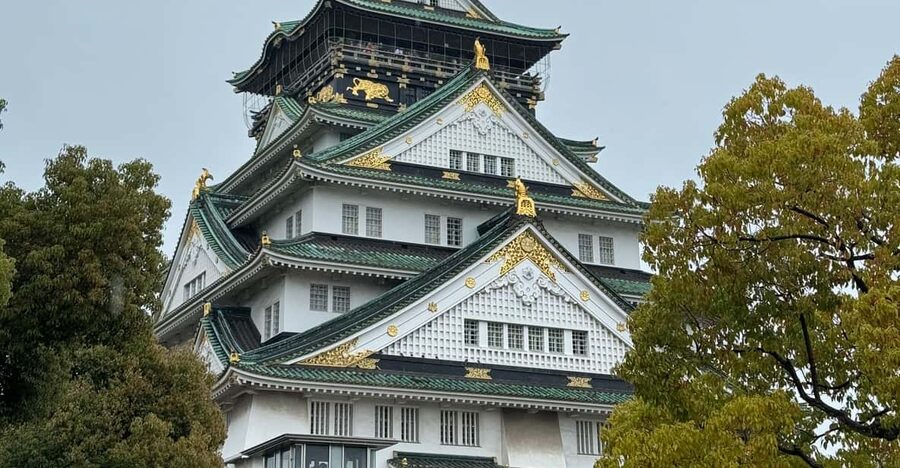
Osaka Castle is one of the city’s best-known sights, but the building alone does not explain Osaka’s place in Japanese history. The Museum of History fills in that gap. You see how the area developed across different eras, then walk toward the castle with a clearer idea of why this part of the city matters.
I like this order because it prevents the castle from becoming just another photo stop. You first learn about Osaka’s earlier political role, its merchant culture, and its changing town life. Then the castle grounds become easier to read as part of a much larger story.
The experience is also flexible. The early option runs from 7:30 to 9:00 in the morning and focuses on Osaka Castle Park. It includes a guided walk, quiet paths, photo locations, and explanations of the castle’s past, but no interior entry. The later option runs from 10:00 to 12:30 and adds the Museum of History plus self-guided entry into Osaka Castle.
That difference is important. If you already plan to visit the castle on your own, the morning walk may give you a peaceful introduction without paying for museum admission. If this is your main Osaka history outing, I would choose the longer tour.
More Castles and Historic Sites in Osaka
- Osaka Castle Ticket
★ 4.7 · 12,450 reviews - Osaka Castle: Museum and Tower Entry Ticket
★ 4.5 · 2,380 reviews - Ultimate Osaka Walking Tour: Castle, Dotonbori & Hidden Gems
★ 5.0 · 862 reviews
Meeting at the Namba Palace ruins marker
Both tours begin at 難波宮跡, marked by a signpost at 3-3 Tanimachi, Chuo Ward, Osaka 540-0012. This is the site of the former Naniwa Palace, so the meeting point already connects to the subject of the tour.
The easiest subway instruction is simple: follow signs to Exit 9 at Tanimachi 4-chome Station. If you arrive on the Chuo Line, keep following the station signs. If you come by the Tanimachi Line, you need to move toward the Chuo Line platform area to find Exit 9.
I would allow extra time here. Large Japanese stations can be confusing, and the exit instructions are more precise than simply saying Tanimachi 4-chome. If you are uncertain, ask a station officer. The exact meeting point is also available through the supplied Google Maps link.
You should arrive in comfortable shoes and clothes. The tour combines museum floors, paved walking routes, castle grounds, and outdoor photo stops. Food and drinks are not included, so eat beforehand if you choose the early start.
The 10th-floor Naniwa Palace dioramas
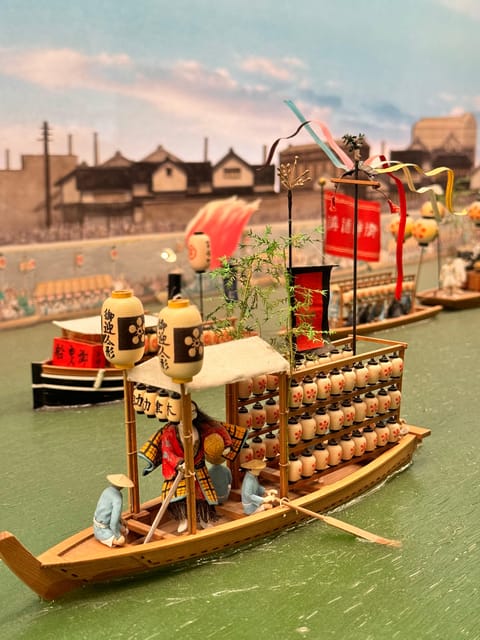
The longer tour begins with a 15-minute walk to the Osaka Museum of History. The museum visit lasts about an hour, and the 10th floor is a major reason to make time for it.
Here you can see dioramas showing Naniwa Palace. These large-scale displays help you picture a place that would otherwise be difficult to understand from a modern street. The guide can point out what you are seeing and explain how the palace fits into Osaka’s earlier story.
This is where the tour earns its keep. A museum can be hard to read when you are alone, especially when you are working through unfamiliar names and time periods. A guide gives you a path through the displays instead of leaving you to wander from label to label.
The museum also covers Edo-period merchant culture and town life. Osaka’s identity was shaped not only by rulers and castles, but by commerce, trade, and everyday city activity. That focus gives the visit a useful contrast with the grand image of Osaka Castle.
One guest specifically praised Utahn for explaining museum displays and connecting the dioramas and artifacts with what appears at the castle. That connection is worth noting. You are not simply looking at two separate attractions. The museum is meant to prepare you for the second half of the outing.
Views from the museum’s 8th-floor deck
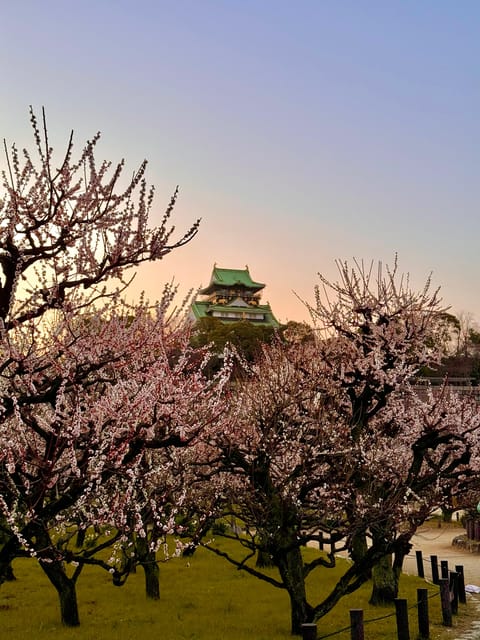
The museum’s 8th-floor observation deck gives you a broad view over Osaka. It is a practical stop as well as a scenic one, since seeing the city from above helps you understand how the castle grounds fit into the wider urban setting.
I would treat this as a bonus rather than the sole reason to book. The view will depend on weather and visibility, and the tour does not promise a particular skyline condition. Still, it adds variety to the museum visit and gives you a chance to pause after the indoor displays.
Bring a camera if you enjoy city views and architectural photos. Flash photography is not allowed, so use your camera or phone without flash inside the museum.
More Castles and Historic Sites in Japan:
- Tokyo: Imperial Palace and Shogun Historical Walking Tour
★ 5.0 · 2,251 reviews - Tokyo: Samurai Restaurant Show Ticket with 2 Drinks
★ 4.5 · 1,307 reviews - Kyoto Samurai Experience
★ 5.0 · 1,294 reviews - Tokyo Castle & Imperial PalaceーShogun Walking Tour
★ 4.7 · 1,068 reviews
The 20-minute walk toward Osaka Castle
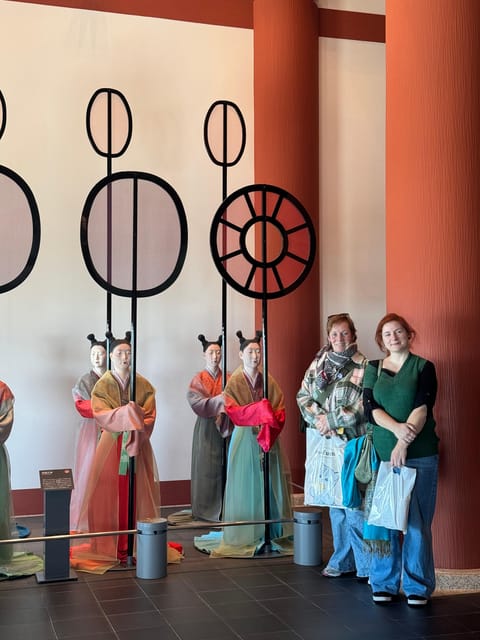
After the museum, the group walks for about 20 minutes toward Osaka Castle Park. The distance is manageable for most people who are comfortable walking, but it is not a sit-down sightseeing experience. You will be on your feet for much of the tour.
This walk is part of the value. The guide can point out the relationship between the museum, the former palace area, the park, and the castle surroundings as you move through them. It also gives you time to shift from museum exhibits to the open setting around the castle.
Weather matters here. Osaka can be hot, rainy, or cold depending on the season, and the experience includes outdoor walking even though the museum provides some indoor shelter. Check the forecast and dress sensibly. Comfortable shoes are more important than stylish ones.
Exploring Osaka Castle Park for about 100 minutes
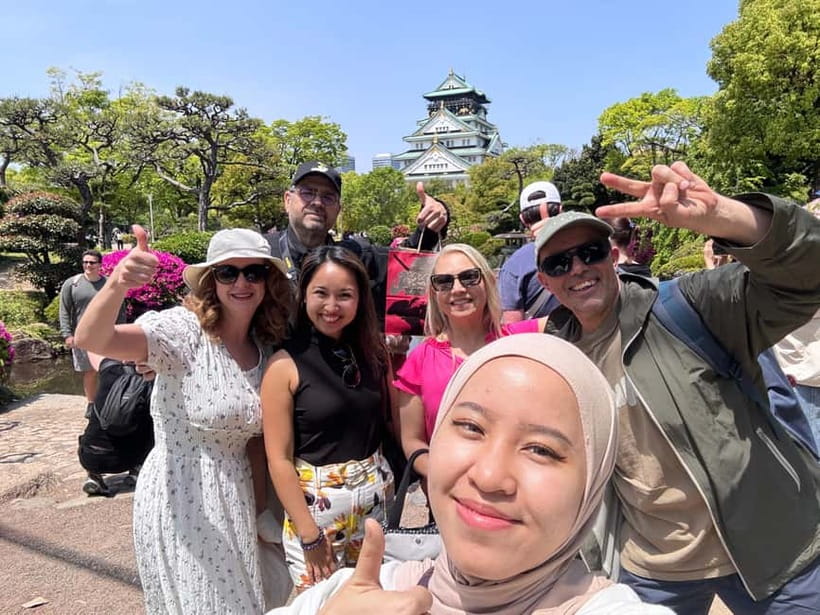
The castle park portion lasts roughly 100 minutes and includes a guided walk, sightseeing, scenic views, and photo stops. This is not just a quick route to the entrance. You have time to look around the grounds and take photographs with help from the guide.
The guide can recommend photo locations and assist with taking pictures. That small service is useful for solo visitors and couples who want a photo together without handing a phone to a random passerby.
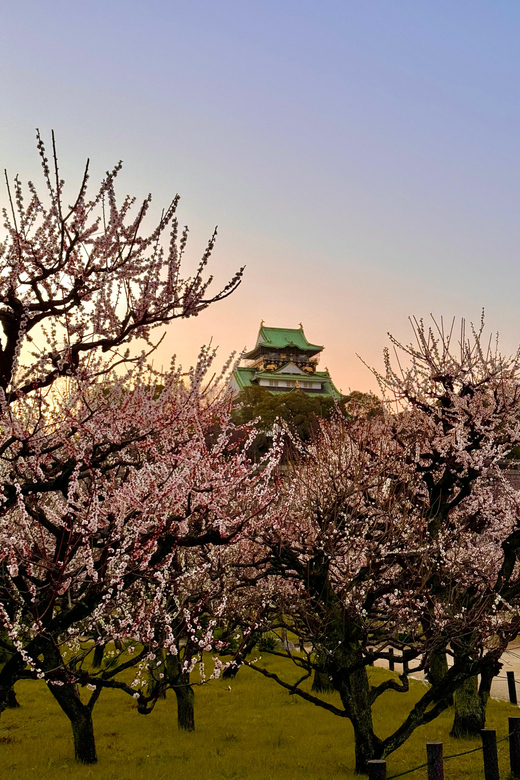
The park is also where the early tour makes sense. From 7:30 to 9:00, you can enjoy quieter paths and a calmer atmosphere before the day becomes busier. This option does not include entry to the museum or the castle interior, so think of it as a guided orientation rather than a full historical visit.
The early walk may suit you if you want exercise, outdoor views, and a gentle start to the day. It is less suitable if you want detailed museum displays or the famous interior of Osaka Castle.
Entering Osaka Castle with a QR ticket
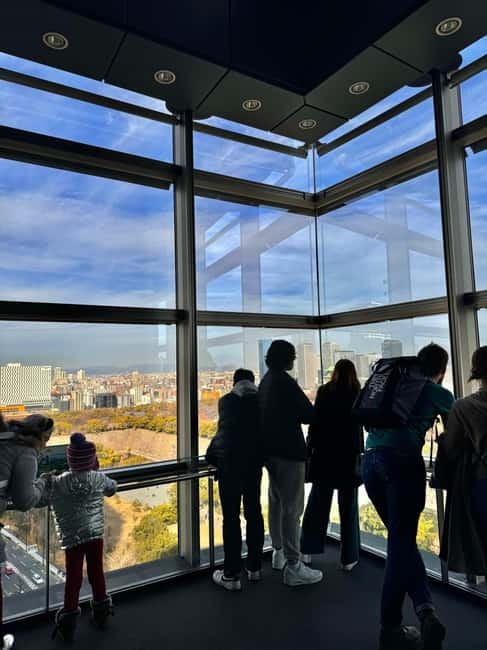
The 10:00 tour includes a QR ticket for self-guided entry into Osaka Castle. This means the guide does not accompany you through the castle interior. After the guided portion, you explore inside at your own pace.
I see this as both a strength and a limitation. You gain freedom to spend as much time as you like with the exhibits, rather than being rushed through a fixed route. You can also leave when you are ready. On the other hand, you will not have the guide beside you to explain every display.
The activity information describes the ticket as a way to skip the ticket line, but it also warns that peak-season entry may still involve waiting. Those two points can both be true: a QR ticket may avoid the ordinary purchase process, while security or entrance congestion still slows everyone down.
Plan your expectations accordingly. The ticket is included in the 10:00 tour, but instant access is not guaranteed. One piece of feedback in French appears to describe trouble involving admission despite the included ticket, so I would keep your QR code easy to open and confirm the entry instructions with your guide before separating from the group.
What the $22 price really covers
At $22 per person, the longer tour offers solid value if you want both museum and castle admission. You are paying for an English-speaking or Indonesian-speaking guide, entry to the Museum of History, a castle ticket, photo help, and a small-group format.
The price is less compelling for someone who only wants to take pictures outside Osaka Castle. You can use the 90-minute morning walk instead, or visit the park independently. The real benefit is the explanation, the organized route, and the combination of two paid attractions.
Small groups are especially helpful here. A maximum of 10 people is not private touring, but it is far easier to hear a guide than in a large coach group. You also have a better chance to ask about a display, pause for a photograph, or clarify directions.
The flexible cancellation policy adds practical value. You can cancel up to 24 hours before the activity for a full refund, and the reserve-now, pay-later option helps if your Osaka schedule is still moving around.
Who will get the most from this tour
I would recommend the 10:00 option if you are visiting Osaka for the first time and want a clear introduction to the city’s past. The museum gives you context, while the castle and park provide the visual payoff.
It also suits you if you prefer a guide for the big picture but like exploring museums on your own. You get explanation where it helps most, then freedom inside the castle.
The early walk is better for early risers, photographers, and people who want an outdoor introduction without committing to a longer museum visit. It may also work well if your schedule is tight and you plan to return to Osaka Castle later.
This is not ideal for anyone who dislikes walking, outdoor heat, or uneven pacing between indoor and outdoor stops. The activity is listed as unsuitable for people over 80, and the organizers specifically advise comfortable shoes. Food, drinks, local transportation, and personal expenses are also your responsibility.
Practical tips for a smoother visit
Keep these points in mind before you go:
- Save the meeting-point map and arrive early enough to find Exit 9.
- Wear shoes you can walk in comfortably for at least two hours.
- Carry your QR ticket where you can open it quickly.
- Bring a camera, but turn off flash photography indoors.
- Check the weather because the castle park section is outside.
- If you choose the early walk, remember that it does not include interior admission.
- If you choose the longer tour, expect to explore the castle interior without the guide.
- Keep some flexibility after the tour if peak-season lines delay castle entry.
The guide languages are English and Indonesian. Laila is praised for being helpful and making the experience enjoyable, while Utahn receives particular credit for tying museum displays to the castle. If you have a strong preference for one language, check availability for your selected date before paying.
Should you book the Osaka Castle and Museum tour?
I would book the 10:00 tour if you want more than a quick castle photograph. Its best feature is the sequence: Naniwa Palace dioramas, merchant-era Osaka, city views, castle grounds, and then self-guided castle entry. At $22, that is a reasonable package for a small group.
Choose the early walk instead if you mainly want quiet park scenery and a guide’s local orientation. Skip the experience if you want a fully private tour, dislike walking, or expect the guide to accompany you inside the castle.
For most first-time visitors, the longer option offers the stronger value. Just allow for possible lines at the castle entrance and remember that the final interior visit is self-guided.
FAQ
How long does the experience last?
The early Osaka Castle Park walk lasts about 90 minutes. The longer tour runs from 10:00 to 12:30, for a total of about 150 minutes.
What is included in the 10:00 tour?
The longer tour includes an English-speaking or Indonesian-speaking guide, admission to the Osaka Museum of History, admission to Osaka Castle, photo spot recommendations, and help taking pictures.
Does the early tour include entry to Osaka Castle?
No. The 7:30 to 9:00 option is a guided outdoor walk around Osaka Castle Park and does not include interior admission.
Is the guide inside Osaka Castle?
No. The castle visit on the 10:00 tour is self-guided. The QR ticket allows you to explore the interior at your own pace.
Can I skip the line at Osaka Castle?
The activity includes a QR ticket intended to help skip the ticket line, but peak-season waiting may still occur at the entrance.
Where is the meeting point?
Meet at 難波宮跡, the Namba Palace ruins marker, at 3-3 Tanimachi, Chuo Ward, Osaka 540-0012. From Tanimachi 4-chome Station, follow signs to Exit 9.
What should I bring?
Wear comfortable shoes and clothes, check the weather, and consider bringing a camera. Flash photography is not allowed.
More Museums and Galleries in Japan
- teamLab Borderless Tickets: MORI Building DIGITAL ART MUSEUM
★ 4.7 · 24,126 reviews - teamLab Planets TOKYO Ticket
★ 4.7 · 21,663 reviews - Tokyo: teamLab Planets TOKYO Digital Art Museum Entry Ticket
★ 4.6 · 9,779 reviews - teamLab Botanical Garden Osaka Ticket
★ 4.4 · 7,975 reviews
Just added in Japan
- A One-of-a-Kind Sushi Experience in a Special Place of Japan★ 5.0 · 15 reviews
- Tokyo Cute Bento Cooking Class – Make a Kawaii Character Lunchbox★ 5.0 · 126 reviews
- Japanese Home Cooking Class & Walk in Todoroki Temple Tokyo★ 5.0 · 88 reviews
- Japan Tokyo Tower Observatory Deck E-Ticket★ 4.0 · 34 reviews
- Catch a Baseball Game in Tokyo with a Local – Tickets Included★ 5.0 · 24 reviews
- JDM Experience with Fast&Furious RX-7 (English speaking Driver)★ 5.0 · 57 reviews
- Tokyo Private Day Tour by Car with English speaking Driver Guide★ 4.0 · 29 reviews
- Japan Classic 10 Day – One Life Adventures★ 5.0 · 129 reviews
Museums and Galleries, compared.

teamLab Borderless Tickets: MORI Building DIGITAL ART MUSEUM
Read our review →

teamLab Planets TOKYO Digital Art Museum Entry Ticket
Read our review →



Browse the lists this tour appears in