
Reviewed · MUSEUMS AND GALLERIES
Tokyo National Museum
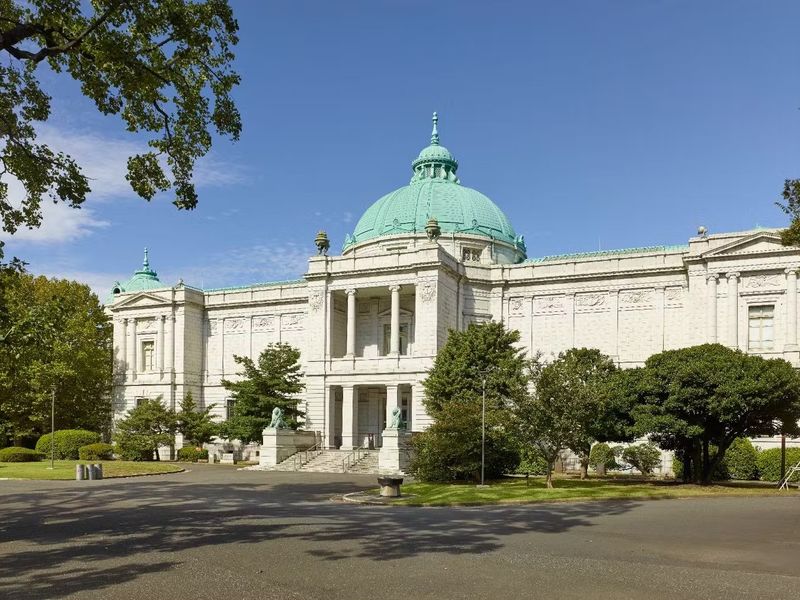
The Tokyo National Museum brings Japan’s art and history into focus through objects you can see up close: swords, armor, Buddhist works, kimonos, ceramics, and prints. Founded in 1872, it is the country’s oldest national museum, with about 120,000 objects in its collection and more than 3,000 on display at a time. I like the changing displays, which keep the regular collection from feeling fixed, and the mix of indoor galleries and a garden with traditional teahouses.
The main trade-off is scale. The collection spans several buildings, and walking through them can tire your feet before you’ve seen everything. Treat two to three hours as a starting point, not a promise that you’ll cover the whole museum.
In This Review
- What to Know Before You Go
- Start With a Plan, Not a Sprint
- The Japanese Art Galleries and the Honkan
- Buddhist Art, Swords, and Objects Made to Last
- More Than Japan: Regional Collections and Context
- A Garden Break Between Galleries
- How Long to Stay and How to Pace the Visit
- Tickets, Price, and What the Admission Covers
- Getting to Ueno Park and Checking the Hours
- Who Will Get the Most From This Museum?
- Should You Book the Tokyo National Museum?
- FAQ
- How long should I allow for the Tokyo National Museum?
- What does the admission ticket include?
- What are the museum’s opening hours?
- How do I get to the museum?
- Is admission free for children?
- Are special exhibitions included with the regular ticket?
- Can I visit the Kuroda Memorial Museum with my ticket?
What to Know Before You Go
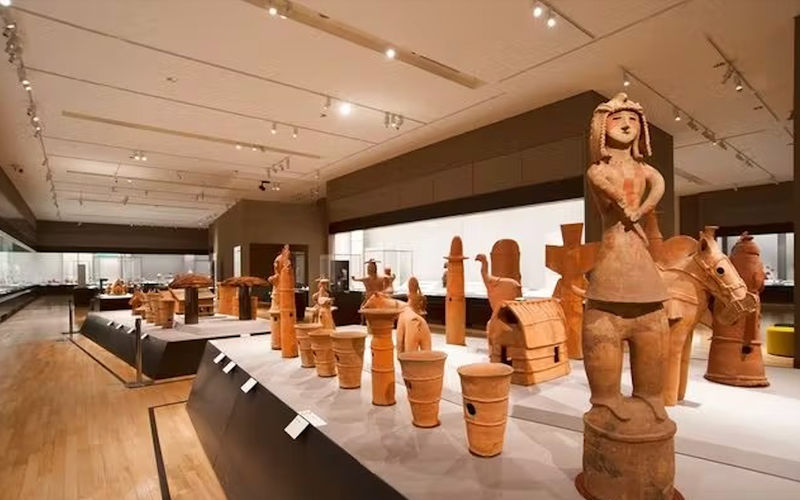
- The regular collection covers Japanese art and history: Look for samurai arms and armor, Buddhist art, kimonos, prints, ceramics, and archaeological objects.
- Displays change often: The regular exhibition changes about 370 times a year, so a particular work may not be on view when you visit.
- Your ticket covers the regular exhibition: Special exhibitions need a separate ticket, unless you already have a same-day special exhibition ticket.
- The museum is spread across several buildings: Choose a few priorities rather than racing through every gallery.
- An e-ticket can simplify entry: Have your mobile voucher ready. Some visitors have had to exchange a QR code for a paper ticket, so allow a little time.
- Ueno Park makes a good day of it: The museum is a short walk from several train stations and sits among other cultural stops.
Start With a Plan, Not a Sprint
The Tokyo National Museum is not one grand room you can skim in half an hour. Its collection is shown in multiple buildings, and each offers a different way into Japanese culture. The scale is part of the appeal, but it can also make an unplanned visit feel like a long march from gallery to gallery.
I’d begin by checking what is on display that day and choosing two or three areas that matter most to you. The regular exhibition changes frequently, so don’t build your whole visit around a specific object unless you have confirmed it is on view. Even familiar works, including famous prints, may be absent because fragile pieces need careful handling.
The museum describes its collection as roughly 120,000 artifacts, with more than 3,000 displayed at any one time. That is plenty to fill an afternoon, but not a reason to see every case. Give yourself time to stop, read, and notice details in the objects rather than collecting gallery numbers.
A two-hour visit can work if you focus. For a slower look across several buildings, allow three hours or more. If you want to add the garden and other nearby museums, plan a fuller day in Ueno Park.
More Museums and Galleries in Tokyo
- teamLab Borderless Tickets: MORI Building DIGITAL ART MUSEUM
★ 4.7 · 24,126 reviews - teamLab Planets TOKYO Ticket
★ 4.7 · 21,663 reviews - Tokyo: teamLab Planets TOKYO Digital Art Museum Entry Ticket
★ 4.6 · 9,779 reviews
The Japanese Art Galleries and the Honkan
The Honkan, or Japanese Gallery, is a natural place to begin if you want a broad view of Japanese art and culture. Its displays include objects such as samurai swords and armor, kimonos, Buddhist works, ceramics, and woodblock prints. Together, they show how craft, religion, daily life, and power changed across different periods.
The most rewarding approach is to pick a thread and follow it. A display of armor can lead you to notice materials and workmanship; a room of Buddhist art offers a different mood and purpose. You do not need to know a long list of dates to appreciate the objects, though the explanations help put them in context.
English explanations are available in the galleries, which makes independent visits easier. Korean explanations are also noted, and language access can matter when you are visiting with children or family members who prefer to read in Korean. If a particular label or object interests you, take a moment with it. The museum’s pace is quiet, and there is no need to hurry simply because the collection is large.
Keep an eye on the museum’s notices before you go. Galleries 7 to 10 in the Honkan are scheduled for maintenance from December 1, 2025, through April 6, 2026. The museum’s display plan can also change, so check current information if those galleries or a specific work are central to your visit.
Buddhist Art, Swords, and Objects Made to Last
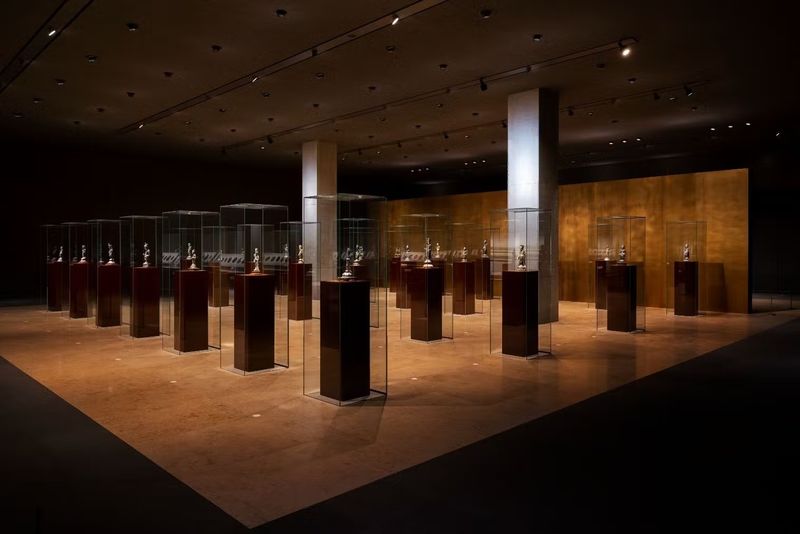
Some of the collection’s strongest moments come from seeing objects that have survived for centuries. The museum holds an important collection of Japanese Buddhist art, described as the oldest collection of its kind in existence. Seeing religious works alongside objects from other parts of Japanese life gives you a useful sense of how art served more than decoration.
The swords and armor are another likely draw. They make the practical side of history visible: these are objects shaped for use, but also made with a high level of craft. A sword that is hundreds of years old can look startlingly well preserved, though the displays rotate and no particular piece is guaranteed to be on view.
Prints and kimonos offer a different kind of detail. Look closely at pattern, line, and surface rather than treating each item as a broad example of a period. The museum’s frequent changes mean a repeat visit can reveal new works, but they also mean the celebrated piece you came hoping to see may be resting off display.
More Than Japan: Regional Collections and Context
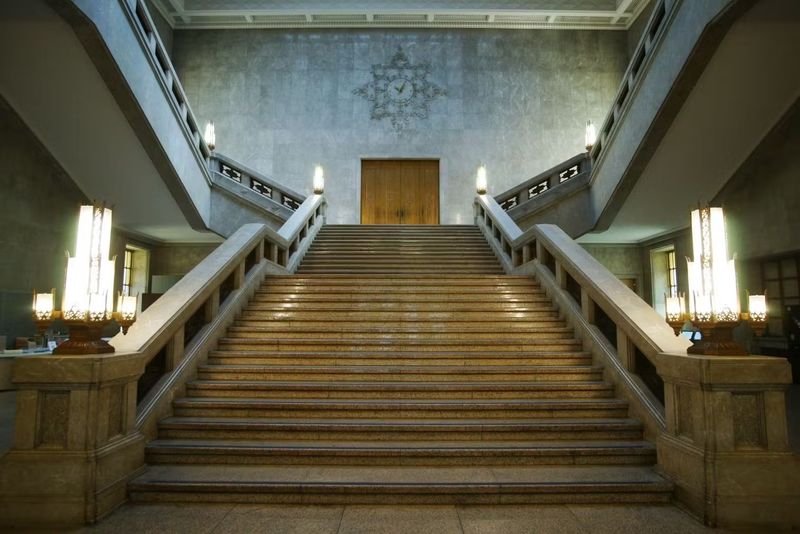
The museum includes objects from outside Japan as well as Japanese material. The mix can be useful for understanding connections across East Asia, but it may surprise you if you expect every gallery to focus only on Japan. Displays include works associated with China and Korea, among other cultural material.
That breadth is a strength if you like comparing styles, beliefs, and craft traditions. It can also make the museum’s layout feel less straightforward: you may find yourself choosing between a deep look at Japanese galleries and time spent in the wider collections. I’d make that choice before your feet do it for you.
The museum presents cultural history through objects, not as a full account of every political event or historical debate. If you are looking for an extensive treatment of modern Japan’s military history, this may not be the place to get that complete picture. Come for the art and artifacts, and use other museums or sources to fill in subjects that are not the focus here.
A completely different kind of day out:
- Tokyo Disney Resort – Tokyo Disneyland & Tokyo DisneySea Park Tickets
★ 4.8 · 99,488 reviews - SHIBUYA SKY Ticket
★ 4.7 · 46,509 reviews - JR Whole Japan Rail Pass
★ 4.8 · 29,150 reviews - Mt Fuji and Hakone 1-Day Bus Tour Return by Bullet Train
★ 5.0 · 26,383 reviews
A Garden Break Between Galleries
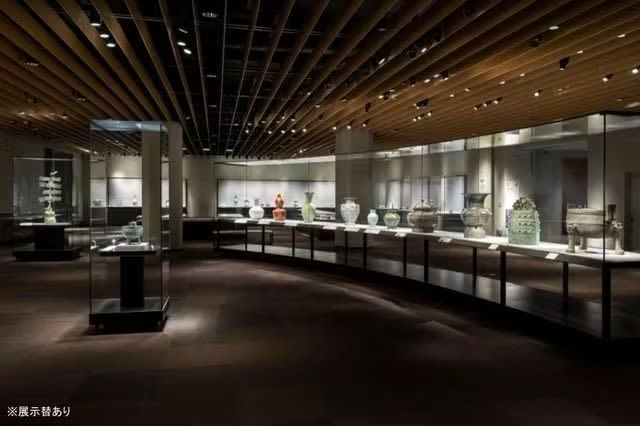
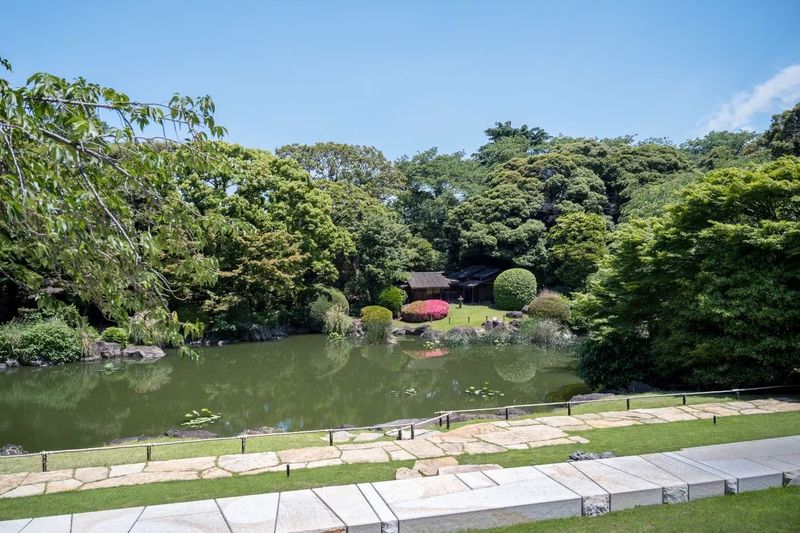
The museum grounds offer a welcome pause from indoor displays. The Museum Garden has greenery through the year and traditional teahouses, giving you a quieter change of scene without leaving the museum area. It is a good stop if you want a breather before returning to the galleries, or if you need a calmer moment after a lot of reading and walking.
Do not assume that a visit to the garden will take the same time in every season. The grounds are described as having year-round greenery, but the experience will vary with the time of year. The central point is simple: leave space for it in your plan rather than treating the museum as a set of indoor rooms only.
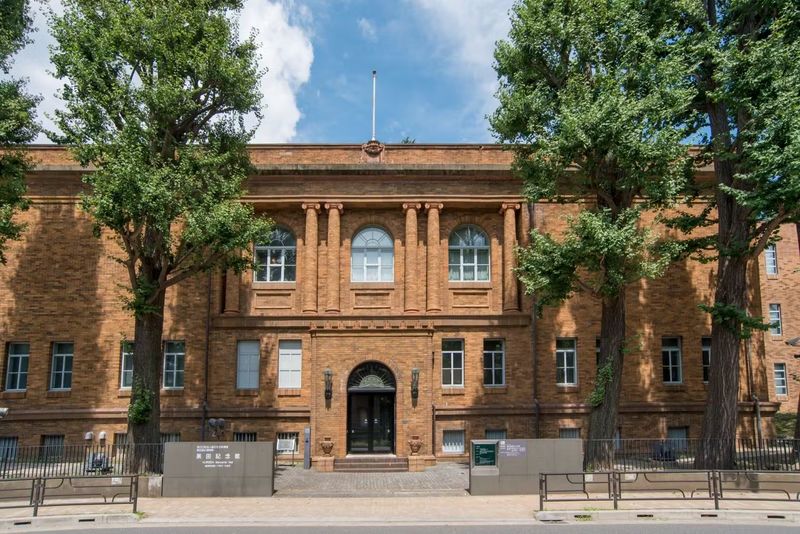
The Kuroda Memorial Museum is another nearby cultural stop, and admission there is free. Its posted hours are 9:30 a.m. to 5 p.m., with admission until 4:30 p.m. If you want to add it, check its current schedule before you set off.
How Long to Stay and How to Pace the Visit
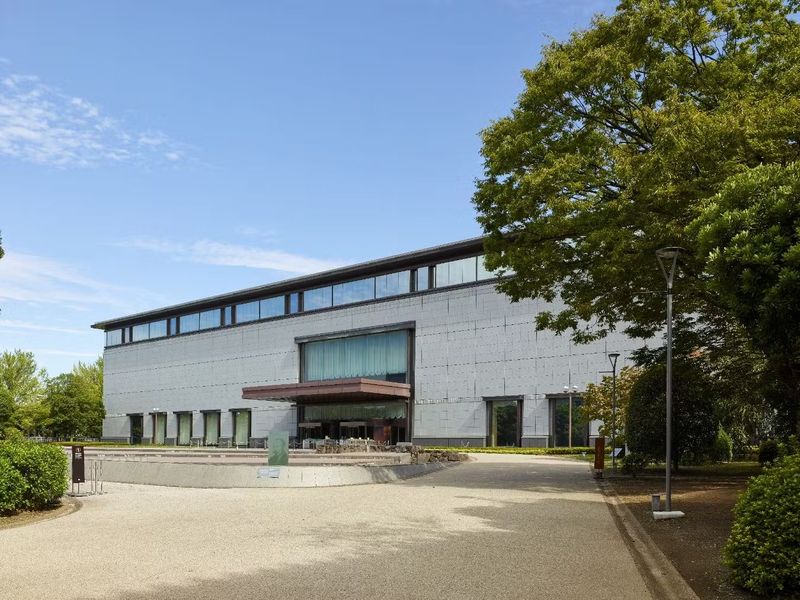
For a focused visit, two hours lets you see selected galleries without trying to cover the entire complex. Three hours gives you more room to move between buildings, take breaks, and spend time with objects that catch your eye. A full day may suit anyone who wants to explore several pavilions at an unhurried pace and add the garden or another museum in the park.
The buildings are spacious, and there are resting seats and food areas. Those details matter in a museum this size: a place to sit can turn a tiring visit into a pleasant one, especially if you are with children or have already spent the morning walking around Tokyo. Still, wear comfortable shoes. The distance between galleries adds up.
If you are visiting with a child, choose a few visual highlights and keep the rest flexible. Swords, armor, and colorful objects can give younger visitors an easy way into the collection, while clear explanations help adults get more from the displays. Children under 18 enter the regular exhibition free, though you may need proof of age.
Tickets, Price, and What the Admission Covers
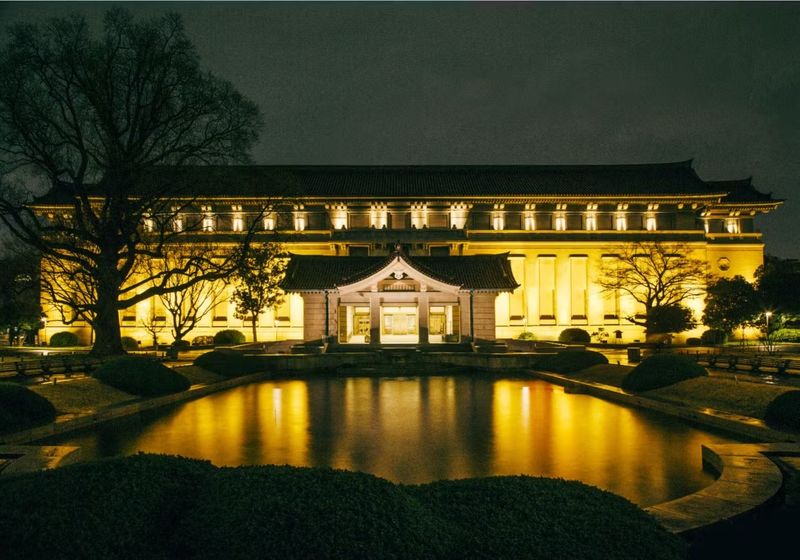
Admission starts at about $6.35, though prices can vary by date, currency, and booking details. For a major museum with several buildings and thousands of displayed objects, the regular ticket offers solid value, especially if you plan to stay for a few hours. The price is less compelling if you have only a short window and intend to see one gallery.
The admission ticket covers the regular exhibition. Special exhibitions require a separate ticket, unless you have bought a special exhibition ticket for that day, which also allows entry to the regular exhibition. Check this distinction before you buy so you do not arrive expecting every show to be included.
A mobile voucher is used for entry. An advance e-ticket can spare you the ticket-office queue, but the entry process may involve scanning the voucher or exchanging its code for a paper ticket. Have the voucher open on your phone and leave a little time at the entrance rather than assuming you can walk straight through.
Admission is free for high school students and younger visitors, people under 18, and people over 70, with proof of age requested. One person with a disability and one caregiver are also admitted free with suitable documentation. A student ticket requires a student ID. The regular collection also has designated free-admission days, but special exhibitions are not included in that free admission.
Getting to Ueno Park and Checking the Hours
The museum is at 13-9 Uenokoen, Taito City, Tokyo. It is about a 10-minute walk from the Park Exit of JR Ueno Station or the South Exit of Uguisudani Station. From Tokyo Metro Ueno Station, Nezu Station, or Keisei Ueno Station, allow about 15 minutes on foot.
There is no museum parking, so public transport is the practical choice. The walk through Ueno Park is part of the approach, and the surrounding cultural sites make it easy to build a broader day around your visit.
The posted hours are 9:30 a.m. to 5 p.m. Sunday through Thursday, and until 8 p.m. on Friday and Saturday, with last admission 30 minutes before closing. The museum is closed on Mondays and Tuesdays, although it opens on a Monday public holiday and closes the following weekday. Because the stated hours and closure rules can be easy to misread, check the museum’s current calendar before making the trip.
Temporary closures also affect individual galleries. The Heiseikan Archaeology Gallery is scheduled to close from February 2 through March 31, 2026, for maintenance, and the Hyokeikan opens only for special exhibitions or events. Confirm current building access if one of these areas is a priority.
Who Will Get the Most From This Museum?
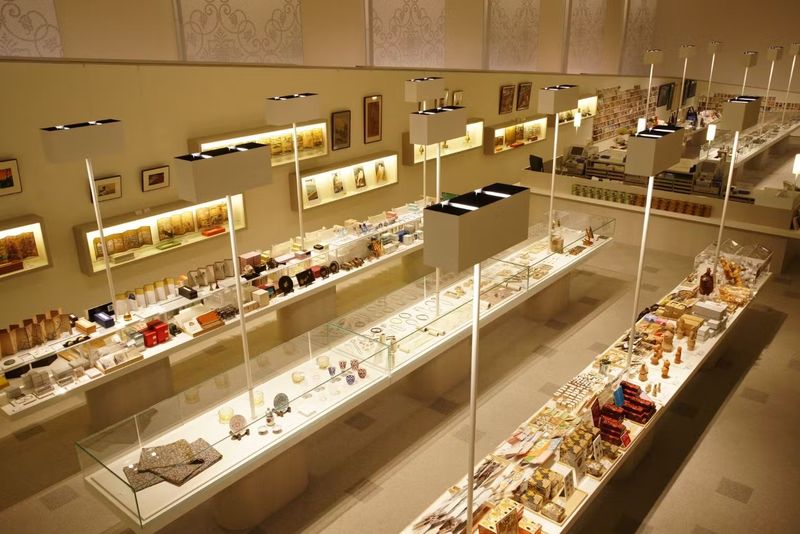
I’d recommend the Tokyo National Museum to anyone curious about Japanese art, craft, religion, or material culture. It is especially worthwhile if you enjoy looking closely at objects and want a broad introduction rather than a single-topic attraction. The many buildings make it a poor fit for a rushed stop, but a strong choice for a half-day or an open afternoon.
Families can make it work well by choosing a few galleries and taking breaks. The museum has clear explanations in English, and Korean text is available in some displays. The free admission for people under 18 is also a practical plus for family budgets.
If you are mainly interested in modern political history, or you want one guaranteed artwork, check the current exhibition details first. This is a collection museum, and its displays change. You are buying access to a substantial range of art and artifacts, not a promise that every famous object will be on view.
Should You Book the Tokyo National Museum?
Book it if you want a substantial, self-paced look at Japanese art and history, and you have at least a couple of hours to give it. The collection, spacious galleries, garden, and location in Ueno Park make the admission price worthwhile for many culture-minded visitors.
Go in with a short list of priorities, comfortable shoes, and a quick check of opening hours and gallery closures. If that sounds like a good museum day, the Tokyo National Museum is an easy choice. If you only have time to dash through, save it for a day when you can slow down.
FAQ
How long should I allow for the Tokyo National Museum?
Plan on two to three hours for a visit. The museum spans several buildings, so you may need more time if you want to see many galleries and the garden.
What does the admission ticket include?
The ticket includes admission to the regular exhibition. A separate ticket is required for special exhibitions, unless you have a same-day special exhibition ticket, which also includes the regular exhibition.
What are the museum’s opening hours?
The posted hours are 9:30 a.m. to 5 p.m. Sunday through Thursday and 9:30 a.m. to 8 p.m. Friday and Saturday. Last admission is 30 minutes before closing. The museum is closed on Mondays and Tuesdays, with holiday exceptions, so check the current schedule before visiting.
How do I get to the museum?
The address is 13-9 Uenokoen, Taito City, Tokyo. It is about a 10-minute walk from JR Ueno Station’s Park Exit or Uguisudani Station’s South Exit, and about 15 minutes from several other nearby stations.
Is admission free for children?
Yes. High school students and younger visitors, and anyone under 18, can enter the regular exhibition free. Proof of age may be requested.
Are special exhibitions included with the regular ticket?
No. Special exhibitions require a separate ticket. If you have a ticket for a special exhibition on that day, you do not need to buy an additional ticket for the regular exhibition.
Can I visit the Kuroda Memorial Museum with my ticket?
Admission to the Kuroda Memorial Museum is free. Its posted hours are 9:30 a.m. to 5 p.m., with admission until 4:30 p.m.
Just added in Tokyo
- A One-of-a-Kind Sushi Experience in a Special Place of Japan★ 5.0 · 15 reviews
- Tokyo Cute Bento Cooking Class – Make a Kawaii Character Lunchbox★ 5.0 · 126 reviews
- Japanese Home Cooking Class & Walk in Todoroki Temple Tokyo★ 5.0 · 88 reviews
- Japan Tokyo Tower Observatory Deck E-Ticket★ 4.0 · 34 reviews
- Catch a Baseball Game in Tokyo with a Local – Tickets Included★ 5.0 · 24 reviews
- JDM Experience with Fast&Furious RX-7 (English speaking Driver)★ 5.0 · 57 reviews
- Tokyo Private Day Tour by Car with English speaking Driver Guide★ 4.0 · 29 reviews
- Japan Classic 10 Day – One Life Adventures★ 5.0 · 129 reviews
Museums and Galleries, compared.
teamLab Borderless Tickets: MORI Building DIGITAL ART MUSEUM
Read our review →
teamLab Planets TOKYO Digital Art Museum Entry Ticket
Read our review →


Browse the lists this tour appears in