
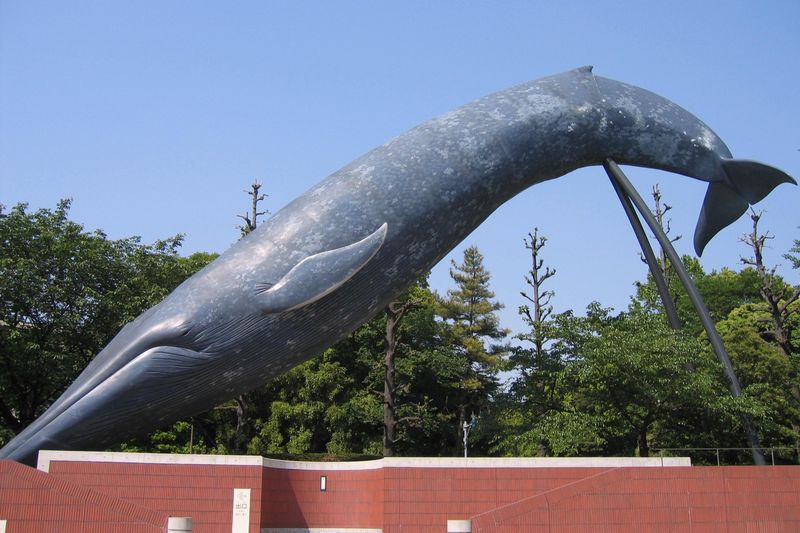
Reviewed · MUSEUMS AND GALLERIES
National Museum of Nature and Science Ticket in Tokyo
The museum puts dinosaurs, giant Ice Age animals, Japanese wildlife, and the story of human science under one roof. I like the Japan Gallery’s focus on the country’s own natural and scientific story, and the Earth Gallery’s sweep from living things to technology. The ticket is inexpensive, and the museum sits in Ueno Park, close to several other museums.
The main caveat is language: English explanations appear in some areas, but not all. If you want to read every panel, keep Google Lens or another phone translator handy, and allow time to work through a large, multi-floor collection.
In This Review
- At a glance
- Dinosaurs are only the beginning
- Two galleries, two ways into the subject
- Fossils, animals, and small things worth slowing down for
- Japan’s science story adds local context
- How much time to set aside
- A handy stop in Ueno Park
- Is the Klook ticket worth it?
- Small rules that can save a headache
- Who should make time for this museum?
- Should you book it?
- FAQ
- How long should I allow for the museum?
- What does this ticket include?
- Is the ticket valid for a specific date?
- What are the museum’s opening hours?
- When is the museum closed?
- How do I get to the museum by train?
- Do I need internet access to use the voucher?
- Do children have to pay admission?
- Can I leave the museum and come back later?
- Can I cancel the ticket or get a refund?
At a glance

- Over 10,000 exhibits: Move from dinosaur skeletons and megafauna to insects, minerals, Japanese ecosystems, and scientific progress.
- Two main galleries: The Japan Gallery looks at the country’s natural and human story; the Earth Gallery covers life and science on a broader scale.
- Allow two to five hours: A quick visit can work in around two hours, but families and curious readers may want much longer.
- Low-cost admission: Tickets start from $3.99. Children aged 17 and under and adults aged 65 and over enter free, subject to the stated eligibility rules.
- Bring a connected phone: Staff must open and operate the online voucher at the entrance. The voucher will not load without internet access.
- Ueno Park location: The museum is a five to ten minute walk from Ueno Station, served by several train and subway lines.
Dinosaurs are only the beginning
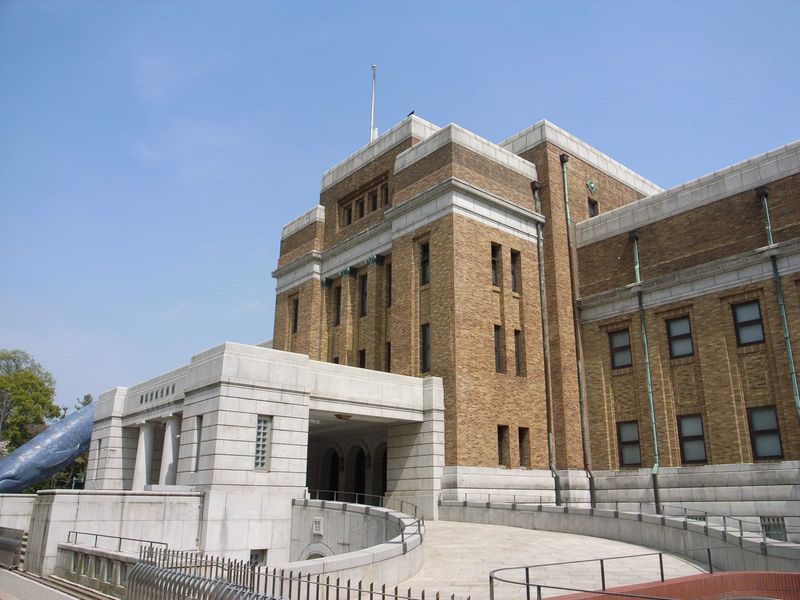
The National Museum of Nature and Science is a strong choice when you want a break from Tokyo’s streets without settling for a small, one-room attraction. Its permanent collection covers natural history and science on a large scale, with more than 10,000 exhibits spread across two main galleries. Dinosaurs are an obvious draw, but they are only one part of the visit.
You can move from fossils and Pleistocene megafauna to modern animals, insects, minerals, and displays about the evolution of living things. The museum also gives attention to Japan’s own environment and scientific development, so it is not simply a parade of famous fossils from elsewhere. For me, that local focus gives the visit more purpose than a quick photo stop.
The admission ticket is for the permanent exhibition. It does not include personal expenses or other activities, and you should not assume it covers a special exhibition. If a temporary show is important to you, check the museum’s current information before making a plan.
More Entry Tickets in Tokyo
- Tokyo Disney Resort – Tokyo Disneyland & Tokyo DisneySea Park Tickets
★ 4.8 · 99,488 reviews - SHIBUYA SKY Ticket
★ 4.7 · 46,509 reviews - JR Whole Japan Rail Pass
★ 4.8 · 29,150 reviews
Two galleries, two ways into the subject
The Japan Gallery is a good place to understand how the country’s natural setting and people fit into the museum’s wider story. Its displays cover Japan’s history and distinctive ecosystem, linking local nature with the changes in human life and science. This is where the museum feels especially useful to visitors who want more than a general collection of animal specimens.
The Earth Gallery takes a broader view. Here, the subjects range across the evolution of living things and the development of science and technology. Fossils, animals, insects, and other scientific displays give you plenty of variety, while the museum’s wider themes help connect what might otherwise feel like separate rooms.
There is no fixed route described for the ticket, so you can set your own pace. If you are short on time, start with the subjects you care about most, such as dinosaur fossils or Japanese wildlife. If you have a half day, give yourself room to follow an interesting display into the next section. The collection is extensive enough that trying to read every label can turn a pleasant visit into a march.
Fossils, animals, and small things worth slowing down for
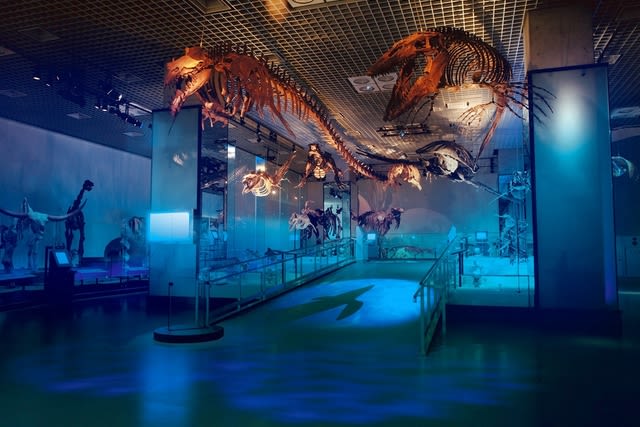
The fossil displays are among the museum’s strongest attractions. Dinosaur skeletons have the scale and drama that make them easy to appreciate even if you do not read every label. Displays of Pleistocene megafauna add another striking chapter, showing the large animals that lived in the distant past.
There is also plenty here for people whose interests are smaller than a dinosaur’s footprint. The collection includes modern animals and insects, as well as minerals and gems. One visitor’s highlights also included helminths and magnified models of single-celled organisms, a useful reminder that the museum does not stop at familiar mammals and fossils.
The range is part of the appeal. Children can latch onto animals and large skeletons, while adults can move between biology, geology, physics, chemistry, and technology. Some exhibits are visually compelling even when you cannot read every explanation, but language matters more in sections where context carries the story.
Japan’s science story adds local context
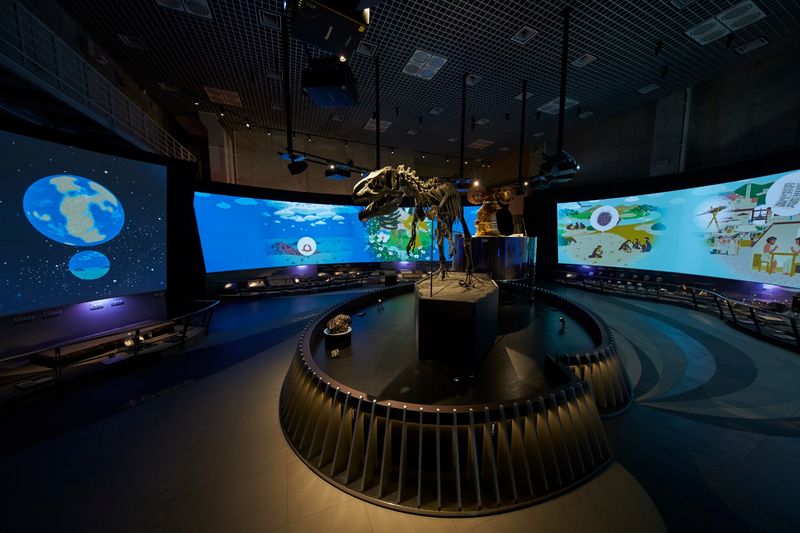
The museum’s focus on Japanese ecosystems and science gives the visit a welcome local angle. You can learn about the country’s natural environment, then see how scientific work and technology developed alongside it. For visitors with limited time in Tokyo, that blend can make the museum a useful counterpoint to temples, shopping districts, and city history.
Displays about Japanese scientific contributions and innovations are worth seeking out if you have already seen dinosaur skeletons elsewhere. The museum also includes exhibits on the progress of science and technology, with subjects ranging from natural science to modern developments. The precise items on view can change, so treat the permanent exhibition as a broad collection rather than a promise that every specific object will be displayed.
Explanations are not consistently available in English. Some sections have English text, while other information panels are mainly or entirely in Japanese. A phone translator can help bridge the gap, but it takes time and may slow your progress. If you want fuller explanations, check whether a guide or audio option is available on the day; do not assume either is included with this ticket.
More Museums and Galleries in Tokyo
- teamLab Borderless Tickets: MORI Building DIGITAL ART MUSEUM
★ 4.7 · 24,126 reviews - teamLab Planets TOKYO Ticket
★ 4.7 · 21,663 reviews - Tokyo: teamLab Planets TOKYO Digital Art Museum Entry Ticket
★ 4.6 · 9,779 reviews - Art Aquarium Museum GINZA Ticket
★ 4.6 · 5,577 reviews
How much time to set aside
The suggested visit duration is three to five hours, a sensible range if you want to explore without rushing. You can make a shorter visit of around two hours by focusing on the main displays that interest you, but expect to leave some sections unseen. Families with children may need extra time for the many different subjects and the museum’s multi-level layout.
The length depends less on the ticket than on your curiosity. A fossil enthusiast may move quickly through technology displays, while a family may pause at many different exhibits. If you are visiting on a weekend or during a busy period, crowds can also slow your movement through popular areas.
The museum is open Tuesday through Sunday, 9:00 am to 5:00 pm, with last admission at 4:30 pm. Arriving late can make the visit feel cramped, especially if you want to see both galleries. The museum is closed every Monday, or on Tuesday when Monday is a national holiday. It also closes for the New Year holiday from December 28 through January 1 and during a period in late June. Check the official museum information for late-June dates before you go.
A handy stop in Ueno Park
The address is 7-20 Uenokoen, Taito City, Tokyo. From Ueno Station, allow five to ten minutes on foot. JR, Ginza Line, Hibiya Line, Joban Line, and other services reach the station, making the museum an easy addition to a day in the area.
Ueno Park helps make the walk part of the outing rather than a trek through traffic. The museum is also close to other cultural attractions in the park, so you can pair it with another stop if you have the energy. Just be realistic about the time: a full museum visit can occupy much of the day on its own.
This is a practical indoor option during rain or hot weather, though indoor areas may feel warm on busy, hot days. Take breaks as needed and avoid scheduling the museum right before a tight appointment. There is no re-entry after you leave, so finish your visit before heading back outside.
Is the Klook ticket worth it?
At a starting price of $3.99, this is an unusually affordable way to spend several hours in Tokyo. The value is strongest if you enjoy science, animals, fossils, or museums where you can choose your own route. Families may find it especially appealing because children aged 0 to 17 enter free, and the large variety gives different ages something to focus on.
The ticket covers one admission to the permanent exhibition. Online booking can save you from buying that admission at the venue, and the voucher is valid for 61 days from confirmation. It expires at 11:59 pm on the final day, so you have some flexibility to pick a suitable date within that period.
There are important limits. The ticket is non-cancellable and non-refundable, including for an accidental extra purchase, so check the number of tickets before paying. If an unforeseen event or extreme weather leads the operator to cancel, you can reschedule or request a full refund. Lost, stolen, or damaged tickets cannot be refunded.
The voucher is digital and must be opened through the Klook app or website. Log in, go to My bookings, and select See voucher. Your phone needs internet access, and the staff must operate the ticket at the venue. Do not try to operate it yourself: if it gets marked as used, it is no longer valid. Bring a passport or valid ID for age verification.
Small rules that can save a headache
Storage areas are available at the museum; ask staff on site about rates. Outside food and drinks are not allowed, and you cannot re-enter once you leave. Plan snacks and breaks accordingly.
Selfie sticks, including one-pin and three-pin types, are prohibited. Flash photography is also not allowed. Pets cannot enter, except service animals with valid identification. Smoking and drinking are prohibited, and intoxicated visitors may be refused entry without a refund.
If you are visiting with children, check on the day whether any activity area requires advance reservation. The permanent exhibition ticket itself is admission, and some additional areas or activities may have separate arrangements.
Who should make time for this museum?
I would put this near the top of the list for families with children who like animals, fossils, or hands-on science. The variety works well when different people in a group have different interests, and free admission for children makes the price especially kind to family budgets.
It also suits curious adults who want to understand Japan’s natural world and scientific development, or anyone looking for a worthwhile indoor stop in Ueno. You do not need to be a scientist to enjoy the scale and range of the collection, but an interest in learning will help you get more from the labels and context.
You may be less satisfied if you expect a highly interactive, English-first museum or want a compact visit with a single clear storyline. The collection is large, some explanations are limited in English, and a few hours can pass quickly. Bring a translator, choose a few priorities, and let the rest be a bonus.
Should you book it?
Book this ticket if you want an affordable, flexible museum visit with substantial dinosaur, animal, and science displays, especially if you are already spending time in Ueno Park. Plan for at least two hours and preferably three or more, bring a phone with working internet, and check the museum’s closure dates. If you need detailed English explanations throughout or prefer a tightly guided visit, look into those options before booking, because this ticket includes admission only.
FAQ
How long should I allow for the museum?
Plan on three to five hours for a relaxed visit. You can see selected areas in around two hours, but you may need to skip displays.
What does this ticket include?
It includes one admission to the National Museum of Nature and Science permanent exhibition. Personal expenses are not included.
Is the ticket valid for a specific date?
The voucher is valid for 61 days from the booking confirmation date and expires at 11:59 pm on the last day.
What are the museum’s opening hours?
The museum is open Tuesday through Sunday from 9:00 am to 5:00 pm. Last admission is at 4:30 pm.
When is the museum closed?
It is closed on Mondays, or on Tuesday if Monday is a national holiday. It also closes from December 28 through January 1 and for a period in late June. Check the official website for the late-June dates.
How do I get to the museum by train?
Take a train or subway to Ueno Station and walk about five to ten minutes. JR, Ginza Line, Hibiya Line, Joban Line, and other services stop there.
Do I need internet access to use the voucher?
Yes. You must open the voucher on your phone through the Klook app or website, and the phone needs internet access.
Do children have to pay admission?
Children aged 0 to 17 enter free. Adults aged 65 and over also enter free. Bring a passport or valid ID for age verification.
Can I leave the museum and come back later?
No. Re-entry is not allowed after you leave the venue.
Can I cancel the ticket or get a refund?
The ticket cannot be cancelled or refunded. If the operator cancels due to an unforeseen event or extreme weather, you can reschedule or request a full refund.
Just added in Tokyo
- Japanese Home Cooking Class & Walk in Todoroki Temple Tokyo★ 5.0 · 88 reviews
- A One-of-a-Kind Sushi Experience in a Special Place of Japan★ 5.0 · 15 reviews
- Tokyo Cute Bento Cooking Class – Make a Kawaii Character Lunchbox★ 5.0 · 126 reviews
- Japan Tokyo Tower Observatory Deck E-Ticket★ 4.0 · 34 reviews
- Catch a Baseball Game in Tokyo with a Local – Tickets Included★ 5.0 · 24 reviews
- JDM Experience with Fast&Furious RX-7 (English speaking Driver)★ 5.0 · 57 reviews
- Tokyo Private Day Tour by Car with English speaking Driver Guide★ 4.0 · 29 reviews
- Japan Classic 10 Day – One Life Adventures★ 5.0 · 129 reviews
Museums and Galleries, compared.

teamLab Borderless Tickets: MORI Building DIGITAL ART MUSEUM
Read our review →

teamLab Planets TOKYO Digital Art Museum Entry Ticket
Read our review →



Browse the lists this tour appears in