
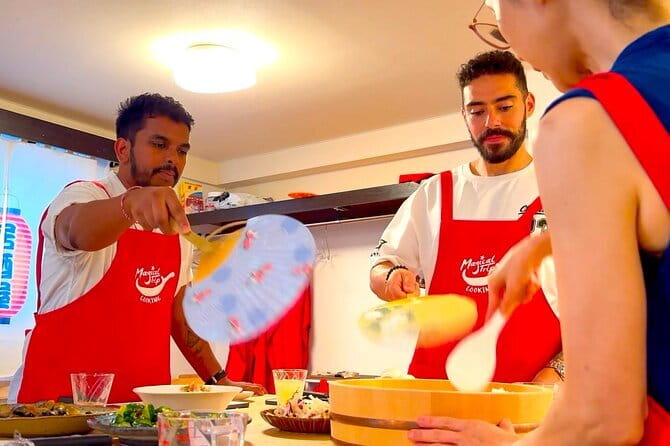
Reviewed · COOKING CLASSES
Tokyo Night Cooking Class: 5 Home-Cooked Japanese Dishes
Dinner becomes the evening’s main event. This three-hour Tokyo cooking class takes you into the world of izakaya food, the small plates and easygoing drinks that shape Japanese nights out. I like the hands-on menu of five dishes, and I like that you eat what you prepare rather than watch someone else cook. The main catch is dietary flexibility: the class is not suitable for vegan or gluten-free participants, and meat or egg restrictions reduce the menu.
The class also includes a short shopping experience, ingredients, dinner, photos, a certified MagicalTrip guide, and three cans of alcoholic or soft drinks. That makes the $79.28 price easier to justify, especially in Tokyo, where one ordinary evening of food and drinks can add up quickly. Still, you should arrive early because late arrivals cannot join, reschedule, or receive a refund.
In This Review
- Five useful things to know before booking
- Why izakaya food makes a good Tokyo cooking class
- Meeting at 5:30 pm in Iriya
- The supermarket stop and choosing ingredients
- Cooking five dishes, one small plate at a time
- Sushi rolls
- Chicken balls with shiso leaves
- Eggplant with miso sauce
- Teriyaki chicken
- Japanese omelette
- Three drinks turn cooking into dinner
- A small group with named guides
- Cooking with children and family
- Vegetarian options, restrictions, and reduced menus
- Is $79.28 a fair price?
- Who should book this evening?
- Practical advice for a smoother evening
- Should you book the Tokyo Night Cooking Class?
- FAQ
- Where does the cooking class begin?
- What time does the class start?
- How long does the experience last?
- Where does the activity end?
- How many people can join?
- What food will I prepare?
- Are drinks included?
- Can children participate?
- Are vegetarian meals available?
- Can vegan or gluten-free participants join?
- What happens if I cannot eat meat or eggs?
- Can I cancel for a refund?
Five useful things to know before booking
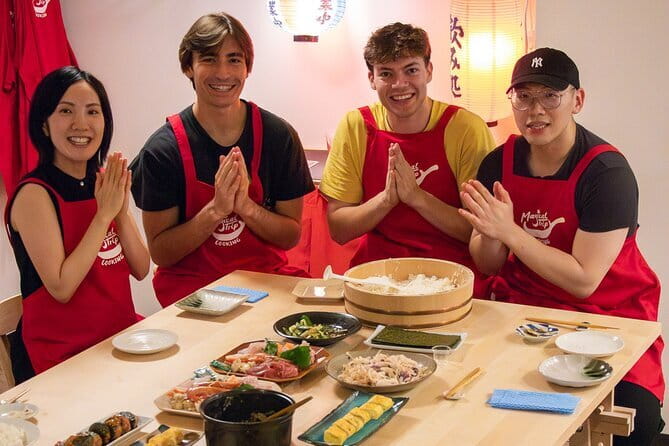
- Five izakaya-style dishes in one evening: You may prepare sushi rolls, chicken balls with shiso, eggplant with miso sauce, teriyaki chicken, and Japanese omelette.
- A supermarket stop adds local context: Choosing ingredients helps you see the everyday products behind familiar Japanese dishes.
- Three drinks are included: You can sample sake, beer, or other alcoholic drinks, with soft drinks available as an alternative.
- The group is small: The maximum is seven participants, which suits people who want guidance without a large class.
- Children can join, with limits: The minimum age is six, but knife and hot cooking tasks are for ages 12 and over with a parent or guardian.
- Dietary rules matter: Vegetarians can be accommodated, but vegan and gluten-free diets cannot be supported.
Why izakaya food makes a good Tokyo cooking class
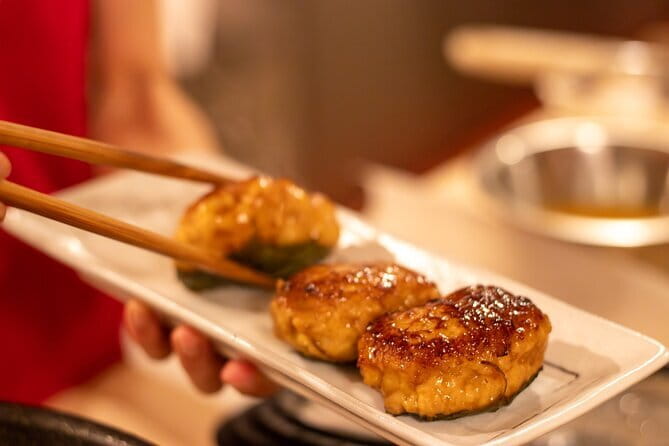
An izakaya is not simply a Japanese bar. It is a place for small plates, shared bites, casual conversation, and drinks that arrive alongside the food. The dishes are often less formal than sushi-counter fare, and many can be made in a home kitchen.
That is the appeal here. You are not spending three hours learning one elaborate specialty. Instead, you work through a group of practical recipes that fit together as an evening meal. Sushi rolls bring a familiar Japanese favorite. Shiso chicken balls add a fragrant herb note. Eggplant with miso shows how a simple vegetable can carry a deep, savory sauce.
The class also includes teriyaki chicken and Japanese omelette among the cooking activities. These are useful choices for home cooks because they are recognizable, adaptable, and suitable for a casual meal with friends. I especially like the focus on recipes you can repeat after returning home, rather than techniques that require rare equipment.
More Cooking Classes in Tokyo
- Sushi Making Tokyo Roll and Authentic Japanese Sushi Class
★ 5.0 · 3,971 reviews - Tokyo: Roll and Authentic Sushi Making Class in Asakusa
★ 4.9 · 1,957 reviews - Tokyo Shinjuku Chopsticks Making Class
★ 5.0 · 1,763 reviews
Meeting at 5:30 pm in Iriya
The class begins at 5:30 pm at the FamilyMart Iriya store in Shitaya, Taito City, at 2-chōme 1-10, Tokyo 110-0004. The meeting point is near public transportation, but Tokyo addresses can still be confusing, so I would allow extra time to find the exact convenience store.
This is an evening activity, which makes it useful on a day when you have already visited temples, museums, or shopping streets. You do not need to plan a separate dinner afterward. The class ends back at the same meeting point, a simple arrangement that avoids figuring out a new route late at night.
Punctuality is important. The group leaves on time, and missing it means losing the booking with no refund or rescheduling option. I would aim to arrive at least 10 to 15 minutes early, especially if this is your first visit to the area.
The supermarket stop and choosing ingredients
One of the more unusual parts of the experience is the shopping element. Rather than treating ingredients as anonymous items already waiting on a counter, the class gives you a chance to choose or examine what goes into the meal.
That small step matters. Japanese supermarkets offer a quick look at ordinary cooking in Japan, from vegetables and sauces to meat, eggs, drinks, and prepared foods. You may find the shopping portion especially helpful if you want to continue making Japanese dishes at home.
The available information does not specify the exact supermarket, how long the stop lasts, or which participant chooses each ingredient. I would think of it as a useful local add-on rather than a full market tour. Its value is practical: it connects the finished dish with the products you can actually buy.
Cooking five dishes, one small plate at a time
The evening is built around several dishes rather than one long recipe. That gives the class a pleasant rhythm. You learn a step, prepare part of a dish, move to another item, and gradually build a meal.
A completely different kind of day out:
- Tokyo Disney Resort – Tokyo Disneyland & Tokyo DisneySea Park Tickets
★ 4.8 · 99,488 reviews - SHIBUYA SKY Ticket
★ 4.7 · 46,509 reviews - JR Whole Japan Rail Pass
★ 4.8 · 29,150 reviews - Mt Fuji and Hakone 1-Day Bus Tour Return by Bullet Train
★ 5.0 · 26,383 reviews
Sushi rolls
Hand-rolled sushi is one of the most accessible activities for a mixed group. It offers a chance to practice shaping and filling without requiring the knife skills of a professional sushi chef. The class presents it as an izakaya-style dish, so the mood is casual rather than formal.
You should expect guidance through the process, but not a restaurant-level sushi apprenticeship. The point is to learn a method you can repeat at home.
Chicken balls with shiso leaves
Shiso gives these chicken balls a distinctly Japanese flavor. Its fresh, aromatic character helps separate the dish from ordinary meatballs, while the small size fits the izakaya style of sharing several plates.
This dish also shows why the class works well for people who want more than sushi. Japanese home cooking uses herbs, sauces, and simple cooking methods to create variety. If you can eat meat, this is one of the dishes that helps make the menu feel like a full meal.
Eggplant with miso sauce
Eggplant and miso are a natural pairing. The vegetable absorbs flavor well, and the miso sauce adds the sweet-salty depth that makes many Japanese side dishes so satisfying.
For home cooks, this may be one of the most useful recipes of the night. It does not depend on expensive seafood or elaborate presentation. It shows how a modest vegetable can become a strong side dish with the right seasoning.
Teriyaki chicken
Teriyaki chicken is familiar to many people outside Japan, but preparing it in a Japanese cooking class gives you a chance to understand the dish as part of a wider meal. It also pairs naturally with beer, sake, or a soft drink.
The practical benefit is clear. This is the sort of recipe you can make for family members who may be less willing to try unfamiliar food. It offers a bridge between everyday cooking and Japanese flavors.
Japanese omelette
Japanese omelette rounds out the menu with a dish that looks simple but rewards careful preparation. The class is intended for beginners as well as experienced cooks, so the guide should help participants through the process.
Do not expect every person to produce a perfect restaurant-style omelette on the first attempt. That is part of the fun. You get to practice a familiar ingredient in a different style, then eat the results as part of the meal.
Three drinks turn cooking into dinner
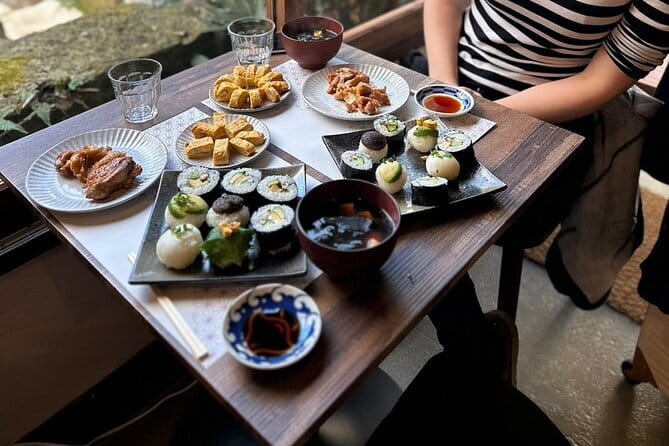
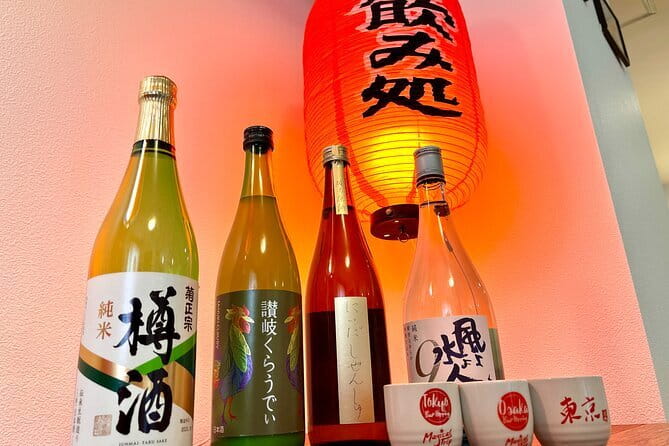
The package includes three cans of alcoholic or soft drinks. Depending on your age and preference, these may include sake, beer, or nonalcoholic options. The experience describes opportunities to try several types of Japanese sake, beer, and similar drinks while cooking and during dinner.
This is a useful inclusion because the class is built around nomikai, or home drinking culture. The drinks are not an unrelated perk. They help explain how these small dishes are enjoyed in Japan, where food and conversation often continue as drinks are served.
Alcohol is available only to people aged 20 and over, in line with Japanese law. You can choose soft drinks instead. Extra food and drinks cost more and are not included, so keep that in mind if you have a large appetite or want to continue the evening at the table.
A small group with named guides
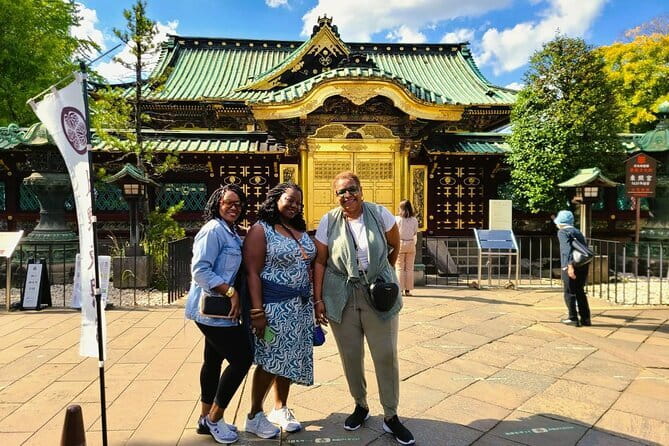
The maximum group size is seven. That is small enough for a guide to help with cooking steps and answer questions, while still giving the class a social feel. You might attend as a couple, with friends, alone, or with family.
The guides named in the feedback include Alice and Fuji. Alice helped one family have a relaxed evening, while Fuji was praised for explaining each step and showing recipes that were easy to reproduce at home. Those details matter because a cooking class depends heavily on the person leading it.
The certified MagicalTrip guide is included in the price. The atmosphere is described as lively, friendly, and easy to follow, with cooking, drinks, and conversation happening together. If you prefer a quiet private lesson, this may feel more social than expected because other participants may join.
Cooking with children and family
Families can book the class, and a kids’ playroom is available. The minimum age is six, which makes the experience possible for families who want an evening activity beyond sightseeing.
There are safety limits. Only participants aged 12 and over may handle knives or work with heat, and they must do so under a parent or guardian’s supervision. Younger children can still be present, but you should not expect them to take part in every cooking step.
For a family, the menu provides variety and a clear reward at the end: everyone sits down to eat the meal they helped create. One family enjoyed making five dishes, drinking, laughing, and spending the evening with Alice. That is a good indication of the class’s strongest quality: it creates shared time rather than simply delivering food.
Vegetarian options, restrictions, and reduced menus
Vegetarians are welcome, and the cooking process and ingredients can be arranged accordingly. You should state this clearly when booking so the organizers can prepare.
The limits are important. The class cannot accommodate vegan or gluten-free diets. It also cannot guarantee an allergy-free meal because the food is prepared in kitchens that do not belong to MagicalTrip. Substitutions may not always be possible.
If you cannot eat meat and eggs, the menu drops from five dishes to three. If you can eat meat but cannot eat eggs, it drops from five dishes to four. I would not book this experience expecting a fully customized menu. It works best if you can eat the main ingredients and have no serious allergy concerns.
Is $79.28 a fair price?
At $79.28 per person, this is not the cheapest way to eat in Tokyo. You could find a simple meal for less, particularly if you choose a convenience store, noodle shop, or casual restaurant.
The value comes from the combination. You receive about three hours of instruction, all ingredients, dinner, a supermarket experience, guide service, photos, and three drinks. You also leave with recipes and techniques that can be used again. If you planned to eat dinner and have drinks anyway, the price compares more favorably.
I would consider it good value for a first-time visitor who wants food, culture, and social time in one booking. It is less compelling for someone focused only on the lowest dinner cost, or for an experienced Japanese cook who does not need instruction.
Who should book this evening?
I would recommend it to couples, families, solo visitors, and friends who enjoy making food together. It is also a good choice if you want an activity that introduces everyday Japanese food rather than formal restaurant dining.
Beginners should feel comfortable. The recipes are presented as manageable, and the class is designed for all skill levels. More experienced cooks may still enjoy the ingredient-shopping portion and the chance to compare familiar dishes with Japanese methods.
I would skip it if you are vegan, gluten-free, unable to eat meat or eggs, or concerned about possible cross-contact with allergens. I would also choose a private option if mobility is an issue, since the activity is not recommended for people with walking problems.
Practical advice for a smoother evening
- Arrive early at the FamilyMart Iriya meeting point. The class starts at 5:30 pm and cannot wait for late arrivals.
- Bring water and wear a hat in summer. Tokyo can be very hot and humid, and heat exhaustion can spoil an otherwise pleasant evening.
- Tell the organizer about a vegetarian diet in advance.
- Check the age rules before booking for children. Knife and heat tasks are limited to ages 12 and over with parental supervision.
- Choose alcoholic or soft drinks according to your needs. Alcohol is available only from age 20.
- Plan to eat the dishes prepared in class. Extra food and drinks are not included.
Should you book the Tokyo Night Cooking Class?
Book it if you want a social, practical introduction to Japanese food and like the idea of cooking your own dinner. The five-dish format, supermarket stop, included drinks, and small group give the evening more substance than a basic demonstration.
The strongest reason to choose it is the balance of food and company. Guides such as Alice and Fuji have helped make the class easy to follow, and the recipes are intended to work in a home kitchen. Just check the dietary rules, allow time to reach Iriya, and arrive before the 5:30 pm start.
FAQ
Where does the cooking class begin?
It begins at the FamilyMart Iriya store at Japan, 110-0004 Tokyo, Taito City, Shitaya, 2-chōme 1-10.
What time does the class start?
The start time is 5:30 pm.
How long does the experience last?
The class lasts approximately three hours.
Where does the activity end?
The activity ends back at the meeting point.
How many people can join?
The maximum group size is seven participants.
What food will I prepare?
The class includes five Japanese dishes. Examples include sushi rolls, chicken balls with shiso leaves, eggplant with miso sauce, teriyaki chicken, and Japanese omelette.
Are drinks included?
Yes. Three cans of alcoholic or soft drinks are included. These may include sake, beer, or other drink options.
Can children participate?
Yes. The minimum age is six. Knife and hot cooking activities are limited to participants aged 12 and over under a parent or guardian’s supervision.
Are vegetarian meals available?
Yes. Vegetarians are welcome, and the ingredients and cooking process can be arranged for them.
Can vegan or gluten-free participants join?
No. The class is not available for people who are vegan or gluten-free. It also cannot guarantee allergy-free meals.
What happens if I cannot eat meat or eggs?
If you cannot eat meat and eggs, the menu is reduced from five dishes to three. If you can eat meat but cannot eat eggs, the menu is reduced to four dishes.
Can I cancel for a refund?
You can cancel for a full refund up to 24 hours before the experience start time. Cancellations or changes made less than 24 hours before the start are not accepted.
Just added in Tokyo
- Manga Lesson with a Professional Japanese Manga Artist in Nakano★ 5.0 · 77 reviews
- Making a bento box with cute character look in Japan★ 5.0 · 15 reviews
- Tokyo/Ikebukuro Manga drawing workshop by pro-Manga artists★ 5.0 · 65 reviews
- Luxury Tokyo Sake, Cocktail, Whisky and Pairing Tour★ 5.0 · 18 reviews
- Tokyo Ueno Food & Nature & Localtown Tour: 10Dishes+ Drinks★ 5.0 · 34 reviews
- Make Your Own Bonsai with a Professional Bonsai Artist in Tokyo★ 4.5 · 18 reviews
- Make Traditional Nerikiri Sweets & Matcha experience in Shibuya★ 5.0 · 130 reviews
- Daikoku Parking Tokyo Drift & APIT Car Meet JDM Culture Tour★ 5.0 · 79 reviews
Cooking Classes, compared.
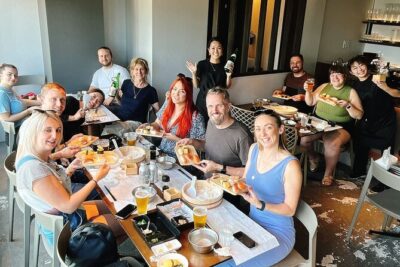
Sushi Making Tokyo Roll and Authentic Japanese Sushi Class
Read our review →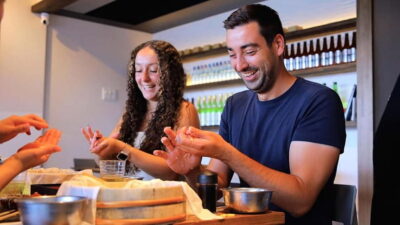
Roll and Authentic Sushi Making Class in Asakusa
Read our review →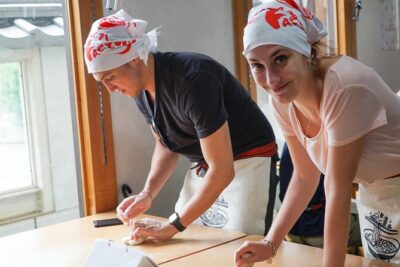
Ramen Cooking Class at Ramen Factory in Kyoto
Read our review →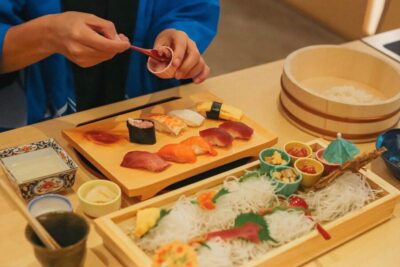
Sushi Making Class in a Happi Coat near a Famous Spot
Read our review →
Sushi Making Osaka Roll and Authentic Japanese Sushi Class
Read our review →
Tokyo Sushi Making Class in Tsukiji with Professional Chef
Read our review →
Ramen & Gyoza Cooking Class in Tokyo with Local Supermarket Visit
Read our review →Browse the lists this tour appears in