
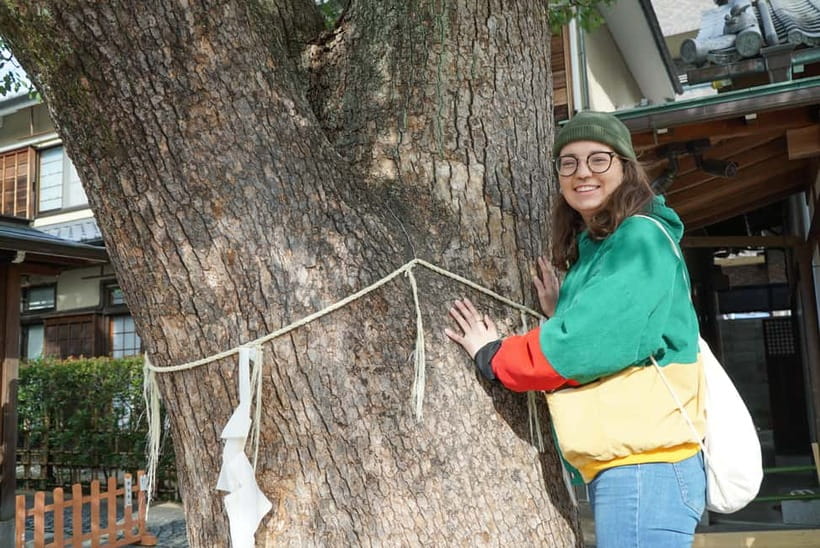
Reviewed · CYCLING AND E-BIKE TOURS
4.5-hr Kyoto Historical Highlights Bike Tour with UNESCO
Kyoto makes history easy to reach by bike. This small-group ride links Gion, Kennin-ji, Nanzen-ji, and Heian Shrine with quiet streets, river paths, and an included Japanese lunch, giving you a useful mix of major sights and local scenery. I especially like the easy pace and the chance to see Kyoto between temples, not just from one crowded entrance to the next.
The tour also removes two common hassles: your rental bike and helmet are included, and the group is limited to five people. The main caution is that four and a half hours on a bicycle still demands stamina, especially in summer. One participant found the guide soft-spoken while cycling, so you should stay close enough to hear explanations.
- Kamo River opening and finale: Start and finish with a calm ride beside one of Kyoto’s most pleasant waterways.
- Kennin-ji in Gion: Spend about 75 minutes in a Zen temple with a traditional karesansui rock garden.
- Nanzen-ji and Heian Shrine: See two important Kyoto landmarks while learning about Zen, Shinto, and the old capital.
- Traditional house lunch: Enjoy local dishes, including soba, matcha, mochi, and seasonal Japanese sweets.
- Very small group: With no more than five participants, the guide can usually keep the ride personal and manageable.
- Useful practical limit: You must be at least 150 centimeters tall, and headphones are not allowed while cycling.
In This Review
- Why a Bicycle Works So Well in Kyoto
- Meeting Near Kyoto Station and Reaching the Kamo River
- Gion and Kennin-ji: Geisha Culture and Zen Spaces
- Cycling Through Kyoto’s Older Streets
- Nanzen-ji and the Eastern Temple Route
- Heian Shrine and a Traditional Japanese Lunch
- The Kamo River Ride and Bicycle Return
- Is $96 a Fair Price?
- Who Should Book This Kyoto Bike Tour?
- FAQ
- Where does the Kyoto bike tour begin?
- How long does the tour last?
- What language is the tour conducted in?
- How many people can join?
- Is the bicycle included?
- Is lunch included?
- Are vegetarian and vegan meals available?
- What height is required?
- Can I use my phone or wear headphones while cycling?
- Should You Book It?
Why a Bicycle Works So Well in Kyoto
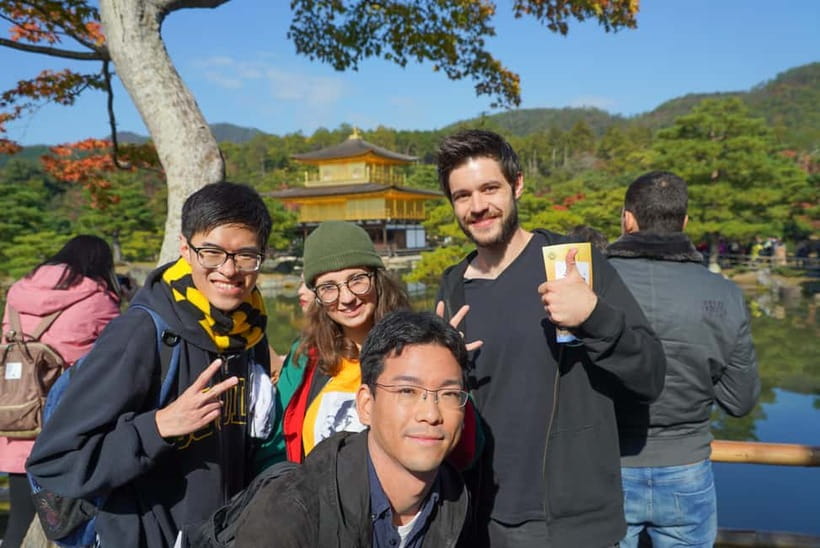
Kyoto is often explored by train, bus, and foot. Those methods work, but a bicycle gives you something different: a sense of how the city fits together. You move from the Kamo River to Gion, then toward eastern Kyoto temples, with ordinary streets connecting the famous sights.
That matters because Kyoto can feel crowded around its best-known gates. On a bike, you spend less time waiting for public transport and more time seeing the spaces between attractions. The ride is not presented as a sporting challenge. It is designed for ordinary cyclists, and the supplied information specifically says you do not need to be highly skilled.
I would still call it an active sightseeing tour. You need to pedal for several hours, stop and start in urban traffic, and follow the guide’s instructions. Comfortable shoes are the one required item, but light clothing, sun protection, and water are sensible choices, particularly in warm weather. Extra drinks are not included.
The group size is a real advantage. A maximum of five people means you are less likely to get separated at crossings or lose the guide among temple visitors. It also gives you a better chance to ask about Kyoto’s customs, architecture, and daily life.
Meeting Near Kyoto Station and Reaching the Kamo River
The meeting point is in front of the Seven Eleven outside Kyoto Station’s Hachijo-guchi Exit. It is next to Hotel Via Inn Prime, and the guide waits with a Magical Trip signboard.
This is a practical location if you arrive by train, but the station has several exits and can be confusing. Give yourself extra time to find Hachijo-guchi rather than assuming any Seven Eleven near the station will be the correct one. One participant specifically found the meeting point a little hard to identify, though they arrived before the start.
The ride begins along the Kamo River, with about 15 minutes set aside for a visit. This is a gentle way to get moving. The riverbanks offer a quieter first impression of Kyoto than the station district, and the open setting helps you settle onto the bicycle before the temple stops begin.
The Kamo River also returns at the end of the route. That bookending gives the tour a pleasing rhythm: urban history first, a meal and temple time in the middle, then a relaxed ride beside the water. You may see local people enjoying the riverbanks, which adds a normal, everyday side of Kyoto to a day otherwise focused on famous sights.
More Bike Tours in Kyoto
- Bike Tour Exploring North Kyoto plus Lunch
★ 5.0 · 1,087 reviews - Arashiyama Bamboo Forest & Hidden Gems Bike Tour (Early Bird)
★ 5.0 · 613 reviews - 5 Top Highlights of Kyoto Full Day Bike Tour (E-bike option)
★ 5.0 · 511 reviews
Gion and Kennin-ji: Geisha Culture and Zen Spaces
Gion is Kyoto’s best-known traditional entertainment district, and the tour uses it as an introduction to the city’s cultural customs. Your guide explains Gion and geisha culture before taking you to Kennin-ji, a Zen temple in the district.
Kennin-ji receives about 75 minutes, making it one of the central stops rather than a quick photo pause. You have time to look at the temple grounds and consider how Zen ideas shape Japanese design. The karesansui rock garden, made with carefully arranged rocks and gravel, gives you a clear example of a space intended for quiet thought rather than decoration alone.
This is where a live guide adds real value. Temple architecture can seem beautiful but hard to interpret if you do not know what you are seeing. A good explanation of Zen culture, the garden, and the role of temples in Kyoto gives the visit more meaning without requiring you to read long signs.
The entrance fee to Kennin-ji is included. That makes the stop straightforward, though you should remember that temple access can be affected by weather, local conditions, or changes at the site. The tour’s stated plan includes Kennin-ji, but exact timing can shift.
The Gion section is also a reminder to behave carefully. This is a living neighborhood, not a stage set. Follow the guide’s advice, avoid using your phone while riding, and do not treat local streets as a place for careless photography.
Cycling Through Kyoto’s Older Streets
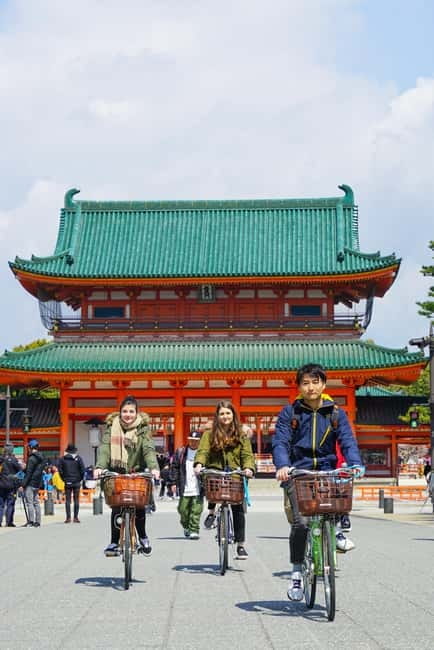
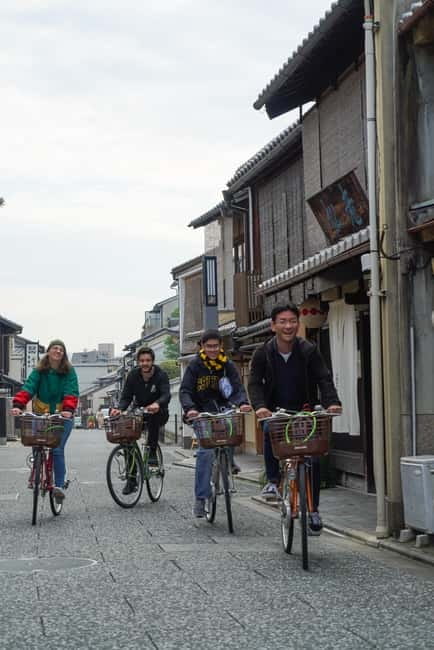
Between the temples, the route uses local streets rather than keeping you on one long road. This is one of the tour’s strongest features because the bicycle gives you a closer look at Kyoto’s scale and pace.
You move through a city of more than 1.4 million people, yet the route is described as calm and peaceful in places. That contrast helps explain why Kyoto can feel unlike a typical large metropolitan area. The city has modern traffic and dense neighborhoods, but historic districts, waterways, and temple grounds are never far away.
You should not expect a fast ride. The purpose is sightseeing, and the guide sets the pace. The ride is suitable for people who can cycle but are not seeking a challenging athletic outing. Families may find it especially appealing, since one family with teenagers enjoyed the combination of cycling, history, and the Kamo River.
Traffic awareness matters. Japanese law prohibits cycling under the influence of alcohol and using a smartphone while riding. You may use your phone once the bicycle is stopped, but not while moving. Headphones are also not allowed, partly because you need to hear traffic and the guide.
One useful improvement would be a clip-on microphone. A participant found the guide difficult to hear while riding, particularly on the road. Stay near the guide and ask for a repeat if you miss an explanation. The group cap should make that possible.
Nanzen-ji and the Eastern Temple Route
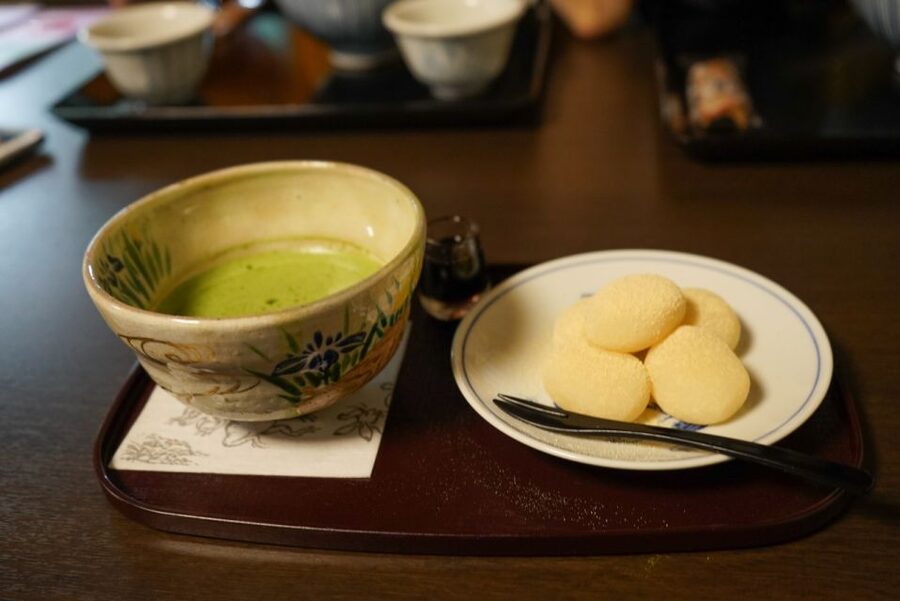
After Kennin-ji, the tour continues toward Nanzen-ji, with about 80 minutes allocated to the temple. That is another generous stop, and it gives the guide room to explain Zen and Kyoto’s earlier eras rather than rushing you through a gate and back onto the bicycles.
Nanzen-ji is one of the major temple visits on the route, but the experience is not only about checking off a famous name. The guide points out photogenic places and gives context about Zen culture and the old capital. You get time to look around, take photographs, and ask questions.
The tour is strongest when history and movement work together. You first hear about Kyoto’s religious traditions, then cycle through the city where those traditions developed. Kyoto served as Japan’s capital from 794 to 1868, so the city’s cultural influence is unusually broad. Many customs associated with Japanese culture have roots here, and the tour uses temples, gardens, food, and neighborhoods to make that point.
The exact balance between riding and temple time may depend on the group. One participant praised that balance, while another noted that the experience was particularly enjoyable because the guide made the day feel personal. With only a few people, the guide can often adjust explanations and pauses better than a large coach group could.
A completely different kind of day out:
- PERFECT KYOTO 1-Day Bus Tour
★ 5.0 · 13,518 reviews - [Kyoto & Nara Day Tour] Sagano Scenic Railway & Nara Park & Fushimi Inari Taisha Thousand Torii Gates & Togetsukyo Bridge & Bamboo Grove & Kimono Forest (Departing from Osaka)
★ 4.9 · 10,942 reviews - Kyoto: Fushimi Inari, Kinkakuji, Bamboo Grove 1 Day Bus Tour
★ 4.8 · 4,316 reviews - Kyoto: Tea Ceremony in a Traditional Tea House in Kiyomizu
★ 4.9 · 3,519 reviews
Heian Shrine and a Traditional Japanese Lunch
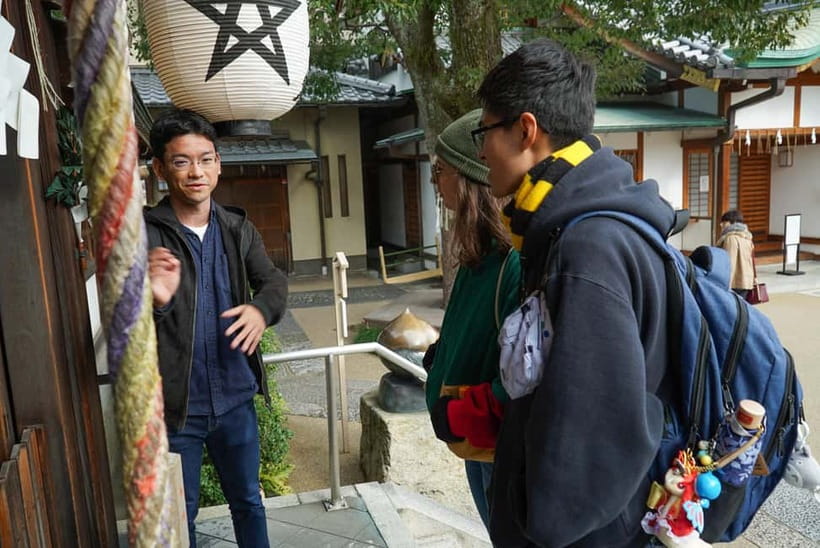
Heian Shrine is scheduled for a 20-minute visit. That is enough for a short look and photographs, but not a long guided exploration. Treat it as a compact architectural stop between Nanzen-ji and lunch.
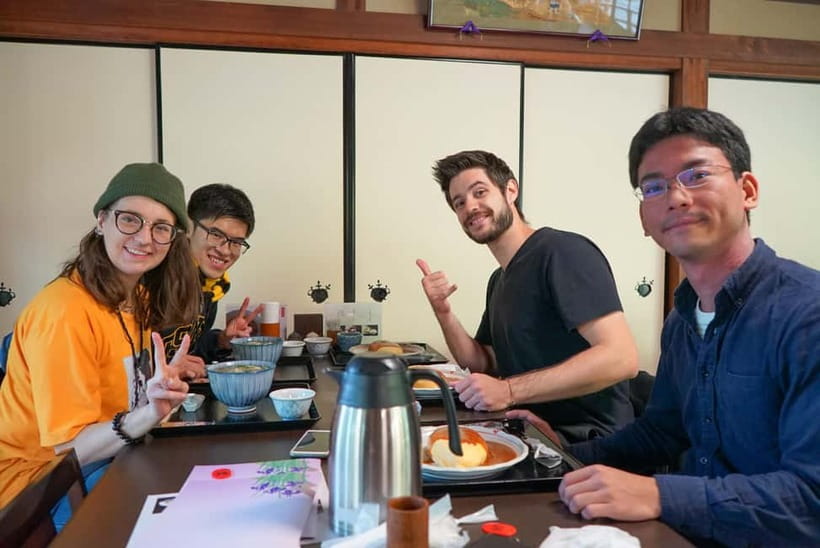
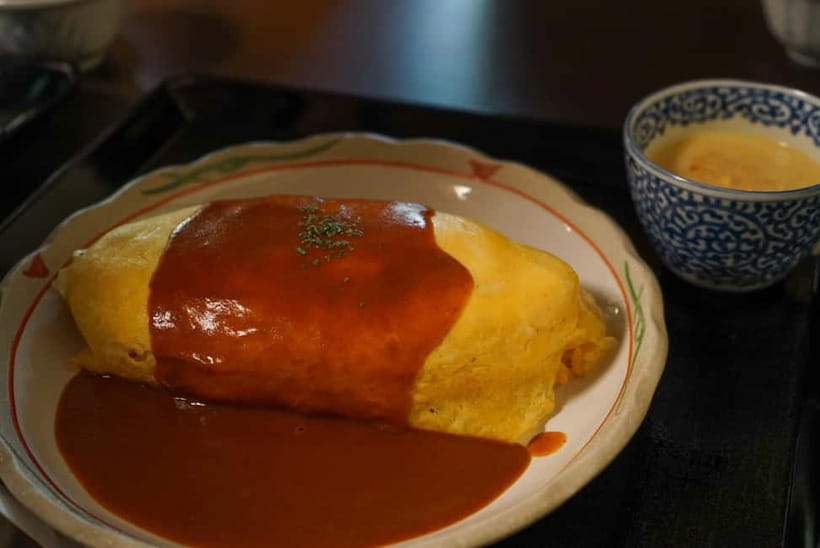
The meal is served at a local restaurant described as a traditional Japanese house or tea house, with about 45 minutes set aside. This is more than a practical food break. Sitting down together gives you time to talk with the guide and other participants, and the setting offers a taste of Kyoto hospitality that you would not get from grabbing food near a station.
The menu includes different soba dishes, along with desserts featuring matcha and mochi. A Japanese garden and a souvenir shop are next door, with Yatsuhashi sweets available to try. Those details make the lunch stop feel connected to Kyoto food culture rather than a generic restaurant visit.
Vegetarian and vegan meals are available, but fish stock is still used. You need to tell the operator about dietary requests or allergies at least one day before the tour. Same-day requests cannot be accommodated, and allergy-free preparation or substitutions cannot be guaranteed because the food is prepared in kitchens outside the tour company’s control.
Additional food and drinks cost extra. If you need frequent refreshments, plan accordingly. The tour takes place outdoors and may feel hot, as one July participant found during 30-degree weather. The lunch break helps, but it does not remove the need to manage heat before and after the meal.
The Kamo River Ride and Bicycle Return
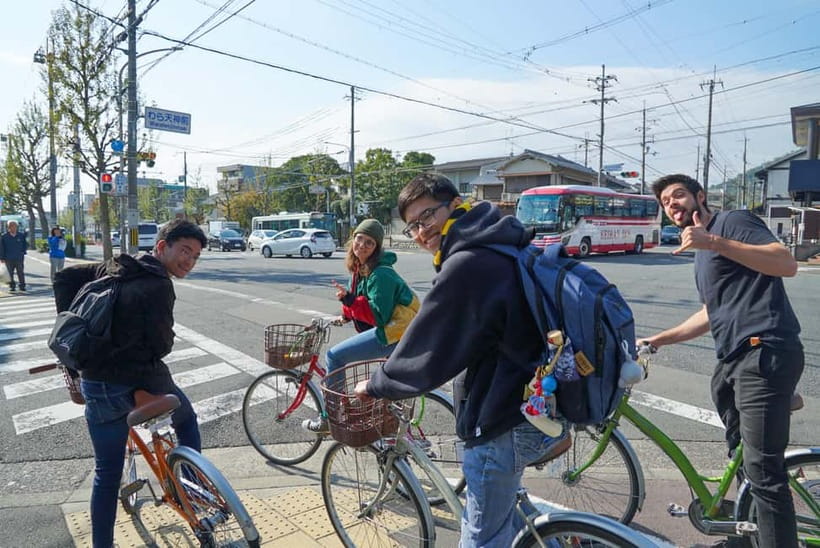
After lunch, the route returns to the bicycle for its final stretch. The last ride follows the Kamo River, offering a calmer finish than ending at a crowded temple or busy shopping street.
This final section is not merely transportation back to the shop. It gives you time to enjoy Kyoto at a slower pace after the concentrated temple visits. You may see people sitting beside the river or enjoying the sunshine, which makes the city feel lived in rather than arranged only for sightseeing.
The itinerary also includes a 30-minute visit at Rental Bicycle KYOTO ECO TRIP’s flagship shop. This appears to be part of the bicycle operation and tour closeout. Since the tour begins near Kyoto Station and includes a rental shop stop later, pay attention to the guide’s instructions about where the ride finishes and how the bicycles are returned.
Bike insurance for bodily injury liability is included, along with a lock and helmet. That is useful value, especially if you do not want to arrange a separate rental before the tour. You remain responsible for following traffic rules and using the equipment as instructed.
Is $96 a Fair Price?
At $96 per person, this is not the cheapest way to see Kyoto’s temples. It is also not simply a bicycle rental. The price includes a bike, helmet, lock, bodily injury liability insurance, Kennin-ji admission, lunch, tour photos, and an English-speaking guide for 270 minutes.
The strongest value comes from combining several services in one half-day. You avoid arranging a rental, planning a route, finding the temples, and choosing a suitable lunch stop. You also receive cultural explanation in English, which can be especially useful at Zen sites where the design is easy to admire but harder to understand.
The small group improves the value further. A maximum of five people is closer to a personal outing than a standard group excursion. If your guide is as helpful as Woohee, Tobu, or Karin, you can expect more than directions and dates. Woohee was praised for explaining cultural ideas and suggesting other places to visit, while Tobu helped a family understand Kyoto’s history and Shinto shrines during a hot morning. Karin’s tour became especially personal when other bookings did not arrive.
The price feels less attractive if you mainly want independent cycling or have already visited the temples. It also may not suit you if you dislike fixed meal arrangements or need strict dietary control. For a first Kyoto visit, though, the included structure is useful.
Who Should Book This Kyoto Bike Tour?
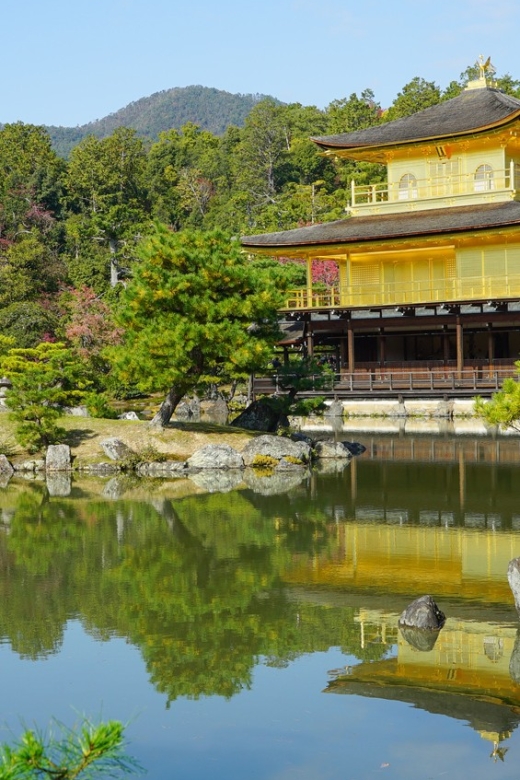
I would recommend it to you if you want a broad introduction to Kyoto without spending the entire day on foot. It suits adults and families with teenagers who can ride comfortably, follow traffic instructions, and stay with a guide.
It is also a good choice if you care about context. The tour connects geisha culture, Zen gardens, Shinto architecture, Kyoto food, and the city’s former-capital role in one route. You get a better sense of how these parts relate than you might from visiting isolated sights on separate days.
You may want a different plan if you are under 150 centimeters tall, use a wheelchair, or are uncomfortable cycling on city roads. The tour can be cancelled for unsafe weather, so it is wise not to make it your only Kyoto activity if your schedule is very tight.
Book early if you want a particular date, but keep the free cancellation deadline in mind: cancellation up to 24 hours ahead qualifies for a full refund. You can also reserve now and pay later.
FAQ
Where does the Kyoto bike tour begin?
It begins in front of the Seven Eleven outside Exit Hachijo-guchi of Kyoto Station, next to Hotel Via Inn Prime. The guide waits with a Magical Trip signboard.
How long does the tour last?
The tour lasts 270 minutes, or four and a half hours.
What language is the tour conducted in?
The tour has a live English-speaking guide.
How many people can join?
The group is limited to five participants.
Is the bicycle included?
Yes. The rental bicycle, helmet, lock, and bodily injury liability insurance are included.
Is lunch included?
Yes. Lunch is included at a local Japanese restaurant or traditional Japanese house. Additional drinks and food are not included.
Are vegetarian and vegan meals available?
Vegetarian and vegan options are available, but fish stock is still used. You must provide dietary requests or allergy information at least one day before the tour, and allergy-free preparation cannot be guaranteed.
What height is required?
Participants must be at least 150 centimeters tall, or about 4 feet 11 inches.
Can I use my phone or wear headphones while cycling?
Headphones are not allowed. Smartphone use is allowed only when the bicycle is stopped. Using a phone while cycling and riding under the influence of alcohol are prohibited under Japanese law.
Should You Book It?
Book this tour if you want Kyoto’s major cultural themes explained while you move through the city, and if the idea of a small group, included bicycle, temple admission, lunch, and river riding sounds useful. The strongest parts are the relaxed Kamo River sections, the long visits to Kennin-ji and Nanzen-ji, and the traditional lunch setting.
Skip it if you want total independence, cannot cycle for several hours, or need guaranteed allergy-free food. For most first-time visitors who want a practical and active half-day, $96 buys a well-organized introduction to Kyoto with enough local detail to help shape the rest of your stay.
Just added in Kyoto
- The “Golden Route” and Ancient Japan by DIAMIR Erlebnisreisen – 14-Day Tour★ 2.0 · 2 reviews
- Japan: Castles & Cuisine by G Adventures – 6-Day Kyoto to Osaka Tour★ 4.5 · 4 reviews
- Cycle Japan by Explore! – 13-Day Kyoto to Tokyo Tour★ 4.7 · 12 reviews
- Cycle Japan by Intrepid Travel – 11-Day Kyoto to Tokyo Tour★ 4.8 · 2 reviews
- Classic Japan by Intrepid Travel – 11-Day Kyoto to Tokyo Tour★ 4.4 · 14 reviews
- Ancient & Modern Japan 14-Day Tour by Exodus Adventure Travels★ 4.4 · 40 reviews
- 5 Day Cultural Adventure of Kyoto, Nara & Osaka by Tourist Journey★ 2.5 · 2 reviews
- 12 Days Kinosaki Onsen Escape: A Journey Through Japan’s Timeless Towns by UME Travel★ 4.8 · 5 reviews
Cycling and E-Bike Tours, compared.
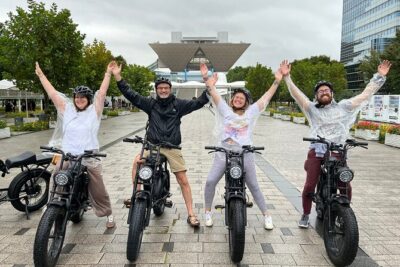
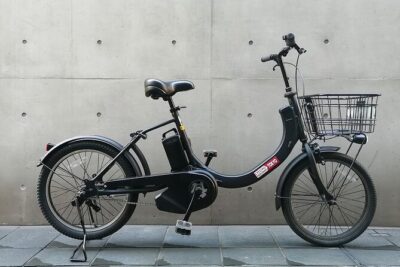
3h Tokyo E-Bike Tour: Hidden Gems, and Local Life with guide
Read our review →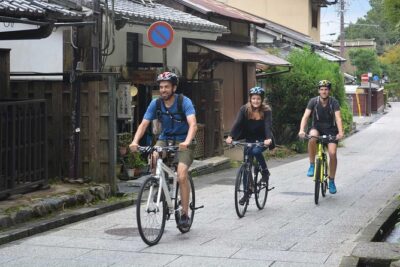
Arashiyama Bamboo Forest & Hidden Gems Bike Tour (Early Bird)
Read our review →
5 Top Highlights of Kyoto Full Day Bike Tour (E-bike option)
Read our review →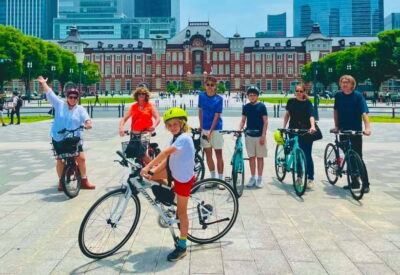

Hiroshima 2hr Peace Cycling Tour with Local Guide
Read our review →Browse the lists this tour appears in