
Reviewed · TEA CEREMONIES
A Unique Antique Kimono and Tea ceremony Experience in English
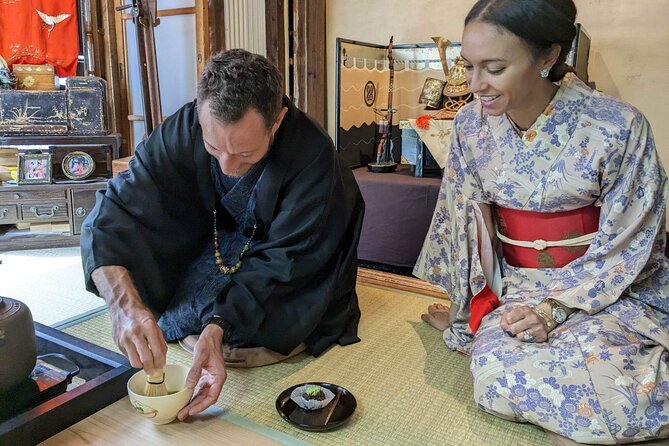
Slow down for tea. This Kyoto experience pairs a rare antique kimono with a small, carefully explained tea ceremony in a century-old home near Katsura Imperial Villa. I like the quiet residential setting and the warm personal welcome from Toku Miyagawa, his wife, and their assistant. The main consideration is the $99.10 price: good value if you want dressing, photos, and cultural explanation, but less so if you expect a formal garden or several kinds of tea.
The 90-minute visit is limited to six people and is conducted in English. I especially like that the kimono rental is included and that Toku brings more than 20 years of tea ceremony experience to the session. You should also know that this is a family-run shop and home, not a grand temple or polished tourist pavilion.
In This Review
- Key points to know before booking
- A quiet corner near Katsura Imperial Villa
- Selecting an antique kimono and obi
- What the dressing process adds to the visit
- Learning matcha rather than simply drinking it
- The ceremony itself, explained in English
- Why the family atmosphere matters
- Is $99.10 a fair price?
- Who will enjoy this most?
- Practical details for a smooth visit
- Should you book this Kyoto tea ceremony?
- FAQ
- How long does the antique kimono and tea ceremony experience last?
- Where does the experience take place?
- Is the kimono rental included in the price?
- Is the experience available in English?
- How many people can join the tea ceremony?
- Can I cancel for a full refund?
Key points to know before booking
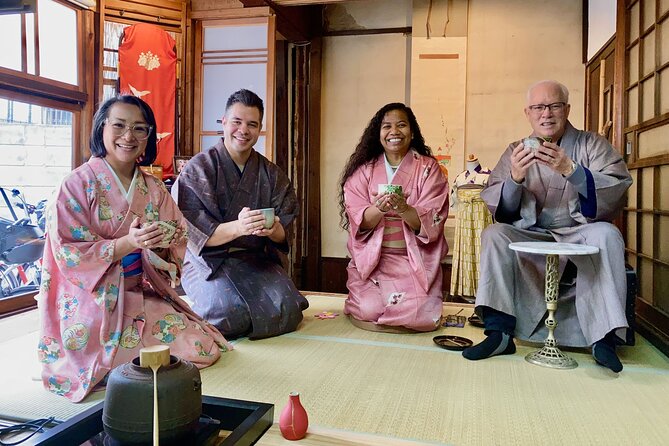
- Choose from genuine antique kimono: Some pieces are more than 80 years old, and the hosts help match accessories and obi.
- Learn tea etiquette step by step: Toku explains the meaning behind the movements, manners, and order of the ceremony.
- Expect a very small group: The maximum is six people, though some sessions may have fewer participants.
- Visit a 100-year-old house: The setting near Katsura Imperial Villa is calm and residential rather than central and crowded.
- The experience includes photos: The hosts take pictures during the kimono dressing and ceremony.
- Plan for a personal cultural lesson: This is best for people who value conversation and family hospitality over elaborate scenery.
A quiet corner near Katsura Imperial Villa
The address is Miyagawa Tokusaburo Shoten, 32-4 Katsuranozatocho, Nishikyo Ward, Kyoto. It is near Katsura Imperial Villa, away from the dense sightseeing streets around Gion and central Kyoto.
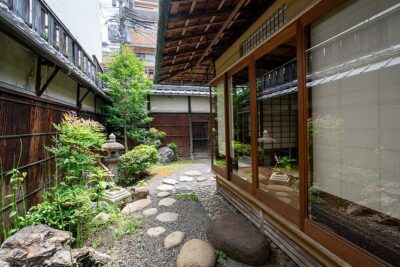
That location shapes the whole mood. You are not stepping into a dramatic temple courtyard or a tea room built for large tour groups. You arrive in a regular residential neighborhood and enter a private, century-old house connected with the family business. For some people, that feels wonderfully genuine. For others, it may seem too ordinary at first.
I would allow extra time to find the address, especially if you are navigating Kyoto for the first time. The meeting point is also the ending point. Public transportation is nearby, and one detailed account described the ride as an easy taxi trip of about 15 minutes. Your actual journey will depend on where you start.
The quiet setting is one of the strongest reasons to choose this activity. You can focus on the host’s explanations without the noise and traffic found at Kyoto’s busiest cultural sites. The tradeoff is simple: you give up famous views in exchange for a slower, more domestic setting.
More Kimono Experiences in Kyoto
- [Kyoto & Nara Day Tour] Sagano Scenic Railway & Nara Park & Fushimi Inari Taisha Thousand Torii Gates & Togetsukyo Bridge & Bamboo Grove & Kimono Forest (Departing from Osaka)
★ 4.9 · 10,942 reviews - Kyoto Geisha Walking Tour: Gion District & Hidden Gems
★ 4.7 · 3,273 reviews - Kyoto: Gion Magical Night Walking Tour with Geisha Trivia
★ 4.9 · 2,393 reviews
Selecting an antique kimono and obi
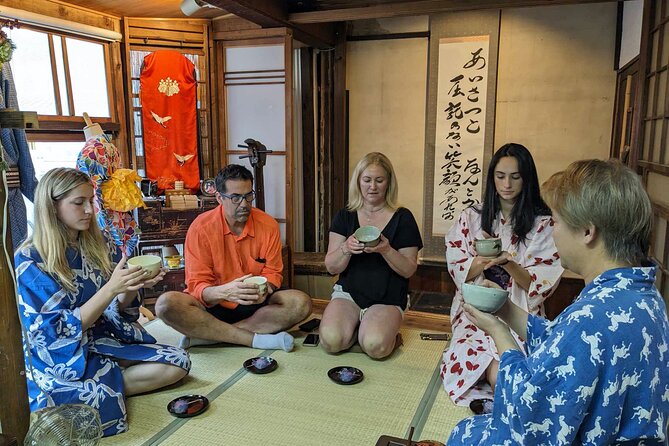
The experience begins with the kimono selection. You can choose from a large collection, with Toku helping you consider the kimono, obi, and accessories together. The pieces are described as rare antiques, some more than 80 years old.
This is not the same as renting a modern costume for a quick photograph. The age and condition of the garments are part of the appeal, and Toku’s background as a kimono fitter gives the dressing process a personal touch. He explains how the pieces work and helps create an outfit that looks balanced rather than simply handing you a random robe.
Hair accessories are also available, and several accounts describe help with basic hair styling. That detail matters if you want photographs that feel finished. The hosts also take pictures throughout the visit, so you are not left trying to manage a phone while dressed in formal clothing.
The collection may not match the highly ornate kimono you see in Kyoto’s commercial rental districts. One disappointed customer found the garments less exotic than expected and disliked seeing them folded in the shop. That is a fair warning. If your ideal experience involves a glossy studio, theatrical costumes, and a beautiful garden backdrop, this may not fit.
If you appreciate textiles, family collections, and the chance to wear an older garment in a real home, the same setting can feel special. Handle the clothing with care, follow the hosts’ instructions, and remember that the value here is cultural and personal rather than flashy.
What the dressing process adds to the visit
Kimono dressing is not just a prelude to the tea. It helps you understand how much attention goes into Japanese formal clothing.
Toku and his family take time with the fitting, and the clothing is described as snug and carefully arranged. That can feel unusual if you are used to loose Western clothing. Once dressed, you will also need to move more deliberately, which suits the slower pace of the ceremony.
Families with children have found the hosts patient and welcoming, including with a child as young as two and a half. Young children may not sit through every quiet moment with ease, but the family-run atmosphere makes the experience less rigid than a formal performance.
One useful point is that the hosts can adapt the ceremony for someone who cannot kneel. Traditional tea ceremony often involves sitting in a low position, so mention physical needs when you arrive. The activity details specifically note that service animals are allowed.
Learning matcha rather than simply drinking it
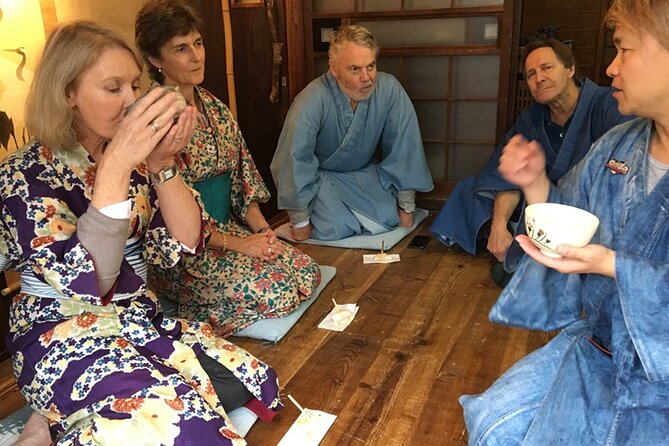
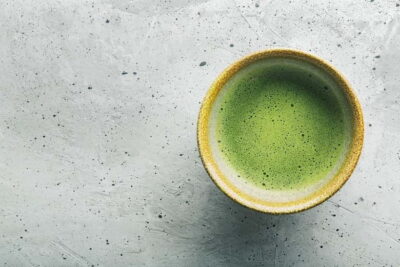
The tea portion covers the preparation of matcha, the etiquette of receiving tea, and the meaning behind the actions. You receive green tea and Japanese sweets, and the ceremony is explained in English.
This is a lesson in attention and manners as much as a lesson in tea. You learn why movements are performed in a particular order and how the host prepares and presents the drink. Toku also explains the connection between samurai culture and tea ceremony, an engaging subject for anyone interested in how social customs developed in Japan.
The pace is intentionally measured. That gives you time to watch, ask questions, and try parts of the process yourself. It also means the 90 minutes may feel long if you want a fast demonstration or a tasting menu.
You should set your expectations correctly. The activity focuses on one tea ceremony, not a survey of different teas. There is no indication that you will taste several special varieties. One person felt that simple tasks were stretched and expected more information about tea production. That criticism is worth taking seriously if your main interest is agriculture, processing, or tea tasting.
The wording about learning how matcha is made is best understood as learning how matcha is prepared for the ceremony. You will gain insight into the ritual and handling of the tea, not necessarily a full account of how tea leaves are grown and processed.
More Tea Ceremonies in Kyoto
- Kyoto: Tea Ceremony in a Traditional Tea House in Kiyomizu
★ 4.9 · 3,519 reviews - Kyoto: Tea Ceremony Ju-An at Jotokuji Temple
★ 4.9 · 3,207 reviews - Kyoto: 45-Minute Tea Ceremony Lesson Experience
★ 4.3 · 2,378 reviews - Kyoto: Table-Style Tea Ceremony at a Kyo-Machiya
★ 4.9 · 1,211 reviews
The ceremony itself, explained in English
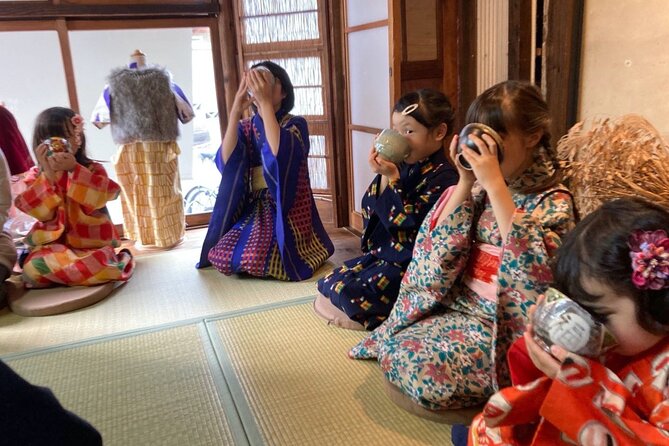
Once everyone is dressed, the ceremony begins in the old private house. The room is designed for calm rather than spectacle, and Toku explains each stage carefully.
You will learn the proper manners and etiquette, including how to receive the bowl and how to approach the ceremony respectfully. The hosts encourage photographs, but you should still allow quiet moments to remain quiet. The value of tea ceremony is partly found in the pauses, not just in the information.
The small group limit of six makes a real difference. Toku can watch how you are managing each step and answer questions without turning the event into a lecture. Some sessions may have only two people, which can make the experience feel especially personal.
The hosts also explain their own connection to the tradition. Toku has worked as a shop builder and later reconnected with his family’s tea heritage through the tea house tradition. That personal story gives the ritual a human face. You are not only watching a demonstration from a distance. You are meeting a family that has chosen to share part of its culture at home.
The ceremony is solemn, but it is not presented as an exam. The hosts are described as patient, friendly, and happy to involve children. That balance works well for first-time visitors who want cultural context without worrying about making a mistake.
Why the family atmosphere matters
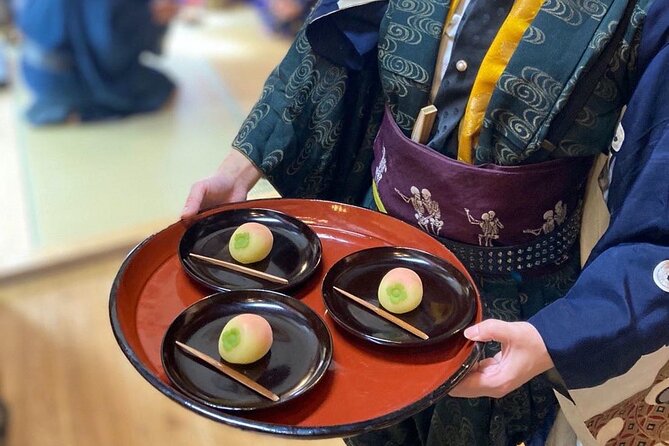
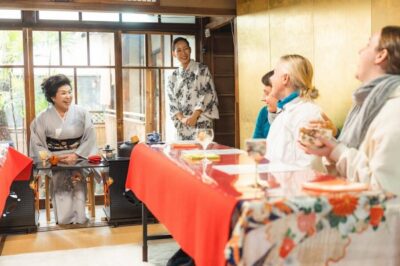
The strongest part of this experience is the people. Toku, his wife, and their assistant welcome you into the shop and home, help with the kimono, explain the tea, and take photographs.
That warmth comes through in the small details. They have helped people choose colors and accessories, adjusted the activity for someone unable to kneel, and remained flexible when a family faced travel delays. These are signs of a host-led experience rather than a fixed stage show.
I also like that the family talks about tea as a way of sharing time. That idea captures the spirit of the visit better than a list of steps. You are given a reason to slow down, sit with others, and pay attention to a simple bowl of tea.
The personal approach does not mean every part will feel polished. The house is old, the shop is informal, and the kimono may be stored in a practical way. If you prefer a highly produced cultural attraction, you may find the surroundings plain. If you want contact with a local family and a tradition practiced in an everyday setting, the informality is an advantage.
Is $99.10 a fair price?
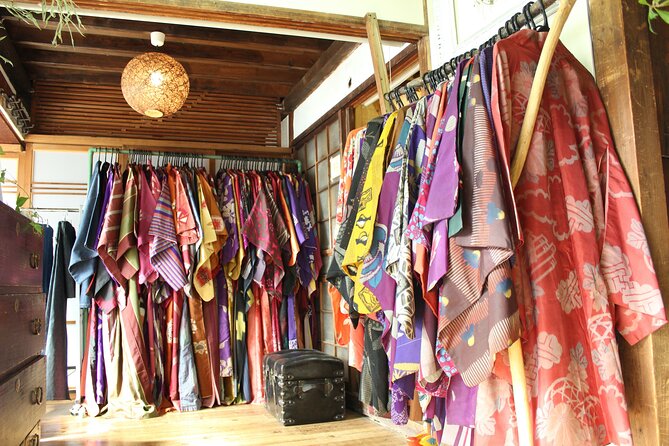
At $99.10 per person, this is not Kyoto’s cheapest tea experience. The price makes more sense when you count the included antique kimono rental, fitting, accessories, tea, sweets, English instruction, and small-group attention.
You are also paying for time with an experienced host. A quick tea demonstration in a busy sightseeing district may cost less, but it may not include the same personal fitting or quiet conversation. Here, the clothing and the host’s explanations are equally important parts of the product.
The value depends on what you want from the hour and a half. I would consider it a good buy if you want:
- A kimono experience and tea ceremony in one booking
- A small group, capped at six
- Help with choosing clothing and accessories
- A family-run setting away from central Kyoto
- English explanations of etiquette and cultural background
- Photographs to remember the visit
I would hesitate if you mainly want to sample several teas, tour a formal garden, or learn the full process of matcha production. The single ceremony and residential setting may not justify the price for those goals.
The 97 percent recommendation rate and 4.9 rating from 109 ratings suggest that the experience delivers strongly for most people. Still, the two sharply negative accounts help define its limits. This is personal and intimate, not grand or theatrical.
Who will enjoy this most?
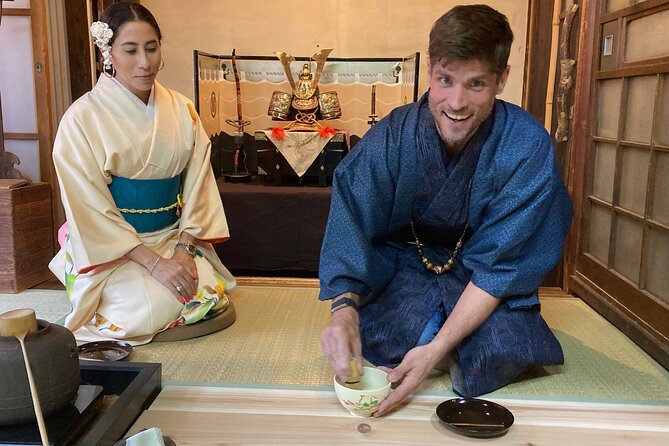
Couples often fit the experience well because they can choose matching or complementary clothing and have photographs taken together. Families can also enjoy it, especially since the hosts are comfortable involving children.
It suits first-time visitors who want a clear introduction to tea ceremony without needing prior knowledge. Toku explains the rules as you go, so you do not need to study etiquette before arriving.
It is also a good choice for people who have already visited Kyoto’s major temples and want a quieter activity. The location gives you a different view of the city, one based on a local neighborhood and a family business rather than a major monument.
People with limited mobility should communicate their needs at the start. Kneeling can be adapted, but the experience still involves sitting and wearing a fitted kimono. The activity is available in English, and service animals are allowed.
You may want to skip it if your priority is a grand setting. The house is old and authentic in a practical sense, but it is not described as a palace, landscaped garden, or elaborate tea pavilion.
Practical details for a smooth visit
The activity lasts about 90 minutes and ends at the same place where it begins. Since kimono fitting takes part of the session, arrive ready to give the hosts your attention rather than treating the dressing as a quick costume change.
The maximum group size is six. That is small enough for individual help, but you should not assume every booking is private unless your reservation says so.
The booking includes the antique kimono rental and the tea ceremony with green tea and Japanese sweets. Lunch and dinner are not included, so plan those separately.
Confirmation is normally sent when you book. If you reserve within one day of the start time, confirmation arrives as soon as possible and depends on availability. Free cancellation is available up to 24 hours before the start time, while cancellations or changes inside that window are not accepted for a refund.
A mobile ticket is provided, which makes entry simple once you reach the address. Save the meeting point in your phone before leaving, and allow time for the residential location.
Should you book this Kyoto tea ceremony?
Book it if you want a quiet, personal introduction to kimono and tea ceremony, especially with family, a partner, or a small group of friends. The antique garments, patient English explanations, photographs, and welcoming hosts give the 90 minutes real substance.
Think twice if you want grand architecture, garden views, or a technical tea-production class. This is a modest old home in a neighborhood, and the tea experience centers on one ceremony rather than many tastings.
For the right visitor, the $99.10 price buys more than a cup of matcha. It buys time with a family, a chance to wear a genuine older kimono, and a carefully explained look at a tradition that rewards patience. That is a fair exchange, as long as you arrive expecting warmth and context rather than spectacle.
FAQ
How long does the antique kimono and tea ceremony experience last?
The experience lasts approximately 1 hour and 30 minutes.
Where does the experience take place?
It takes place at Miyagawa Tokusaburo Shoten, 32-4 Katsuranozatocho, Nishikyo Ward, Kyoto, near Katsura Imperial Villa. The activity ends at the same meeting point.
Is the kimono rental included in the price?
Yes. The antique kimono rental fee is included, along with the tea ceremony, green tea, and Japanese sweets.
Is the experience available in English?
Yes. The activity is available in English, including explanations of tea ceremony etiquette and manners.
How many people can join the tea ceremony?
The activity has a maximum of six participants.
Can I cancel for a full refund?
Yes, if you cancel at least 24 hours before the experience start time. Cancellations or changes made less than 24 hours before the start time are not accepted for a refund.
Just added in Kyoto
- The “Golden Route” and Ancient Japan by DIAMIR Erlebnisreisen – 14-Day Tour★ 2.0 · 2 reviews
- Japan: Castles & Cuisine by G Adventures – 6-Day Kyoto to Osaka Tour★ 4.5 · 4 reviews
- Cycle Japan by Explore! – 13-Day Kyoto to Tokyo Tour★ 4.7 · 12 reviews
- Cycle Japan by Intrepid Travel – 11-Day Kyoto to Tokyo Tour★ 4.8 · 2 reviews
- Classic Japan by Intrepid Travel – 11-Day Kyoto to Tokyo Tour★ 4.4 · 14 reviews
- Ancient & Modern Japan 14-Day Tour by Exodus Adventure Travels★ 4.4 · 40 reviews
- 5 Day Cultural Adventure of Kyoto, Nara & Osaka by Tourist Journey★ 2.5 · 2 reviews
- 12 Days Kinosaki Onsen Escape: A Journey Through Japan’s Timeless Towns by UME Travel★ 4.8 · 5 reviews
Tea Ceremonies, compared.
Tea Ceremony in a Traditional Tea House in Kiyomizu
Read our review →
World Heritage Kyoto & Nara Uji Authentic Matcha Experience
Read our review →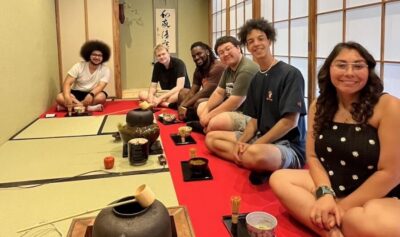
Browse the lists this tour appears in