Reviewed · KYOTO TOURS
Concerts Played with Traditional Instruments in Kyoto
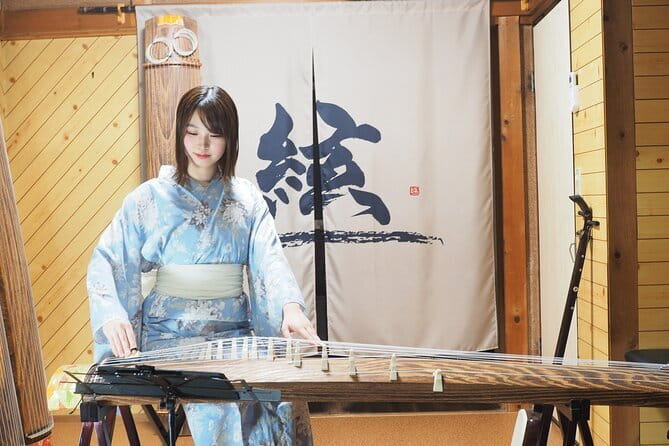
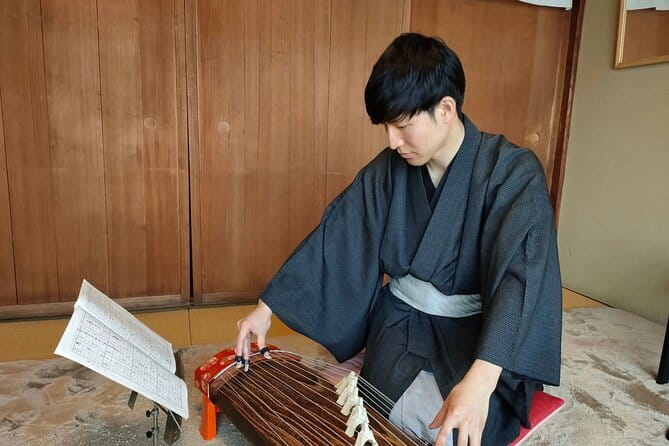
Music changes the way you see a place. This 50-minute Kyoto concert brings the koto and shamisen into a traditional Japanese home, where a private or small group audience hears classical, modern, and original pieces at close range. I like the setting because it feels personal rather than staged for a large crowd, and I like that the musicians explain the instruments before playing.
The program includes famous works such as Chidori no Kyoku, Rokudan no Shirabe, and Kajimakura, with time afterward for questions, photos, and conversation. The optional hands-on koto session is another strong point. The main consideration is price: at $39.63 per person, this is not a budget concert, and coffee, tea, and transportation are not included.
In This Review
- Key points to know before booking
- Why a home concert feels different in Kyoto
- Meeting the koto and shamisen before the music
- The concert program: classical pieces and newer sounds
- The Q&A and photo time are part of the value
- Try the koto with the hands-on upgrade
- Gen Home Saiin and the intimate setting
- Is $39.63 a fair price?
- Planning your visit around Kyoto sightseeing
- Who will enjoy this concert most?
- My recommendation: book it if music matters to you
- FAQ
- Where does the concert take place?
- How long does the experience last?
- What instruments will I hear?
- What music is included?
- Can I try playing the koto?
- Is transportation included?
- Can I cancel for a full refund?
Key points to know before booking
- A Kyoto home becomes the concert hall: Gen Home Saiin offers a close, intimate setting for traditional Japanese music.
- You hear both old and new music: The program includes classical pieces, modern works, and original compositions.
- The koto and shamisen are explained first: This helps you listen for the different sounds and playing styles.
- The concert ends with access to the musicians: You can ask questions and take photos after the performance.
- A hands-on koto upgrade is available: You can try a simple piece yourself instead of only watching.
- Several times are offered during the day: You have some room to fit the concert into a Kyoto sightseeing plan.
Why a home concert feels different in Kyoto
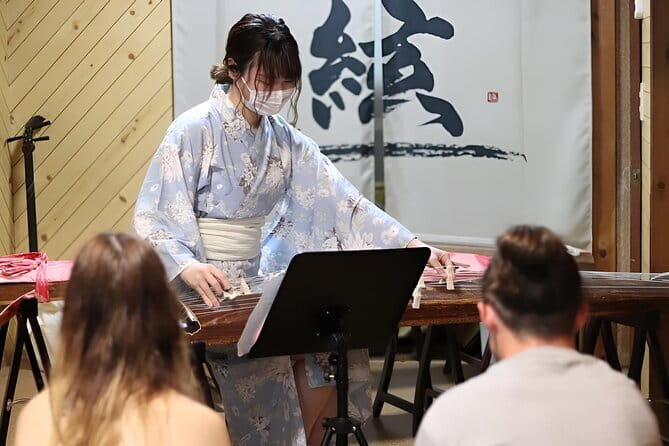
Kyoto has no shortage of places where you can hear Japanese music. The difference here is the scale. Instead of sitting in a large theater or watching a short demonstration in a busy tourist area, you enter a traditional home at Gen Home Saiin, where the rooms become the performance space.
That setting matters. Koto and shamisen music can sound formal when you first encounter it, especially if you do not know the instruments. In a smaller room, you are close enough to see how the musicians create each note. The performance becomes less like a distant cultural display and more like a meeting with an important part of Japanese life.
I also like the practical format. You do not need to commit to a full evening of theater. The concert lasts about 50 minutes, so you can place it between visits to Kyoto sights, a meal, or an evening walk. Multiple time options are available during the day, which helps if your schedule includes temples, markets, and train connections.
The tradeoff is that this experience depends on the appeal of a quiet music presentation. If you want a large production, costumes, dancing, or a long show with many performers, this will feel modest. If you want to hear the instruments clearly and ask questions afterward, the small setting is the point.
A few more options to weigh up in Kyoto
- Kyoto: Traditional Concert at Townhouse or Bathhouse
★ 4.9 · 224 reviews - Kyoto: Japanese Koto & Shamisen Concert and Koto Class
★ 4.9 · 31 reviews
Meeting the koto and shamisen before the music
The experience begins with a brief introduction to the koto and shamisen. This is more useful than it may sound. Traditional instruments can be hard to distinguish when you hear them for the first time, so an explanation gives your ears something to follow.
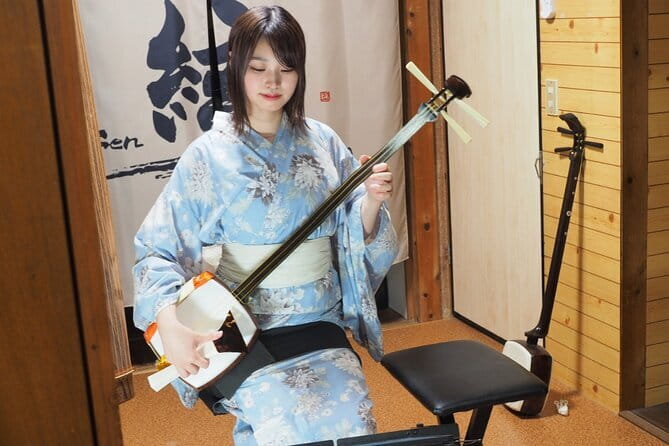
The koto is a long stringed instrument associated with elegant, flowing tones. The shamisen has a different character, with a sharper, more direct sound. Learning the basic differences before the concert helps you notice how the instruments work together and how each one shapes the music.
The introduction also gives the performance some context. You are not simply asked to sit quietly and guess what you are hearing. You receive a basic guide to the instruments, their origins, and the music connected with them. The explanation is offered in English, and the presentation is described as organized and detailed.
That English introduction is important for many visitors. Traditional music can feel remote if nobody explains what you are hearing. Here, the short talk gives you a way into the performance without requiring previous musical knowledge.
The concert program: classical pieces and newer sounds
The heart of the visit is the live performance. The program includes classical works such as Chidori no Kyoku, Rokudan no Shirabe, and Kajimakura. These pieces connect the concert to the established repertoire of koto and shamisen music.
The music also reaches beyond older works. You may hear modern compositions and original pieces alongside the classical selections. I think this mix is one of the best reasons to choose the experience. It keeps the performance from presenting Japanese music as something locked in the past.
The concert draws on works linked to major figures including Yoshizawa Kengyo, Yatsuhashi Kengyo, and Kikuoka Kengyo. You do not need to remember those names to enjoy the music, but hearing them gives you a sense that the program is tied to recognized composers and traditions.
One especially powerful piece is Chidori no Kyoku. It has produced a strong emotional response from at least one attendee, who described crying during the performance. That reaction will not be yours automatically, of course, but it tells you that the concert can offer more than a quick cultural sample. The music has enough feeling and space to leave a lasting impression.
I would keep your expectations in the right place. This is not advertised as a full historical lecture or an extended evening concert. It is a compact program with an introduction, performance, and time for questions. You get a focused look at the instruments rather than a survey of every style of Japanese music.
The Q&A and photo time are part of the value
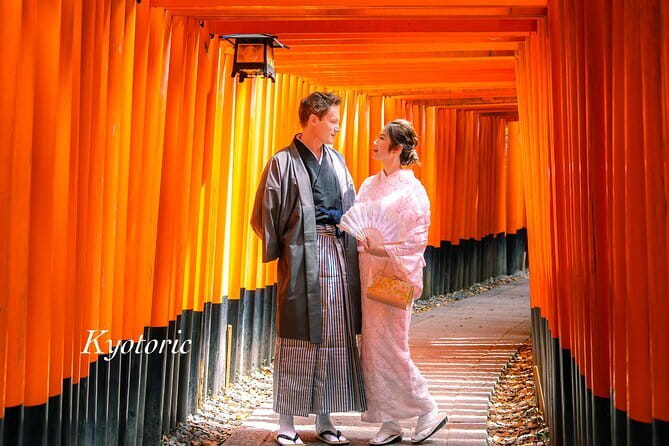
After the performance, you can ask questions and take photos with the musicians. This is a useful part of the experience, not an afterthought. Live music can raise questions that a guidebook cannot answer: Why does one piece sound so different from another? How are the strings played? How did the musicians begin?
The chance to speak directly with professional performers makes the concert feel more open. You can clarify something you noticed during the music, ask about the instruments, or simply learn more about the pieces you heard.
Photo time also matters if you want a record of the experience. Many short cultural demonstrations end as soon as the last note finishes. Here, the conversation continues, giving you a little more time with the people who created the music.
Keep in mind that the exact length of the Q&A is not specified. The total experience is approximately 50 minutes, so the performance and discussion share that time. If you want a long informal conversation, you may find the schedule fairly compact. If you prefer a clear beginning and end, that structure will suit you.
A completely different kind of day out:
- PERFECT KYOTO 1-Day Bus Tour
★ 5.0 · 13,518 reviews - [Kyoto & Nara Day Tour] Sagano Scenic Railway & Nara Park & Fushimi Inari Taisha Thousand Torii Gates & Togetsukyo Bridge & Bamboo Grove & Kimono Forest (Departing from Osaka)
★ 4.9 · 10,942 reviews - Kyoto: Fushimi Inari, Kinkakuji, Bamboo Grove 1 Day Bus Tour
★ 4.8 · 4,316 reviews - Kyoto: Tea Ceremony in a Traditional Tea House in Kiyomizu
★ 4.9 · 3,519 reviews
Try the koto with the hands-on upgrade
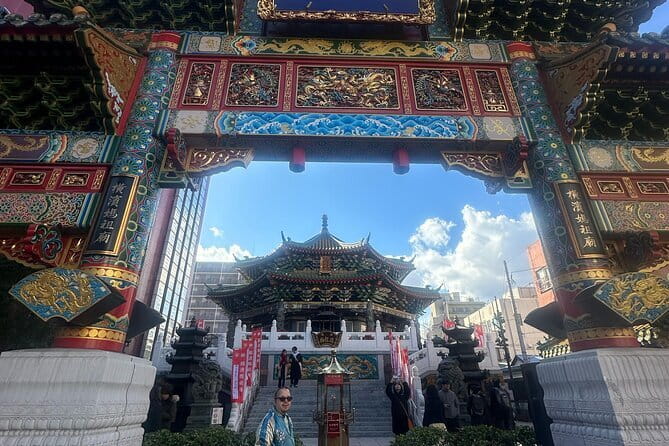
The optional koto session changes your role from listener to participant. Instead of only watching the musician play, you can try a simple piece yourself.
This is a good upgrade for families, curious beginners, and anyone who likes to understand an instrument through touch. A short introduction can tell you how the koto sounds, but trying to make a note gives you a better sense of its physical demands and technique.
Do not expect to become a koto player in one session. The point is not mastery. You will likely leave with a clearer idea of how the instrument is approached and a stronger memory of the concert.
The available information does not state the extra price or the exact length of the lesson, so check those details when choosing your option. If the basic concert already fits your interests, you can keep the cost at $39.63. If you enjoy interactive activities, the upgrade may offer more value than simply adding another photo stop to your day.
Gen Home Saiin and the intimate setting
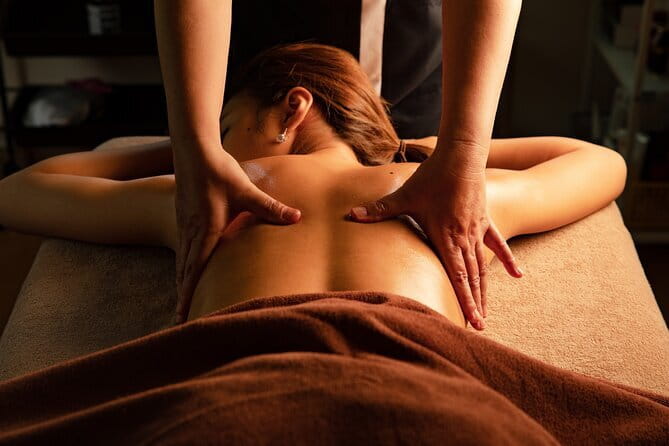
The listed stop is Gen Home Saiin, a traditional Japanese home used as the performance venue. Turning a home into a stage gives the experience its main character. You are not walking into a major concert hall with rows of seats and a large production team. You are entering a personal space built around the music.
That can make the sound and explanations feel more direct. You may notice details that would disappear in a large room, such as the shape of the instruments, the musicians’ hand movements, and the contrast between the koto and shamisen.
A home venue also means you should approach the visit with respect for the setting. This is a cultural experience in a private-feeling environment, not a loud entertainment venue. Arrive ready to listen, keep your phone under control during the music, and save photos for the permitted time after the concert.
The group may be private or small, but the exact maximum size is not given. If having a very small audience is essential to you, confirm the format of your selected option before booking.
Is $39.63 a fair price?
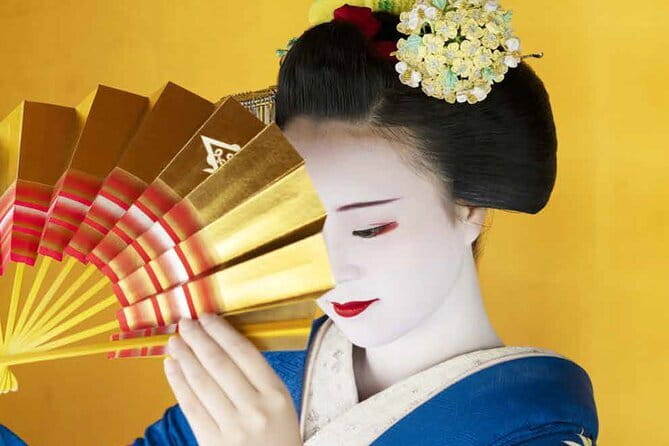
At $39.63 per person, this concert sits above the cost of a casual sightseeing activity but below the price of many major evening performances. The value comes from the combination of live music, instrument explanations, direct access to the performers, and the unusual home setting.
I would consider it a fair price if you already want a focused cultural experience in Kyoto. You are paying for more than a seat. You receive context before the music and interaction afterward, with the possibility of playing the koto yourself.
The value is weaker if you are only looking for free or very cheap entertainment. Coffee and tea are not included, and private transportation is not provided. You will also need to make your own way to the venue, although it is near public transportation.
The short duration helps balance the price. A 50-minute program does not consume your entire day. You can fit it into a packed Kyoto itinerary without giving up a major temple visit or a full evening meal.
I would choose the hands-on upgrade only if you truly want to try the instrument. If your main goal is to hear the music and learn the basics, the standard concert already includes the central parts of the experience.
Planning your visit around Kyoto sightseeing
Because several options are offered throughout the day, you can plan this around your other activities. A daytime concert could work between major sightseeing stops. A later option may fit after temples or before dinner, depending on the time you choose.
The experience is near public transportation, which is useful in Kyoto, where getting across town can take longer than the map suggests. Private transportation is not included, so allow enough time to reach Gen Home Saiin on your own.
The mobile ticket makes entry simple. Your booking confirmation is received at the time of booking, and the activity is suitable for most people. No special fitness level is indicated.
I would avoid booking it too tightly against a train departure or another timed admission. Kyoto transit can be slow, and a home concert is better enjoyed when you are not watching the clock. The free cancellation policy lets you cancel for a full refund up to 24 hours before the start time, but changes or cancellations inside that window are not accepted.
Who will enjoy this concert most?
This experience is a strong match for you if you want:
- A close look at Japanese musical instruments
- A calm cultural activity lasting less than an hour
- Live performance rather than a museum display
- Explanations in English
- A chance to ask musicians questions
- A hands-on activity with the optional koto session
- A small-scale setting away from a large theater
Families may appreciate the koto upgrade because it gives children something active to do. Music lovers will likely value the named classical pieces and the mix of older and newer compositions.
It also suits first-time visitors who are curious about Japanese culture but do not know where to begin. The short introduction gives you enough background to listen with interest, without asking you to study traditional music in advance.
You may want to skip it if your Kyoto plans are built around fast sightseeing and you do not enjoy seated performances. It is also not the best pick if you want a broad stage show with many performers or a long entertainment program.
My recommendation: book it if music matters to you
I recommend this concert for anyone who wants a personal encounter with Japanese music rather than another quick stop at a famous sight. The home setting, English explanation, thoughtful program, and Q&A give the visit real substance.
The strongest choice is the basic concert if you want an efficient introduction. Pick the hands-on option if you enjoy learning by doing and want to leave with more than a memory of the performance.
At $39.63, it is a considered purchase, but the price is reasonable for a live program with professional musicians, direct conversation, and a setting that feels far removed from a standard tourist show. Book it when you can give the music your full attention, and leave enough time to reach Gen Home Saiin without rushing.
FAQ
Where does the concert take place?
The concert takes place at Gen Home Saiin in Kyoto, a traditional Japanese home used as the performance venue.
How long does the experience last?
The experience lasts approximately 50 minutes.
What instruments will I hear?
You will hear the koto and shamisen, with a brief introduction and explanation of both instruments before the concert.
What music is included?
The program includes classical works such as Chidori no Kyoku, Rokudan no Shirabe, and Kajimakura, along with modern and original compositions.
Can I try playing the koto?
Yes. An upgrade is available that lets you try playing a simple piece on the koto.
Is transportation included?
No. Private transportation is not included, but the venue is near public transportation.
Can I cancel for a full refund?
Yes. You can cancel at least 24 hours before the experience start time for a full refund. Cancellations or changes made less than 24 hours before the start time are not accepted.
Just added in Kyoto
- The “Golden Route” and Ancient Japan by DIAMIR Erlebnisreisen – 14-Day Tour★ 2.0 · 2 reviews
- Japan: Castles & Cuisine by G Adventures – 6-Day Kyoto to Osaka Tour★ 4.5 · 4 reviews
- Cycle Japan by Explore! – 13-Day Kyoto to Tokyo Tour★ 4.7 · 12 reviews
- Cycle Japan by Intrepid Travel – 11-Day Kyoto to Tokyo Tour★ 4.8 · 2 reviews
- Classic Japan by Intrepid Travel – 11-Day Kyoto to Tokyo Tour★ 4.4 · 14 reviews
- Ancient & Modern Japan 14-Day Tour by Exodus Adventure Travels★ 4.4 · 40 reviews
- 5 Day Cultural Adventure of Kyoto, Nara & Osaka by Tourist Journey★ 2.5 · 2 reviews
- 12 Days Kinosaki Onsen Escape: A Journey Through Japan’s Timeless Towns by UME Travel★ 4.8 · 5 reviews
Kyoto Tours, compared.

![[Kyoto & Nara Day Tour] Sagano Scenic Railway & Nara Park & Fushimi Inari Taisha Thousand Torii Gates & Togetsukyo Bridge & Bamboo Grove & Kimono Forest (Departing from Osaka)](https://media.japanvisits.com/wp-content/uploads/kyoto-nara-day-tour-sagano-scenic-railway-nara-park-fushimi-inari-taisha-thousand-torii-gates-togetsukyo-bridge-bamboo-grove-kimono-forest-departing-from-osaka-k110001-400x257.jpg)
Fushimi Inari, Kinkakuji, Bamboo Grove 1 Day Bus Tour
Read our review →
Tea Ceremony in a Traditional Tea House in Kiyomizu
Read our review →
Gion Make Your Own Chopsticks with Engraving Option
Read our review →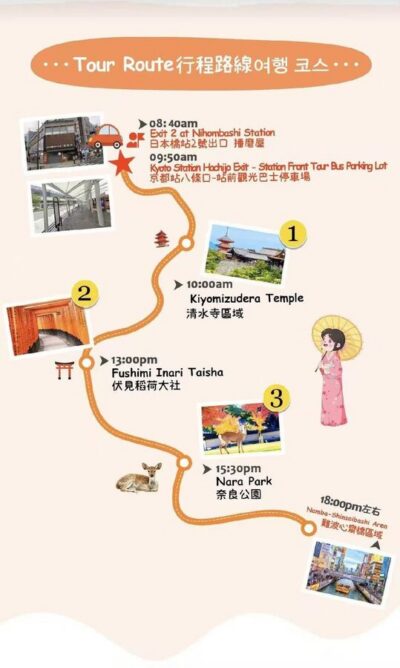
Kyoto Nara Day Trip │ Kiyomizu-dera Temple + Fushimi Inari-taisha Shrine + Nara Park (Departing from Osaka/Kyoto)
Read our review →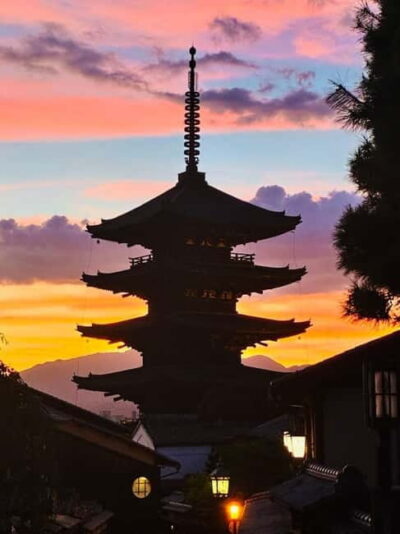
Kyoto Geisha Walking Tour: Gion District & Hidden Gems
Read our review →