
Reviewed · TEA CEREMONIES
Elegant Tea Ceremony While Wearing Kimono Experience in Kyoto
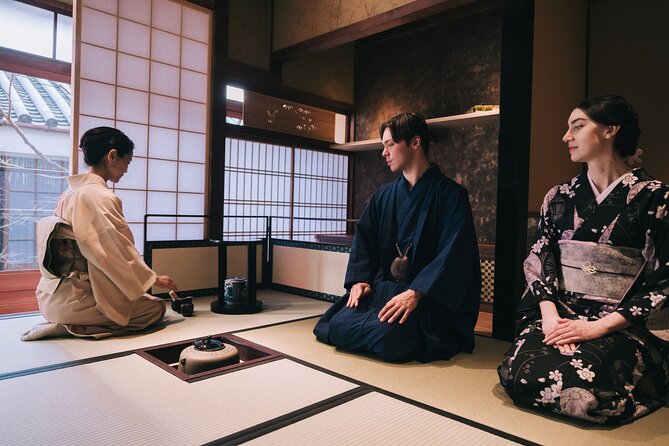
Slow down in the heart of Kyoto. This experience combines kimono dressing and hair styling with a formal tea ceremony at Nishiki Orizuruya, a traditional tea house about a minute from Nishiki Market. You watch a tea master, prepare your own matcha, and taste seasonal wagashi from a 100-year-old confectionery.
I especially like the choice of follow-up activities, since calligraphy, gold leaf, and a Nishiki Market walk suit different interests. I also like the warm, careful staff, including tea guide Ruriko and market guide Lina, who are praised for clear English and personal attention. The main drawback is that the tea ceremony may not include as much historical explanation as you hope for, and some men may find the kimono selection less varied.
In This Review
- Key points to know before booking
- Arriving at Nishiki Orizuruya near Nishiki Market
- Choosing a kimono and getting ready
- Watching the tea master prepare matcha
- Selecting calligraphy, gold leaf, or a market walk
- Calligraphy for a personal keepsake
- Gold leaf art for a handmade souvenir
- Nishiki Market for Kyoto food culture
- What the $50.58 price really covers
- Timing, comfort, and practical limits
- Who will enjoy this Kyoto experience most
- Should you book the kimono tea ceremony?
- FAQ
- Where does the tea ceremony experience begin?
- How long does the experience last?
- Is kimono rental included?
- Can I choose what to do after the tea ceremony?
- Are children allowed to join?
- How large is the group?
- What happens if severe weather cancels the activity?
Key points to know before booking
- Kimono and hair styling come first: Choose from the available clothing and accessories, then let the staff dress you. Women receive free hair styling.
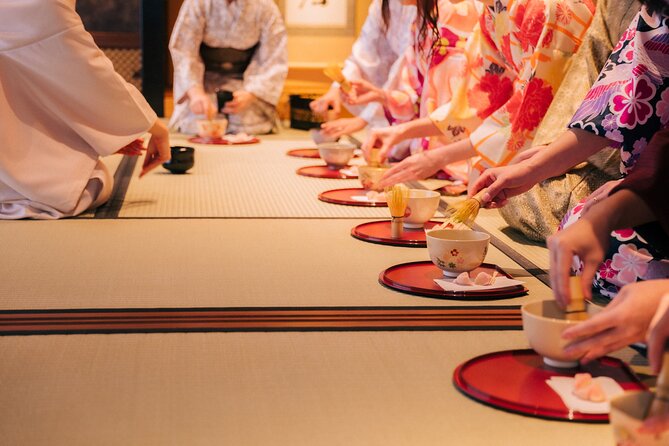
- You make your own matcha: The tea master demonstrates the method before you use a bamboo whisk yourself.
- Three add-on choices change the length: Pick calligraphy, gold leaf art, or a Nishiki Market and neighborhood walk after the tea ceremony.
- Nishiki Market is right outside: The tea house is roughly one minute from Kyoto’s famous food market, making the longer walking option especially convenient.
- Small groups keep the room personal: The maximum group size is 10 people, with English guidance throughout.
- The price covers more than tea: At $50.58 per person, the value comes from the kimono rental, hair styling for women, guided ceremony, sweets, matcha, and your selected cultural activity.
Arriving at Nishiki Orizuruya near Nishiki Market
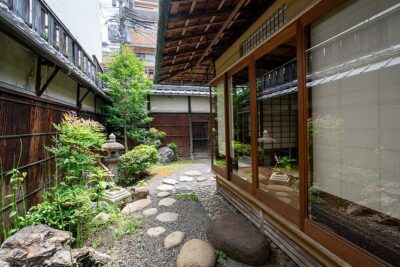
You meet at Nishiki Orizuruya, located at 452 Jūmonjichō in Kyoto’s Nakagyo Ward. The tea house sits close to public transportation and just a short walk from Nishiki Market, often called Kyoto’s Kitchen.
That location matters. You do not lose half a morning crossing the city, and you can pair the activity with market browsing before or after your appointment. The streets around Nishiki are busy, especially on weekends, holidays, and during special events, so allow enough time to find the building and arrive at least 10 minutes early.
The activity ends where it begins. That makes the meeting point easy to use as a fixed base, especially if you plan to continue shopping, eating, or visiting nearby shrines.
The group limit is 10 people. That is small enough for the tea master to demonstrate the steps clearly and for staff to help with photos, clothing, and questions. It is not a private lesson, though, so the room may feel more social when the experience is full.
More Kimono Experiences in Kyoto
- [Kyoto & Nara Day Tour] Sagano Scenic Railway & Nara Park & Fushimi Inari Taisha Thousand Torii Gates & Togetsukyo Bridge & Bamboo Grove & Kimono Forest (Departing from Osaka)
★ 4.9 · 10,942 reviews - Kyoto Geisha Walking Tour: Gion District & Hidden Gems
★ 4.7 · 3,273 reviews - Kyoto: Gion Magical Night Walking Tour with Geisha Trivia
★ 4.9 · 2,393 reviews
Choosing a kimono and getting ready
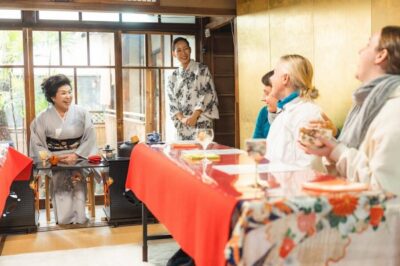
The first part is the transformation. You choose a kimono and accessories, then experienced staff help you dress. Women receive hair styling at no additional charge, with decorative hair pieces available as part of the finished look.
This is one of the strongest parts of the experience because you are not simply handed a costume and left to manage it. The staff handle the layers and details, and the care taken with sizing has been praised by people of different shapes and sizes. If sitting on the floor is difficult, a chair can be provided during the ceremony and related activities.
The clothing also makes the ceremony feel more meaningful. You are not just watching a Japanese tradition in ordinary sightseeing clothes. You have taken part in a small preparation ritual first, and that helps you pay closer attention to posture, gestures, and the formal setting.
You should plan your clothing underneath the kimono with comfort in mind. The supplied information does not specify the exact dressing process or available sizes, so anyone with particular sizing needs should contact the provider before booking. Men can join, but the selection may feel less exciting than the women’s range.
The staff are also willing to take photographs while you are dressed. Several people have appreciated the time available for pictures, and the kimono can sometimes be kept on after the activity, with some bookings allowing guests to walk around the area until 6 p.m. Confirm this arrangement when you arrive, since the supplied details do not state that it applies to every plan.
Watching the tea master prepare matcha
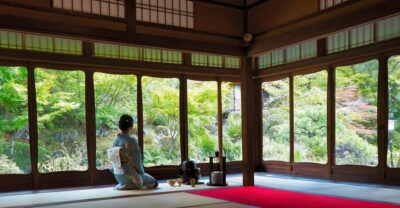
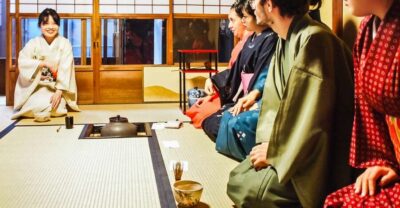
Once dressed, you enter the tea room for the main ceremony. The tea master demonstrates the movements and explains the customs in English before you prepare your own bowl of matcha with a bamboo whisk.
The ceremony lasts about 90 minutes before any selected add-on. That gives you time to watch, listen, make tea, and taste the sweets without rushing through each step. The atmosphere is intended to be peaceful, and the formal pace offers a welcome change from Kyoto’s crowded shopping streets.
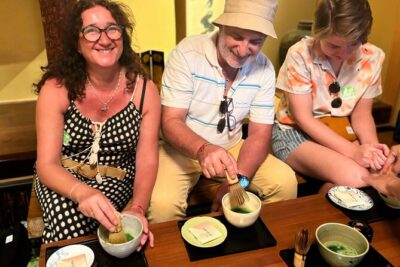
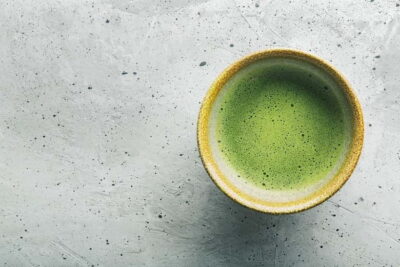
The best part for many people is the hands-on preparation. You are not merely seated while someone else makes the tea. You learn the basic whisking method and then create your own cup. Matcha can be earthy and unfamiliar, so pairing it with seasonal wagashi helps balance the flavor.
The sweets come from a confectionery with 100 years of history. The exact sweets change with the season, but they are served as a traditional companion to the tea. If you have allergies, mention them in advance or at the start. Staff have accommodated allergies for sweets and tea in past sessions, though the supplied information does not promise every request can be met.
The ceremony guide can make a large difference. Ruriko is praised for explaining the meaning behind the tea ceremony, and other participants have found the tea master engaging, informative, and easy to understand in English. At the same time, the amount of background explanation can vary. One account found the ceremony pleasant but wished for more history and significance behind each movement.
That is a fair expectation to set. This is an introductory cultural activity, not a long academic lesson on tea schools or Japanese religious practice. You will learn how the ceremony works and gain a feel for its manners and rhythm, but you should not book it expecting a detailed lecture.
Selecting calligraphy, gold leaf, or a market walk
After tea, you choose one of three cultural activities. Pick according to the kind of memory you want to take home.
More Tea Ceremonies in Kyoto
- Kyoto: Tea Ceremony in a Traditional Tea House in Kiyomizu
★ 4.9 · 3,519 reviews - Kyoto: Tea Ceremony Ju-An at Jotokuji Temple
★ 4.9 · 3,207 reviews - Kyoto: 45-Minute Tea Ceremony Lesson Experience
★ 4.3 · 2,378 reviews - Kyoto: Table-Style Tea Ceremony at a Kyo-Machiya
★ 4.9 · 1,211 reviews
Calligraphy for a personal keepsake
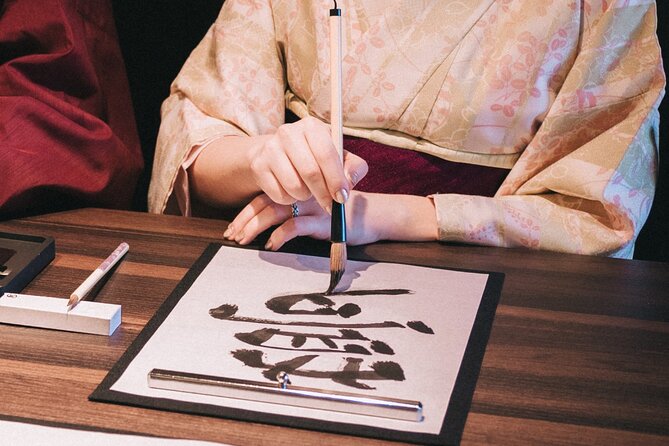
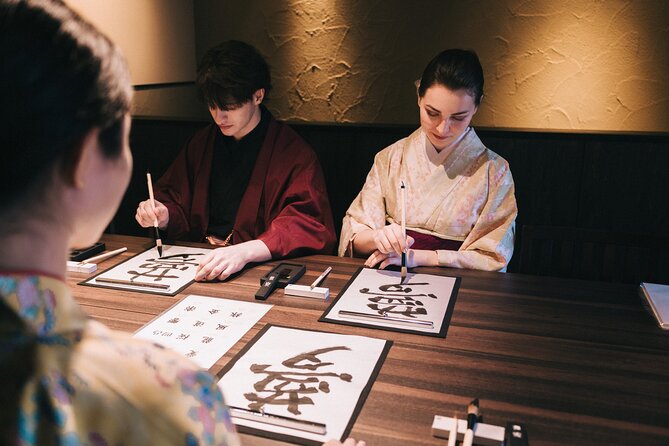
The calligraphy option teaches you to use a brush and ink to write your favorite kanji on washi paper. This is a good choice if you want a quiet, creative activity that leaves you with something personal.
Brush writing looks simple until you try it. The pressure, angle, and order of the strokes all affect the result. The lesson gives you a chance to make your own piece rather than buy a ready-made souvenir.
This plan works well for families, couples, and anyone who enjoys hands-on art. It also gives children an activity with a clear result, although children must be at least 5 years old and there is no child discount.
Gold leaf art for a handmade souvenir
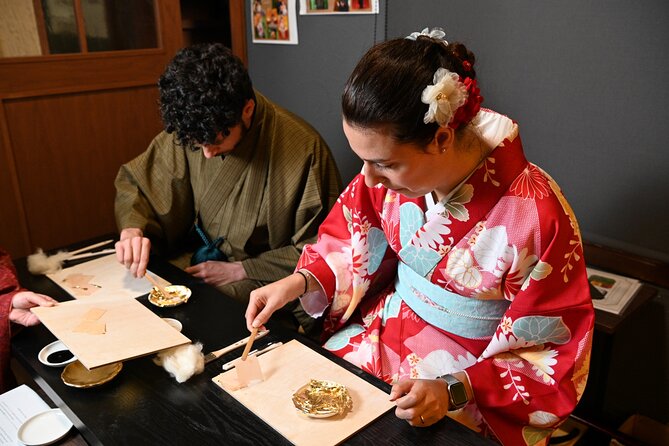
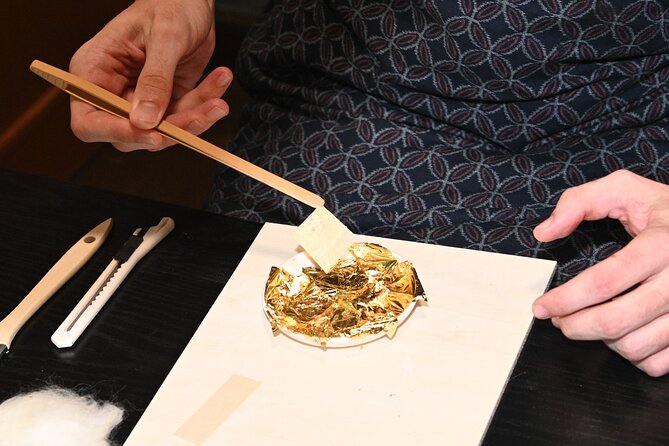
The gold leaf plan adds a hands-on workshop after tea. You decorate a small plate using high-purity gold leaf, then take the finished piece home.
Gold leaf is delicate, so the activity offers a different kind of craft from calligraphy. You get a shiny, practical souvenir connected to a traditional Japanese decorative technique. The total experience lasts about 130 minutes, making this a useful middle option if you want more than tea but do not want the longer market walk.
You should handle your finished plate carefully during the rest of your trip. The activity includes taking it home, but no packing details are provided.
Nishiki Market for Kyoto food culture
The Nishiki option lasts about 150 minutes and adds an English-guided walk through Nishiki Market and the surrounding streets. You explore local food culture, nearby shrines, historic shops, and shopping streets.
I consider this the most useful choice if it is your first visit to central Kyoto. Nishiki Market can be crowded and easy to experience as a quick line of food stalls. A guide can help give the area more context and point out more than whatever catches your eye first.
Lina has been praised as a fantastic market guide. The short distance between the tea house and the market also makes this plan efficient. You do not need another train or taxi after the ceremony, and you finish back at the original meeting point.
The tradeoff is that the market route adds walking and exposure to crowds. If you want a calm, contained afternoon, choose calligraphy or gold leaf instead. If you want the tea ceremony to connect with Kyoto’s food traditions and central streets, the Nishiki walk is the natural match.
What the $50.58 price really covers
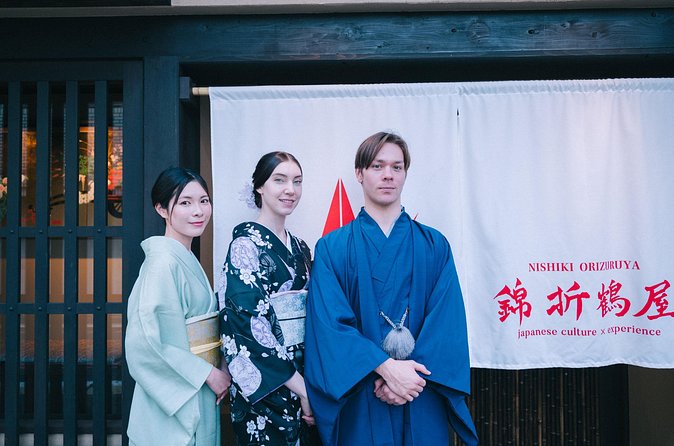
At $50.58 per person, this is a solid value for a short Kyoto cultural activity. The fee includes kimono rental, English guidance, the formal tea ceremony, matcha preparation, traditional sweets, and one additional activity.
The kimono rental alone adds practical value because you do not need to arrange a separate dressing appointment. Hair styling for women is also included, and the staff help with accessories and photographs. That makes the experience more than a tea tasting.
The price is especially attractive for a first visit when you want several classic Kyoto elements in one place. You get traditional clothing, tea, wagashi, calligraphy or gold leaf, and possibly Nishiki Market without arranging each part separately.
Still, value depends on your interests. If you mainly want to walk around in a kimono for photographs, a simple rental may cost less. If you mainly want detailed tea instruction, a specialist tea lesson may offer more depth. This experience earns its price by combining several accessible cultural activities rather than focusing on one craft at an advanced level.
The activity has been booked frequently, with more than 10 bookings reported in one recent week, and it has a five-star rating from 22 ratings with 100 percent recommending it. Those figures suggest strong demand, so popular times may fill quickly.
Timing, comfort, and practical limits
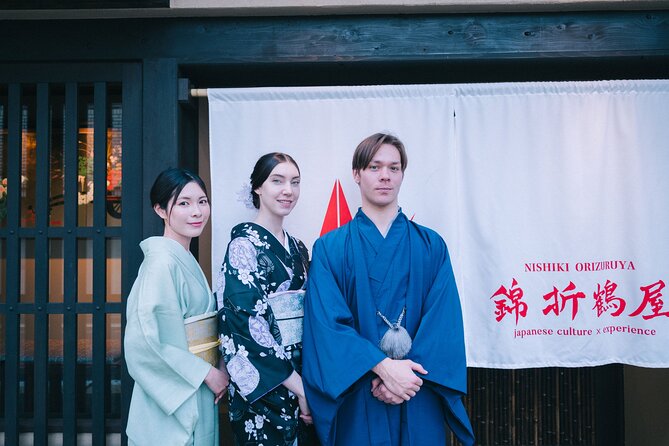
The overall booking is listed at about two and a half hours, but the chosen plan determines the exact length. The tea ceremony itself is about 90 minutes, calligraphy and gold leaf add different amounts of time, and the Nishiki Market plan lasts about 150 minutes.
Arrive 10 minutes before your scheduled time. This is important because dressing, hair styling, and choosing accessories happen before the ceremony. Arriving late could cut into the part you most want to enjoy.
The experience is suitable for children aged 5 and above. There is no reduced child price, so calculate the full per-person cost for every member of your family.
The tea room may become crowded during weekends, holidays, and special events. The group maximum is 10, but a full group still means more people changing, taking photographs, and moving through the activities.
The staff have shown flexibility with seating and clothing. A chair can be arranged for someone who cannot sit comfortably on the floor, and staff have worked with different body sizes. You remain responsible for your own valuables, so bring only what you need and keep personal belongings close.
The activity is canceled with a full refund in severe weather or a natural disaster such as a typhoon. Normal cancellations are different: the booking is non-refundable and cannot be changed for any reason. Only book once your Kyoto schedule is firm.
Who will enjoy this Kyoto experience most
I would recommend this for first-time visitors who want a friendly introduction to Japanese tea and traditional dress. You get enough explanation to follow the ceremony, enough practice to make matcha, and enough free time for photographs.
Families are also well suited to the experience. Children can choose a kimono, have their hair styled if applicable, make tea, and take part in calligraphy or gold leaf. The staff have been especially accommodating with families, but remember the minimum age is 5 and there is no child discount.
This also works well for a birthday, anniversary, or a special day with a parent or sibling. The small group and careful dressing process give it a celebratory feel without requiring a full-day commitment.
Choose the Nishiki Market walk if food, shrines, and local streets matter most to you. Choose calligraphy if you want a flat, lightweight keepsake. Choose gold leaf if you prefer a decorative object you can display at home.
You may want to skip it if you dislike formal clothing, group activities, or sitting for a traditional ceremony. You should also lower your expectations if you want a long discussion of tea history, because the explanations can be clear and useful without being exhaustive.
Should you book the kimono tea ceremony?
Yes, if you want a polished introduction to Kyoto culture at a reasonable price. The strongest reasons are the kind staff, careful kimono dressing, free hair styling for women, hands-on matcha preparation, and the choice of a creative activity or guided Nishiki Market walk.
I would choose the market option for a first Kyoto visit and calligraphy for a quieter family afternoon. Gold leaf is the best pick if a handmade plate appeals to you. Book only when your plans are settled, since ordinary cancellations and amendments receive no refund.
FAQ
Where does the tea ceremony experience begin?
It begins at Nishiki Orizuruya, 452 Jūmonjichō, Nakagyo Ward, Kyoto, 604-8121, Japan.
How long does the experience last?
The full activity lasts approximately two and a half hours, depending on the plan you choose. The tea ceremony lasts about 90 minutes, while the gold leaf and Nishiki Market options are listed at about 130 and 150 minutes.
Is kimono rental included?
Yes. All plans include kimono rental. Women also receive free hair styling.
Can I choose what to do after the tea ceremony?
Yes. You can choose calligraphy, gold leaf art, or an English-guided Nishiki Market and neighborhood walk.
Are children allowed to join?
Children aged 5 and above may participate. There is no child discount.
How large is the group?
The maximum group size is 10 people.
What happens if severe weather cancels the activity?
In severe weather or a natural disaster such as a typhoon, the activity is canceled and fully refunded. Normal cancellations are non-refundable and cannot be changed for any reason.
Just added in Kyoto
- The “Golden Route” and Ancient Japan by DIAMIR Erlebnisreisen – 14-Day Tour★ 2.0 · 2 reviews
- Japan: Castles & Cuisine by G Adventures – 6-Day Kyoto to Osaka Tour★ 4.5 · 4 reviews
- Cycle Japan by Explore! – 13-Day Kyoto to Tokyo Tour★ 4.7 · 12 reviews
- Cycle Japan by Intrepid Travel – 11-Day Kyoto to Tokyo Tour★ 4.8 · 2 reviews
- Classic Japan by Intrepid Travel – 11-Day Kyoto to Tokyo Tour★ 4.4 · 14 reviews
- Ancient & Modern Japan 14-Day Tour by Exodus Adventure Travels★ 4.4 · 40 reviews
- 5 Day Cultural Adventure of Kyoto, Nara & Osaka by Tourist Journey★ 2.5 · 2 reviews
- 12 Days Kinosaki Onsen Escape: A Journey Through Japan’s Timeless Towns by UME Travel★ 4.8 · 5 reviews
Tea Ceremonies, compared.
Tea Ceremony in a Traditional Tea House in Kiyomizu
Read our review →
World Heritage Kyoto & Nara Uji Authentic Matcha Experience
Read our review →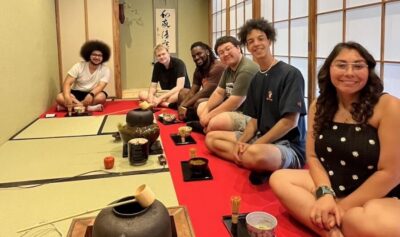
Browse the lists this tour appears in