
Reviewed · WALKING TOURS
Hiroshima: Hidden Gems and Highlights Private Walking Tour
See Hiroshima beyond the main sights. This private walk pairs Peace Memorial Park and the Atomic Bomb Dome with quiet gardens, local eateries, side streets, and bars chosen around your interests. I like the personal planning and the chance to hear Hiroshima’s story from guides such as Ken, Yuka, Kaku, Tom, and Masayo. The main consideration is cost: at $67 per person, food, entry fees, and local transport are extra.
The flexible two-to-six-hour format is another strong point. You can focus on history, food, neighborhood life, or a mix of all three. Just remember that this is a walking tour, not a private-vehicle tour, so longer routes may involve trains, buses, or taxis at your own expense.
In This Review
- Key points at a glance
- Why a private walk works well in Hiroshima
- Starting at Shukkei-en, a quiet garden with a difficult past
- Facing the Atomic Bomb Dome and Peace Memorial Park
- Hiroshima Castle and the option to add more history
- Eating your way through local Hiroshima
- Ekinishi, Nagarekawa, and the city after dark
- A flexible route that changes as you walk
- What the $67 price really gets you
- The guides and the quality of the conversation
- Who should book this Hiroshima walk?
- Practical details before you book
- Should you book it?
- FAQ
- How long does the Hiroshima walking tour last?
- Where does the tour meet?
- Is this a private tour?
- What languages are available?
- Are food, drinks, tickets, and transport included?
- How is the itinerary personalized?
Key points at a glance
- A personal plan before you arrive: A short questionnaire helps match you with a host and shape the route around your interests.
- Peace Park with local context: The Atomic Bomb Dome and Peace Memorial Park are explored alongside personal stories and thoughtful explanation.
- A 400-year-old garden: Shukkei-en offers a calmer start and a rare link to Hiroshima before and after the atomic bombing.
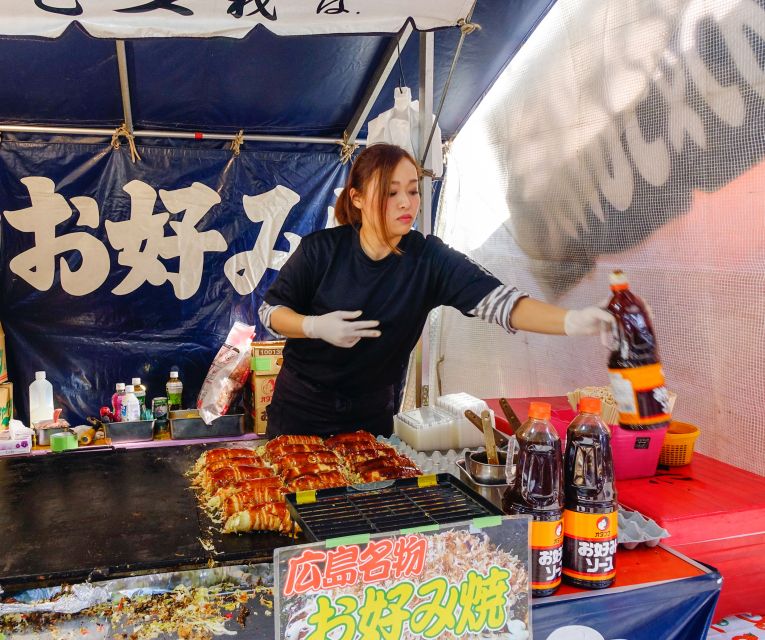
- Food beyond the standard tourist stop: Your host may point you toward Hiroshima-style okonomiyaki, oyster stalls, curry, or a neighborhood restaurant such as Okamoto’s.
- Private and adjustable: The itinerary can change as you walk, with options such as Ekinishi, Nagarekawa, cafés, bars, and Minato Park.
- Good language support: Tours are offered in English or Japanese, with guides assigned according to your answers and preferences.
Why a private walk works well in Hiroshima
Hiroshima is easy to visit as a checklist: Peace Memorial Park, the Atomic Bomb Dome, the museum, and perhaps Hiroshima Castle. Those places matter, but they can also leave you with a narrow view of the city. Hiroshima is not only a place of remembrance. It is a working Japanese city with food traditions, ordinary neighborhoods, small bars, and residents whose families have lived through the city’s difficult past.
This tour gives you room to connect those parts. You may spend time at the major memorials, then turn down an alley where daily life carries on. You may talk about the atomic bombing, then sit down to a bowl of curry or a plate of okonomiyaki. That contrast is useful. It keeps Hiroshima from becoming either a generic city tour or a single, heavy historical lesson.
The private format matters most if you have a clear interest. Tell your host if you care about modern history, Japanese gardens, local food, nightlife, photography, or quiet places. If you are unsure what you want, the host can suggest a route and adjust it while you walk.
More Private Tours in Hiroshima
- Hiroshima / Miyajima Full-day Private Tour with Government Licensed Guide
★ 5.0 · 1,298 reviews - Hiroshima City 4hr Private Walking Tour with Licensed Guide
★ 5.0 · 437 reviews - Hiroshima & Miyajima: Full-Day Private Tour & Licensed Guide
★ 4.8 · 252 reviews
Starting at Shukkei-en, a quiet garden with a difficult past
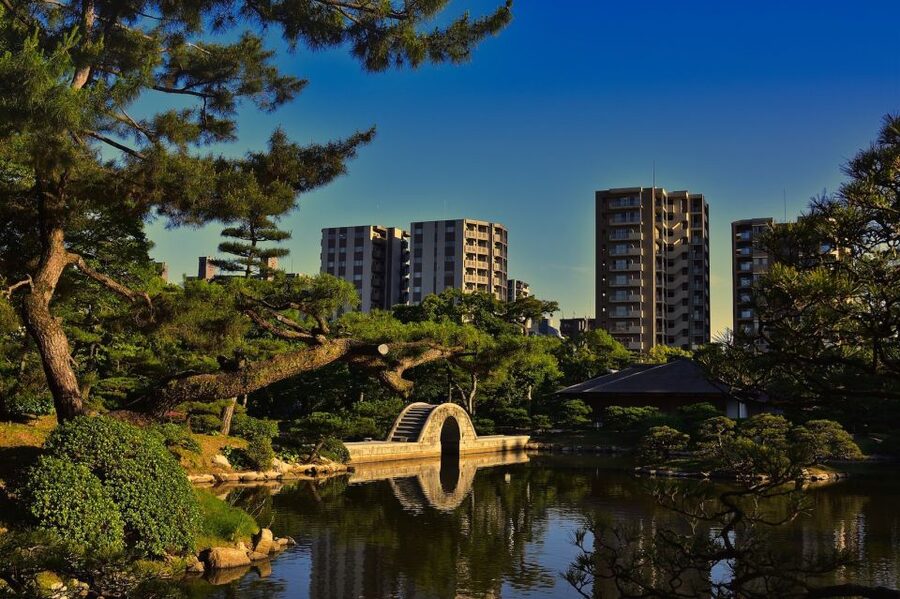
The suggested route can begin at Shukkei-en Garden, a 400-year-old garden in central Hiroshima. It is a peaceful place of ponds, paths, bridges, and carefully arranged views. The scale is intimate rather than grand, which makes it a pleasant place to begin before the intensity of Peace Memorial Park.
Shukkei-en also carries a powerful historical fact: it survived the atomic bombing. That does not turn the garden into a memorial in the same way as the park, but it gives your visit added weight. A guide can help connect the tranquil setting with the city’s destruction and rebuilding without rushing you straight into the most emotional part of the day.
I like this opening for visitors who want some context before reaching the Atomic Bomb Dome. It also gives you a slower start after arriving in Hiroshima, especially if you choose the longer four-to-six-hour option.
There is one practical point to keep in mind. Entry tickets are not included, so you will need to pay separately if the garden is part of your plan. Ask your host about the day’s route and ticket needs before setting out.
Facing the Atomic Bomb Dome and Peace Memorial Park
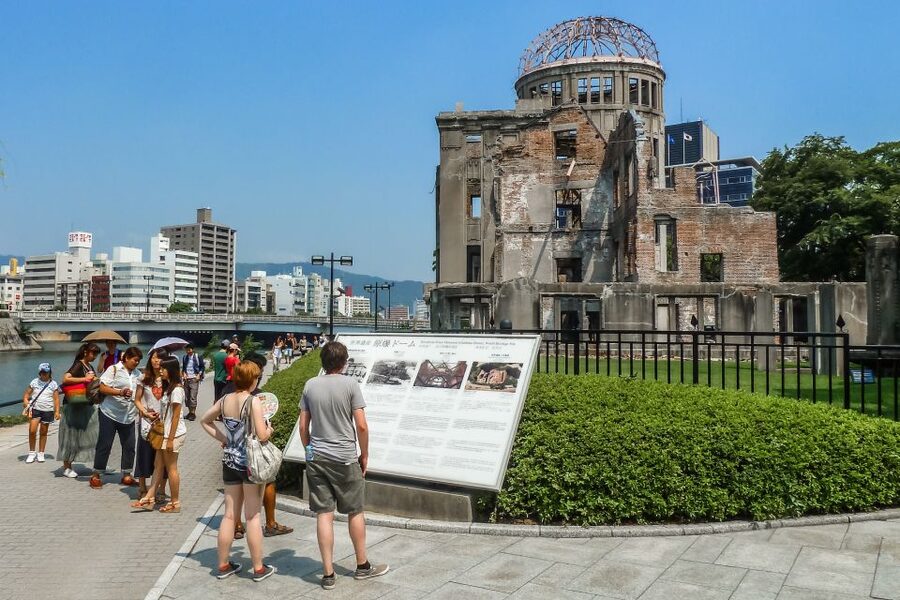
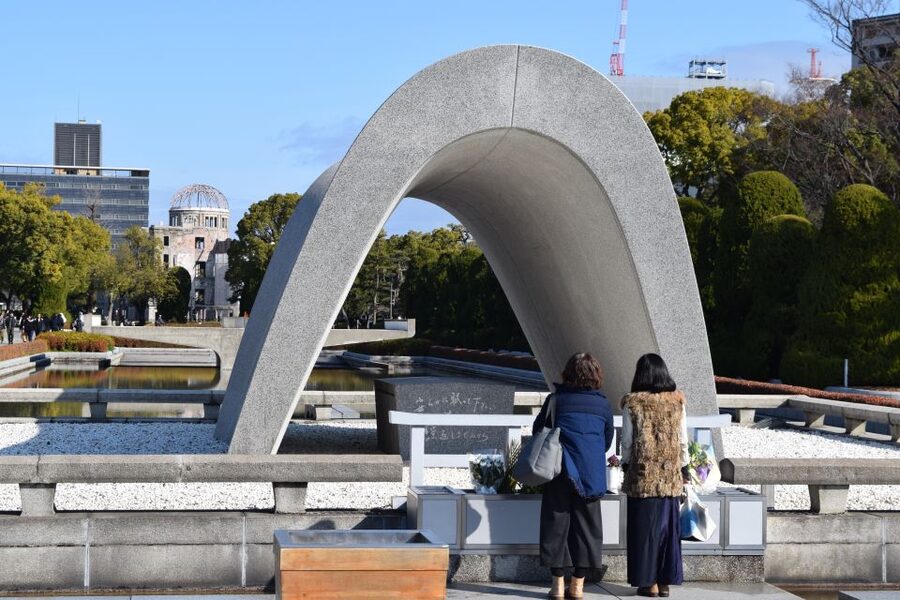
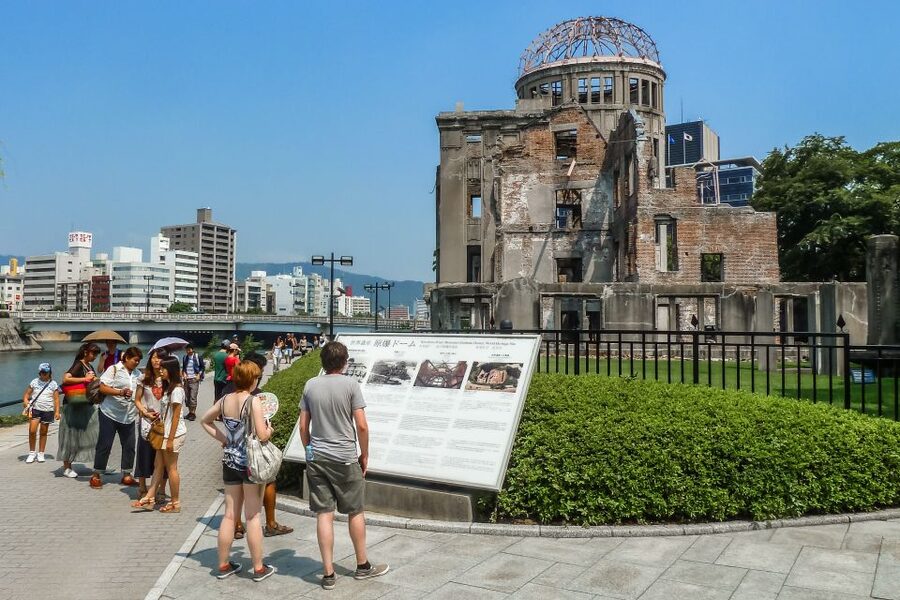
Peace Memorial Park is the tour’s central historical stop. The Atomic Bomb Dome is perhaps Hiroshima’s most recognizable structure, and seeing it in person is different from seeing photographs. Its damaged frame remains beside the river, surrounded by a modern city that has continued to grow around it.
A good guide does more than identify the building. Ken, one of the guides assigned on this experience, has spoken about Hiroshima through his own family history. That kind of personal connection can add meaning to the site, especially when the subject is too large and painful to absorb from dates alone.
The tone here should be thoughtful, not theatrical. You can expect time to pause, ask questions, and hear about the Peace Memorial and the bombing’s effect on Hiroshima. Several guide experiences have included the Atomic Bomb Dome, Peace Memorial Park, and the museum, though the exact route depends on your chosen duration and interests.
Museum admission is not included. If you want the museum in your plan, say so early. A two-hour tour may not leave enough room for a long museum visit, a garden, food, and neighborhood walking. A four-to-six-hour plan gives you more breathing space.
I would not treat the historical section as something to hurry through so you can reach lunch. The value of a local guide is especially clear here. You can ask questions in the moment, clarify what you are seeing, and hear how the city’s past connects with life today.
Hiroshima Castle and the option to add more history
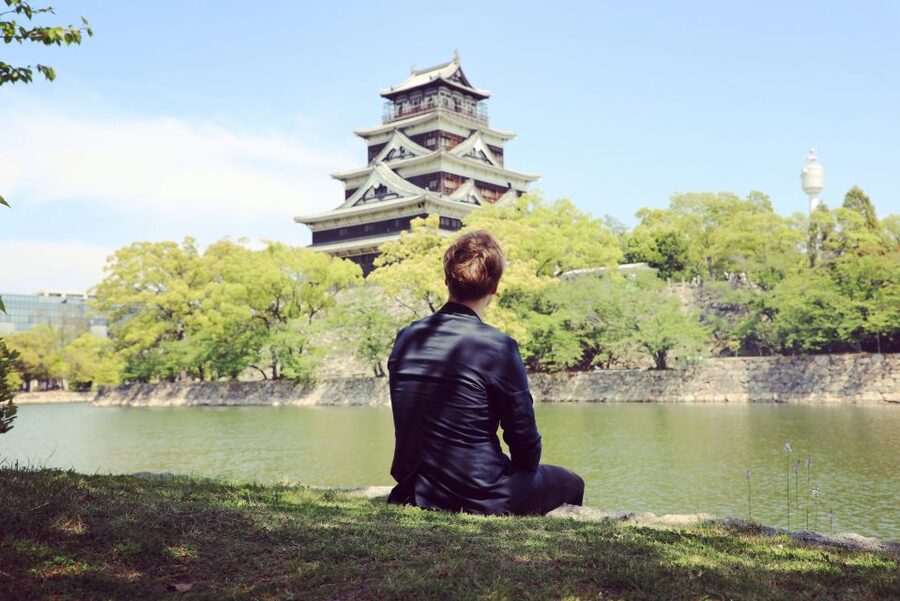
Hiroshima Castle may be included if your timing and interests suit it. One four-hour route included the castle along with the Atomic Bomb Dome and museum. The castle gives you a different angle on Hiroshima, shifting from twentieth-century memory to Japan’s feudal past.
The contrast is worthwhile. In one part of the day, you are considering the city’s destruction in 1945. In another, you are looking at Hiroshima as a former castle town with older political and cultural roots. The castle is also a sensible choice if you have already visited Peace Memorial Park and want the rest of your walk to broaden the picture.
Because this is a custom tour, the castle is not guaranteed. That is not a flaw, but you should be clear about priorities when you complete the questionnaire. If the Atomic Bomb Dome and museum are essential, place them first. If you have already covered those sites, ask for neighborhoods, gardens, food, or a less familiar side of the city.
More Walking Tours in Hiroshima
- Hiroshima Historical Walking Tour – Why A-Bomb was Dropped
★ 4.8 · 893 reviews - Hiroshima Peace (Heiwa) Walking Tour at World Heritage Sites
★ 5.0 · 872 reviews - Hiroshima Walking Tour Why A Bomb was dropped to Hiroshima
★ 5.0 · 347 reviews - Miyajima Half-day Trip Historical Walking Tour
★ 5.0 · 284 reviews
Eating your way through local Hiroshima
Food is one of the best reasons to choose this experience. Hiroshima-style okonomiyaki is an obvious choice, with layers of ingredients cooked together rather than mixed in the same way as Osaka-style okonomiyaki. The tour does not include food or drinks, but your host can recommend a place suited to your tastes.
Okamoto’s was a particular highlight for one route, and another guide, Kaku, led guests to a local curry restaurant that became one of the best meals of their trip, despite curry not being their usual favorite. That is exactly where a local host can help. A guide who asks about your preferences may steer you away from the most obvious stop and toward something you would not have picked on your own.
You might also stop at oyster stalls. Hiroshima is known for oysters, and a small food stop can turn a history-focused walk into a fuller introduction to the region. The key word is might. The food portion depends on your host, route, timing, and appetite, and every purchase is extra.
Tell your host about allergies, dislikes, and budget during the planning stage. The supplied details do not promise dietary arrangements, so you should not assume every restaurant can handle every restriction. A clear conversation before the tour will make the meal stop more useful.
Ekinishi, Nagarekawa, and the city after dark
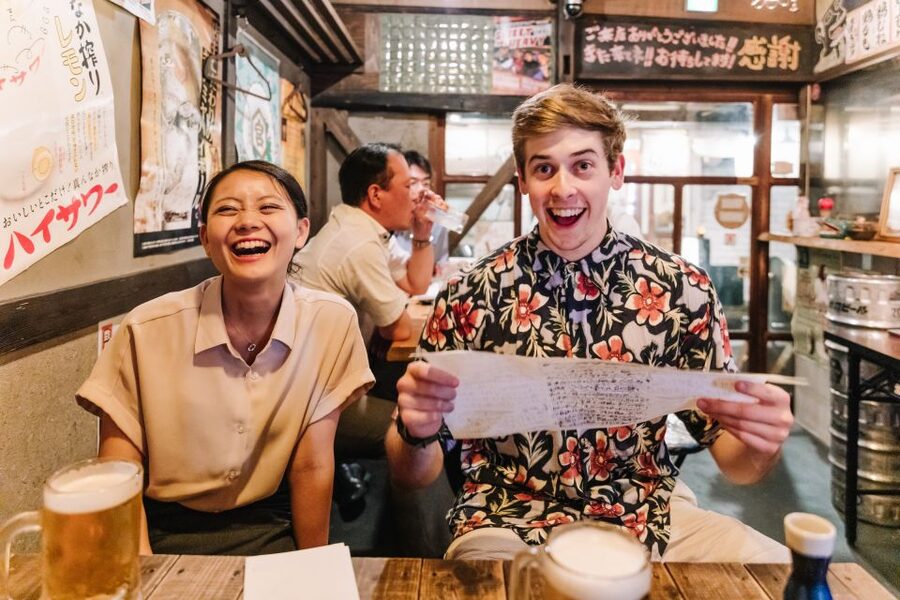
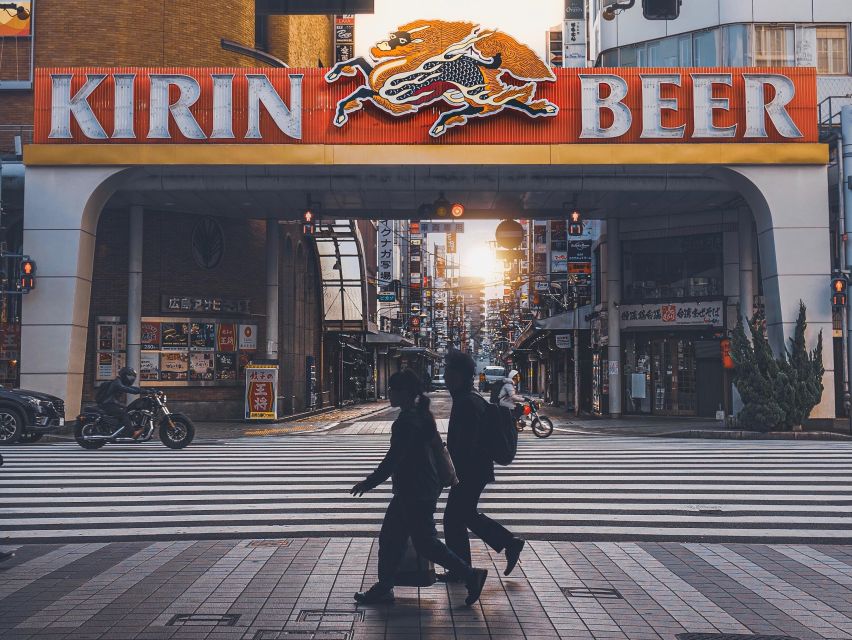
If you want to see where Hiroshima residents eat and drink, ask about Ekinishi and Nagarekawa. These districts offer a change from the memorial area, with backstreets, small restaurants, tucked-away bars, and the ordinary evening rhythm of the city.
Ekinishi is particularly suited to a relaxed food-and-drink route. Nagarekawa is a good choice if you want a later stop at a bar or a look at Hiroshima’s nightlife. The tour does not include drinks, and any move between areas may require public transportation or a taxi, so budget for those costs.
I like this part of the plan because it gives you a sense of Hiroshima beyond its famous sites. You might find a cozy bar, a local café, or a narrow street that would be easy to miss on a first visit. Still, do not expect a fixed pub crawl. The host is planning a private walk, not selling an evening of guaranteed venues.
If nightlife matters to you, choose a later starting time when available and state that clearly. If you prefer quiet neighborhoods and coffee, say so instead. The questionnaire is your chance to shape the tone of the outing.
A flexible route that changes as you walk
The tour’s most useful feature is the ability to adjust the day in real time. You may start with the garden, memorial sites, and food, then decide you want another café. Or you may have had enough city streets and prefer to head toward the waterfront at Minato Park.
That flexibility is valuable when you are visiting Hiroshima for the first time. Weather, energy, opening hours, and your own mood can all affect what makes sense. A fixed group tour usually keeps moving regardless. A private host can slow down, skip a stop, or suggest another area.
The trade-off is that the tour needs some communication. You should not wait until the last minute to mention that you want the museum, a specific meal, or an evening bar. Send useful details in the questionnaire and reply when your host proposes an itinerary.
The start time is flexible, too. You choose a preferred time when booking, subject to availability. Duration ranges from two to six hours. A two-hour walk is best for a focused introduction, while the longer options make more sense if you want historical sites, a meal, and neighborhood exploration in one outing.
What the $67 price really gets you
At $67 per person, this is not the cheapest way to see Hiroshima. You are paying for a private guide, advance planning, direct communication, and a route made for your interests. For a couple or small private group, that can be fair value, especially if you use the host well.
The price does not cover meals, drinks, attraction tickets, or transportation. Those extras can change the final cost. The tour is on foot, but public transport or a taxi may be needed between sites, and you pay those fares separately.
I would compare the price with your priorities. If you only want to identify the Atomic Bomb Dome and Peace Memorial Park, you can visit those places independently at little cost. If you want help understanding the sites, finding a worthwhile local restaurant, and seeing parts of the city you might miss, the private format has more value.
The four-to-six-hour option offers the strongest value if you want a full introduction. You get time for major sights and local life without forcing every stop into a rushed schedule. For a short Hiroshima stay, that can save planning time and help you decide where to return later.
The guides and the quality of the conversation
The guide can make or break a private walk. The strongest impressions here come from guides who combine clear English with personal insight and an easy manner.
Ken has been praised for speaking clearly, sharing family history, and explaining the Atomic Bomb Dome, Peace Memorial Park, and Japanese garden. Kaku made a strong impression by finding a local curry restaurant and keeping the conversation relaxed. Yuka was described as open and well informed, while Masayo led a harmonious walk with moving accounts of Hiroshima’s painful past. Tom covered the Atomic Bomb Dome, museum, and Hiroshima Castle in a four-hour visit.
You cannot choose a specific guide from the information provided, so keep your expectations sensible. The company matches you with a like-minded host after the questionnaire. That system should help, but the experience will still differ from one guide to another.
The available languages are English and Japanese. If you need a particular language, confirm it when booking. Direct communication with the host is useful for clarifying interests, timing, meal preferences, and the level of historical discussion you want.
Who should book this Hiroshima walk?
I would recommend this tour to you if you want more than a standard sightseeing route. It suits first-time visitors who would like help making sense of Hiroshima, couples who want a private day, and food-focused visitors who prefer neighborhood recommendations over a pre-set restaurant list.
It is also a good fit if you have limited time. A host can combine the places you care about and help you avoid spending half a day figuring out the city’s layout.
Families and mixed-interest groups may also benefit from the adjustable plan. One person can focus on history, another on food, and another on gardens or local streets. Since the group is private, the pace can be more comfortable than on a large tour.
I would think twice if you want a strict, fully priced package with every ticket and meal included. This tour leaves those choices to you. I would also choose another option if you dislike walking or want a private vehicle, since transport is not included.
Practical details before you book
The meeting point is outside the souvenir shop on the ground level of Hiroshima Orizuru Tower. Arrive ready to walk and keep some flexibility in your schedule.
The tour lasts between two and six hours, with starting times available according to the booking calendar. Food, drinks, entry tickets, and transport are separate. If you use a train, bus, or taxi between sites, discuss the plan and likely costs with your host after the reservation is confirmed.
You can cancel up to 24 hours before the tour for a full refund. The reserve-now, pay-later option also helps if your Hiroshima plans are still changing.
Should you book it?
Book this tour if you want Hiroshima explained by a local person, not just pointed out on a map. Its best features are the private format, the thoughtful treatment of Peace Memorial Park, and the chance to connect major sites with food and neighborhood life.
For the best value, choose at least four hours and tell your host exactly what you care about. Ask for the museum if it matters, reserve time for a meal, and budget separately for tickets and transport.
Skip it if you only need a basic walk to the Atomic Bomb Dome or want an all-inclusive package. But if you want personal history, clear planning, and a flexible route that may lead from a garden to a memorial, then on to okonomiyaki or a quiet bar, this is a strong way to meet Hiroshima.
FAQ
How long does the Hiroshima walking tour last?
The tour lasts from two to six hours. You can check available starting times when booking and choose the duration that fits your plans.
Where does the tour meet?
Your host waits outside the souvenir shop on the ground level of Hiroshima Orizuru Tower.
Is this a private tour?
Yes. The experience is for a private group rather than a large shared group.
What languages are available?
The tour is offered in English and Japanese.
Are food, drinks, tickets, and transport included?
No. Food, drinks, attraction tickets, and transportation costs are not included. Public transport or local taxis may be used between sites at an additional cost.
How is the itinerary personalized?
After booking, you receive a questionnaire about your interests, personality, and travel style. A like-minded host is assigned and communicates with you directly to suggest a route. The plan can also be adjusted during the walk.
Just added in Hiroshima
- Hiroshima Peace Memorial Museum Ticket★ 4.8 · 2,727 reviews
- Hiroshima Peace Memorial Museum Admission★ 4.6 · 1,308 reviews
- Private Full Day Hiroshima Tour★ 4.5 · 29 reviews
- The Peace Memorial to Miyajima : Icons of Peace and Beauty★ 4.5 · 31 reviews
- Shore Excursion from Hiroshima Port : Private Tour in Hiroshima★ 5.0 · 17 reviews
- Hiroshima & Miyajima All-Inclusive Tour w/Licensed guide Pancho★ 5.0 · 54 reviews
- Okunoshima Rabbit Island Cycling Tour with Local Guide★ 4.5 · 17 reviews
- Hiroshima Country Cycling: Explore Rural Life 1 HR from City★ 5.0 · 22 reviews
Walking Tours, compared.
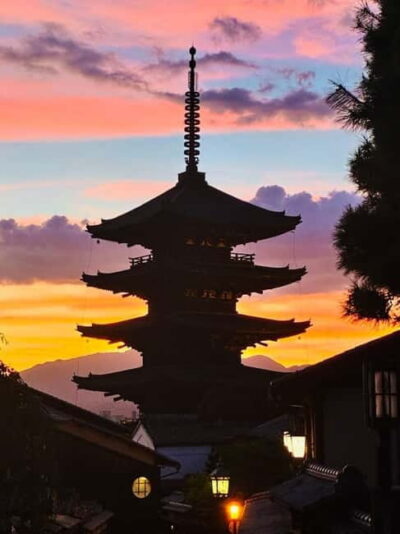
Kyoto Geisha Walking Tour: Gion District & Hidden Gems
Read our review →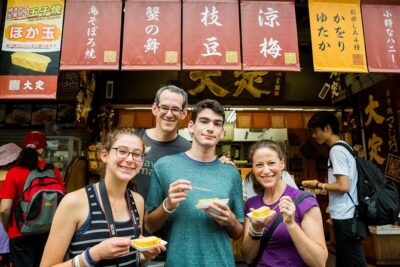
Tokyo Tsukiji Fish Market Food and Culture Walking Tour
Read our review →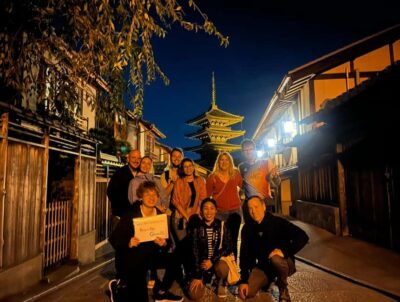
Gion Magical Night Walking Tour with Geisha Trivia
Read our review →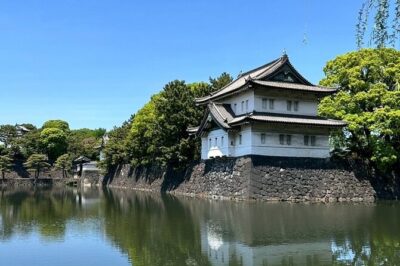
Imperial Palace and Shogun Historical Walking Tour
Read our review →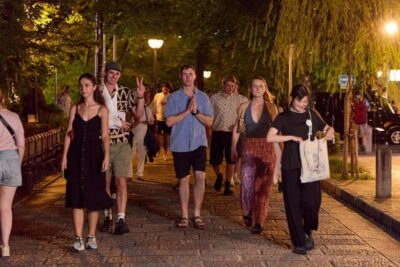
Gion Geisha District Walking Tour – Stories of Geisha
Read our review →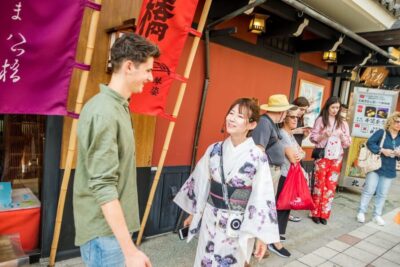
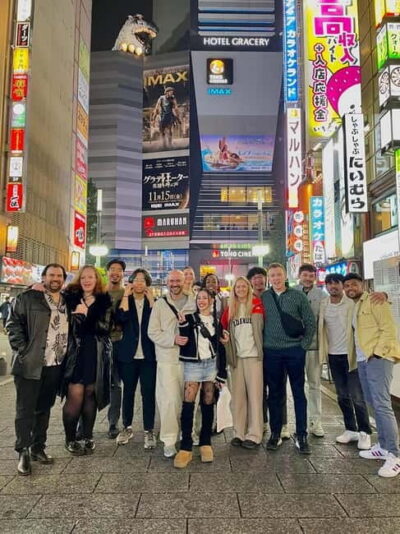
Shinjuku Local Bar and Izakaya Guided Walking Tour
Read our review →
Browse the lists this tour appears in