
Reviewed · COOKING CLASSES
Japanese Home Cooking Class & Walk in Todoroki Temple Tokyo
Tokyo tastes better at the kitchen table. This experience combines a quiet walk through Todoroki Fudoson and Todoroki Valley with a hands-on Japanese cooking lesson at Tomoko’s home. I especially like the tiny group size, capped at four people, and the chance to choose a main dish such as ramen, okonomiyaki, sushi rolls, or another Japanese favorite. The main consideration is timing: the class runs on weekdays from 11 a.m. to 2 p.m., so it takes a full middle-of-the-day slot rather than fitting neatly into an evening itinerary.
The best part is the personal touch. Tomoko has adjusted menus for pescatarians, vegetarians, vegans, and people with food allergies, and she has even helped participants find hard-to-source Japanese ingredients afterward. You should contact the provider before booking if your diet is important, since menu changes need planning.
In This Review
- Key points to know
- Why this Tokyo cooking class feels different
- Meeting Tomoko at Todoroki Station
- Todoroki Fudoson: a quiet first stop
- Todoroki Valley: a brief green pause in Tokyo
- Entering Casa de Tomokita for the cooking lesson
- Choosing between ramen, okonomiyaki, gyoza, and more
- Side dishes, dessert, and drinks add real value
- Dietary needs and menu planning
- What you take home besides a full stomach
- Who will enjoy this most
- Practical details before you book
- Should you book the Todoroki cooking class?
- FAQ
- Where does the Japanese cooking class begin?
- Where does the experience end?
- How long does the experience last?
- What days and times is the class available?
- How many people can join?
- Is the class suitable for beginners?
- What dishes can I learn to make?
- Are food and drinks included?
- Can the menu accommodate dietary needs?
Key points to know
- Start with Todoroki’s peaceful temple and ravine: The experience begins at Todoroki Station, then heads toward Todoroki Fudoson and Todoroki Valley.
- Cook inside a local home: Casa de Tomokita offers a more personal setting than a large commercial cooking studio.
- Choose your main dish in advance: Options include ramen, okonomiyaki, sushi rolls, and other Japanese dishes, depending on the arrangement.
- Expect more than one dish: Along with the main course, the meal may include appetizers, side dishes, dessert, and drinks.
- Small groups make instruction personal: A maximum of four people allows Tomoko to adjust recipes and offer close guidance.
- Recipes help you repeat the meal at home: English recipes and clear instructions are provided for the dishes prepared during the class.
Why this Tokyo cooking class feels different
Tokyo has no shortage of food tours, but many keep you moving from restaurant to restaurant. This experience slows the pace. You walk through a small pocket of nature, enter a private home, prepare food with a local host, and sit down to eat what you have made.
That change of setting matters. Instead of simply tasting Japanese food, you learn how several familiar dishes are built. Tomoko explains ingredients and cooking methods while giving you practical tasks. The class suits complete beginners, but experienced home cooks can ask for more detail or request dishes that match their interests.
I also like the social scale. With no more than four participants, this is not a room full of strangers standing around one demonstration counter. You can ask questions about ingredients, Japanese cooking, or everyday life in Tokyo without needing to compete for the instructor’s attention.
The experience is hosted by Tomoko of Casa de Tomokita Japanese Home Cooking Class. Her English is described as excellent, and she also speaks Spanish. That makes the class a sensible choice if you want cooking instruction without worrying about a language barrier.
More Cooking Classes in Tokyo
- Sushi Making Tokyo Roll and Authentic Japanese Sushi Class
★ 5.0 · 3,971 reviews - Tokyo: Roll and Authentic Sushi Making Class in Asakusa
★ 4.9 · 1,957 reviews - Tokyo Shinjuku Chopsticks Making Class
★ 5.0 · 1,763 reviews
Meeting Tomoko at Todoroki Station
Your meeting point is Todoroki Station, at 3 Chome-1 Todoroki in Setagaya City. The station is served by public transportation, and the meeting point is especially manageable because Todoroki Station is described as small and easy to find.
Several participants were met directly at the station by Tomoko. That is useful in Tokyo, where a large station can feel like a small city. Here, you should still arrive with the meeting details on your phone, since the activity uses a mobile ticket and confirmation is sent at booking.
The experience currently runs Monday through Friday from 11 a.m. to 2 p.m. The advertised duration is about two hours and thirty minutes. The detailed schedule gives roughly ten minutes at the temple, five minutes at the valley, and about two hours for the cooking portion, though the class description also refers to a three-hour cooking class. I would allow the full 11 a.m. to 2 p.m. window and avoid scheduling a tight appointment immediately afterward.
Todoroki Fudoson: a quiet first stop
The first stop is Todoroki Fudoson, a local temple beside the valley. Admission is free, and the listed visit lasts about ten minutes.
This is not presented as a long temple lecture or a major sightseeing stop. Think of it as a calm introduction to the neighborhood before the food begins. You get a brief look at a local religious site and a sense of place that a standard cooking studio cannot provide.
I appreciate this short opening because it keeps the activity from feeling like a cooking lesson dropped into an anonymous building. The temple visit gives the day a local rhythm. You are not racing through central Tokyo attractions. You are seeing a quieter corner of Setagaya before sitting down to prepare lunch.
The stop is short, so you should not book this expecting a major temple tour. Its value comes from atmosphere and context rather than a long list of sights.
Todoroki Valley: a brief green pause in Tokyo
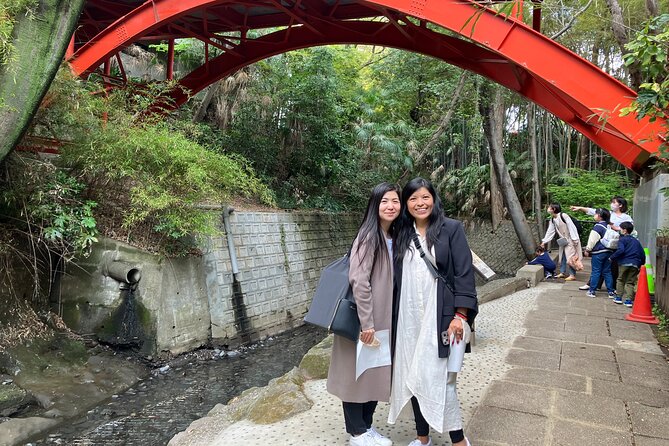
From the temple, the experience continues through Todoroki Valley, also called Todoroki Ravine Park in the descriptions from participants. The listed valley visit is about five minutes, though the walk toward Tomoko’s home forms an important part of the transition.
The valley provides a peaceful contrast to Tokyo’s crowded streets. Several participants particularly enjoyed the walk to the house, describing it as a serene way to begin the class and a pleasant change from the city’s noise. One person also appreciated walking through the area after lunch, using the stroll as a way to digest.
The walking portion should not be confused with a long hiking tour. The formal itinerary gives only a short viewing stop, followed by a walk of about five minutes to the home. Still, this small stretch of greenery adds something special. It helps the experience feel like a neighborhood visit rather than a packaged food activity.
Wear comfortable shoes, but you do not need hiking equipment based on the supplied details. The walk is short and connected to the cooking class.
More Temples and Shrines in Tokyo
- Tokyo: Meiji Shrine, Asakusa, Skytree Bus Tour and Cruise
★ 4.7 · 1,986 reviews - Tokyo: Asakusa Walking Tour with Sensoji Temple Visit
★ 4.8 · 1,583 reviews - Nikko: Kegon Falls, Lake Chuzenji & Toshogu Temple
★ 4.6 · 1,577 reviews - Tokyo: Nikko Toshogu Shrine and Kegon Waterfall Tour
★ 4.5 · 1,266 reviews
Entering Casa de Tomokita for the cooking lesson
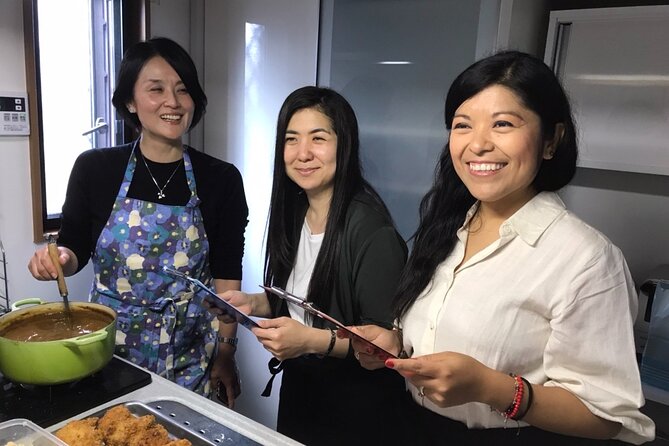
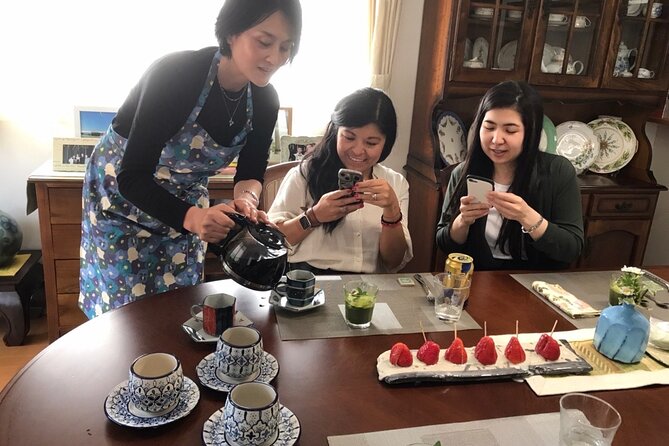
Casa de Tomokita is Tomoko’s home, located about five minutes on foot from the valley. The setting is one of the strongest reasons to choose this class. You are not cooking in a tourist classroom designed for large groups. You are welcomed into a home where the lesson and meal take place around an ordinary dining table.
That setting creates a more relaxed tone. One participant described it as spending a few hours cooking and eating with a friend. Another praised the peaceful, traditional feel of the living area. These details help explain why the experience receives such strong marks: the hospitality is as important as the recipes.
The class is hands-on, but the balance between demonstration and participation can vary. Tomoko prepares some parts in advance so the meal keeps moving, while you take part in suitable steps and learn the method. That is good news if you want a pleasant lunch rather than a demanding culinary exam.
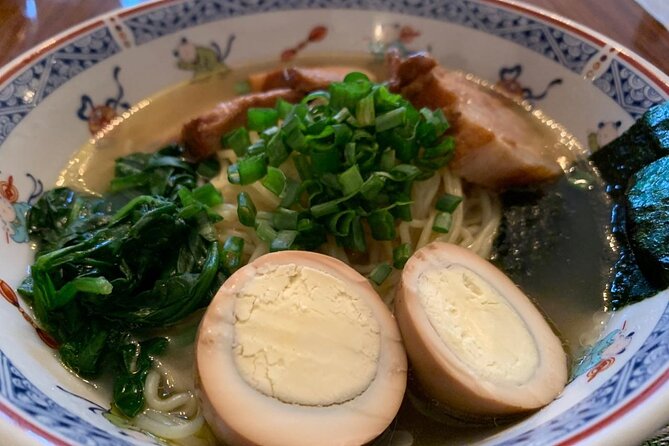
You should come hungry. The meal may include a main dish, several side dishes, an appetizer, salad, dessert, and drinks. Examples described include gyoza, ramen, yakisoba, matcha ice cream, seasonal fruit, fried rice, takoyaki, kakiage tempura, soy milk soup, curry rice, oyakodon, and okonomiyaki.
The exact menu is not fixed for everyone. That flexibility is a major advantage, but it also means you should choose your main dish ahead of time and communicate clearly about food restrictions.
Choosing between ramen, okonomiyaki, gyoza, and more
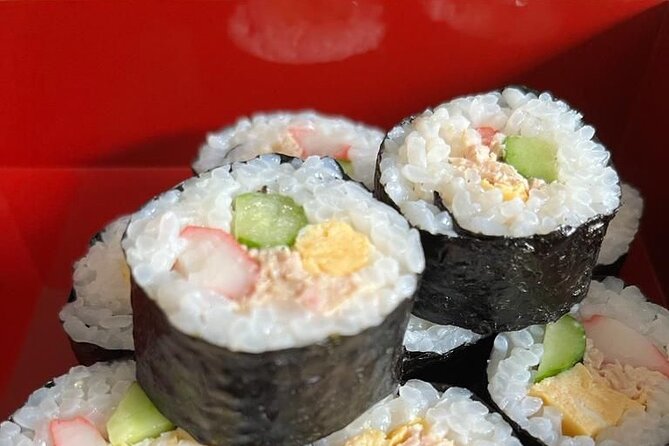
The main dish is selected in advance so the ingredients can be prepared. Possible choices include okonomiyaki, ramen, sushi rolls, and other Japanese specialties.
Ramen and gyoza make a natural pair for a first visit. You learn how to prepare a familiar Japanese meal, then sit down to eat it with side dishes. Several participants singled out this combination as a favorite, and one called the homemade ramen the best ramen of their trip.
Okonomiyaki is a good choice if you want to understand a dish often associated with Osaka. One participant found it easier than expected because Tomoko explained not only what to do, but why each step mattered. That kind of explanation is useful when you want to repeat the recipe at home rather than simply copy movements in class.
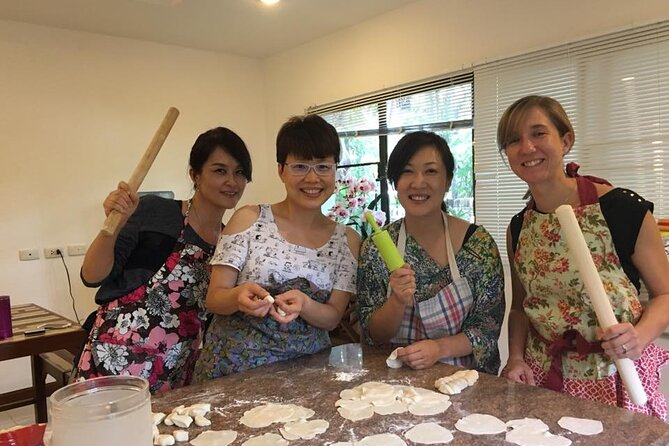
Gyoza gives you a practical skill you can use again. Folding dumplings takes participation, and the result is easy to share with family or friends after you return home. Takoyaki, fried rice, curry rice, oyakodon, sushi rolls, and tempura offer different levels of preparation and different windows into Japanese home cooking.
If you are cooking with a partner or family member, you may be able to request different mains. One reported arrangement included vegetarian food for one person and traditional ramen and gyoza for another. Do not assume every combination is available automatically. Ask in advance.
Side dishes, dessert, and drinks add real value
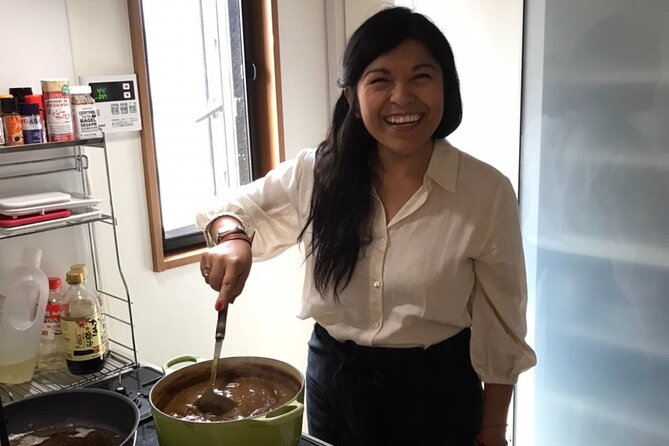
The main dish is only part of the meal. Tomoko often prepares several smaller dishes, which gives you a better sense of how a Japanese home meal can include many tastes and textures at once.
Examples include salads, yakisoba, small side dishes, matcha desserts, mochi, matcha ice cream, and seasonal fruit. One participant specifically praised the side dishes because even a picky child enjoyed them. Another appreciated receiving recipes for the supporting dishes, not just the headline recipe.
This is where the $110.99 price begins to make more sense. You are paying for instruction, ingredients, a private-home setting, a neighborhood walk, and a full meal rather than a single prepared dish. Bottled water, hot drinks, and alcoholic beverages are included as well. The supplied experiences mention wine, homemade plum wine, mint tea, and apple juice, though you should not expect every drink at every class.
For a solo visitor, the price is higher than a casual Tokyo lunch, but the comparison is not really restaurant versus restaurant. You are receiving a small-group lesson and a meal, with recipes and personal attention. For two people or a family, the cost can be easier to justify if you value shared time and a skill you can use later.
The tradeoff is that this is not a bargain activity for someone who only wants to eat cheaply. If your priority is seeing major Tokyo sights, you may prefer to spend the same afternoon elsewhere.
Dietary needs and menu planning
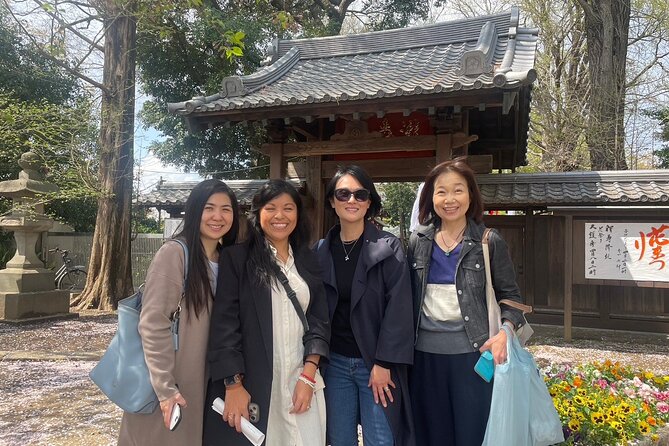
The class has a strong record of adapting menus. Pescatarian, vegetarian, vegan, and allergy-related changes have all been accommodated in past arrangements. Tomoko has also contacted participants before their visit to ask what they wanted to learn.
That personal communication is valuable, especially in Japan, where some sauces, stocks, and prepared ingredients may contain fish, meat, soy, or other items you need to avoid. You should state your restrictions before the class and ask for confirmation. Do not wait until you arrive.
The menu changes may be one of the best reasons to book this rather than a standard group cooking lesson. Still, the information does not promise that every dietary request can be met, so the final arrangement depends on advance discussion and ingredient availability.
What you take home besides a full stomach
Tomoko provides recipes in English, with instructions clear enough for home cooking. That turns the class into a practical souvenir. You can return to the recipe after the excitement of Tokyo has worn off and try it in your own kitchen.
Participants have also received help locating Japanese pantry ingredients, including a grocery store visit after class or a small selection of ingredients to take home. These touches are not listed as guaranteed inclusions, so treat them as possible extras rather than part of the fixed promise.
The best takeaway is understanding. Tomoko explains ingredients and the reasons behind cooking steps. You can ask questions about Japanese food and daily life, then compare what you learn with the food you have eaten elsewhere in Japan.
Who will enjoy this most
I would recommend this class to:
- First-time cooks who want patient, hands-on guidance
- Experienced cooks looking for Japanese home recipes
- Solo visitors who prefer a small social setting
- Couples seeking a personal activity away from central Tokyo
- Families who want children to participate in preparing lunch
- People with dietary needs who are willing to arrange the menu ahead of time
- Honeymooners wanting a relaxed shared experience
- Anyone who wants recipes instead of only photographs
It is also suitable for visitors with limited Japanese language skills, based on the clear English instruction described. Spanish speakers may appreciate Tomoko’s additional language ability.
I would hesitate to recommend it to someone seeking a formal culinary school lesson, a long temple visit, or a full-day guided sightseeing tour. The temple and valley stops are brief, and the class is designed around hospitality and home cooking rather than technical chef training.
Practical details before you book
The price is $110.99 per person, and the activity is typically booked about 44 days ahead. That advance booking pattern suggests you should not leave it until the last day of a short Tokyo visit, especially if you need a specific weekday or menu.
The maximum group size is four people. This is a real benefit, but it also means limited capacity. Confirmations arrive at booking, and the ticket is mobile.
The activity ends back at the meeting point. Free cancellation is available if you cancel at least 24 hours before the start time. Cancellations or changes made within 24 hours are not accepted for a refund, and the cut-off follows Tokyo local time.
The activity operates Monday through Friday, 11 a.m. to 2 p.m. Plan lunch around it rather than trying to squeeze in a separate midday meal. Food, bottled water, hot drinks, and alcoholic beverages are included, but the exact dishes and drinks depend on the agreed menu.
Should you book the Todoroki cooking class?
Yes, if you want a personal food experience with a strong local feel. The combination of a short temple and valley walk, a maximum of four participants, adaptable recipes, a home-cooked meal, and English instructions gives this class more substance than a simple demonstration.
I especially recommend it for solo visitors, couples, and anyone with a serious interest in Japanese food. Contact Tomoko before booking if you need vegetarian, vegan, pescatarian, or allergy-friendly cooking. Choose your main dish early, arrive ready to eat, and keep the afternoon free.
Skip it if you want a low-cost meal, a major sightseeing tour, or a long outdoor walk. For everyone else, the chance to cook, eat, and leave with recipes makes this one of the more useful food experiences you can add to a Tokyo stay.
FAQ
Where does the Japanese cooking class begin?
The experience begins at Todoroki Station, located at 3 Chome-1 Todoroki, Setagaya City, Tokyo 158-0082, Japan.
Where does the experience end?
The activity ends back at the meeting point.
How long does the experience last?
The advertised duration is approximately two hours and thirty minutes. The schedule operates from 11 a.m. to 2 p.m., and the cooking portion is listed as about two hours in the detailed itinerary.
What days and times is the class available?
It is available Monday through Friday from 11 a.m. to 2 p.m.
How many people can join?
The activity has a maximum of four participants.
Is the class suitable for beginners?
Yes. All skill levels are welcome, including beginners.
What dishes can I learn to make?
You can choose a main dish in advance from options that may include okonomiyaki, ramen, sushi rolls, and other Japanese specialties. Past menus have also included gyoza, takoyaki, curry rice, oyakodon, fried rice, and tempura.
Are food and drinks included?
Yes. The experience includes all food, bottled water, hot drinks, and alcoholic beverages.
Can the menu accommodate dietary needs?
Dietary adjustments have been made for pescatarian, vegetarian, vegan, and allergy-related needs. Contact the provider in advance to discuss your requirements and confirm the menu.
Just added in Tokyo
- Tokyo Cute Bento Cooking Class – Make a Kawaii Character Lunchbox★ 5.0 · 126 reviews
- A One-of-a-Kind Sushi Experience in a Special Place of Japan★ 5.0 · 15 reviews
- Japan Tokyo Tower Observatory Deck E-Ticket★ 4.0 · 34 reviews
- Catch a Baseball Game in Tokyo with a Local – Tickets Included★ 5.0 · 24 reviews
- JDM Experience with Fast&Furious RX-7 (English speaking Driver)★ 5.0 · 57 reviews
- Tokyo Private Day Tour by Car with English speaking Driver Guide★ 4.0 · 29 reviews
- Japan Classic 10 Day – One Life Adventures★ 5.0 · 129 reviews
- Tokyo Sushi Making Class : Sake Ceremony & Matcha Experience★ 5.0 · 44 reviews
Cooking Classes, compared.
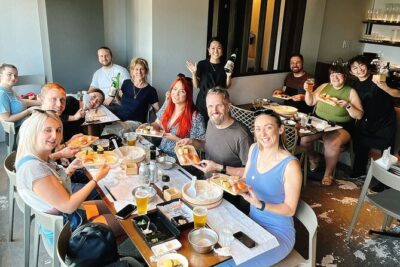
Sushi Making Tokyo Roll and Authentic Japanese Sushi Class
Read our review →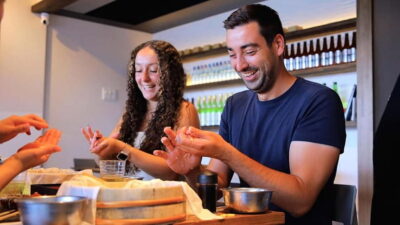
Roll and Authentic Sushi Making Class in Asakusa
Read our review →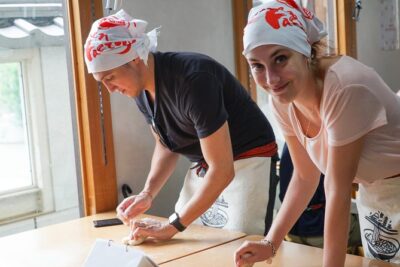
Ramen Cooking Class at Ramen Factory in Kyoto
Read our review →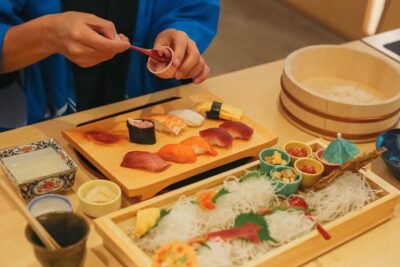
Sushi Making Class in a Happi Coat near a Famous Spot
Read our review →
Sushi Making Osaka Roll and Authentic Japanese Sushi Class
Read our review →
Tokyo Sushi Making Class in Tsukiji with Professional Chef
Read our review →
Ramen & Gyoza Cooking Class in Tokyo with Local Supermarket Visit
Read our review →Browse the lists this tour appears in