
Reviewed · TEA CEREMONIES
Kimono Tea Ceremony at Kyoto Maikoya, Karasuma Shijo
Kyoto makes tradition easy to try. I like the way this 90-minute activity combines kimono dressing and hairstyling with a proper matcha lesson, so you do more than watch a ceremony from the sidelines. I also like the small-group format, the friendly staff, and the chance to prepare your own bowl of tea. The main consideration is pace: some participants find the schedule tightly organized, and you should confirm the group size when booking.
This is a polished introduction to Japanese tea culture rather than a quiet, private tea gathering. You choose a kimono, receive simple hairstyling, sit in a tatami room, learn the meaning behind the utensils and gestures, and then whisk matcha under instruction. At $65.39 per person, I consider it fair value if you want both the costume and the ceremony, but less compelling if you only want to drink tea.
In This Review
- Key points to know before booking
- What the Kyoto Maikoya visit actually gives you
- Choosing a kimono and getting ready
- Sitting on tatami for the tea ceremony
- Matcha, snacks, and the meaning behind the ritual
- Photographs without losing the atmosphere
- How long the 90-minute schedule feels
- Location, transport, and practical planning
- Is $65.39 a fair price?
- Who should book this activity?
- Should you book the Kyoto Maikoya tea ceremony?
- FAQ
- How long does the Kimono Tea Ceremony at Kyoto Maikoya last?
- What is included in the price?
- Is transportation included?
- Where does the activity meet and end?
- Can children attend?
- How many people can participate?
- Can I take photographs during the ceremony?
- Do I get to prepare my own matcha?
- What is the cancellation policy?
Key points to know before booking
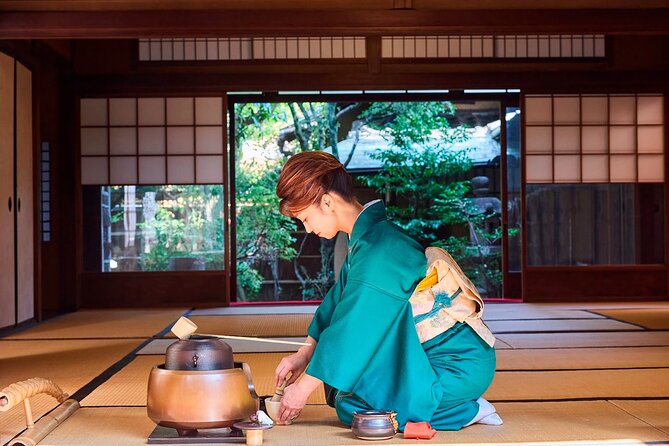
- Kimono, shoes, bag, and hairstyling are included: Staff help you create a complete traditional look before the ceremony begins.
- You make your own matcha: The tea master explains each stage, then guides you as you use the whisk and utensils.
- The visit lasts about 90 minutes: Dressing, preparation, ceremony, tea tasting, snacks, and photographs all fit into a fairly brisk schedule.
- The listed maximum is four participants: One account describes an initial larger grouping that was corrected, so confirm the arrangement if a small group matters to you.
- The setting is near public transportation: The meeting point is at 220 Itoyacho in Kyoto’s Shimogyo Ward, with no hotel pickup or transportation included.
- Children under six cannot attend: Tripods are not permitted, and photography must follow the tea master’s instructions.
What the Kyoto Maikoya visit actually gives you
The appeal here is the combination. Kyoto offers plenty of places where you can rent a kimono, and there are plenty of tea demonstrations where you sit and watch. This activity puts the two together in one compact visit.
I would think of it as a cultural workshop with a dress-up element, not simply a photo session. The clothing helps you notice the formality of the ceremony. Sitting in a kimono, handling the cup, and following the movements gives the tea ritual more meaning than a quick sample at a café.
The staff also explain the background of the ceremony, the purpose of the tools, and the etiquette connected with serving and drinking matcha. That context matters. Without it, the repeated gestures can look mysterious. With it, you begin to understand that the ceremony is built around care, attention, hospitality, and respect.
The activity has a 4.9 rating from 42 reviews, with 100 percent recommended. That is a strong result, and the praise is consistent: the kimono fitting, hairstyling, welcoming staff, clear explanations, and friendly tea hosts receive the most attention.
More Kimono Experiences in Kyoto
- [Kyoto & Nara Day Tour] Sagano Scenic Railway & Nara Park & Fushimi Inari Taisha Thousand Torii Gates & Togetsukyo Bridge & Bamboo Grove & Kimono Forest (Departing from Osaka)
★ 4.9 · 10,942 reviews - Kyoto Geisha Walking Tour: Gion District & Hidden Gems
★ 4.7 · 3,273 reviews - Kyoto: Gion Magical Night Walking Tour with Geisha Trivia
★ 4.9 · 2,393 reviews
Choosing a kimono and getting ready
Your visit begins with the kimono portion. You choose from the available garments, then staff help you dress and complete the look with shoes and a bag. Simple hairstyling is included, which makes the finished outfit feel more complete.
The dressing staff are repeatedly praised for being careful, patient, and skilled. That is important because the kimono is not a piece of clothing you simply pull on. The fitting process is part of the activity, and the staff’s help takes away the worry of handling it incorrectly.
I would allow yourself to enjoy this stage rather than treating it as a delay before the tea. For many participants, choosing the outfit and having their hair arranged becomes one of the best parts of the morning. It also creates useful photographs before the ceremony starts.
Keep your expectations sensible. The available kimonos are intended for visitor use, not for a formal family heirloom collection. One participant felt some garments were a little flimsy, though they still looked good in photographs. That is a fair trade-off for an activity at this price, but it is worth knowing if you expect luxury clothing.
The fitting area can feel organized and efficient because several appointments may be moving through the same stages. That efficiency helps keep the schedule on time, but it can make the beginning feel less leisurely than a private dressing appointment.
Sitting on tatami for the tea ceremony
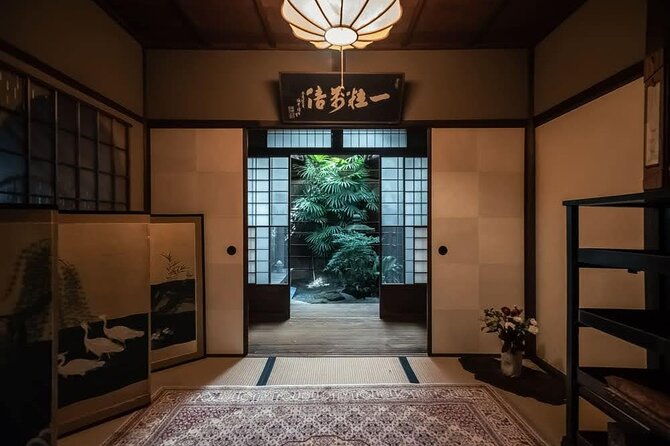
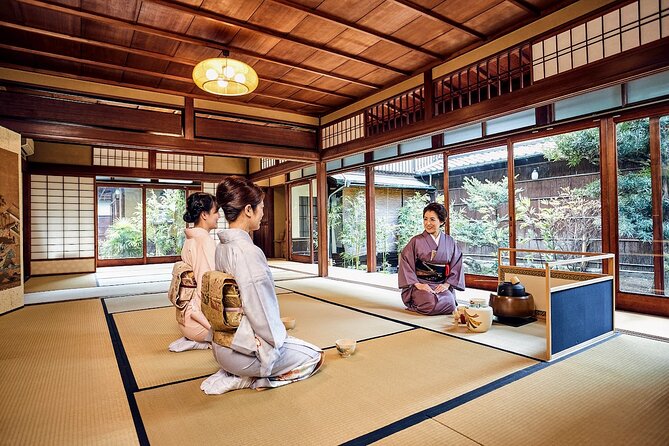
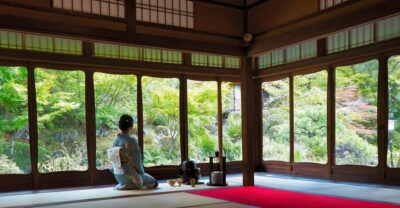
Once you are dressed, you move into the ceremony area, described as a beautiful tatami room in a historic building. The change in mood is part of the charm. After the practical business of dressing, you sit down and focus on the ritual.
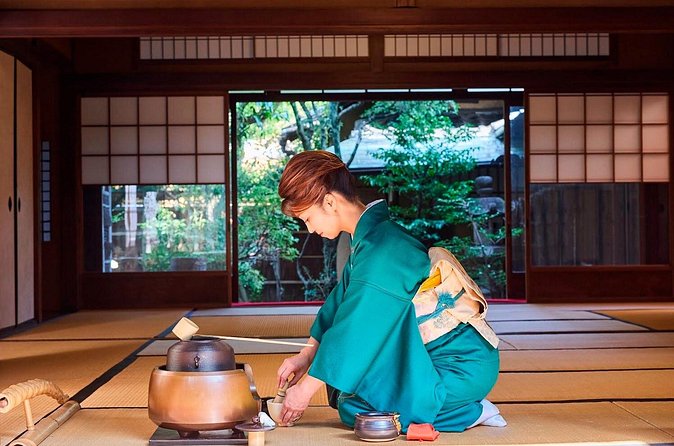
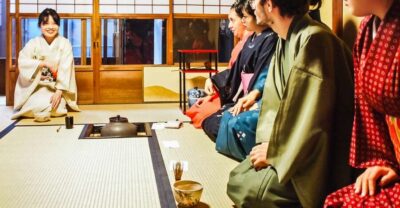
The tea master demonstrates the preparation step by step. You learn about the green tea, the utensils, the order of movements, and the etiquette for receiving and drinking the finished bowl. The explanations also connect the ceremony to Kyoto’s cultural traditions and to practices passed down over many generations.
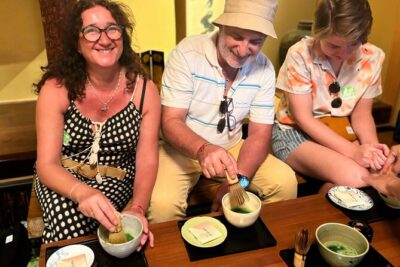
The ceremony is not presented as a performance that you only watch. You are encouraged to take part. Under the tea master’s direction, you whisk your own bowl of matcha using the provided utensils and tea.
That hands-on section is the heart of the visit. You can see the effort required to create a smooth bowl, and you begin to understand the calm concentration behind the ritual. The tea master also adds humor, which helps keep the formal setting from becoming stiff or intimidating.
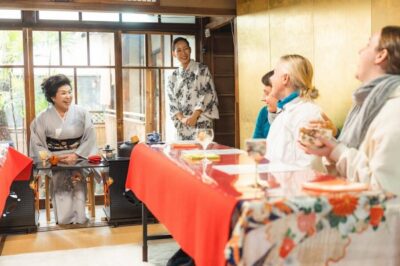
English support is available through the staff, and several participants specifically praised the clear explanations and warm hosting. Yuki is mentioned as an especially good translator and host in one account, while Miki is praised for patience and charm in another. Names and hosts may vary by session, but the overall message is clear: you should expect guidance rather than being left to guess what to do.
Matcha, snacks, and the meaning behind the ritual
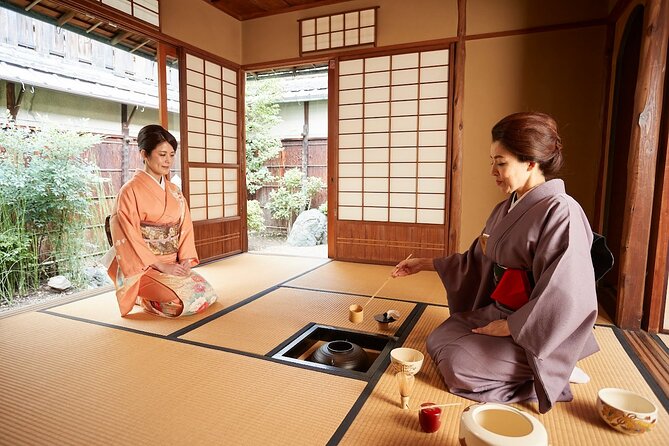
After the demonstration and your own preparation, you taste the matcha with traditional snacks. The food is not the main reason to book, and the supplied details do not specify the exact snack selection. Still, the pairing gives the tea portion a pleasant finish and helps you understand how the bitter flavor of matcha fits with a sweet accompaniment.
You do not need to be an enthusiastic matcha drinker to enjoy the activity. One participant who did not usually drink matcha still enjoyed the clothing, the lesson, and the friendly host. I would book this for the cultural setting even if you are unsure about the flavor.
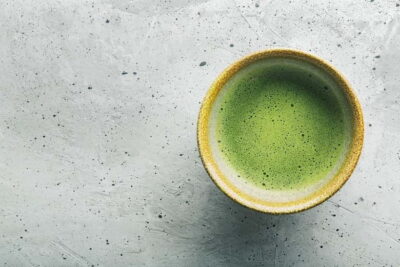
The tea itself is often described as high-quality green tea. More important than the taste, though, is learning why the tea is prepared and served in such a precise way. You will hear about the meaning of the tools, the movements, and the etiquette. The ceremony gives you a small window into Japanese ideas of hospitality and careful attention.
Do not expect a full tea-school apprenticeship in 90 minutes. The lesson is an introduction, with enough information to make the ritual understandable and enough practice for you to prepare one bowl. If you want a long, silent, highly formal ceremony, this may feel too brisk and visitor-friendly.
More Tea Ceremonies in Kyoto
- Kyoto: Tea Ceremony in a Traditional Tea House in Kiyomizu
★ 4.9 · 3,519 reviews - Kyoto: Tea Ceremony Ju-An at Jotokuji Temple
★ 4.9 · 3,207 reviews - Kyoto: 45-Minute Tea Ceremony Lesson Experience
★ 4.3 · 2,378 reviews - Kyoto: Table-Style Tea Ceremony at a Kyo-Machiya
★ 4.9 · 1,211 reviews
Photographs without losing the atmosphere
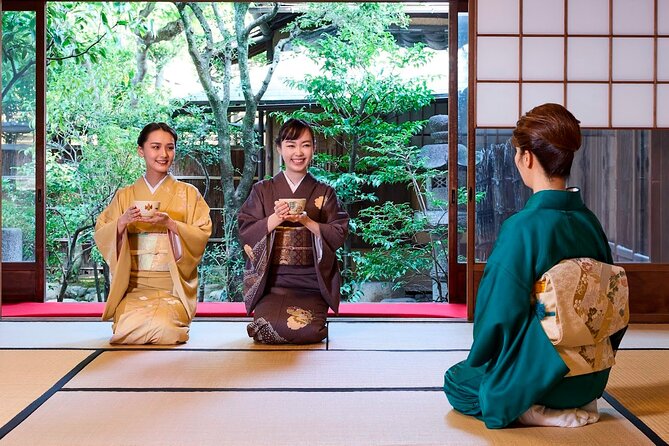
Photography is part of the fun. The kimono, hair, tatami room, and tea utensils give you plenty of natural photo opportunities. Staff may help with photographs, and the setting is designed to let you remember the occasion visually.
There are limits. Tripods are not allowed, and photo or video recording may be restricted during parts of the ceremony. You must follow the tea master’s instructions about when it is appropriate to take pictures.
I think that rule improves the visit. Constant camera use would distract from the gestures and make it harder to focus on the lesson. Take your photos during the permitted moments, then put the phone away while the tea is being prepared.
The clothing is especially useful for family photographs. A 13-year-old participant enjoyed the activity, and families praised the mix of dressing up, learning, and taking pictures. Children under six are not permitted, so this is not suitable for families with very young children.
How long the 90-minute schedule feels
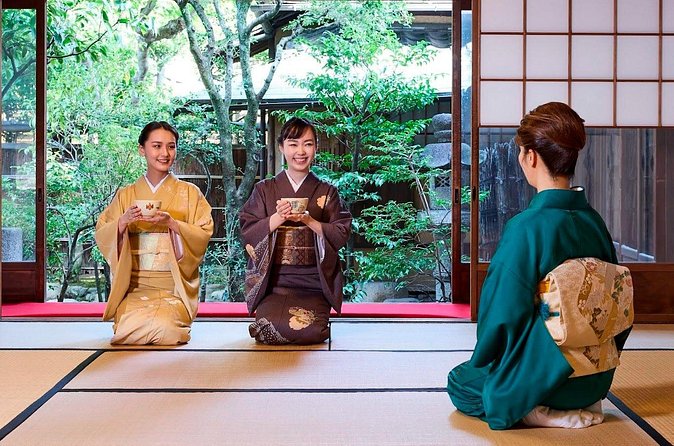
The stated duration is about one hour and 30 minutes. That includes the kimono selection and dressing, simple hairstyling, movement into the tea room, the explanation of the ceremony, your own matcha preparation, tea tasting, snacks, and photographs.
This is a lot to fit into one visit. Some people appreciate the smooth timing because it lets them add a cultural activity to a busy Kyoto day. Others feel they move quickly from one stage to the next.
I would plan to arrive ready to follow instructions and make decisions about your kimono without too much hesitation. If you want a relaxed, unhurried morning, the schedule may feel packed. If you want two classic Kyoto activities in a short block, the timing works well.
The listed maximum is four participants when booked through the stated channel. However, one account describes being placed with 12 people at first, then having the arrangement changed to four after raising the issue. That makes group size worth confirming directly before you pay, especially if the small-group promise is central to your choice.
A smaller group should make it easier to hear the tea master, ask questions, and receive help with the whisking process. It also gives you more breathing room for photographs. The exact mood depends on the session and how many participants are present.
Location, transport, and practical planning
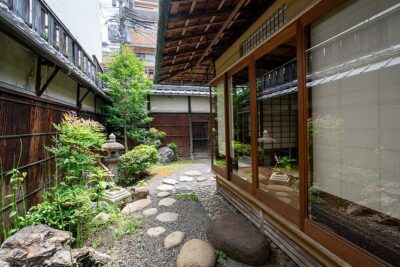
The meeting point is Kimono Tea Ceremony MAIKOYA Karasuma Shijo, at 220 Itoyacho, Shimogyo Ward, Kyoto 600-8432. The activity ends at the same location.
No transportation, hotel pickup, or hotel drop-off is included. The venue is near public transportation, so you should use the mobile ticket and meeting address to plan your route in advance. From Kyoto Station, allow about 25 minutes on foot if you choose to walk, according to one practical account. You may prefer public transportation, especially if you are already carrying luggage or wearing uncomfortable shoes.
I would not schedule this immediately before a hard-to-miss train or timed attraction. The official duration is approximate, and dressing appointments can take a little flexibility. Give yourself a buffer so you can enjoy the ceremony instead of watching the clock.
Wear something that makes changing straightforward. The supplied details do not state a strict dress code, but you will be changing into a kimono and later returning to your own clothes. Comfortable footwear for getting to the venue is sensible.
The mobile ticket is convenient. Confirmation is received at booking, which helps when you are arranging a Kyoto day around several timed activities.
Is $65.39 a fair price?
At $65.39 per person, this is not the cheapest way to taste matcha in Kyoto. A tea drink alone can cost far less. The price is paying for the complete package: kimono costume, dressing assistance, simple hairstyling, utensils, tea, snacks, instruction, and the use of the ceremony setting.
I think the value is good for first-time visitors who want an activity with both visual appeal and cultural explanation. Paying separately for kimono rental, hairstyling, and a tea ceremony could easily become more complicated, even if the exact comparison depends on the provider and length of rental.
The value is weaker if your main goal is a private or highly formal tea ceremony. The visit is designed for an international audience, with clear explanations, friendly hosts, photo opportunities, and a structured schedule. That makes it approachable, but not especially secluded.
I would also factor in what you will remember. The kimono changes the mood, and making your own matcha gives you a personal role in the ritual. For many people, that combination is worth more than the tea itself.
Who should book this activity?
I would recommend it most strongly to:
- First-time visitors who want a clear introduction to tea ceremony etiquette
- Families with children aged six and older
- Couples or friends who want photographs in traditional clothing
- Solo participants who prefer guided instruction and a welcoming setting
- People with limited time who want kimono dressing and tea ceremony in one appointment
- Visitors who do not usually drink matcha but still want to understand the custom
I would be more cautious if you dislike sitting on the floor. One participant found tatami seating challenging, though small chairs were available and did not detract from the ceremony.
I would also think twice if you want an entirely quiet, slow, private event. The schedule is organized and may feel busy, particularly when several appointments are being handled. Ask about the expected group size before booking.
Free cancellation is available if you cancel at least 24 hours before the local start time. Cancellations or changes made less than 24 hours in advance are not accepted for a refund, so keep that deadline in mind when arranging your Kyoto itinerary.
Should you book the Kyoto Maikoya tea ceremony?
I would book this if you want an easy, well-organized introduction to two recognizable parts of Japanese culture. The strongest features are the careful kimono preparation, the friendly staff, the clear tea lesson, and the chance to whisk your own matcha.
The activity is not a private tea-school ceremony, and the 90-minute timetable can feel quick. Still, it gives you far more than a costume photograph or a cup of green tea. You leave with a better sense of the ceremony’s manners, tools, and purpose.
Confirm the group size, allow time to reach Karasuma Shijo, and accept that the kimono is visitor-grade rather than luxury wear. With those expectations, this is a sensible Kyoto choice at $65.39, especially for families, first-time visitors, and anyone looking for a memorable cultural activity that fits neatly into a busy day.
FAQ
How long does the Kimono Tea Ceremony at Kyoto Maikoya last?
The activity lasts approximately one hour and 30 minutes.
What is included in the price?
The price includes a kimono costume, simple hairstyling, green tea, utensils, and snacks.
Is transportation included?
No. Transportation, hotel pickup, and hotel drop-off are not included.
Where does the activity meet and end?
It begins at Kimono Tea Ceremony MAIKOYA Karasuma Shijo, 220 Itoyacho, Shimogyo Ward, Kyoto 600-8432, Japan. It ends back at the meeting point.
Can children attend?
Children under six are not permitted to join this activity.
How many people can participate?
The stated maximum is four participants for this activity. One account describes a larger initial grouping that was changed, so confirm the group size when booking if this matters to you.
Can I take photographs during the ceremony?
Photography and video recording may be limited. Tripods are not allowed, and you should follow the tea master’s instructions about suitable times for taking pictures.
Do I get to prepare my own matcha?
Yes. The tea master explains the process and guides you as you whisk your own bowl of matcha using the provided utensils.
What is the cancellation policy?
You can cancel for a full refund up to 24 hours before the experience starts. Cancellations or changes made less than 24 hours before the local start time are not accepted for a refund.
Just added in Kyoto
- The “Golden Route” and Ancient Japan by DIAMIR Erlebnisreisen – 14-Day Tour★ 2.0 · 2 reviews
- Japan: Castles & Cuisine by G Adventures – 6-Day Kyoto to Osaka Tour★ 4.5 · 4 reviews
- Cycle Japan by Explore! – 13-Day Kyoto to Tokyo Tour★ 4.7 · 12 reviews
- Cycle Japan by Intrepid Travel – 11-Day Kyoto to Tokyo Tour★ 4.8 · 2 reviews
- Classic Japan by Intrepid Travel – 11-Day Kyoto to Tokyo Tour★ 4.4 · 14 reviews
- Ancient & Modern Japan 14-Day Tour by Exodus Adventure Travels★ 4.4 · 40 reviews
- 5 Day Cultural Adventure of Kyoto, Nara & Osaka by Tourist Journey★ 2.5 · 2 reviews
- 12 Days Kinosaki Onsen Escape: A Journey Through Japan’s Timeless Towns by UME Travel★ 4.8 · 5 reviews
Tea Ceremonies, compared.
Tea Ceremony in a Traditional Tea House in Kiyomizu
Read our review →
World Heritage Kyoto & Nara Uji Authentic Matcha Experience
Read our review →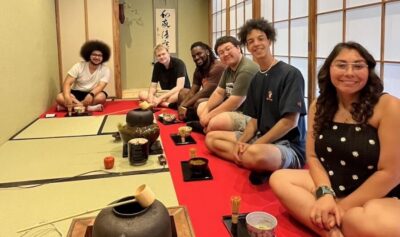
Browse the lists this tour appears in