
Reviewed · CYCLING AND E-BIKE TOURS
KIYOTO’s Kyoto Private E-Cycling Tour: Highlights & Hidden Gems
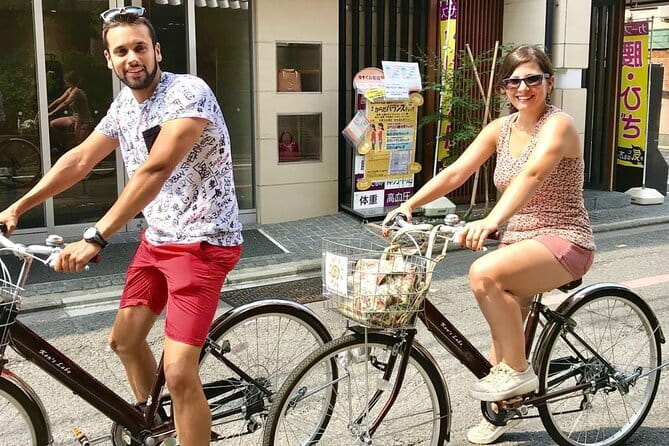
Kyoto rewards cyclists who leave the main roads. This private e-bike outing gives you a practical way to connect major sights with quieter streets, riverside paths, and local neighborhoods that are easy to miss on foot. I like the private format, which lets your guide adjust the pace and route, and I like that the electric bike rental is included, so you can cover much more ground without arranging equipment yourself. The main consideration is stamina: four to eight hours on a bicycle, often through busy city streets, suits people who already feel comfortable riding.
The route can include Fushimi Inari-taisha, Tofuku-ji, Gion, Nanzen-ji, Philosopher’s Walk, Shimogamo Shrine, Kyoto Gyoen, and other central sights. That is a lot for one outing, but the point is not to study every temple in depth. It is to get a broad feel for Kyoto, then decide where you want to return for a slower visit.
The guides are a major part of the experience. Yonnie, Yuhey, Yuichi, Mana, Takuma, Kento, and Polina are among the guides praised for friendly conversation, cultural explanations, safe riding, family skills, and flexible routing. The tour has a 4.9 rating from 48 reviews, with 98 percent recommending it.
In This Review
- Five things to know before you book
- Why an e-bike works so well in Kyoto
- From Higashi Hongan-ji to southern Kyoto
- Gion and the Yasaka Pagoda
- Heian Shrine, Nanzen-ji, and the canal aqueduct
- Philosopher’s Walk and Honen-in
- Shimogamo Shrine and the Kamogawa Delta
- Kyoto Gyoen, stepping stones, and central shopping streets
- What the private format is worth at $198.15
- Who should book this Kyoto cycling tour?
- Practical details that affect your day
- Should you book it?
- FAQ
- How long does the Kyoto private e-cycling tour last?
- What is included in the tour price?
- Are temple and shrine admission fees included?
- Where does the tour begin and end?
- Do I need to know how to ride a bicycle?
- Are bicycles available for children?
- Can I cancel for a full refund?
Five things to know before you book
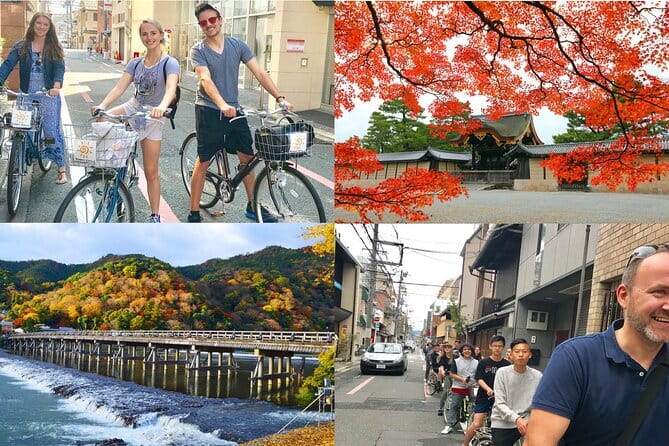
- You can cover several Kyoto districts in one ride: The route links southern Kyoto, Gion, eastern temples, the northern river area, and central shopping streets.
- The electric bike changes the pace: You can ride farther than on a walking tour, with less effort on longer stretches.
- Your guide can tailor the day: Private groups can focus on sights they have not already seen or spend more time in quieter neighborhoods.
- The best moments may be between the major stops: Narrow backstreets, the Shirakawa Canal, Kamogawa Delta, and small temple grounds give the ride its local feel.
- Paid temple entry is extra: Many stops are viewed from public areas, but Komyo-in and any other paid sites are not included in the tour price.
- It is not a sightseeing bus: You must be able to ride a bicycle and manage a moderate level of physical activity.
Why an e-bike works so well in Kyoto
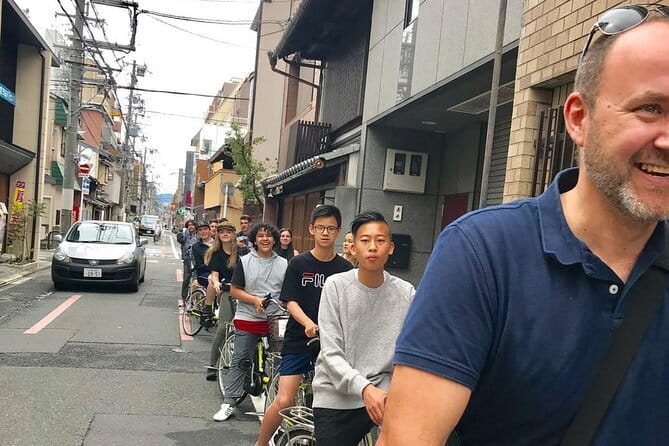
Kyoto’s key sights are spread across a wide area. Fushimi Inari is south of the center, Gion and Yasaka Pagoda are farther east, and Nanzen-ji, Philosopher’s Walk, and Shimogamo Shrine extend northward. On foot, connecting all these places would take much of a day, with plenty of time spent simply getting from one district to the next.
An e-bike turns those transfers into part of the experience. You can pass through ordinary streets, cross rivers, and see how the city changes from temple lanes to shopping arcades and residential areas. I like this because Kyoto is more than its famous gates and gardens. The spaces between them help you understand the city.
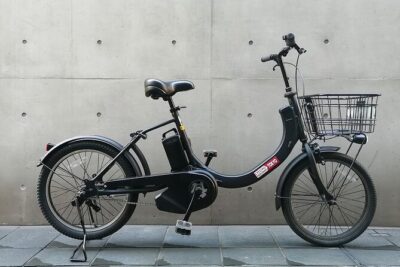
You can choose an electric bike or a normal bicycle. The electric option is the sensible pick for most people, especially if you want the longest route or plan to ride for six to eight hours. The bikes are described as comfortable and well maintained, but you still need to be confident around city traffic and narrow roads.
The tour begins and ends at Sunny CycleJapan in Kyoto’s Shimogyo Ward. The meeting point is near public transportation, and the activity returns there at the end. Food and drinks are not included, so plan for a break or carry money for refreshments.
More Bike Tours in Kyoto
- Bike Tour Exploring North Kyoto plus Lunch
★ 5.0 · 1,087 reviews - Arashiyama Bamboo Forest & Hidden Gems Bike Tour (Early Bird)
★ 5.0 · 613 reviews - 5 Top Highlights of Kyoto Full Day Bike Tour (E-bike option)
★ 5.0 · 511 reviews
From Higashi Hongan-ji to southern Kyoto
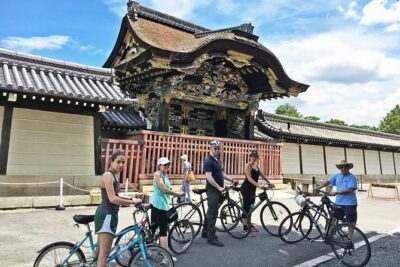
Higashi Hongan-ji makes a useful central starting point. Founded in 1602, this major Jodo Shinshu Buddhist temple has broad grounds and a huge main hall called the Goeido. It gives you an early look at the scale of Kyoto’s religious architecture without requiring a long ride outside the center.
The first major stop is Fushimi Inari-taisha Shrine, one of Kyoto’s most recognizable sights. It is the head shrine of more than 30,000 Inari shrines in Japan and is famous for its long runs of orange-red torii gates climbing the wooded mountain.
The scheduled visit is about 40 minutes, with no admission charge. That is enough time for photographs and a walk through part of the gate-lined approach, but not enough to explore the entire mountain trail. This is an important expectation to set. Fushimi Inari can fill much of a day if you hike far uphill, while this cycling tour treats it as one part of a larger route.
Next comes Komyo-in, a sub-temple of Tofuku-ji known for its quiet garden. The grounds are especially attractive in autumn, when maple leaves color the moss and garden views. The stop is listed at about 20 minutes, and admission is not included, so check with your guide before entering.
Tofuku-ji follows with a brief ten-minute stop. Its Tsutenkyo Bridge is famous for autumn foliage and crosses a wooded valley. Ten minutes is enough for a quick look and a photo, not a full temple visit. If autumn colors are your priority, ask your guide how much time can be shifted toward this area.
Gion and the Yasaka Pagoda
The route then moves into eastern Kyoto, where the mood changes quickly. Hōkan-ji, better known as Yasaka Pagoda, rises above the historic Higashiyama district. Its tall wooden form is one of the classic Kyoto views, especially from the surrounding lanes.
The visit is about 20 minutes and does not include a paid entry. You will have time to take in the pagoda from outside and walk around the nearby streets. This area is popular and can be crowded, so cycling is useful for arriving before moving on, but you should not expect to ride quickly through every narrow lane.
Yasui-Konpiragu offers a different kind of religious experience. The shrine is associated with breaking unwanted relationships and forming better ones. Visitors pass through a hole in a large stone monument as part of the prayer ritual. It is a small stop, listed at ten minutes, but it gives your guide a chance to explain a custom that you might not understand from a quick photograph.
Hanamikoji Street leads into Gion, Kyoto’s best-known geisha district. Traditional wooden buildings house tea rooms and restaurants, and the street gives you a glimpse of the old entertainment quarter. The scheduled stop is also ten minutes, so think of it as a short orientation rather than a long walk through Gion.
Tatsumi Bridge and the Shirakawa Canal are among the quieter points on the eastern route. Tatsumi Bridge is a small wooden crossing over the Shirakawa River, while the canal area has willow trees, traditional machiya houses, and a calmer feel than the busiest Higashiyama lanes. A 15-minute stop at the canal and ten minutes at the bridge allow time for photographs and a short look around.
The River Terrace along Shirakawa adds another pause beside flowing water. Stone paths and benches make this a pleasant place to slow down. I especially like this part of the route because it shows Kyoto at a human scale. You are not only checking off monuments. You are seeing the canals, trees, and small public spaces that shape daily life.
Heian Shrine, Nanzen-ji, and the canal aqueduct
The Great Torii of Heian Jingu is a sharp visual change from the narrow streets of Gion. The vermilion gate is 24.2 meters tall and was built in 1929 to mark the enthronement of Emperor Showa. The stop lasts about 15 minutes and is free, so you can admire the gate without committing to a longer shrine visit.
Nanzen-ji is one of the major Rinzai Zen temples in Kyoto. Its origins reach back to 1291, when Emperor Kameyama founded the temple. The grounds include temple buildings, gardens, and broad paths, although the tour’s listed 15-minute visit is brief.
Near Nanzen-ji is the Nanzenji Suirokaku, a brick aqueduct completed in 1888. It was built to carry water from Lake Biwa and remains one of Kyoto’s more unusual historic structures. The ten-minute stop is enough to see the arches and hear how modern engineering became part of the temple setting.
This section works well for people who want variety. In less than an hour, you can see a giant shrine gate, a major Zen temple, and an industrial-era aqueduct. The tradeoff is depth. If you want to explore Nanzen-ji’s gardens or buildings properly, you may need to return on your own.
A completely different kind of day out:
- PERFECT KYOTO 1-Day Bus Tour
★ 5.0 · 13,518 reviews - [Kyoto & Nara Day Tour] Sagano Scenic Railway & Nara Park & Fushimi Inari Taisha Thousand Torii Gates & Togetsukyo Bridge & Bamboo Grove & Kimono Forest (Departing from Osaka)
★ 4.9 · 10,942 reviews - Kyoto: Fushimi Inari, Kinkakuji, Bamboo Grove 1 Day Bus Tour
★ 4.8 · 4,316 reviews - Kyoto: Tea Ceremony in a Traditional Tea House in Kiyomizu
★ 4.9 · 3,519 reviews
Philosopher’s Walk and Honen-in
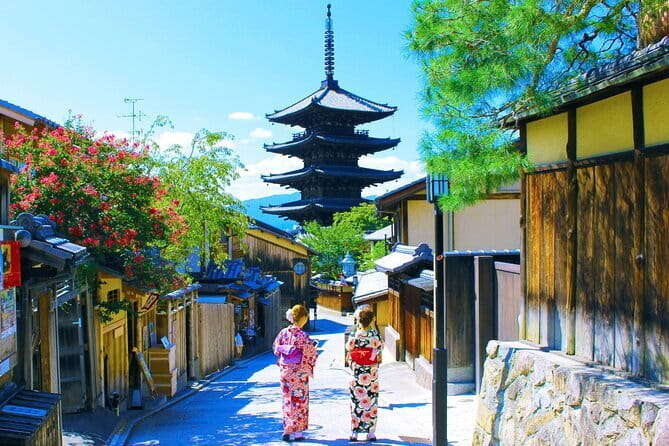
Philosopher’s Walk follows the Biwa Canal for about two kilometers between the northern and southern ends of the route. It is known for trees, water, and a relaxed walking atmosphere. The listed 30-minute stop gives you time to see a section of it, but you may need to walk your bicycle in places rather than ride at speed.
This is one of the sections where a private tour helps. Your guide can explain how much of the path makes sense for your group and can adjust the schedule if the walkway is crowded. It is also a good spot for a slower pace after the busier streets of Gion.
Honen-in is a peaceful temple in a wooded setting, associated with Honen Shonin and dating to the 13th century. The grounds are simple and calm, with nature playing a large part in the atmosphere. The stop lasts about 15 minutes and gives you a welcome contrast to the famous sights.
The route’s repeated short visits may feel rushed if you prefer long temple visits. I would see this tour as a way to build a personal map of Kyoto. Mark the places that catch your attention, then return later by train, bus, bicycle, or on foot.
Shimogamo Shrine and the Kamogawa Delta
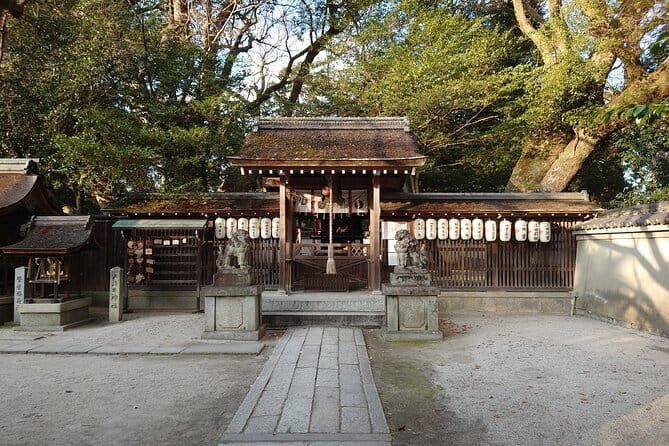
Shimogamo Jinja, formally called Kamomioya Shrine, is one of the oldest Shinto shrines in the region, with roots said to reach back to around 90 BC. Its setting in the Sakyo Ward gives the route a more northern and local feel.
The visit lasts about 30 minutes. That is long enough to appreciate the shrine grounds and hear about Shinto customs from your guide. Because the shrine is part of a private cycling route rather than a fixed bus circuit, your guide can connect what you see here with other parts of Kyoto’s religious and cultural life.
The Kamogawa Delta is where the Kamo and Takano Rivers meet. Its stepping stones are shaped like turtles and birds, and the area is popular with local residents as well as sightseers. The 15-minute visit is a short riverside break, but it gives you a chance to see one of Kyoto’s favorite informal gathering spots.
You might find this stretch especially enjoyable with children. The stepping stones add a simple bit of fun, and the open river setting offers a break from temple courtyards and traffic. Children who cannot ride alone can use a limited number of available child seats, while kids’ non-electric bicycles may be requested in advance.
Kyoto Gyoen, stepping stones, and central shopping streets
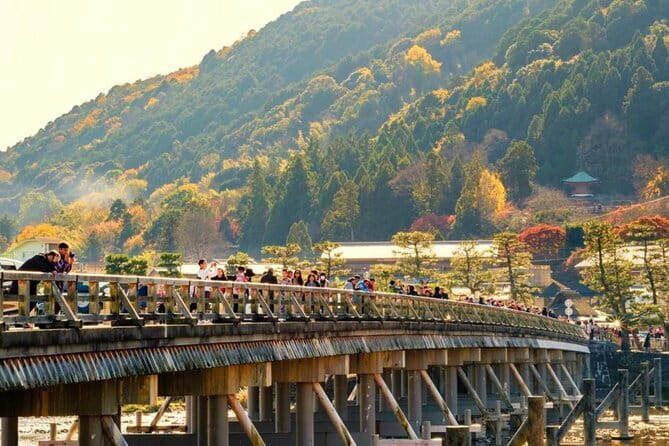
The route can also include Kyoto Gyoen, the large park surrounding the former Imperial Palace. It is used by local people for relaxation and has trees, open space, and historic buildings scattered through the grounds. The park makes a good place to reset after the denser eastern districts.
At the Stepping Stones at Kojin, called Ebisugawa Tobiishi, you can cross a tributary of the Kamo River by hopping across stones set in the water. It is a small, playful stop that shows another side of Kyoto. The visit is listed at ten minutes and is free.
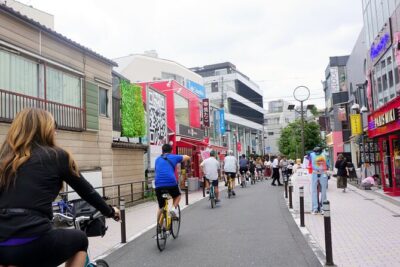
Teramachi-dori brings you back into central Kyoto. This shopping street runs north to south and mixes traditional goods, cafés, fashion shops, and everyday stores. It is a useful place to notice how old and new Kyoto share the same streets.
Sanjo Street, near Kawaramachi and the Kamo River, adds restaurants, cafés, and historic buildings. The tour may use this area as part of the cycling route or as a final orientation point before returning to the shop. These central streets are busy, so you will need to follow your guide closely and ride with care.
What the private format is worth at $198.15
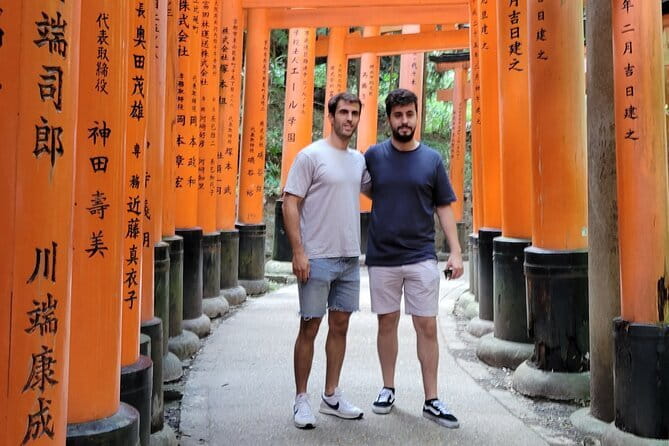
At $198.15 per person, this is not a bargain sightseeing ride. It becomes better value when you use the private format well. You are paying for a guide, bicycle rental, local route planning, cultural explanations, and the ability to shape the day around your group.
The price makes the most sense for a family, couple, or small group that wants to see many parts of Kyoto without spending hours planning transport. It is also useful if you have only one full day for sightseeing and want a broad introduction.
The value is weaker if you want to linger inside several temples, eat along the way, or spend a full afternoon at Fushimi Inari alone. Paid admissions, food, and drinks are extra, and the tour cannot give every stop equal attention.
Group discounts may be available, so compare the total cost for your party rather than looking only at the per-person figure. The duration ranges from roughly four to eight hours, which also affects the value. A shorter ride may suit first-time cyclists or families, while a longer outing gives the route more breathing room.
Who should book this Kyoto cycling tour?
I would recommend it most strongly to people who:
- Can ride a bicycle confidently
- Want to see several Kyoto districts in one day
- Prefer a private guide to a large group
- Enjoy outdoor sightseeing and short stops
- Want local stories about history, customs, and everyday life
- Are visiting Kyoto for the first time
- Are traveling with children who can ride or use an arranged child seat
The tour is less suitable if you dislike traffic, cannot ride, or want a slow, detailed temple study. You should also be ready for a moderate physical effort. The e-bike reduces strain, but it does not remove the need to pedal, balance, stop, and pay attention.
The guides receive especially strong praise for their personal approach. Yuhey worked well with children and adapted the schedule for a family. Yonnie was praised for cultural explanations and careful navigation through crowded streets. Mana helped with questions before the ride, while Polina was appreciated for an easy pace, backstreet riding, and small temple stops.
Practical details that affect your day
You receive an electric bike, with a normal bicycle also available. Kids’ bikes are limited, and child seats are limited, so request either option when booking. Every participant must be able to ride unless using an arranged child seat.
The tour starts at Sunny CycleJapan, 477 Ōhorichō, Shimogyo Ward, Kyoto 600-8419, and ends back at the same meeting point. A mobile ticket is available, and confirmation arrives at booking.
Free cancellation is available until 24 hours before the scheduled start time. Changes or cancellations made inside that 24-hour window are not accepted for a refund.
Wear comfortable clothes and shoes suitable for cycling. Since the route includes temples, shopping streets, riverside paths, and narrow city roads, a small day bag is easier than bulky luggage. Keep some time after the tour if a temple or neighborhood catches your attention. The route is designed to help you choose your next stop, not replace every longer visit.
Should you book it?
Book this tour if your ideal first day in Kyoto includes movement, variety, and a guide who can adjust the plan as you go. The private e-bike format lets you connect Fushimi Inari, Gion, Nanzen-ji, Philosopher’s Walk, Shimogamo, and the Kamo River without spending the day transferring between buses and trains.
Skip it if you want long visits at only two or three temples, or if cycling in city traffic sounds stressful. For everyone else, this is a strong way to get your bearings fast, see both famous sights and quieter corners, and learn which parts of Kyoto deserve a return visit.
FAQ
How long does the Kyoto private e-cycling tour last?
The experience lasts approximately four to eight hours, depending on the selected duration and the route planned for your private group.
What is included in the tour price?
An electric bicycle is included, and a normal bicycle may also be available. The tour also includes a guide who provides cultural information and takes photographs.
Are temple and shrine admission fees included?
No. Paid entrance fees are not included. Several listed stops are free to view, while admission to places such as Komyo-in may cost extra.
Where does the tour begin and end?
The tour begins at Sunny CycleJapan in Shimogyo Ward, Kyoto. It ends back at the same meeting point.
Do I need to know how to ride a bicycle?
Yes. Participants must be able to ride a bicycle and should have a moderate level of physical fitness.
Are bicycles available for children?
Kids’ non-electric bicycles and child seats are available in limited numbers. You should request them when booking.
Can I cancel for a full refund?
You can cancel at least 24 hours before the local start time for a full refund. Cancellations or changes made less than 24 hours before the start are not accepted for a refund.
Just added in Kyoto
- The “Golden Route” and Ancient Japan by DIAMIR Erlebnisreisen – 14-Day Tour★ 2.0 · 2 reviews
- Japan: Castles & Cuisine by G Adventures – 6-Day Kyoto to Osaka Tour★ 4.5 · 4 reviews
- Cycle Japan by Explore! – 13-Day Kyoto to Tokyo Tour★ 4.7 · 12 reviews
- Cycle Japan by Intrepid Travel – 11-Day Kyoto to Tokyo Tour★ 4.8 · 2 reviews
- Classic Japan by Intrepid Travel – 11-Day Kyoto to Tokyo Tour★ 4.4 · 14 reviews
- Ancient & Modern Japan 14-Day Tour by Exodus Adventure Travels★ 4.4 · 40 reviews
- 5 Day Cultural Adventure of Kyoto, Nara & Osaka by Tourist Journey★ 2.5 · 2 reviews
- 12 Days Kinosaki Onsen Escape: A Journey Through Japan’s Timeless Towns by UME Travel★ 4.8 · 5 reviews
Cycling and E-Bike Tours, compared.

3h Tokyo E-Bike Tour: Hidden Gems, and Local Life with guide
Read our review →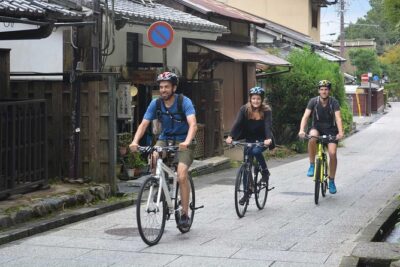
Arashiyama Bamboo Forest & Hidden Gems Bike Tour (Early Bird)
Read our review →
5 Top Highlights of Kyoto Full Day Bike Tour (E-bike option)
Read our review →

Hiroshima 2hr Peace Cycling Tour with Local Guide
Read our review →Browse the lists this tour appears in