
Reviewed · KIMONO AND CULTURAL DRESS
Kyoto: Kiyomizu-dera, Fushimi Inari & Gion Geisha District
Kyoto’s best-known sights fit into one lively morning. This private four-hour tour links Fushimi Inari, Kiyomizu-dera, the old lanes of Ninenzaka and Sannenzaka, and Gion with Roberto, a Kyoto City Certified Tourist Guide. I especially like the clear focus on Shinto, Buddhism, and geisha culture, plus the practical help with trains, buses, photos, and local customs. I also like that Roberto uses images on an iPad, which can make unfamiliar religious symbols easier to understand.
The main consideration is pace. You cover several major sights, use public transportation, and walk on slopes and historic lanes. The tour is not a good fit for anyone with limited mobility, a low level of fitness, or back problems. You will also pay your own transport costs and the 500-yen Kiyomizu-dera admission fee.
In This Review
- Key things to know before booking
- Meeting Roberto at Kyoto Station
- Fushimi Inari and the first 75 minutes
- Moving from Fushimi Inari to Kiyomizu-dera
- Kiyomizu-dera and its three kinds of good fortune
- Ninenzaka and Sannenzaka: Kyoto’s old commercial lanes
- Walking into Gion and learning what geisha work really means
- What Roberto adds to the experience
- Pace, costs, and practical preparation
- Who should book this Kyoto tour?
- Should you book it?
- FAQ
- Where does the tour begin?
- How will I identify the guide?
- How long does the tour last?
- Which languages are available?
- Is the tour private?
- Are transportation costs included?
- How much is Kiyomizu-dera admission?
- Where does the tour finish?
Key things to know before booking
- The tour begins at Kyoto Station: Meet Roberto outside the 7-Eleven Heart-In by the Kyoto Tower side exit, with an iPad and red RBRT card.
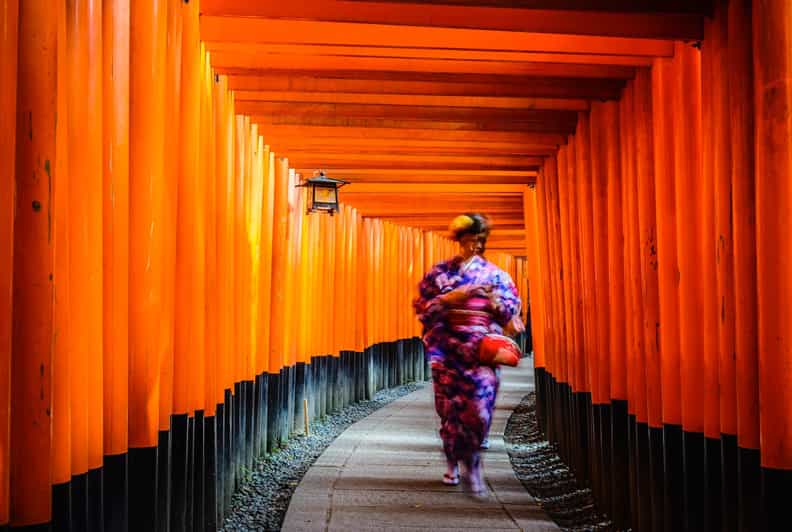
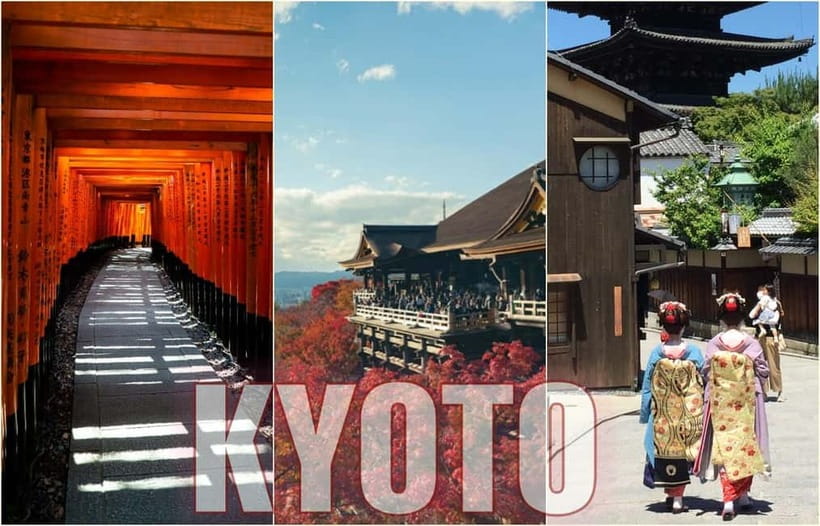
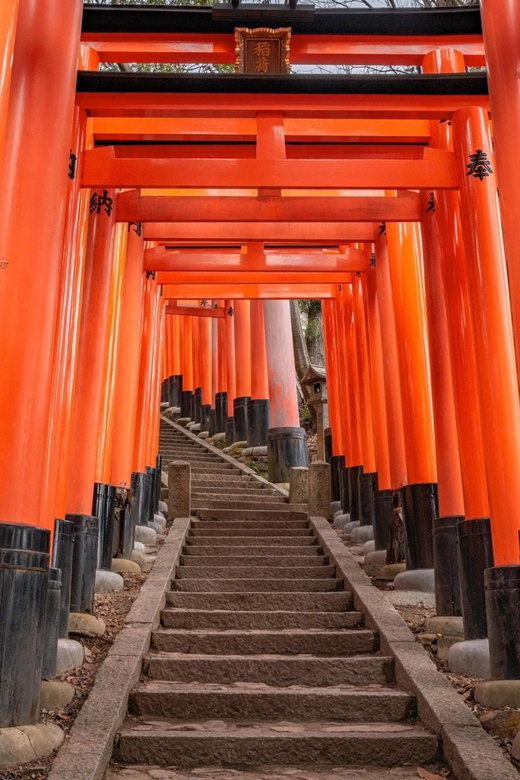
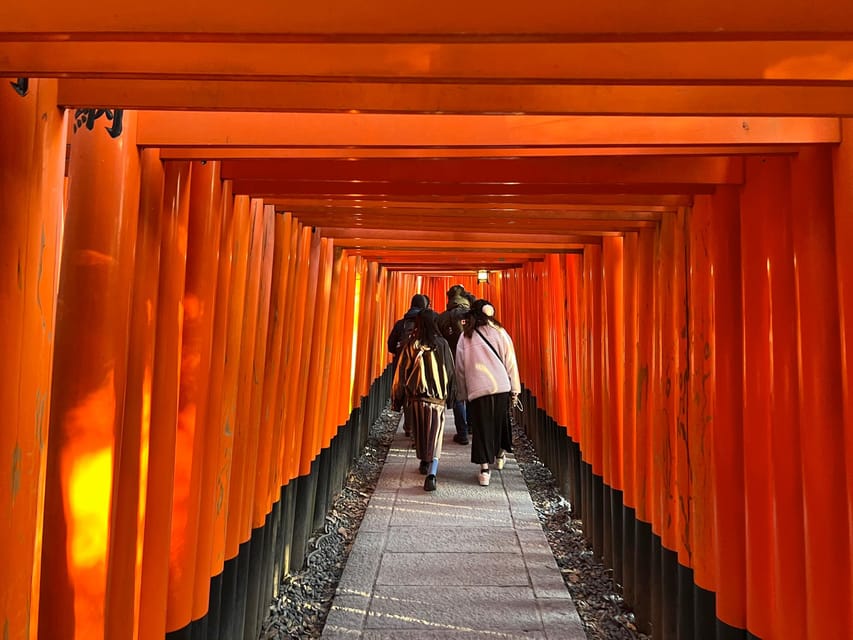
- Fushimi Inari comes first: You get about 75 minutes at Kyoto’s famous shrine and its long corridor of vermilion torii gates.
- Kiyomizu-dera gets 80 minutes: The guide explains the temple’s religious sites linked with love, longevity, and academic success.
- The final walk is wonderfully old Kyoto: Ninenzaka, Sannenzaka, and Gion connect in a mostly pedestrian route through traditional wooden buildings and shops.
- It is a private tour in English or Spanish: That allows the guide to adjust explanations and take photos for your group.
- Budget for extra costs: Your trains and buses are not included, and Kiyomizu-dera costs 500 yen per person.
Meeting Roberto at Kyoto Station
Your starting point is easy to find if you use the right exit. Meet in front of the 7-Eleven Heart-In on the first floor of the JR Kyoto Station Building, on the Kyoto Tower side. Roberto carries an iPad and a red card marked RBRT, short for Roberto.
That detail matters at a large station. Kyoto Station has several exits and plenty of foot traffic, so using the Kyoto Tower side rather than wandering around the building saves time and stress. I would arrive a little early, especially if you are unfamiliar with Japanese train stations.
The experience is private, so you are not being folded into a large group. That gives you room to ask questions about customs, religious practice, or geisha culture as they arise. It also lets Roberto adjust the amount of explanation to your interests. One of the strongest themes in the feedback is his personal approach. Judit described a very complete visit adapted to a two-person group, while Askoa praised the detailed explanations without finding them tiring.
English and Spanish are available. Roberto also takes as many pictures as you like, and several people singled out his photos and videos as a useful extra. You still need to keep an eye on your own belongings, since large bags and luggage are not allowed.
More Kimono Experiences in Kyoto
- [Kyoto & Nara Day Tour] Sagano Scenic Railway & Nara Park & Fushimi Inari Taisha Thousand Torii Gates & Togetsukyo Bridge & Bamboo Grove & Kimono Forest (Departing from Osaka)
★ 4.9 · 10,942 reviews - Kyoto Geisha Walking Tour: Gion District & Hidden Gems
★ 4.7 · 3,273 reviews - Kyoto: Gion Magical Night Walking Tour with Geisha Trivia
★ 4.9 · 2,393 reviews
Fushimi Inari and the first 75 minutes
The first transport leg takes about 10 minutes. At Fushimi Inari Taisha, you have roughly 75 minutes for a guided visit.
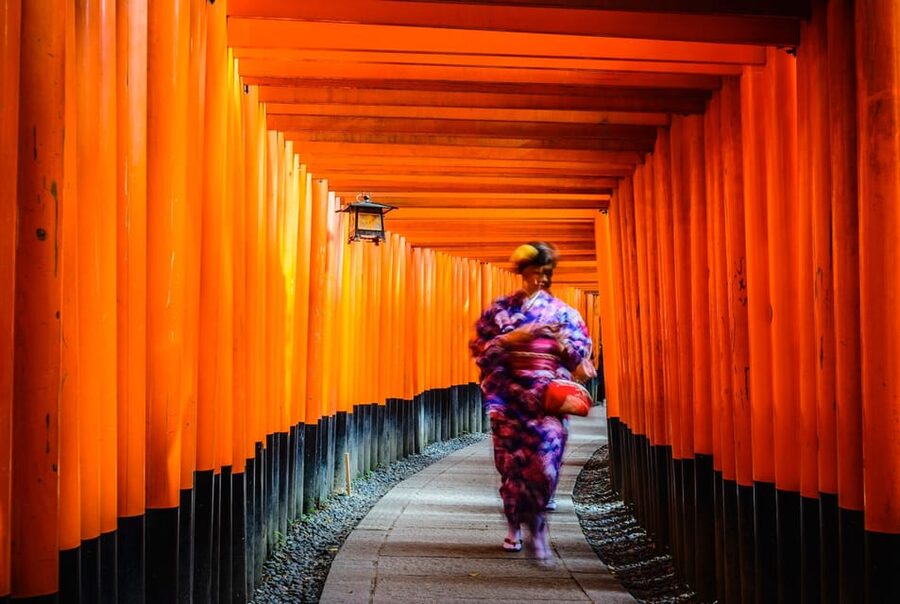
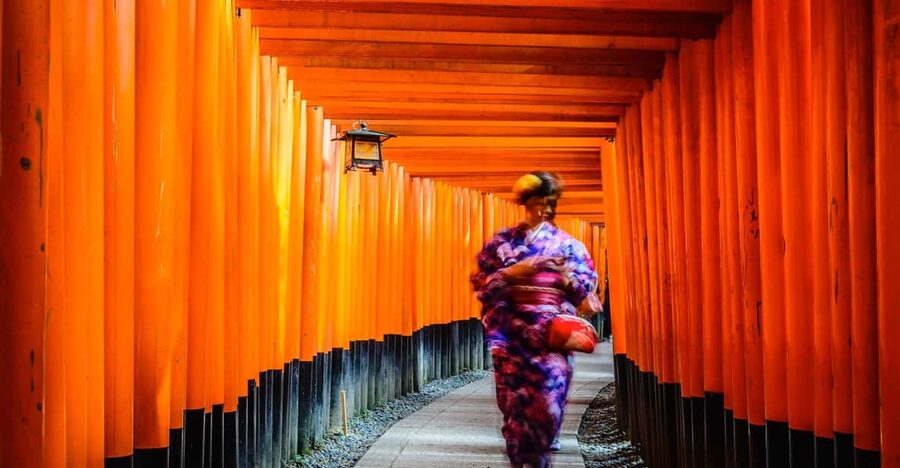
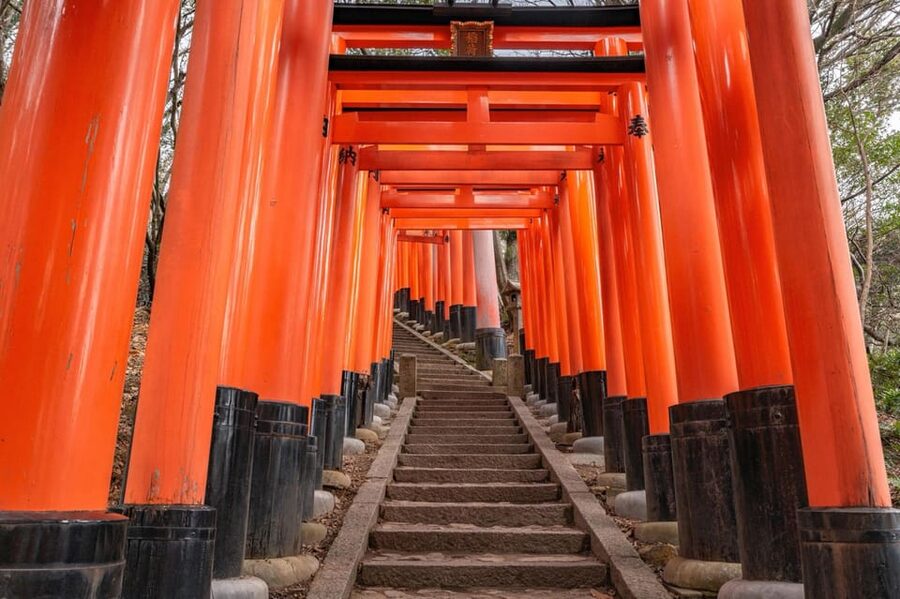
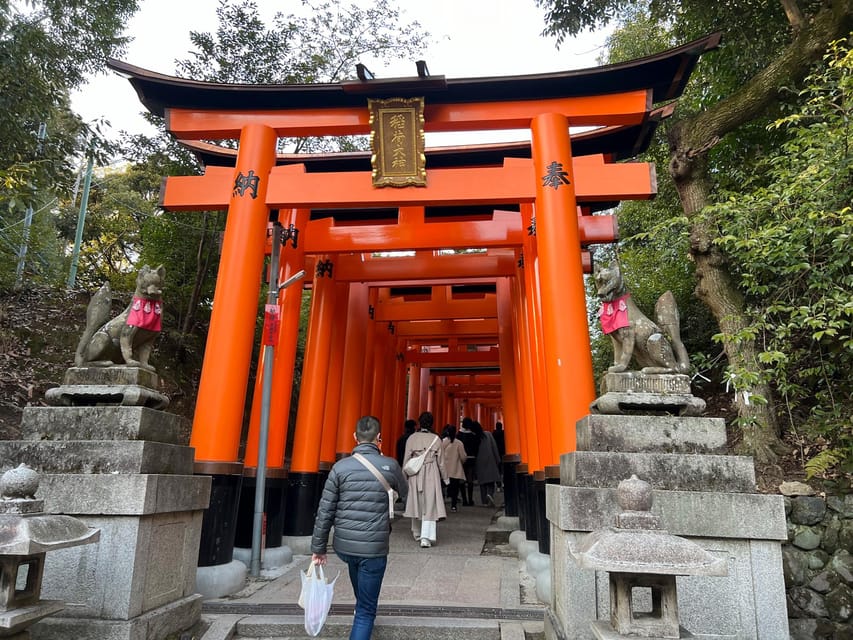
Fushimi Inari is a Shinto shrine known for its thousands of vermilion torii gates. The tour describes the route as a trail of 1,000 gates, creating a memorable passage through the shrine grounds. The color, repetition, and uphill walk make this one of Kyoto’s most recognizable sights, but the setting is more than a photo stop.
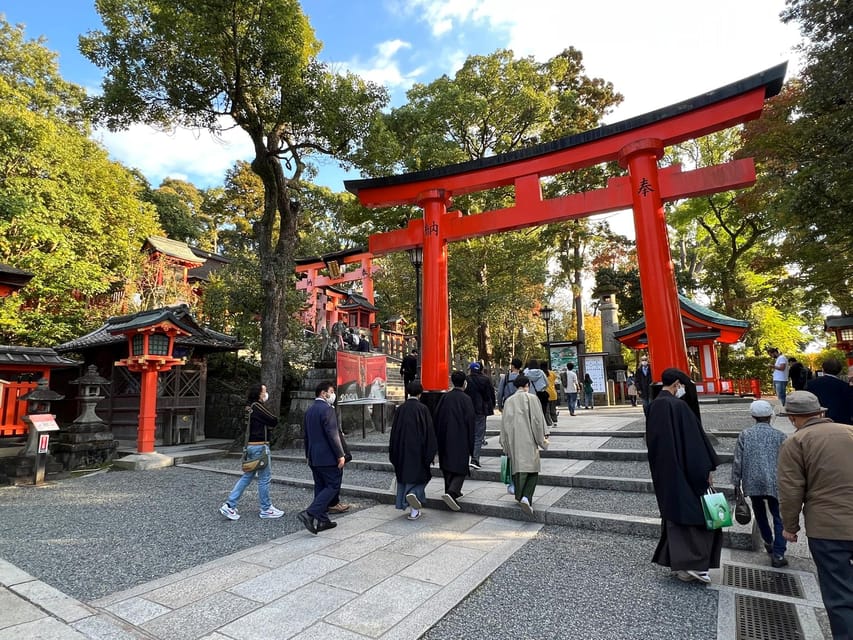
Roberto explains the shrine’s ancient origins and the basics of Shinto. That context is valuable because Shinto places can look simple at first glance. You may see gates, purification areas, offerings, and shrine buildings without knowing how they fit together. A guide can explain the meaning behind these features and help you approach the site respectfully.
The 75-minute visit is enough for a focused introduction, but it is not a full exploration of every path. Fushimi Inari extends well beyond the most photographed section. If you want to walk far up the mountain and spend hours among the gates, this tour will feel brief. If you want a strong first look and an explanation of what you are seeing, the timing is more practical.
Wear comfortable shoes. Even without completing the entire route, Fushimi Inari involves walking, and the tour continues with more temple grounds and historic streets afterward. Bring water and dress for movement rather than for a formal meal or a long train ride.
Moving from Fushimi Inari to Kiyomizu-dera
The schedule allows about 30 minutes for the next train journey. Public transportation is part of the experience, but your transport fare is not included.
That arrangement keeps the price below what a private vehicle might cost, while also giving you a chance to learn how Kyoto’s train and bus system works. On the other hand, you need a small amount of cash and must be ready to move through stations without a long pause. Roberto’s guidance is useful here, particularly if you are still getting used to Japanese transit.
The $90 price should be judged with those extra costs in mind. You pay for a private certified guide, four hours of personal instruction, transportation between several districts, and help with photographs. You then add your own train and bus fares, food if needed, and 500 yen for Kiyomizu-dera. For a couple or small private group that wants cultural explanation rather than simple sightseeing, the price can be fair. For someone happy to visit the sites alone and read signs, the added cost may be harder to justify.
Kiyomizu-dera and its three kinds of good fortune
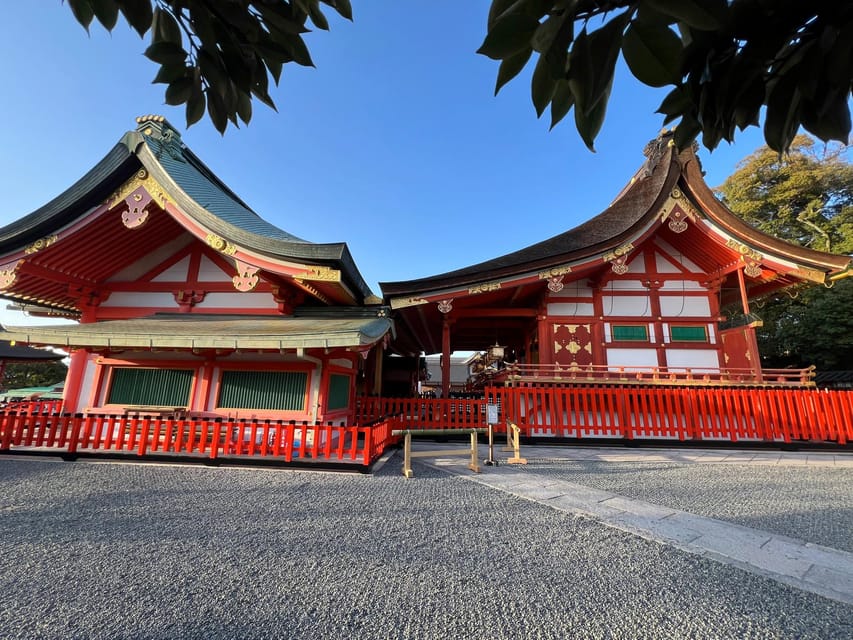
Kiyomizu-dera receives about 80 minutes of guided time. The temple is one of Kyoto’s most famous religious sites, and the tour focuses on its power spots, places connected with particular blessings.
The three themes highlighted here are love, longevity, and academic success. That gives the visit a useful structure. Instead of simply walking through a famous temple, you can connect different areas with the hopes people bring to them. Roberto explains the associated deities and the customs around paying respect.
This is also the part of the tour where the iPad images can help. Religious details are not always obvious from a quick look, and a picture can clarify what the guide is describing. Askoa specifically praised Roberto’s explanations of Kiyomizu-dera, along with his discussion of Buddhism, Shinto, and Japanese culture.
You pay a 500-yen admission fee to enter Kiyomizu-dera. That is a modest extra charge, but it should be included in your planning because the tour price does not cover it. Food and drinks are also your responsibility.
Kiyomizu-dera is not a quiet, low-effort stop. You will be walking through temple grounds and then continuing down historic streets. The tour’s suitability notes exclude people with mobility impairments, wheelchair users, people with back problems, people over 75, and people with a low level of fitness. Those limits are important, not decorative fine print. If slopes, steps, or extended walking are difficult for you, choose a slower sightseeing plan.
More Temples and Shrines in Kyoto
- Kyoto: Fushimi Inari, Kinkakuji, Bamboo Grove 1 Day Bus Tour
★ 4.8 · 4,316 reviews - Kyoto: Tea Ceremony in a Traditional Tea House in Kiyomizu
★ 4.9 · 3,519 reviews - Kyoto Nara Day Trip │ Kiyomizu-dera Temple + Fushimi Inari-taisha Shrine + Nara Park (Departing from Osaka/Kyoto)
★ 4.7 · 3,408 reviews - Kyoto: Tea Ceremony Ju-An at Jotokuji Temple
★ 4.9 · 3,207 reviews
Ninenzaka and Sannenzaka: Kyoto’s old commercial lanes
After Kiyomizu-dera, the route spends about 10 minutes on Sannenzaka and another 10 minutes on Ninenzaka. These short time blocks are not meant for a long shopping session. They give you a guided walk through two traditional lanes lined with wooden buildings and merchant shops.
This is where the tour shifts from formal religious sites to the everyday face of old Kyoto. The streets preserve the look of the former capital, with traditional architecture and small businesses creating a clear sense of place. You may find shops selling local goods, snacks, and souvenirs, but the point here is the streets themselves and the way they connect Kiyomizu-dera with Gion.
I like this transition because it makes the itinerary feel connected. Fushimi Inari introduces Shinto, Kiyomizu-dera presents Buddhist temple culture, and Ninenzaka and Sannenzaka show how historic buildings still shape a working district.
The drawback is time. Twenty minutes passes quickly, especially if you stop for photographs or want to browse. You should treat this portion as a walking introduction, not as dedicated shopping time. Keep your bag light, since large bags and luggage are not allowed.
Walking into Gion and learning what geisha work really means
From Ninenzaka, the group walks for about 12 minutes before spending roughly 15 minutes in Gion. The tour finishes in Gion District.
Gion is Kyoto’s best-known geisha district, with shops, restaurants, traditional wooden machiya merchant houses, and ochaya teahouses. These teahouses are venues where geisha and maiko entertain guests. Roberto explains the facts behind geisha and maiko life, helping you separate the real profession from the simplified version often presented in popular culture.
That explanation is one of the tour’s most useful elements. The subject is often misunderstood, and a short guided introduction can give you a more respectful view of the people and places involved. You are not promised a geisha performance or entry into an ochaya. Instead, you walk through the district and learn how these establishments fit into Gion.
The 15-minute guided walk is brief. It is enough to orient you to the district, point out traditional buildings, and discuss geisha and maiko, but not enough to explore every side street. This makes the tour a good choice if you want an overview before returning to Gion later on your own.
The tour ends here rather than returning you to Kyoto Station or your hotel. From Gion, you can take a city bus or taxi. Plan your next move before the final stop, especially if you have dinner reservations or luggage stored elsewhere.
What Roberto adds to the experience
A certified local guide can change the feel of a short Kyoto visit. Roberto’s strengths, based on the details of this experience and the consistent praise attached to it, are punctuality, clear cultural explanations, flexibility, and photography.
Adrian specifically appreciated that Roberto arrived on time, explained the culture well, remained polite, and took excellent photos. Other feedback describes him as detailed without being heavy-handed. That balance matters because four hours can become tiring if every stop turns into a lecture.
The iPad is another practical feature. Roberto uses images to support his explanations, which is helpful when discussing religious figures, shrine customs, or details that are hard to see in passing. He also offers movement advice for the rest of your Kyoto stay, something that can be worth as much as another historical fact.
The private format is especially useful for couples, families, or friends who want to ask direct questions. The tour is offered in English and Spanish, and the strong 5 out of 5 score across 24 ratings reflects a consistently positive experience. The Spanish feedback repeatedly praises Roberto’s warmth, clear teaching, and help with photos.
Pace, costs, and practical preparation
You should bring comfortable shoes, water, comfortable clothing, and cash. Cash is useful for the temple admission and transport, and you may also want it for small purchases along the old streets.
Smoking is not allowed. Large bags and luggage are not suitable for this tour. Since you use public transportation and walk through busy historic areas, travel light.
The advertised duration is four hours. The schedule includes about 75 minutes at Fushimi Inari, 80 minutes at Kiyomizu-dera, short walks through Sannenzaka and Ninenzaka, a 12-minute connecting walk, and 15 minutes in Gion. The remaining time covers trains, transitions, and moving between the sights.
Free cancellation is available up to 24 hours before the start time, and you can reserve while paying later. These terms are useful if your Kyoto plans are still shifting, but the main decision is physical: this is an active walking tour, not a seated cultural presentation.
Who should book this Kyoto tour?
I would choose this tour if you have limited time in Kyoto and want the city’s major eastern sights explained in one private outing. It suits first-time visitors who want help with Shinto and Buddhist customs, couples who value personal photos, and anyone who prefers asking a local guide questions instead of reading signs alone.
It also works well for Spanish-speaking visitors, since Spanish is offered alongside English. The guide’s advice on getting around can help you continue exploring after the tour ends.
I would hesitate if you want long visits at each shrine, extended shopping in Ninenzaka, or a slow afternoon in Gion. I would also avoid it if walking, slopes, public transportation, or standing for extended periods cause problems.
Should you book it?
Book this experience if you want a compact, private introduction to Kyoto’s most famous eastern sights, with clear explanations and help taking photos. Roberto’s punctuality, cultural teaching, friendly manner, and flexible approach are the strongest reasons to pay for a guide rather than visit these places alone.
Skip it if you already know Fushimi Inari and Kiyomizu-dera well, or if you prefer to set your own pace. For most first-time visitors with four active hours available, the combination of shrine gates, temple blessings, old merchant streets, and Gion’s geisha culture offers strong value, as long as you budget for transport and the temple ticket.
FAQ
Where does the tour begin?
It begins in front of the 7-Eleven Heart-In on the first floor of the JR Kyoto Station Building. Use the Kyoto Tower side exit.
How will I identify the guide?
Roberto will hold an iPad and a red card marked RBRT.
How long does the tour last?
The tour lasts four hours.
Which languages are available?
The live guide is available in English and Spanish.
Is the tour private?
Yes. It is offered for a private group.
Are transportation costs included?
No. You use public transportation, including trains and city buses, and pay your own transport costs.
How much is Kiyomizu-dera admission?
The entrance fee is 500 yen per person, approximately US$3.10.
Where does the tour finish?
The tour finishes in Gion District. From there, you can take a city bus or taxi to your hotel.
Just added in Kyoto
- The “Golden Route” and Ancient Japan by DIAMIR Erlebnisreisen – 14-Day Tour★ 2.0 · 2 reviews
- Japan: Castles & Cuisine by G Adventures – 6-Day Kyoto to Osaka Tour★ 4.5 · 4 reviews
- Cycle Japan by Explore! – 13-Day Kyoto to Tokyo Tour★ 4.7 · 12 reviews
- Cycle Japan by Intrepid Travel – 11-Day Kyoto to Tokyo Tour★ 4.8 · 2 reviews
- Classic Japan by Intrepid Travel – 11-Day Kyoto to Tokyo Tour★ 4.4 · 14 reviews
- Ancient & Modern Japan 14-Day Tour by Exodus Adventure Travels★ 4.4 · 40 reviews
- 5 Day Cultural Adventure of Kyoto, Nara & Osaka by Tourist Journey★ 2.5 · 2 reviews
- 12 Days Kinosaki Onsen Escape: A Journey Through Japan’s Timeless Towns by UME Travel★ 4.8 · 5 reviews
Kimono and Cultural Dress, compared.
![[Kyoto & Nara Day Tour] Sagano Scenic Railway & Nara Park & Fushimi Inari Taisha Thousand Torii Gates & Togetsukyo Bridge & Bamboo Grove & Kimono Forest (Departing from Osaka)](https://media.japanvisits.com/wp-content/uploads/kyoto-nara-day-tour-sagano-scenic-railway-nara-park-fushimi-inari-taisha-thousand-torii-gates-togetsukyo-bridge-bamboo-grove-kimono-forest-departing-from-osaka-k110001-400x257.jpg)

Tokyo Asakusa Kimono&Yukata Rental at Kimono Miyabi Asakusa Station
Read our review →
Kyoto Geisha Walking Tour: Gion District & Hidden Gems
Read our review →
Gion Magical Night Walking Tour with Geisha Trivia
Read our review →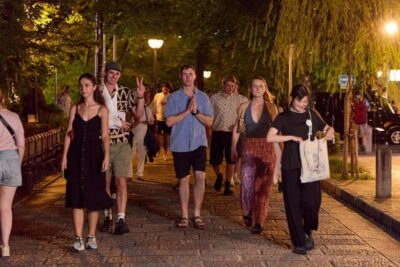
Gion Geisha District Walking Tour – Stories of Geisha
Read our review →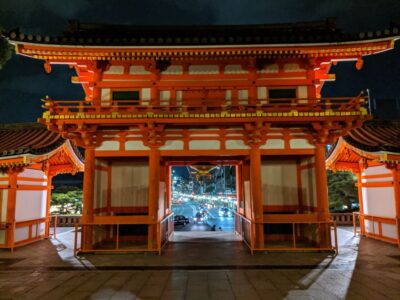
Best of Kyoto: Gion, Geisha, Pagodas & Cobblestones
Read our review →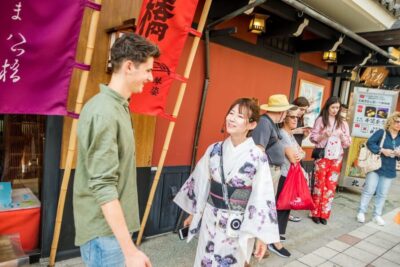
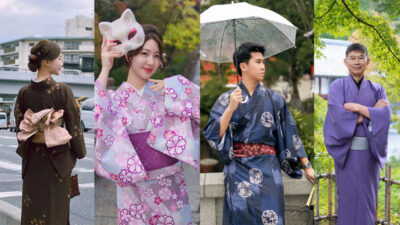
Kyoto Kimono Rental Experience (Optional Exquisite Hair Styling/Japanese Makeup/Photography) (Ookini Kiyomizu-dera Main Store)
Read our review →Browse the lists this tour appears in