
Reviewed · TEMPLES AND SHRINES
Kyoto: Zen Meditation and Garden Tour at a Temple with Lunch
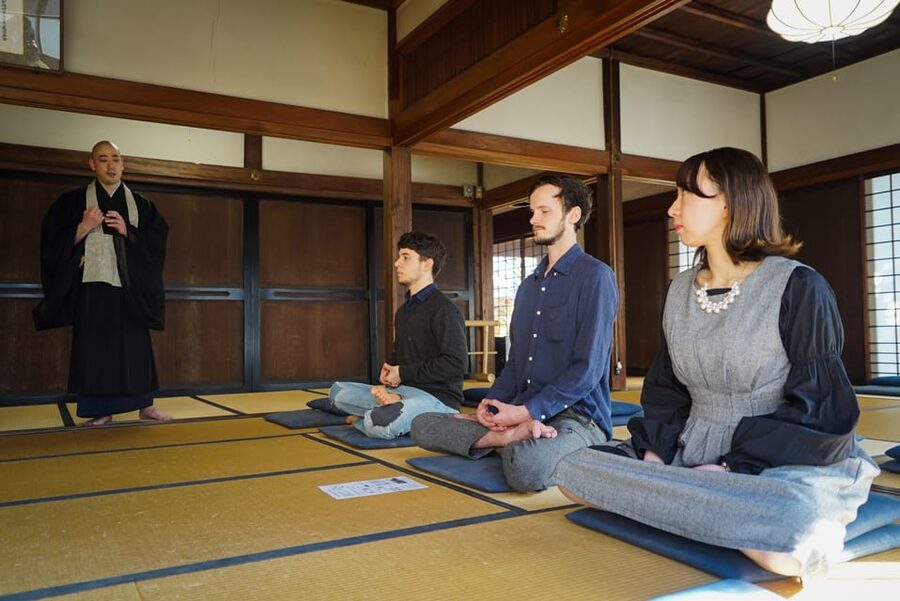
Quiet teaches plenty. This Kyoto experience pairs a Zen garden visit with a one-hour zazen session at Tofukuji, followed by a traditional Buddhist lunch. I especially like the small group limit of seven and the chance to discuss the meditation with a monk afterward. The main drawback is that the meditation may take place with a larger shared group, and the monk may not speak English.
You begin at Tofukuji Station and spend four and a half hours moving through temple grounds, garden paths, and a peaceful neighborhood near one of Kyoto’s major Zen centers. Guides such as Yutaka, Eri, Louis, and Tammy have earned praise for clear explanations, warm personalities, and helpful Kyoto tips. Bring patience, thick socks in winter, and enough food if you choose the 10:45 start.
In This Review
- Key points to know before booking
- Why this Kyoto Zen tour feels different
- Meeting at Tofukuji Station
- Kōmyō-in garden: learning how to look
- Tofukuji’s great gate and temple details
- Shōrin-ji and the one-hour zazen session
- The conversation after meditation
- Shojin Ryori lunch near the temple
- Is $107 a fair price?
- Who will enjoy this experience most?
- Practical booking advice
- Should you book the Tofukuji Zen experience?
- FAQ
- Where does the Kyoto Zen meditation tour meet?
- How do I reach Tofukuji Station from Kyoto Station?
- How do I reach Tofukuji Station from Shijo Keihan?
- How long does the experience last?
- What language is the tour conducted in?
- How large is the tour group?
- What food is served at lunch?
- Can someone with gluten intolerance join?
- What happens if I arrive late?
Key points to know before booking
- A rare one-hour zazen session: You learn posture, breathing, and basic Zen ideas in a temple devoted to meditation practice.
- Kōmyō-in’s garden comes first: The tour explains how to look at a Zen garden before asking you to sit quietly.
- Tofukuji offers more than meditation: You see the San-mon gate, dragon ceiling paintings, and an old temple toilet.
- Lunch is traditional Shojin Ryori: Expect vegetables, mushrooms, seaweed, fish-based dashi, and a little dairy rather than a strictly vegan meal.
- The group is usually small: The advertised limit is seven, though the meditation room may include other participants.
- Timing matters: The meeting point is outside Tofukuji Station Exit 2, beside Family Mart. Late arrivals cannot join or receive a refund.
Why this Kyoto Zen tour feels different
Kyoto has no shortage of temples, gardens, and guided walks. What makes this outing useful is its order. You do not simply enter a temple, take photographs, and move on. You first look at a Zen garden, then hear basic ideas about Zen, then try zazen, and finally talk over the experience during lunch.
That sequence gives the morning or afternoon a clear purpose. The garden helps you slow down before meditation. The meditation gives the temple visit a personal focus. Lunch gives you time to ask questions and think about what you have just done.
I also like the balance between famous sights and quieter corners. Tofukuji is a major name in Kyoto, but Kōmyō-in and Shōrin-ji offer a more intimate setting than the city’s busiest temple stops. You see impressive architecture, but the heart of the tour is sitting still in a simple room.
The experience lasts 270 minutes, or four and a half hours. That is long enough to feel substantial without taking your entire day. You should still expect walking between locations and time spent sitting on temple floors.
More Temples and Shrines in Kyoto
- [Kyoto & Nara Day Tour] Sagano Scenic Railway & Nara Park & Fushimi Inari Taisha Thousand Torii Gates & Togetsukyo Bridge & Bamboo Grove & Kimono Forest (Departing from Osaka)
★ 4.9 · 10,942 reviews - Kyoto: Fushimi Inari, Kinkakuji, Bamboo Grove 1 Day Bus Tour
★ 4.8 · 4,316 reviews - Kyoto: Tea Ceremony in a Traditional Tea House in Kiyomizu
★ 4.9 · 3,519 reviews
Meeting at Tofukuji Station
Your day begins outside Tofukuji Station Exit 2, next to the Family Mart. This detail matters because Tofukuji Temple itself is not the meeting point.
From Kyoto Station, take the JR line. Both rapid and local trains are permitted. From Shijo Keihan, use the Keihan line, but avoid express trains. Sub-express, semi-express, and local services are the correct choices.
Give yourself extra time to find the exit. One participant who arrived by taxi was dropped at the temple instead of the station and had to hurry back to the meeting point. A taxi driver may understand Tofukuji Temple more readily than Tofukuji Station, so showing the exact meeting instructions can save you a stressful start.
The tour begins on time. If you miss the group, you cannot join later, change the booking, or claim a refund. That rule may feel strict, but it matters here because the group moves through several temple sites and the meditation session has a fixed start.
Kōmyō-in garden: learning how to look
The first major stop is Kōmyō-in, where you spend about 40 minutes. This garden is not treated as a quick photo stop. Your guide introduces the basic ideas behind Zen gardens and helps you notice how the space uses rocks, gravel, plants, and empty areas.
That introduction is valuable if Zen gardens have always looked beautiful but slightly mysterious to you. The guide gives you a way to pay attention without turning the visit into a lecture on obscure terms.
The quiet setting also prepares you for the next part of the day. You are asked to slow your pace and observe before you are asked to sit and control your breathing. I like that progression. It makes the meditation feel connected to the place rather than added as a separate activity.
Kōmyō-in is also a good reason to choose this tour if you have already seen Kyoto’s headline temples. The focus is less on checking off another building and more on understanding why a Zen garden is arranged as it is. Keep your expectations measured, though. This is a guided introduction, not an advanced study of Japanese garden design or Buddhist philosophy.
Tofukuji’s great gate and temple details
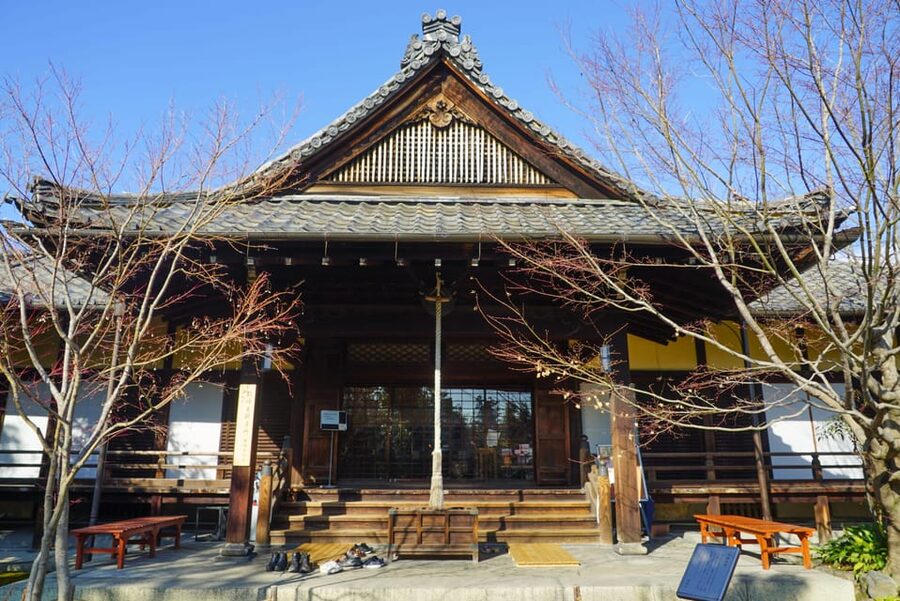
The route then includes about 10 minutes at Tofukuji Temple. The short listed visit does not mean the temple is unimportant. Tofukuji is one of Kyoto’s five major Zen temples and has served as a place for monks to live and practice since the 13th century.
You have the chance to see the San-mon gate, an imposing piece of temple architecture, along with dragon paintings on a ceiling. The route also points out the oldest surviving toji, or temple toilet. That last detail is unusual, practical, and easy to remember. Japanese temple history is not only about grand halls and sacred art. Daily monastic life needed ordinary spaces too.
The Tofukuji stop works as a bridge between the garden and the zazen session. You get a sense of the wider temple complex before moving to the smaller building used for meditation.
Because the schedule gives this stop only a short period, do not expect a full tour of every hall. The value comes from seeing key features and understanding Tofukuji’s role in Kyoto’s Zen tradition. If you want a long, independent visit to the entire complex, plan another visit on a separate day.
A completely different kind of day out:
- PERFECT KYOTO 1-Day Bus Tour
★ 5.0 · 13,518 reviews - Kyoto: Gion Make Your Own Chopsticks with Engraving Option
★ 5.0 · 3,465 reviews - Kyoto Nara Day Trip │ Kiyomizu-dera Temple + Fushimi Inari-taisha Shrine + Nara Park (Departing from Osaka/Kyoto)
★ 4.7 · 3,408 reviews - Kyoto Geisha Walking Tour: Gion District & Hidden Gems
★ 4.7 · 3,273 reviews
Shōrin-ji and the one-hour zazen session
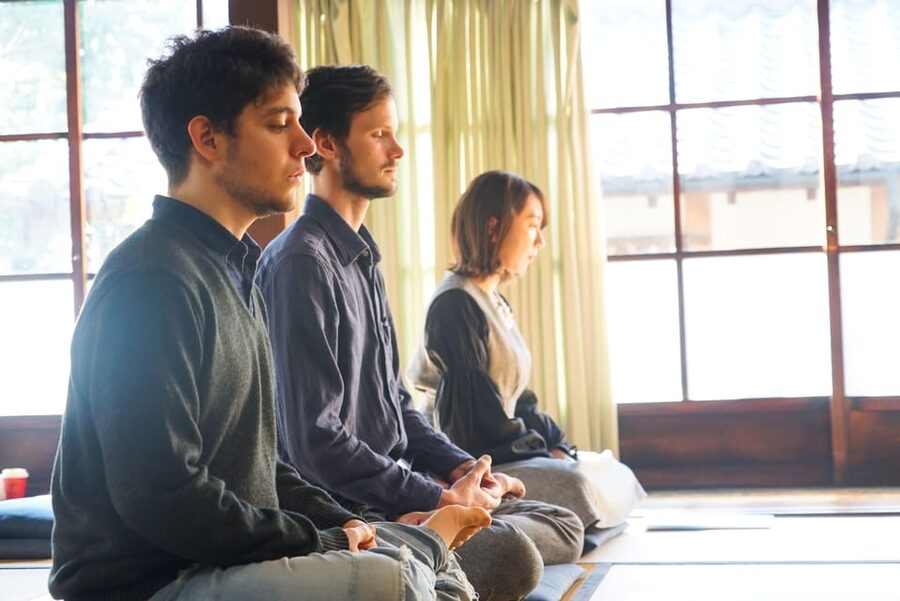
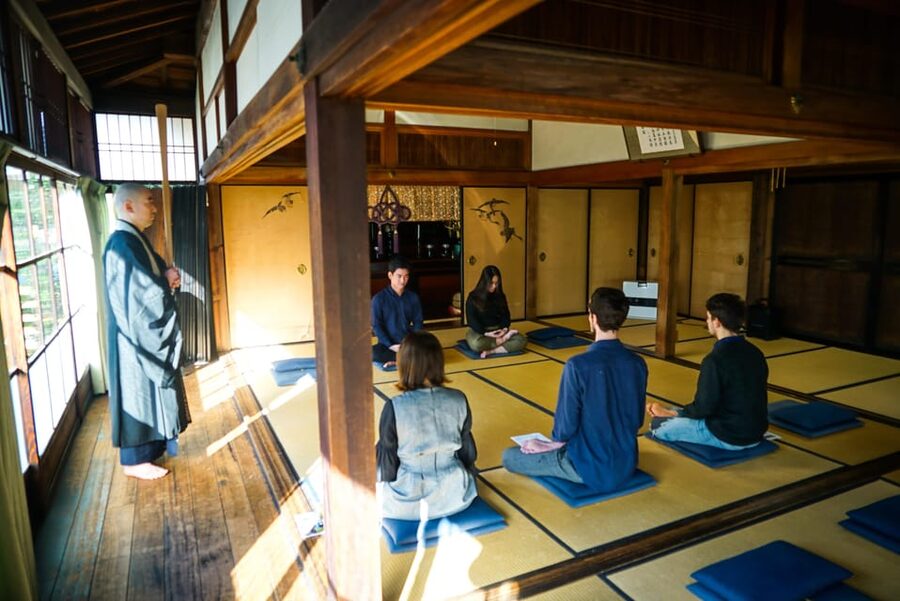
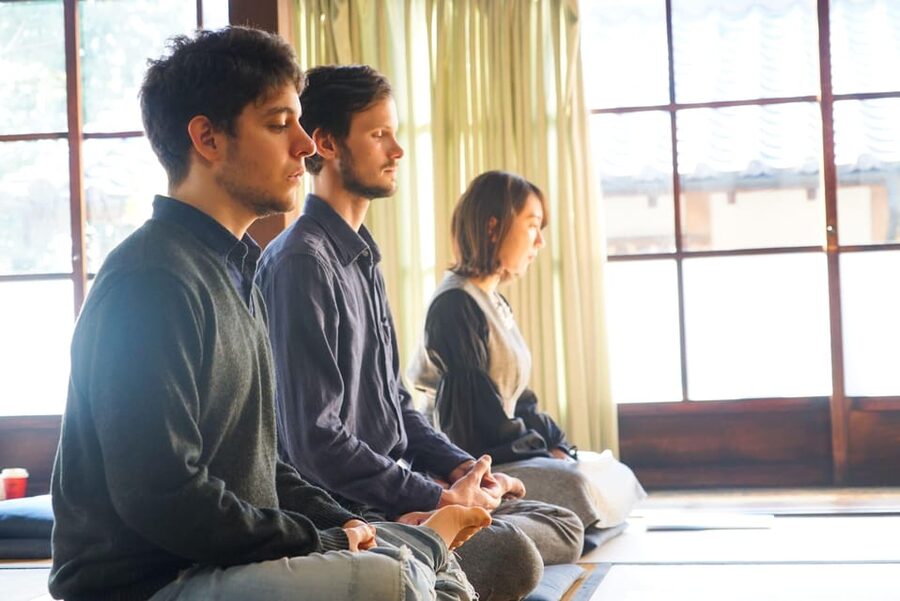
The central part of the experience takes place at Shōrin-ji, also called Bishamon-dō Temple. This stop lasts about 70 minutes and is devoted to zazen, seated Zen meditation.
Your guide explains the posture, breathing, method, and ideas before the session begins. You do not need to arrive with meditation experience. People who have practiced on their own for years can still find value in learning within a temple setting, while beginners receive clear instructions before being asked to sit quietly.
During zazen, the guide remains silent out of respect for everyone in the room. You receive written material that you can read quietly. This arrangement protects the calm of the session, but it also means you should not expect a running English explanation once meditation starts.
The monk may not speak English, so questions often pass through the guide or written material. That can feel less direct than a normal guided activity. Still, the chance to sit in a temple used for zazen and then discuss your thoughts with a monk gives the hour a sense of purpose that a hotel meditation class cannot match.
The biggest point to check is group size. The booking is limited to seven participants, but the meditation room may be shared with around 30 other people. One person found the large L-shaped room less satisfying than expected. If a private, silent session is your main goal, this possibility matters.
At the same time, the shared setting may help you understand that zazen is a living practice, not a staged performance for visitors. You sit with others, follow the same basic instructions, and allow the room to become quiet. Keep your expectations realistic and the hour can be meaningful.
Temple floors may be cold in winter. Thick socks are a simple but useful choice. In summer, Kyoto is hot and humid, so carry water and wear a hat for the walking portions.
The conversation after meditation
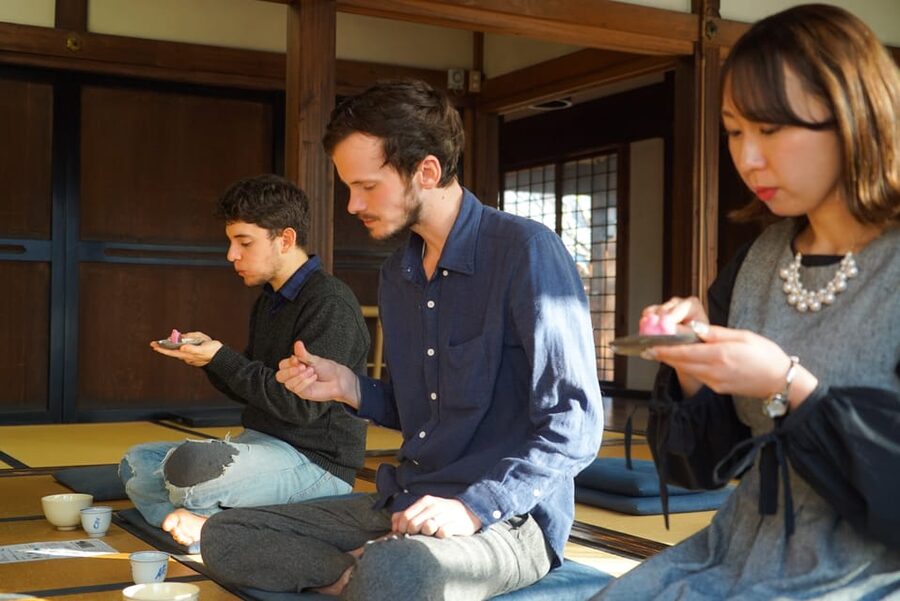
After zazen, the group has a short discussion with the monks. This is one of the tour’s strongest features because it gives you a chance to move from silent practice to questions and reflection.
Your guide can help translate questions and explain Buddhist ideas in plain English. Guides named in participant feedback include Yutaka, Eri, Louis, and Tammy. Yutaka receives repeated praise for his calm, funny, and patient manner, while Eri is noted for clear explanations, photography, and useful suggestions for the rest of a Kyoto visit.
That human element makes a difference. Zen terms can be hard to understand when they are presented only through signs or guidebooks. A good guide can explain how Japanese Buddhism relates to the temple, the garden, meditation, and everyday conduct without making the subject feel like a classroom assignment.
Photos are included during the tour. This is helpful if you want a few memories of the gardens and temple grounds without interrupting the experience to manage your own camera. During the silent session, though, the point is to put the phone away.
Shojin Ryori lunch near the temple
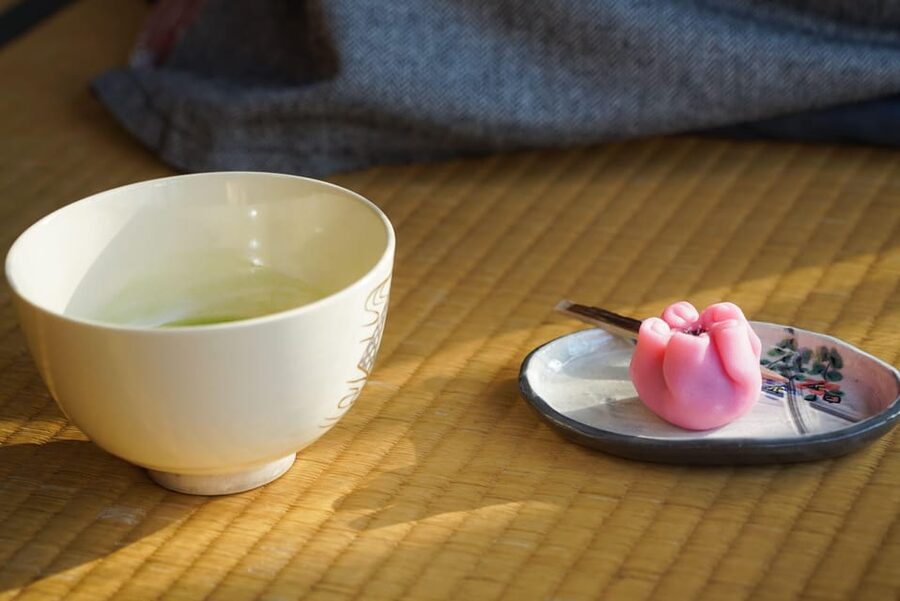
After meditation, you take a short walk to a local restaurant for lunch. The meal is Shojin Ryori, a Buddhist cooking tradition associated with monastic life in Japan since the 13th century.
The food centers on vegetables, mushrooms, and seaweed. You can expect several small dishes rather than one large plate. The meal is designed around simple ingredients and careful preparation, so it offers a useful look at temple food as part of religious practice.
The meal is described as vegetarian, but it is not fully vegan. Fish-based dashi is included, and a little dairy may be used. People with gluten intolerance should not book this activity. If you follow another diet, ask for clarification before paying, since the supplied details only specifically rule out gluten intolerance and identify fish broth and dairy.
Lunch is served after meditation, and the timing is important. For the 10:45 departure, lunch is scheduled at about 14:15. Eat a proper breakfast or early snack before you meet the group. Waiting that long can be uncomfortable if you start the day with only coffee.
The lunch adds real value to the price because it is not just a convenient meal tacked onto a temple visit. You eat food connected to the same religious tradition you have been learning about. The restaurant is also next to a temple that once housed as many as 1,200 monks in training, giving the meal a wider setting and context.
Is $107 a fair price?
At $107 per person, this is not a budget temple walk. It becomes a fair deal if you value structure, interpretation, meditation instruction, admission fees, lunch, and a small group in one package.
You are paying for four and a half hours, temple and garden entry, an English-speaking guide, the zazen session, a traditional lunch, and photographs. You also avoid having to work out which temple permits meditation, how to behave during the session, or how to connect the stops by yourself.
The value is strongest for first-time visitors to Zen practice and for people who want cultural context rather than quick sightseeing. It is weaker if you mainly want to wander freely, take photographs, or visit many major Kyoto attractions in one day.
The small group limit is a clear advantage, but remember the shared meditation room. The walking and temple access are part of the price, yet the most meaningful benefit is the guide’s interpretation and the chance to ask questions afterward.
Who will enjoy this experience most?
I would choose this tour if you have a real interest in Buddhism, Japanese culture, meditation, or traditional food. It also suits you if you want a quieter half-day away from Kyoto’s busiest sightseeing routes.
It is a good choice for beginners because the guide explains the basics before zazen. It can also suit experienced meditators who want to practice in a temple and compare personal habits with formal instruction.
The activity is not suitable for children under 12. Young children would likely find the long quiet session difficult, and the silent rules are firm.
You should also think about sitting on a temple floor for an hour. The information does not promise chairs or special seating, so anyone concerned about posture should ask before booking. The tour is conducted in English, and private conversation is not allowed during zazen.
Practical booking advice
Choose the start time with lunch in mind. The 10:45 option puts the meal at 14:15, so have breakfast or brunch first.
Wear comfortable clothes that allow you to sit, and bring water in warm weather. Thick socks are wise in winter. Arrive early at Exit 2 rather than trying to catch the group at the temple.
Cancellation and date changes are free until 24 hours before the start time, subject to availability. You can also reserve now and pay later, which helps if your Kyoto schedule is still shifting. The important part is not to rely on flexibility after the 24-hour cutoff.
The overall rating is 4.9 from 86 ratings, and the repeated praise centers on the guide’s warmth, temple explanations, meditation session, and lunch. The most useful caution is also repeated clearly: the monk may not speak English, and the meditation room may be larger than the advertised tour group.
Should you book the Tofukuji Zen experience?
Book it if you want a thoughtful introduction to Zen that connects garden design, temple history, seated meditation, and Buddhist food. The guide-led structure, the quiet temple setting, and the post-meditation conversation make this more meaningful than a standard temple photo stop.
Skip it if you want a private meditation room, a fully vegan meal, a late lunch, or complete freedom to set your own pace. Also skip it if sitting quietly for an hour sounds like a chore.
For the right person, $107 buys a focused and well-organized half-day in southern Kyoto. Start with a full breakfast, find the station meeting point early, and approach the session with patience. Zen does not promise instant calm, but this tour gives you a fair chance to understand how the practice begins.
FAQ
Where does the Kyoto Zen meditation tour meet?
The meeting point is outside Tofukuji Station Exit 2, next to the Family Mart.
How do I reach Tofukuji Station from Kyoto Station?
Use the JR line. Both rapid and local trains can be used.
How do I reach Tofukuji Station from Shijo Keihan?
Use the Keihan line and choose a sub-express, semi-express, or local train. Do not use an express train.
How long does the experience last?
The tour lasts 270 minutes, or four and a half hours.
What language is the tour conducted in?
The live tour guide speaks English.
How large is the tour group?
The tour is limited to seven participants, although the meditation session may take place in a shared room with other people.
What food is served at lunch?
Lunch is Shojin Ryori, a traditional Buddhist meal based on vegetables, mushrooms, and seaweed. Fish-based dashi and a little dairy are included.
Can someone with gluten intolerance join?
No. The activity is not suitable for people with gluten intolerance.
What happens if I arrive late?
You may not join the tour if you miss the group, and you will not receive a refund or rescheduling option for that missed departure.
More Lunch Experiences in Kyoto
- Bike Tour Exploring North Kyoto plus Lunch
★ 5.0 · 1,087 reviews - Osaka/Kyoto: Arashiyama, Nara & Fushimi Inari Shrine w/Lunch
★ 4.4 · 754 reviews - Kyoto Zen Meditation & Garden Tour at a Zen Temple with Lunch
★ 5.0 · 441 reviews - 4.5-Hour Kyoto Bike Tour with Lunch and UNESCO Zen Temples
★ 5.0 · 122 reviews
Just added in Kyoto
- The “Golden Route” and Ancient Japan by DIAMIR Erlebnisreisen – 14-Day Tour★ 2.0 · 2 reviews
- Japan: Castles & Cuisine by G Adventures – 6-Day Kyoto to Osaka Tour★ 4.5 · 4 reviews
- Cycle Japan by Explore! – 13-Day Kyoto to Tokyo Tour★ 4.7 · 12 reviews
- Cycle Japan by Intrepid Travel – 11-Day Kyoto to Tokyo Tour★ 4.8 · 2 reviews
- Classic Japan by Intrepid Travel – 11-Day Kyoto to Tokyo Tour★ 4.4 · 14 reviews
- Ancient & Modern Japan 14-Day Tour by Exodus Adventure Travels★ 4.4 · 40 reviews
- 5 Day Cultural Adventure of Kyoto, Nara & Osaka by Tourist Journey★ 2.5 · 2 reviews
- 12 Days Kinosaki Onsen Escape: A Journey Through Japan’s Timeless Towns by UME Travel★ 4.8 · 5 reviews
Temples and Shrines, compared.
![[Kyoto & Nara Day Tour] Sagano Scenic Railway & Nara Park & Fushimi Inari Taisha Thousand Torii Gates & Togetsukyo Bridge & Bamboo Grove & Kimono Forest (Departing from Osaka)](https://media.japanvisits.com/wp-content/uploads/kyoto-nara-day-tour-sagano-scenic-railway-nara-park-fushimi-inari-taisha-thousand-torii-gates-togetsukyo-bridge-bamboo-grove-kimono-forest-departing-from-osaka-k110001-400x257.jpg)
Kyushu One-Day Tour: Yufuin no Mori Train & Yufuin Town & Nyoirin-ji Temple & Dazaifu & Hell Hot Springs (Departing from Fukuoka)
Read our review →
Fushimi Inari, Kinkakuji, Bamboo Grove 1 Day Bus Tour
Read our review →
Tea Ceremony in a Traditional Tea House in Kiyomizu
Read our review →
Kyoto Nara Day Trip │ Kiyomizu-dera Temple + Fushimi Inari-taisha Shrine + Nara Park (Departing from Osaka/Kyoto)
Read our review →
Browse the lists this tour appears in