
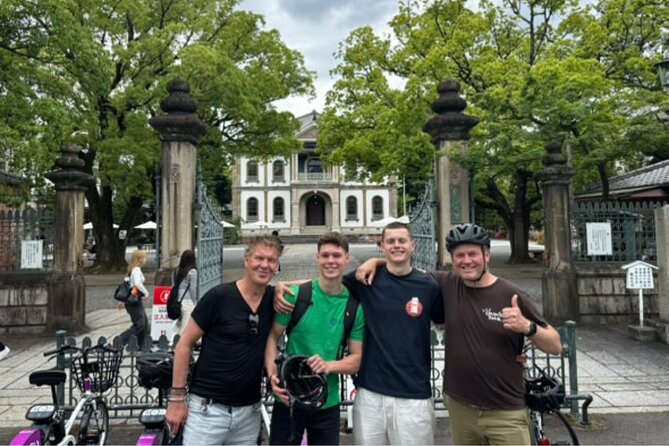
Reviewed · CYCLING AND E-BIKE TOURS
No. 1 E-Bike Tour for Up to 5 Guests in Kyoto with a Local!
Kyoto is easier on two wheels. This four-hour e-bike tour gives you a relaxed way to connect several major sights, from Nishi Honganji and Gion Shirakawa to Heian Shrine, Nanzenji Temple, and the Kamo River. I like the small maximum of five people and the chance to hear local stories while moving through ordinary Kyoto streets, not just famous temple grounds. I also like the mix of history, water, and neighborhood riding. The main drawback is timing: a 1 p.m. start and a four-hour ride can feel warm, especially when you stop near the canal or walk around temple areas.
The tour costs $99.08 per person, which is fair if you want an active overview of eastern and central Kyoto without arranging bikes yourself. You should be comfortable riding in city traffic, following hand signals, and staying with a group. Children under 10 can join only if they are at least 140 centimeters tall and can ride a bicycle, and they pay the adult price.
In This Review
- What makes this Kyoto bike tour worth considering
- Why an e-bike is a smart way to see Kyoto
- Starting at the Clew bicycle port
- Nishi Honganji and the old Nintendo headquarters
- Gion Shirakawa in a slower gear
- The Lake Biwa Canal route near Nanzenji
- Heian Shrine and the Nanzenji Temple grounds
- Cooling your feet at the Kamo River
- What the price includes, and where the value lies
- Who should book this ride
- FAQ
- How long does the Kyoto e-bike tour last?
- How many people can join the tour?
- What is included in the price?
- Where does the tour start?
- Can children join the tour?
- What happens if the weather is poor?
- Can I cancel for a full refund?
- Should you book the Kyoto e-bike tour?
What makes this Kyoto bike tour worth considering
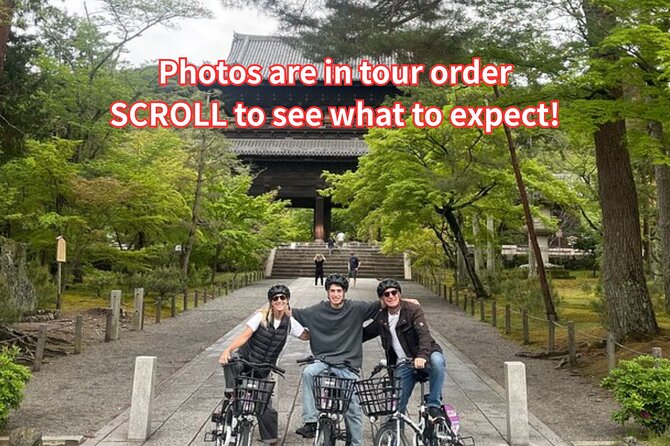
- A five-person limit keeps the ride personal: You can hear the guide without chasing a large group through Kyoto streets.
- The route links several different sides of Kyoto: You pass temple architecture, former industrial history, traditional Gion streets, a major shrine, a canal, and the Kamo River.
- Yuki has a warm, memorable touch: One happy rider called the guide Suki, and Yuki good-naturedly corrected the name in the response. That small exchange suggests a friendly tone rather than a stiff, scripted tour.
- The Lake Biwa Canal gets real time on the route: Two canal-related stops provide about 70 minutes for riding and looking around.
- The finish is pleasantly low-key: You return the e-bike, then have the option to continue exploring Kyoto independently.
- Weather matters: The tour requires good conditions, so a rainy forecast can lead to a date change or full refund.
Why an e-bike is a smart way to see Kyoto
Kyoto’s famous sights are spread across a wide area. Walking between Nishi Honganji, Gion, Heian Shrine, and Nanzenji would take much of a day, while public transport can leave you transferring between buses and trains. An e-bike gives you a practical middle ground. You cover distance without turning the day into an athletic event.
The route is not just a string of photo stops. You ride through local streets, along waterways, and past places connected to the city’s past. That matters in Kyoto, where a quiet street can tell you as much about daily life as a major temple gate.
The small group is another real advantage. With no more than five participants, the guide can give instructions clearly and keep the pace manageable. You still need to pay attention to traffic and hand signals, but the experience should feel more controlled than a large cycling procession.
The tour lasts about four hours and begins at 1 p.m. That schedule works well if you want a slower morning, though it is less useful for anyone hoping to photograph every stop in soft morning light. The afternoon also places the ride during a warmer part of the day in many seasons.
More Bike Tours in Kyoto
- Bike Tour Exploring North Kyoto plus Lunch
★ 5.0 · 1,087 reviews - Arashiyama Bamboo Forest & Hidden Gems Bike Tour (Early Bird)
★ 5.0 · 613 reviews - 5 Top Highlights of Kyoto Full Day Bike Tour (E-bike option)
★ 5.0 · 511 reviews
Starting at the Clew bicycle port
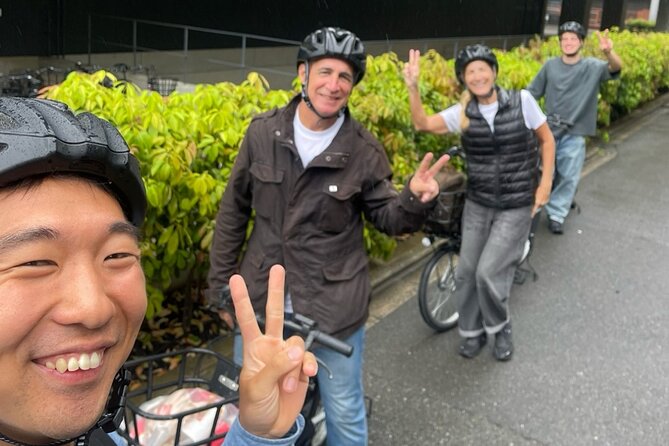
The meeting information includes Times Car Rental at 682 Higashishiokōjichō, while the first stop identifies a Clew share-cycle port at 570 Higashishiokōjichō, in front of Seikouin Wagatazizou and behind a hotel. Because two nearby location descriptions appear in the meeting details, check the guide’s Viator message before you leave.
The opening 15 minutes are used for a safety briefing. You learn cycling hand signals and get familiar with the bike before setting off. This is a useful part of the experience, not wasted time. If you have not ridden in Kyoto before, you need to know how the group communicates before entering city streets.
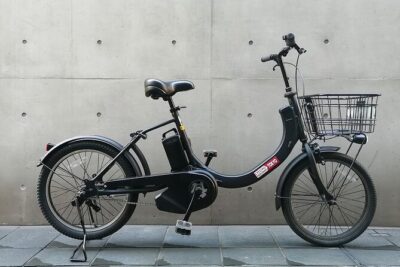
A bicycle and helmet are included. The tour description specifies an Incom installed cycling helmet, along with bike rental and a cycling guide. The information does not say whether helmets come in different sizes, so contact the operator ahead of time if fit is important for you or a child.
Nishi Honganji and the old Nintendo headquarters
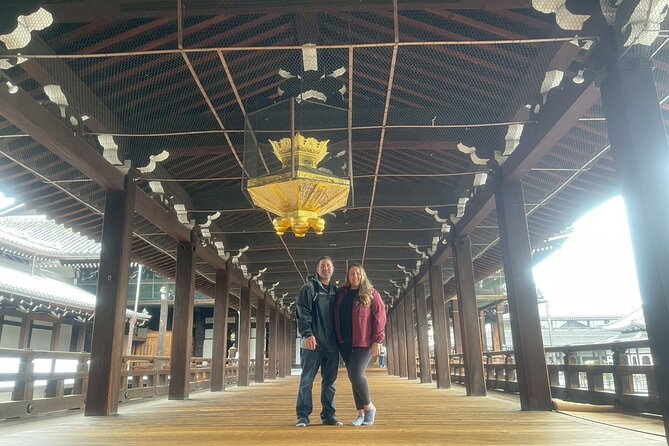
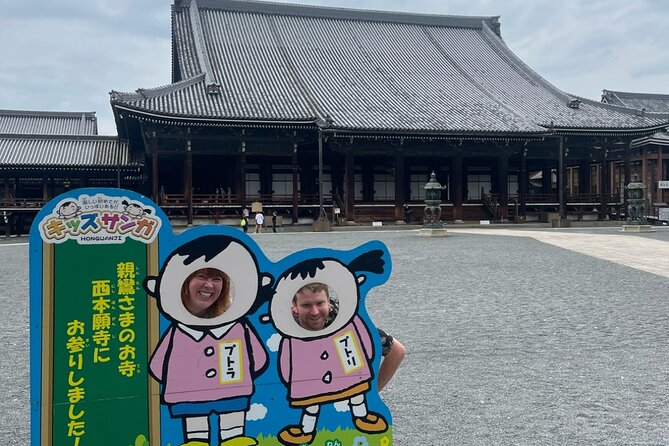
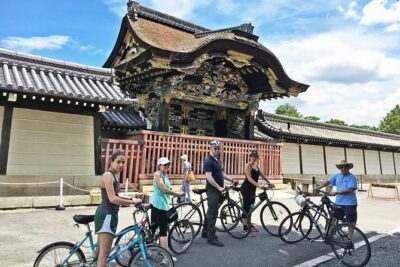
The first sightseeing stop is Nishi Honganji, a major temple of the Jodo Shinshu Hongwanji-ha sect. You have about 30 minutes here, enough for a focused look at the grounds and historic buildings without trying to turn the visit into a full temple study.
Nishi Honganji is also a UNESCO World Heritage site, and its scale helps you understand the importance of Buddhist institutions in Kyoto. The guide can add context while you look, which is especially useful if this is your first temple visit in Japan. The stop is free, as are the other listed stops.
After the temple, the ride moves through Kagiyacho, a local part of Kyoto. The unusual feature here is the former Nintendo headquarters. The building catches attention because of its size and appearance, but the greater value is the change of pace. You are not only moving between postcard sights. You are seeing a piece of modern commercial history in an ordinary city setting.
This stop lasts about 20 minutes. Do not expect a museum visit or a long presentation about the company. It is better understood as a quick look at a notable building while passing through a neighborhood.
Gion Shirakawa in a slower gear
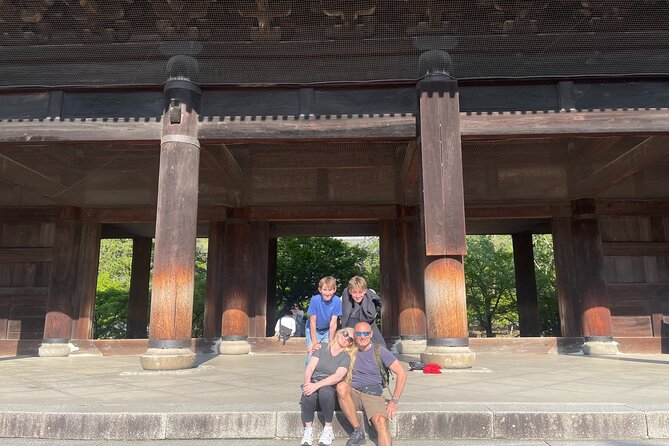
Gion receives about 30 minutes. The route takes you toward Gion Shirakawa, known for its old buildings, tea-house tradition, river setting, and seasonal plants. This is one of the places where riding slowly matters. The pleasure comes from the atmosphere and details rather than from checking off a single monument.
Gion can be crowded, and a bicycle is not a magic pass through busy streets. You may need to walk the bike or move at a very gentle pace. Treat this as a scenic neighborhood stop, not a fast cycling section.
The guide’s local stories can help explain how the area functioned as a chaya-machi, a traditional tea-house district. You get a better sense of why Kyoto protects certain streets and building styles when you see them beside the river rather than only in a photograph.
For many people, this will be one of the most appealing parts of the ride. It combines classic Kyoto scenery with a manageable amount of time. If you want extensive time for shopping, food, or private photography, though, you will need to return to Gion later.
A completely different kind of day out:
- PERFECT KYOTO 1-Day Bus Tour
★ 5.0 · 13,518 reviews - [Kyoto & Nara Day Tour] Sagano Scenic Railway & Nara Park & Fushimi Inari Taisha Thousand Torii Gates & Togetsukyo Bridge & Bamboo Grove & Kimono Forest (Departing from Osaka)
★ 4.9 · 10,942 reviews - Kyoto: Fushimi Inari, Kinkakuji, Bamboo Grove 1 Day Bus Tour
★ 4.8 · 4,316 reviews - Kyoto: Tea Ceremony in a Traditional Tea House in Kiyomizu
★ 4.9 · 3,519 reviews
The Lake Biwa Canal route near Nanzenji
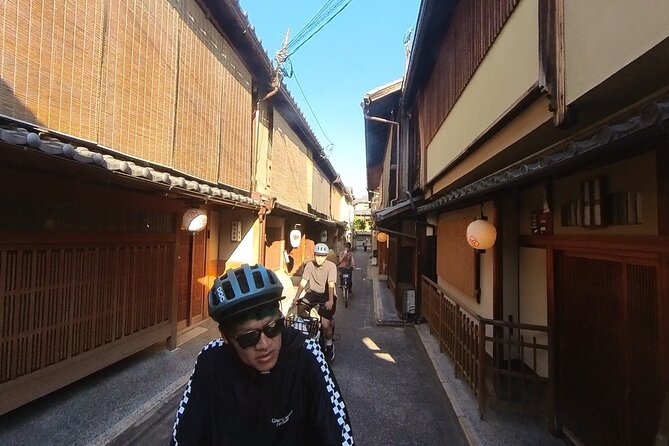
The tour then heads toward the Lake Biwa Canal, with two stops around Nanzenji. One lasts about 20 minutes, and the other about 50 minutes. Together, they give the waterway more attention than a quick pass-by.
The canal links Kyoto with Lake Biwa and helped supply water to the city. Its engineering also had to handle the change in elevation between the two areas. You do not need to be an engineering enthusiast to appreciate the setting. The water creates a calmer corridor after the city streets, and the route gives you time to look rather than simply pedal past.
The longer 50-minute stop is especially useful because it leaves room for a more relaxed visit. Exact activities can depend on the guide and the pace of the group, but the published route places real emphasis on the canal and its role in Kyoto’s development.
Nanzenji is nearby, so this section works as a transition between civic history and religious architecture. The route does not promise a detailed canal museum visit or an extended technical explanation. If that is what you want, you would need a separate visit. For most people, the combination of scenery and context should be enough.
Heian Shrine and the Nanzenji Temple grounds
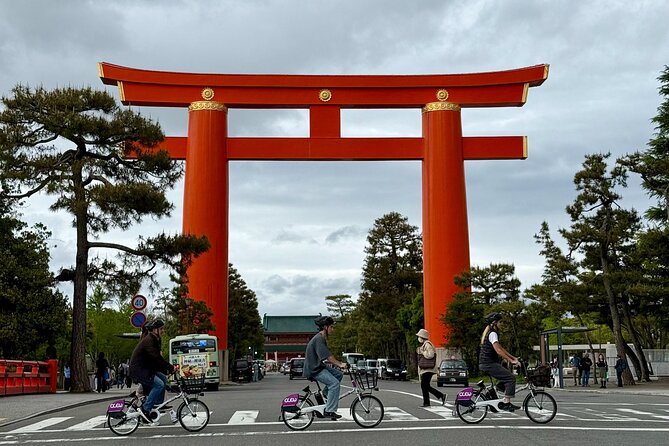
Heian Shrine is included between the canal stops and Nanzenji Temple. Its huge red torii is one of the easiest markers to recognize in Kyoto, and the shrine was created to commemorate 1,100 years since the capital moved to Heian-kyo. Emperor Kanmu, the 50th emperor, is enshrined there.
The itinerary does not give a separate time estimate for Heian Shrine, so you should not assume a long independent visit. The stop is best treated as a guided look at an important site, with additional time available on another day if you want to explore more fully.
Nanzenji Temple receives about 20 minutes. The temple is regarded as especially important among Kyoto’s Five Mountains, and its main gate and major buildings make a strong impression even during a short visit. The grounds also include a beautiful setting that connects naturally with the nearby canal.
Twenty minutes is enough for orientation and photographs, but not enough for a careful examination of every building or garden. That is a recurring feature of this tour. You see many important places in one afternoon, then choose which ones deserve a longer return visit.
Cooling your feet at the Kamo River
The Kamo River is the final scenic stop, with about 10 minutes set aside. The plan is simple: relax along the river, ride beside the bank, or put your feet in the water to cool down.
That short pause gives the tour a pleasant ending. After several temples, streets, and historical explanations, the river offers room to breathe. It also reminds you that Kyoto is not only about buildings. Waterways and open banks are part of the city’s daily rhythm.
Ten minutes is brief, so keep your expectations modest. You are getting a refreshing pause, not a long riverside break. On a hot afternoon, the stop may feel too short, but it is still a welcome change from riding and sightseeing.
What the price includes, and where the value lies
At $99.08 per person, this is not the cheapest way to rent a bicycle in Kyoto. You are paying for more than the bike, though. The price covers the e-bike, helmet, guide, route planning, safety briefing, and local interpretation during four hours.
I see the strongest value in the number of areas covered. A self-guided cyclist could visit some of these places, but planning the route, finding the right streets, and understanding the canal or temple connections would take time. The guide also removes the need to manage navigation while you are trying to enjoy the city.
The value is weaker if you already know Kyoto well, own a bicycle, or prefer spending an hour or more at each temple. This is an overview with stories and movement, not a deep visit to any one attraction.
The tour has a five-person maximum and a 5.0 rating from 46 reviews, with 100 percent recommended. One particularly enthusiastic rider said the tour covered most of the sights on their list and praised Yuki as one of the best guides they had encountered. Yuki’s playful correction of the name Suki adds a human detail: the guide seems comfortable keeping the mood light.
Who should book this ride
I would recommend this tour to first-time Kyoto visitors who want orientation and variety. It suits couples, families with capable young riders, and small groups of friends who would rather move than spend four hours waiting for buses.
It is also a good choice if you want a local side of Kyoto mixed with headline sights. The route includes famous places, but it also passes through Kagiyacho and gives attention to the canal and river.
You should think twice if you dislike cycling near city traffic, cannot ride for several hours, or want a slow, highly detailed temple tour. The tour requires active participation. You will need to follow the guide, use cycling hand signals, and remain comfortable on an e-bike.
Language may also matter. Some guides can speak German, Dutch, Bangladeshi, Hindu, and Urdu, according to the tour information. If you have a language preference, contact the operator before booking rather than assuming it will be available on your date.
Free cancellation is available up to 24 hours before the 1 p.m. start. Changes or cancellations within 24 hours are not accepted for a refund. Since good weather is required, a cancellation by the operator because of poor conditions comes with the choice of another date or a full refund.
FAQ
How long does the Kyoto e-bike tour last?
The tour lasts approximately four hours, beginning at 1 p.m. and returning to the original meeting area.
How many people can join the tour?
The maximum group size is five participants.
What is included in the price?
The price includes the bicycle, bicycle use, an Incom installed cycling helmet, and a cycling guide.
Where does the tour start?
The meeting information gives Times Car Rental at 682 Higashishiokōjichō as the start point. The first stop also refers to a Clew share-cycle port at 570 Higashishiokōjichō, in front of Seikouin Wagatazizou and behind a hotel. Check the guide’s Viator message before the tour for the exact meeting instructions.
Can children join the tour?
Children under 10 can participate if they are at least 140 centimeters tall and can ride a bicycle. They are charged the same fee as adults.
What happens if the weather is poor?
The experience requires good weather. If the operator cancels because of poor conditions, you can choose another date or receive a full refund.
Can I cancel for a full refund?
Yes. You must cancel at least 24 hours before the local start time for a full refund. Cancellations or changes made less than 24 hours before the start are not accepted for a refund.
Should you book the Kyoto e-bike tour?
Book it if you want a friendly, active introduction to Kyoto and like the idea of seeing temples, Gion, the Biwa Canal, Heian Shrine, and the Kamo River in one afternoon. The five-person limit, included equipment, and guide-led route make the $99.08 price reasonable for visitors who value convenience and local context.
Skip it if your priority is lingering at each sight or avoiding bicycles entirely. For most first-time visitors with decent cycling ability, this is a smart way to cover ground, hear useful stories, and leave room for deciding which parts of Kyoto deserve a longer visit.
Just added in Kyoto
- The “Golden Route” and Ancient Japan by DIAMIR Erlebnisreisen – 14-Day Tour★ 2.0 · 2 reviews
- Japan: Castles & Cuisine by G Adventures – 6-Day Kyoto to Osaka Tour★ 4.5 · 4 reviews
- Cycle Japan by Explore! – 13-Day Kyoto to Tokyo Tour★ 4.7 · 12 reviews
- Cycle Japan by Intrepid Travel – 11-Day Kyoto to Tokyo Tour★ 4.8 · 2 reviews
- Classic Japan by Intrepid Travel – 11-Day Kyoto to Tokyo Tour★ 4.4 · 14 reviews
- Ancient & Modern Japan 14-Day Tour by Exodus Adventure Travels★ 4.4 · 40 reviews
- 5 Day Cultural Adventure of Kyoto, Nara & Osaka by Tourist Journey★ 2.5 · 2 reviews
- 12 Days Kinosaki Onsen Escape: A Journey Through Japan’s Timeless Towns by UME Travel★ 4.8 · 5 reviews
Cycling and E-Bike Tours, compared.
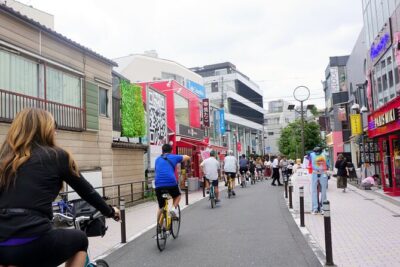

3h Tokyo E-Bike Tour: Hidden Gems, and Local Life with guide
Read our review →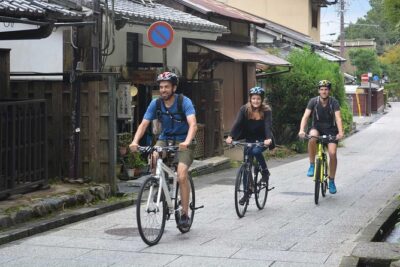
Arashiyama Bamboo Forest & Hidden Gems Bike Tour (Early Bird)
Read our review →
5 Top Highlights of Kyoto Full Day Bike Tour (E-bike option)
Read our review →

Hiroshima 2hr Peace Cycling Tour with Local Guide
Read our review →Browse the lists this tour appears in