
Reviewed · COOKING CLASSES
Okonomiyaki & Gyoza Cooking Class with Local Supermarket Visit
Come hungry, leave with recipes. This small-group Tokyo cooking class takes you into YUCa’s home in Nishiogu, where you learn to make two everyday Japanese favorites, okonomiyaki and gyoza, before sitting down to eat what you prepared. The local supermarket visit adds a useful look at Japanese ingredients beyond the usual tourist food stops.
I like the hands-on format, especially for families and first-time cooks. I also like the personal setting, where Yuca teaches in her own home and keeps the group to a maximum of seven people. The main consideration is the price, $121.89 per person, which is a fair amount for a 2.5-hour activity, but may feel high if your main goal is simply a meal.
In This Review
- Key Points to Know Before You Book
- Starting the Morning in Nishiogu
- A Short Lesson Before You Start Cooking
- Making Okonomiyaki, Tokyo’s Savory Pancake
- Folding Gyoza Without the Restaurant Pressure
- Eating the Lunch You Prepared
- The Optional Supermarket Visit at 12:30
- Why the Small Group Matters
- Is $121.89 a Good Value?
- Timing, Transport, and Cancellation Details
- Who Should Book This Cooking Class?
- Should You Book It?
- FAQ
- Where does the cooking class take place?
- What time does the experience begin?
- How long does the cooking class last?
- What dishes will I make?
- Is lunch included?
- Can I cancel for a full refund?
Key Points to Know Before You Book
- Cook two Japanese staples: You prepare okonomiyaki, a savory pancake with vegetables, pork, and egg noodles, plus pork and vegetable gyoza.
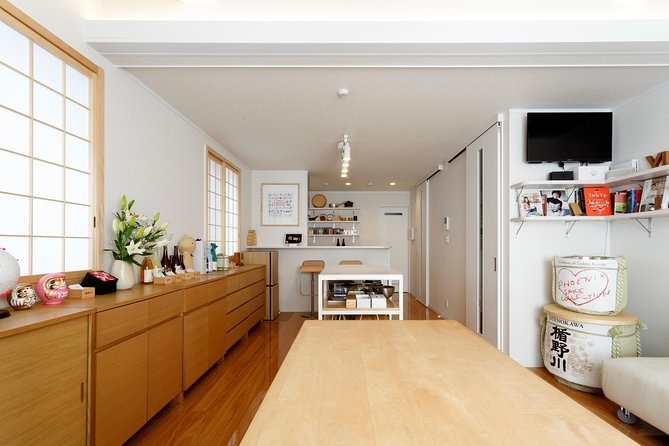
- Learn in a Tokyo home: The class takes place at YUCa’s Japanese Cooking in Nishiogu, a residential area of Arakawa City.
- Small groups keep it personal: The maximum group size is seven, so you should receive more direct help than in a large demonstration class.
- Lunch is part of the experience: You eat the dishes you make, so the activity covers both cooking and a satisfying midday meal.
- The supermarket visit is optional: From 12:30 to 1:00 p.m., you can continue with a short tour of a local supermarket.
- A taxi ride is included: The experience advertises a one-way taxi ride, though you should confirm exactly when and where that ride applies.
Starting the Morning in Nishiogu
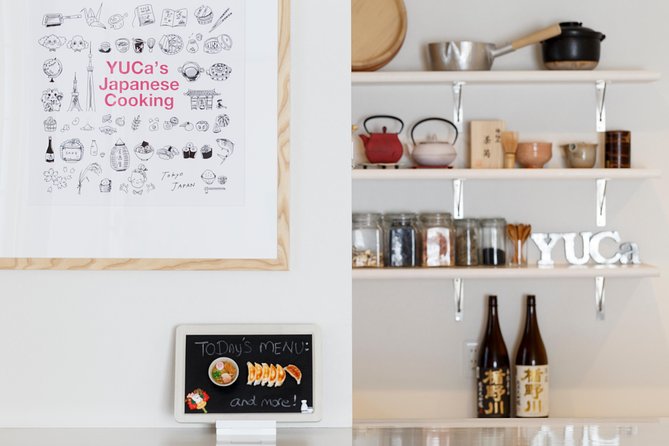
The class begins at 10:00 a.m., with the meeting window listed as 9:50 to 10:00. The address is 2-chōme-34-8 Nishiogu, Arakawa City, Tokyo 116-0011, at YUCa’s Japanese Cooking.
This is not a class in a famous central Tokyo shopping district. It takes place in a residential part of the city, and that is part of the appeal. You get a look at ordinary Tokyo life rather than spending the whole morning among department stores, neon signs, and restaurant queues.
The meeting point is near public transportation, but the supplied details do not specify the nearest station or the exact walking route. I would allow extra time and use the full address in your map app. Tokyo addresses can be confusing, especially in residential neighborhoods where small streets do not always follow a simple grid.
The experience ends back at the meeting point. Since a one-way taxi ride is included, check the booking details for the exact arrangement. The information provided does not say whether the taxi is for reaching the class or leaving it, so do not assume it covers both directions.
More Cooking Classes in Tokyo
- Sushi Making Tokyo Roll and Authentic Japanese Sushi Class
★ 5.0 · 3,971 reviews - Tokyo: Roll and Authentic Sushi Making Class in Asakusa
★ 4.9 · 1,957 reviews - Tokyo Shinjuku Chopsticks Making Class
★ 5.0 · 1,763 reviews
A Short Lesson Before You Start Cooking
From about 10:15 to 10:30, Yuca gives a talk about Japanese food culture and ingredients. This short introduction matters because the class is not only about copying a recipe. You also learn what the ingredients are used for and how they fit into ordinary Japanese cooking.
That background can make a big difference once you return home. A recipe may tell you to use a certain sauce, wrapper, seasoning, or vegetable, but a food culture lesson helps you understand why it belongs in the dish and what role it plays.
The class is conducted in English, according to the direct feedback provided. Yuca is praised for explaining the steps clearly and creating a comfortable atmosphere. That should help if you are new to Japanese cooking or feel unsure about folding dumplings in front of other people.
The short lecture also keeps the cooking portion moving. You are not spending an hour listening to a long talk before touching a knife or mixing bowl. By 10:30, the main practical work begins.
Making Okonomiyaki, Tokyo’s Savory Pancake
Okonomiyaki is often described as a Japanese pancake, but that comparison only gets you part of the way. It is savory, filling, and usually built from a mixture of vegetables, batter, pork, and other toppings. This class also includes egg noodles, giving the dish extra substance.
You should expect to take part in the preparation rather than simply watch Yuca cook. That hands-on approach is one of the strongest reasons to choose this experience. You learn how the mixture comes together, how the ingredients are handled, and how the finished pancake is cooked.
For you, the real value is practical. Okonomiyaki is the kind of dish that can be adjusted around what you have in your kitchen. After learning the basic method, you may be able to adapt the vegetables or fillings at home, instead of treating the recipe as something that requires a special trip to an Asian grocery store.
The dish also makes a good first course for a cooking class because it is social and forgiving. You are working with a mixture rather than trying to produce a perfect restaurant-style plate from the first attempt. The included pork and noodles make it a proper lunch, not a tiny tasting portion.
Folding Gyoza Without the Restaurant Pressure
Gyoza is the more technical part of the class. These dumplings use wrappers filled with minced pork and vegetables, and the folding can take a little practice. Your first few may look more like cheerful envelopes than restaurant dumplings. That is normal.
The class gives you a chance to learn the process at a manageable pace. Past participants have specifically praised the clear instruction and the fact that children could take part. One family brought a 10-year-old boy who enjoyed joining the cooking, and another family described the class as a warm, shared activity for parents and children.
That makes this a good choice if you want a food activity that includes the whole family. You do not need to be an experienced cook to take part. The point is not to compete with a professional chef. It is to learn a useful technique, enjoy the process, and eat the results.
Yuca’s teaching style receives especially strong praise. She is described as friendly, patient, and easy to understand, with very good English. The class is hands-on but approachable, which is a useful combination for beginners.
A completely different kind of day out:
- Tokyo Disney Resort – Tokyo Disneyland & Tokyo DisneySea Park Tickets
★ 4.8 · 99,488 reviews - SHIBUYA SKY Ticket
★ 4.7 · 46,509 reviews - JR Whole Japan Rail Pass
★ 4.8 · 29,150 reviews - Mt Fuji and Hakone 1-Day Bus Tour Return by Bullet Train
★ 5.0 · 26,383 reviews
Eating the Lunch You Prepared
Cooking runs from approximately 10:30 a.m. to 12:30 p.m., followed by tasting. The meal is built around the okonomiyaki and gyoza you have prepared, so lunch is not an extra expense or an afterthought.
I like this setup because it gives the class a clear reward at the end. You work with the ingredients, learn the methods, and then see how everything tastes. That final meal also gives you a chance to compare the two dishes. Okonomiyaki is hearty and substantial, while gyoza offers smaller bites with a different texture and folding technique.
The food is repeatedly described as delicious, but keep your expectations sensible. This is a home cooking class, not a formal restaurant meal with a long menu. Its value comes from preparing the food yourself and understanding how to repeat it later.
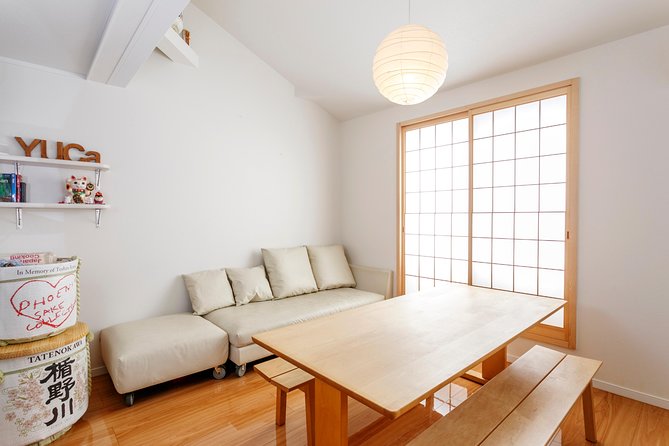
The class takes place in Yuca’s home or cooking studio, as described in the supplied details. That setting creates a more personal experience than a commercial cooking school, but it may not suit you if you prefer a polished classroom with professional equipment and a larger staff.
The Optional Supermarket Visit at 12:30
After lunch, you can join an optional supermarket tour from 12:30 to 1:00 p.m. This is a small feature, but it may be one of the most useful parts of the morning.
Japanese supermarkets can be confusing at first. Packaging is often hard to read, sauces come in many varieties, and familiar-looking ingredients may behave differently in a recipe. A guided walk helps connect the food you just prepared with the products you might see in an everyday Japanese shop.
You can use this time to ask about ingredients you noticed during class or products you may want to buy before leaving Tokyo. It is also a chance to see how ordinary food shopping differs from visiting a specialty market or a department-store food hall.
The tour is optional, so you are not forced to extend the activity if you are tired or have another plan. If you are interested in Japanese food, I would stay for it. If you have a train reservation or a packed afternoon, the main cooking session ends earlier.
Why the Small Group Matters
The maximum group size is seven people. That is small enough to keep the class personal while still allowing you to meet other people who are interested in Japanese food.
For a beginner, group size affects the whole experience. With seven or fewer participants, you have a better chance of receiving help with knife work, filling, mixing, or gyoza folding. You also avoid the problem of standing behind a crowd while trying to see a demonstration.
The class appears especially well suited to families, couples, and solo visitors who want a social activity without joining a huge group. Children have taken part successfully, but the supplied information does not give a formal minimum age. If you are booking with young children, confirm the age policy and any supervision expectations first.
The home setting can also make conversation easier. Yuca’s warm hosting style is one of the most praised elements of the experience. You are not just being moved from station to station. You are welcomed into a personal cooking space and shown a part of daily Japanese food culture.
Is $121.89 a Good Value?
At $121.89 per person, this is not a budget lunch. You are paying for more than the food. The price includes instruction, ingredients, a small group setting, the meal, the optional supermarket visit, and the advertised one-way taxi ride.
The value is strongest if you care about learning. You get two dishes rather than one, and both are practical recipes you can try again at home. The class also gives you cultural context and a local neighborhood setting, which are difficult to price against an ordinary restaurant meal.
The value is weaker if you only want to eat okonomiyaki and gyoza. Tokyo has plenty of cheaper restaurants where you can order both dishes without spending 2.5 hours cooking. This activity makes sense when the preparation, personal instruction, and connection with Yuca are part of what you want.
It is also booked an average of 47 days ahead, suggesting that you should not leave it until the last minute if the timing matters to you. The excellent rating, listed as 5 out of 5 from 31 ratings with 100 percent recommending it, adds confidence, though it does not change the basic price calculation.
Timing, Transport, and Cancellation Details
The total duration is about 2 hours and 30 minutes, though the optional supermarket tour brings the morning to roughly 1:00 p.m. The core cooking and tasting session runs for about two hours, making this easy to pair with another Tokyo activity later in the day.
A mobile ticket is available, and confirmation is provided when you book. The meeting point is near public transportation, and the activity returns to the same location.
Free cancellation is available if you cancel at least 24 hours before the start time. Cancellations or changes made inside that 24-hour window are not refunded or accepted. The experience also requires a minimum number of participants, and if that minimum is not reached, you will be offered another date or experience, or a full refund.
Who Should Book This Cooking Class?
I would recommend it to you if you enjoy food, want a personal Tokyo experience, or prefer doing something active instead of simply taking photographs and moving on. It is particularly well suited to families, since children have been able to participate and the cooking gives everyone a job.
It is also a good fit for first-time cooks. You do not need advanced skills, and Yuca’s clear English instruction helps remove much of the uncertainty. The class is friendly without being presented as a formal chef’s course.
You may want to skip it if your schedule is packed, if you dislike cooking with other people, or if $121.89 is more than you want to spend on a meal-centered activity. The residential location also means you should allow time to reach Nishiogu, rather than treating this as a quick stop beside Tokyo’s main sightseeing areas.
Should You Book It?
Book this class if you want to learn, eat, and connect with local life in one morning. The strongest reasons are the small group, Yuca’s warm teaching style, the chance to make both okonomiyaki and gyoza, and the optional supermarket visit.
I would book well ahead, especially since it is commonly reserved 47 days before the date. Before paying, confirm the taxi arrangement, the meeting route, and the age suitability for children. If those details work for your schedule, this is a worthwhile choice for food lovers who want more than a restaurant meal.
FAQ
Where does the cooking class take place?
The class takes place at YUCa’s Japanese Cooking, 2-chōme-34-8 Nishiogu, Arakawa City, Tokyo 116-0011, Japan.
What time does the experience begin?
The activity starts at 10:00 a.m. The meeting window is listed as 9:50 to 10:00 a.m.
How long does the cooking class last?
The full experience lasts approximately 2 hours and 30 minutes. Cooking and tasting run from about 10:30 a.m. to 12:30 p.m., followed by an optional supermarket tour until 1:00 p.m.
What dishes will I make?
You will learn to make okonomiyaki with vegetables, pork, and egg noodles, along with gyoza filled with minced pork and vegetables.
Is lunch included?
Yes. You eat the food prepared during the class, so a meal is included.
Can I cancel for a full refund?
Yes, if you cancel at least 24 hours before the experience start time. Cancellations or changes made less than 24 hours before the start time are not refunded or accepted.
Just added in Tokyo
- A One-of-a-Kind Sushi Experience in a Special Place of Japan★ 5.0 · 15 reviews
- Tokyo Cute Bento Cooking Class – Make a Kawaii Character Lunchbox★ 5.0 · 126 reviews
- Japanese Home Cooking Class & Walk in Todoroki Temple Tokyo★ 5.0 · 88 reviews
- Japan Tokyo Tower Observatory Deck E-Ticket★ 4.0 · 34 reviews
- Catch a Baseball Game in Tokyo with a Local – Tickets Included★ 5.0 · 24 reviews
- Tokyo Private Day Tour by Car with English speaking Driver Guide★ 4.0 · 29 reviews
- Japan Classic 10 Day – One Life Adventures★ 5.0 · 129 reviews
- JDM Experience with Fast&Furious RX-7 (English speaking Driver)★ 5.0 · 57 reviews
Cooking Classes, compared.
Sushi Making Tokyo Roll and Authentic Japanese Sushi Class
Read our review →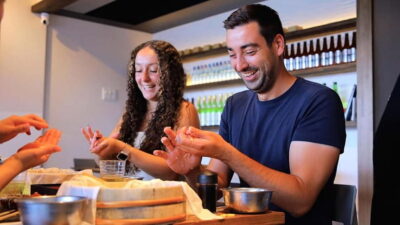
Roll and Authentic Sushi Making Class in Asakusa
Read our review →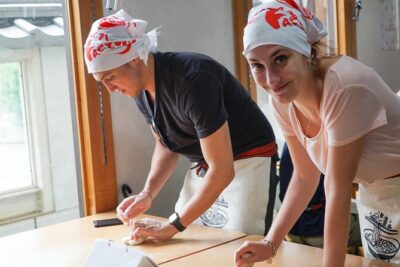
Ramen Cooking Class at Ramen Factory in Kyoto
Read our review →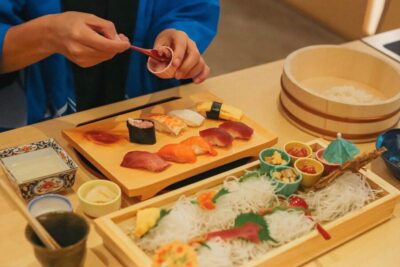
Sushi Making Class in a Happi Coat near a Famous Spot
Read our review →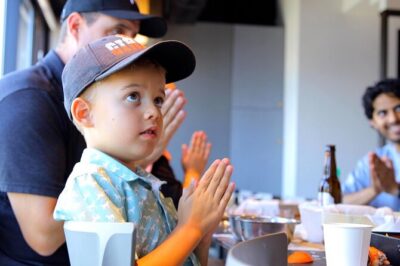
Sushi Making Osaka Roll and Authentic Japanese Sushi Class
Read our review →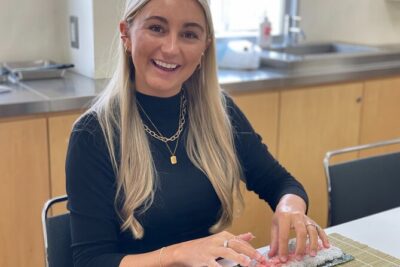
Tokyo Sushi Making Class in Tsukiji with Professional Chef
Read our review →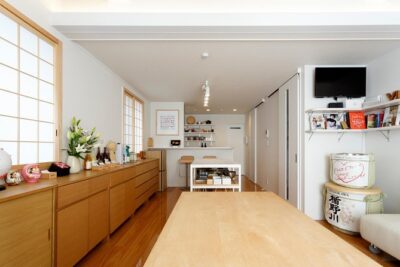
Ramen & Gyoza Cooking Class in Tokyo with Local Supermarket Visit
Read our review →Browse the lists this tour appears in