
Reviewed · CYCLING AND E-BIKE TOURS
Pedal Adventure Kyoto’s iconic landmarks on an e-bike tour
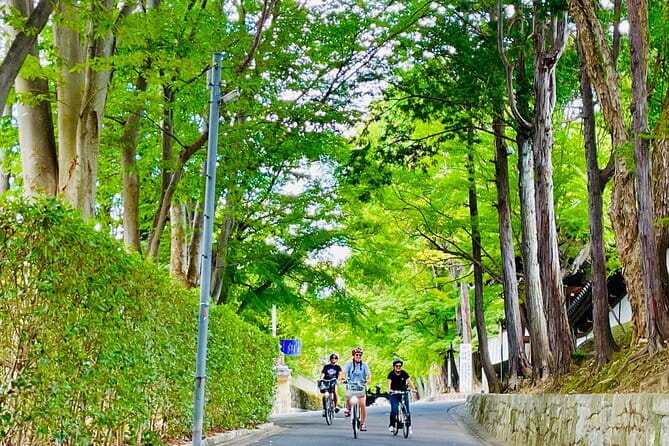
Kyoto opens up on two wheels. This four-hour e-bike ride links Gion, quiet Higashiyama lanes, Fushimi Inari Shrine, Tōfuku-ji Temple, and the Kamogawa River, giving you both famous sights and ordinary neighborhoods that are easy to miss on foot. The small group, capped at eight people, keeps the outing personal.
I like the mix of major landmarks and quiet side streets, and I like that the guide explains Buddhism, Shinto customs, samurai culture, and geisha traditions rather than simply pointing at buildings. The e-bikes also make a long morning manageable, with most of the route described as easy and fairly flat.
The main consideration is the weather. Kyoto can be brutally hot, and rain can change the feel of the ride. Bring extra water in summer, take the supplied bottle seriously, and remember that lunch is not included. At $86.22 per person, this is not the cheapest way to see Kyoto, but the bike, helmet, water, snacks, small group, and local guidance give it solid value.
In This Review
- Key points before you book
- Why an e-bike makes sense in Kyoto
- Starting near Shōgoin and easing into Gion
- Higashiyama’s temple stop and a welcome snack
- Fushimi Inari, with time for more than the famous gates
- Tōfuku-ji and the ride beside the Kamogawa River
- The guides are the heart of the experience
- What the $86.22 price really includes
- Heat, rain, and cycling comfort
- Who should book this Kyoto ride?
- Practical details and cancellation terms
- Should you book Pedal Adventure Kyoto?
- FAQ
- How long does the Kyoto e-bike tour last?
- What sights are included?
- Where does the tour start and finish?
- How many people can join the tour?
- Is lunch included?
- What equipment and refreshments are provided?
- What happens if the weather is poor?
Key points before you book
- Ride from Gion to Fushimi Inari: The route joins Kyoto’s geisha district with one of Japan’s best-known Shinto shrines.
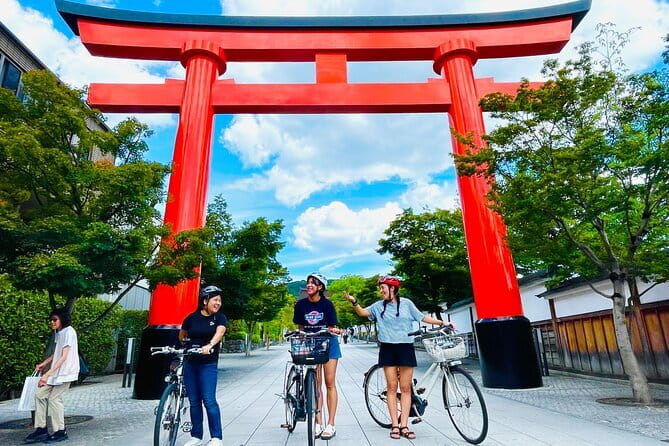
- Quiet Kyoto between the sights: You pedal through residential lanes, narrow older streets, bike paths, and along the river instead of staying on the main tourist corridors.
- E-bikes keep the pace comfortable: Electric assistance helps with distance and makes the ride accessible to most people who can participate in a normal cycling tour.
- Local stories add meaning: Guides Maki and Mika have shared personal Kyoto experiences alongside explanations of Shinto, Buddhism, maiko, geisha, and Japanese customs.
- Small group, about four hours: With no more than eight participants, the guide can watch the pace and answer questions.
- Weather matters: Poor weather can lead to a new date or a full refund, and hot months call for extra water and an electrolyte drink.
Why an e-bike makes sense in Kyoto
Kyoto is compact on a map, but its sights are spread across several districts. Walking between them takes time, while buses can be crowded and slow on popular sightseeing days. An e-bike gives you a middle path: you cover more ground than on foot, yet you still move slowly enough to notice homes, shrines, shopfronts, and riverside paths.
The electric assistance matters less because Kyoto is mountainous than because four hours in the sun can wear you down. The route includes short rides between stops, city streets, side roads, and scenic paths. You still pedal, but the motor takes the sting out of the distance.
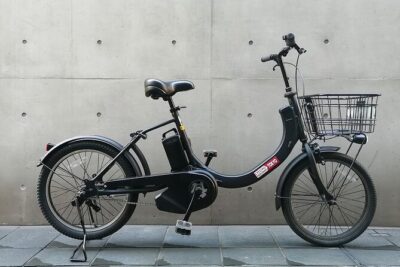
The bikes are described as comfortable and fitted with baskets. That small detail matters. You can place a light backpack or jacket in the basket rather than carrying it on your shoulders all morning. Helmets and bottled water are provided, along with snacks.
You should still be comfortable riding a bicycle in an urban setting. The route uses both larger streets and narrow lanes. The guide has been praised for using hand signals and paying close attention to safety, but this is not a traffic-free park ride from start to finish.
More Bike Tours in Kyoto
- Bike Tour Exploring North Kyoto plus Lunch
★ 5.0 · 1,087 reviews - Arashiyama Bamboo Forest & Hidden Gems Bike Tour (Early Bird)
★ 5.0 · 613 reviews - 5 Top Highlights of Kyoto Full Day Bike Tour (E-bike option)
★ 5.0 · 511 reviews
Starting near Shōgoin and easing into Gion
The meeting point is 19 Shōgoin Higashimachi in Sakyo Ward. The tour begins with bike fitting and a short introduction, followed by about ten minutes of cycling to Gion.
That opening ride gives you time to get used to the e-bike before the cultural stops begin. If you have never used electric assistance, ask the guide to explain the controls clearly and take a moment to test the brakes and basket placement.
Gion is one of Kyoto’s most recognizable districts. Its traditional streets are linked with geisha and maiko culture, but it is important to see the area as more than a photo backdrop. Your guide explains how geisha culture works and helps you understand the difference between a quick glimpse of a traditional district and a respectful look at the people and customs connected with it.
The scheduled stop is only about ten minutes, so do not expect a long, unhurried exploration of every lane. Think of Gion as the first cultural chapter of the morning. The real benefit is hearing context while the streets are in front of you, then moving on before the tour becomes fixed in one crowded area.
Higashiyama’s temple stop and a welcome snack
From Gion, you cycle roughly fifteen minutes toward Higashiyama. This section is part of the charm. Instead of jumping from one headline sight to another by vehicle, you see the city change as you ride through it.
The Higashiyama stop lasts about fifty minutes and includes a beautiful temple with details described as less obvious to a first-time visitor. The guide also makes time for a quick snack. This is useful pacing, especially in warm weather, because you get a chance to pause before the shrine visit.
The strongest part of this stop is the explanation. Guides Maki and Mika have been praised for connecting buildings and rituals with everyday Japanese life. You may hear about Buddhism and Shintoism, how to read objects outside homes and in the streets, and why certain customs exist.
That personal angle is one reason this tour feels different from simply renting a bicycle. Maki has shared family traditions and local experiences, while Mika has spoken about growing up in Kyoto. Those stories can make an unfamiliar practice easier to understand without turning the tour into a formal lecture.
The pace is adjustable enough to suit different groups. Maki has been described as patient with cyclists of different comfort levels and willing to ask for feedback along the way. That is particularly useful if one person in your group rides often and another is still getting used to city cycling.
Fushimi Inari, with time for more than the famous gates
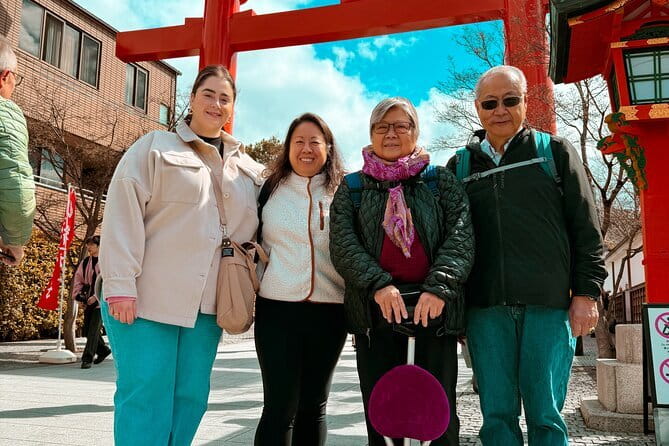
The ride then reaches Fushimi Inari-taisha Shrine, with about forty minutes set aside for the visit. The shrine is famous for its long rows of orange torii gates, which climb through the wooded hillside and have become one of Kyoto’s signature scenes.
Forty minutes is enough to get a strong impression and see the shrine gates, but it is not enough for a full climb through the entire mountain route. That is not necessarily a weakness. A complete exploration of Fushimi Inari can take much of a day, while this tour gives you a focused stop as part of a broader Kyoto circuit.
The guide’s role here is especially helpful. Shinto shrines have visual details that can be easy to overlook, from entrance customs to the meaning of shrine objects. A guide can explain what you are seeing and how the site fits into Japanese religious practice.
This is also where the small group helps. With a maximum of eight participants, it should be easier to stay together, hear the explanation, and ask questions without being swallowed by the crowd. Fushimi Inari is one of Kyoto’s busiest sights, so do not expect solitude around the main gates. The quieter parts of the cycling route provide that contrast.
Some families have also enjoyed letting children try fortune telling at shrines during the outing. That kind of small cultural encounter can make the morning more memorable for younger participants, provided everyone treats the religious setting with care.
A completely different kind of day out:
- PERFECT KYOTO 1-Day Bus Tour
★ 5.0 · 13,518 reviews - [Kyoto & Nara Day Tour] Sagano Scenic Railway & Nara Park & Fushimi Inari Taisha Thousand Torii Gates & Togetsukyo Bridge & Bamboo Grove & Kimono Forest (Departing from Osaka)
★ 4.9 · 10,942 reviews - Kyoto: Fushimi Inari, Kinkakuji, Bamboo Grove 1 Day Bus Tour
★ 4.8 · 4,316 reviews - Kyoto: Tea Ceremony in a Traditional Tea House in Kiyomizu
★ 4.9 · 3,519 reviews
Tōfuku-ji and the ride beside the Kamogawa River
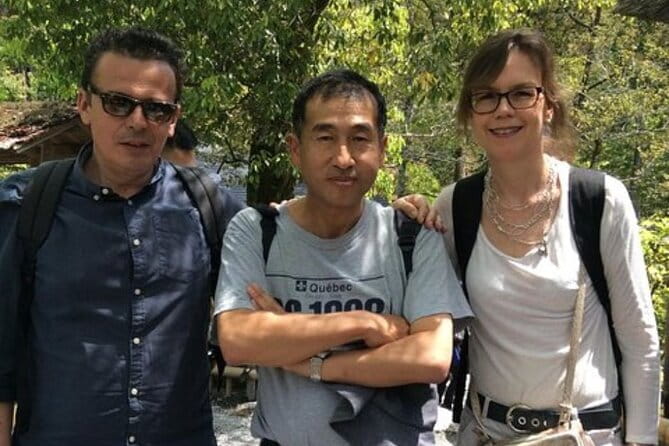
After Fushimi Inari, it is about ten minutes by bicycle to the Tōfuku-ji Temple complex. The planned stop lasts around twenty minutes, making it shorter than the Higashiyama visit.
Tōfuku-ji is a good place to shift from the famous shrine atmosphere to temple architecture and Buddhist traditions. Your guide can help you notice the differences between Shinto and Buddhist sites, rather than leaving you with the impression that every Japanese religious building follows the same rules.
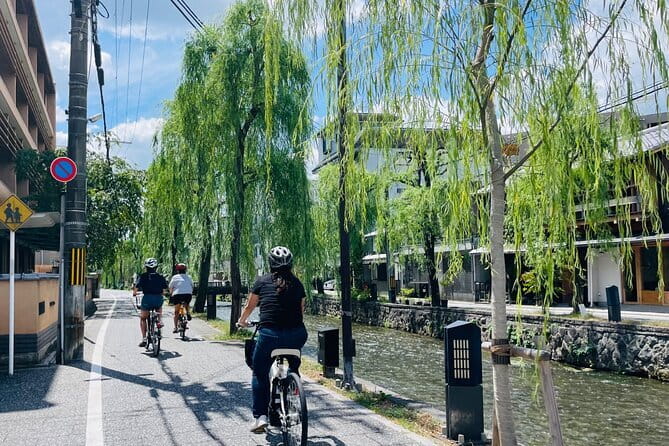
The ride back is one of the tour’s most appealing sections. You follow the Kamogawa River toward the starting point, with the water and open space offering a calmer finish after the city streets and shrine crowds.
Several riders have singled out the river path and neighborhood riding as favorite parts of the experience. That makes sense. Kyoto’s headline sights are important, but the city becomes more recognizable when you pass ordinary homes, narrow alleys, and quiet stretches where daily life continues away from the main sightseeing route.
The final ride also gives you time to settle what you have seen. Rather than ending immediately after a temple visit, the tour closes with movement and scenery. It returns to the original meeting point, so you are not left figuring out transport from a distant neighborhood.
The guides are the heart of the experience
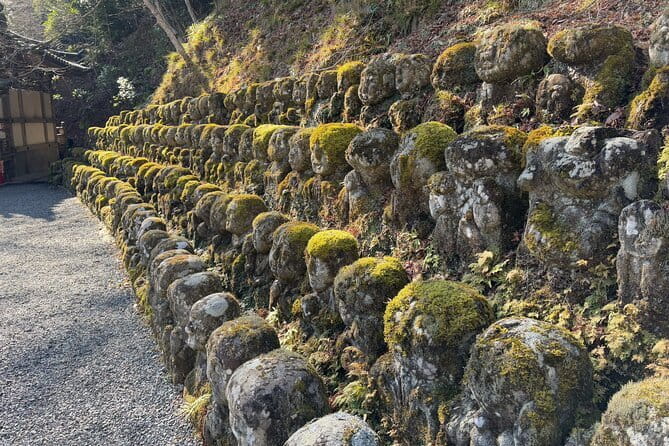
The bikes get you around, but the guide determines how much you take away. Maki is described as the owner and current guide of the small operation, and she has been praised for her humor, energy, patience, safety habits, and personal stories. Mika has also led outings and has been praised for her English and her ability to explain Kyoto through family experience.
The strongest praise centers on the way the guides communicate. They answer questions about customs, history, religion, geisha culture, samurai, and everyday life. They also make an effort to adjust the pace and respond to conditions.
That practical care matters in Kyoto’s summer heat. Maki has supplied water, arranged rest stops, and even offered cooling body sprays during a very hot August outing. Another group stopped at a convenience store for extra water and an electrolyte drink during severe heat.
Rain is handled with similar flexibility when possible. One outing continued through intermittent rain with the guide choosing shelter and trying to keep the group as dry as possible. Still, you should not rely on perfect improvisation. Wear clothing suited to the forecast and accept that poor weather may cancel the experience.
What the $86.22 price really includes
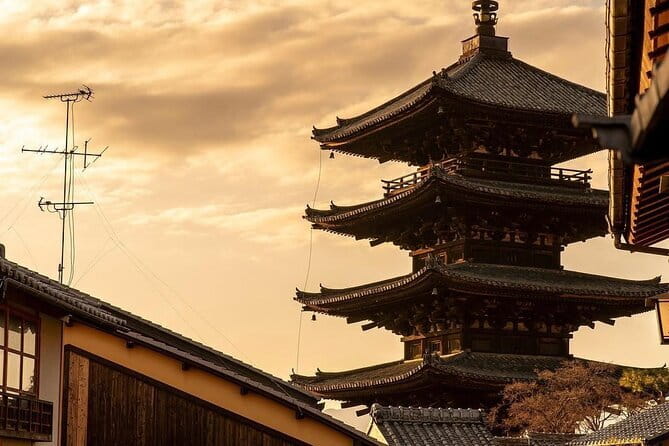
At $86.22 per person, the tour sits in the reasonable middle range for a guided half-day activity in Kyoto. The price includes the e-bike, helmet, bottled water, snacks, and an English-speaking route coordinator.
The strongest value comes from combining transport and interpretation. You are not paying only for a bicycle rental. You are also paying for a route that links several districts, a guide who can explain cultural details, and the convenience of not planning every turn yourself.
A private bike rental could cost less, but then you would need to arrange the route, handle navigation, decide where to stop, and make sense of what you see. A larger bus tour may cover famous sights, but it cannot offer the same feel for side streets and riverside paths.
Lunch is not included. Since the experience lasts about four hours and includes snacks, most people can treat lunch as a separate plan after returning to the meeting point. If you need a substantial meal during the ride, this is not built around that.
The five-star score from 189 ratings and a 100 percent recommendation rate indicate a strong record. No rating can predict your weather, cycling comfort, or guide match, but the consistent praise for the bikes, personal attention, route, and cultural explanations supports the price.
Heat, rain, and cycling comfort
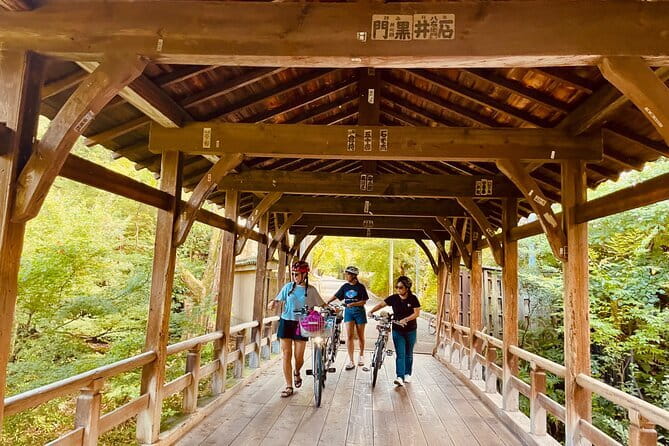
Kyoto’s climate should shape your booking decision. Summer can be punishing, even on an e-bike. The route is described as mostly flat and not especially tiring, but electric assistance does not remove heat, humidity, or sun exposure.
Bring extra water in hot months. An electrolyte drink is a sensible addition, and you can use a convenience store stop if the group needs more supplies. Lightweight clothing and sun protection are practical choices, though the supplied information does not specify a clothing requirement.
Rain can make narrow streets and city riding less pleasant. The activity requires good weather, and if poor weather causes cancellation, you are offered another date or a full refund. If you are visiting Kyoto on a tight schedule, keep that possibility in mind and avoid placing the tour on your only free morning.
Most people can participate, but you should be able to ride a bicycle and follow basic urban cycling directions. Tell the guide about your comfort level early. The small group and reported attention to pacing are useful, but the tour still involves roads and shared paths.
Who should book this Kyoto ride?
I would choose this tour if you want a broad first look at Kyoto without spending the entire morning inside major temple grounds. It suits couples, families, and small groups who like to ask questions and prefer local streets to a fixed coach route.
It is also a good choice for anyone who finds Kyoto’s bus system confusing or tiring. The guide handles the route while you see more of the city than you could comfortably cover on foot.
Families may appreciate the e-bike assistance, snacks, fortune-telling opportunities, and the guide’s efforts to keep children engaged. The exact suitability still depends on each child’s ability to ride safely in an urban setting.
I would hesitate if your main goal is a long, quiet visit at Fushimi Inari. This is a connected city tour, not a deep exploration of one shrine. I would also think twice if you dislike cycling near traffic, are uncomfortable in hot weather, or need a guaranteed rain-free activity.
The route is best for people who value explanation as much as photographs. You will see several important places, but the ordinary streets between them are just as important to the experience.
Practical details and cancellation terms
Confirmation is provided when you book, and the meeting point is near public transportation. The tour ends back at the same location, which makes it easier to plan the rest of your day.
Free cancellation is available up to 24 hours before the local start time for a full refund. Cancellations or changes made within 24 hours are not accepted for a refund.
The activity may also be canceled if the minimum number of participants is not reached. In that case, you are offered another date or experience, or a full refund.
Should you book Pedal Adventure Kyoto?
Yes, if you want an active, friendly introduction to Kyoto that balances famous sights with quiet neighborhoods. The best reasons to book are the comfortable e-bikes, small group, riverside finish, and guides who explain customs through both local knowledge and personal experience.
Book it early if the route fits your plans. It was booked at least five times in the previous week, and the eight-person limit keeps the experience from becoming unwieldy.
Choose a different activity if you want a full day at Fushimi Inari, a food-focused tour, or a completely indoor plan for uncertain weather. For most visitors who can ride comfortably, though, this is a smart way to get your bearings, see several sides of Kyoto, and learn what the temples and shrines mean beyond their beautiful surfaces.
FAQ
How long does the Kyoto e-bike tour last?
The tour lasts approximately four hours.
What sights are included?
The route includes Gion, the Higashiyama area, Fushimi Inari-taisha Shrine, Tōfuku-ji Temple, and a return ride beside the Kamogawa River.
Where does the tour start and finish?
It starts at 19 Shōgoin Higashimachi, Sakyo Ward, Kyoto, 606-8325, Japan, and ends back at the same meeting point.
How many people can join the tour?
The maximum group size is eight participants.
Is lunch included?
No. The tour includes snacks, but lunch is not included.
What equipment and refreshments are provided?
The price includes an e-bike, helmet, bottled water, and snacks.
What happens if the weather is poor?
The activity requires good weather. If it is canceled because of poor weather, you are offered a different date or a full refund.
Just added in Kyoto
- The “Golden Route” and Ancient Japan by DIAMIR Erlebnisreisen – 14-Day Tour★ 2.0 · 2 reviews
- Japan: Castles & Cuisine by G Adventures – 6-Day Kyoto to Osaka Tour★ 4.5 · 4 reviews
- Cycle Japan by Explore! – 13-Day Kyoto to Tokyo Tour★ 4.7 · 12 reviews
- Cycle Japan by Intrepid Travel – 11-Day Kyoto to Tokyo Tour★ 4.8 · 2 reviews
- Classic Japan by Intrepid Travel – 11-Day Kyoto to Tokyo Tour★ 4.4 · 14 reviews
- Ancient & Modern Japan 14-Day Tour by Exodus Adventure Travels★ 4.4 · 40 reviews
- 5 Day Cultural Adventure of Kyoto, Nara & Osaka by Tourist Journey★ 2.5 · 2 reviews
- 12 Days Kinosaki Onsen Escape: A Journey Through Japan’s Timeless Towns by UME Travel★ 4.8 · 5 reviews
Cycling and E-Bike Tours, compared.
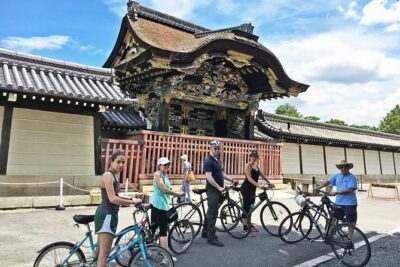
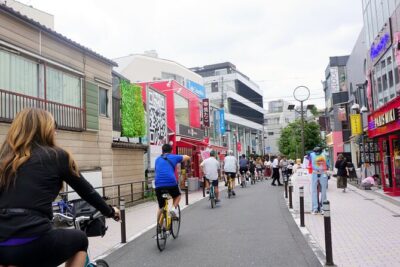

3h Tokyo E-Bike Tour: Hidden Gems, and Local Life with guide
Read our review →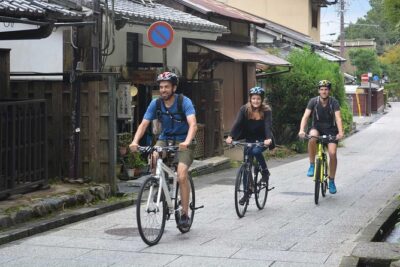
Arashiyama Bamboo Forest & Hidden Gems Bike Tour (Early Bird)
Read our review →
5 Top Highlights of Kyoto Full Day Bike Tour (E-bike option)
Read our review →

Hiroshima 2hr Peace Cycling Tour with Local Guide
Read our review →Browse the lists this tour appears in