
Reviewed · CYCLING AND E-BIKE TOURS
Private eBike Tour Exploring Fushimi with Torii Red Gate Ride
Kyoto rewards two wheels. This private e-bike ride links Fushimi Inari’s red torii gates with Sanjusangen-do, Tofuku-ji, the old Nintendo building, and the Kamo River, using quieter streets that are hard to appreciate from a bus. I like the small private format, and I like that the ride includes real temple time rather than treating the sights as quick photo stops. The main drawback is simple: 3½ hours goes quickly, especially with an hour at two major religious sites.
The tour costs $111.05 per person and accepts two to six people per guide. I would choose it for a first Kyoto visit when I want an active introduction to southern Kyoto without managing bike routes myself. It is less suitable if you want to climb every torii gate up Mount Inari, since the cycling tour gives you about an hour at Fushimi Inari, not a full mountain hike.
In This Review
- Key points at a glance
- Why a bicycle works so well in southern Kyoto
- The old Nintendo building and the first look at Kyoto
- One thousand Buddhas at Sanjusangen-do
- A brief pause at Tofuku-ji
- Walking through the torii gates at Fushimi Inari
- The Kamo River ride back to Kyoto Station
- What the guides add to the ride
- What is included, and what you still need
- Is $111.05 per person good value?
- Who should book this Kyoto bike tour?
- My verdict on the Fushimi e-bike tour
- FAQ
- Where does the tour begin and end?
- How long does the experience last?
- How many people can join a guide?
- Is this a private tour?
- Is the tour conducted in English?
- What equipment is provided?
- Are food and snacks included?
- Can children join the tour?
- Does the tour operate in rain?
Key points at a glance
- Ride through southern Kyoto on an e-bike: Quiet streets and side roads make the bicycle a useful way to connect several sights.
- Spend a full hour at Sanjusangen-do: The tour includes entry and guide commentary inside this remarkable temple.
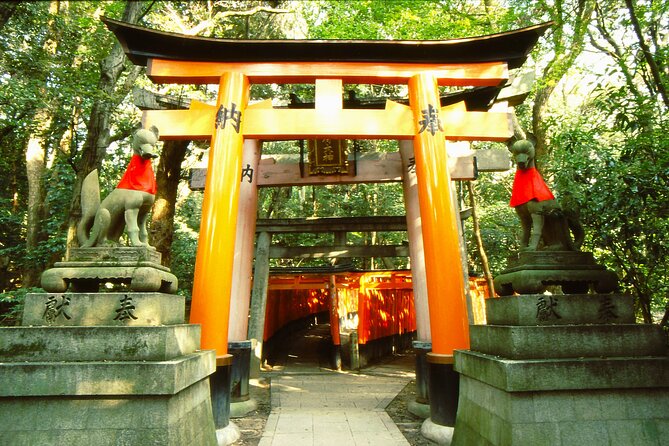
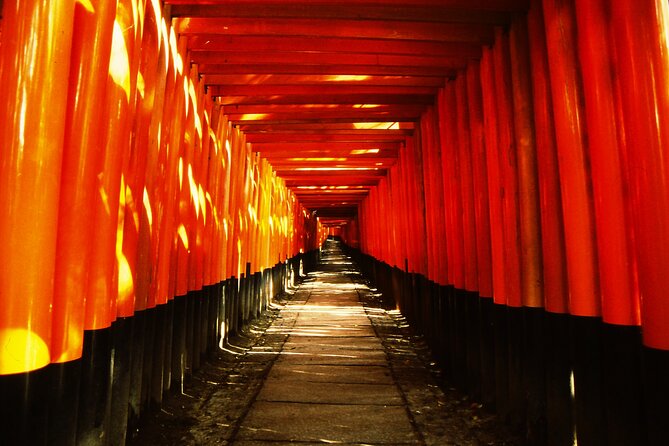
- Walk beneath the famous torii gates: You get time at Fushimi Inari-taisha, plus an explanation of the shrine and its symbols.
- Keep the group private and small: Two to six people share one guide, with an additional guide available for groups of seven to twelve.
- Return beside the Kamo River: The final cycling stretch trades city traffic for a calmer embankment with nature and wildlife.
- Expect personal guiding: Guides such as Kaz, Yuichi, Tibor, and JJ have been praised for warmth, humor, patience, photography help, and strong local insight.
Why a bicycle works so well in southern Kyoto
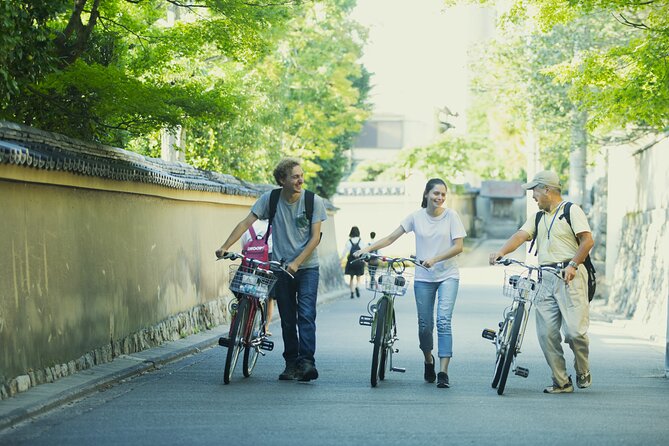
Kyoto is not a difficult city to explore on foot, but the sights are spread out. Southern Kyoto can involve a fair amount of walking, waiting for buses, and checking directions. A bicycle links the stops with less fuss.
This ride uses Kyoto’s quieter streets, alleys, and side roads instead of making the whole outing a traffic-heavy battle. The e-bike matters because it reduces the effort of covering several locations in one morning or afternoon. You still pedal, but the ride is designed to feel leisurely and allow you to travel at your own pace.
The tour begins and ends at the Kyoto Cycling Tour Project’s Kyoto Station Cycle Terminal, at 552-13 Higashiaburanokōjichō in Shimogyo Ward. Returning to the same place keeps the day tidy. You do not need to work out how to get back from Fushimi Inari with a rented bicycle, and you can leave your sightseeing plans before and after the tour from a familiar transport point.
The small group size is a real advantage. With two to six people per guide, it should be easier to hear explanations, ask questions, and keep a comfortable pace. A group of seven to twelve can request an extra guide at no additional fee, though that arrangement should be confirmed when booking.
More Bike Tours in Kyoto
- Bike Tour Exploring North Kyoto plus Lunch
★ 5.0 · 1,087 reviews - Arashiyama Bamboo Forest & Hidden Gems Bike Tour (Early Bird)
★ 5.0 · 613 reviews - 5 Top Highlights of Kyoto Full Day Bike Tour (E-bike option)
★ 5.0 · 511 reviews
The old Nintendo building and the first look at Kyoto
The first stop takes about ten minutes and passes the former offices of Nintendo, one of Kyoto’s most famous companies. There is no admission fee, and this is not a long museum visit. Think of it as a quick cultural marker at the beginning of the ride.
I like this stop because it gives the tour a local angle before the temples begin. Kyoto is not only wooden gates and incense. It is also the birthplace of a global entertainment company, and seeing the original building adds a small piece of modern city history to the route.
The short stop also helps you settle onto the bicycle. You can get used to the pace, listen to the guide, and begin noticing how quickly Kyoto changes from busy station streets to quieter lanes. Since only ten minutes are allocated here, do not expect a detailed Nintendo presentation or an interior visit.
One thousand Buddhas at Sanjusangen-do
Sanjusangen-do receives about an hour, including admission and time inside with the guide. This is one of the strongest parts of the tour because the temple is not merely a quick exterior photograph.
The long wooden hall is known for its rows of Buddhist statues. The sight of a thousand statues creates a very different mood from the bright vermilion gates at Fushimi Inari. Inside, the scale and repetition encourage you to slow down, and the guide can explain the temple’s purpose and religious significance.
The cycling format makes this stop especially useful. You arrive with enough time to walk through the ancient corridors, look carefully, and ask questions rather than rushing in, snapping a picture, and leaving. One guide, Yuichi, has been praised for creating a calm visit and helping people relax in the temple. That fits the character of Sanjusangen-do well.
Photography rules and interior etiquette matter at temples, so follow the guide’s instructions. The quiet atmosphere is part of the experience. If you prefer nonstop movement, an hour here may feel long, but I think the slower pace is welcome after the first part of the ride.
A brief pause at Tofuku-ji
Tofuku-ji receives about fifteen minutes for photographs. The temple is free to visit on this itinerary, and the stop is brief by design.
This is a chance to see a quiet and imposing Zen complex without trying to cover every building. You can take in the architecture, make a few photos, and hear some context from the guide before moving on. The contrast with Sanjusangen-do is useful: one stop focuses on the interior row of statues, while Tofuku-ji gives you a shorter look at Zen temple grounds and exterior form.
Fifteen minutes is not enough for an extended exploration. I would treat this as a well-chosen pause rather than a complete Tofuku-ji visit. If this temple is one of your top priorities in Kyoto, you may want to return independently with more time.
More Temples and Shrines in Kyoto
- [Kyoto & Nara Day Tour] Sagano Scenic Railway & Nara Park & Fushimi Inari Taisha Thousand Torii Gates & Togetsukyo Bridge & Bamboo Grove & Kimono Forest (Departing from Osaka)
★ 4.9 · 10,942 reviews - Kyoto: Fushimi Inari, Kinkakuji, Bamboo Grove 1 Day Bus Tour
★ 4.8 · 4,316 reviews - Kyoto: Tea Ceremony in a Traditional Tea House in Kiyomizu
★ 4.9 · 3,519 reviews - Kyoto Nara Day Trip │ Kiyomizu-dera Temple + Fushimi Inari-taisha Shrine + Nara Park (Departing from Osaka/Kyoto)
★ 4.7 · 3,408 reviews
Walking through the torii gates at Fushimi Inari
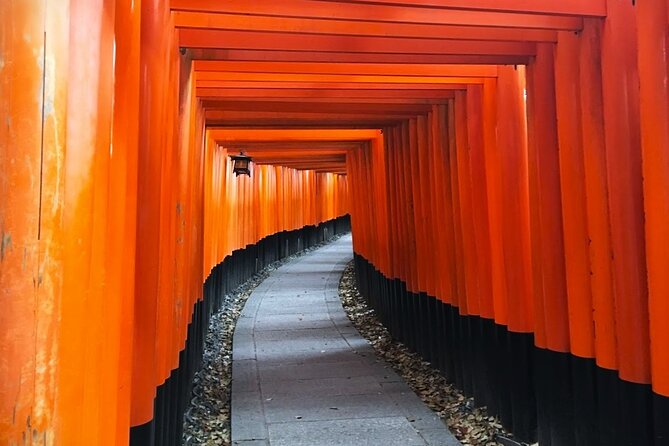
Fushimi Inari-taisha is the main event, and the tour allows about an hour here. The guide takes you onto the famous paths lined with red torii gates and explains the shrine along the way.
The gates are not a single decorative wall. They form long passages that rise through the wooded slopes of Mount Inari. One hour gives you a strong taste of the experience and enough time to walk beneath a section of the gates, but it does not allow a complete climb through the entire shrine complex.
That limit is important. Many people arrive expecting to see every torii gate, then discover that the route continues far beyond the first crowded section. This tour is best if you want the signature Fushimi Inari experience without spending half a day on the mountain. If you want the full summit walk, plan a separate visit.
The shrine area also has shops and food stalls. Snacks are not included, so bring money if you want to try local specialties after walking the gates. The stop combines sacred space with a more casual street atmosphere, which gives you a fuller sense of how the site works as both a place of worship and a major Kyoto attraction.
Fushimi Inari can be busy, especially near the lower gates. A bicycle tour does not magically remove crowds from the shrine itself. Its advantage is the route to and from the complex, plus a guide who can help you use the available time well.
The Kamo River ride back to Kyoto Station
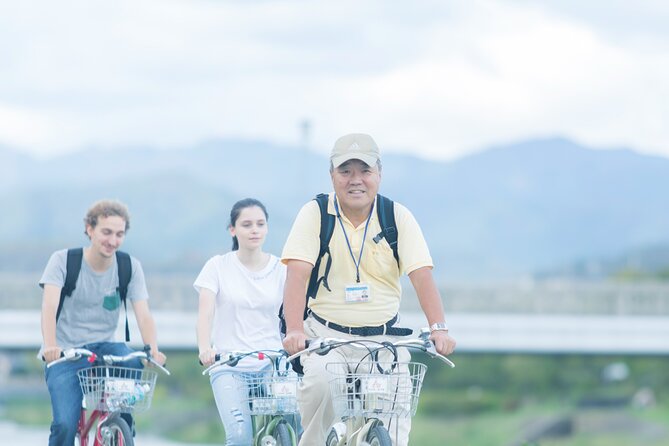
After the shrine, you cycle back toward the Kyoto Station area beside the Kamo River. The route follows a peaceful embankment with nature and wildlife, offering a welcome change from temple courtyards and tourist streets.
This final section may be the most relaxing part of the outing. You have already seen the major sights, and the river gives you room to ride at an easier pace. It also shows a side of Kyoto that can be missed when you move only between famous landmarks.
The exact cycling time between stops is included in the three-and-a-half-hour duration. That means the full time is not three and a half hours of sightseeing. Some of the schedule goes toward riding, fitting bikes, crossing streets, and moving between neighborhoods. I see that as a strength rather than a flaw, but you should know what you are buying: this is a moving tour, not a series of stationary temple visits.
What the guides add to the ride
The guide can make or break a bicycle tour, and the personal attention here is one of the strongest reasons to consider it. The tour uses an approved English-speaking guide, and the published rating is 5 out of 5 from 13 reviews, with 100 percent recommending it.
Several guides have received especially warm praise. Kaz has been described as energetic, welcoming, funny, and good at combining local history with practical help. Yuichi is known for a relaxed approach and for taking photographs during the ride, a useful touch when you are traveling as a couple or family and want pictures together.
Tibor has been praised for his patience with children and his ability to answer their questions. JJ, also identified as Y Yagyu, has been singled out for strong regional knowledge, kindness, and a willingness to help during a medical emergency. That last example should not be treated as a promised service, but it does suggest a guide team that takes personal care seriously.
The experience will not be identical with every guide. Personalities differ, and the route may feel more talkative or more relaxed depending on who leads it. Still, the repeated praise for humor, patience, clear explanations, and photo help gives me confidence that the human side of the tour is a major strength.
What is included, and what you still need
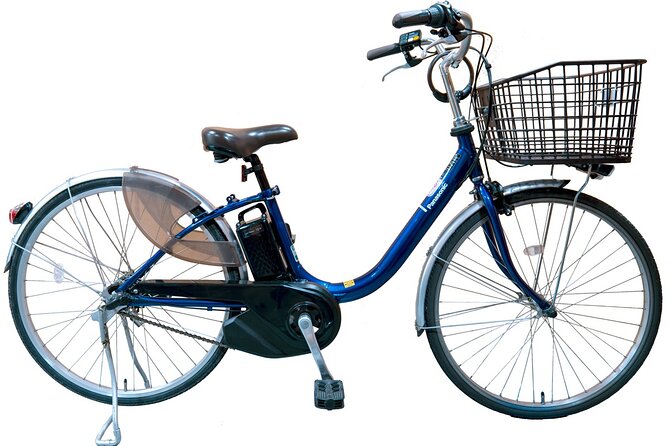
The price includes the e-bike, helmet, rain poncho, accident insurance, an original cycling map, and a licensed or certified English-speaking guide. Admission to Sanjusangen-do is included. Fushimi Inari and Tofuku-ji do not require an admission charge on this route.
Snacks are not included. You should plan to buy food separately if you want something around Fushimi Inari. The tour information does not state that drinks or meals are supplied, so bring what you need for the ride.
The tour operates in rain, and a poncho is provided. That makes the experience practical in Kyoto’s changeable weather, but rain can still affect visibility, comfort, and the feel of the temple paths. Wear clothing suitable for cycling and shoes you can walk in comfortably. The tour information does not specify a clothing code, but you are visiting sacred sites, so modest, practical clothing is the sensible choice.
Is $111.05 per person good value?
At $111.05 per person, this is not the cheapest way to see Fushimi Inari. You can visit the shrine independently for little or no entrance cost. You can also use Kyoto’s trains and buses to reach the area.
The price begins to make sense when you value the package: a private guide, bicycle use, helmet, rain protection, insurance, a route map, temple admission at Sanjusangen-do, and transport between four distinct stops. You are paying to avoid route planning and to connect places that are less convenient to combine on foot.
The private format matters most for couples, families, and small friend groups. You can ask questions without competing with a large crowd, and the guide can adjust the pace within the fixed schedule. A group of six spreads the cost more comfortably than a solo booking, which is not accepted.
I think the tour offers fair value if you want an active half-day and personal guiding. It is weaker value if you only want Fushimi Inari, dislike bicycles, or plan to spend a full morning hiking the mountain. In those cases, independent sightseeing gives you more control.
Who should book this Kyoto bike tour?
I would recommend it to active first-time visitors who want several southern Kyoto sights in one outing. Families can benefit if all children meet the requirements: at least 10 years old, at least 145 centimeters tall, and able to ride safely on the road without help.
It also suits people who enjoy local context but do not want a formal lecture. The guides bring history, humor, and practical help into the ride. The feedback about photo-taking is valuable for couples and families who do not want to rely on selfies.
You should think twice if you are not confident cycling on roads, since the route uses public streets. The tour information says most people can participate, but it also makes clear that children must ride safely without assistance. Anyone who wants a full Fushimi Inari mountain hike should choose a longer, walking-focused visit instead.
The cancellation terms need careful attention before you pay. One set of information says you can request a refund by 18:00 Japan time at least three days before the tour, while the stated cancellation policy says the experience is non-refundable and cannot be changed. Because those terms conflict, I would confirm the applicable rule directly before booking. The minimum group requirement also applies, and if the operator cancels for that reason, a different date or experience, or a full refund, is offered.
My verdict on the Fushimi e-bike tour
Book this tour if you want Fushimi Inari plus several meaningful stops, not just a quick ride to the torii gates. Sanjusangen-do gives the outing real depth, Tofuku-ji adds a quiet Zen pause, and the Kamo River brings the day back to a calm finish.
I especially like the private group, the small scale, and the guides’ reported warmth. I would book it early, since it is commonly reserved about 24 days ahead. Just keep your expectations clear: the tour gives you a well-paced introduction to Fushimi and southern Kyoto, while a full Mount Inari hike requires another visit.
FAQ
Where does the tour begin and end?
It begins and ends at the Kyoto Cycling Tour Project, Kyoto Station Cycle Terminal, at 552-13 Higashiaburanokōjichō, Shimogyo Ward, Kyoto, 600-8235, Japan.
How long does the experience last?
The tour lasts approximately 3 hours and 30 minutes, including the time spent cycling between locations.
How many people can join a guide?
A guide accepts a minimum of two and a maximum of six people. Groups of seven to twelve can arrange an additional guide without an extra fee.
Is this a private tour?
Yes. Only your group participates in the activity.
Is the tour conducted in English?
Yes. The tour includes a licensed or certified English-speaking guide.
What equipment is provided?
The tour includes use of a bicycle, helmet, rain poncho, accident insurance, and an original cycling map.
Are food and snacks included?
No. Snacks are not included. You can look for local specialties at the shops and stalls around Fushimi Inari.
Can children join the tour?
Children must be at least 10 years old, at least 145 centimeters tall, and able to ride a bicycle safely on the road without assistance.
Does the tour operate in rain?
Yes. The tour operates in rain, and a rain poncho is provided.
Just added in Kyoto
- The “Golden Route” and Ancient Japan by DIAMIR Erlebnisreisen – 14-Day Tour★ 2.0 · 2 reviews
- Japan: Castles & Cuisine by G Adventures – 6-Day Kyoto to Osaka Tour★ 4.5 · 4 reviews
- Cycle Japan by Explore! – 13-Day Kyoto to Tokyo Tour★ 4.7 · 12 reviews
- Cycle Japan by Intrepid Travel – 11-Day Kyoto to Tokyo Tour★ 4.8 · 2 reviews
- Classic Japan by Intrepid Travel – 11-Day Kyoto to Tokyo Tour★ 4.4 · 14 reviews
- Ancient & Modern Japan 14-Day Tour by Exodus Adventure Travels★ 4.4 · 40 reviews
- 5 Day Cultural Adventure of Kyoto, Nara & Osaka by Tourist Journey★ 2.5 · 2 reviews
- 12 Days Kinosaki Onsen Escape: A Journey Through Japan’s Timeless Towns by UME Travel★ 4.8 · 5 reviews
Cycling and E-Bike Tours, compared.
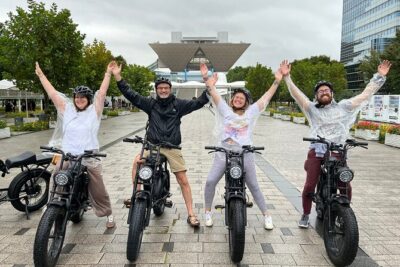
3h Tokyo E-Bike Tour: Hidden Gems, and Local Life with guide
Read our review →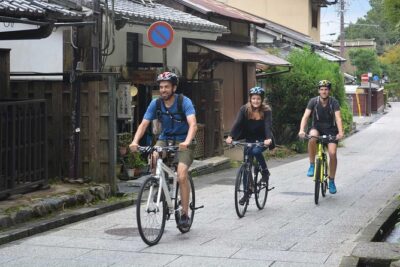
Arashiyama Bamboo Forest & Hidden Gems Bike Tour (Early Bird)
Read our review →
5 Top Highlights of Kyoto Full Day Bike Tour (E-bike option)
Read our review →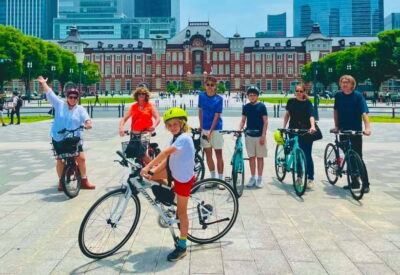

Hiroshima 2hr Peace Cycling Tour with Local Guide
Read our review →Browse the lists this tour appears in