
Reviewed · TEA CEREMONIES
Shibuya Authentic Tea Ceremony with experienced instructor
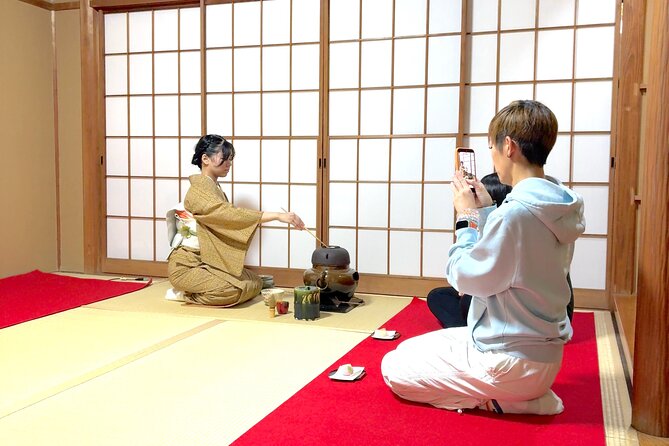
Slow down in the middle of Shibuya. This 50-minute tea ceremony trades neon streets and crowded rooms for a quiet, small-group lesson led by an experienced Japanese tea master. I like the chance to watch a formal tea ritual, then make matcha yourself with traditional tools. I also like the choice of a beautiful chawan, or tea bowl, before you prepare your drink.
The main drawback is the short running time. You get a clear introduction and hands-on practice, but this is a compact cultural experience rather than a full study of tea ceremony. The Dogenzaka meeting point can also take a little attention to find, since the tea house is tucked on a side street in central Shibuya.
In This Review
- Key points to know before booking
- Leaving Shibuya’s noise for a quiet tea room
- The first lesson: how matcha reaches the bowl
- Watching a tea master perform the ritual
- Choosing a chawan and making your own matcha
- Why the eight-person limit matters
- What the $25.76 price delivers
- A peaceful break, not a full tea-school course
- How to fit it into a Shibuya day
- Who will enjoy this most
- Booking and cancellation details that matter
- Should you book the Shibuya tea ceremony?
- FAQ
- Where does the tea ceremony begin?
- Where does the activity end?
- How long does the tea ceremony last?
- How much does the experience cost?
- How many people can join the session?
- Is the ticket available on a phone?
- What happens at the beginning?
- Do you watch a formal tea ceremony?
- Is food included?
- Can I make my own matcha?
- Can I cancel for a full refund?
Key points to know before booking
- A small group of no more than eight people gives the session a personal feel and makes it easier to follow the demonstration.
- A traditional stone mill helps explain how matcha is produced before you taste or prepare it.
- A tea master performs a formal ritual with roots reaching back more than 500 years.
- You prepare your own bowl of matcha using classic tea tools, not a simplified tourist version.
- Nerikiri, a traditional Japanese sweet, is served with freshly prepared matcha.
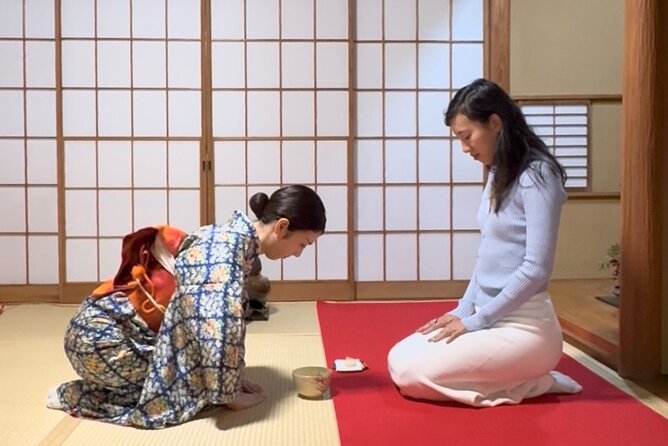
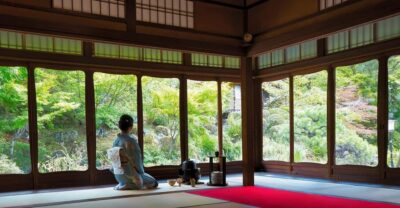
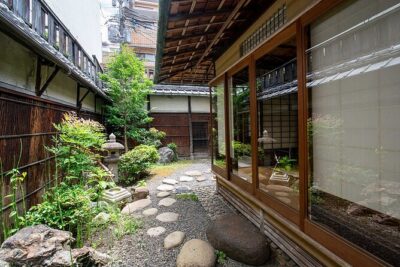
- The setting offers a calm break from Shibuya, inside an old, original-style tea house on a quiet side street.
Leaving Shibuya’s noise for a quiet tea room
Shibuya is famous for giant screens, department stores, music, and the famous crossing. This experience gives you a very different look at the district. The meeting point is at 1-chome 15 Dogen-zaka, Tokyo 150-0043, in the 万字ビル building area.
The tea house is described as old and original, with a peaceful feel that contrasts sharply with the streets outside. That setting matters. Tea ceremony is built around attention, order, and calm, so the experience would lose some of its purpose in a loud, crowded room.
You will need to allow enough time to locate the address. The meeting point is specific, but the information provided does not include a station exit, transfer instructions, or a walking time. I would save the address on your phone and arrive early rather than trying to decode the location at the last minute.
The activity ends back at the meeting point. There is no separate drop-off, which makes it easy to continue sightseeing in Shibuya afterward.
More Tea Ceremonies in Tokyo
- Matcha Making Class in Tokyo with Authentic Japanese Sweets Set
★ 5.0 · 744 reviews - Tokyo: Traditional Tea Ceremony with a Tea Master
★ 5.0 · 528 reviews - Tokyo: Matcha Making Experience with Mochi Sweets in Asakusa
★ 4.9 · 388 reviews
The first lesson: how matcha reaches the bowl
The session begins with a short explanation of tea in Japan. This gives you context before the ceremonial movements begin, which is helpful if Japanese tea culture is new to you.
You also get to see matcha made with a traditional stone mill. The Japanese description refers to a small stone mill, while the English description presents it as a traditional mill. Either way, this is a useful detail because it connects the bright green powder in your bowl with the older method used to produce it.
The explanation is intentionally brief. That works well for a 50-minute activity, especially if you want a cultural introduction rather than a long academic talk. You will not leave with a full history of every tea school or regional style, but you should understand why matcha preparation is treated as a careful practice rather than a quick drink made with hot water.
I especially like this opening because it prevents the ceremony from feeling like a string of unexplained gestures. When you know a little about the tea and its preparation, the tools and movements make more sense.
Watching a tea master perform the ritual
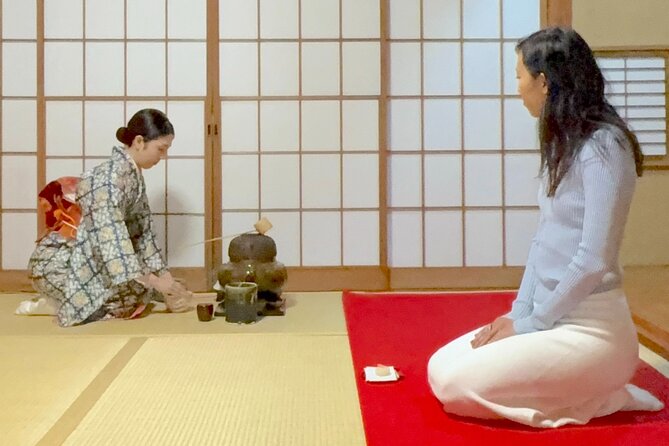
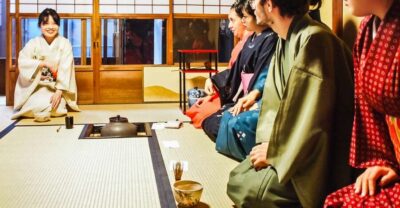
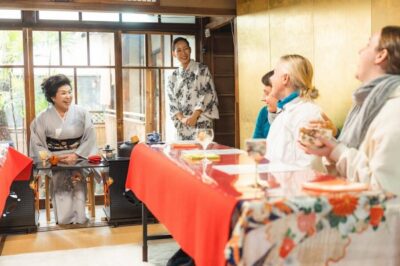
Next, the instructor demonstrates a traditional tea ceremony. The ritual is described as having more than 500 years of history, and the focus is on the formal method of preparing and serving matcha.
This is the part to watch closely. The point is not simply to see someone whisk green tea. The arrangement of the utensils, the measured movements, and the order of the steps are all part of the presentation.
The instructor also explains what is happening, so you are not expected to understand Japanese tea ceremony etiquette by instinct. The available feedback describes the hosts as kind, polite, friendly, and clear in their teaching. If your session is led by Mai, she has been singled out for making the experience peaceful, relaxing, and easy to follow.
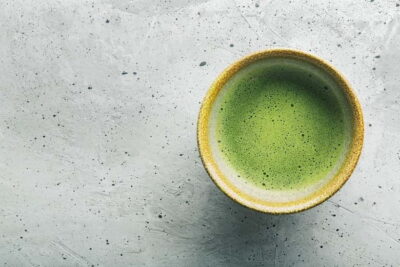
You then drink the freshly prepared matcha with nerikiri. This traditional Japanese sweet is an important part of the tasting, not just an extra snack. Its delicate presentation and sweetness balance the grassy, slightly bitter flavor of matcha.
Matcha can surprise first-time drinkers. It is not sweetened like a café latte, and the flavor can be strong. Having nerikiri alongside it makes the tasting more approachable and shows how the tea is traditionally enjoyed.
Choosing a chawan and making your own matcha
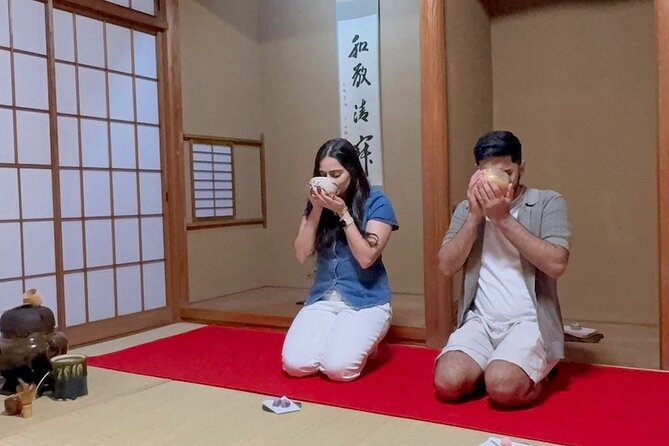
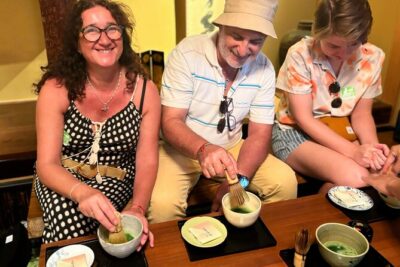
The hands-on part comes at the end. You get to select a tea bowl from a range of chawan, then use traditional tools to prepare your own matcha.
This is the most practical part of the session. Watching a master is valuable, but whisking your own bowl gives you a much clearer sense of the technique. You can feel how the whisk moves, see the tea change texture, and understand why the preparation requires a light, controlled motion.
The activity is suitable for beginners because the instructor demonstrates the process first. You are not left to guess how to use the tools. The guidance also gives you methods that you can recreate at home, at least in a simplified form.
Your choice of bowl adds a small personal touch. A chawan is more than a cup in this setting. Its shape, weight, and appearance affect the way the tea feels in your hands. Selecting one also gives you a moment to notice the beauty of ordinary objects, which is central to the spirit of tea ceremony.
Do not expect to master the technique in one attempt. The value is in trying it under guidance and learning the basic sequence. You may produce a beautifully frothy bowl, or you may create something with less foam than planned. Either result is part of the fun.
A completely different kind of day out:
- Tokyo Disney Resort – Tokyo Disneyland & Tokyo DisneySea Park Tickets
★ 4.8 · 99,488 reviews - SHIBUYA SKY Ticket
★ 4.7 · 46,509 reviews - JR Whole Japan Rail Pass
★ 4.8 · 29,150 reviews - Mt Fuji and Hakone 1-Day Bus Tour Return by Bullet Train
★ 5.0 · 26,383 reviews
Why the eight-person limit matters
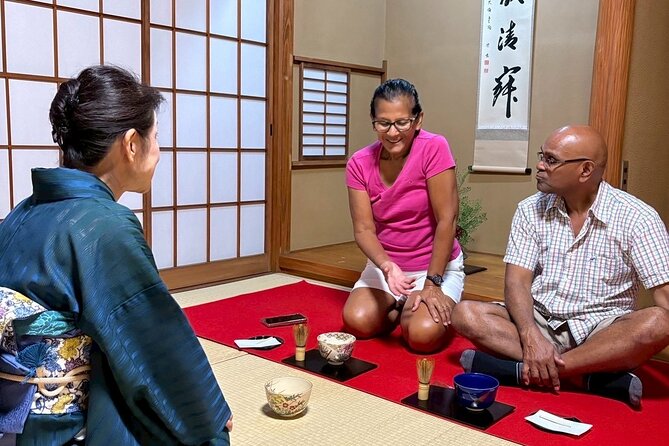
The maximum group size is eight people. That is small enough to keep the session more personal than a large demonstration, while still allowing you to share the experience with others.
A small group should make it easier to see the instructor’s hands and follow the steps. It also gives you a better chance to ask questions, though the exact amount of individual attention can depend on the group’s size and pace.
This format suits people who want a cultural activity without committing to a long formal class. Couples, solo visitors, families with older children, and small groups of friends could all find the setup comfortable.
The phrase small group should not be taken to mean a private ceremony. Other people may be present, and the maximum is eight. If you want a completely private lesson, confirm that before booking.
What the $25.76 price delivers
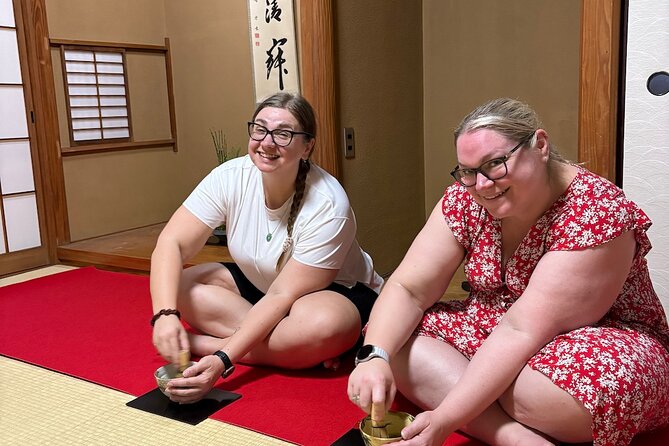
At $25.76 per person, this is priced as a short cultural activity rather than a full meal or extended workshop. The fee includes several separate elements: the historical introduction, the stone mill demonstration, the formal tea ceremony, matcha, nerikiri, traditional tools, and your own preparation session.
That makes the price reasonable for someone who wants more than a photo stop. You receive both explanation and participation, which gives the experience more substance than simply drinking matcha in a café.
The value depends partly on what you want from your time in Tokyo. If you are looking for a long lesson with detailed instruction in etiquette, equipment, and tea schools, 50 minutes may feel limited. If you want a compact introduction that fits neatly between Shibuya sightseeing plans, the duration is a strong point.
The activity had been booked more than five times in the previous week, and its published rating was five out of five from 54 reviews, with 100 percent recommending it. Those figures suggest strong demand, but they should not replace your own judgment. The main question is simple: do you want a calm, guided cultural experience, or would you rather spend the same time shopping, eating, or visiting a larger attraction?
A peaceful break, not a full tea-school course
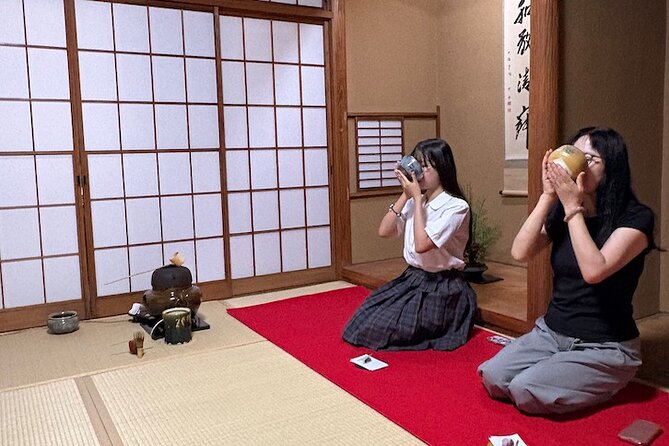
The ceremony offers an authentic look at traditional practice, but it is still designed for visitors with limited time. That distinction is useful.
You can expect:
- A concise introduction to Japanese tea
- A look at matcha production with a stone mill
- A formal demonstration by a tea master
- Matcha served with nerikiri
- Hands-on preparation using traditional equipment
- A choice of chawan
- A return to the same meeting point
You should not expect an extended meditation session, a full-day tea course, or a detailed study of every rule in Japanese tea ceremony. The published information does not promise those things.
The word authentic can be overused in tourism, but here it has a clear meaning. You are seeing established tea-making methods, using traditional tools, and tasting a classic sweet in a tea house rather than watching a stage performance built only for photographs.
At the same time, authenticity does not mean the session will be difficult or rigid. The teaching is intended to be welcoming. The hosts are described as friendly and polite, and the experience is structured so beginners can take part.
How to fit it into a Shibuya day
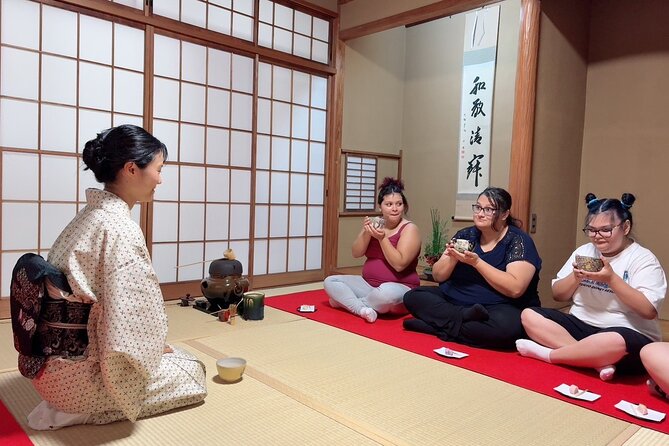
Because the session lasts about 50 minutes and ends where it starts, it works well as one stop in a wider Shibuya itinerary.
You might schedule it before shopping, after visiting nearby sights, or during a break from the district’s louder streets. The information does not give exact travel times from stations or attractions, so I would not plan a tight connection immediately afterward.
The mobile ticket is useful for a flexible day. Keep it ready on your phone, along with the exact address. Confirmation is received when you book, and the group limit means spaces may be limited at popular times.
The location is central to the experience. You are not traveling out to a remote tea garden, and you do not need to surrender half a day. You get a traditional activity in the middle of one of Tokyo’s best-known entertainment districts.
Who will enjoy this most
I would recommend this experience to first-time visitors who want a manageable introduction to Japanese culture. It is also a good choice if you have already seen Shibuya’s main sights and want something quieter.
It suits you if:
- You enjoy learning by watching and doing
- You want to taste matcha in a traditional setting
- You appreciate short, well-organized cultural activities
- You are curious about Japanese etiquette and tea tools
- You want an activity close to central Shibuya
- You prefer a group of eight or fewer
It may be less satisfying if you dislike bitter or earthy tea, have no interest in ceremony, or want a long workshop. The session is also not the right choice if you expect a private experience unless that arrangement is confirmed separately.
Families should consider the attention span of younger children. The activity involves watching a formal demonstration and handling tea equipment, so older children who can listen and follow instructions are more likely to enjoy it.
Booking and cancellation details that matter
The experience offers free cancellation if you cancel at least 24 hours before the scheduled start time. A cancellation made less than 24 hours before the start is not refunded, and changes within that same period are not accepted.
The cut-off uses local Tokyo time. That detail matters if you are booking from another time zone or changing plans near the end of your trip.
You receive booking confirmation at the time of booking. The ticket is mobile, and the activity has a maximum of eight participants.
Should you book the Shibuya tea ceremony?
I would book it if you want a short, personal introduction to matcha and Japanese tea ceremony without leaving central Tokyo. The combination of a formal demonstration, nerikiri, traditional tools, and hands-on whisking gives you more to do than a simple tea tasting.
The strongest reasons to choose it are the peaceful old tea house, the small group, and the chance to select a chawan before making your own bowl. The main limitation is time. In 50 minutes, you will learn the basics and enjoy a genuine cultural pause, but you will not become a tea ceremony expert.
Book it when you want Shibuya to show you something other than screens and crowds. Skip it only if you need a longer, more advanced lesson or have no interest in matcha. At $25.76, it is a sensible way to add a quiet, hands-on tradition to a busy Tokyo day.
FAQ
Where does the tea ceremony begin?
It begins at Japan, 150-0043 Tokyo, Shibuya, Dogenzaka, 1-chome 15, in the 万字ビル building.
Where does the activity end?
The activity ends back at the meeting point.
How long does the tea ceremony last?
The experience lasts approximately 50 minutes.
How much does the experience cost?
The listed price is $25.76 per person.
How many people can join the session?
The maximum group size is eight people.
Is the ticket available on a phone?
Yes. The experience includes a mobile ticket.
What happens at the beginning?
You hear a short explanation of the history of tea in Japan and see matcha made with a traditional stone mill.
Do you watch a formal tea ceremony?
Yes. A tea master performs a traditional tea-making ritual described as having more than 500 years of history.
Is food included?
Yes. Freshly prepared matcha is served with nerikiri, a traditional Japanese sweet.
Can I make my own matcha?
Yes. You use traditional tea tools to prepare your own bowl and can choose a chawan from a selection of tea bowls.
Can I cancel for a full refund?
Yes, if you cancel at least 24 hours before the experience start time. Cancellations made less than 24 hours in advance are not refunded.
Just added in Tokyo
- Tokyo: Meiji Shrine Walking Tour — Shintoism & Imperial System★ 5.0 · 209 reviews
- Bar Hopping Tour with a local Guide in Shinjuku★ 5.0 · 21 reviews
- Tokyo life after 5 – Foods & Drinks★ 5.0 · 32 reviews
- Tokyo: Shinjuku Food Tour Highlights (Best Eats)★ 5.0 · 100 reviews
- Tokyo Shinjuku Night Tour with Pachinko Gaming Experience★ 5.0 · 14 reviews
- Shinjuku Go Karting Tour with Funny Costume★ 5.0 · 21 reviews
- Tokyo Shibuya Crossing & Hidden Streets Walking Tour★ 5.0 · 103 reviews
- Tokyo: Shinjuku Local Bar Hopping Walking Tour★ 5.0 · 186 reviews
Tea Ceremonies, compared.
Tea Ceremony in a Traditional Tea House in Kiyomizu
Read our review →
World Heritage Kyoto & Nara Uji Authentic Matcha Experience
Read our review →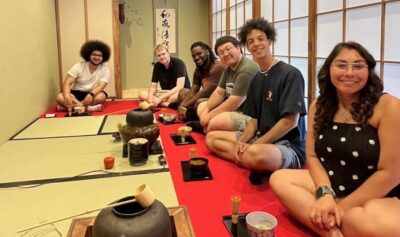
Browse the lists this tour appears in