
Reviewed · CYCLING AND E-BIKE TOURS
South Kyoto in a Nutshell: Gentle Backstreet Bike Tour!
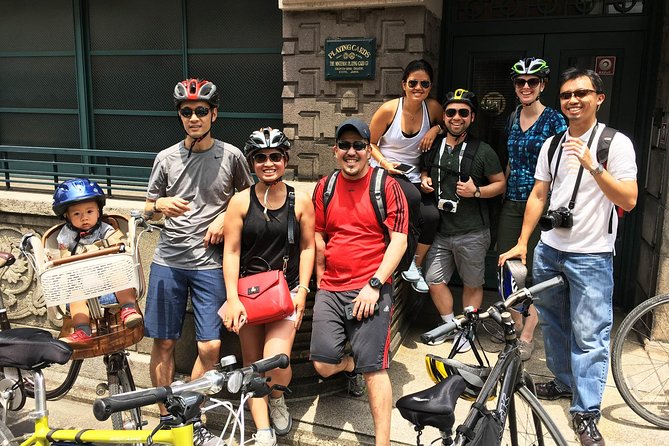
Kyoto reveals itself between the famous sights. This three-to-four-hour ride uses quiet lanes and canals to connect Fushimi Inari-taisha, Gion, Tofukuji Temple, and Nishi Honganji without making you wrestle with a bus map. I especially like the small group, capped at eight, and the quality Cannondale bikes with helmets and bottled water included. The main trade-off is time: a half-day route covers plenty, but some stops, especially Gion and Tofukuji, can feel brief if you want long photo breaks.
The pace is gentle rather than athletic, making this a smart first look at southern Kyoto. Guides such as Jay, Indra, Juan, Sam, Kevin, and Jaime have been praised for clear safety instructions, cultural context, and personal recommendations. Still, you need to be comfortable riding a bike, and the tour is not designed for children under 13.
In This Review
- Key points before you book
- Why cycling works so well in southern Kyoto
- Starting at Cycle Kyoto near Kyoto Station
- Nishi Honganji and Kyoto’s wooden scale
- Following the Takase Canal by bicycle
- Gion, geisha culture, and the short-stop problem
- Tofukuji Temple from the bridge
- Fushimi Inari without getting lost in the crowd
- The guides make the biggest difference
- Is the ride really gentle?
- What the $79.59 price buys you
- Booking details and cancellation terms
- Who should book this Kyoto bike tour?
- Should you book it?
- FAQ
- How long does the South Kyoto bike tour last?
- What time does the tour begin?
- Where does the tour start and finish?
- What is included in the price?
- How old do riders need to be?
- How many people can join the tour?
- What happens if the weather is poor?
Key points before you book
- Quiet backstreets replace much of the usual road slog, giving you a more local-feeling view of Kyoto.
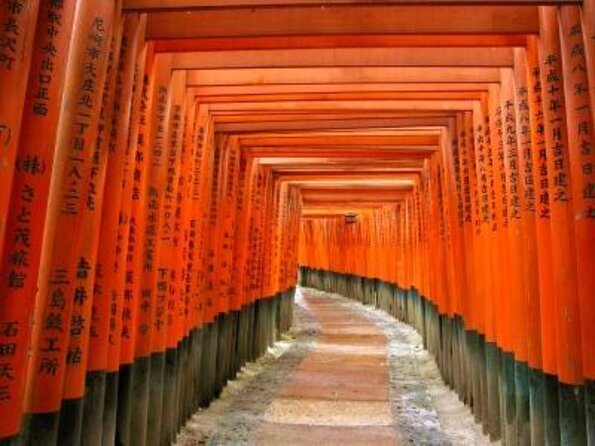
- Fushimi Inari gets a carefully chosen route, useful at Kyoto’s most crowded major shrine.
- The group never exceeds eight people, so it is easier to hear the guide and keep the ride together.
- Cannondale bikes, helmets, and bottled water are included, with an e-bike upgrade available according to one booking experience.
- Gion may feel rushed, particularly if you want time to stop, photograph, and watch the streets.
- The tour begins at 9:00 a.m. and returns to the same shop, making it easy to plan around.
Why cycling works so well in southern Kyoto
Kyoto’s best-known sights are spread across a large area, and moving between them can eat up a morning. A bike gives you a useful middle ground: you cover more ground than on foot, but you still travel slowly enough to notice canals, temple walls, residential lanes, and small corners that disappear behind a bus window.
I like the route because it does not treat Kyoto as a checklist of grand entrances. The ride links major sights with quieter stretches, including the Takase Canal. That mix gives you a sense of how the city fits together, not just a series of isolated photo stops.
This is also a practical choice for a first morning in Kyoto. You can get your bearings, learn a little about local customs, and see several important areas before deciding where to return later. Guides have adjusted the route around crowds and group schedules, which matters at places such as Fushimi Inari.
The tour has a 5 rating from 225 ratings and a 99 percent recommendation rate. That strong record is backed by repeated praise for friendly guides, safe riding instructions, good bikes, and an easy pace.
More Bike Tours in Kyoto
- Bike Tour Exploring North Kyoto plus Lunch
★ 5.0 · 1,087 reviews - Arashiyama Bamboo Forest & Hidden Gems Bike Tour (Early Bird)
★ 5.0 · 613 reviews - 5 Top Highlights of Kyoto Full Day Bike Tour (E-bike option)
★ 5.0 · 511 reviews
Starting at Cycle Kyoto near Kyoto Station
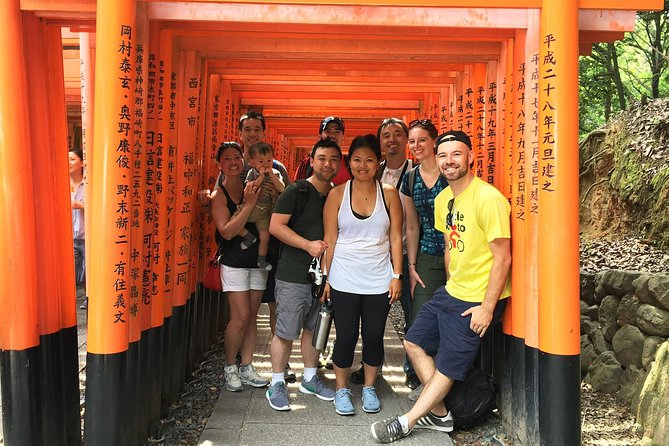
The meeting point is Cycle Kyoto at 7 Higashikujō Nishisannōchō in Minami Ward. The start time is 9:00 a.m., and the activity finishes back at the same location.
The opening 15 minutes are used to meet the guide and the rest of the group, fit your bike, put on a helmet, and prepare for the ride. This is more important than it may sound. A badly adjusted saddle or unfamiliar bike can turn a relaxed morning into a small battle, so use this time to speak up about the fit.
The maximum group size is eight. That is a useful limit on city streets. You can ask questions without holding up a large procession, and the guide can keep a closer eye on traffic, turns, and slower riders.
The included equipment is a high-quality Cannondale bicycle, a helmet, and bottled water. One rider chose an e-bike upgrade and found it especially helpful for covering the route with less effort. The standard ride is described as manageable rather than strenuous, but an e-bike could be worth considering if you dislike hills, hot weather, or sustained pedaling.
Nishi Honganji and Kyoto’s wooden scale
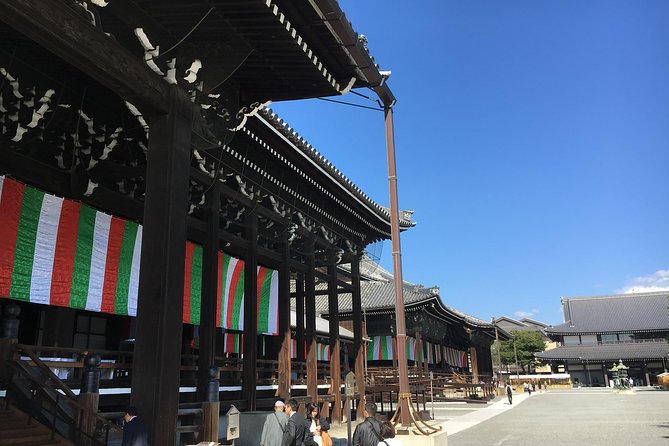
The first major stop is Nishi Honganji, one of Kyoto’s less-visited religious sites. You get about 15 minutes here, with no separate admission charge listed for the stop.
The appeal is size and atmosphere. Nishi Honganji includes one of the largest wooden buildings in the world, so it offers a strong contrast with the narrow streets outside. It is not simply another famous temple gate for a quick photograph. The broad wooden architecture gives you a feel for the scale and seriousness of Kyoto’s religious buildings.
The short stop is enough for an introduction, but not for a long examination of every detail. I would treat it as a well-chosen opening lesson rather than the main event. The guide’s explanation matters here, since the building’s significance is easier to appreciate when someone points out what you are seeing.
Following the Takase Canal by bicycle
The ride then follows the serene Takase Canal. This is one of the route’s most appealing stretches because the movement itself becomes part of the experience. You are not stopping at a gate, taking a picture, and rushing to the next attraction. You are riding beside a waterway while hearing how it fit into Kyoto’s past.
The canal also gives the group a calmer change of scene after the city streets. You might find this is where the tour feels most different from a standard bus route. The guide can pause for photographs, although exact stopping time depends on the group and the pace of the morning.
The canal section is a good reminder that cycling is not only about speed. You can cover ground efficiently, but you are still close enough to hear the city and notice the details along the route. Keep your camera handy, but do not expect a long, formal photo session at every attractive spot.
A completely different kind of day out:
- PERFECT KYOTO 1-Day Bus Tour
★ 5.0 · 13,518 reviews - [Kyoto & Nara Day Tour] Sagano Scenic Railway & Nara Park & Fushimi Inari Taisha Thousand Torii Gates & Togetsukyo Bridge & Bamboo Grove & Kimono Forest (Departing from Osaka)
★ 4.9 · 10,942 reviews - Kyoto: Fushimi Inari, Kinkakuji, Bamboo Grove 1 Day Bus Tour
★ 4.8 · 4,316 reviews - Kyoto: Tea Ceremony in a Traditional Tea House in Kiyomizu
★ 4.9 · 3,519 reviews
Gion, geisha culture, and the short-stop problem
Gion is the route’s most recognizable traditional district. The guide explains the area’s geisha culture and the customs surrounding this carefully guarded world. You might even catch sight of a maiko, though no sighting can be promised.
This is a place where manners matter. Follow the guide’s instructions, keep your distance, and remember that Gion is a living neighborhood rather than a stage set. The value of seeing it by bike is that you can reach its lanes without spending the whole morning walking between distant sights.
The weakness is the limited time. The listed stop is about 15 minutes, and one rider felt that Gion in particular needed more time for photographs and simply taking in the atmosphere. That is fair criticism. Gion rewards patience, but this tour is built to show you several parts of southern Kyoto, not to provide a full Gion visit.
I would book this ride if you want an introduction to the district. If Gion is your top Kyoto priority, plan to return independently on another day.
Tofukuji Temple from the bridge
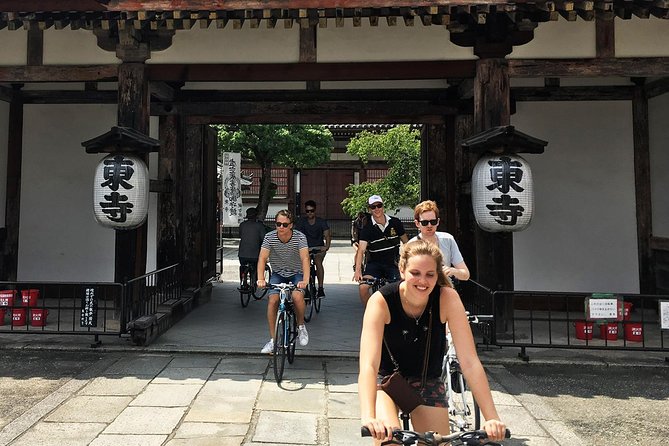
Tofukuji Temple receives a very short stop of about five minutes. The temple is one of the country’s oldest and largest Zen temples, and its bridge provides striking views across the grounds.
Five minutes is enough to admire the setting and hear a quick explanation, but it is not enough for a proper temple visit. You will not have time to wander widely or study every building. The stop works best as a scenic preview.
That brevity is the clearest sign that this is a sampling tour. You see a range of Kyoto sights, but you are not getting full admission-style visits at each one. I consider that a reasonable trade if you want variety and a broad introduction. It is less suitable if your ideal morning means sitting quietly at one temple and exploring every garden path.
Fushimi Inari without getting lost in the crowd
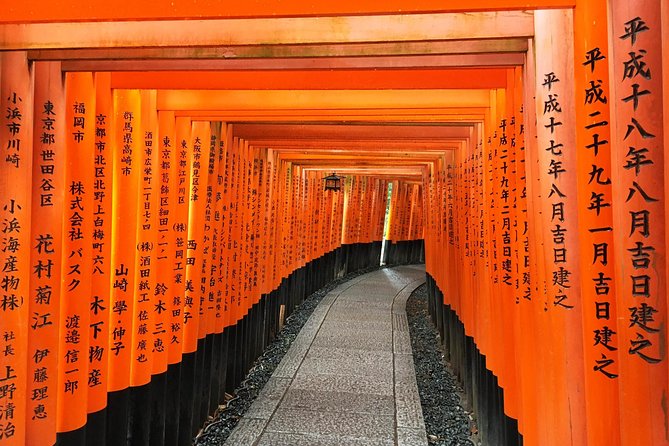
Fushimi Inari-taisha is the final major stop and gets about 25 minutes. Its rows of orange torii gates make it one of Kyoto’s most photographed sights, but the crowds can make the shrine confusing and slow.
The guide’s role is especially useful here. Rather than leaving you to study a map and guess where to go, the route is adjusted to find a practical path through the busiest areas. You get a focused look at the shrine and time for photographs, while avoiding some of the uncertainty that comes with arriving alone.
Do not expect to walk the entire mountain trail. The full Fushimi Inari experience can take much longer than this tour allows. Think of the stop as a smart introduction, with enough time to see the famous gates and understand the setting before moving on.
This was one of the most consistently praised parts of the route because it combines a major Kyoto sight with the guide’s crowd management. It also makes a good final stop: after seeing quieter streets and lesser-known corners, you finish with the city’s most instantly recognizable shrine.
The guides make the biggest difference
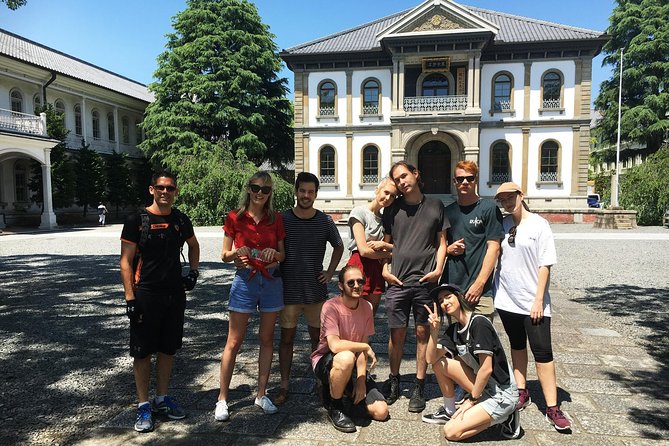
The route is appealing on its own, but the guide shapes the quality of the morning. Several guides have received specific praise for their warmth and storytelling.
Jay has been praised for humor, cultural insight, and a flexible approach to the route. One rider noted that he helped with a restaurant reservation, while another appreciated his explanation of Gion and the shrines. Kevin was singled out for making the history easy to follow, and Sam was praised for supplying useful background at each stop.
Indra has been described as both friendly and careful about safety, with clear stories at the main sites. Juan made an extra stop at the original Nintendo card company after learning that one child in the group liked Nintendo. That kind of small adjustment shows what a small group can allow, although you should not assume every personal request can be added.
Other praised guides include Jaime, Quin, Thierry, Carl, Julian, and Paul. Jaime offered lunch suggestions, Thierry included a lesson in counting in Japanese, and one guide was an ordained Shinto priest who gave a personal explanation of religion and culture.
The guide is also responsible for practical safety. Clear instructions about pedestrians and traffic were specifically appreciated. That matters because Kyoto’s narrow lanes require attention, patience, and respect for people on foot.
There was one complaint about too much chitchat and not enough time for another sight. That is the natural risk of a conversational small-group tour. A guide who answers questions and shares personal stories can make the ride memorable, but it can also use time that another rider would prefer to spend exploring.
Is the ride really gentle?
The tour is described as a relaxed half-day ride with mostly manageable terrain and many side streets. You should still be comfortable riding a bicycle before booking. The minimum age is 13.
The effort level depends on the weather and your own fitness. One rider completed the route on a 36C summer day and still enjoyed it, while another had a chilly, rainy morning and appreciated the provided gloves and hat. These experiences suggest that the operator can help with changing conditions, but Kyoto weather can still affect your comfort.
Bring practical clothing and shoes suitable for pedaling. Since the tour includes bottled water, you do not need to arrange that at the shop, but staying hydrated is still sensible in hot weather. The pace suits people who want some exercise without turning the morning into a workout.
Families can enjoy the outing if every rider meets the age requirement and feels secure on a bike. The guide’s attention to safety is a plus, though parents should remember that traffic and narrow lanes are part of urban cycling.
What the $79.59 price buys you
At $79.59 per person, this is not the cheapest way to see Kyoto. Its value comes from combining transportation, equipment, route planning, local explanation, and several major stops in one morning.
You receive the bicycle, helmet, bottled water, and a guide. You also avoid spending time figuring out how to connect Nishi Honganji, the Takase Canal, Gion, Tofukuji, and Fushimi Inari on your own. For a first visit, that saved planning time has real value.
The group limit of eight strengthens the calculation. You are not paying for a large coach excursion where the guide’s voice disappears and every stop becomes a march. You get a more personal format and a better chance to ask questions.
The price is harder to justify if you already know Kyoto well, own access to a bike, and prefer exploring at your own pace. It is also less suitable if you want deep visits inside each temple or a long walk through Fushimi Inari.
For most first-time visitors who want a broad introduction and enjoy cycling, I consider the price reasonable. The tour gives you a useful map of southern Kyoto, then leaves you free to return to the places that caught your attention.
Booking details and cancellation terms
You receive confirmation when you book, and the activity is near public transportation. The tour starts at 9:00 a.m., lasts about three to four hours, and returns to Cycle Kyoto.
Free cancellation is available up to 24 hours before the local start time for a full refund. Changes or cancellations inside that 24-hour window are not accepted for a refund. Because the ride depends on good weather and a minimum number of participants, the operator may offer another date or a full refund if it must cancel.
Who should book this Kyoto bike tour?
I would choose this experience for a first or second morning in Kyoto, especially if you want to see several districts without spending the whole day on foot. It suits couples, families with older children, solo riders, and small groups who enjoy conversation and a little exercise.
It is a particularly good match if you want:
- A quiet route between major sights
- A guide who explains Japanese culture and local history
- A small group rather than a large organized excursion
- Help handling Fushimi Inari’s crowds
- A gentle introduction to Gion, Tofukuji, and southern Kyoto
I would look elsewhere if you dislike cycling, need long photo stops, want extensive temple visits, or expect to explore every corner of Fushimi Inari. The route offers breadth, not total coverage.
Should you book it?
Yes, if you want a relaxed and efficient introduction to Kyoto by bicycle. The best parts are the quiet connecting streets, the small group, the strong bikes, and guides who add far more than directions. You will see a lot in half a day and gain useful ideas for the rest of your stay.
Book with the right expectation: Gion and Tofukuji are brief previews, not full visits. If that sounds like a fair exchange for local stories, fresh air, and a smart route through southern Kyoto, the $79.59 fee is well spent.
FAQ
How long does the South Kyoto bike tour last?
The tour lasts approximately three to four hours.
What time does the tour begin?
The tour starts at 9:00 a.m.
Where does the tour start and finish?
It starts at Cycle Kyoto, located at 7 Higashikujō Nishisannōchō, Minami Ward, Kyoto. The activity ends back at the same meeting point.
What is included in the price?
The price includes a high-quality Cannondale bike, helmet, bottled water, and use of the bicycle during the tour.
How old do riders need to be?
Riders must be at least 13 years old and comfortable riding a bicycle.
How many people can join the tour?
The maximum group size is eight people.
What happens if the weather is poor?
The experience requires good weather. If the operator cancels because of poor weather, you can choose another date or receive a full refund.
Just added in Kyoto
- The “Golden Route” and Ancient Japan by DIAMIR Erlebnisreisen – 14-Day Tour★ 2.0 · 2 reviews
- Japan: Castles & Cuisine by G Adventures – 6-Day Kyoto to Osaka Tour★ 4.5 · 4 reviews
- Cycle Japan by Explore! – 13-Day Kyoto to Tokyo Tour★ 4.7 · 12 reviews
- Cycle Japan by Intrepid Travel – 11-Day Kyoto to Tokyo Tour★ 4.8 · 2 reviews
- Classic Japan by Intrepid Travel – 11-Day Kyoto to Tokyo Tour★ 4.4 · 14 reviews
- Ancient & Modern Japan 14-Day Tour by Exodus Adventure Travels★ 4.4 · 40 reviews
- 5 Day Cultural Adventure of Kyoto, Nara & Osaka by Tourist Journey★ 2.5 · 2 reviews
- 12 Days Kinosaki Onsen Escape: A Journey Through Japan’s Timeless Towns by UME Travel★ 4.8 · 5 reviews
Cycling and E-Bike Tours, compared.
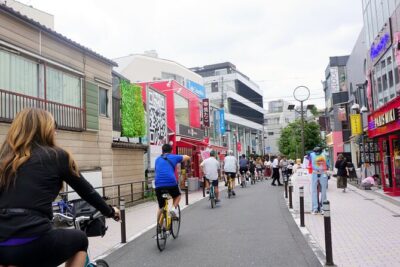
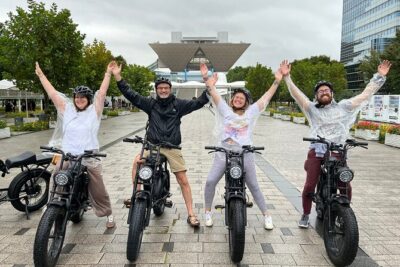
3h Tokyo E-Bike Tour: Hidden Gems, and Local Life with guide
Read our review →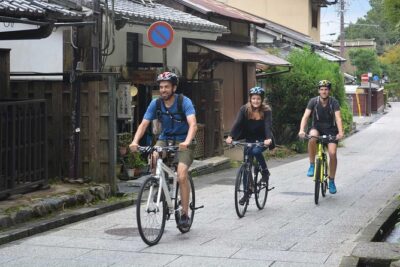
Arashiyama Bamboo Forest & Hidden Gems Bike Tour (Early Bird)
Read our review →
5 Top Highlights of Kyoto Full Day Bike Tour (E-bike option)
Read our review →

Hiroshima 2hr Peace Cycling Tour with Local Guide
Read our review →Browse the lists this tour appears in