
Reviewed · TEA CEREMONIES
Tea ceremony and kimono experience at Kyoto, Tondaya
Step inside old Kyoto for tea and silk. Tondaya offers two things I especially like: dressing in a real silk kimono and exploring a Meiji-period machiya that still feels like a family home. The tea ceremony gives you a clear introduction to an important Japanese custom, but the quality of the visit depends heavily on crowd size and how much explanation your group receives.
At $178.34 per person, this is not a cheap cup of matcha. You are paying for the kimono fitting, access to the historic house, photographs, and a short ceremony in a traditional setting. I would consider it worthwhile for someone who values the setting and clothing as much as the tea, but less appealing if you want a quiet, detailed tea lesson.
In This Review
- Key points before you book
- Why Tondaya feels different from a standard Kyoto tea show
- Arrival at the Nishijin machiya
- The kimono fitting comes first
- Photographing the house and kimono
- Watching the tea ceremony
- How group size changes the experience
- Is $178.34 good value?
- Timing, comfort, and practical details
- Who will enjoy Tondaya most?
- Should you book the Tondaya experience?
- FAQ
- Where does the tea ceremony take place?
- How long does the experience last?
- Is the kimono included?
- Are makeup and hair styling included?
- Do I need to bring socks?
- Are geta sandals included?
- Is the experience private?
- What is the cancellation policy?
Key points before you book
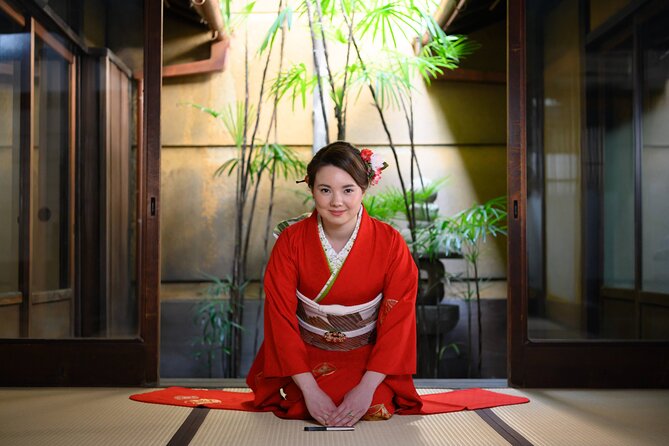
- The house is the main attraction: Tondaya is a more than 140-year-old machiya in Kyoto’s Nishijin district, not a modern cultural center.
- Kimono dressing is included: Staff fit you with an authentic silk kimono, though makeup, hair styling, socks, and geta sandals cost extra or are not included.
- The ceremony is short: The full visit lasts about 90 minutes, but the actual tea preparation may take only a few minutes.
- Crowd size matters: The listed maximum is 20 people, yet some reports describe much larger or poorly managed groups.
- Bring your own socks: Socks are required to help protect the historic building and its floors.
- Private booking may be the safer choice: The private option costs more, but it can help you see and hear the ceremony clearly.
Why Tondaya feels different from a standard Kyoto tea show
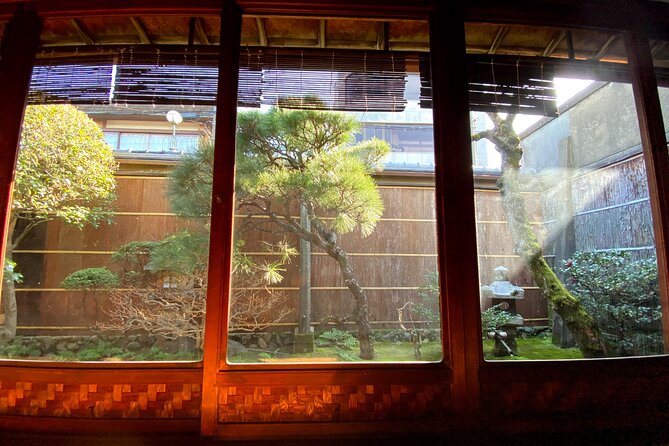
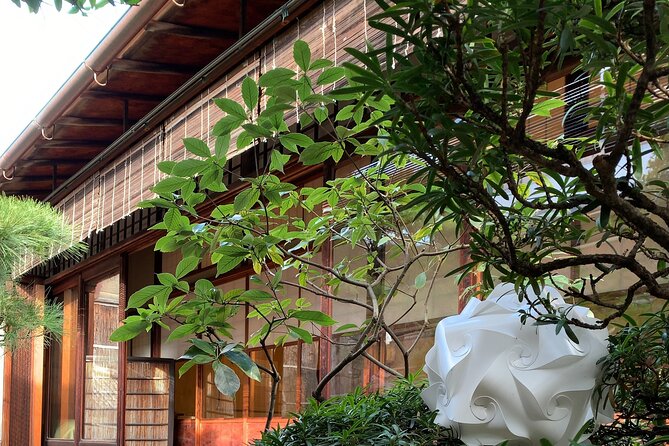
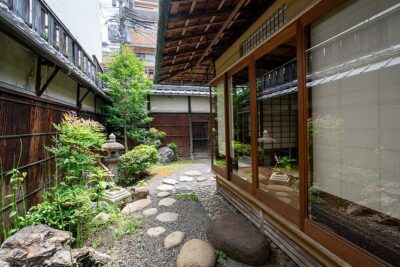
Many Kyoto tea experiences take place in purpose-built venues. Tondaya has a different appeal. You enter a wooden machiya, the long, narrow townhouse style once common across Kyoto, and move through rooms that were built during the Meiji period.
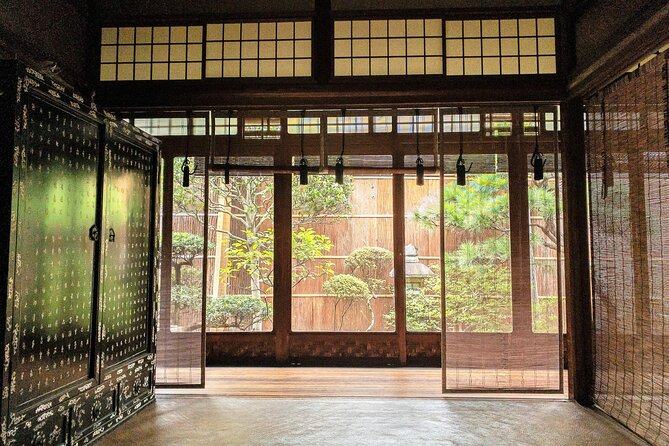
The house has an intimate scale. You may see traditional furnishings, seasonal objects, gardens, and rooms arranged around the flow of air and light. One of the pleasant details is the sense of seasonal breezes moving through the open parts of the home. It is a simple thing, but it helps you understand how these houses were designed before modern cooling.
I like that Tondaya gives you more than a staged room and a bowl of tea. The building itself provides a setting for the ceremony. You also have time to take photographs around the house after dressing, which makes the kimono part feel connected to the place rather than added as a separate costume stop.
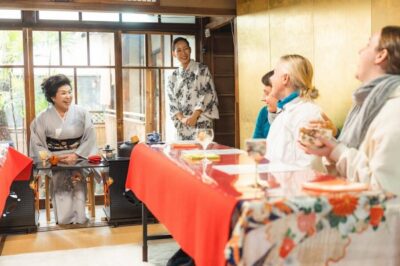
The atmosphere can change quickly, though. A quiet old house becomes cramped when several groups arrive together. Some accounts describe a calm private-room ceremony, while others describe a crowded room where people could not see or hear. That difference is important at this price.
More Kimono Experiences in Kyoto
- [Kyoto & Nara Day Tour] Sagano Scenic Railway & Nara Park & Fushimi Inari Taisha Thousand Torii Gates & Togetsukyo Bridge & Bamboo Grove & Kimono Forest (Departing from Osaka)
★ 4.9 · 10,942 reviews - Kyoto Geisha Walking Tour: Gion District & Hidden Gems
★ 4.7 · 3,273 reviews - Kyoto: Gion Magical Night Walking Tour with Geisha Trivia
★ 4.9 · 2,393 reviews
Arrival at the Nishijin machiya
The meeting point is Tondaya, Nishijin Japanese Cultural Experience Museum, at 697 Ishiyakushicho in Kyoto’s Kamigyo Ward. It is near public transportation, but the building can be difficult to identify from the street.
Do not expect an obvious museum entrance with large signs. Tondaya looks like a traditional Japanese house, and several people have found it easy to miss, especially before opening time. I would allow extra time and use GPS carefully. Arriving late may affect the fitting schedule because the group moves through the house together.
The location also shapes the experience. Nishijin is known for its connection to Kyoto’s textile traditions, so the district makes sense for an activity centered on kimono and traditional domestic culture. It is not in Gion, and that may matter if you are looking for the classic geisha-district setting shown in many Kyoto photographs.
The trade-off is that Tondaya feels less like a polished sightseeing attraction. You get a more residential setting, but the entrance is less obvious and the organization may feel informal.
The kimono fitting comes first
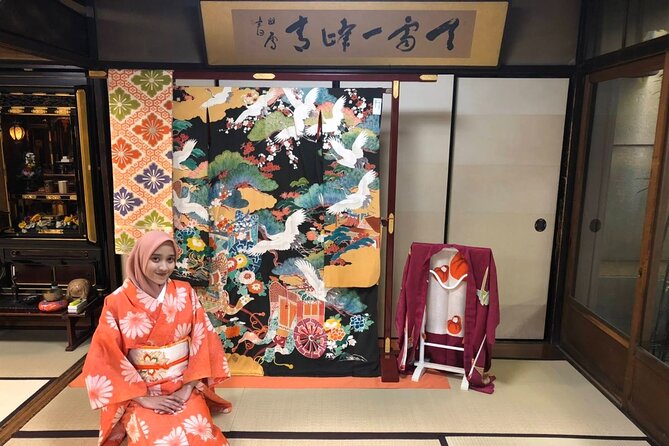
After arrival, staff fit you with an authentic silk kimono. You choose among available colors, then the garment is put over your own clothing. The fitting is one of the most consistently praised parts of the experience.
The staff members helping with the kimono are described as kind, patient, and respectful. They work quickly, which is useful when a group must be dressed within a short time. The result is a complete traditional look suitable for photographs, though this is not a full beauty appointment.
Makeup and hair styling are not included. Neither are socks or geta, the wooden sandals often associated with kimono. You can bring your own socks, and socks may also be available for purchase at the site. The instruction to wear socks is practical as well as cultural, since outdoor shoes are removed and the house contains historic materials.
I would wear comfortable clothing underneath and avoid anything complicated to change around. You are not booking a long fashion session, so expect a quick fitting rather than a detailed lesson on every layer, fabric, or regional style.
This is also where expectations need adjusting. For some people, wearing the kimono is the highlight and fully justifies the cost. Others expect a more elaborate explanation of the clothing and are disappointed when the emphasis stays on fitting, photographs, and moving the group along.
Photographing the house and kimono
Once dressed, you can take photographs around the machiya. This is a useful part of the visit because the house gives your pictures more character than a plain studio backdrop.
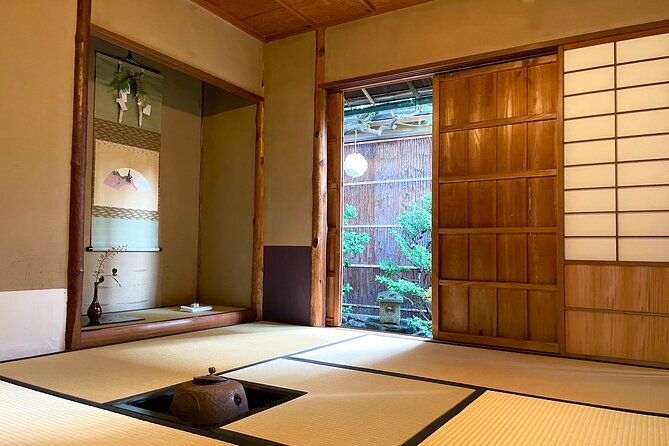
You may photograph traditional rooms, household objects, gardens, and parts of the wooden structure. The setting is old, intimate, and distinctly Kyoto. Several people particularly liked being able to pose with props and take many pictures before the ceremony began.
The house tour also gives you a glimpse of how a traditional townhouse works. Rooms are connected in a way that feels different from a modern home, and you may notice the relationship between interior spaces, gardens, open corridors, and changing seasons.
Still, this part is not always a guided architectural tour in great depth. The amount of explanation appears to vary. Some groups receive useful comments about the rooms, furniture, flowers, and tea equipment. Others get only a brief walk-through and general instructions to take pictures.
If photography matters to you, ask politely when and where it is allowed, then take advantage of the opportunity. Once the group moves upstairs or into the tea room, the schedule becomes less flexible.
More Tea Ceremonies in Kyoto
- Kyoto: Tea Ceremony in a Traditional Tea House in Kiyomizu
★ 4.9 · 3,519 reviews - Kyoto: Tea Ceremony Ju-An at Jotokuji Temple
★ 4.9 · 3,207 reviews - Kyoto: 45-Minute Tea Ceremony Lesson Experience
★ 4.3 · 2,378 reviews - Kyoto: Table-Style Tea Ceremony at a Kyo-Machiya
★ 4.9 · 1,211 reviews
Watching the tea ceremony
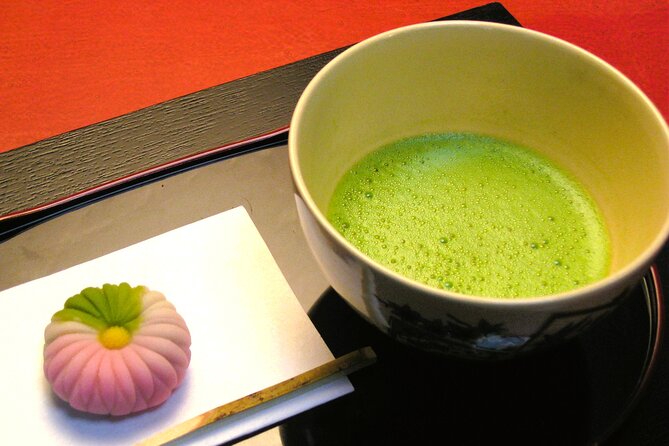
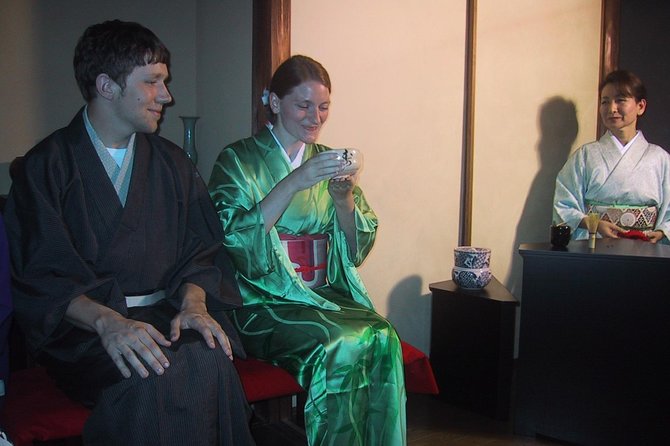
The tea ceremony is the heart of the experience, but it is also the part with the most uneven feedback. You watch a tea master prepare matcha, learn how to receive the bowl, and drink the tea with a Japanese sweet.
The ceremony is meant as an introduction, not a full study of chanoyu. You may be shown how to hold the bowl, how to drink, and how to follow the basic etiquette. The host may also explain the meaning behind some of the gestures and objects.
At its best, the presentation is simple and informative. One highly praised version included an explanation of each step, the way the tea is made, and why the actions are performed. Other accounts describe the ceremony as a few minutes long, with little background about the purpose of the ritual, the history of tea, or the meaning of the clothing.
That difference may come from the guide, language ability, timing, or crowd size. English explanations are not always easy to follow, and a large room makes it harder to hear. If you sit toward the back, you may struggle to see the tea being prepared.
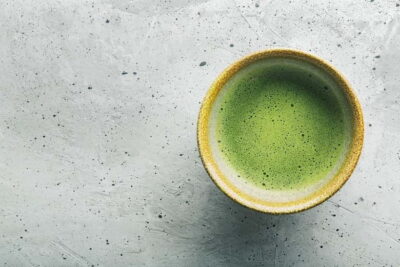
The tea itself is matcha, served with a sweet. A few people found the tea or sweet disappointing, including reports of a cold drink and a packaged sweet. Others enjoyed the taste and considered the serving a pleasant part of the ritual. Tea is personal, but the presentation matters more here than the quantity. You receive only a small serving, not a long tea tasting.
You should also expect to participate in a group. If a large party is present, the room may feel crowded, hot, or noisy. Some accounts describe another group moving through the stairs during the ceremony, which can break the quiet mood.
How group size changes the experience
The activity is advertised for a maximum of 20 people, and it is conducted with other participants unless you choose the private option. In practice, crowd management appears to be the central risk.
A group of 20 is already a lot for a traditional tea room. Everyone must be fitted with a kimono, guided through the house, seated, served tea, and moved out again within roughly 90 minutes. If people arrive late or several bookings overlap, the visit can become hurried.
Some accounts describe groups far larger than the advertised maximum, with dozens of people squeezed into small rooms. I cannot treat those reports as a guaranteed feature of every departure, but they are too specific to ignore. The key question is not just how many people book your time slot. It is whether the ceremony is held in a room where everyone can see and hear.
A private experience is worth considering if you care about calm, photography, or instruction. The private option should give your party more room to ask questions and follow the ceremony, though the supplied details do not state how many people it allows or what extra services it includes.
If you book the standard group visit, arrive early, listen for staff instructions, and position yourself where you can see the tea table. You may also want to ask at the start how the ceremony will be organized. A clear explanation can make a short ritual feel much more meaningful.
Is $178.34 good value?
The price is high for a 90-minute activity. You are not paying only for tea. The fee covers the entrance, kimono experience, ceremony, use of a historic house, and the staff time needed to dress a group.
I can see the value for someone who wants a photograph-friendly cultural activity in an old Kyoto home. The kimono is made of silk, the building has real age and character, and the experience offers a gentle introduction to etiquette that can be difficult to arrange independently.
The value falls if your main goal is serious instruction. The ceremony may last only a few minutes, and the explanation may be brief. You also do not receive lunch, makeup, hair styling, socks, or geta. If you add other services or choose private access, the total cost rises.
For comparison within your own planning, think of this as a cultural photo session with a tea demonstration, not as a full tea school lesson. That description matches the strongest parts of the experience and prevents the most common disappointment.
I would pay this price for the setting, kimono, and chance to see a working traditional house. I would hesitate if I wanted detailed instruction in the philosophy, equipment, seasonal customs, and precise sequence of chanoyu.
Timing, comfort, and practical details
The advertised duration is about one hour and 30 minutes, though the actual length can change with crowding. Some accounts describe leaving early because the tea room was too hot or crowded, while others found the time sufficient.
You remove your shoes, so socks are required. Bring a clean pair that you will be comfortable wearing with a kimono. The experience does not include food beyond the small sweet served with tea, so plan lunch or another meal separately.
The tour begins and ends at Tondaya. It does not include transportation, and the meeting point can take time to find. A taxi may be convenient, but using GPS and allowing extra time is the important part.
The activity is near public transportation and most people can participate. It is listed for a maximum of 20 participants. Because you must sit, change into traditional clothing, and move through a historic house, anyone with specific mobility or comfort concerns should confirm details before booking.
Free cancellation is available if you cancel at least 24 hours before the start time. Changes or cancellations inside that window are not accepted for a refund.
Who will enjoy Tondaya most?
I would recommend Tondaya to you if you want to wear a kimono, photograph yourself in a genuine old house, and receive a short introduction to tea etiquette. It is especially suitable for first-time visitors who want one compact cultural activity rather than a long formal lesson.
Families and couples may enjoy the visual side of the experience, and the house gives you something distinctive to remember beyond the tea itself. The staff are often described as warm and respectful, which makes the fitting feel comfortable even if you have never worn a kimono.
I would be cautious if you dislike group activities, heat, tight seating, or uncertain organization. You may also be disappointed if you expect an elaborate ceremony lasting 30 minutes or more, detailed instruction in English, or a long conversation about Japanese clothing.
For serious tea enthusiasts, I would choose the private option if available and confirm exactly how much teaching is included. For everyone else, go in with the right expectations: the kimono and machiya are the main event, while the tea ceremony is a short cultural demonstration.
Should you book the Tondaya experience?
Tondaya is a worthwhile choice when the historic house and kimono fitting matter as much as the tea. The setting feels more personal than a modern cultural show, and the photographs can become some of your most memorable Kyoto keepsakes.
I would book it as a first introduction, but only after accepting the risks of group size and limited explanation. Arrive early, bring socks, use GPS, and consider paying for a private session if peace and clear sightlines are important.
Book with confidence if you want a traditional outfit, a real machiya, and a taste of tea etiquette. Skip it if you want a quiet, highly detailed ceremony at a lower price.
FAQ
Where does the tea ceremony take place?
It takes place at Tondaya, Nishijin Japanese Cultural Experience Museum, at 697 Ishiyakushicho, Kamigyo Ward, Kyoto, Japan.
How long does the experience last?
The maximum activity time is about one hour and 30 minutes. The exact length can vary depending on how crowded the visit is.
Is the kimono included?
Yes. The experience includes being fitted with a traditional silk kimono and wearing it during the house tour and tea ceremony.
Are makeup and hair styling included?
No. Makeup and hair styling are not included.
Do I need to bring socks?
Yes. You should bring socks because they are required to help protect the cultural property. Socks may also be available to buy at the venue.
Are geta sandals included?
No. Geta, the traditional wooden sandals, are not included.
Is the experience private?
The standard experience is conducted in a group. A private option is available for people who prefer a more private setting.
What is the cancellation policy?
You can cancel at least 24 hours before the local start time for a full refund. Cancellations or changes made less than 24 hours before the start time are not accepted for a refund.
Just added in Kyoto
- The “Golden Route” and Ancient Japan by DIAMIR Erlebnisreisen – 14-Day Tour★ 2.0 · 2 reviews
- Japan: Castles & Cuisine by G Adventures – 6-Day Kyoto to Osaka Tour★ 4.5 · 4 reviews
- Cycle Japan by Explore! – 13-Day Kyoto to Tokyo Tour★ 4.7 · 12 reviews
- Cycle Japan by Intrepid Travel – 11-Day Kyoto to Tokyo Tour★ 4.8 · 2 reviews
- Classic Japan by Intrepid Travel – 11-Day Kyoto to Tokyo Tour★ 4.4 · 14 reviews
- Ancient & Modern Japan 14-Day Tour by Exodus Adventure Travels★ 4.4 · 40 reviews
- 5 Day Cultural Adventure of Kyoto, Nara & Osaka by Tourist Journey★ 2.5 · 2 reviews
- 12 Days Kinosaki Onsen Escape: A Journey Through Japan’s Timeless Towns by UME Travel★ 4.8 · 5 reviews
Tea Ceremonies, compared.
Tea Ceremony in a Traditional Tea House in Kiyomizu
Read our review →
World Heritage Kyoto & Nara Uji Authentic Matcha Experience
Read our review →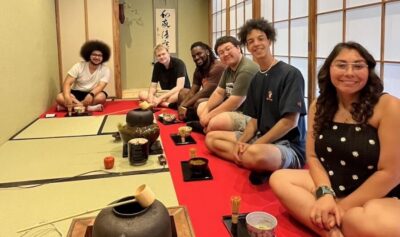
Browse the lists this tour appears in