
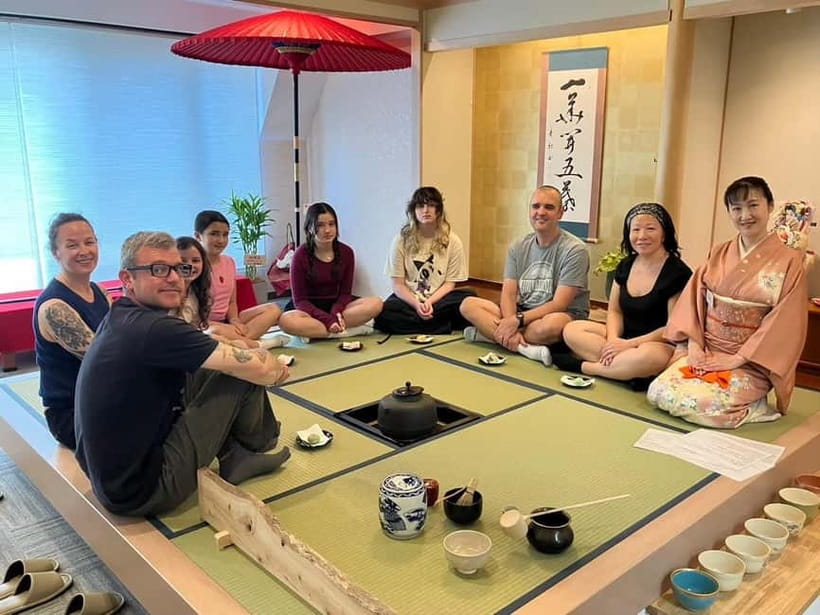
Reviewed · TEA CEREMONIES
Tea ceremony experience in Japanese-style room 60min
Slow down for a cup of matcha. This intimate tea ceremony at Wasako gives you more than a formal demonstration. You choose your own sweets and matcha bowl, learn why each utensil matters, and prepare the tea yourself. I especially like the small groups of up to seven and the chance to take photographs inside a registered tangible cultural property. The main consideration is timing: the core experience may finish in about 45 to 60 minutes, so it may feel brief if you expect a long, elaborate ceremony.
The setting is a Japanese-style room inside the Charyo-Ichimatsu restaurant, close to Asakusa and Tawaramachi stations. I also like the patient, personal hosting, particularly from Ryouko, who has been praised for explaining each step and taking photos. Bring socks, though, because shoes are not allowed indoors and tatami access requires covered feet.
In This Review
- Key details before you book
- Entering Wasako near Asakusa
- Choosing a bowl with its own story
- Watching the demonstration
- Making your own matcha
- A registered cultural property with photo appeal
- How much value does $45 provide?
- Socks, tatami, and what to wear
- The atmosphere and the people who lead it
- Who should book this tea ceremony?
- Booking, cancellation, and timing tips
- Should you book it?
- FAQ
- Where does the tea ceremony take place?
- How do I reach the meeting point?
- What start times are available?
- How long does the activity last?
- Is matcha included in the price?
- Can I choose the tea bowl and sweets?
- Do I need to bring socks?
- Is the experience available in English?
- Can children or wheelchair users participate?
Key details before you book
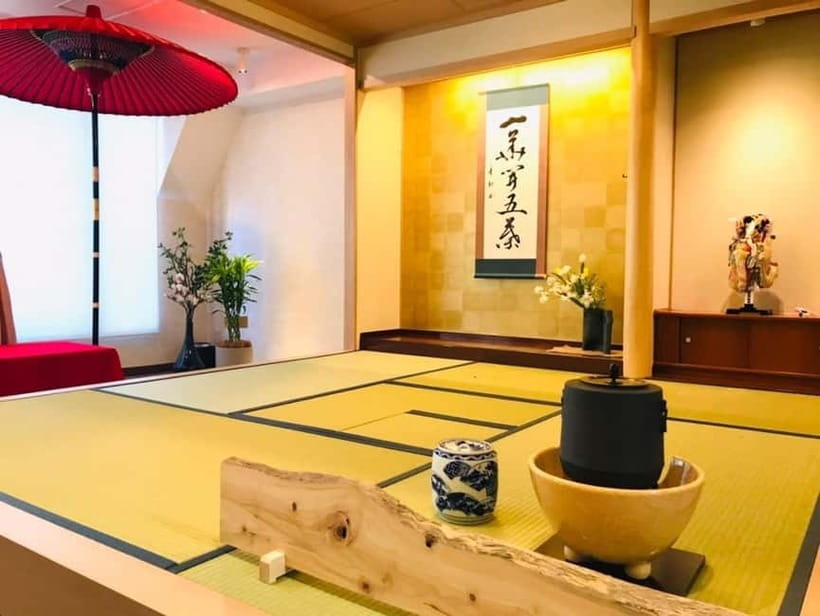
- Choose your own tea bowl and sweets: Each matcha bowl has a different design, and the host explains the bowl you select.
- Watch, then make matcha yourself: You first see the ceremony performed, then learn the basic steps and whisk your own tea.
- A historic Japanese setting: Ichimatsu is a registered tangible cultural property with plenty of attractive spots for photographs.
- Small and personal: The group is limited to seven people, and private-feeling sessions can happen when attendance is light.
- Convenient Asakusa location: The room is about five minutes from Tawaramachi Station and ten minutes from Asakusa Station.
- Plan for bare feet rules: Shoes are removed indoors, and socks are required if you step onto the tatami. Socks can be purchased for 500 yen.
Entering Wasako near Asakusa
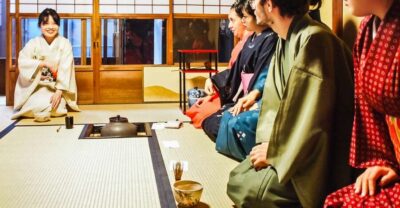
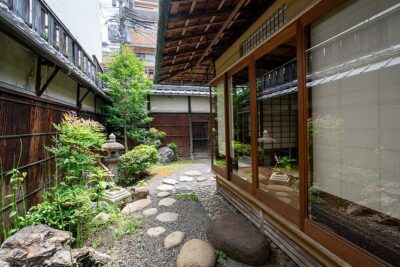
Wasako is located inside the Charyo-Ichimatsu restaurant, in a traditional Japanese-style room. You are not meeting in a large tourist facility or a busy public hall. The room itself provides much of the atmosphere, with furnishings, hanging scrolls, tea utensils, and carefully arranged objects that invite a closer look.
The location works well with a day around Asakusa. From Tawaramachi Station on the Tokyo Metro Ginza Line, use Exit 3 and allow about five minutes on foot. From Asakusa Station on the Toei Asakusa Line, Exit A4 is about ten minutes away.
One practical warning is worth noting. Directions and signage may not feel obvious at first, so allow extra time rather than arriving at the last second. Look for the green signs marked Tea ceremony experience. The entrance is on the fifth floor, two doors down on the right from the kimono rental area. Another useful landmark is the incense shop doorway.
The available start times are 10:00, 11:30, 13:30, and 15:00. When you book, check the exact duration and start time shown for your date. The experience is described as lasting from 45 minutes to four hours, while the tea ceremony itself is generally presented as a roughly 45 to 60 minute activity. A kimono rental can add time if you choose that option.
More Tea Ceremonies in Tokyo
- Matcha Making Class in Tokyo with Authentic Japanese Sweets Set
★ 5.0 · 744 reviews - Tokyo: Traditional Tea Ceremony with a Tea Master
★ 5.0 · 528 reviews - Tokyo: Matcha Making Experience with Mochi Sweets in Asakusa
★ 4.9 · 388 reviews
Choosing a bowl with its own story
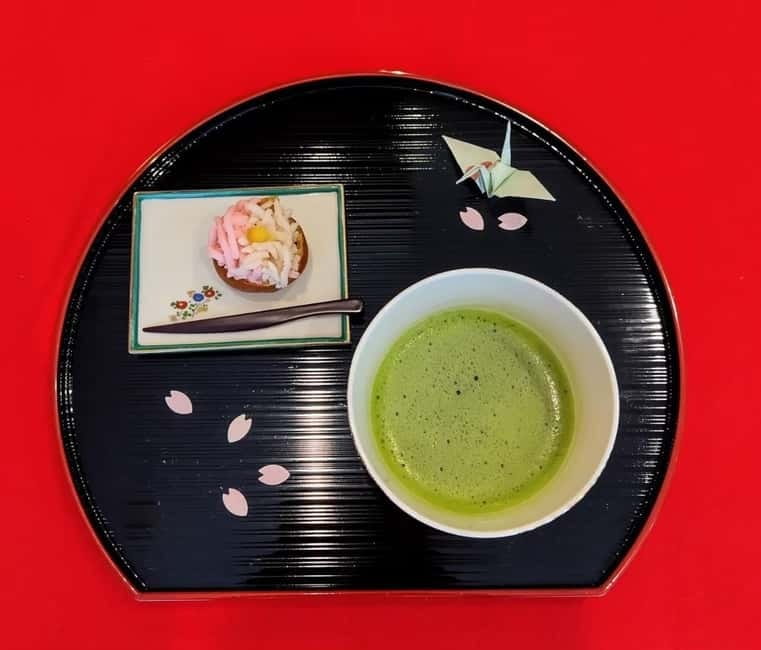
One of the nicest touches comes before the tea is prepared. You select the matcha bowl and the sweets you will use.
This is not just a quick choice between identical souvenirs. The bowls have individual designs, and the host explains them one by one. That small act changes the experience from simply drinking green tea into noticing the objects used to serve it. You begin to see the bowl as part of the occasion, not just a cup.
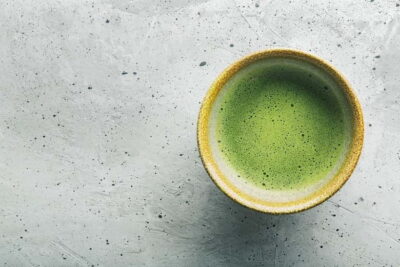
The sweets balance the strong, grassy taste of matcha. You enjoy them during the demonstration, then drink the tea in the traditional sequence explained by your host. If you have never tried matcha before, this is a friendly way to understand why it is served with something sweet.
The room also gives you plenty to look at while you wait. Hanging scrolls and furnishings are explained as needed, along with details about tea ceremony customs and the building. The amount of explanation can vary with the group and the questions you ask. If you want more cultural context, ask directly about an object or gesture rather than sitting quietly through the whole session.
Watching the demonstration
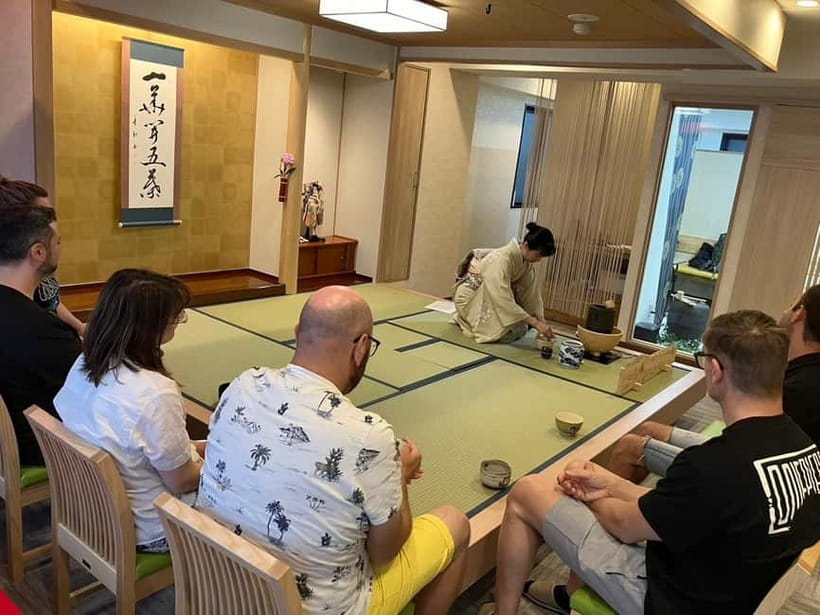
The demonstration is the quiet center of the experience. Your host prepares matcha with controlled movements and explains what is happening as the ceremony unfolds.
You may notice that the appeal is less about speed or spectacle and more about order. The utensils are placed carefully, the bowl is handled with purpose, and each movement has a place. Ryouko has been praised for her calm manner, patience, and excitement about sharing Japanese culture. English and Japanese instruction are available.
The setting helps. Several people have described the room as peaceful, beautiful, and carefully arranged. Lighting, furnishings, and the sound of the room contribute to the sense of calm, but the experience does not require you to know tea ceremony etiquette in advance.
You can take photographs and videos during the session, and the host or assistant may take pictures for you. This is especially useful if you are attending with family or as a couple. You can focus on the demonstration instead of asking one person to remain behind the camera.
The photography is a real strength, but remember why you came. If you spend the entire demonstration looking through your phone, you will miss the small gestures that make the ritual interesting. Take a few pictures, then put the phone away for a moment.
Making your own matcha
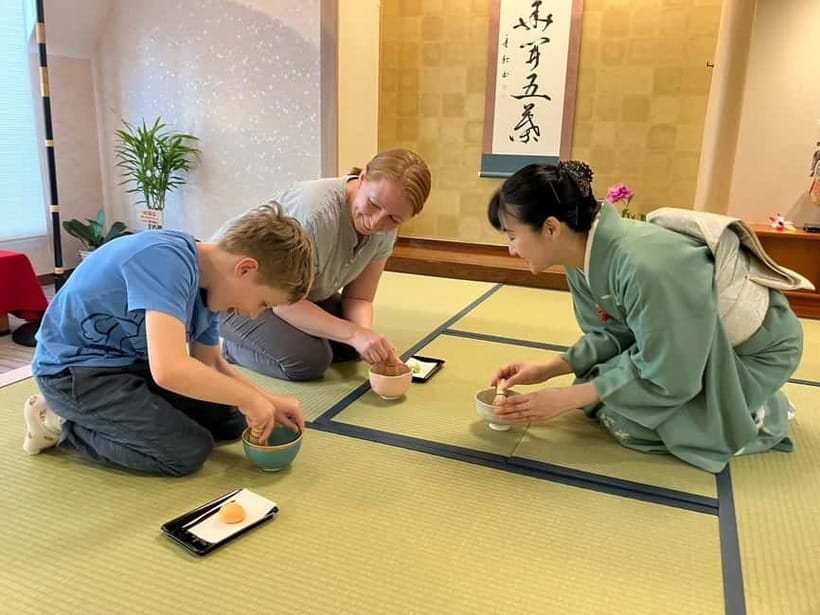
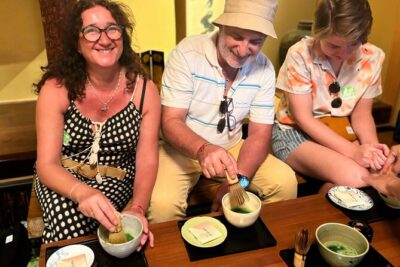
After watching, you get to prepare matcha yourself. The host teaches you the basic method and guides you through the process.
This hands-on part makes the session more useful than a demonstration alone. You are not expected to perform with the precision of a tea master. Instead, you learn how the powder, water, and whisk come together, then taste the result for yourself.
The lesson also gives you a better feel for the care involved. Matcha is not simply stirred like instant coffee. The whisking motion matters, and the preparation has a visual quality as well as a practical one. Your first bowl may not look perfect, which is part of the fun.
The activity suits beginners, families with older children, couples, and solo visitors. Children under six are not permitted, and the experience is not suitable for wheelchair users. Teenagers and adults have found the format approachable, especially because the host offers help instead of expecting formal knowledge.
A completely different kind of day out:
- Tokyo Disney Resort – Tokyo Disneyland & Tokyo DisneySea Park Tickets
★ 4.8 · 99,488 reviews - SHIBUYA SKY Ticket
★ 4.7 · 46,509 reviews - JR Whole Japan Rail Pass
★ 4.8 · 29,150 reviews - Mt Fuji and Hakone 1-Day Bus Tour Return by Bullet Train
★ 5.0 · 26,383 reviews
A registered cultural property with photo appeal
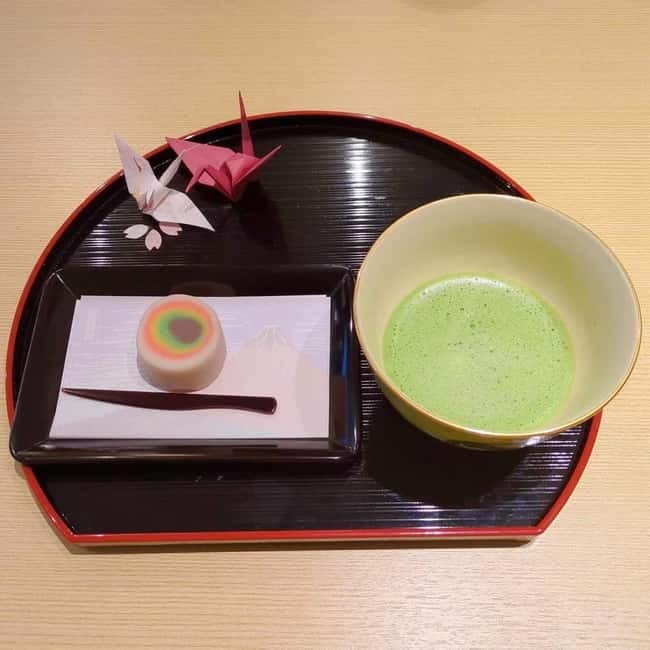
Ichimatsu is designated as a registered tangible cultural property in Japan. That status gives the building added interest beyond the tea itself.
You can photograph the traditional room and its furnishings, along with the tea setup. Several attendees have valued the photos taken by the staff, and some arranged kimono rental to make the occasion more visual. Kimono rental is not part of the standard inclusions, so confirm the arrangement and cost before booking if you want that addition.
The photographs can become a lasting reminder of the experience, but the building is not simply a backdrop. The scrolls, bowls, utensils, and room arrangement all help show how Japanese hospitality uses space and objects.
If you enjoy design, traditional crafts, or small cultural details, you will likely get more from this setting than from a generic tea tasting. If you only want a quick drink, the $45 price may feel less convincing.
How much value does $45 provide?
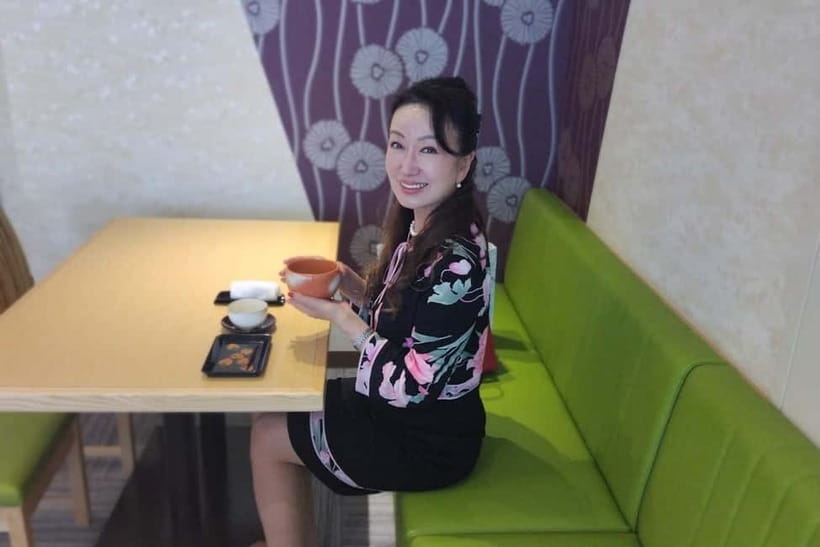
The listed price is $45 per person. It includes the sweets, matcha, the demonstration, instruction in making matcha, and time for photographs.
I think the value depends on what you want from the outing. For a short cultural activity in Tokyo, the price is reasonable if you care about personal instruction, the historic room, and the chance to participate. You are paying for the setting and hosting as much as for the tea itself.
The small group limit matters here. With no more than seven participants, the host can answer questions and watch as you prepare your tea. When attendance is very light, the session may feel almost private. One person had the class alone and appreciated the relaxed attention.
There is one fair criticism. A session can finish in around 40 to 45 minutes, especially if you arrive early and the demonstration moves efficiently. One attendee felt the price did not match the length and wanted more explanation about the objects and history. If you are seeking a formal, lengthy tea ceremony with extensive instruction, check the exact booking duration and expectations first.
For many people, the photographs, sweets, bowl selection, and hands-on preparation make the price worthwhile. For a visitor on a tight budget, a longer museum visit or a simple tea at a café may offer more minutes for the money.
Socks, tatami, and what to wear
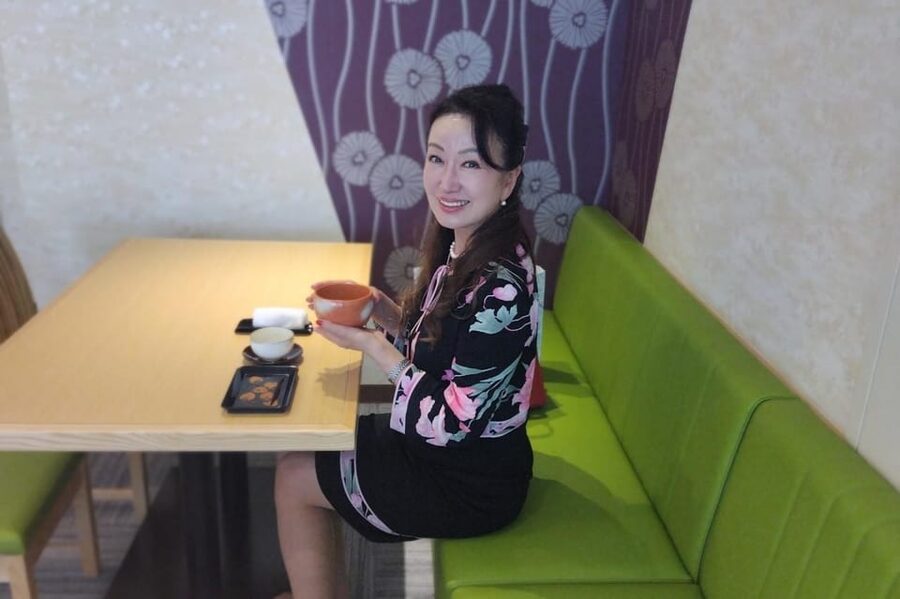
You must remove your shoes indoors. Bring your own socks, especially if you plan to sit or step on the tatami. If you arrive without socks, they can be purchased for 500 yen.
This is a small detail, but it can affect comfort and etiquette. Clean, comfortable socks are the sensible choice. The information specifically asks you to bring socks, so do not treat this as optional.
If you choose a kimono add-on, expect the dressing process to involve several layers. Ryouko and her assistant Akiko have helped with the dressing, and the finished outfit can add a special visual element to the ceremony. A kimono is not required for the standard tea experience, but it may suit you if photographs are a major reason for booking.
The atmosphere and the people who lead it
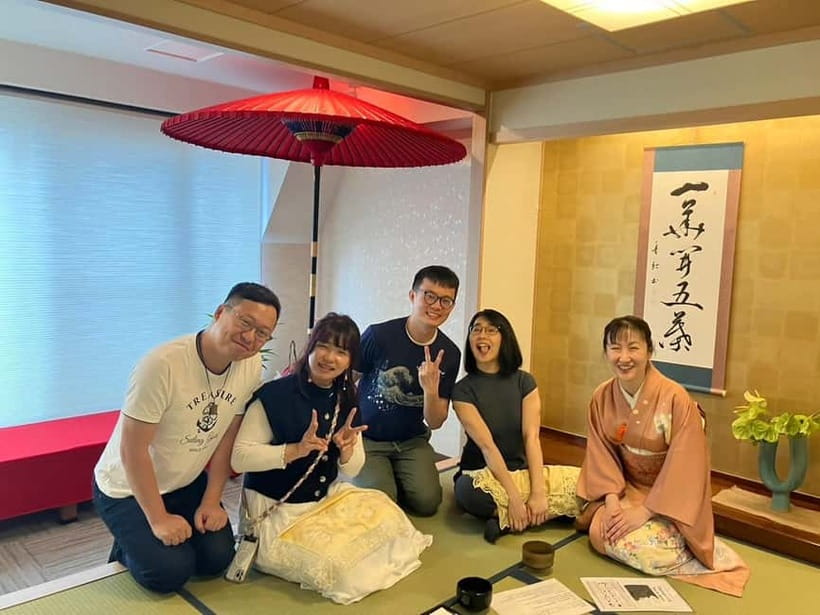
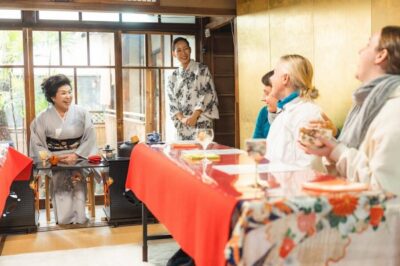
The host is a major part of the experience. Ryouko is often praised for her kindness, calm manner, patience, and care with photographs. Her style appears to be warm rather than stiff, which helps if you are nervous about making a mistake.
The English support is useful for first-time visitors. You learn what the host is doing and why, rather than watching a silent performance. Japanese instruction is also available.
The experience works best when you participate. Ask about your bowl. Ask about the sweets. Ask what a gesture means. The hosts are willing to provide additional information, and direct questions can turn a pleasant ceremony into a more rewarding cultural lesson.
The tone is gentle and welcoming. Families have enjoyed it, and solo participants have received attentive instruction. The small group format also means the room should not feel like a large staged show.
Who should book this tea ceremony?
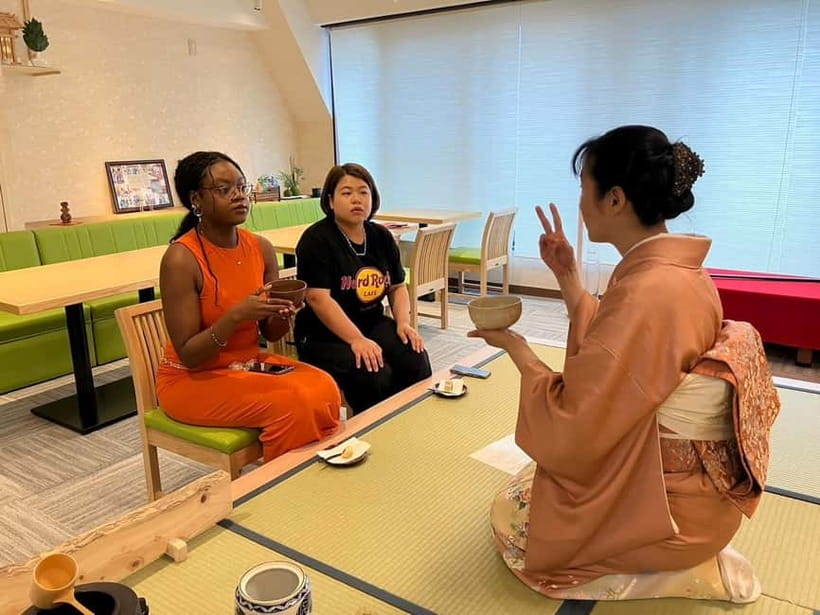
I would choose this experience if you want a compact cultural activity near Asakusa, particularly if you enjoy traditional interiors, photography, and learning by doing.
It is a strong fit for:
- First-time visitors curious about matcha
- Couples who want a calm shared activity
- Families with children aged six and older
- Solo visitors who appreciate close instruction
- Anyone interested in Japanese rooms, utensils, and customs
- People who want optional kimono photographs
I would think twice if you dislike sitting on traditional flooring, cannot remove your shoes, or need wheelchair access. I would also look elsewhere if you expect a long, highly formal ceremony or a full afternoon of instruction.
The experience is not difficult, but it asks you to slow down and pay attention. That is its charm. You learn a few gestures, taste tea with sweets, handle a bowl chosen for the occasion, and leave with a better sense of how much care goes into a simple cup.
Booking, cancellation, and timing tips
You can reserve now and pay later, which helps if your Tokyo schedule is still changing. Cancellation is free up to 24 hours in advance for a full refund. A cancellation the day before incurs a 50 percent fee, while cancellation on the day costs the full amount.
Arrive with enough time to find the entrance, especially because the signage can be easy to miss. The four usual start times are 10:00, 11:30, 13:30, and 15:00, but check availability for your date because the listed duration can vary.
The activity is provided by 株式会社和樂苑 and is offered in English and Japanese. Group size is limited to seven people.
Should you book it?
Yes, if you want a personal, photo-friendly introduction to Japanese tea ceremony rather than a long formal performance. The strongest reasons are the historic room, choice of bowl and sweets, hands-on matcha preparation, and Ryouko’s warm hosting.
Book with realistic expectations. The basic session may be shorter than you expect, and the amount of historical explanation can vary. Bring socks, allow extra time to find the fifth-floor entrance, and ask questions if you want more cultural detail.
At $45, I see this as a fair choice for a small-group cultural experience near Asakusa. It is especially worthwhile when the setting and photographs matter as much to you as the tea.
FAQ
Where does the tea ceremony take place?
It takes place in the Japanese-style room of Wasako, inside the Charyo-Ichimatsu restaurant in Tokyo.
How do I reach the meeting point?
The room is about five minutes on foot from Tawaramachi Station, Exit 3, on the Tokyo Metro Ginza Line. It is about ten minutes from Asakusa Station, Exit A4, on the Toei Asakusa Line.
What start times are available?
The listed start times are 10:00, 11:30, 13:30, and 15:00. Check availability for your chosen date because the duration and available times can vary.
How long does the activity last?
The activity information gives a duration range of 45 minutes to four hours. The tea ceremony itself is generally presented as a 45 to 60 minute experience, so check the exact duration when booking.
Is matcha included in the price?
Yes. The price includes matcha green tea, tea sweets, the demonstration, and instruction in making your own matcha.
Can I choose the tea bowl and sweets?
Yes. You can select the tea sweets and matcha bowl. Each bowl has a different design, and the host explains the bowl you choose.
Do I need to bring socks?
Yes. Shoes are not allowed indoors, and socks are required if you go onto the tatami. Socks can be purchased for 500 yen if needed.
Is the experience available in English?
Yes. Instruction is available in English and Japanese.
Can children or wheelchair users participate?
Children under six are not permitted, and the experience is not suitable for wheelchair users.
Just added in Tokyo
- A One-of-a-Kind Sushi Experience in a Special Place of Japan★ 5.0 · 15 reviews
- Tokyo Cute Bento Cooking Class – Make a Kawaii Character Lunchbox★ 5.0 · 126 reviews
- Japanese Home Cooking Class & Walk in Todoroki Temple Tokyo★ 5.0 · 88 reviews
- Japan Tokyo Tower Observatory Deck E-Ticket★ 4.0 · 34 reviews
- Catch a Baseball Game in Tokyo with a Local – Tickets Included★ 5.0 · 24 reviews
- JDM Experience with Fast&Furious RX-7 (English speaking Driver)★ 5.0 · 57 reviews
- Tokyo Private Day Tour by Car with English speaking Driver Guide★ 4.0 · 29 reviews
- Japan Classic 10 Day – One Life Adventures★ 5.0 · 129 reviews
Tea Ceremonies, compared.
Tea Ceremony in a Traditional Tea House in Kiyomizu
Read our review →
World Heritage Kyoto & Nara Uji Authentic Matcha Experience
Read our review →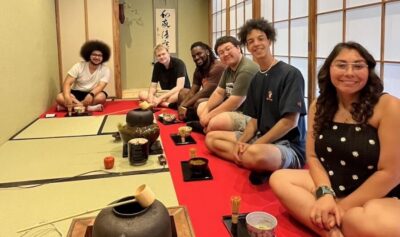
Browse the lists this tour appears in