
Reviewed · WALKING TOURS
Tokyo Shibuya and Harajuku Walking Tour With A Guide
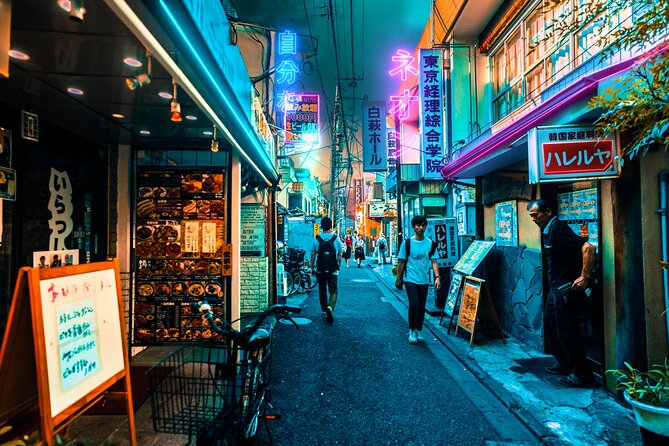
Tokyo’s coolest streets reward curious walkers. This three-hour tour links Shibuya’s famous Scramble Crossing with Harajuku’s fashion streets, quieter back lanes, Omotesando, and Meiji Shrine, giving you a useful first look at modern Tokyo without having to sort out every train connection yourself. I like the way the route mixes major sights with less obvious shopping streets, and I like that the guide can adjust the walk around your interests.
The biggest consideration is the amount of walking. You spend about 20 minutes at each of nine stops, and the tour covers busy streets, shopping areas, and shrine grounds on foot. That is the right way to see these neighborhoods, but it may feel brisk if you need frequent rests or want to spend a long time inside shops.
In This Review
- Key points at a glance
- What this three-hour Tokyo walk is really for
- Starting near Shibuya Station and finding your bearings
- Hachiko and the famous crossing
- Center-gai and Shibuya 109: Tokyo youth culture in two forms
- Harajuku Station and Takeshita Street
- Ura-Hara, the quieter side of Harajuku
- Omotesando’s polished contrast
- Meiji Shrine: a calm finish to a busy route
- How much walking and planning should you expect?
- What the $48.21 price buys you
- The guides and the personal touch
- Who should book this walk?
- Should you book the Shibuya and Harajuku walk?
- FAQ
- How long does the Tokyo Shibuya and Harajuku walking tour last?
- What neighborhoods does the tour cover?
- Does the tour include Shibuya Scramble Crossing?
- Is Hachiko included?
- Is this a private tour or a group tour?
- Which languages are available?
- Are food and drinks included?
- Is public transportation included?
- Does the tour enter museums or monuments?
- Where does the tour start and finish?
Key points at a glance
- Nine stops in three hours: The route covers Shibuya, Harajuku, Ura-Hara, Omotesando, and Meiji Shrine in one compact outing.
- A useful first-day orientation: You get Hachiko, Scramble Crossing, Center-gai, Takeshita Street, and other major landmarks without planning the route yourself.
- Fashion is central: Shibuya 109, Takeshita Street, Ura-Hara, and Omotesando show very different sides of Tokyo style.
- Personalized guiding: The tour can be private or small group, and the route may be tailored to your interests.
- Strong guide feedback: Guides including Riccardo, Sébastien, Francine, Sergio, Timothy, Joe, Jenny, and others have been praised for cultural insight and local recommendations.
- Good practical value: At $48.21 per person, the price is reasonable if you value a private or small-group introduction, but food, drinks, admissions, and local transport cost extra.
What this three-hour Tokyo walk is really for
This is not a museum tour or a formal history lesson. It is a street-level introduction to two of Tokyo’s most recognizable districts.
Shibuya gives you giant screens, department stores, youth fashion, and one of the world’s best-known pedestrian crossings. Harajuku shifts the mood toward unusual clothing, snacks, independent shops, street style, and the leafy grounds of Meiji Shrine. The contrast is the point.
I see this as a good opening activity for your time in Tokyo. You can learn how the neighborhoods fit together, pick up ideas for later shopping and meals, and ask your guide questions that are hard to answer from a guidebook. Several guides have also offered tips for the rest of a Japan trip, which adds value beyond the three-hour route.
The tour is offered as a private or small-group experience, with English, Spanish, French, or Italian-speaking guides. The information says a minimum of two people is required for the group option, while the private format is limited to your own party. Check the exact format when booking, especially if you are traveling alone.
More Walking Tours in Tokyo
- Tokyo Tsukiji Fish Market Food and Culture Walking Tour
★ 5.0 · 3,184 reviews - Tokyo: Imperial Palace and Shogun Historical Walking Tour
★ 5.0 · 2,251 reviews - Tokyo: Shinjuku Local Bar and Izakaya Guided Walking Tour
★ 4.9 · 1,794 reviews
Starting near Shibuya Station and finding your bearings
The meeting point is at 24-2 Sakuragaokacho, Shibuya, Tokyo 150-0031, near public transportation. The tour then heads toward the Tokyu Tokyo Metro Shibuya Station Tourist Center, a sensible place to begin because Shibuya can feel like a maze on your first visit.
You can expect a short orientation to the station area, its shops, eateries, and busy pedestrian flow. The tour information allows about 20 minutes here, with no admission fee.
Do not expect a guided tour inside the station itself. The value is in learning how this major transport hub connects to the surrounding streets and in getting comfortable with the area before you return on your own.
Hachiko and the famous crossing
The Hachiko Statue is just outside Shibuya Station and is one of Tokyo’s easiest meeting points. It honors the Akita dog remembered for waiting faithfully for his owner, and the statue has become a symbol of loyalty as well as a popular place to gather.
Your guide can give the story context, but this stop is short. It is best for a quick look, a photograph, and an explanation of why this small statue matters in such a crowded part of the city.
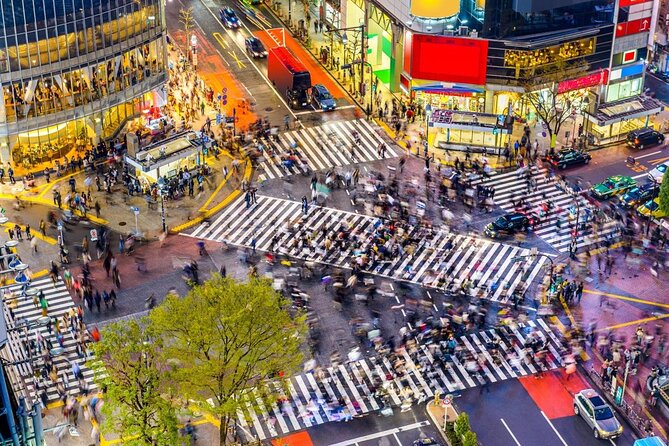
From there, the walk brings you toward Shibuya Scramble Crossing. The crossing is less about a single object than the sight of many streams of people moving through the intersection at once. You get to cross it rather than simply view it from a distance, which makes the experience more immediate.
The surrounding streets are packed with signs, screens, stores, cafés, and food spots. If you enjoy watching city life, this is one of the strongest parts of the route. If crowds wear you down, keep your expectations realistic. Shibuya is loud, crowded, and visually busy.
Center-gai and Shibuya 109: Tokyo youth culture in two forms
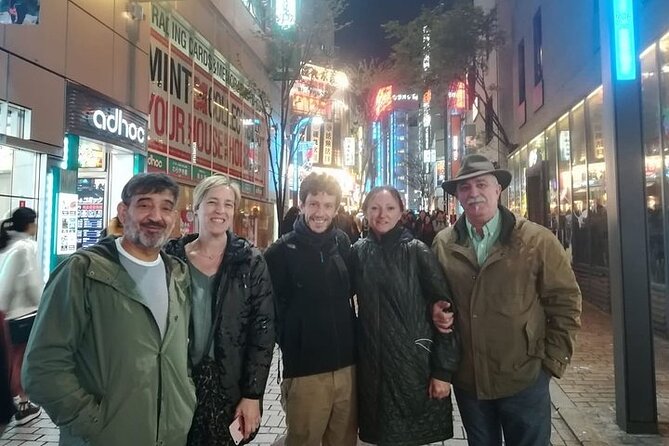
Shibuya Center-gai is a pedestrian shopping street lined with boutiques, cafés, eateries, and stores aimed at a young audience. It offers a quick look at the district’s fashion and nightlife energy, though the route does not promise time for a full meal or extended shopping.
The guide’s role matters here. A good escort can point out how the area changes from one street to the next and suggest places to return to later. Joe, one of the named guides, was praised for combining history, fun facts, quieter lanes, and recommendations for food and other places to visit.
Shibuya 109 provides a more focused look at trend-led fashion, particularly styles aimed at young women. Even if you do not plan to buy clothes, the building helps explain why Shibuya is so closely linked with Tokyo style.
You should not treat this as a shopping trip with time to browse every floor. The planned stop is about 20 minutes, so think of it as a preview. If fashion is your main reason for booking, tell the guide early. The route can be adjusted to suit your interests.
A completely different kind of day out:
- Tokyo Disney Resort – Tokyo Disneyland & Tokyo DisneySea Park Tickets
★ 4.8 · 99,488 reviews - SHIBUYA SKY Ticket
★ 4.7 · 46,509 reviews - JR Whole Japan Rail Pass
★ 4.8 · 29,150 reviews - Mt Fuji and Hakone 1-Day Bus Tour Return by Bullet Train
★ 5.0 · 26,383 reviews
Harajuku Station and Takeshita Street
Harajuku Station marks a shift from Shibuya’s towering commercial feel to a district long associated with youth culture, unusual fashion, and street snacks.
Takeshita Street is the most famous part of this section. It is a pedestrian street filled with fashion shops, accessories, novelty goods, cafés, and food stands. The appeal is not subtle. It is colorful, crowded, and designed for browsing and people-watching.
You will have around 20 minutes at the station area and another 20 minutes on Takeshita Street. That is enough for an introduction, but not enough to inspect every shop. If you see something you want to buy, note the location and return after the tour.
This is also one of the places where the pace may feel quick. Groups need to stay together, and the street can be difficult to navigate when crowded. Wear comfortable shoes and keep your belongings secure. Food and drinks are not included, so any snack stop comes out of your own pocket.
Ura-Hara, the quieter side of Harajuku
Ura-Hara means the backstreets of Harajuku, and this part gives the tour more depth. Instead of staying only on the main shopping strip, you move toward independent boutiques, alternative fashion, and streetwear.
This is where the guide can add the most value. Main streets are easy to find on a map. The appeal of the back lanes is knowing which direction to take and understanding how they differ from Takeshita Street and Omotesando.
The route description allows about 20 minutes here, so you should see this as a sample rather than a complete fashion crawl. Still, it is an important stop for anyone interested in design, clothing, music-linked style, or the way smaller shops sit alongside Tokyo’s major commercial areas.
Several guides have been praised for taking groups to places they would not have found alone. Sergio, who has lived in Japan for more than ten years, was specifically praised for extending the time and showing additional places. That kind of flexibility is especially useful in Ura-Hara.
Omotesando’s polished contrast
Omotesando offers a sharp contrast to Takeshita Street. The avenue is known for luxury stores, designer flagships, smart cafés, and modern architecture. It is often compared with the Champs-Élysées, though the comparison is more about the broad, polished shopping avenue than any exact resemblance.
You can expect a short walk and a chance to see Tokyo’s high-end side. This section works well after Ura-Hara because the contrast is so clear: independent streetwear and alternative shops give way to major brands and carefully designed buildings.
The drawback is simple. If you care little about shopping or architecture, Omotesando may be less interesting than the backstreets. Tell your guide what you want from the tour. A private route should be more adaptable than a fixed group walk, and past guiding experiences have included changes based on personal interests.
Meiji Shrine: a calm finish to a busy route
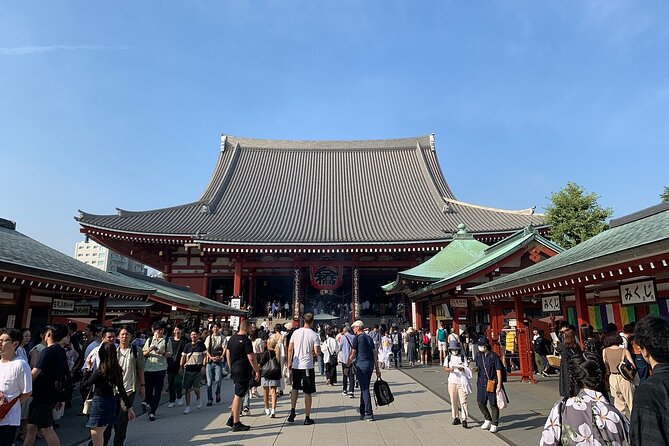
Meiji Shrine and its surrounding Imperial Garden area provide the quietest setting on the walk. The shrine is dedicated to Emperor Meiji and Empress Shoken and sits within a forested area in Shibuya.
This stop helps round out the tour. You have seen Tokyo’s screens, stores, crowds, and street fashion. Here, the pace slows, and you get a sense of the city’s religious and ceremonial side.
The tour is a city walk, not a tour inside monuments or museums. That means your guide can explain the setting and show you the grounds, but you should not expect an extended formal visit or included admission to an attraction. The listed stops are free, while any separate monument or museum entry is not included.
Meiji Shrine is also a good place to ask questions about customs and daily life. Past guides have been praised for explaining Japanese culture and personal experiences, not just reciting facts. Riccardo, Sébastien, Timothy, and Francine were all singled out for making the walk informative and personal.
How much walking and planning should you expect?
The advertised duration is about three hours, with roughly 20 minutes assigned to each of nine stops. That schedule suggests a steady pace with short explanations and time to look around, rather than long visits at individual sites.
You need comfortable shoes. There is no public transport included, and any train or other local transport used during the tour is your responsibility. The route is designed as a walking tour, so the main saving is not transport cost. It is the time and effort involved in planning how to connect these neighborhoods.
The tour begins at the stated Shibuya meeting point and ends back at the meeting point. Because the route includes many busy public areas, arrive with your phone charged and keep the meeting instructions available. A mobile ticket is provided, and confirmation is sent when you book.
Most people can participate, according to the tour information, but the walking demands still matter. If you prefer slow sightseeing, say so before the start. A private booking gives you the best chance of setting a comfortable rhythm.
What the $48.21 price buys you
At $48.21 per person, this tour sits in a reasonable range for a three-hour private or small-group walk in central Tokyo. You are paying mainly for a guide, a planned route, language support, and the chance to shape the experience around your interests.
The price is strongest for first-time visitors. You see many headline areas in one session, gain useful orientation, and can collect suggestions for later meals, shopping, and sightseeing. Francine was praised for offering practical tips for the rest of a Tokyo visit, which is exactly the sort of extra help that can make a short tour worthwhile.
The value drops if you already know Shibuya and Harajuku well or prefer to explore independently. There are no included drinks, food, monument entries, or transport costs. You also have limited time at each stop, so the tour is an introduction rather than a full exploration.
Group discounts are available, and the private format means the cost may make more sense when shared among several people. Confirm whether your booking is private or small group, then compare the price with what you would pay for a similar guided walk.
The guides and the personal touch
The strongest pattern in the feedback is the quality of the human side of the tour. Riccardo was praised for explaining Japanese culture and daily life. Sébastien was described as warm and generous with his experience, while Timothy was praised for combining Japanese history with personal insight.
Francine appears especially suited to people who want flexibility. She tailored the walk around interests and offered useful ideas for the rest of a trip. Joe added quieter backstreets, history, food suggestions, and a reasonable walking pace.
Sergio brought more than ten years of life in Japan to the experience, even though he is not originally from the country. Jenny adjusted the route for the people in her group and shared her own experience of the neighborhoods.
Guide quality can vary from person to person, but this range of praise suggests that the tour works best when you speak up. Tell your guide if you care most about fashion, food, history, photography, shopping, or local life. The more specific you are, the more useful a private or small-group walk can become.
Who should book this walk?
I would recommend it to first-time Tokyo visitors who want a quick orientation to Shibuya and Harajuku. It also fits style-conscious shoppers, couples, families, and anyone who prefers to ask questions rather than study a map while walking.
It is a good choice if you want major sights plus a few less obvious streets. The language options are helpful, and the private format may suit families or friends who want to move at their own pace.
I would think twice if you dislike crowds, have limited walking ability, or want long visits inside museums and monuments. This tour stays outdoors, includes no meals, and moves through some of Tokyo’s busiest streets.
Should you book the Shibuya and Harajuku walk?
Book it if you want a guided first look at Tokyo’s modern side and prefer personal advice to a fixed sightseeing script. The combination of Scramble Crossing, Hachiko, Center-gai, Shibuya 109, Takeshita Street, Ura-Hara, Omotesando, and Meiji Shrine gives you a broad sample in only three hours.
The best way to get your money’s worth is to share your interests before the walk begins. Ask for fashion-focused stops, quieter streets, food suggestions, or more cultural context. At $48.21, it is a solid introduction for a first Tokyo visit, provided you are ready to walk and pay separately for anything you eat, ride, or enter.
FAQ
How long does the Tokyo Shibuya and Harajuku walking tour last?
The tour lasts approximately three hours.
What neighborhoods does the tour cover?
It covers Shibuya and Harajuku, including Ura-Hara and Omotesando.
Does the tour include Shibuya Scramble Crossing?
Yes. Walking through Shibuya Scramble Crossing is one of the main highlights.
Is Hachiko included?
Yes. The route stops at the Hachiko Statue outside Shibuya Station.
Is this a private tour or a group tour?
Private and small-group options are available. The private activity is limited to your own group, and the group option requires at least two participants.
Which languages are available?
The tour offers an in-person guide who speaks English, Spanish, French, or Italian.
Are food and drinks included?
No. Food and drinks are not included in the tour price.
Is public transportation included?
No. Any public transportation used during the tour is at your own expense.
Does the tour enter museums or monuments?
No. This is a city walking tour rather than a tour inside monuments or museums. Entry fees are not included.
Where does the tour start and finish?
It starts at 24-2 Sakuragaokacho, Shibuya, Tokyo 150-0031, Japan, and ends back at the meeting point.
Just added in Tokyo
- Very popular in Harajuku♡Animal petting zoo★ 4.6 · 39 reviews
- Yokohama Port: Private Customizable Tour with Transfer★ 5.0 · 19 reviews
- Wagyu & Sake 8 Course Tasting Dinner in Shinjuku★ 4.9 · 20 reviews
- Warner Bros. Studio Tour Tokyo – The Making of Harry Potter★ 4.8 · 181 reviews
- Yanaka District: Historical Walking Tour in Tokyo’s Old Town★ 4.8 · 117 reviews
- Tokyo: Classic Tsukiji Food Tour★ 4.9 · 78 reviews
- Tokyo: Tsukiji Fish Market Tour with 6 Stops & Seafood Lunch★ 4.5 · 165 reviews
- Tokyo Wagyu & Sake Pairing Tasting Experience with Local Flavors★ 5.0 · 108 reviews
Walking Tours, compared.
Kyoto Geisha Walking Tour: Gion District & Hidden Gems
Read our review →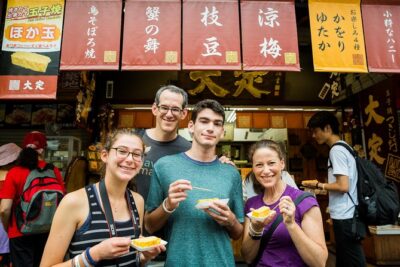
Tokyo Tsukiji Fish Market Food and Culture Walking Tour
Read our review →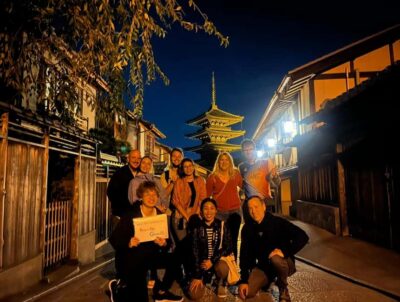
Gion Magical Night Walking Tour with Geisha Trivia
Read our review →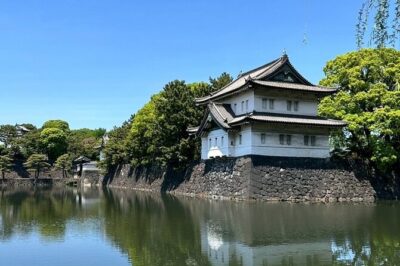
Imperial Palace and Shogun Historical Walking Tour
Read our review →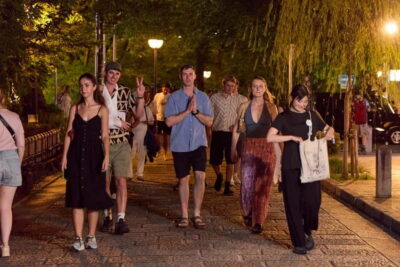
Gion Geisha District Walking Tour – Stories of Geisha
Read our review →
Shinjuku Local Bar and Izakaya Guided Walking Tour
Read our review →
Browse the lists this tour appears in