
Reviewed · TEMPLES AND SHRINES
Tokyo: Meiji Shrine Walking Tour — Shintoism & Imperial System
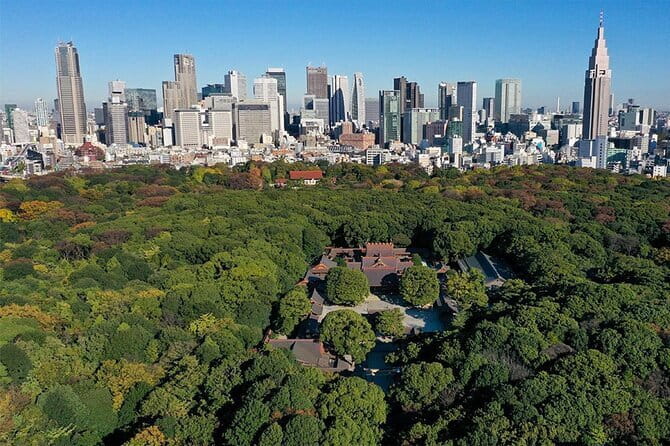
Tokyo’s quietest walk begins beside Harajuku. I like the calm forest path and the chance to learn about Shinto rituals instead of simply passing through the shrine. I also like the small-group format, with a maximum of 15 people, and guides such as Yuuki A, Nana, Keiko, Nonoka, and Nanami receiving especially warm praise for their clear, friendly explanations.
The main consideration is time. At about 90 minutes, this is a focused introduction, not a slow, thorough tour of every corner. The $21.22 price is fair for a local guide and garden admission, but you should book it for cultural context, not for a long garden visit or an all-day shrine experience.
In This Review
- Key points at a glance
- Starting at Harajuku Station
- The forest path and the giant torii
- Learning about Shinto without a lecture hall
- The main shrine and its rituals
- The imperial garden and Café Mori no Terrace
- Is $21.22 good value?
- Who should book this walk?
- Practical details before you go
- Should you book the Meiji Shrine tour?
- FAQ
- How long does the Meiji Shrine walking tour last?
- Where does the tour start?
- Where does the activity end?
- Is admission to the Meiji Shrine Garden included?
- How many people can join the tour?
- Can I cancel for a full refund?
Key points at a glance
- A forest walk from Harajuku: The route leaves the city behind quickly and follows a broad, peaceful path toward Meiji Shrine.
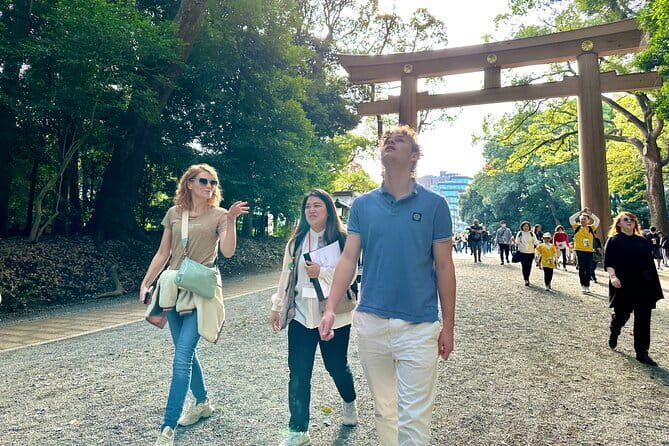
- A remarkable wooden torii: You pass through one of Japan’s largest wooden torii gates, made from ancient cypress brought from Taiwan.
- Shinto explained in plain terms: Your guide covers purification, prayer, omikuji, ema plaques, charms, and the relationship between Shinto and the imperial system.
- A small group capped at 15: The group size gives you a better chance to ask questions than a large bus tour.
- Garden admission included: The visit includes entry to the Meiji Shrine Garden, while admission to the main shrine itself is free.
- A useful Harajuku starting point: The tour begins at Harajuku Station and returns to the same meeting point, making it easy to fit into a Tokyo sightseeing day.
Meiji Shrine can look simple at first glance: a long path, a large shrine, some wooden plaques, and a steady flow of people. A guide changes the visit. Instead of seeing a beautiful place with unfamiliar customs, you get an explanation of what you are doing and why the rituals matter.
This tour is built around that idea. In roughly an hour and a half, you walk from Harajuku Station through the wooded grounds, pass the large torii, learn the basic steps of shrine etiquette, and reach the main shrine. You also have time for the imperial garden, the gift shop, and Café Mori no Terrace.
The strongest part is the balance between walking and interpretation. You are not confined to a lecture, but you are also not left to guess what the sake barrels, purification fountain, prayer rituals, and wooden plaques mean.
Starting at Harajuku Station
The meeting point is Harajuku Station at 1 Chome-18 Jingumae, Shibuya. That location makes practical sense. Harajuku is one of Tokyo’s easiest places to reach by public transportation, and the station puts you close to the shrine’s entrance.
Give yourself enough time to find the meeting point. Tokyo stations can be confusing, and a late arrival can be stressful when a walking tour is about to begin. Your confirmation arrives at booking, so keep the meeting details available on your phone.
The walk enters through the Harajuku gate. This is where the mood changes. Shops, traffic, and city noise give way to a broad path under trees. The transition is one of the most satisfying parts of the visit because you do not need a long train ride to find quiet in Tokyo.
The path is wide and generally easy to follow. It is not an intense hike, but you are walking for much of the experience, so comfortable shoes are sensible. The tour is open to most people, though anyone who needs frequent rest should remember that the route takes place on foot and includes the large shrine grounds.
More Temples and Shrines in Tokyo
- Tokyo: Meiji Shrine, Asakusa, Skytree Bus Tour and Cruise
★ 4.7 · 1,986 reviews - Tokyo: Asakusa Walking Tour with Sensoji Temple Visit
★ 4.8 · 1,583 reviews - Nikko: Kegon Falls, Lake Chuzenji & Toshogu Temple
★ 4.6 · 1,577 reviews
The forest path and the giant torii
The first portion at Meiji Jingu lasts about 30 minutes. Along the way, your guide introduces the setting and points out details you might otherwise pass without noticing.
The giant wooden torii is the visual landmark of the route. It is made from ancient cypress brought from Taiwan, and its scale gives the entrance a solemn feel without being flashy. Your guide can put its construction and symbolism into a wider cultural setting, which makes the gate more than a good photo stop.
You also pass displays of sake barrels. To someone new to Shinto shrines, these barrels can seem like decoration. The guide helps explain their place within the shrine setting and gives you a reason to pause rather than hurry toward the main building.
The purification fountain is another useful stop. Shrine etiquette can feel uncertain when you first arrive in Japan. Having someone explain the ritual before you reach the main shrine helps you participate with more confidence and respect.
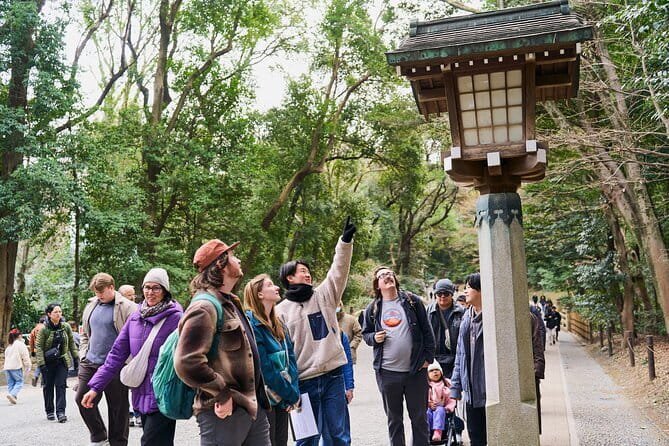
This is where the small group matters. With no more than 15 people, you can stay close enough to hear and ask a question without shouting. The pace should still suit a mixed group, so do not expect a private tour with unlimited stops, but it is more personal than a large organized group.
Learning about Shinto without a lecture hall
The tour’s subject is not just Meiji Shrine. It also covers Shintoism and the Japanese imperial system, giving you a framework for understanding what you see.
Shinto customs are often communicated through actions rather than long written explanations. You may know that you should purify yourself, bow, pray, or draw an omikuji, but not know the meaning or order. A local guide can explain these practices while you are standing in the actual place where they happen.
The guide also discusses the shrine’s connection with the imperial system. That subject adds useful context because Meiji Shrine is tied to Japan’s modern imperial story. The tour does not present the shrine as just another old religious site. It connects the grounds to national history and the continuing presence of imperial traditions.
The quality of the guide is central here. Yuuki A is praised for patience and for explaining a large amount of information clearly. Nana is described as excellent at putting Shinto, rituals, and history into context. Keiko is remembered for her love of the shrine and Japanese culture, while Nonoka and Nanami are praised for their friendly, enthusiastic explanations.
Those comments point to the experience’s biggest strength: the human element. A good guide can adjust the explanation when you are curious, answer questions directly, and help you notice small details. The experience is still worthwhile without a guide, but the guide is what gives you the cultural value for the price.
The main shrine and its rituals
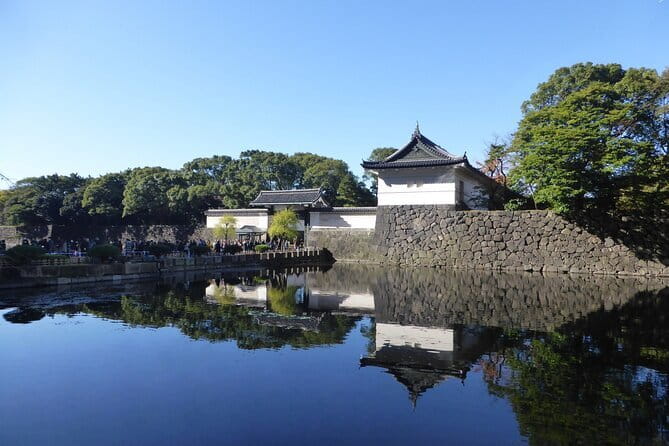
The central shrine portion takes about 30 minutes. Here you can pay your respects, observe the architecture, and take part in several traditional activities.
You can offer a prayer at the shrine. If you have never visited a Shinto shrine, the guide’s explanation is especially useful because it removes the worry of doing the wrong thing. This is not a performance. You are simply being shown how to approach the place respectfully.
You can also draw a special type of omikuji. Omikuji are fortunes connected with a shrine visit, and the format here is part of what makes the stop distinctive. Your guide can explain how to understand the result and what to do with it.
Another option is writing a wish on an ema, a wooden plaque. The act is simple, but it gives you a personal way to take part rather than only taking photographs. You can also look through the selection of omamori, or protective charms, which come in different forms and are popular souvenirs with a religious purpose.
The tour does not force you to participate. You can watch, ask questions, or choose one activity that interests you. That flexibility makes it suitable for solo visitors, couples, families, and small groups with different comfort levels around religious customs.
The shrine can feel busy at popular times, but the surrounding trees soften the city noise. One of the most useful details from the experience is the shade. A visit in hot summer weather can still feel relatively cool beneath the foliage, though you should not treat this as a guarantee of mild conditions.
More Walking Tours in Tokyo
- Tokyo Tsukiji Fish Market Food and Culture Walking Tour
★ 5.0 · 3,184 reviews - Tokyo: Imperial Palace and Shogun Historical Walking Tour
★ 5.0 · 2,251 reviews - Tokyo: Shinjuku Local Bar and Izakaya Guided Walking Tour
★ 4.9 · 1,794 reviews - Tokyo: Tsukiji Fish Market Food and Walking tour
★ 5.0 · 1,724 reviews
The imperial garden and Café Mori no Terrace
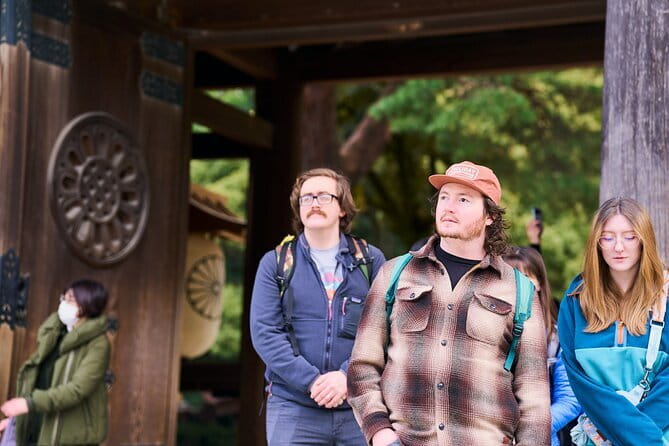
The garden is included in the admission fee, which improves the value of the tour. The main shrine itself has free admission, so the garden is the part that makes the ticket more than a paid walk through public shrine grounds.
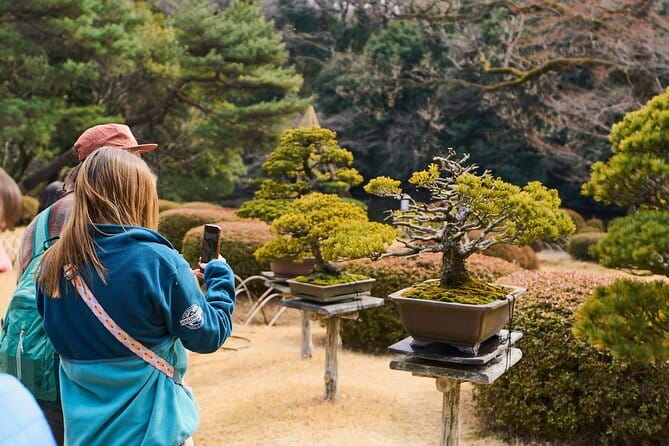
The garden gives you a quieter change of pace after the main shrine. The supplied route allows time to stroll through the imperial garden, but the total tour is only about 90 minutes. You should expect an introduction and guided walk, not an extended garden study.
At the end, Café Mori no Terrace offers light meals and drinks in a forest setting. A gift shop nearby sells charms, traditional goods, and Meiji Jingu exclusive items. These stops are allotted about 15 minutes, so they are best viewed as a convenient finish rather than the main reason to book.
The café is useful if you want a short rest or a drink after walking. The shop also gives you a chance to buy a charm or other item while the meaning is still fresh. If shopping is important to you, plan to spend extra time after the official tour ends, since the scheduled visit is fairly compact.
The activity ends back at the meeting point. That return is convenient if you want to continue around Harajuku afterward, though you will need to make your own plans for the next stop.
Is $21.22 good value?

At $21.22 per person, the tour sits in the affordable range for a guided Tokyo experience. The shrine grounds are free, so the value comes from three things: the local guide, the small group, and admission to the Meiji Shrine Garden.
I think the price works best for a first visit. If you already know Shinto customs, Japanese imperial history, and shrine etiquette, you may find the tour less essential. If those subjects are new to you, the explanation can turn a short walk into one of the more meaningful stops in Tokyo.
The maximum group size of 15 is also important. It is not a private experience, but it is small enough for a guide to keep the group together and answer occasional questions. The personal attention described by the positive feedback is a major part of what you are paying for.
Two tour times are available, which helps you fit the visit around other plans. The exact times are not provided here, so check the current booking details before arranging trains, meals, or another timed attraction.
Who should book this walk?

I would recommend it to anyone visiting Meiji Shrine for the first time, especially if you want more than photographs. It suits solo visitors well because the guide supplies structure and makes it easier to ask questions without feeling lost.
It is also a good choice for couples and families who want a short cultural activity. The route is not built around difficult physical exertion, and most people can take part, but you should be comfortable walking for much of the 90 minutes.
The tour is a strong match for you if you are interested in:
- Shinto rituals and shrine etiquette
- The Japanese imperial system
- Quiet green spaces in central Tokyo
- Local guides and small groups
- Traditional charms, omikuji, and ema
- A compact activity before or after exploring Harajuku
It is less suitable if you want a long, unhurried garden visit, a private guide, or a broad tour of several Tokyo attractions. The focus stays on Meiji Shrine and its cultural setting.
Practical details before you go

Wear shoes you can walk in comfortably. The route is not described as strenuous, but the visit involves a forest path, shrine grounds, and garden walking.
You do not need to pay a separate admission fee for the main shrine. The Meiji Shrine Garden admission is included, which is worth confirming in your booking details if the inclusions change.
The activity uses a mobile ticket, and confirmation is provided when you book. It is near public transportation and starts and ends at Harajuku Station, so it can fit neatly into a day based around Harajuku and Shibuya.
Free cancellation is available if you cancel at least 24 hours before the local start time. Inside that 24-hour window, the payment is not refunded, and changes are not accepted, so check your Tokyo schedule before the cutoff.
Should you book the Meiji Shrine tour?
Book this tour if you want a calm walk with clear cultural explanation, not just a quick stop at a famous shrine. The giant cypress torii, forest path, purification ritual, omikuji, ema, and imperial context give the visit enough substance to justify the modest price.
I would especially choose it for a first Tokyo visit or for anyone unsure about Shinto customs. Guides such as Yuuki A, Nana, Keiko, Nonoka, and Nanami are praised for patience, warmth, and strong English explanations, though guide assignment can vary.
Skip it if you prefer to explore independently and already understand shrine rituals. For everyone else, this is a practical, well-sized introduction to one of Tokyo’s most peaceful and culturally important places.
FAQ
How long does the Meiji Shrine walking tour last?
The tour lasts approximately 1 hour and 30 minutes.
Where does the tour start?
It starts at Harajuku Station, at 1 Chome-18 Jingumae, Shibuya, Tokyo 150-0001, Japan.
Where does the activity end?
The tour ends back at the meeting point.
Is admission to the Meiji Shrine Garden included?
Yes. Admission to the Meiji Shrine Garden is included in the tour price.
How many people can join the tour?
The tour has a maximum of 15 travelers.
Can I cancel for a full refund?
Yes, if you cancel at least 24 hours before the experience start time. Cancellations made less than 24 hours before the start time are not refunded, and changes inside that period are not accepted.
Just added in Tokyo
- Bar Hopping Tour with a local Guide in Shinjuku★ 5.0 · 21 reviews
- Tokyo life after 5 – Foods & Drinks★ 5.0 · 32 reviews
- Tokyo: Shinjuku Food Tour Highlights (Best Eats)★ 5.0 · 100 reviews
- Tokyo Shinjuku Night Tour with Pachinko Gaming Experience★ 5.0 · 14 reviews
- Shinjuku Go Karting Tour with Funny Costume★ 5.0 · 21 reviews
- Tokyo Shibuya Crossing & Hidden Streets Walking Tour★ 5.0 · 103 reviews
- Tokyo: Shinjuku Local Bar Hopping Walking Tour★ 5.0 · 186 reviews
- Shibuya Authentic Tea Ceremony with experienced instructor★ 5.0 · 54 reviews
Temples and Shrines, compared.
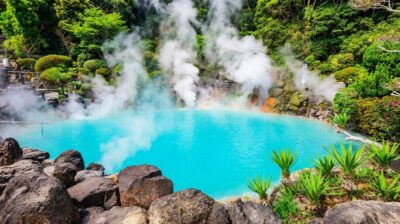
Kyushu One-Day Tour: Yufuin no Mori Train & Yufuin Town & Nyoirin-ji Temple & Dazaifu & Hell Hot Springs (Departing from Fukuoka)
Read our review →
Fushimi Inari, Kinkakuji, Bamboo Grove 1 Day Bus Tour
Read our review →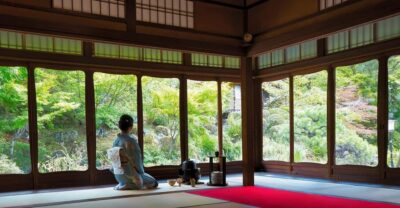
Tea Ceremony in a Traditional Tea House in Kiyomizu
Read our review →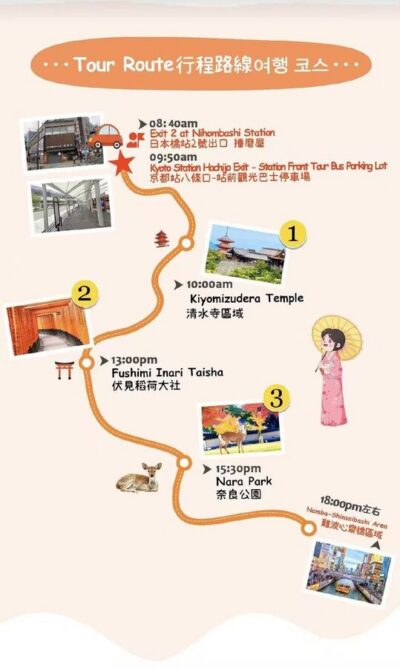
Kyoto Nara Day Trip │ Kiyomizu-dera Temple + Fushimi Inari-taisha Shrine + Nara Park (Departing from Osaka/Kyoto)
Read our review →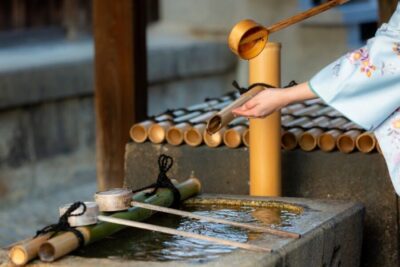

Browse the lists this tour appears in