
Reviewed · TEMPLES AND SHRINES
Harajuku Meiji Shrine Walking Tour in Tokyo
Harajuku packs old Japan and youth culture together. This two-hour walk gives you a clear route through both sides of the district, pairing the quiet grounds of Meiji Jingu Shrine with the color and noise of Takeshita Street, then finishing along polished Omotesando. I like the small-group format, capped at 15 people, and the way guides such as Miyu and Hiroko explain both shrine customs and everyday Tokyo life. The main consideration is simple: you will cover several busy areas in about two hours, so this is an introduction rather than a slow, detailed study of Harajuku.
At $25 per person, the tour is priced sensibly for a guided walk in central Tokyo. You get a local guide, a planned route, and the ease of not stopping every few minutes to check a map. I also like that the walk begins at Harajuku Station and ends at Tokyu Plaza Harajuku HARAKADO, making it useful early in a Tokyo stay when you want to get your bearings.
In This Review
- Key points at a glance
- Starting at Harajuku Station
- Entering Meiji Jingu through the forest
- Takeshita Street and Harajuku’s youthful edge
- Omotesando’s modern finish
- What the guides add
- Is $25 good value for two hours?
- Who will get the most from this walk?
- Practical details before you book
- Should you book the Harajuku walk?
- FAQ
- How long is the Harajuku Meiji Shrine walking tour?
- How much does the tour cost?
- Where does the tour start?
- Where does the tour end?
- Which places are included in the route?
- How large is the tour group?
- Is admission included?
- Is the tour suitable for most people?
- Can I cancel for a full refund?
Key points at a glance
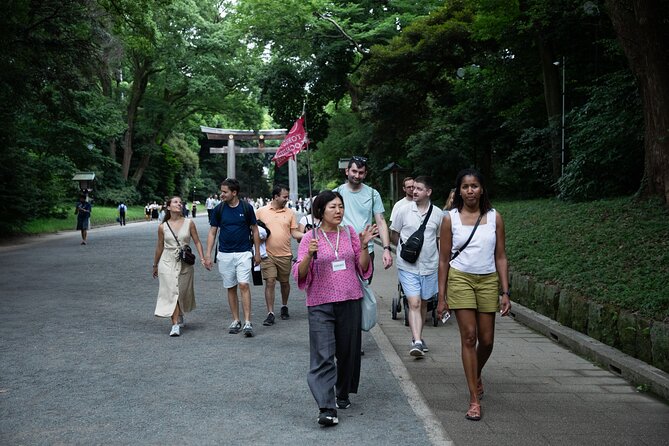
- Meiji Jingu comes first: Spend about 40 minutes around one of Tokyo’s best-known Shinto shrines, entering through tall torii gates and walking beneath a 70-hectare forest.
- Takeshita Street changes the mood: The route moves from calm shrine grounds to a 400-meter pedestrian street lined with youth fashion, accessories, and themed shops.
- Omotesando adds a stylish finish: The final 20 minutes bring you to a broad avenue of designer stores and modern buildings.
- Guides are a major strength: Miyu is praised for clear explanations and useful tips, while Hiroko is especially good at shrine history, religion, and etiquette.
- The group stays manageable: With no more than 15 people, you should have a better chance to ask questions than on a large bus-style outing.
- The price is easy to justify: At $25, it offers a practical route and cultural context without taking up a full day.
Starting at Harajuku Station
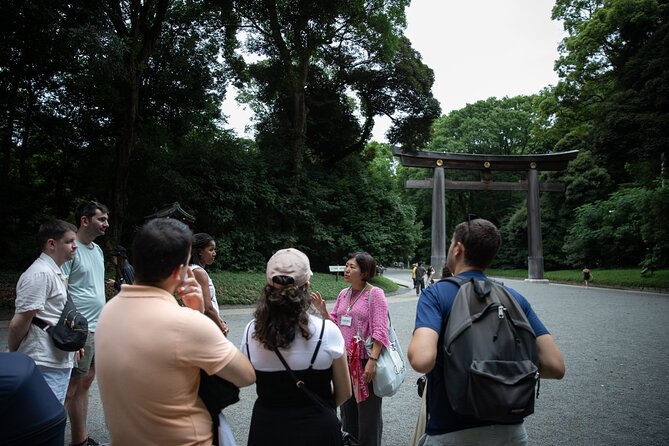
The meeting point is Harajuku Station, at 1 Chome-18 Jingumae, Shibuya, Tokyo 150-0001. That is a practical place to begin because the station puts you right at the edge of the area you are exploring. Your mobile ticket and booking confirmation should make the start straightforward, though you will still want to allow enough time to find the exact meeting spot.
The tour is designed for people who want someone else to handle the route. Harajuku is not difficult to reach, but it can feel scattered when you are deciding which street to take first, how to fit the shrine into the visit, and where Omotesando belongs in the same outing. A guide removes that small but persistent travel chore.
The group limit is 15 people. That is not a private tour, but it is small enough to feel more personal than a large walking crowd. You can ask about Japanese culture, Tokyo, shrine customs, or the neighborhood itself without needing to catch a guide’s attention from the back of a pack.
More Temples and Shrines in Tokyo
- Tokyo: Meiji Shrine, Asakusa, Skytree Bus Tour and Cruise
★ 4.7 · 1,986 reviews - Tokyo: Asakusa Walking Tour with Sensoji Temple Visit
★ 4.8 · 1,583 reviews - Nikko: Kegon Falls, Lake Chuzenji & Toshogu Temple
★ 4.6 · 1,577 reviews
Entering Meiji Jingu through the forest
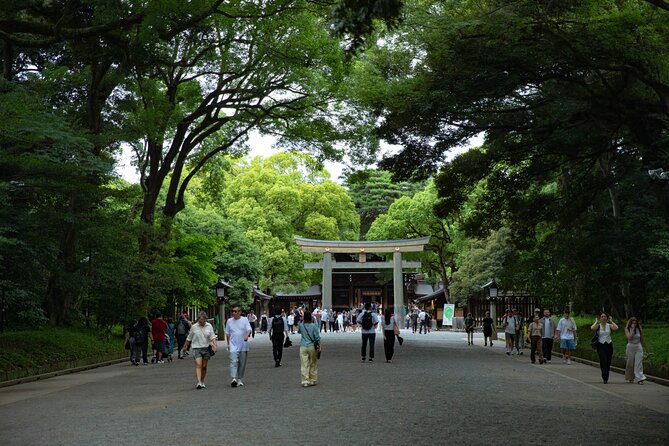
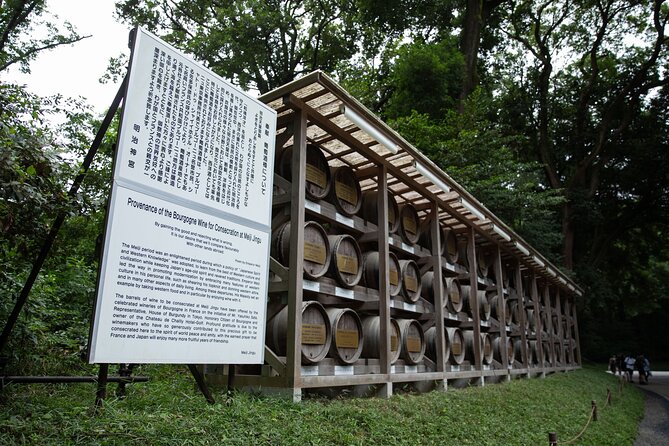
Meiji Jingu is the calmest part of the walk. You pass through towering torii gates and follow a tree-lined path into a 70-hectare forest. The contrast is useful: within a short distance of Harajuku’s shops and station, the sound and pace change sharply.
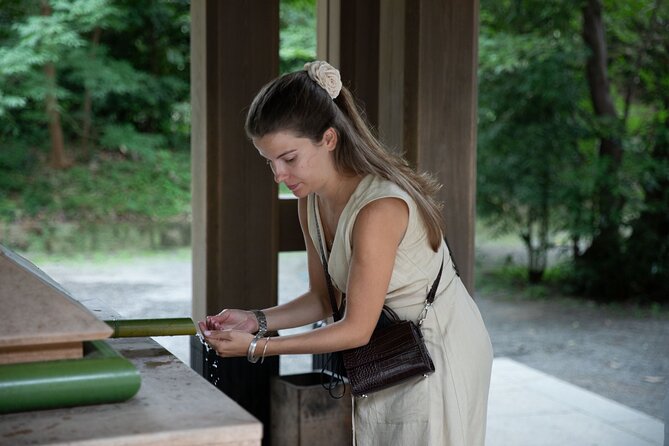
The planned stop lasts about 40 minutes. That gives your guide time to explain the shrine’s importance, the basics of Shinto practice, and the proper way to behave at a shrine. This is especially useful if this is your first shrine visit in Japan. Hiroko received particular praise for explaining history, religion, and etiquette in a way that made the visit easier to understand.
That guidance matters because a shrine is more than a photo stop. You may see people praying, passing through the gates, or taking part in quiet rituals. Knowing the basic etiquette lets you observe respectfully instead of guessing what to do. The tour’s cultural explanation is one of its strongest reasons to book.
The forest also gives the first part of the tour a gentle pace. This is not presented as a strenuous hike, and the total walk is described as comfortable for most people. Still, you are on foot for around two hours, so sensible shoes are a good idea. The tour information says most people can participate, but it does not provide a precise distance or detailed accessibility specifications.
One useful feature here is the guide’s ability to keep the explanation moving. Miyu is praised for sharing history without becoming long-winded, even with a group covering different ages. That balance is valuable at Meiji Jingu. Too little explanation leaves you with a pretty path and few facts. Too much can make a quiet shrine visit feel like a lecture.
Takeshita Street and Harajuku’s youthful edge
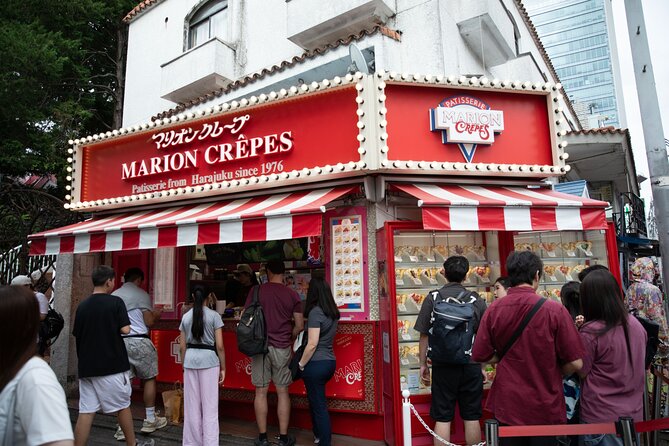
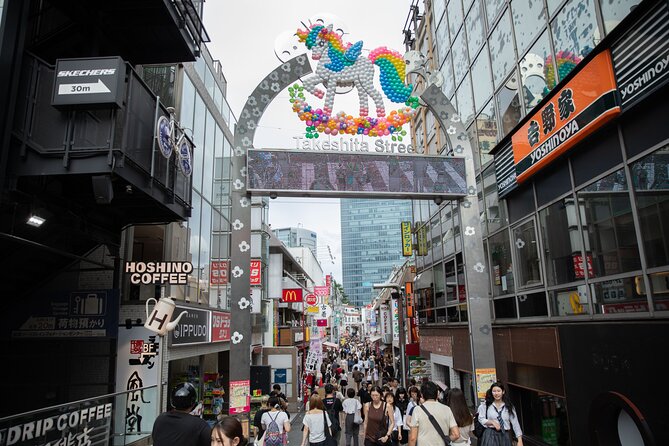
After Meiji Jingu, the tone shifts completely. Takeshita Street is a narrow, 400-meter pedestrian lane known for trendy boutiques, unusual accessories, themed shops, and youth culture. The route gives you about 30 minutes here.
This is the part of Harajuku that many people picture first. It is colorful, tightly packed, and full of visual detail. A guide can help you understand why the street matters rather than treating it as a simple shopping lane. You will have a short window to look around, so think of this stop as an introduction to the area, not a dedicated shopping session.
The transition from shrine to Takeshita Street is the cleverest part of the route. In one morning or afternoon, you see two very different sides of Tokyo. Meiji Jingu offers trees, ritual, and quiet. Takeshita Street brings fashion, pop culture, and a faster rhythm. Miyu was praised for explaining this contrast while keeping the walk comfortable and enjoyable.
There is also a practical tradeoff. Takeshita Street can be crowded, and the lane is narrow. A small group helps, but you should not expect the street to feel spacious. If you want to inspect every shop, sample every food option, or browse at length, the 30-minute stop will feel brief. If you want a guided overview before returning on your own, the timing works well.
The tour is particularly useful for families and first-time visitors. The guide can provide context while you take in the strange, bright, and often surprising details of the street. One family found Hiroko’s explanations clear enough for everyone to enjoy, which suggests that the experience is not aimed only at serious history fans.
Omotesando’s modern finish
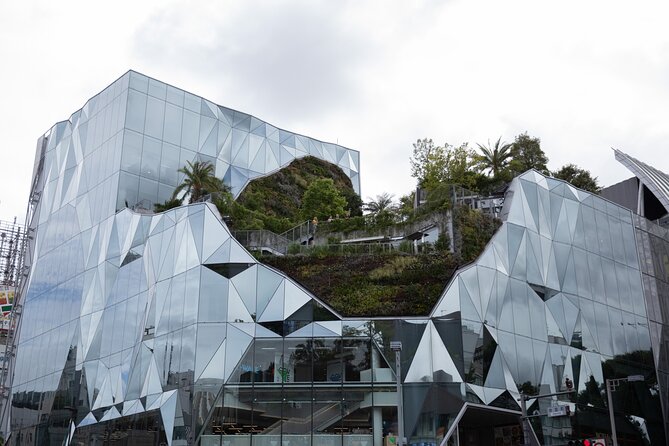
The final listed stop is Omotesando, with about 20 minutes set aside for the avenue. It is often compared with the Champs-Élysées of Tokyo, though the more useful description is a broad, tree-lined boulevard filled with high-end boutiques, flagship designer stores, and striking modern architecture.
Omotesando gives the tour a different kind of contrast. Meiji Jingu represents spiritual tradition, while Takeshita Street focuses on youth fashion. Omotesando shows Tokyo’s polished retail and design side. The three stops together create a compact portrait of Harajuku rather than repeating the same type of sightseeing.
The short time here means the emphasis is likely on orientation and explanation. You will see the avenue and learn how it fits into the district, but you should not plan a long shopping visit during the guided portion. The walk ends at Tokyu Plaza Harajuku HARAKADO, in the Harajuku Square area at 6 Chome-31-21 Jingumae, Shibuya.
That ending is useful because you finish near another recognizable Harajuku destination instead of being returned to the station. The supplied information does not specify onward transport instructions or a meal stop, so you will need to make your own plans after the tour.
More Walking Tours in Tokyo
- Tokyo Tsukiji Fish Market Food and Culture Walking Tour
★ 5.0 · 3,184 reviews - Tokyo: Imperial Palace and Shogun Historical Walking Tour
★ 5.0 · 2,251 reviews - Tokyo: Shinjuku Local Bar and Izakaya Guided Walking Tour
★ 4.9 · 1,794 reviews - Tokyo: Tsukiji Fish Market Food and Walking tour
★ 5.0 · 1,724 reviews
What the guides add
The guide is the heart of this experience. Without one, the route still contains famous places, but the cultural connection between them is easier to miss.
Miyu is the guide named most often in the available feedback. Her strengths are clear explanations of Japanese history, Tokyo, and modern life, plus practical tips. Her style is described as friendly, passionate, and well paced. Importantly, she appears to answer questions rather than simply deliver a fixed speech.
Hiroko brings a similar strength, with particular attention to shrine history, religion, and etiquette. That can make a real difference if Meiji Jingu is your first Shinto shrine. Her explanations also worked well for a family group, which points to a flexible approach rather than a tour aimed at one age range.
The guides do not seem to rely only on grand facts. The strongest praise centers on small details about culture and daily life, the sort of information you might miss while exploring with a phone map. That is where the $25 fee earns its keep. You are paying for interpretation and structure, not just access to streets that are free to enter.
Is $25 good value for two hours?
The price is $25 per person, and the tour lasts about two hours. Meiji Jingu, Takeshita Street, and Omotesando are all public places, so the value does not come from costly attractions. It comes from having a local guide organize the route and explain what you are seeing.
At that price, I consider the tour a good buy for a first visit to Tokyo. You get a compact introduction to one of the city’s most varied districts, with no need to research the best order of stops. The small group also gives the experience more value than a large, impersonal walk.
The stated inclusion is an admission fee. The stop information lists free admission for Meiji Jingu and the other outdoor areas, so no separate major entry cost is identified. Do not treat the price as covering shopping, food, or personal purchases. Those are not listed as included.
The tour makes the most sense near the start of your Tokyo stay. You can return later to Takeshita Street or Omotesando with a better sense of where things are, and you will already have some context for Meiji Jingu. One guide specifically recommended taking the tour early in a Tokyo visit, and that is sound advice.
Who will get the most from this walk?
I would recommend this experience to first-time Tokyo visitors who want a simple route through Harajuku without spending hours planning it. It also suits you if you want cultural background, not just photographs and shopping.
Families may appreciate the moderate length and the way the guides explain difficult subjects in plain language. The available feedback also points to a comfortable pace, and most people can participate.
This is a good match for you if you enjoy asking questions. The group size is limited to 15, and the guides are praised for being friendly and helpful. It is less suitable if your main goal is extended shopping time, food tasting, or a private experience. The schedule gives you a taste of each area, then leaves you to explore more on your own.
You should also know that the tour does not promise a full historical survey of Tokyo. It focuses on the selected Harajuku route. That focus is a strength for a short visit, but anyone wanting a longer or more specialized cultural tour may find it limited.
Practical details before you book
You receive confirmation at booking, and the experience uses a mobile ticket. The tour is near public transportation, starts at Harajuku Station, and ends at Tokyu Plaza Harajuku HARAKADO.
Service animals are allowed. Most people can participate, but detailed information about step-free access, exact walking distance, or seating is not provided. If you have specific mobility needs, contact the provider before booking rather than relying on the general participation note.
Free cancellation is available when you cancel at least 24 hours before the local start time. Cancellations or changes made within 24 hours are not accepted for a refund. The provider is Localized Walking & Food Tours.
Should you book the Harajuku walk?
Book it if you want a well-shaped introduction to Harajuku, especially early in your Tokyo visit. The best feature is the sharp contrast between Meiji Jingu’s quiet forest, Takeshita Street’s youth culture, and Omotesando’s modern shopping avenue. The guides, especially Miyu and Hiroko, add the cultural explanation that makes those stops more than a checklist.
Skip it if you want to spend most of your time shopping or prefer to wander alone. At $25, though, the tour offers a practical route, a manageable group, and useful shrine etiquette at a fair price. For a short first look at Harajuku, it is an easy recommendation.
FAQ
How long is the Harajuku Meiji Shrine walking tour?
The tour lasts approximately two hours.
How much does the tour cost?
The listed price is $25 per person.
Where does the tour start?
It starts at Harajuku Station, 1 Chome-18 Jingumae, Shibuya, Tokyo 150-0001, Japan.
Where does the tour end?
The tour ends at Tokyu Plaza Harajuku HARAKADO, in the Harajuku Square area at 6 Chome-31-21 Jingumae, Shibuya, Tokyo 150-0001.
Which places are included in the route?
The route includes Meiji Jingu Shrine, Takeshita Street, and Omotesando.
How large is the tour group?
The tour has a maximum of 15 participants.
Is admission included?
An admission fee is listed as included. The stops are also listed with free admission.
Is the tour suitable for most people?
The information states that most people can participate. Service animals are allowed, and the tour is near public transportation.
Can I cancel for a full refund?
Yes. You can cancel at least 24 hours before the experience start time for a full refund. Cancellations or changes made less than 24 hours before the start time are not accepted for a refund.
Just added in Tokyo
- A One-of-a-Kind Sushi Experience in a Special Place of Japan★ 5.0 · 15 reviews
- Tokyo Cute Bento Cooking Class – Make a Kawaii Character Lunchbox★ 5.0 · 126 reviews
- Japanese Home Cooking Class & Walk in Todoroki Temple Tokyo★ 5.0 · 88 reviews
- Japan Tokyo Tower Observatory Deck E-Ticket★ 4.0 · 34 reviews
- Catch a Baseball Game in Tokyo with a Local – Tickets Included★ 5.0 · 24 reviews
- JDM Experience with Fast&Furious RX-7 (English speaking Driver)★ 5.0 · 57 reviews
- Tokyo Private Day Tour by Car with English speaking Driver Guide★ 4.0 · 29 reviews
- Japan Classic 10 Day – One Life Adventures★ 5.0 · 129 reviews
Temples and Shrines, compared.
Kyushu One-Day Tour: Yufuin no Mori Train & Yufuin Town & Nyoirin-ji Temple & Dazaifu & Hell Hot Springs (Departing from Fukuoka)
Read our review →
Fushimi Inari, Kinkakuji, Bamboo Grove 1 Day Bus Tour
Read our review →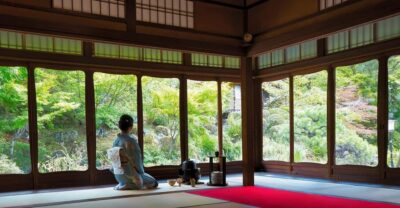
Tea Ceremony in a Traditional Tea House in Kiyomizu
Read our review →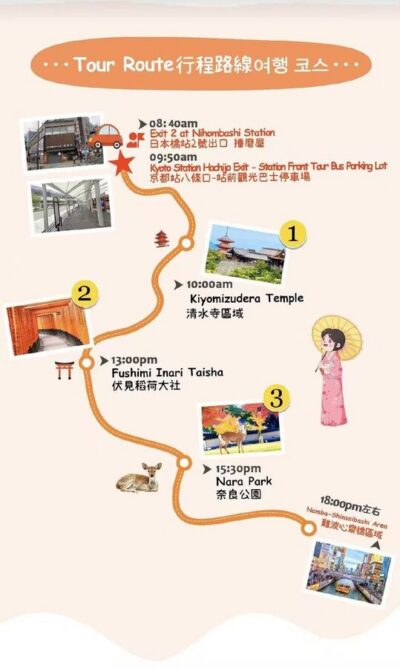
Kyoto Nara Day Trip │ Kiyomizu-dera Temple + Fushimi Inari-taisha Shrine + Nara Park (Departing from Osaka/Kyoto)
Read our review →
Browse the lists this tour appears in