
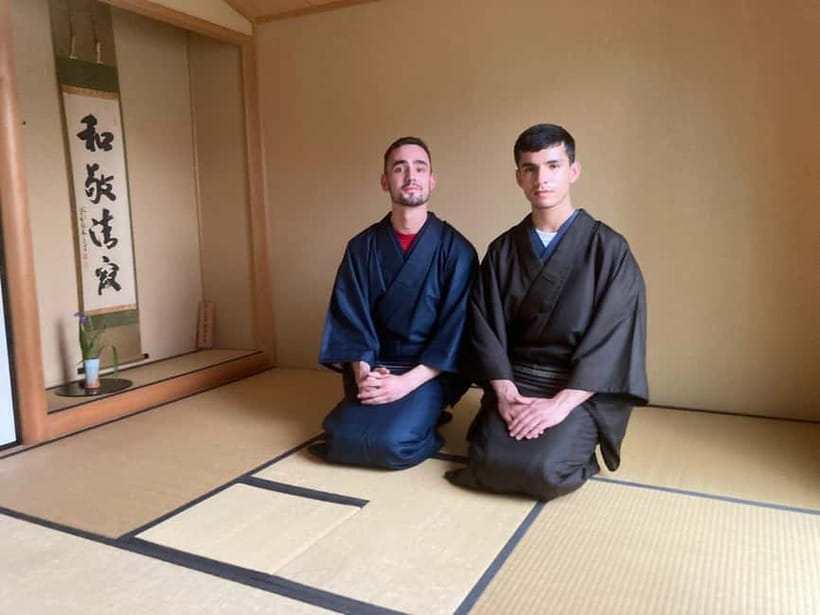
Reviewed · TEA CEREMONIES
Tokyo: Tea Ceremony Experience in a small tea room
Slow down in Tokyo for an hour. This small-group tea ceremony offers a calm break from the city, with hands-on matcha preparation led by Mari, a tea teacher with more than 20 years of experience. I like the personal scale, with no more than six people, and the setting near Nishi-Nippori, Yanaka, and Nezu Shrine.
I also like that you do not need any prior knowledge. Mari explains the meaning behind the gestures, hospitality, harmony, and purity, then lets you prepare your own tea if you wish. The main consideration is the location: the room is in a residential area, can be hard for a taxi to find, and may require climbing two narrow flights of stairs.
In This Review
- Key Points to Know Before Booking
- A Quiet Hour Near Nishi-Nippori
- What Happens During the One-Hour Ceremony
- Preparing Your Own Matcha
- Mari’s Teaching Style
- The Private Home Setting: Special, With One Catch
- Adding a Kimono
- How the Price Works Out at $51
- Where It Fits in a Tokyo Day
- Who Will Enjoy This Most
- Booking Details That Matter
- Should You Book This Tea Ceremony?
- FAQ
- How long does the Tokyo tea ceremony last?
- Where do I meet for the experience?
- How far is the tea room from Nishi-Nippori Station?
- Is the lesson taught in English?
- Do I need previous tea ceremony experience?
- Is matcha included in the price?
- Can I wear a kimono during the ceremony?
Key Points to Know Before Booking
- A 20-year tea teacher leads the session: Mari explains the ceremony in English and patiently answers questions.
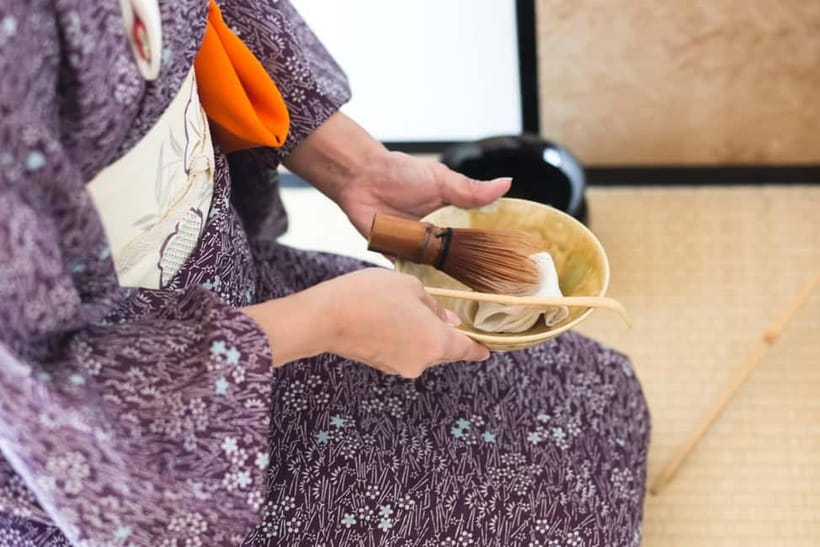
- You can make your own matcha: Learn how to whisk the powdered tea and handle the tea towel with care.
- The group is limited to six people: This keeps the lesson quiet and gives you room to ask questions.
- The experience lasts one hour: It fits neatly into a day exploring Yanaka, Nezu Shrine, or nearby Tokyo neighborhoods.
- The setting is private and peaceful: The ceremony takes place in a home, which gives it a more personal feel than a large cultural show.
- Kimono dressing is optional: You can request it for an extra charge, but some families found the added cost high.
A Quiet Hour Near Nishi-Nippori
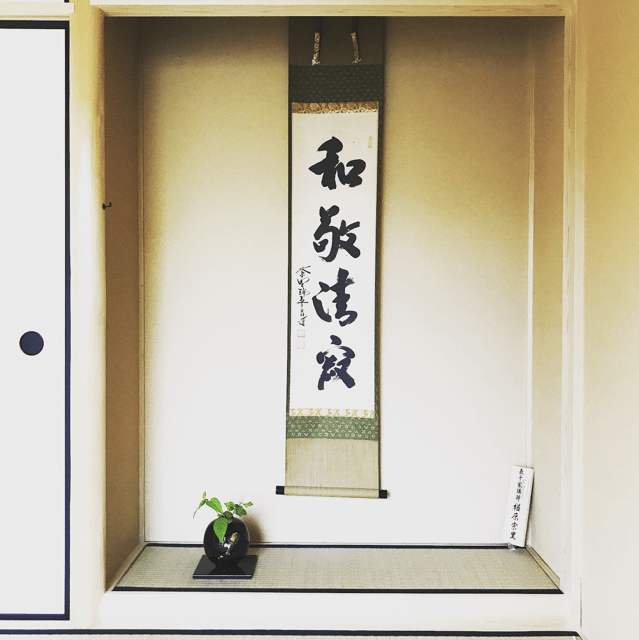
Tokyo can move at full speed from breakfast until bedtime. Trains arrive, crosswalks fill, and even a short walk can feel like a small expedition. This tea ceremony gives you a fixed hour to sit still and pay attention to simple movements.
The meeting point is Senraku-an, and you should arrive 10 minutes before the start. The tea room is described as a seven-minute walk from Nishi-Nippori Station, close to the Yanaka and Nezu Shrine area. The surrounding setting is associated with the picturesque Kamogawa Delta, though the practical directions supplied for the experience point you toward Nishi-Nippori.
That detail matters because this is not a big attraction with a bright sign and an obvious entrance. You are meeting in a residential part of Tokyo, so allow extra time to locate the exact spot. One booking party found that even a taxi had trouble finding it. I would use the provided meeting instructions carefully rather than relying on a driver to know the address.
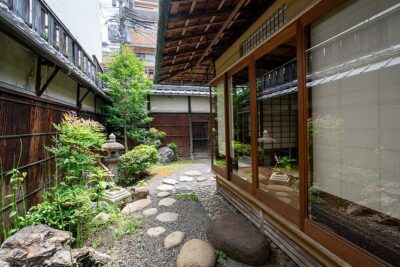
The residential setting is part of the appeal. You are not entering a staged theater built for crowds. The room is in a private home, which helps the experience feel close to everyday Japanese hospitality. The tradeoff is that the setting may be less convenient for anyone who needs a fully step-free visit.
More Tea Ceremonies in Tokyo
- Matcha Making Class in Tokyo with Authentic Japanese Sweets Set
★ 5.0 · 744 reviews - Tokyo: Traditional Tea Ceremony with a Tea Master
★ 5.0 · 528 reviews - Tokyo: Matcha Making Experience with Mochi Sweets in Asakusa
★ 4.9 · 388 reviews
What Happens During the One-Hour Ceremony
The experience is short, but it is not simply a cup of tea and a quick explanation. Mari introduces the basic ideas behind the tea ceremony and shows you how each movement has a purpose.
You will see how the tea is prepared, served, and received. The teacher’s long experience is useful here because the small details can otherwise seem mysterious. A folded tea towel, the position of a bowl, and the way you handle the whisk all carry meaning within the ceremony.
The session is taught in English. That makes a major difference for first-time participants. You are not expected to copy a sequence of movements without understanding it. Instead, Mari explains the process and responds to questions as they arise.
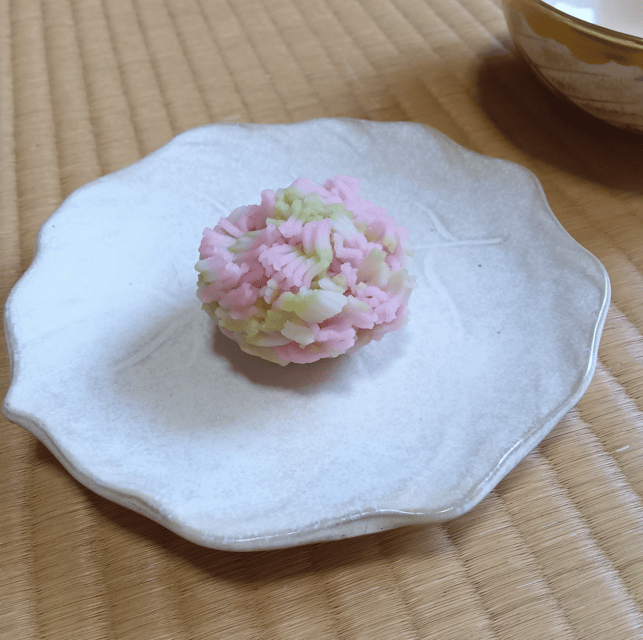
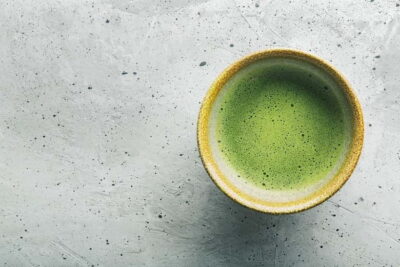
The presentation includes matcha and traditional dried sweets. The sweets are more than a snack. Their sweetness balances the slightly bitter flavor of matcha and gives you a simple example of how food and tea work together in Japanese hospitality.
The ceremony also introduces ideas such as purity, harmony, and omotenashi, the Japanese approach to thoughtful hospitality. You will not master every rule in one hour, but you will leave with a better sense of why the ceremony is careful and deliberate.
Preparing Your Own Matcha
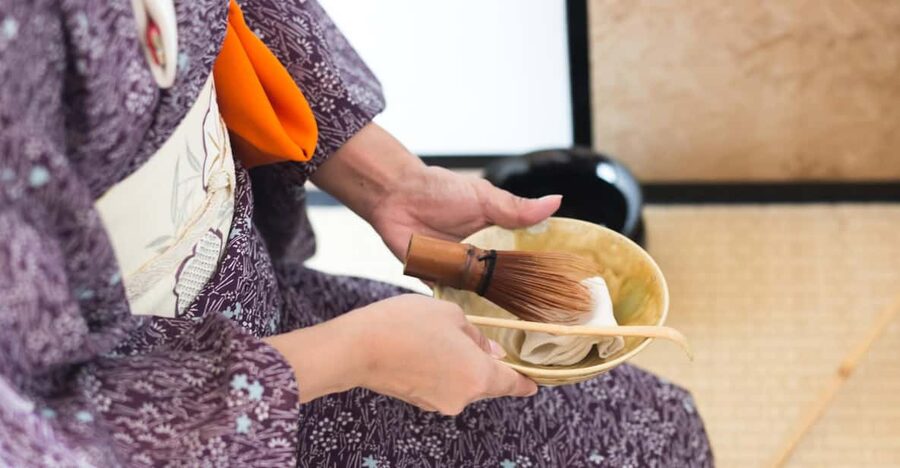
The most useful part for many people is the chance to make tea themselves. You can watch Mari first, then try the process under her direction if you want to participate.
The preparation includes whisking powdered matcha into a smooth drink. The motion looks easy until you try it. Mari guides your hands and explains the steps, so the activity feels approachable rather than like an examination.
One especially practical detail is the tea towel practice. Jennifer, who attended with her mother, appreciated that Mari went over the folding technique several times so they could practice on their own. That kind of patience is important. The towel folding can seem like a small matter, but it is one of the physical habits that helps the ceremony make sense.
You can choose to remain an observer, but I think the hands-on option gives the hour more value. Watching a ceremony can be peaceful, yet taking part helps you remember the sequence and understand the concentration involved.
The activity is suitable for complete beginners. You do not need to know Japanese etiquette, recognize tea utensils, or have attended a ceremony before. If you already have some experience, you can use the questions and explanations to explore the meaning behind the actions in greater detail.
Mari’s Teaching Style
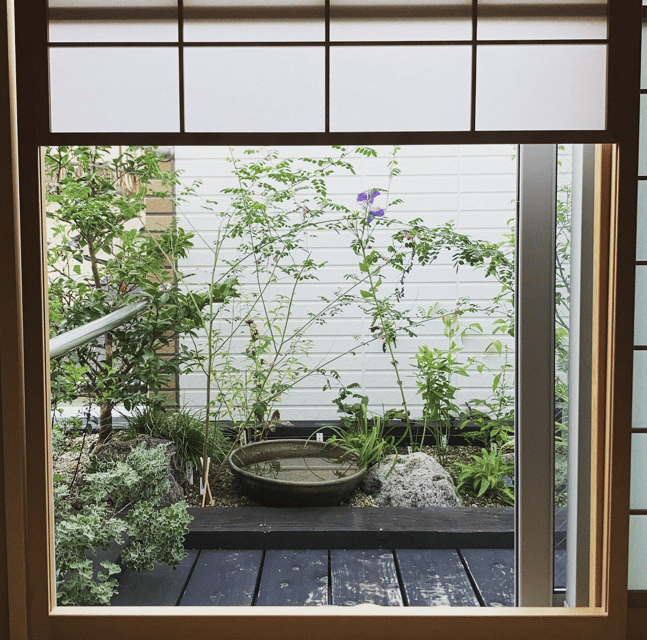
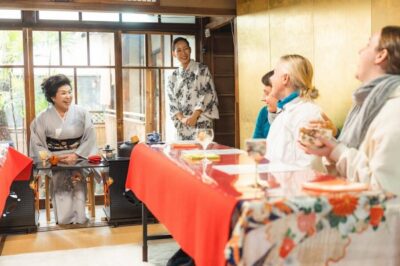
The guide is central to this experience. Mari is repeatedly praised for being kind, patient, and clear in English. She answers questions without making beginners feel awkward, and her teaching style seems especially well suited to families and small private groups.
John attended with his daughters and arranged kimono dressing for them at an additional cost. He found the ceremony suitable for families, while Jennifer described Mari’s patient help with the tea towel as a highlight. These details suggest that Mari adapts the pace to the people in the room rather than rushing through a fixed performance.
Daniel also appreciated that Mari answered questions and explained the subject thoroughly. That is valuable in a ceremony where many actions can look formal or hard to interpret from the outside.
The experience has a warm, personal tone. It is not only about seeing an old custom. You are invited to ask why the custom works as it does, then try parts of it yourself. That combination makes the session more useful than a demonstration with no participation.
A completely different kind of day out:
- Tokyo Disney Resort – Tokyo Disneyland & Tokyo DisneySea Park Tickets
★ 4.8 · 99,488 reviews - SHIBUYA SKY Ticket
★ 4.7 · 46,509 reviews - JR Whole Japan Rail Pass
★ 4.8 · 29,150 reviews - Mt Fuji and Hakone 1-Day Bus Tour Return by Bullet Train
★ 5.0 · 26,383 reviews
The Private Home Setting: Special, With One Catch
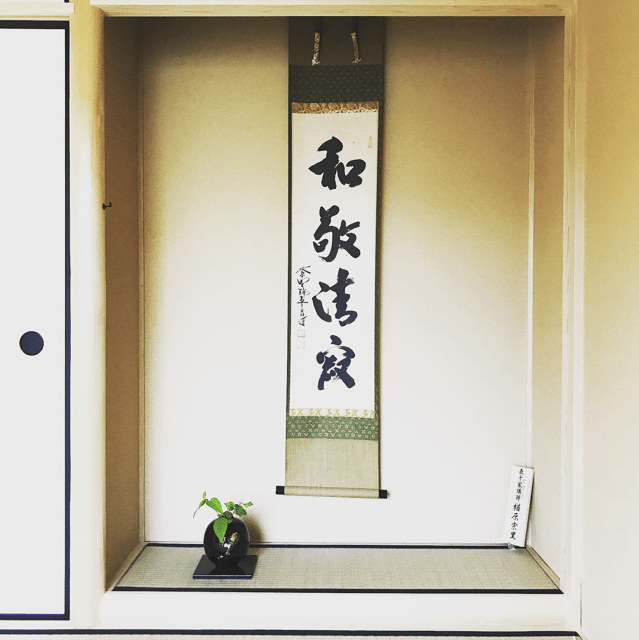
Holding the ceremony in Mari’s home gives the experience an intimate feel. Qinghui described the setting as private and quiet, and Guy Georges Adou appreciated the chance to come closer to local life through the home setting.
I can see why this appeals to people who want a cultural experience rather than another ticketed attraction. The room provides a pause from Tokyo’s noise, and the small group means you are not watching from the back of a large hall.
Still, you should know what the setting involves. The building is in a residential area, and the room is up two flights of narrow stairs. L found the stairs challenging and advised asking for the room location in advance if you are older or have difficulty with stairs.
That is the clearest practical drawback in the available information. The tea ceremony itself is calm and beginner-friendly, but reaching the room may not be easy for everyone. Transportation is not included, and the taxi-finding problem makes a little planning worthwhile.
If you have mobility concerns, contact the provider before booking and ask for precise information about the entrance and stairs. Do not assume that a short walk from the station means an easy arrival.
Adding a Kimono
Kimono dressing is not included in the $51 price. You can request it as an optional extra, and one family arranged kimono dressing for their daughters at what they considered a reasonable additional cost.
The experience with the dressing itself was positive. L praised the quality of the kimono service but felt the price was high. That is a useful distinction: the service may be well done, but the added cost will not suit every budget.
I would treat the kimono as a special extra for families, couples, or anyone who wants photographs connected to the ceremony. If your main goal is to learn about matcha and tea etiquette, the basic booking already provides the core experience.
Ask about the kimono price before arrival. The supplied details do not give a fixed amount, so you should not assume it is included or inexpensive.
How the Price Works Out at $51
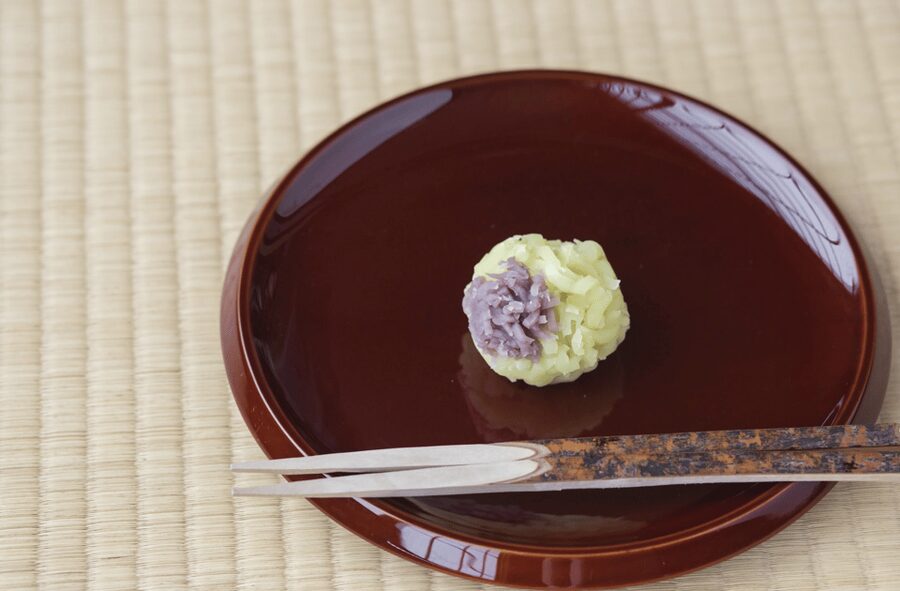
At $51 per person, this is not the cheapest way to drink matcha in Tokyo. You can find tea in many places for far less. The value here comes from the instruction, the small group, the quiet room, and the chance to prepare the tea yourself.
The group limit of six is important. In a large cultural presentation, you might see the ceremony but have little chance to ask questions or practice. Here, the teacher can watch your technique and repeat a step when needed.
The one-hour duration also makes the cost easier to judge. You are not paying for a full-day outing or transportation. You are paying for a focused cultural lesson that can fit before or after a walk around Yanaka and Nezu Shrine.
For a first visit to Japan, I think the price is fair if you want context rather than a quick taste of matcha. It is less attractive if you only want a drink, if you dislike formal sitting, or if you are mainly seeking a photo opportunity.
The included matcha, dried sweets, and lesson keep the main price clear. Transportation and kimono dressing cost extra, so include those items in your budget only if you plan to use them.
Where It Fits in a Tokyo Day
The experience works well as part of a slower day in northeastern Tokyo. The location is close to Yanaka and Nezu Shrine, two areas known for older streets, local character, and quieter corners than central Tokyo.
You can pair the ceremony with a neighborhood walk before or after. The nearby historical sites and riverside scenery give the hour a natural setting within a wider day, rather than making you travel across the city for a single short appointment.
Do not schedule it too tightly against another attraction on the opposite side of Tokyo. The ceremony lasts one hour, but you need time to reach Senraku-an, find the residential entrance, and arrive 10 minutes early.
I would also avoid arriving by taxi at the last minute. Since the address can be tricky for drivers, the station walking route may be the simpler choice. Use the exact meeting instructions and allow a buffer.
Who Will Enjoy This Most
This is a strong choice for first-time visitors who want an introduction to Japanese culture in a small setting. You will get the most from it if you enjoy asking questions, trying a traditional skill, and paying attention to details.
Families can also benefit. The ceremony is short enough for many children to manage, and the optional kimono dressing gives young participants an added activity. The supplied experience does not provide a specific child age policy, so confirm any age concerns before booking.
Couples and solo participants may appreciate the quiet atmosphere. It also suits anyone who wants a break from Tokyo’s busy streets without giving up cultural substance.
I would be more cautious if you have difficulty with narrow stairs or expect a formal tea school with an elaborate, highly ceremonial production. This session aims to make the tradition welcoming and understandable. Its strength is accessibility, not grandeur.
Booking Details That Matter
The experience is conducted in English and has a maximum of six participants. Those two details support the personal teaching style and make it easier to follow the explanations.
You can reserve now and pay later, which helps if your Tokyo schedule is still shifting. Free cancellation is available up to 24 hours before the activity for a full refund.
The meeting point is Senraku-an, and arrival is requested 10 minutes before the session. Transportation is not included, so plan your own route from Nishi-Nippori Station or elsewhere in Tokyo.
The overall rating is 4.9 from 53 reviews, with praise focused on Mari’s kindness, clear instruction, the calm room, and the chance to learn rather than simply watch. The lower rating in the supplied feedback centers on directions, stairs, and the cost of the optional kimono, not on the tea lesson itself.
Should You Book This Tea Ceremony?
Book it if you want a personal, English-language introduction to matcha and Japanese hospitality. The small group, patient teacher, and chance to fold the tea towel and prepare your own drink give you something concrete to take away.
I especially recommend it for first-time visitors, families, couples, and anyone planning to explore Yanaka or Nezu Shrine. The $51 price makes sense when you value instruction and a private setting, rather than treating the event as a simple tea tasting.
Think twice if stairs are a concern, if you need a clearly marked public venue, or if you are not interested in participating. Confirm the exact room access and any kimono fee before booking.
For most visitors who want a quiet hour with real cultural explanation, this is a thoughtful addition to a Tokyo itinerary. Just leave extra time to find the house, and arrive ready to slow your hands down.
FAQ
How long does the Tokyo tea ceremony last?
The tea ceremony lasts one hour.
Where do I meet for the experience?
You meet at Senraku-an 10 minutes before the experience begins.
How far is the tea room from Nishi-Nippori Station?
The location is described as a seven-minute walk from Nishi-Nippori Station.
Is the lesson taught in English?
Yes. The instructor language is English.
Do I need previous tea ceremony experience?
No. The session is designed for complete beginners as well as people who already have some familiarity with tea ceremonies.
Is matcha included in the price?
Yes. Matcha, traditional dried sweets, and the lesson by the tea ceremony teacher are included.
Can I wear a kimono during the ceremony?
Yes, kimono dressing can be requested, but it is not included in the standard price and requires an additional charge.
Just added in Tokyo
- A One-of-a-Kind Sushi Experience in a Special Place of Japan★ 5.0 · 15 reviews
- Tokyo Cute Bento Cooking Class – Make a Kawaii Character Lunchbox★ 5.0 · 126 reviews
- Japanese Home Cooking Class & Walk in Todoroki Temple Tokyo★ 5.0 · 88 reviews
- Catch a Baseball Game in Tokyo with a Local – Tickets Included★ 5.0 · 24 reviews
- Japan Tokyo Tower Observatory Deck E-Ticket★ 4.0 · 34 reviews
- JDM Experience with Fast&Furious RX-7 (English speaking Driver)★ 5.0 · 57 reviews
- Tokyo Private Day Tour by Car with English speaking Driver Guide★ 4.0 · 29 reviews
- Japan Classic 10 Day – One Life Adventures★ 5.0 · 129 reviews
Tea Ceremonies, compared.
Tea Ceremony in a Traditional Tea House in Kiyomizu
Read our review →
World Heritage Kyoto & Nara Uji Authentic Matcha Experience
Read our review →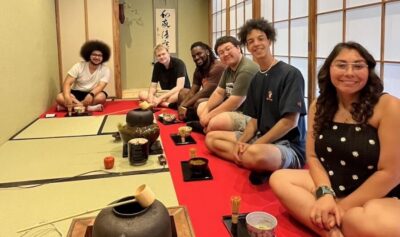
Browse the lists this tour appears in