
Reviewed · TEA CEREMONIES
Tokyo: Tea Ceremony Experience in Asakusa
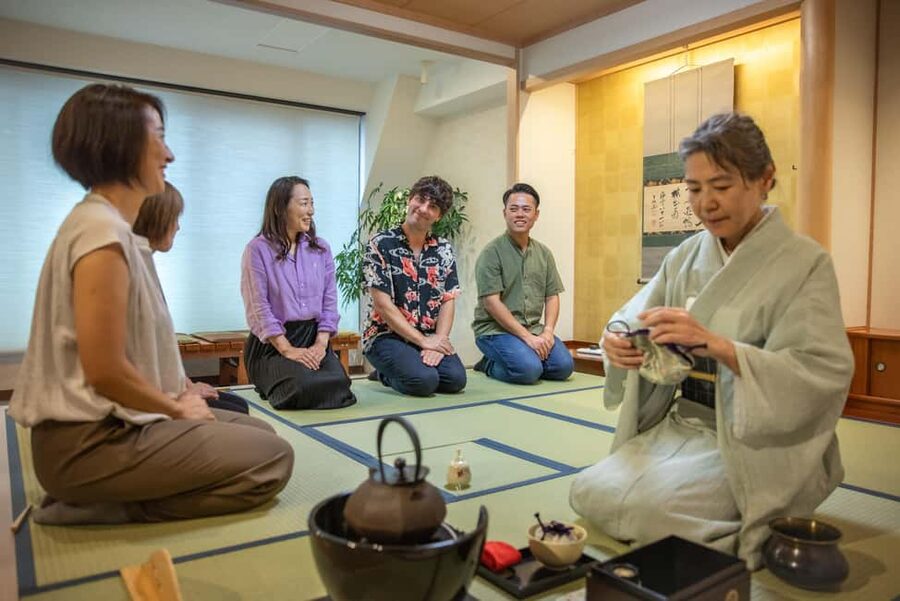
Slow down with a bowl of tea. This one-hour Asakusa experience makes Japanese tea ceremony easy to understand, with a friendly English-speaking guide, hands-on matcha preparation, and traditional sweets. I like the relaxed format because you can ask questions and take photos instead of worrying about perfect manners. I also like that you prepare your own bowl, turning a short cultural lesson into something you actually do.
The main consideration is its limited length. One hour is enough for an introduction, but not for a full study of tea ceremony schools, utensils, or seasonal customs. Kimono rental is not included, either, so this suits you best if you want a simple cultural activity rather than a costume photo session.
In This Review
- Key points to know before booking
- What this Asakusa tea ceremony is really about
- Arriving at Tokyo Tourist Lounge Asakusa
- The opening explanation gives the tea its meaning
- Watching each step of the ceremony
- Making your own bowl of matcha
- Why the sweets matter
- A relaxed setting where questions are welcome
- How the one-hour duration affects the experience
- Is $25 good value in Tokyo?
- Who will enjoy this experience most?
- Practical tips for a smoother visit
- Should you book the Asakusa tea ceremony?
- FAQ
- Where does the tea ceremony take place?
- How long does the experience last?
- How much does it cost?
- Is the activity conducted in English?
- What is included?
- Is kimono rental included?
- Can I make my own matcha?
- Can I cancel the booking?
Key points to know before booking
- You make your own matcha: The lesson includes hands-on whisking, so you do more than watch a demonstration.
- The ceremony is beginner-friendly: The host explains each movement and its meaning in plain English.
- Traditional sweets are included: The sweet offers a useful contrast to matcha’s earthy, bitter flavor.
- Small groups keep it personal: The activity is limited to eight people, leaving room for questions.
- It takes place in Asakusa: Meet at Tokyo Tourist Lounge Asakusa on the fifth floor, using the listed coordinates if needed.
- The price is modest: At $25 per person, the experience gives you a direct introduction to Japanese customs without taking half a day.
What this Asakusa tea ceremony is really about
A tea ceremony can look formal from the outside. There are careful movements, special tools, and an order to everything. This experience removes much of the pressure and lets you understand the ideas behind the gestures.
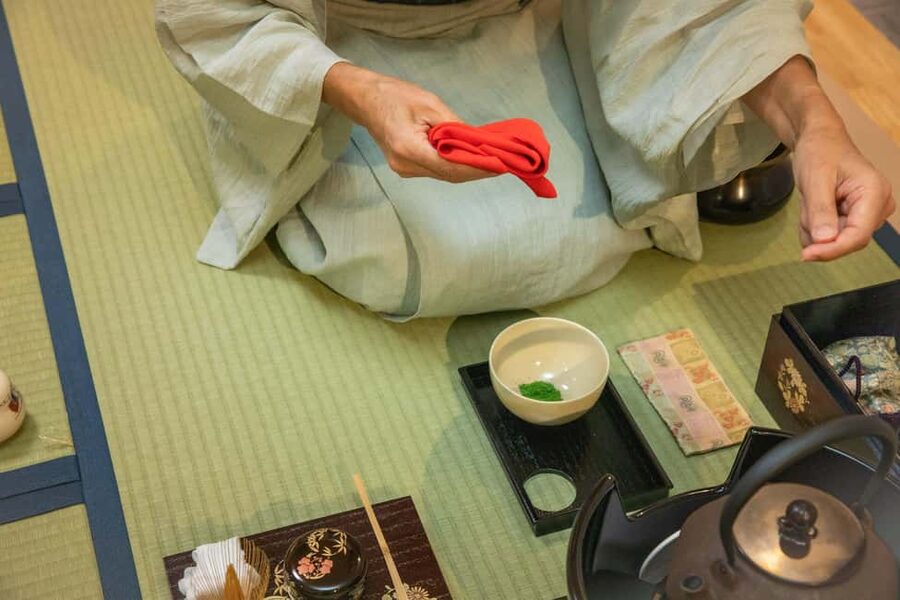
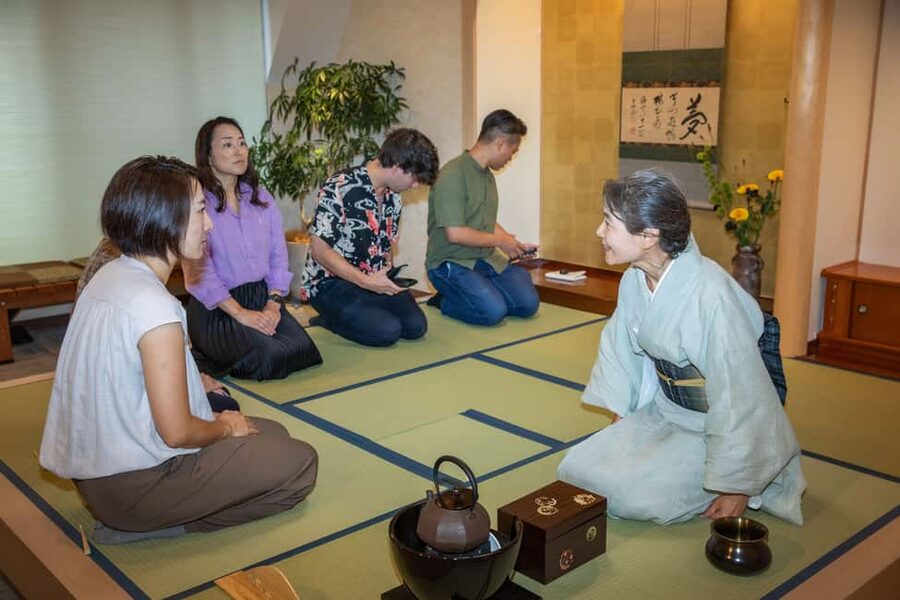
You will learn how powdered green tea becomes matcha, how water is added, and how the tea is presented. The host also explains why these actions matter within Japanese culture. That explanation is important. Without it, whisking tea can feel like a craft class. With it, the same movements become part of a larger lesson about harmony, hospitality, attention, and calm.
I especially like the balance between watching and doing. You first see how the process works, then try to make your own bowl. You can enjoy the result at your own pace, ask questions, and take photos during the session.
This is not presented as a strict ceremony where beginners must know the correct posture or memorize rules. It is a relaxed version designed for people who are curious about Japan and may have no previous experience with matcha.
More Tea Ceremonies in Tokyo
- Matcha Making Class in Tokyo with Authentic Japanese Sweets Set
★ 5.0 · 744 reviews - Tokyo: Traditional Tea Ceremony with a Tea Master
★ 5.0 · 528 reviews - Tokyo: Matcha Making Experience with Mochi Sweets in Asakusa
★ 4.9 · 388 reviews
Arriving at Tokyo Tourist Lounge Asakusa
The meeting point is Tokyo Tourist Lounge Asakusa, located on the fifth floor of the building. Search for that exact name in Google Maps, or use the coordinates 35.7103757, 139.796744.
The fifth-floor location is worth noting before you set out. You are not meeting at a temple gate, garden, or traditional tea house entrance. Allow yourself enough time to find the building and reach the correct floor, especially if you are moving through Asakusa during a busy sightseeing day.
The location also helps explain the tone of the activity. This is a convenient indoor cultural session rather than a long formal visit to a historic tea school. You get a comfortable setting, clear instruction, and a direct way to learn about tea without needing to plan your day around an elaborate ceremony.
The activity is wheelchair accessible, which makes it a useful option for people who want a cultural experience with straightforward access. Specific seating details are not provided, so you may want to confirm any individual needs when booking.
The opening explanation gives the tea its meaning
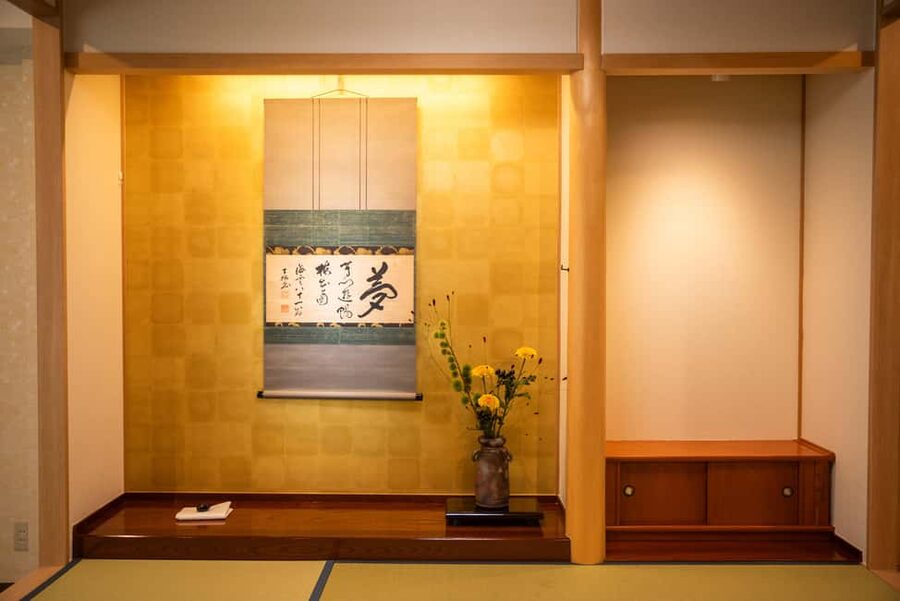
The experience begins with an introduction to matcha and the tea ceremony. The guide explains where matcha comes from, why it matters in Japanese society, and how it connects with Japanese culture.
This early context is one of the strongest parts of the session. Matcha is more than a fashionable green drink. Its preparation carries a sense of care and focus, and the ceremony gives ordinary actions a clear purpose. You will understand why the host handles the tea, water, bowl, and presentation in a particular order.
The guides are praised for making this explanation warm and easy to follow. Midori, also identified as Madori in one account, is singled out for her kindness and detailed explanations. Kaz is also praised as a great instructor who gives people a chance to try making matcha themselves.
Guide names may depend on the date and schedule, but the consistent point is the teaching style. You should expect an approachable host who explains the customs rather than assuming you already know them.
Watching each step of the ceremony
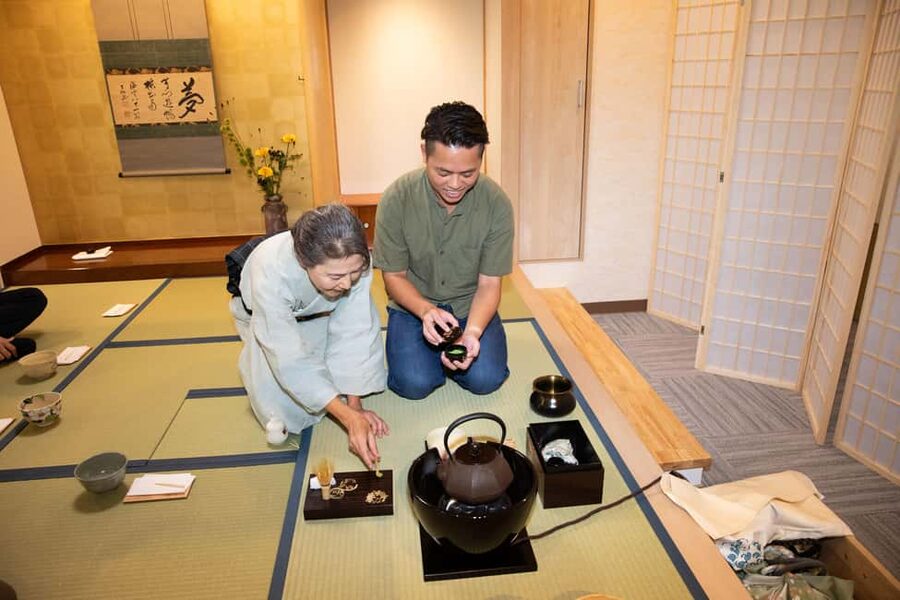
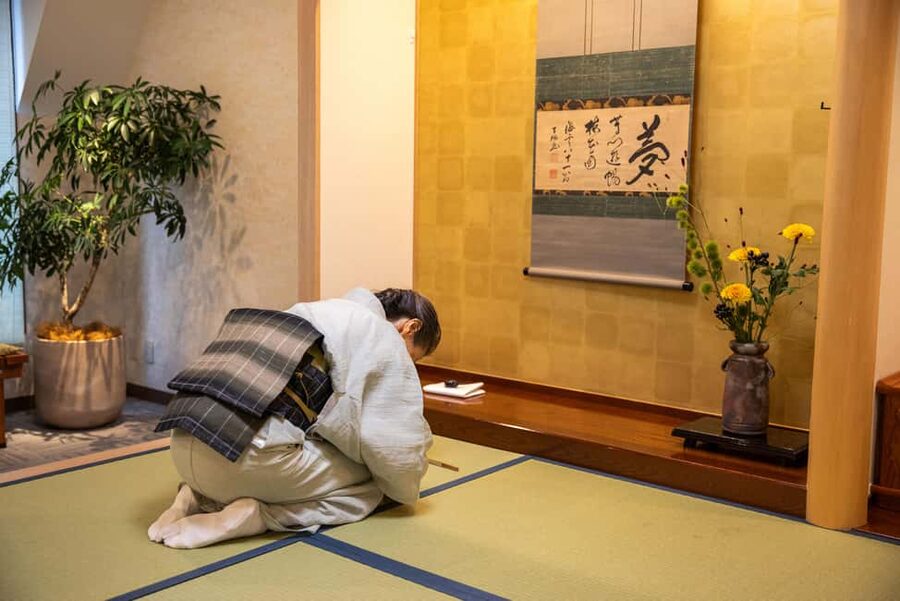
After the introduction, the host guides you through the ceremony. You will see how the tea is prepared and presented, with an explanation of the meaning behind each movement.
The session includes details such as pouring water and serving the tea. These actions may seem small, but the host uses them to show how Japanese hospitality works. The point is not speed. It is attention to the person receiving the tea and respect for the moment you share.
I find this part most useful for first-time visitors to Japan. You do not need to master every rule. You only need to notice how a simple drink can carry ideas about order, courtesy, and presence.
The atmosphere is peaceful rather than theatrical. Past feedback describes the experience as informative, beautiful, and calming. That combination matters in Tokyo, where a quiet hour can feel like a welcome change from a full day of trains, shops, and city noise.
A completely different kind of day out:
- Tokyo Disney Resort – Tokyo Disneyland & Tokyo DisneySea Park Tickets
★ 4.8 · 99,488 reviews - SHIBUYA SKY Ticket
★ 4.7 · 46,509 reviews - JR Whole Japan Rail Pass
★ 4.8 · 29,150 reviews - Mt Fuji and Hakone 1-Day Bus Tour Return by Bullet Train
★ 5.0 · 26,383 reviews
Making your own bowl of matcha
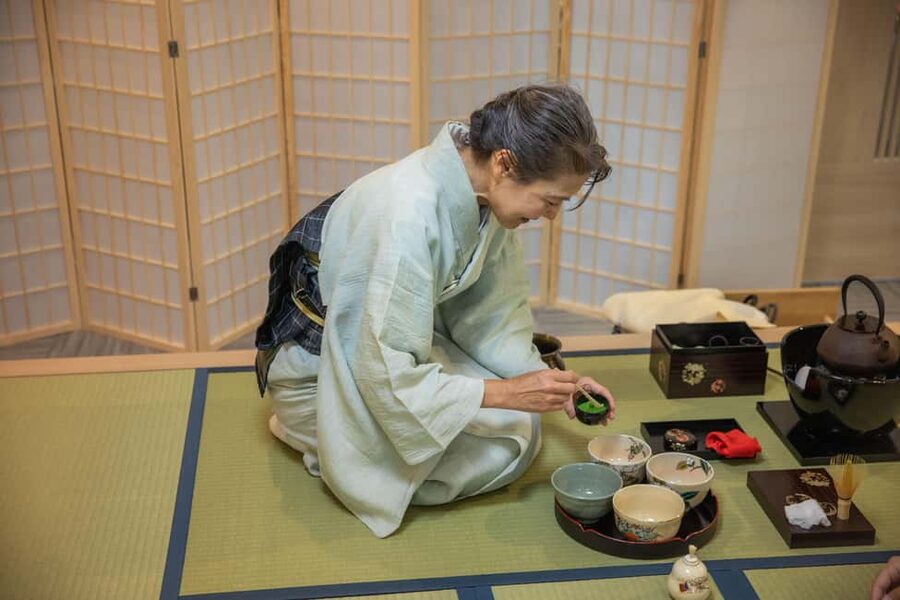
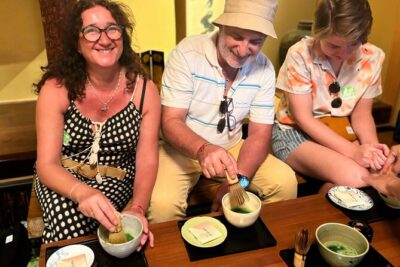
The hands-on part gives the activity its value. After watching the host, you prepare your own bowl of matcha using the technique you have just learned.
You will work with powdered green tea and whisk it into the water. The host guides you through the process, so you are not left guessing what to do. The goal is not to produce a perfect bowl on your first attempt. It is to understand the method and take part in the ritual.
That makes this a good choice for families, couples, and solo visitors who prefer an activity with some participation. You are not simply sitting through a talk. You are given a chance to make something, taste it, and connect the action with the cultural explanation.
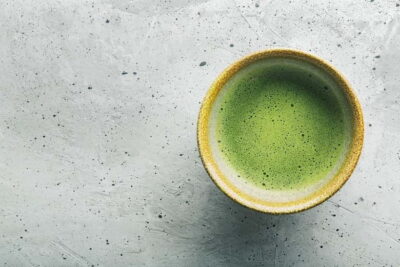
The flavor may surprise you. Matcha has a strong, earthy taste and can be bitter, especially if you usually drink sweetened tea. That is where the traditional Japanese sweets help. They provide a sweet contrast and make the tea easier to appreciate.
You can savor your bowl at your own pace. The information does not promise a tasting menu or several types of tea, so keep your expectations focused: this is a guided matcha lesson with sweets, not a broad survey of Japanese tea.
Why the sweets matter
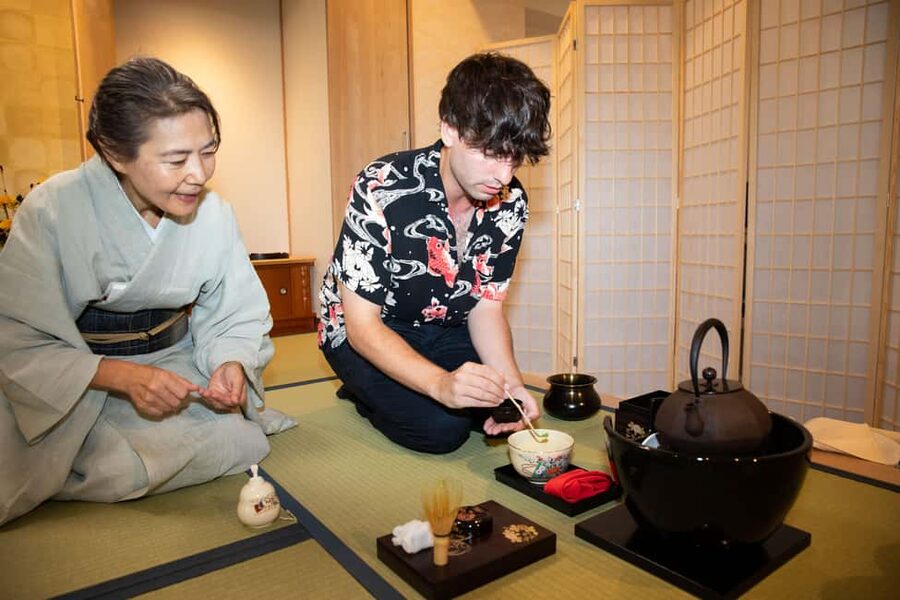
The sweets are not just a snack added to the booking. They help you understand how tea is enjoyed in this setting.
A small sweet can prepare your palate for matcha’s bitterness and bring balance to the experience. It also shows that the ceremony is about the full presentation, not only the liquid in the bowl.
The inclusion of sweets adds value to the $25 price. You receive instruction, cultural context, a guided ceremony, your own preparation attempt, and something traditional to eat. For a one-hour activity in Tokyo, that is a fair package, particularly if you want a focused introduction rather than a longer and more expensive formal program.
The exact type of sweet is not specified, so do not book this expecting a particular confection. The important point is the pairing of food and tea, along with the chance to enjoy both in a calm setting.
A relaxed setting where questions are welcome
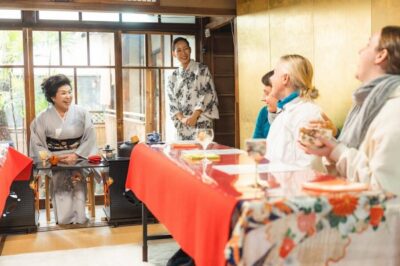
The host encourages questions and photos during the session. That small detail changes the mood.
Formal tea ceremony can make some people nervous. You may worry about holding the bowl incorrectly or breaking an unwritten rule. Here, the emphasis is on learning and taking part. If you are unsure about a movement or want to know why something is done, you can ask.
The small group size also helps. With no more than eight participants, the guide has a better chance to see how everyone is doing and explain the steps clearly. It is still a shared activity, not a private lesson, but the group should feel manageable.
The experience is conducted in English. That makes it suitable for English-speaking visitors who want cultural context without relying on a translation app. The guide’s explanations are a major part of the activity, so clear communication adds real value.
Photography is allowed, which is useful if you want a record of the ceremony or the matcha-making process. Be considerate during the quieter parts, and follow the host’s lead if a particular moment calls for attention.
How the one-hour duration affects the experience
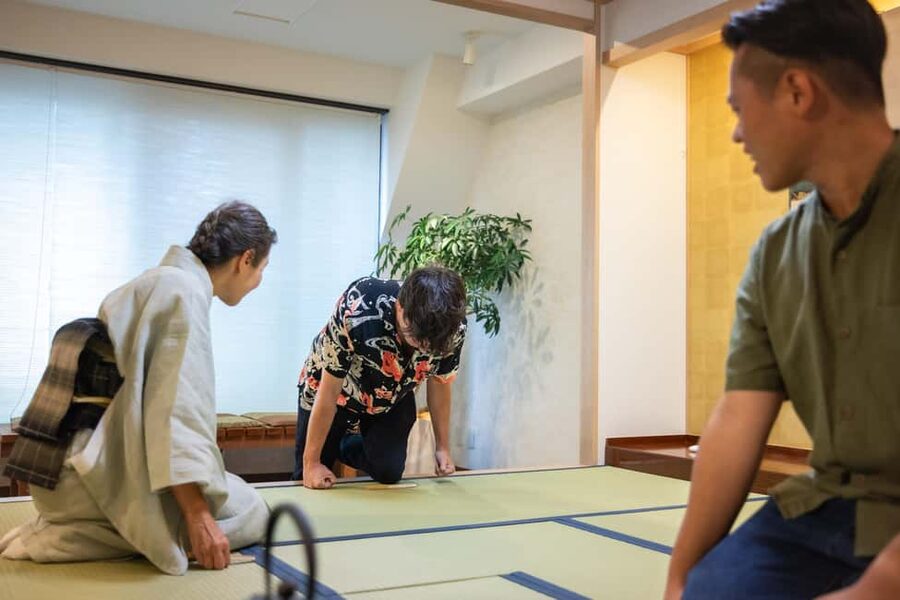
One hour is a practical length for a busy Tokyo itinerary. You can fit the ceremony before or after other plans in Asakusa without giving up an entire morning or afternoon.
The short format also keeps the activity focused. You get the main elements: an introduction to matcha, an explanation of the ceremony, a demonstration, sweets, and your own preparation. There is little risk of the experience turning into a long lecture.
The trade-off is depth. You will not have time for an extended discussion of tea ceremony history, different schools, advanced utensil use, or a long sequence of formal procedures. If you already have serious interest in Japanese tea arts, this may feel basic.
For a first introduction, that is not a major weakness. The experience gives you enough knowledge to recognize the care involved, and it may help you decide if you want to learn more later.
Is $25 good value in Tokyo?
At $25 per person, I consider this good value for a short cultural activity. The price includes the ceremony, matcha preparation lesson, traditional sweets, and English guidance. You are paying for instruction and participation, not just a cup of tea.
The value is strongest if you want something you cannot get from ordinary sightseeing. You can visit Asakusa’s famous sights on your own, but this activity gives you a guided look at a Japanese custom and lets you take part in it.
The price does not include kimono rental. That keeps the cost down, but it also means you should not expect a full dress-up package. If wearing a kimono is central to your plans, you will need to arrange that separately.
The reserve-now-and-pay-later option is useful if your Tokyo schedule is still changing. Free cancellation is available up to 24 hours before the experience for a full refund. Check the available start times before committing, since the activity lasts one hour and the exact schedule can affect your other plans.
Who will enjoy this experience most?
I would recommend this for:
- First-time visitors who want a clear introduction to Japanese customs
- People who enjoy hands-on activities more than passive sightseeing
- Families and couples looking for a short indoor experience
- Solo visitors who appreciate a small group and room for questions
- Matcha fans who want to learn how the drink is prepared
- Anyone with a busy Tokyo schedule who can spare one hour in Asakusa
It is also a good fit if you want a calm break between sightseeing stops. The session is friendly and approachable, with no need to arrive as a tea expert.
You may want to choose something longer if you are seeking a highly formal ceremony, a kimono experience, or detailed study of tea schools and utensils. Those are not the focus here.
Practical tips for a smoother visit
Use Google Maps and search for Tokyo Tourist Lounge Asakusa exactly as written. Remember that the meeting point is on the fifth floor, not at street level.
Arrive with an open mind about the taste of matcha. It is not usually sweet like a bottled green tea drink. The traditional sweets are there for a reason, and trying the tea with them gives you a better sense of the custom.
Wear something comfortable and easy to sit in. The available information does not describe a strict dress code, but comfort will help you pay attention to the demonstration and prepare your own bowl.
Keep your questions for the guide. The session is designed for curiosity, and asking about the tea’s role in Japanese society or the meaning of a particular movement can make the hour more rewarding.
Should you book the Asakusa tea ceremony?
Book it if you want a short, affordable, hands-on cultural experience with English guidance. The strongest reasons are the small group, the chance to make your own matcha, the traditional sweets, and the clear explanations associated with guides such as Midori and Kaz.
Skip it if you want kimono rental, a long formal ceremony, or advanced tea instruction. For most first-time visitors, though, this is a gentle way to understand an important Japanese custom without feeling intimidated. At $25 for an hour, it earns its place in an Asakusa day, especially when you need a peaceful pause and a cultural experience you can remember after the last sip.
FAQ
Where does the tea ceremony take place?
The meeting point is Tokyo Tourist Lounge Asakusa on the fifth floor of the building. You can search that name in Google Maps or use the coordinates 35.7103757, 139.796744.
How long does the experience last?
The tea ceremony experience lasts one hour. Starting times vary, so check availability when booking.
How much does it cost?
The listed price is $25 per person.
Is the activity conducted in English?
Yes. The instructor and guided experience are provided in English.
What is included?
The experience includes a Japanese tea ceremony, a matcha preparation lesson, traditional Japanese sweets, and guided instruction.
Is kimono rental included?
No. Kimono rental is not included in the price.
Can I make my own matcha?
Yes. After learning how matcha is prepared, you can make your own bowl and enjoy it at your own pace.
Can I cancel the booking?
Yes. You can cancel up to 24 hours in advance for a full refund. A reserve-now-and-pay-later option is also available.
Just added in Tokyo
- A One-of-a-Kind Sushi Experience in a Special Place of Japan★ 5.0 · 15 reviews
- Tokyo Cute Bento Cooking Class – Make a Kawaii Character Lunchbox★ 5.0 · 126 reviews
- Japanese Home Cooking Class & Walk in Todoroki Temple Tokyo★ 5.0 · 88 reviews
- Japan Tokyo Tower Observatory Deck E-Ticket★ 4.0 · 34 reviews
- Catch a Baseball Game in Tokyo with a Local – Tickets Included★ 5.0 · 24 reviews
- Japan Classic 10 Day – One Life Adventures★ 5.0 · 129 reviews
- JDM Experience with Fast&Furious RX-7 (English speaking Driver)★ 5.0 · 57 reviews
- Tokyo Private Day Tour by Car with English speaking Driver Guide★ 4.0 · 29 reviews
Tea Ceremonies, compared.
Tea Ceremony in a Traditional Tea House in Kiyomizu
Read our review →
World Heritage Kyoto & Nara Uji Authentic Matcha Experience
Read our review →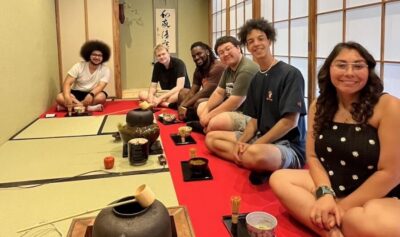
Browse the lists this tour appears in