
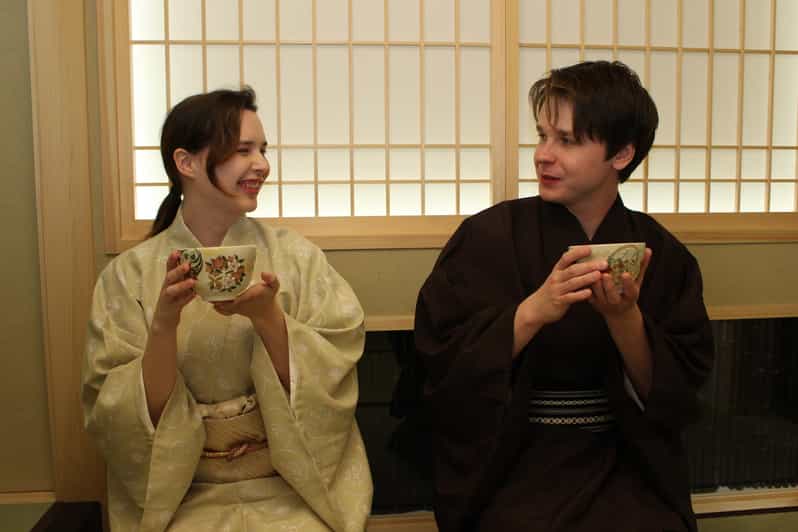
Reviewed · TEA CEREMONIES
Tokyo: Tea Ceremony in Shibuya Tokyo
Tea becomes a hands-on lesson. I like the private setting, which keeps the class personal for one to four people, and I like that you do more than watch: you learn the etiquette, taste sweets, and prepare your own matcha. English-speaking teachers guide the session, making the customs easier to follow.
The main consideration is price. At $81 per person, this is not a quick photo stop, though tea, sweets, taxes, and facility fees are included. A kimono can be added for an extra charge, and you need to contact the provider before booking if you want pickup service.
In This Review
- Key Points About This Shibuya Tea Ceremony
- Entering a Private Tea Room in Shibuya
- The Opening Lesson Covers Tea, Etiquette, and History
- Watching Otemae Before You Make Matcha
- Making Your Own Matcha, One Turn at a Time
- Traditional Japanese Sweets Complete the Tasting
- Kimono Options and Souvenirs in the Same Visit
- What $81 Buys You in Shibuya
- Who Will Enjoy This Class Most
- Planning Your Visit Without Guesswork
- Is This Shibuya Tea Ceremony Worth Booking?
- FAQ
- Where does the tea ceremony take place?
- How many people can join one booking?
- Is the class offered in English?
- What happens during the tea ceremony?
- Are tea and sweets included in the price?
- Can I wear a kimono during the ceremony?
- Is pickup service available?
Key Points About This Shibuya Tea Ceremony
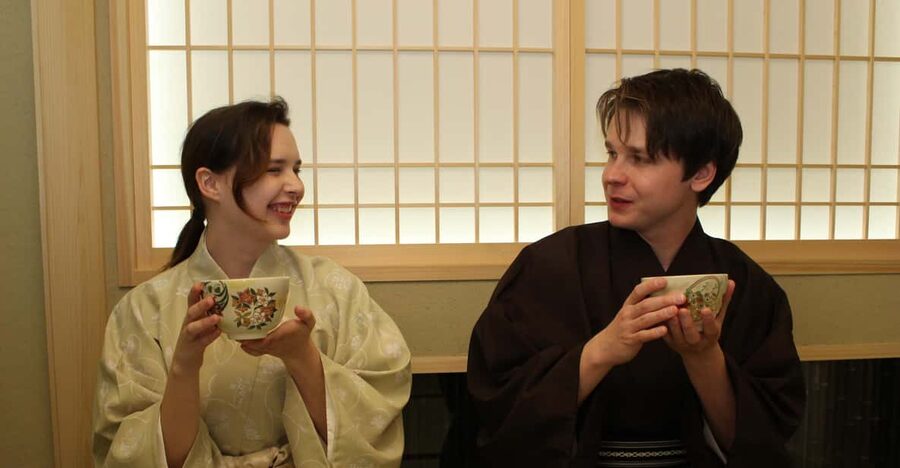
- Private classes for 1 to 4 people: Your group does not share the room with strangers.
- A real hands-on tea lesson: You watch the teacher prepare matcha, then make your own.
- English-speaking instruction: The teacher explains tea customs, history, and etiquette in English.
- Traditional sweets come first: You taste Japanese sweets before preparing and drinking your tea.
- Kimono and Japanese souvenirs: Kimono rental is available for an added fee, and souvenirs include Pokemon made from kimono fabric.
- Flexible booking terms: You can reserve now and pay later, with a full refund available when you cancel at least 24 hours ahead.
Entering a Private Tea Room in Shibuya
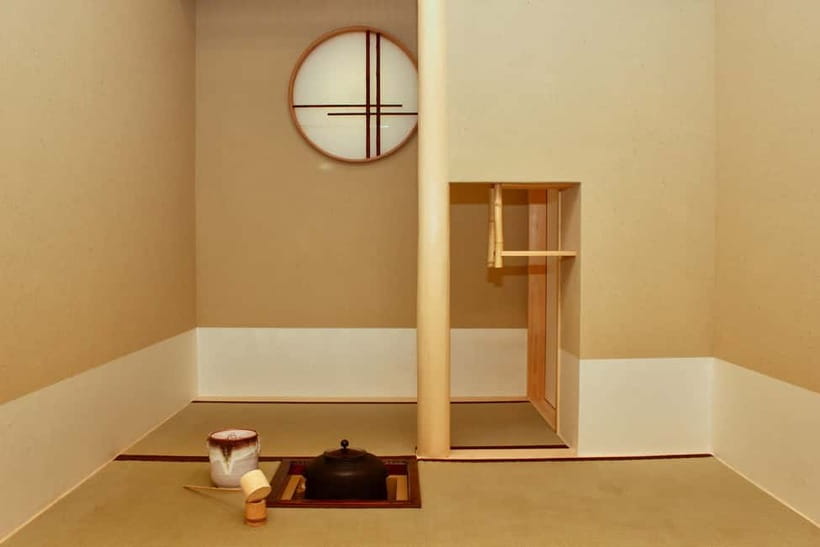
This is a small, focused cultural activity in one of Tokyo’s best-known districts. Shibuya is famous for giant screens, shopping, and crowds, but this class offers a quieter change of pace inside a prestigious tea room.
The private format matters. You book for one to four people, and the session is not mixed with another party. If you are visiting with family or friends, you can ask questions freely and take your turn without feeling rushed by a larger class.
I especially like this arrangement for couples, families, and small groups who want more than a staged performance. You are not simply watching a ritual from a distance. The teacher explains what is happening, then gives you a chance to take part.
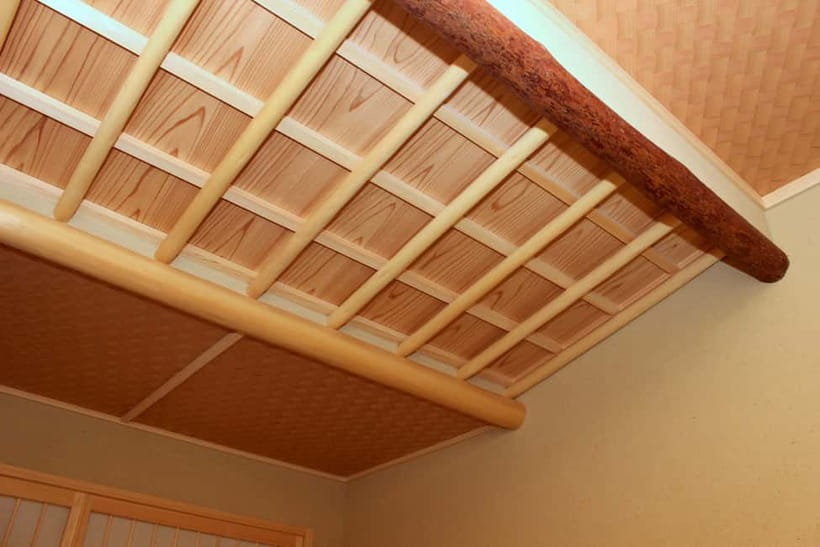
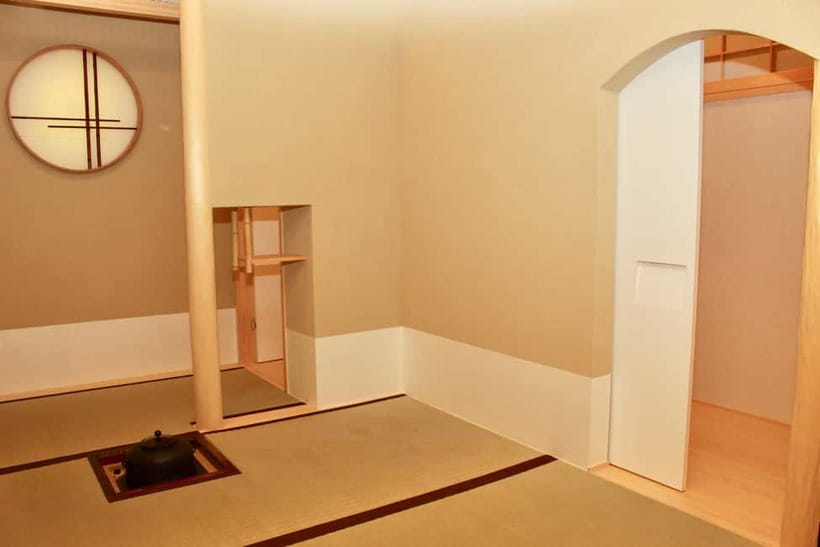
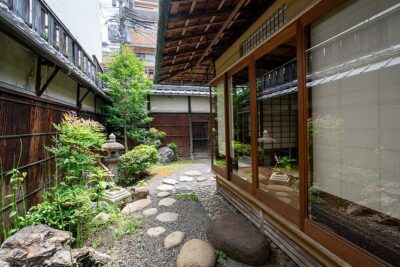
The room itself is part of the lesson. The setting helps you notice how much care goes into a tea ceremony: the arrangement of the space, the behavior of the host, and the measured pace of preparing tea. Specific room details are not given in advance, so you should expect a traditional tea-room atmosphere rather than a full tour of Japanese architecture.
More Tea Ceremonies in Tokyo
- Matcha Making Class in Tokyo with Authentic Japanese Sweets Set
★ 5.0 · 744 reviews - Tokyo: Traditional Tea Ceremony with a Tea Master
★ 5.0 · 528 reviews - Tokyo: Matcha Making Experience with Mochi Sweets in Asakusa
★ 4.9 · 388 reviews
The Opening Lesson Covers Tea, Etiquette, and History
The class begins with an explanation of the tea ceremony, including its background and proper manners. This first section gives you the basic framework for the rest of the activity.
Tea ceremony etiquette can seem mysterious if you only see it in photographs. Why does the host move in a certain order? Why are the bowl and utensils handled so carefully? Why are sweets served before the tea? The opening talk helps turn those actions into understandable customs.
The teachers are experienced in tea and speak English. That is a major advantage for an activity where small gestures matter. You can follow the explanation without relying on a translated handout or guessing what each movement means.
The history portion also adds useful context without requiring you to know anything about Japanese culture beforehand. I would treat this as a short cultural lesson rather than a formal academic lecture. The supplied details do not give a precise duration for every section, but one available option is described as a shorter, one-hour ceremony.
Watching Otemae Before You Make Matcha
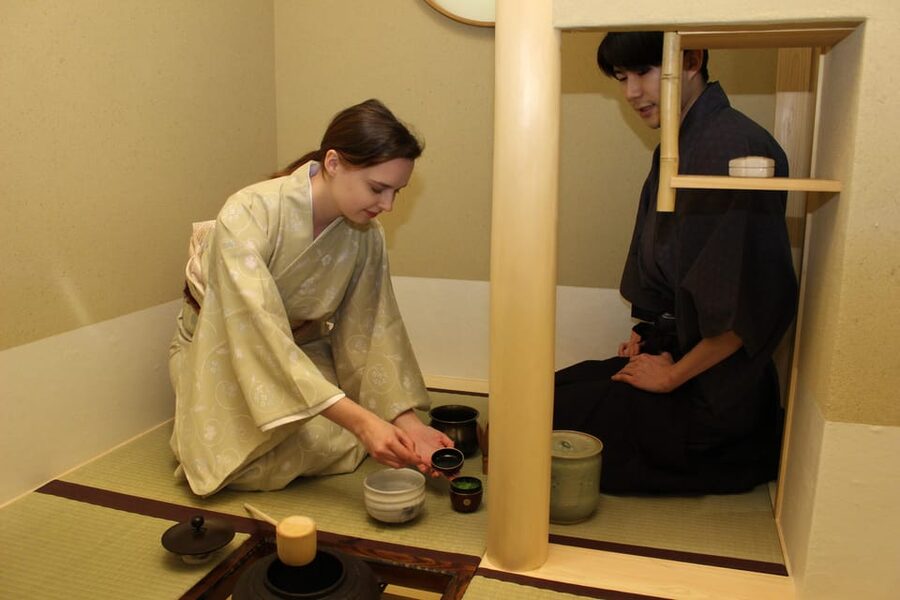
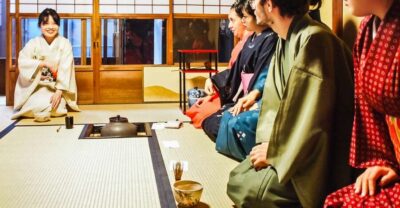
Next comes the demonstration known as Otemae, the preparation of tea by the teacher. This is the moment to watch closely, since the teacher shows you the movements before asking you to repeat them.
The demonstration is not just about producing a cup of matcha. It shows the order, care, and calm rhythm behind the ceremony. You see how the tea is prepared and presented, then you get a clearer idea of what to do when it is your turn.
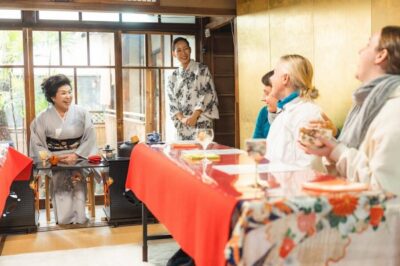
A teacher wearing a kimono may lead the ceremony. One guide named in the available comments is Mako-san, who was praised for her pleasant manner and strong command of the subject. Guide assignments can change, so I would not book on the assumption that a particular teacher will lead your session.
This demonstration is valuable for first-time visitors because it removes some of the pressure from the practical part. You can observe before handling the utensils yourself. That makes the class feel approachable, even if you have never prepared matcha.
Making Your Own Matcha, One Turn at a Time
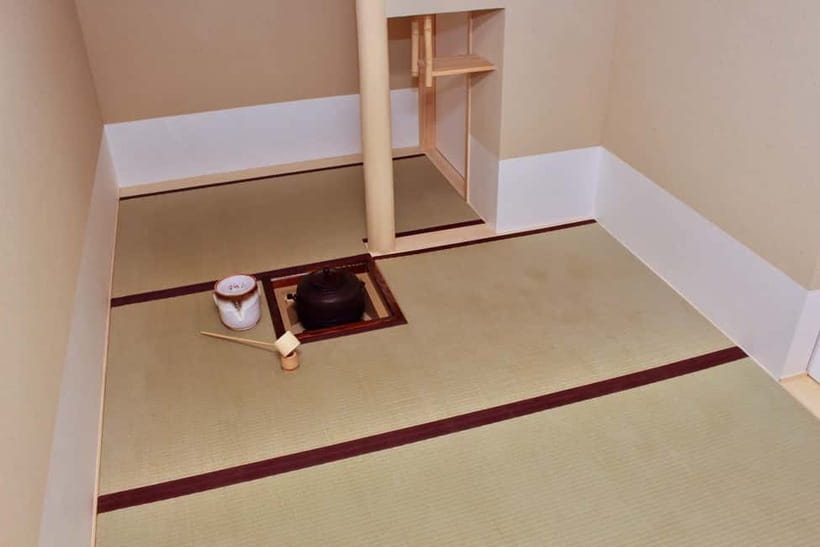
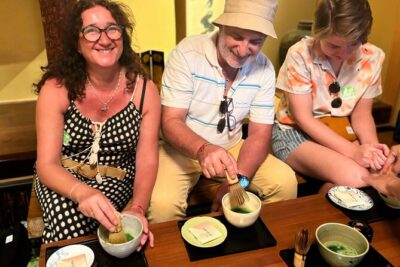
After watching the teacher, you prepare your own tea. The activity is designed so each person in your group can take a turn, making it more personal than simply receiving a cup from the host.
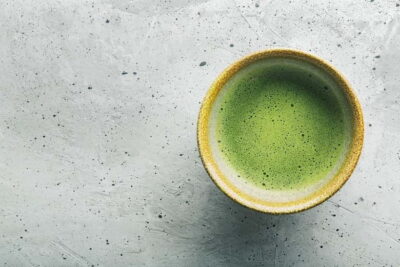
You will not just hear about matcha. You will take part in the process and then taste the result. That small act gives you a better feel for the ceremony’s discipline and attention than a passive demonstration would.
The class is also a good choice if your group has different interests. Someone who enjoys food can focus on the tea and sweets. Another person may prefer the clothing, history, or visual details. Because the group is private, you can move through the experience together rather than splitting up.
Do not expect a casual café-style matcha workshop. The ceremony follows traditional etiquette, and the pace is intentionally calm. If you want a fast drink and a quick explanation, this may feel too formal. If you like learning by doing, the hands-on format is one of the strongest reasons to book.
A completely different kind of day out:
- Tokyo Disney Resort – Tokyo Disneyland & Tokyo DisneySea Park Tickets
★ 4.8 · 99,488 reviews - SHIBUYA SKY Ticket
★ 4.7 · 46,509 reviews - JR Whole Japan Rail Pass
★ 4.8 · 29,150 reviews - Mt Fuji and Hakone 1-Day Bus Tour Return by Bullet Train
★ 5.0 · 26,383 reviews
Traditional Japanese Sweets Complete the Tasting
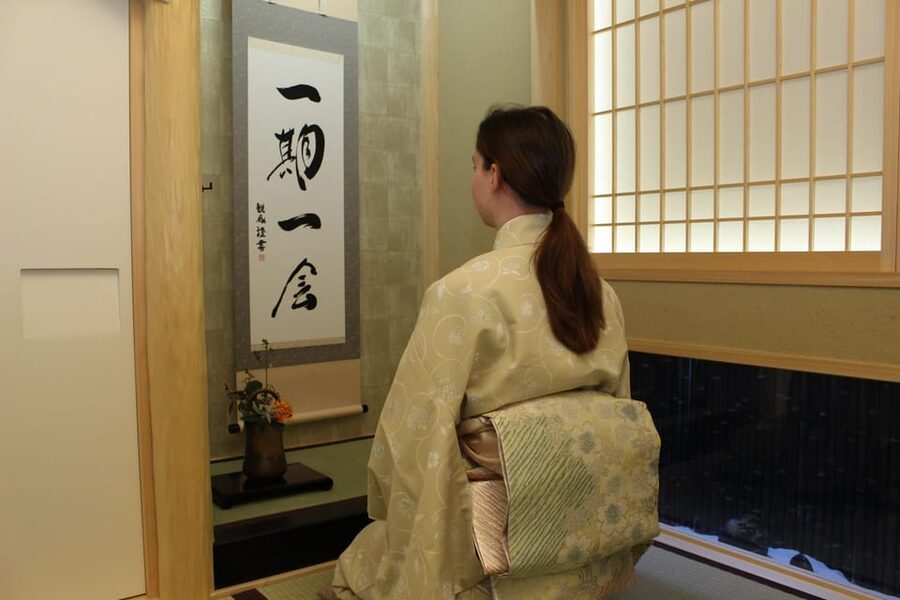
Before making your tea, you taste traditional Japanese sweets. This order is part of the experience, not just an included snack.
The sweets provide a useful contrast to matcha. Japanese tea sweets are often selected to balance the tea’s flavor, and eating them first prepares your palate for the drink. The information does not specify the exact type of sweets served, so do not book expecting a particular confection.
The tea and sweets fees are included in the $81 price. That makes the cost easier to judge, since you are paying for instruction, the room, the cultural presentation, and refreshments rather than adding each item separately.
The available feedback gives both matcha and sweets high marks for flavor. I would still keep expectations sensible: this is a tea ceremony with tasting, not a full meal. If you arrive hungry, plan another meal separately.
Kimono Options and Souvenirs in the Same Visit
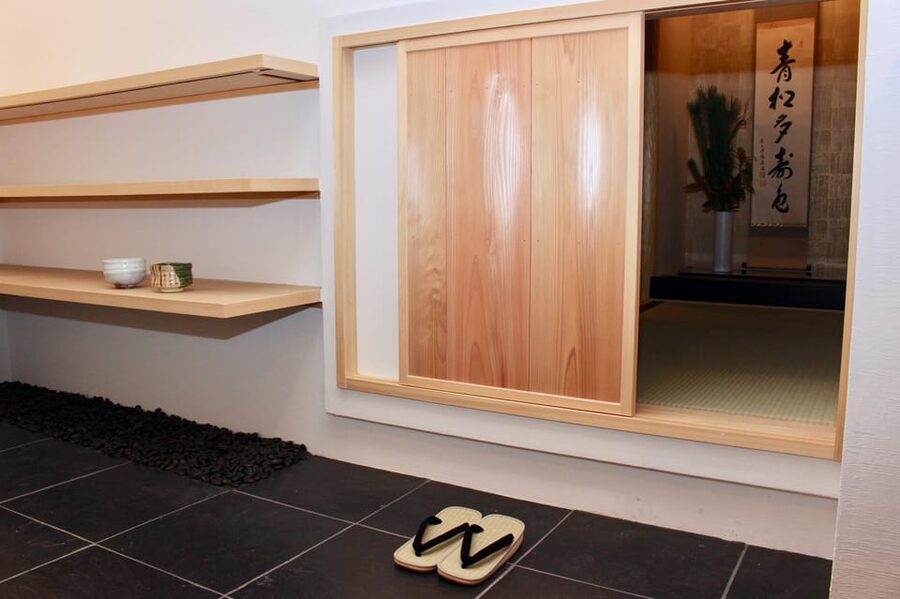
You can add a kimono-wearing option for an extra charge. One participant wore a kimono during the ceremony and found it added to the sense of occasion.
This is an appealing choice if photographs matter to you or if you want to mark a special day. It also changes how you experience the ceremony, since clothing is part of the visual language of traditional Japanese culture. The kimono option costs extra, so check the current price before you commit.
If you do not choose the kimono option, you can still take part in the tea ceremony. The required clothing guidance is simple: wear a skirt or pants long enough to cover your knees if possible. If that is not practical, suitable pants or a wrap skirt can be lent to you free of charge.
The venue also offers souvenirs, including Pokemon figures or items made from kimono material. These are a fun bridge between old and new Japan. You can enjoy the traditional ceremony and then browse a more playful keepsake rather than buying only standard tourist goods.
The exact souvenir selection is not guaranteed, so think of it as an extra possibility rather than a promised part of the schedule.
What $81 Buys You in Shibuya
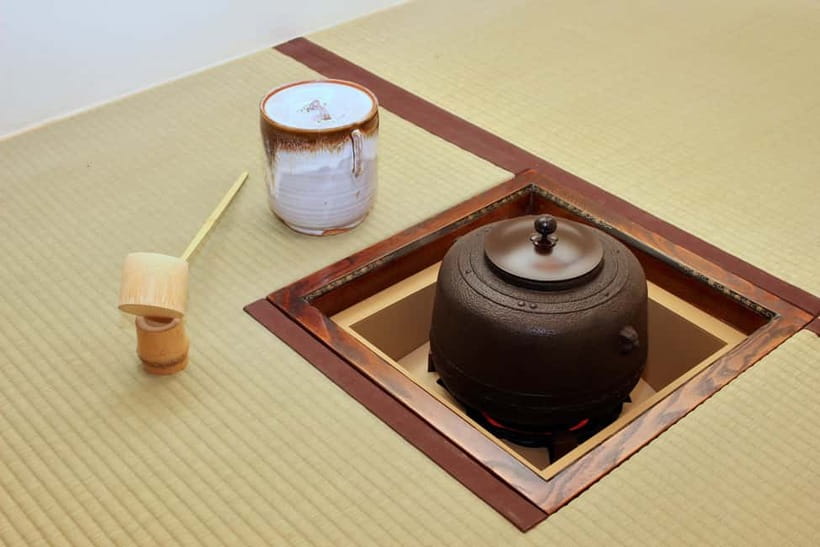
The listed price is $81 per person. For a private class in a prestigious tea room, the value depends on how much you want personal instruction and cultural context.
The fee includes the tea, traditional sweets, facility charges, and taxes. You are also paying for an English-speaking teacher, the explanation of history and etiquette, the Otemae demonstration, and your own turn preparing matcha.
I see the price as reasonable for a small, private lesson, especially if you are traveling with three or four people and want to avoid a mixed group. The cost is harder to justify if you only want to sample matcha or take a quick photo in a kimono.
The private format is the real value here. You receive time with the teacher and get to participate. A cheaper public demonstration might show you the ceremony, but it may not give everyone in your party a turn.
Pickup service is available if needed, but you must contact the provider by email before booking. The listed email is [email protected]. Since pickup details are not explained, ask where the service operates, when it can be arranged, and whether any extra cost applies.
Who Will Enjoy This Class Most
I would recommend this for anyone visiting Tokyo who wants a clear introduction to Japanese tea culture without committing to a long formal program.
It suits:
- Couples looking for a calm cultural activity in Shibuya
- Families who want a private class
- Small friend groups of up to four people
- First-time visitors who prefer English instruction
- People interested in matcha, Japanese sweets, or traditional clothing
- Anyone who learns best by taking part rather than watching
It may be less suitable for a larger party, since the maximum is four people per booking. You would need to ask the provider how multiple bookings could be handled, and no details are provided about joining separate reservations.
It is also not the right choice if you want a broad tour of Shibuya. The activity focuses on tea ceremony customs, preparation, tasting, and the room. You will not be getting a neighborhood sightseeing tour from the information provided.
Planning Your Visit Without Guesswork
Nothing special is required to bring. Still, clothing deserves attention. Choose a skirt or trousers that cover your knees, and wear something that lets you sit and move comfortably.
If you would like to wear a kimono, ask about the extra charge before booking. The same applies to pickup service. The provider specifically asks you to make contact by email before reserving if you need transportation assistance.
The activity is available in English. That makes it a practical choice for visitors who want detailed explanations instead of a silent demonstration.
You can reserve and pay later, which gives you some flexibility while arranging a Tokyo schedule. Cancellation is free up to 24 hours before the activity for a full refund. Since the provider offers different dates and plans, check the current option carefully before confirming.
The activity has a 4.9 rating from 14 reviews, with repeated praise for the welcome, the peaceful setting, the teacher’s explanations, and the chance to prepare tea personally. I would place the most weight on the consistent praise for the teaching and hands-on format, since those are the core parts of the class.
Is This Shibuya Tea Ceremony Worth Booking?
I would book it if you want a private, English-language introduction to tea ceremony and like the idea of making your own matcha. The combination of etiquette, Otemae, sweets, and participation gives you a fuller experience than a simple tasting.
At $81 per person, it is best viewed as a small cultural class rather than a cheap refreshment stop. Add the kimono option only if clothing and photographs are important to you, and contact the provider first about pickup.
Skip it if your group has more than four people, if you dislike formal rituals, or if you want a long sightseeing tour. For a small group that wants a quiet hour of Japanese culture in the middle of Shibuya, this is a thoughtful and well-focused choice.
FAQ
Where does the tea ceremony take place?
The activity takes place in Shibuya, Tokyo, in a prestigious tea room.
How many people can join one booking?
A booking can include from one person up to four people. Each experience is private for your group, with no mixed sessions.
Is the class offered in English?
Yes. The classes are led by English-speaking teachers experienced in tea.
What happens during the tea ceremony?
You receive an explanation of the tea ceremony, its history, and etiquette. You then watch an Otemae demonstration, prepare your own matcha, and taste the tea with traditional Japanese sweets.
Are tea and sweets included in the price?
Yes. The $81 price includes tea, sweets, facility charges, and taxes.
Can I wear a kimono during the ceremony?
A kimono option is available for an additional charge. Suitable pants or a wrap skirt can be lent to you free of charge if your clothing does not cover your knees.
Is pickup service available?
Pickup service is included if needed, but you must contact the provider by email before booking. The listed email is [email protected].
Just added in Tokyo
- Tokyo Cute Bento Cooking Class – Make a Kawaii Character Lunchbox★ 5.0 · 126 reviews
- Japanese Home Cooking Class & Walk in Todoroki Temple Tokyo★ 5.0 · 88 reviews
- A One-of-a-Kind Sushi Experience in a Special Place of Japan★ 5.0 · 15 reviews
- Japan Tokyo Tower Observatory Deck E-Ticket★ 4.0 · 34 reviews
- Catch a Baseball Game in Tokyo with a Local – Tickets Included★ 5.0 · 24 reviews
- JDM Experience with Fast&Furious RX-7 (English speaking Driver)★ 5.0 · 57 reviews
- Tokyo Private Day Tour by Car with English speaking Driver Guide★ 4.0 · 29 reviews
- Japan Classic 10 Day – One Life Adventures★ 5.0 · 129 reviews
Tea Ceremonies, compared.
Tea Ceremony in a Traditional Tea House in Kiyomizu
Read our review →
World Heritage Kyoto & Nara Uji Authentic Matcha Experience
Read our review →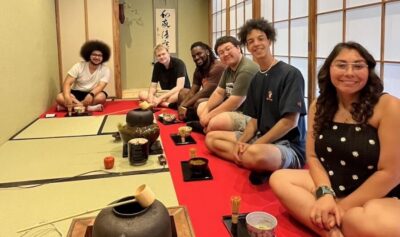
Browse the lists this tour appears in